Tag: CLARITY Act

  • Crypto News Roundup: Bitcoin ETF Outflows, Lido Moves 8M ETH, BitMine Expands, CLARITY Act Delayed, Apple Sued

    Crypto News Roundup: Bitcoin ETF Outflows, Lido Moves 8M ETH, BitMine Expands, CLARITY Act Delayed, Apple Sued

    Overview

    US spot Bitcoin ETFs recorded $11.64 million in net outflows, with BlackRock’s IBIT and Fidelity’s FBTC accounting for the entire daily withdrawal. Lido started transferring over 8 million ETH through its Curated Module V2 upgrade. BitMine purchased another 9,946 ETH, taking total holdings to 5.79 million ETH, while approximately 85% of its Ethereum portfolio is staked. The crypto market saw several major developments as spot Bitcoin ETFs recorded $11.6 million in net outflows, the CLARITY Act was delayed in the U.S. Senate, Lido migrated 8 million ETH, and BitMine expanded its already substantial Ethereum holdings.

    Bitcoin ETFs Witness $11.6 Million in Outflows

    According to SoSoValue, the Bitcoin spot ETFs saw a total net outflow of $11.64 million yesterday. The Bitcoin spot ETF with the highest net outflow yesterday was BlackRock’s IBIT, with a daily net outflow of $8.82 million. Its cumulative historical net inflow now stands at $60.39 billion. The second highest was Fidelity’s ETF FBTC, with a daily net outflow of $2.82 million, and the total historical net inflow of FBTC currently stands at $10 billion. The total net asset value of Bitcoin Spot ETFs is $78.71 billion, with an ETF net asset ratio of 6.04%. The historical cumulative net inflow has reached $51.37 billion.

    Lido Moves 8 Million ETH

    Lido started moving more than 8 million ETH, worth around $16 billion, onto a new set of validators on 27 July 2026. The migration runs through the protocol’s Curated Module V2 upgrade, which the Lido DAO ratified on 23 July 2026. Lido is the largest liquid staking protocol on Ethereum, where users deposit ether and receive a tradable staking token in return. The Curated Module handles more than 90% of the ether staked through Lido. The upgrade moves validators from the older 0x01 withdrawal standard to the newer 0x02 standard. A single 0x02 validator can hold up to 2,048 ETH, far above the previous limit of 32 ETH.

    CLARITY Act Shelved Until September

    Majority Leader John Thune told reporters he does not expect the Digital Asset Market CLARITY Act to reach a floor vote before the Senate’s summer recess begins around August 7. He reasons that the chamber is first working through federal nominations, then a Russia sanctions bill, a piece of legislation now dedicated to the memory of Senator Lindsey Graham, who died Monday. Graham’s funeral will occupy the Senate floor Tuesday and Wednesday. The sequencing matters because the Senate’s closure process handles one bill at a time. Moving nominations, then Russia sanctions, then clearing the procedural steps for each, uses up days the chamber does not have before recess. “The leadership would have to see where the votes are,” Thune said.

    Apple Faces $1.8 Million Fake Crypto App Lawsuit

    James Ramirez, Christopher Ellis and Jalen Delgado filed the 54-page complaint on July 24 in the US District Court for the Northern District of California. The allegations have not been tested in court, and Apple has not yet filed a public response in the case. The public docket identifies the action as Ramirez et al. v. Apple Inc., case 5:26-cv-07713. It currently shows the complaint, a civil cover sheet and an unexecuted summons filing. The complaint says Delgado downloaded a spoof application around May 1, 2025, and lost about $120,000. Ramirez allegedly downloaded another on July 25 and lost 7.4 BTC, valued at around $875,000. Ellis allegedly lost about $840,000 after using the app around August 3. Each user says the software requested a wallet seed phrase before transferring Bitcoin to attacker-controlled addresses.

    BitMine Adds 9,946 ETH

    According to an official announcement, on July 27, BitMine increased its ETH holdings by 9,946 ETH and simultaneously repurchased 6.1 million common shares. BitMine’s total Ethereum holdings reached 5,787,414 ETH, accounting for approximately 4.8% of the total ETH supply. Currently, BitMine holds a total value of approximately $11.8 billion in cryptocurrencies, cash, and other investment assets, including $268 million in cash and marketable securities, 208 BTC, $180 million in equity assets from Beast Industries, and a $61 million investment in Eightco Holdings (ORBS). The amount of ETH staked is 4,917,189, accounting for 85% of the total holdings, with a value of approximately $9.6 billion and an annualized staking yield of about $254 million.

    FAQs

    How much did Bitcoin spot ETFs lose in daily outflows?

    According to SoSoValue, US spot Bitcoin ETFs recorded a combined net outflow of $11.64 million. BlackRock’s IBIT accounted for $8.82 million, while Fidelity’s FBTC saw $2.82 million leave the fund.

    Why is Lido moving more than 8 million ETH?

    Lido is migrating ETH under its Curated Module V2 upgrade to reduce network load and improve validator efficiency. The transition replaces the older 0x01 withdrawal standard with the newer 0x02 format.

    How much Ethereum does BitMine currently hold?

    BitMine’s Ethereum holdings reached 5,787,414 ETH after it added another 9,946 ETH. According to the announcement, this represents approximately 4.8% of Ethereum’s total supply.

    Why has the CLARITY Act vote been delayed?

    Senate Majority Leader John Thune indicated that other legislative priorities and procedural requirements would consume the remaining time before the summer recess. The bill is therefore unlikely to receive a floor vote before September.

    What is the lawsuit against Apple about?

    Three plaintiffs allege that fraudulent crypto applications downloaded through Apple’s platform stole wallet credentials and digital assets. The complaint seeks damages linked to reported combined losses of around $1.8 million.

    Disclaimer: This article is provided for informational purposes and does not constitute investment advice. You are responsible for conducting your own research (DYOR) before making any investments. Cryptocurrencies are risky and may lead to financial loss.
  • Goldman Sachs CEO David Solomon Breaks with Banking Peers to Endorse CLARITY Act for Crypto Regulation

    Goldman Sachs CEO David Solomon Breaks with Banking Peers to Endorse CLARITY Act for Crypto Regulation

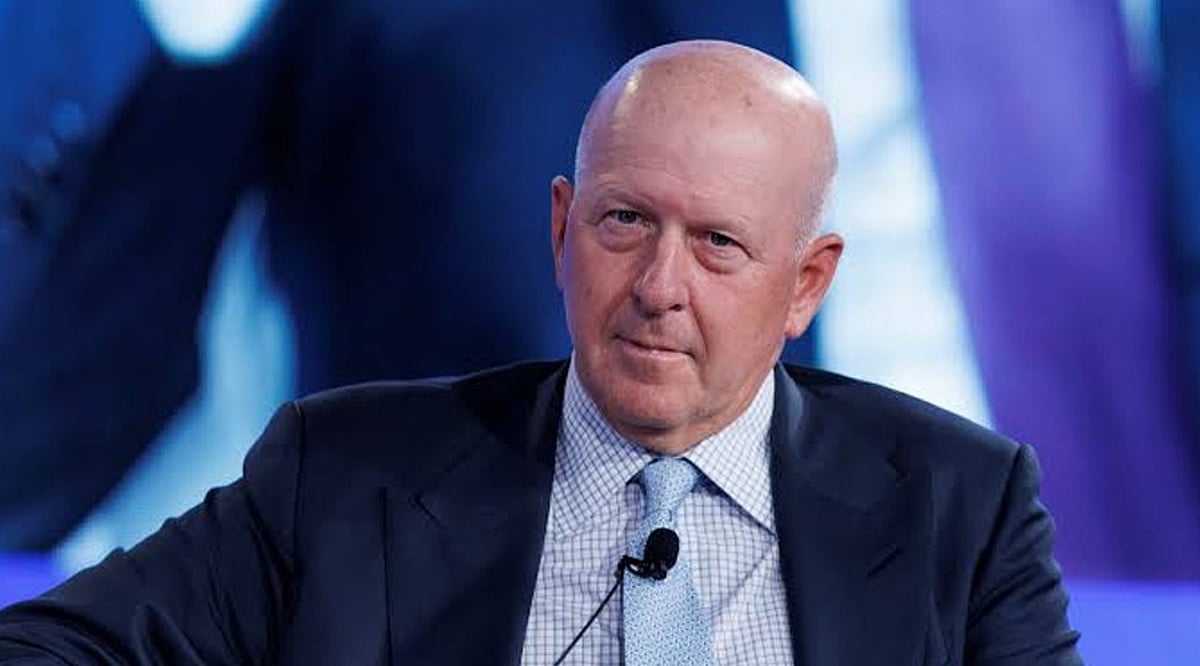
    Goldman Sachs CEO David Solomon has publicly endorsed the CLARITY Act, a proposed U.S. digital asset market structure bill, despite widespread opposition from major banking groups. Solomon’s stance places Goldman Sachs at odds with other Wall Street leaders who object to provisions on stablecoin rewards.

    In an interview reported on July 23, 2026, Solomon described the bill as “not perfect” but argued it would create a level playing field, support market stability, and allow digital asset markets to develop under clearer standards. He stated he was “very supportive of moving the CLARITY Act forward,” urging Congress to establish a market structure that encourages continued innovation.

    The House passed an earlier version of the Digital Asset Market Clarity Act in July 2025, which aims to divide regulatory oversight between the Securities and Exchange Commission (SEC) and the Commodity Futures Trading Commission (CFTC). Senate committees have since been working on their own version.

    Stablecoin Rewards Divide Major Banks

    JPMorgan Chase CEO Jamie Dimon has opposed provisions that would allow crypto companies to offer rewards tied to stablecoin holdings. Dimon argues that such products function like interest-bearing deposits without facing equivalent capital, liquidity, and consumer protection rules. Bank trade groups echoed these concerns after senators released an updated draft on July 22, warning that the bill could drain deposits from traditional lenders and reduce funds available for local lending. They have urged lawmakers to close what they view as a regulatory gap in stablecoin reward rules.

    Crypto companies take a different view. Coinbase CEO Brian Armstrong contends that banks seek tighter limits because stablecoin rewards could compete with traditional deposit products. The core dispute centers on whether reward programs should be subject to bank-style controls or separate digital asset regulations.

    Democrats Seek Stronger Ethics and Consumer Protections

    Seven Senate Democrats have criticized the Republican-backed text as “falls short,” citing concerns over ethics rules, consumer protection, illicit finance, conflicts of interest, and market integrity. Senator Elizabeth Warren called the revised proposal “dead on arrival,” arguing its ethics language lacks sufficient enforcement against financial conflicts involving federal officials. Democrats also want state attorneys general to hold enforcement authority rather than leaving it primarily with the Justice Department.

    Republican supporters counter that the draft adds limits on crypto activity by senior federal officials and strengthens national security controls. Senator Tim Scott has said the framework protects consumers and gives businesses clearer rules, while Senator Cynthia Lummis has defended the ethics provisions.

    Lawmakers have yet to reach a final deal on stablecoin rewards, ethics enforcement, or consumer protections. A Senate vote could occur after these disputes are resolved, testing whether bipartisan support can be preserved. Until then, Solomon’s backing gives the CLARITY Act a significant endorsement from one major Wall Street firm while the broader banking sector remains divided.

  • Bitcoin ETF Inflows, WEMIX Security Breach, and CLARITY Act Push: Key Crypto Developments

    Bitcoin ETF Inflows, WEMIX Security Breach, and CLARITY Act Push: Key Crypto Developments

    Bitcoin ETF Inflows and MVRV Z-Score Signal Undervaluation

    Spot Bitcoin ETFs recorded $33.79 million in weekly net inflows, led by Grayscale Bitcoin Mini Trust with $85.78 million, according to SoSoValue. Meanwhile, Bitcoin’s MVRV Z-Score fell to 0.42, roughly four times below its historical mean of 1.7, indicating an undervalued range. CryptoQuant analyst Axel Adler Jr. noted that the metric has not entered negative territory, suggesting the market has not yet seen the capitulation selling often associated with cycle bottoms. Bitcoin’s 7-day realized profit and loss has turned positive at $239 million, easing on-chain selling pressure.

    WEMIX Freezes Bridge After $6.25 Million Security Breach

    WEMIX confirmed that an attacker gained control of owner privileges linked to its WEMIX$ stablecoin contract on July 26, enabling unauthorized token minting and asset transfers. An early report valued the abnormal issuance at approximately $6.25 million, later refined to about 5.23 million WEMIX$ minted. The company identified suspected attacker wallets and is coordinating with exchanges and stablecoin issuers to freeze the assets.

    Stripe’s Stablecoin Card Program Lead Steps Down

    Connor Fitzgerald, who led Stripe’s stablecoin partnerships and helped build its global stablecoin card program across more than 100 markets, announced his departure. Fitzgerald joined after Stripe acquired the stablecoin platform Bridge and worked on sponsor bank partnerships and regulatory compliance.

    Senator Lummis Pushes CLARITY Act to Combat Crypto Thefts

    On July 27, Senator Cynthia Lummis renewed efforts to pass the CLARITY Act, which grants the Treasury Department power to impose digital-asset-specific sanctions on foreign jurisdictions and allows exchanges to freeze suspicious transactions for up to 180 days. On-chain data shows North Korea’s Lazarus Group stole approximately $643 million in the first half of 2026, accounting for two-thirds of global crypto thefts. Galaxy Research lowered the probability of the CLARITY Act passing in 2026 to 30%.

  • Altcoin Market Rebounds: ONDO and BANK Surge on CLARITY Act Optimism

    Altcoin Market Rebounds: ONDO and BANK Surge on CLARITY Act Optimism

    The cryptocurrency market has recovered from several weeks of sluggish price action, with Bitcoin holding above key support levels and altcoins staging a strong rebound. Investor sentiment has improved amid expectations surrounding the CLARITY Act, a proposed U.S. bill aimed at establishing clear regulations for digital assets. Among the top performers are Ondo Finance (ONDO) and Lorenzo Protocol (BANK), both of which have attracted fresh capital due to strong fundamentals and renewed institutional interest.

    Key Takeaways

    • ONDO has gained momentum through its focus on tokenized real-world assets.
    • BANK has benefited from renewed investor interest in DeFi projects.
    • CLARITY Act expectations have boosted confidence across the crypto market.

    CLARITY Act Brings New Confidence

    The CLARITY Act is widely seen as a catalyst for the current market recovery. The legislation seeks to define the roles of regulatory agencies and create unambiguous rules for digital assets in the United States. Although the bill has not yet been signed into law, recent congressional discussions have fueled optimism among investors, who believe that clear guidelines will encourage broader participation from businesses and financial institutions.

    ONDO Stands Out Among RWA Projects

    Ondo Finance has emerged as one of the strongest performers during this rebound. The project specializes in tokenized real-world assets (RWAs), including U.S. Treasury products and other yield-bearing instruments. The RWA sector has grown rapidly as traditional financial firms explore blockchain technology for faster settlements and greater accessibility. At the time of writing, ONDO is trading around $1.40, with a market capitalization exceeding $4 billion—placing it among the largest projects in the real-world asset space. Daily trading volume has also risen as more investors enter the market. The recent price move has pushed ONDO above a key resistance level, and traders are watching to see if it can maintain its upward trajectory.

    Institutional Interest Supports ONDO

    Large-scale financial companies have increasingly turned to blockchain technology to enhance efficiency, reduce costs, and improve transparency. Ondo Finance has developed products that bridge traditional finance with blockchain, earning trust from institutional investors. Unlike purely speculative cryptocurrencies, ONDO’s focus on fundamentally sound applications makes it attractive during periods when investors prioritize quality over hype.

    BANK Records Strong Gains

    BANK has also delivered impressive returns in the latest rally. The token has gained momentum as investors return to promising decentralized finance (DeFi) projects. Higher trading activity and improved liquidity have supported its price growth. The positive mood across the crypto market has encouraged investors to look beyond Bitcoin and Ethereum for projects with higher growth potential, and BANK has emerged as a popular choice due to its expanding ecosystem and rising community interest.

    Bitcoin Creates Room for Altcoins

    Bitcoin has played a pivotal role in this recovery. After the world’s largest cryptocurrency found stability, traders began shifting capital into altcoins. Ethereum also posted steady gains, strengthening activity across the DeFi sector. This pattern has appeared in previous market cycles: Bitcoin moves first, then investors rotate into altcoins with strong narratives and solid development. This cycle, real-world asset projects and DeFi platforms have been the primary beneficiaries.

    Investors Stay Selective

    Despite the broad gains, experts do not believe a full altcoin season has begun. Money has flowed into a limited number of projects rather than the entire market. Investors continue to focus on cryptocurrencies with clear products, active development, and long-term potential. External factors such as economic conditions, interest rate decisions, geopolitical events, and future regulatory announcements remain influential. Many traders are therefore prioritizing quality over speculation.

    Why This Matters

    The recent rally in ONDO and BANK demonstrates that investors are paying closer attention to projects with real value and long-term potential. Clear crypto regulations could attract more institutional capital, strengthen market confidence, and support wider blockchain adoption. These developments may shape the next phase of growth across the digital asset industry.

    What Comes Next

    The next few months could be critical for the crypto industry. Progress on the CLARITY Act could further boost confidence and encourage institutional participation. Projects like ONDO, which already work closely with traditional financial products, stand to benefit. BANK could also attract more attention if interest in DeFi continues to grow. If favorable market conditions persist and regulatory clarity improves, both tokens could remain among the strongest performers in the current altcoin recovery.

    Frequently Asked Questions

    1. What is the CLARITY Act? The CLARITY Act is a proposed U.S. bill that aims to create clear regulations for digital assets and define the responsibilities of crypto regulators.
    2. Why has ONDO gained attention? ONDO has attracted investors because it focuses on tokenized real-world assets, including U.S. Treasury-backed financial products.
    3. Why is BANK rising? BANK has benefited from stronger interest in DeFi projects, improved market sentiment, and higher trading activity.
    4. What is driving the altcoin market recovery? Better Bitcoin stability, renewed investor confidence, and optimism about future crypto regulations have supported the latest rebound.
    5. Can the rally continue? Future gains will depend on broader market conditions, regulatory progress, institutional participation, and continued demand for high-quality crypto projects.

    Disclaimer: This article is for informational purposes only and does not constitute financial advice. Cryptocurrency investments carry risk. Always conduct your own research before making investment decisions.

  • Bitcoin Holds Near $65,200 as Record ETF Inflows Offset Geopolitical Uncertainty

    Bitcoin Holds Near $65,200 as Record ETF Inflows Offset Geopolitical Uncertainty

    Bitcoin traded near $65,218 on Friday, supported by seven consecutive sessions of spot ETF inflows totaling nearly $1 billion, even as escalating US-Iran tensions and rising oil prices kept overall market sentiment fragile. The leading cryptocurrency showed resilience ahead of the Federal Reserve meeting on July 28-29, with resistance at $66,000 and key support at $64,350.

    Market Overview

    Bitcoin held near $65,218.75, up 0.51% over the past 24 hours, according to CoinMarketCap data. The price action remains anchored to oil movements, ETF flows, and shifting Fed rate expectations. Altcoins outperformed, with Ethereum gaining 2.27%, Solana 2.39%, and Dogecoin jumping 4.78%.

    Analyst Perspectives

    Middle East Escalation Tests Risk Appetite

    Akshat Siddhant, Lead Quant Analyst at Mudrex, noted Bitcoin slipped to around $64,800 as fresh attacks in the Middle East dampened investor confidence. Crude oil pushed past $90 a barrel, driving US bond yields to 18-month highs. Despite this, spot Bitcoin ETFs extended their inflow streak to seven sessions, drawing nearly $1 billion. Resistance sits at $66,000, with $64,350 acting as the key support zone.

    Fed Meeting Looms as Next Catalyst

    Vikram Subburaj, CEO of Giottus, placed Bitcoin near $65,100, down about 1% as oil above $100 and firmer Treasury yields weighed on sentiment. He called the July 28-29 Fed meeting the most important near-term catalyst. Spot ETFs attracted close to $999 million across seven straight sessions through July 22, though preliminary data hinted at a pause on July 23.

    Support Holds Despite Selling Pressure

    The CoinSwitch Markets Desk noted Bitcoin briefly dipped below $65,000 before recovering. Brent crude climbed past $100, while bond yields hit 18-month highs. Higher energy costs revived inflation worries. The 21-day moving average near $64,000 is key support, with $68,000 marking the next resistance band.

    Regulatory Signals Add a Silver Lining

    Nischal Shetty, Founder of WazirX, flagged Argentina’s proposal allowing mutual funds to invest directly in Bitcoin as a meaningful adoption signal. Bitcoin’s near-term support lies between $64,200 and $64,500, with traders watching whether it can reclaim $66,000.

    Bitcoin’s Structure Stays Comparatively Resilient

    Riya Sehgal, Research Analyst at Delta Exchange, said gold and silver fell despite geopolitical tensions, as rising Treasury yields and a stronger dollar outweighed safe-haven demand. Bitcoin held up better than Ethereum and most altcoins. A move past $66,100 could open the $66,600 to $66,900 zone, while a break under $65,000 risks a drop toward $64,200.

    Top 10 Coins at a Glance

    Biggest Gainers: DOGE (+4.78%), ETH (+2.27%), SOL (+2.39%).

    Relative Laggards: USDT, USDC, TRX (minimal movement).

    Key News Driving Market Sentiment

    US-Iran Tensions Keep Oil and Yields Elevated

    Fresh hostilities pushed oil above $90 a barrel, reviving inflation concerns just as the Fed prepared for its meeting. Traders trimmed exposure to riskier assets.

    CLARITY Act Text Sparks Fresh Senate Debate

    The full text of the CLARITY Act became public on July 22, reigniting disagreement over enforcement roles. Passage odds are roughly 43% in prediction markets.

    Bitcoin ETF Inflow Streak Faces a Test

    Preliminary data hinted at a possible outflow midweek, suggesting institutional appetite may be cooling. Analysts are watching whether the trend resumes.

    XRP Whales Accumulate as ETF Pace Slows

    Large XRP holders increased positions this week. The token holds above $1.10, supported by its EU MiCA license and cumulative ETF inflows near $1.48 billion.

    Coinbase Expands Payments for AI Agents

    Coinbase introduced a feature allowing corporate customers to accept payments directly from AI agents via the x402 protocol, signaling growing overlap between AI and blockchain.

    BNY Mellon Advances Tokenized Treasury Plans

    BNY Mellon confirmed plans to launch tokenized US Treasuries by late 2026, targeting round-the-clock settlement by 2027.

    Investor and Market Outlook

    Bitcoin holds near $65,200 as ETF demand offsets Middle East pressure. A close above $66,000 could open a path toward $69,000. A slip below $64,350 risks exposing support near $64,000. Ethereum trades near $1,874, testing resistance at $1,950. Oil prices, Treasury yields, and the Fed decision remain the key macro variables.

  • Bitcoin Holds Near $65,600 as Six-Day ETF Inflow Streak Bolsters Market, Hyperliquid Gains

    Bitcoin Holds Near $65,600 as Six-Day ETF Inflow Streak Bolsters Market, Hyperliquid Gains

    Bitcoin traded near $65,600 on Wednesday, maintaining its position despite a mild 0.98% daily dip, as six consecutive sessions of spot ETF inflows underscored sustained institutional demand. The market remains cautiously optimistic as traders await the Federal Reserve’s July 28-29 meeting and a Senate decision on the CLARITY Act.

    Bitcoin Price Today

    According to CoinMarketCap, Bitcoin is currently trading at approximately $65,586.15, down slightly over the past 24 hours. Key technical levels place resistance at $66,500 and support at $64,150. A breakout above $66,500 could pave the way toward $69,000–$70,000, while a drop below $64,150 might expose deeper support near $62,500.

    ETF Inflows Extend to Six Sessions

    Akshat Siddhant, Lead Quant Analyst at Mudrex, noted that Bitcoin is consolidating near $65,800 as investors weigh institutional demand against macro headwinds, including AI-related spending on data centers that is adding to inflation concerns. Spot ETFs logged a sixth straight inflow day, with BlackRock’s IBIT leading Tuesday’s intake at over $163 million of the $203 million total. Total Bitcoin ETF assets have now climbed above $80 billion.

    Altcoins Trade Mixed

    Vikram Subburaj, CEO of Giottus, placed Bitcoin near $65,800, down about 1% on profit-taking, and flagged the Fed meeting and firmer oil prices as near-term caution flags. Ethereum, BNB, XRP, and Solana traded slightly lower, showing selective weakness. Hyperliquid (HYPE) stood out as the only gainer among the top ten, rising over 2% on steady derivatives demand.

    Resistance Near $70K Remains Key

    The CoinSwitch Markets Desk said Bitcoin’s rebound is nearing resistance close to $70,000, with long-term holder selling potentially slowing further gains. Options traders have built nearly $2.5 billion in positions targeting $72,000 by month-end.

    Ethereum Structure Stays Constructive

    Riya Sehgal, Research Analyst at Delta Exchange, noted that Bitcoin’s four-hour structure stays bullish above $64,150 to $64,950. A break above $67,200 could open a path toward $68,000. Ethereum shows stronger relative strength above $1,880, currently trading near $1,919.

    Key Market Drivers

    • CLARITY Act Deadline: The Digital Asset Market Clarity Act remains on the Senate calendar without a scheduled floor vote. Senator Elizabeth Warren has asked President Trump to disclose his 2026 crypto earnings by today. Prediction markets price the bill’s 2026 passage odds near 43%.
    • Tech Earnings: Alphabet posted strong revenue and 82% cloud growth, but higher spending guidance unsettled investors. Tesla’s tokenized perpetual fell after an earnings miss.
    • Geopolitical Tensions: Reports of blocked Iranian exports have added fresh geopolitical risk, with rising oil prices and elevated Treasury yields limiting upside across crypto and equities.

    Market Outlook

    Bitcoin holds near $65,600 as ETF inflows offset lingering macro and regulatory uncertainty. A close above $66,500 could open a path toward $69,000 to $70,000. A slip below $64,150 risks exposing deeper support near $62,500. The CLARITY Act deadline and the Fed’s meeting remain the two biggest catalysts this week.

  • CLARITY Act Ethics Rules Could Prevent Trump from Issuing New Digital Assets While in Office

    CLARITY Act Ethics Rules Could Prevent Trump from Issuing New Digital Assets While in Office

    The latest draft of the Senate’s CLARITY Act has introduced ethics provisions that could restrict President Trump and other senior officials from issuing or sponsoring digital assets during their tenure. The bill, which aims to establish comprehensive cryptocurrency market regulations, now includes language targeting conflicts of interest among top government leaders.

    Key Takeaways

    • The Senate draft may ban top public officials from issuing new digital assets until 2029.
    • Trump’s crypto ventures, which have earned over $1 billion, have fueled the push for stronger ethics rules.
    • The bill still requires bipartisan support to become law.

    What Does the New Language Say?

    The proposed ethics section restricts the president, vice president, members of Congress, federal judges, and their spouses from issuing, sponsoring, or promoting digital assets while in office. The restriction would remain in effect until January 2029, covering the remainder of Trump’s current term. Additionally, officials must divest personal crypto holdings or place them in qualified blind trusts to reduce potential conflicts of interest.

    This marks a significant shift from earlier crypto bills, which focused primarily on market rules and investor protection. The new version adds ethics rules for public officials, addressing concerns about the intersection of governance and personal financial gain.

    Why Trump Matters in the Debate

    Recent financial disclosures revealed that Trump’s crypto ventures generated over $1 billion after his return to the White House, including roughly $500 million from World Liberty Financial’s crypto offerings and $600 million from Trump-themed meme coins. Bipartisan lawmakers and ethics experts argue that a sitting president should not profit from digital assets while federal agencies shape crypto regulations. Supporters of the bill emphasize that the rules apply to all future presidents and senior officials, not just Trump.

    Would the Bill Stop Trump from Launching New Digital Assets?

    Under the current language, covered officials cannot issue or sponsor new digital assets during their term. This would prevent President Trump from launching a new cryptocurrency, meme coin, or similar blockchain project while in office. However, legal experts note that the final outcome depends on precise definitions of terms like ‘issue,’ ‘sponsor,’ and ‘digital asset’ in the approved legislation. The draft also leaves questions about how existing crypto businesses would be affected, with further guidance expected after the bill becomes law.

    Senate Talks Continue

    The bill has garnered support from many Republicans seeking clear rules for digital assets, and from Democrats pushing for stronger ethics safeguards. Senate leaders, White House officials, and lawmakers from both parties are working on compromise language. President Trump has reportedly accepted some ethics changes to improve the chances of bipartisan support before the August recess. Disagreements remain on anti-money laundering rules, Know Your Customer requirements, and which federal agencies should oversee different parts of the crypto market.

    Why the Crypto Industry Supports the Bill

    The CLARITY Act is seen as a critical step toward providing regulatory clarity for the crypto industry. Companies like Coinbase, Circle, Bullish, Hut 8, and Riot Platforms have welcomed the potential for clear federal rules. The bill aims to resolve jurisdictional disputes between the SEC and CFTC while adding consumer protections. Financial markets responded positively, with Bitcoin rising to around $66,400 and crypto-related stocks climbing.

    Challenges Remain

    Passing the bill requires 60 votes in the Senate, meaning supporters must secure bipartisan backing. Some progressive groups argue the ethics rules should be tougher, while others raise concerns about conflicts of interest in the negotiation process. Prediction markets and analysts place modest odds on the bill becoming law this year due to the complex mix of crypto regulation, ethics reforms, and political differences.

    Why This Matters

    The CLARITY Act could reshape both crypto regulation and ethics standards in the United States. Its final version may determine whether top public officials can launch or profit from digital assets while in office, influencing investor confidence and future legislation. The debate has already shifted the national conversation from solely regulatory questions to broader ethical considerations about elected leaders’ involvement in the crypto business.

    Final Thoughts

    If the current language passes, President Trump and future presidents would be barred from issuing or sponsoring new digital assets during their terms, with stricter rules for personal crypto holdings and financial transparency. The outcome now depends on ongoing Senate negotiations. Regardless of the final bill, the debate has fundamentally changed how Washington approaches the intersection of digital assets and public office.

  • XRP Surges Past $1.15 as Whale Buying, ETF Inflows, and Clarity Act Optimism Drive Rally

    XRP Surges Past $1.15 as Whale Buying, ETF Inflows, and Clarity Act Optimism Drive Rally

    XRP climbed more than 3% this week as large holders accumulated tokens, spot exchange-traded funds attracted fresh inflows, and regulatory optimism strengthened across the crypto market. The token reached an intraday high of $1.1511 before settling near $1.1485. Its market value remained close to $68 billion.

    The move followed reports that President Donald Trump accepted an ethics provision linked to Senate negotiations over the Clarity Act. Bitcoin also rose above $66,000, while stronger Asian technology stocks supported broader demand for risk assets.

    Whales Build Positions as Retail Wallets Exit

    Santiment data showed that wallets holding between 100,000 and 100 million XRP increased their combined balances by 2.8% during the past five weeks. These wallets accumulated while XRP traded between roughly $1.05 and $1.12. Meanwhile, wallets holding less than 0.01 XRP reduced their balances by 5.2% during the same period. The shift created a clear divide between large holders and the smallest retail accounts.

    Santiment said XRP has historically followed large-holder activity more closely than movements among small wallets. Still, accumulation alone does not guarantee further price gains. XRP later broke above the $1.13 resistance level that had limited several rallies since late June. The advance also triggered about $2.93 million in leveraged short liquidations.

    The token gained around 3.5% during the day. Among the 50 largest cryptocurrencies, only Ondo and Cardano posted stronger gains during the reported period.

    ETF Inflows, Ledger Upgrades Add Support

    XRP spot ETFs recorded $5.09 million in net inflows on July 21. They also attracted $2.27 million on July 20 and $6.10 million on July 16. Those inflows followed a brief period of withdrawals earlier in July. ETF demand remains one factor that could influence institutional participation and short-term market liquidity.

    Meanwhile, XRP Ledger validators expect to vote on a major upgrade package within the coming weeks. The proposed amendments would add batch transactions and confidential transfers. The package also includes improvements to the network’s Multi-Purpose Token standard. These changes would expand how developers issue and manage different token types on the ledger.

    Broader market conditions also supported XRP’s advance. Five-day Bitcoin ETF inflows exceeded $700 million, while gains in Asian artificial intelligence and semiconductor shares strengthened the risk-on environment.

    Clarity Act Talks Renew Regulatory Focus

    The Clarity Act carries direct implications for XRP because the legislation would classify the token as a digital commodity. This designation could reduce regulatory uncertainty surrounding institutional use.

    Senate Democrats have sought an ethics provision that would restrict the president and his family from directly benefiting from cryptocurrency businesses. The provision delayed negotiations for several months. Reports said the White House, Senator Cynthia Lummis, and Senator Bernie Moreno reached an agreement on the issue Sunday. The exact language has not yet emerged.

    Democratic support also remains uncertain. The Senate must act before its August recess, leaving lawmakers with a narrow period for further negotiations and a possible vote. Polymarket participants raised the estimated chance of Clarity Act passage to 43%. The figure had recently fallen as low as 32%.

    Conclusion

    XRP’s rise above $1.15 reflects whale accumulation, renewed spot ETF inflows, planned XRP Ledger upgrades, and improving Clarity Act prospects. Still, broader market conditions and Senate progress remain critical factors to watch.

  • Bitcoin Tops $66K as ETF Inflows Stretch to Five Days Ahead of Fed Meeting

    Bitcoin Tops $66K as ETF Inflows Stretch to Five Days Ahead of Fed Meeting

    Bitcoin traded above $66,000 today, extending a rally fueled by five consecutive sessions of spot ETF inflows totaling $727 million. The momentum comes as traders shift focus to the Federal Reserve’s July 28-29 policy meeting, with regulatory developments around the CLARITY Act, Ripple’s MiCA license, and Russia’s crypto bill also shaping sentiment.

    Bitcoin Price Today

    Bitcoin trades near $66,043.30, up 0.79% over the past 24 hours, according to CoinMarketCap data. The price action remains tied to ETF flows, Fed expectations, and Senate progress on crypto legislation.

    ETF Streak Hits Fifth Session

    Akshat Siddhant, Lead Quant Analyst at Mudrex, noted that Bitcoin touched a seven-week high near $67,000 before profit-taking set in. Spot ETFs logged their fifth straight inflow day, pulling in $727 million — the longest streak since May. He added that CLARITY Act optimism is lifting sentiment, though renewed tariff talk keeps investors cautious. Bitcoin needs to clear $67,250 to sustain the move, with $65,200 as support.

    Altcoins Show Selective Strength

    Vikram Subburaj, CEO of Giottus, placed Bitcoin near $66,300, supported by the same $727 million in five-session ETF inflows. He flagged $67,000 to $68,000 as the resistance band needed for a clean breakout. XRP led altcoins with a 2.7% gain, while Solana and TRON posted smaller advances. He advised staggered buying rather than chasing gains this close to resistance.

    Consolidation Risk Stays on the Table

    Ashish Singhal from the CoinSwitch Markets Desk said that Bitcoin climbed toward $67,000, its highest mark in nearly seven weeks. Broader tensions and proposed tariffs kept overall risk appetite in check through the session. The pullback toward $66,000 looks like standard profit-taking after the rally. He said Bitcoin could retest $70,000, but first needs to reclaim its 21-week moving average.

    Regulatory Tailwinds Build Momentum

    Nischal Shetty, Founder of WazirX, said Bitcoin gained 1.83% to around $66,264 on improving CLARITY Act sentiment. XRP jumped nearly 4% after Ripple secured its full MiCA license across Europe. He also flagged Russia’s State Duma passing a bill allowing regulated retail crypto trading. Bitcoin support sits near $64,000 to $64,600, with $67,000 as the next upside target.

    Ethereum Structure Turns Constructive

    Riya Sehgal, Research Analyst at Delta Exchange, said improving risk appetite and short covering are supporting Bitcoin above $66,000. She flagged $66,800 to $67,500 as the zone that could extend gains toward $70,000. Ethereum’s structure looks stronger too, with resistance building near $1,950 to $1,965. A clean break higher could open a path toward $2,000.

    Crypto Prices Today: Top 10 Coins at a Glance

    Based on CoinMarketCap data as of today’s session:

    • Biggest Gainers: HYPE (Hyperliquid) led with a gain of over 6%, followed by SOL (Solana) and BTC (Bitcoin) with steadier advances.
    • Relative Laggards: ETH (Ethereum), DOGE (Dogecoin), and USDT (Tether) stayed largely flat, reflecting cautious, low-conviction participation across the broader top-ten board.

    Crypto News Today Driving Market Sentiment

    CLARITY Act Remains Stuck in the Senate

    The Digital Asset Market Clarity Act still sits on the Senate calendar without a scheduled floor vote. Lawmakers face a tight window before the August recess, widely seen as the bill’s last realistic chance this year. Three unresolved disputes, including ethics provisions tied to officials’ crypto holdings, continue blocking the votes needed for passage. Analysts say a delay past July would likely push the bill into 2027 negotiations.

    Ripple Secures Full MiCA License Across Europe

    Ripple received full Crypto-Asset Service Provider authorization from Luxembourg’s CSSF, completing its MiCA compliance requirements. The license lets Ripple offer regulated payments across all 30 European Economic Area countries under one framework. The approval strengthens XRP’s regulatory standing at a time when the token remains under close market watch. Ripple now holds more than 75 licenses globally, reinforcing its position among regulated crypto infrastructure providers.

    Russia Advances Regulated Retail Crypto Trading

    Russia’s State Duma passed a bill permitting regulated retail crypto trading through registered intermediaries and licensed platforms. The measure still needs approval from the Federation Council and the president before becoming enforceable law. Analysts view the move as a notable shift for a market previously restricted to qualified investors only. Wider retail access could meaningfully expand trading volumes if the bill clears its remaining legislative steps.

    Fed Meeting Looms as Next Major Catalyst

    The Federal Reserve’s July 28-29 meeting remains the key event traders are watching this week for policy signals. Markets currently price low odds of a rate move, with September seen as more likely. Rate expectations continue shaping risk appetite across both crypto and equity markets heading into the decision. A dovish tone could extend the current ETF-driven rally further into August trading sessions.

    Investor and Market Outlook

    Bitcoin holds near $66,043 as steady ETF inflows offset lingering political and regulatory uncertainty. A close above $67,000 could open a path toward $70,000 over coming sessions. A slip below $65,200 risks exposing lower support near $64,000. Ethereum trades flat near $1,923, testing resistance just under $1,965. Ripple’s MiCA license and Russia’s retail crypto bill point to steady global regulatory progress. The CLARITY Act’s Senate delay remains the key domestic risk factor to track this week.

    FAQs

    What is the Bitcoin price today?

    Bitcoin trades near $66,043.30, up 0.79% over the past 24 hours. Support holds near $65,200, while resistance builds between $67,000 and $68,000. Analysts expect range-bound trading until a decisive breakout confirms the next directional move.

    Why did ETF inflows extend to five sessions?

    Spot Bitcoin ETFs recorded $727 million in inflows across five straight sessions, the longest streak since May. Analysts attribute this to improving institutional confidence and optimism around progress on the CLARITY Act legislation.

    What is the biggest crypto news today?

    Ripple’s full MiCA license across Europe, Russia’s regulated retail crypto trading bill, and the CLARITY Act’s continued Senate delay are the top stories shaping sentiment. The Fed meeting adds further macro weight this week.

    Which coins are performing best today?

    Hyperliquid leads gainers with a gain of over 6%, followed by Solana and Bitcoin with steadier advances. Ethereum, Dogecoin, and Tether stayed largely flat, reflecting cautious, low-conviction participation across the broader top-ten board.

    What should investors watch this week?

    Track the Federal Reserve’s July 28-29 meeting, ETF flow trends, and Senate action on the CLARITY Act. Ripple’s regulatory progress and Russia’s crypto bill also remain important signals for broader market direction ahead.

    Disclaimer: This article is provided for informational purposes only and does not constitute investment advice. Cryptocurrencies are volatile and carry financial risk. Always conduct your own research (DYOR) before making any investment decisions.

  • Trump Accepts Ethics Framework for Crypto CLARITY Act, Potentially Unlocking Senate Vote

    Trump Accepts Ethics Framework for Crypto CLARITY Act, Potentially Unlocking Senate Vote

    Former President Donald Trump has reportedly accepted an ethics framework tied to the Digital Asset Market Clarity Act (CLARITY Act), a move that could break a key deadlock in Senate negotiations. However, as of late July, the agreement remains unconfirmed and its language has not been publicly released, leaving a potential vote uncertain before the August recess.

    Ethics Rules Aimed at Conflicts of Interest

    Negotiators have proposed restrictions covering senior federal officials—including presidents, vice presidents, and lawmakers—to prevent them from profiting personally from digital assets while shaping industry policy. The reported framework would address profits from crypto ventures, but without the published text, the scope remains unclear. It is unknown whether the rules would apply to family members, existing holdings, new token launches, promotional income, or assets held in trusts. Enforcement mechanisms also remain undefined, including which agency would investigate violations and what penalties would apply.

    Trump’s Crypto Income Fuels Ethics Debate

    The ethics dispute intensified after Trump’s latest financial disclosures revealed that his family’s crypto ventures generated approximately $1.4 billion of his income in 2025. Senior Senate Democrats argued that the legislation could expand the value of crypto businesses linked to senior officials, calling for stronger conflict-of-interest safeguards. Trump dismissed the concerns in a July 2 CNBC interview, stating that his children manage his businesses and that the income was ‘nothing illegal.’ The White House has maintained that Trump does not oversee daily operations, though critics counter that transferring management does not remove his financial interest.

    Senate Faces Tight Timeline

    The House passed H.R. 3633 on July 17, 2025, by a 294-134 vote, and the Senate Banking Committee advanced its version on May 14, 2026, by a 15-9 vote. The legislation would split crypto oversight between the Securities and Exchange Commission (SEC) and the Commodity Futures Trading Commission (CFTC) and establish federal rules for exchanges and intermediaries. Senate leaders have not yet scheduled a floor vote, and the August state work period begins August 10, leaving a narrow window. Even with an ethics agreement, lawmakers still face disputes over decentralized finance, illicit-finance controls, and developer protections. Any changes to the House version would require approval from both chambers before the bill can reach Trump’s desk.

    What’s Next

    The next critical step is the publication of revised legislative text. If the reported ethics framework is converted into enforceable provisions and garners bipartisan support, the Senate could move forward. Until then, the agreement remains a political understanding rather than a completed amendment.