
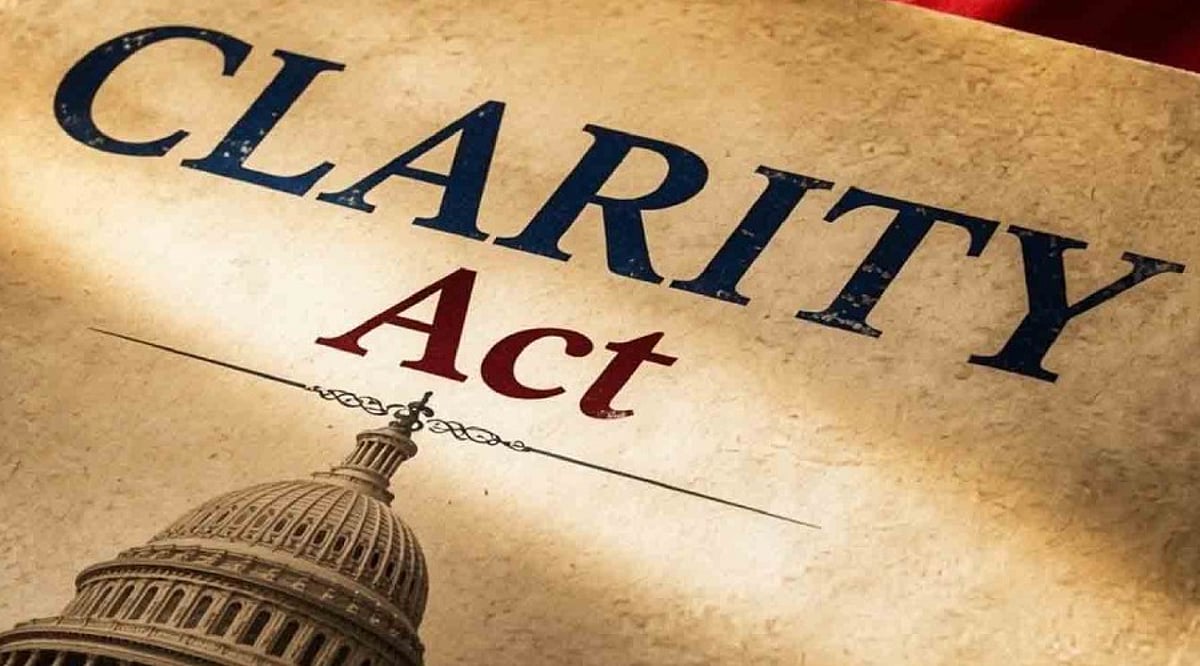
The latest draft of the Senate’s CLARITY Act has introduced ethics provisions that could restrict President Trump and other senior officials from issuing or sponsoring digital assets during their tenure. The bill, which aims to establish comprehensive cryptocurrency market regulations, now includes language targeting conflicts of interest among top government leaders.
Key Takeaways
- The Senate draft may ban top public officials from issuing new digital assets until 2029.
- Trump’s crypto ventures, which have earned over $1 billion, have fueled the push for stronger ethics rules.
- The bill still requires bipartisan support to become law.
What Does the New Language Say?
The proposed ethics section restricts the president, vice president, members of Congress, federal judges, and their spouses from issuing, sponsoring, or promoting digital assets while in office. The restriction would remain in effect until January 2029, covering the remainder of Trump’s current term. Additionally, officials must divest personal crypto holdings or place them in qualified blind trusts to reduce potential conflicts of interest.
This marks a significant shift from earlier crypto bills, which focused primarily on market rules and investor protection. The new version adds ethics rules for public officials, addressing concerns about the intersection of governance and personal financial gain.
Why Trump Matters in the Debate
Recent financial disclosures revealed that Trump’s crypto ventures generated over $1 billion after his return to the White House, including roughly $500 million from World Liberty Financial’s crypto offerings and $600 million from Trump-themed meme coins. Bipartisan lawmakers and ethics experts argue that a sitting president should not profit from digital assets while federal agencies shape crypto regulations. Supporters of the bill emphasize that the rules apply to all future presidents and senior officials, not just Trump.
Would the Bill Stop Trump from Launching New Digital Assets?
Under the current language, covered officials cannot issue or sponsor new digital assets during their term. This would prevent President Trump from launching a new cryptocurrency, meme coin, or similar blockchain project while in office. However, legal experts note that the final outcome depends on precise definitions of terms like ‘issue,’ ‘sponsor,’ and ‘digital asset’ in the approved legislation. The draft also leaves questions about how existing crypto businesses would be affected, with further guidance expected after the bill becomes law.
Senate Talks Continue
The bill has garnered support from many Republicans seeking clear rules for digital assets, and from Democrats pushing for stronger ethics safeguards. Senate leaders, White House officials, and lawmakers from both parties are working on compromise language. President Trump has reportedly accepted some ethics changes to improve the chances of bipartisan support before the August recess. Disagreements remain on anti-money laundering rules, Know Your Customer requirements, and which federal agencies should oversee different parts of the crypto market.
Why the Crypto Industry Supports the Bill
The CLARITY Act is seen as a critical step toward providing regulatory clarity for the crypto industry. Companies like Coinbase, Circle, Bullish, Hut 8, and Riot Platforms have welcomed the potential for clear federal rules. The bill aims to resolve jurisdictional disputes between the SEC and CFTC while adding consumer protections. Financial markets responded positively, with Bitcoin rising to around $66,400 and crypto-related stocks climbing.
Challenges Remain
Passing the bill requires 60 votes in the Senate, meaning supporters must secure bipartisan backing. Some progressive groups argue the ethics rules should be tougher, while others raise concerns about conflicts of interest in the negotiation process. Prediction markets and analysts place modest odds on the bill becoming law this year due to the complex mix of crypto regulation, ethics reforms, and political differences.
Why This Matters
The CLARITY Act could reshape both crypto regulation and ethics standards in the United States. Its final version may determine whether top public officials can launch or profit from digital assets while in office, influencing investor confidence and future legislation. The debate has already shifted the national conversation from solely regulatory questions to broader ethical considerations about elected leaders’ involvement in the crypto business.
Final Thoughts
If the current language passes, President Trump and future presidents would be barred from issuing or sponsoring new digital assets during their terms, with stricter rules for personal crypto holdings and financial transparency. The outcome now depends on ongoing Senate negotiations. Regardless of the final bill, the debate has fundamentally changed how Washington approaches the intersection of digital assets and public office.
Leave a Reply