Tag: Ethereum

  • Bitcoin Holds Near $62,738 Amid Coldcard Wallet Exploit and Stalled CLARITY Act

    Bitcoin Holds Near $62,738 Amid Coldcard Wallet Exploit and Stalled CLARITY Act

    Bitcoin traded near $62,738 on Monday, up 1.04% in the last 24 hours, as a Coldcard wallet exploit that drained tens of millions from cold storage addresses renewed custody fears. Analysts identified $63,700 as a key resistance level, while the stalled CLARITY Act kept sentiment guarded.

    Key highlights include:

    • Hyperliquid led major gainers with a 13.16% weekly rise, outpacing the broader altcoin market.
    • The CLARITY Act remains stalled ahead of the Senate recess, while Bitcoin ETFs posted mixed weekly flows.
    • Bitcoin’s market cap stands near $1.25 trillion, with 24-hour trading volume reaching $15.68 billion.

    Bitcoin Price Today

    Bitcoin traded at $62,738.34, up 1.04% over the past 24 hours, according to CoinMarketCap data. Price action remains tied to custody-security concerns and the stalled CLARITY Act.

    BTC Holds $63K Despite Coldcard Exploit Fears

    CoinSwitch Markets Desk reported that BTC stayed steady near $63,000 despite an estimated $88.6 million Coldcard wallet exploit. The incident renewed talk around self-custody security. Geopolitical tensions between the US and Iran kept traders cautious. Price briefly touched $63,500 before consolidating. Buyers defended the $63,000 zone through the session. A move beyond $63,500 could add fresh momentum, while $62,800 stays key support.

    July Closes With a Strong Gain, August Stays Seasonally Weak

    Akshat Siddhant, Lead Quant Analyst at Mudrex, noted that Bitcoin ended July with a gain above 7.3%, reversing two straight months of losses. US spot Bitcoin ETFs returned to net inflows in July, reaching $172.4 million for the month. Selling pressure near month-end has left investors cautious. August has historically been Bitcoin’s weakest month on record. Whale wallets still accumulated over 40,100 BTC during this stretch. Bitcoin must reclaim $65,000 to strengthen broader sentiment.

    Lower Oil Prices Ease Inflation Worry, ETF Flows Stay Choppy

    Vikram Subburaj, CEO of Giottus, placed Bitcoin near $63,125, up 0.3%. Lower oil prices have eased some inflation concerns this week. Inconsistent ETF flows and thin spot activity cap the recovery. Bitcoin holds support near $62,900, with resistance near $64,000. Large-cap altcoins traded modestly higher. Ethereum, BNB, XRP, and Solana all posted small gains. Markets now watch the August 7 employment report closely.

    Tight Ranges Persist as Yields and a Firm Dollar Cap Risk Appetite

    Riya Sehgal, Research Analyst at Delta Exchange, said Bitcoin stays under pressure near $63,000. Ethereum continues to lag behind the broader market. High Treasury yields and a firm dollar cap risk appetite. Bitcoin remains below key moving averages on the four-hour chart. Resistance builds at $63,350 to $63,800. A close above $63,800 could open a path toward $64,300. A break below $63,000 may expose the $62,500 zone.

    ETF Outflows Persist, but XRP and Ethereum Funds Show Resilience

    Nischal Shetty, founder of WazirX, said crypto markets consolidated through the session. Bitcoin traded near $63,085 after a mild 0.66% dip. US spot Bitcoin ETFs saw $265.4 million in outflows on July 31. Ethereum ETFs still attracted $365 million during the month. XRP funds drew $27.29 million in July, extending a four-month streak. Cumulative XRP ETF inflows now stand near $1.5 billion. Bitcoin’s recovery range sits between $63,700 and $64,300.

    Crypto Prices Today: Top 10 Coins at a Glance

    Based on live CoinMarketCap data as of today’s session.

    Biggest Gainers: HYPE, ETH, DOGE

    Hyperliquid led the weekly board with a gain above 13%. Ethereum and Dogecoin also posted solid weekly gains above 4%. Institutional demand for large-cap altcoins picked up pace this week.

    Biggest Losers: Stablecoins and BNB Stay Flat

    Tether and USDC barely moved through the session. BNB and TRON posted only modest weekly gains. Risk appetite stays selective rather than broad across the altcoin market.

    Crypto News Today: Top Headlines Impacting Prices

    Security concerns and stalled legislation are steering sentiment across trading desks. Mixed ETF flow data and fresh network upgrades add further context.

    Coldcard Wallet Exploit Drains Tens of Millions

    A wave of unauthorized transfers tied to weak Coldcard-generated keys has drained tens of millions from cold storage wallets this month. Researchers estimate losses between $70 million and $88.6 million across affected addresses. The attacker is now targeting smaller balances and shifting how stolen funds move onchain. Security researchers say the exploit stems from a flawed key generation process. Self-custody security remains firmly in focus across trading communities.

    CLARITY Act Faces Recess Deadline Pressure

    The Digital Asset Market Clarity Act remains stalled on the Senate calendar this week. The chamber’s summer recess is set to begin around August 7, narrowing the bill’s window. Ethics language disputes continue to divide lawmakers on both sides of the aisle. Democrats are pushing for tougher provisions before granting their support. The bill’s 2026 passage now looks increasingly uncertain heading into fall.

    Bitcoin ETFs Post Weekly Outflows as Ether Funds Gain

    US spot Bitcoin ETFs recorded $61.53 million in net outflows for the week ending July 31. Bitcoin ETFs still closed July with $172.4 million in monthly inflows overall. Ethereum ETFs extended their winning streak to four straight weeks this month, adding $27.42 million in fresh weekly inflows. XRP ETFs also continued their steady four-month inflow streak in July.

    Fed Stance and ISM Data Keep Traders Watchful

    Markets are tracking Monday’s ISM survey data closely, with consensus pointing to a reading near 54.0 for July. The figure could shape near-term rate expectations meaningfully. The upcoming August 12 inflation print stands as the next major catalyst. Traders are positioning cautiously ahead of the Federal Reserve’s September rate decision.

    XRP Ledger Prepares Major Protocol Upgrade

    The xrpld 3.3.0 release is expected next week, carrying five proposed amendments to the XRP Ledger. Two features were previously withdrawn after researchers flagged critical bugs. Developers say the revised code has since been hardened against exploitation. The upgrade aims to strengthen network security and transaction reliability. XRP holders are watching the rollout closely for any price impact.

    Tether Reports Strong Quarterly Profit

    Tether posted a $1.5 billion operating profit for the second quarter, underscoring continued strength in the stablecoin sector. The result reflects steady demand for dollar-pegged digital assets. Total stablecoin trading volume continues to climb across major exchanges globally. Tether’s reserves reportedly remain well collateralized against outstanding tokens. The results reinforce stablecoins’ growing role in daily crypto settlement activity.

    Investor and Market Outlook

    Bitcoin holds near $62,738 as traders weigh a fresh custody security scare against a stalled CLARITY Act. A close above $63,700 could open a path toward stronger $64,300 resistance. A slip below $62,800 risks exposing deeper support closer to $62,500. Hyperliquid and Ethereum remain the most sensitive names to shifts in institutional risk appetite. Bitcoin’s next moves hinge on ETF flows and the Fed’s rate outlook. The Senate recess and Friday’s jobs report stand as this week’s defining catalysts.

    FAQs

    What is the Bitcoin price today?

    Bitcoin trades near $62,738.34, up 1.04% over the past 24 hours. It holds a narrow range after a choppy end to July, with support near $62,800. Resistance builds between $63,700 and $64,300 through coming sessions this week.

    Why did the Coldcard wallet exploit rattle the market?

    An estimated $70 million to $88.6 million was drained from cold storage wallets tied to weak Coldcard-generated keys. The incident renewed debate around self-custody security and added short-term caution across trading desks.

    What is the biggest crypto news today?

    The CLARITY Act’s stalled Senate progress ahead of the August recess and the Coldcard wallet exploit are shaping sentiment. Tether’s $1.5 billion quarterly profit adds a contrasting institutional strength signal, while the XRP Ledger prepares a major upgrade next week.

    Which coins are performing best today?

    Hyperliquid leads weekly gains with a rise above 13%, followed by Ethereum and Dogecoin with steady climbs above 4%. Stablecoins and BNB stayed largely flat through today’s session.

    What should investors watch this week?

    Track Monday’s ISM data, the Senate’s August recess deadline, and Friday’s US jobs report closely. Bitcoin ETF flow trends and the XRP Ledger upgrade could also shift near-term positioning across the broader crypto market.
  • Top Altcoins Poised to Dominate the Crypto Market in H2 2026

    Top Altcoins Poised to Dominate the Crypto Market in H2 2026

    The cryptocurrency market is entering the second half of 2026 with a renewed focus on utility, adoption, and real-world applications. While Bitcoin continues to command significant attention, several altcoins are emerging as strong contenders for market leadership. Investors are shifting away from hype and toward projects with robust technology, active user bases, institutional backing, and clear growth trajectories.

    This article explores the most promising altcoins for H2 2026, including Ethereum, Solana, Chainlink, XRP, BNB, Sui, Bittensor, Render, Hyperliquid, and Ondo. Each represents a major trend such as artificial intelligence (AI), real-world assets (RWA), decentralized finance (DeFi), payments, and blockchain infrastructure.

    Ethereum (ETH): The Undisputed Blockchain Leader

    Ethereum remains a cornerstone of the crypto ecosystem, trading around $1,850–$1,900 with a market capitalization of approximately $213–$220 billion. Its vast ecosystem supports thousands of decentralized applications (dApps), DeFi platforms, and blockchain services. Institutional investors view Ethereum as a premier network for tokenized assets and digital products.

    Key growth drivers for H2 2026 include the expansion of Layer-2 networks, which enhance transaction speed and reduce costs, and the tokenization of real-world assets (RWA). Favorable market conditions could push ETH toward $3,500–$5,000, with a conservative estimate of $2,200–$2,800.

    Solana (SOL): The High-Speed Challenger

    Solana is a major player in the smart contract space, trading near $75–$80 with a market cap of $40–$45 billion. Its platform offers fast transaction speeds, low fees, and robust support for DeFi, payments, and digital asset initiatives. The growing adoption of stablecoins and real assets on Solana further strengthens its position.

    However, Solana faces increasing competition from other Layer-1 blockchains and must manage high market expectations.

    Chainlink (LINK): Bridging Crypto and Traditional Finance

    Chainlink provides essential data services that connect blockchains to external information, a role that becomes increasingly critical as financial institutions explore tokenized assets and blockchain systems. Trading at $12–$15 with a market cap of $8–$10 billion, LINK offers strong potential for two-fold growth or more during a bullish market phase.

    The growth of RWA creates a major opportunity for Chainlink, as banks and investment firms require secure data feeds for blockchain applications.

    XRP: The Global Payment Network

    XRP continues to attract attention with its focus on fast international transfers and financial settlement. Trading around $1–$1.10 with a market cap near $120 billion, its future growth depends on regulatory progress and wider institutional adoption. Given its already large market value, real adoption and market confidence will be key.

    BNB: The Exchange Ecosystem Token

    BNB remains one of the largest cryptocurrencies, priced near $575–$600 with a market cap above $77 billion. Its value derives from utility within the Binance ecosystem, blockchain activity, and DeFi services. While BNB enjoys strong market recognition, regulatory challenges pose the biggest risk to future growth.

    Sui (SUI): A Next-Generation Layer-1 Project

    Sui represents a newer generation of blockchain networks, trading near $0.80 with a market cap of approximately $2.5 billion. It uses the Move programming language and focuses on speed, gaming, and dApps. Its smaller market size offers higher growth potential but also carries greater risk, as it must continue to attract users and developers.

    Bittensor (TAO) and Render (RENDER): AI Crypto Leaders

    Artificial intelligence remains one of the strongest themes in crypto for 2026. Bittensor focuses on decentralized AI networks, while Render provides decentralized GPU computing services. TAO attracts interest through its AI infrastructure model, and Render benefits from rising demand for computing power to support advanced AI systems.

    Both assets offer high growth potential but are subject to sharp price fluctuations during market shifts.

    Hyperliquid (HYPE) and Ondo (ONDO): Future Finance Trends

    Hyperliquid focuses on decentralized trading and on-chain derivatives, gaining attention from users seeking alternatives to traditional exchanges. Ondo represents the RWA sector, specializing in tokenized financial products and institutional blockchain adoption. Both align with key crypto themes for H2 2026: DeFi and asset tokenization.

    Final Outlook for H2 2026

    The strongest altcoin opportunities for H2 2026 center around Ethereum, Solana, Chainlink, Bittensor, Ondo, and Render. These projects are tied to major trends such as blockchain adoption, AI, institutional finance, and digital asset infrastructure.

    Large-cap assets like ETH, SOL, LINK, XRP, and BNB offer greater stability, while smaller projects like TAO, RENDER, SUI, HYPE, and ONDO provide higher growth potential with increased risk. The next phase of the crypto market may favor projects with real technology, active ecosystems, and clear practical use cases over short-term speculation.

    Frequently Asked Questions

    1. Which altcoins could lead the crypto market in H2 2026? Ethereum, Solana, Chainlink, XRP, Bittensor, Render, and Ondo are among the altcoins with strong growth potential.
    2. Why is Ethereum considered a top altcoin for 2026? Ethereum remains a leading blockchain with a large ecosystem, institutional interest, DeFi activity, and strong support for tokenized assets.
    3. Can AI crypto projects perform well in H2 2026? AI-focused projects such as Bittensor and Render may gain attention as demand for decentralized AI infrastructure continues to grow.
    4. Are smaller altcoins better than large-cap cryptocurrencies? Smaller altcoins can deliver higher returns, but they also carry higher risks compared with established assets like ETH, SOL, and LINK.
    5. What crypto trends could shape H2 2026? Artificial intelligence, real-world asset tokenization, decentralized finance, blockchain payments, and institutional adoption may influence the next market cycle.

    Disclaimer: This article is for informational purposes only and does not constitute investment advice. Cryptocurrency investments carry significant risk. Always conduct your own research (DYOR) before making any investment decisions.

  • Ethereum Price Drops to $1,866 as Liquidations Mount and Key Support Level Nears

    Ethereum Price Drops to $1,866 as Liquidations Mount and Key Support Level Nears

    Ethereum traded near $1,866 during the latest session, falling 1.14% over 24 hours. The decline came as the wider crypto market lost about 1.15%. Bitcoin also fell, showing that traders reduced exposure across major digital assets. Ethereum-specific selling and leveraged liquidations added pressure during the same period.

    Why Ethereum Is Down Today

    The main pressure came from a broader risk-off move after two major central bank decisions. The Federal Reserve held rates at 3.50% to 3.75% on July 29. However, three policymakers supported a quarter-point increase. This split kept rate expectations uncertain and pushed traders toward defensive positions across risk assets.

    The Bank of Japan also held its policy rate at 1% on July 31. Its communication left room for further increases as inflation pressures continued.

    Meanwhile, Middle East tensions kept energy and inflation risks in focus. Bond yields rose during July as markets reduced expectations for easier monetary policy. Ethereum moved alongside Bitcoin during the decline. This price link points to macro conditions as the main driver, rather than one Ethereum network event.

    ETH Sale and USDT Enforcement Enter Focus

    Quantum Solutions disclosed that its subsidiary sold 1,000 ETH on July 30. The company received $1.903 million after transaction costs. The sale price stood at $1,903 per ETH. Quantum Solutions said it needed funds for its artificial intelligence infrastructure and data centre plans.

    The company held 4,764.80 ETH after the transaction. It also raised its permitted sale limit from 1,875 ETH to 4,375 ETH. That change leaves room for another 2,471 ETH in sales through October 30. However, the filing did not connect the transaction directly to Ethereum’s wider decline.

    Separately, US authorities continued civil forfeiture actions involving stablecoins linked to alleged investment scams. The Justice Department recently announced cryptocurrency seizures exceeding $25 million across five investigations.

    Court records also show that one related complaint sought the forfeiture of about 10.4 million USDT. Authorities linked the wider cases to alleged international fraud and money-laundering networks.

    Reported derivatives data showed $120.41 million in ETH liquidations. Long positions accounted for most of the closed trades. Forced closures can deepen short declines as exchanges sell positions after margin levels fail. They can also reduce open interest after an overcrowded trade.

    Ethereum Price Levels Traders Are Watching

    Ethereum now sits near a key technical area. The 50-day exponential moving average stands near $1,845 and offers the nearest support. A daily close above that level could keep ETH inside its recent range. Buyers would then face resistance around $1,879 and $1,920.

    A close below $1,845 would expose the $1,800 to $1,820 zone. Another support level sits near $1,839 within the short-term trading range. Momentum readings also show weak conditions. The relative strength index stood near 37.85, while ETH traded below its 50-day and 200-day averages.

    Spot Ethereum ETF inflows offer a counterweight to direct market sales. Continued inflows would show that regulated investment products still attract demand.

    Viktoras Karapetjanc said, “If spot inflows persist and ETH reclaims $1,879, buyers could quickly regain control in the coming sessions.” The next scheduled US employment report arrives on August 7. Its wage, hiring and unemployment figures could change expectations for Federal Reserve policy.

  • Ethereum Targets $2,000 After Best Monthly Rally in Over a Year

    Ethereum Targets $2,000 After Best Monthly Rally in Over a Year

    Ethereum closed July with a 20.3% gain, marking its strongest monthly performance in a year, as inflows into spot ETFs helped push the cryptocurrency toward the key $2,000 resistance level. The rebound erased much of June’s 21.8% decline, though technical analysis suggests the broader downtrend remains intact.

    July Rebound Restores Lost Ground

    July’s advance outpaced Ethereum’s historical average return of 10.7% for the month. The move followed a difficult first half of 2026, during which ETH fell from about $2,445 in January to $1,472 in April amid recession concerns and shifts in liquid supply.

    Buyers defended the April low, keeping ETH mainly between $1,500 and $2,000 during May and June. July’s rally then carried the asset toward $1,900. Spot Ethereum ETFs recorded net inflows on most trading days in July, with daily net inflows reaching $13.29 million by month-end. Total assets held by Ethereum spot ETFs stood at approximately $10.52 billion.

    While several sessions produced large outflows, buyers consistently returned after those declines, helping ETH preserve much of its monthly recovery.

    Resistance Keeps Broader Downtrend Active

    Ethereum traded near $1,885 when analyst Crypto Patel published a two-day chart showing the price near a support and resistance zone between $1,750 and $1,850. A descending trendline from the August 2025 record high of $4,953.73 still caps major recovery attempts, with ETH having fallen about 62% from that peak.

    The key question is whether ETH can secure a daily close above $2,000 before sellers regain control. Such a close could open a move toward $2,180 and the $2,400 to $2,500 supply zone, which also contains a fair value gap from a rapid earlier move. Ethereum tested that area during its April recovery but failed to hold above it, leading to a rejection that pushed prices back toward $1,500 in June.

    According to Crypto Patel’s chart, larger upside targets between $7,000 and $10,000 would only become viable after a confirmed breakout. A renewed failure near resistance could instead send ETH back toward $1,500 or $1,000. Holding the $1,750 to $1,850 region remains critical for the current recovery.

    Conclusion

    Ethereum’s 20.3% July gain restored much of June’s decline as spot ETF inflows supported demand. ETH now faces resistance between $1,900 and $2,000. A daily close above $2,000 could expose $2,180 and $2,500, while rejection could return price toward $1,500.

    Disclaimer: This article is for informational purposes only and does not constitute financial advice. Cryptocurrency investments carry significant risk. Always conduct your own research before making investment decisions.

  • Top Crypto Cards in India for 2026: A Comprehensive Buyer’s Guide

    Top Crypto Cards in India for 2026: A Comprehensive Buyer’s Guide

    Cryptocurrency cards have become a practical payment option for many users in India. These cards bridge digital assets with everyday spending, allowing quick payments at stores, restaurants, travel websites, and online platforms that accept Visa or Mastercard. Instead of selling crypto through an exchange before every purchase, cardholders can complete transactions with a single swipe or tap. This simple process saves time and offers greater convenience.

    The Indian market now offers several crypto card options with different rewards, supported assets, fees, and spending limits. Some cards focus on cashback in cryptocurrency, while others provide travel benefits, premium memberships, or lower conversion charges. A careful comparison helps cardholders select a card that matches personal spending habits and financial goals.

    How Cryptocurrency Cards Work

    A cryptocurrency card links to a crypto wallet rather than a traditional bank account. The wallet stores digital assets such as Bitcoin, Ethereum, or stablecoins. At the time of payment, the card provider converts the selected cryptocurrency into local currency. The merchant receives the payment in Indian Rupees or another supported currency, while the crypto balance decreases by the purchase amount.

    Most providers also offer mobile applications with balance tracking, transaction history, security controls, and asset management. Many cards allow users to switch between different cryptocurrencies before a transaction. This feature adds flexibility without extra steps during checkout.

    Key Features That Matter

    The popularity of crypto cards can largely be attributed to the incentives users get for using them. Several companies offer crypto cards that provide a percentage of every retail transaction as digital currency rather than traditional cashback. Over time, such tokens can significantly increase the user’s cryptocurrency balance without any additional investments.

    Equally important is the security provided by modern crypto cards. Most come with two-factor authentication, instant card freezing options, biometric login, and transaction alerts. These features reduce the chances of illicit transactions and enhance the security of crypto wallet activities.

    Another crucial factor is the supported cryptocurrency. Some cards support only a few digital currencies, while high-end cards support various coins and stablecoins. A greater variety enables users to spend their currencies more flexibly.

    Best Cryptocurrency Cards Available in India

    Several international crypto card providers continue to serve eligible Indian users through digital platforms.

    • Crypto.com Visa Card – Popular for attractive crypto rewards, airport lounge access for premium tiers, and support for multiple cryptocurrencies. Higher reward levels usually require larger platform token holdings.
    • Bybit Card – Gained attention with competitive cashback offers, virtual card support, and a simple mobile interface. Smooth crypto management for active traders and frequent users.
    • RedotPay Card – Expanded rapidly across regions. Supports direct crypto spending with competitive conversion rates and multiple digital assets. Straightforward account setup and broad payment acceptance.
    • Wirex Card – Attracts customers with flexible crypto spending, instant currency exchange, and reward programs. Supports both traditional currencies and digital assets.
    • Bitget Card – Targets regular crypto users with multi-currency support, quick wallet integration, and secure payment controls through its mobile app.

    Advantages of Crypto Cards

    Crypto cards simplify daily spending without repeated manual conversions. Grocery shopping, hotel reservations, subscription payments, and travel bookings become easier with direct wallet access. Fast payments reduce delays and create a familiar payment experience.

    Reward programs add another layer of value. Crypto cashback allows users to collect digital assets after each eligible purchase. Over time, frequent spending can build a meaningful crypto balance.

    International travel also becomes more convenient with many crypto cards. Several providers support global payment networks, enabling smooth transactions across multiple countries. Travelers also benefit from lower foreign exchange costs on selected cards.

    Important Points Before Choosing a Card

    Before applying, carefully review supported regions, as service availability can change according to local regulations. Verification requirements differ across providers and often include identity checks before card activation.

    Reward structures deserve close attention. Some cards advertise high cashback rates but require premium subscriptions or platform token staking. Review eligibility conditions to avoid unexpected limitations.

    Security standards should remain a top priority. Strong authentication methods, quick account recovery options, and reliable customer support create a safer experience for digital asset holders.

    Spending limits also matter. Daily transaction caps, ATM withdrawal limits, and monthly purchase limits vary across providers. A card with suitable limits supports smoother financial management.

    Future of Cryptocurrency Cards in India

    The crypto payment sector continues to evolve with stronger technology and better user experiences. More providers now focus on faster settlements, lower transaction costs, and broader cryptocurrency support. Mobile applications also improve with smarter security tools and advanced wallet management.

    Regulatory developments may influence future availability and features within the Indian market. Card providers continue to adapt their services to meet changing compliance standards while expanding payment options for digital asset users.

    Final Thoughts

    Cryptocurrency cards have become an important bridge between digital assets and everyday spending. Strong security, competitive rewards, broad cryptocurrency support, and transparent fee structures separate the best options from ordinary alternatives. Crypto.com Visa Card, Bybit Card, RedotPay Card, Wirex Card, and Bitget Card stand among the leading choices for eligible users in India during 2026. A detailed comparison of features, costs, and supported services helps every cardholder select an option that delivers long-term value and a smooth payment experience.

    Frequently Asked Questions

    What is a cryptocurrency card?

    A cryptocurrency card is a payment card linked to a crypto wallet that converts digital assets into local currency during transactions.

    Can cryptocurrency cards be used for daily purchases in India?

    Yes, eligible crypto cards can be used for everyday payments at merchants, websites, and platforms that accept supported card networks.

    Which cryptocurrency cards are popular in India in 2026?

    Popular options include Crypto.com Visa Card, Bybit Card, RedotPay Card, Wirex Card, and Bitget Card, depending on availability and eligibility.

    Do crypto cards offer cashback or rewards?

    Many crypto cards provide rewards in cryptocurrency, including cashback programs, loyalty benefits, or premium features based on usage levels.

    What should users check before choosing a crypto card?

    Users should review supported regions, fees, security features, supported assets, transaction limits, and reward conditions before applying.

  • BlockDAG Surges as Ethereum and Shiba Inu Stumble: Top Crypto Pick for July 2026

    BlockDAG Surges as Ethereum and Shiba Inu Stumble: Top Crypto Pick for July 2026

    The crypto market is sending mixed signals right now, leaving traders uncertain about which direction to take. Ethereum price remains stuck below a heavy resistance zone, struggling to hold ground even after a solid bounce from June lows. Meanwhile, Shiba Inu price continues to slide as exchange reserves shrink and momentum fades. Both major coins are giving buyers reason to pause before committing fresh capital.

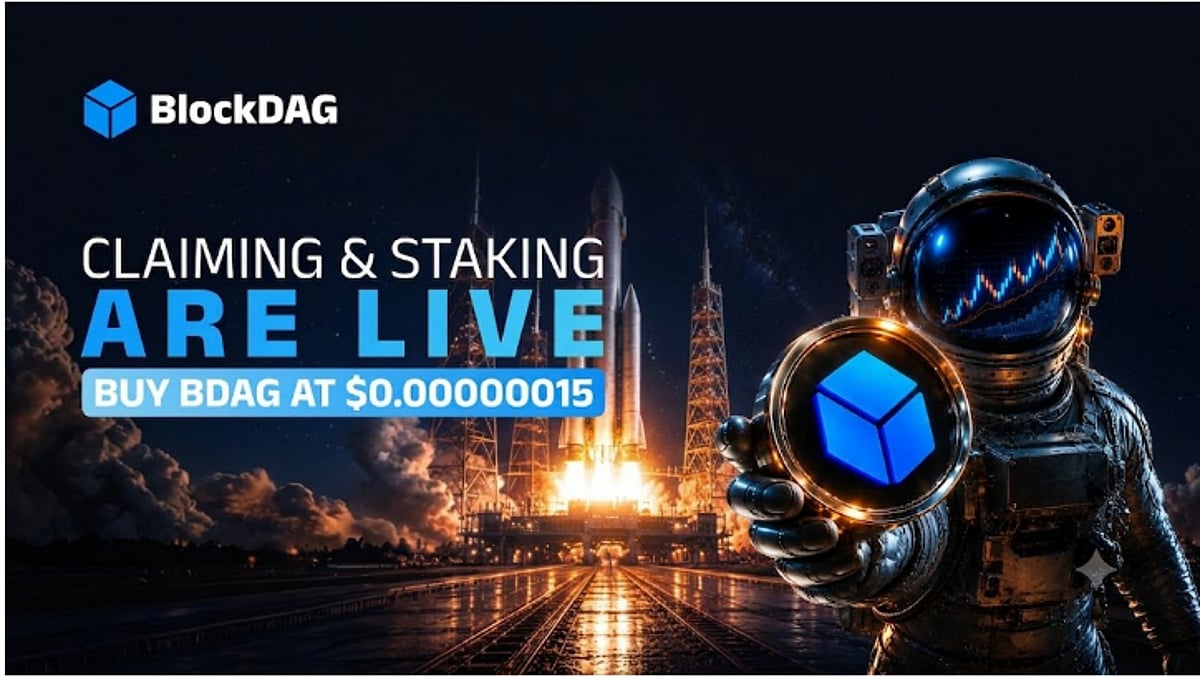
    That’s exactly why many are searching for the best crypto to buy today — something with real momentum instead of stalled charts. BlockDAG (BDAG) is stepping into that gap, with claiming and staking now live, a 7,000 TPS mainnet already running, and a limited-time entry price that has the community moving fast.

    Ethereum Price Faces a Tough Wall Near $2,000

    Ethereum is trading close to $1,880 after bouncing back from June lows around $1,796. It touched a recent high near $1,955 before sellers pushed it down again. The main problem now is the heavy supply zone between $1,980 and $2,080. Many holders bought ETH in this range, so they may sell at breakeven, adding extra pressure on any recovery attempt.

    If buyers can push through and close daily above $2,080, the next targets sit near $2,406 (a CME gap) and $2,773. But if Ethereum price gets rejected again, support at $1,733 comes into play, with $1,510–$1,600 as the deeper safety net. For anyone hunting the best crypto to buy today, ETH still needs a clear breakout before it can prove itself.

    Shiba Inu Price Slips as Exchange Reserves Near $400M

    Shiba Inu is trading around $0.0000048, sitting close to its 20-day and 50-day EMAs. The bigger story is that SHIB’s exchange reserves in dollar value are about to fall below the $400 million mark. Reserves are already near $414 million, and another small drop could break that level.

    This isn’t because whales are pulling coins off exchanges. It’s mostly because each SHIB token is worth less than before. The 100-day EMA at $0.0000050 is the first resistance, while the 200-day EMA near $0.0000060 is the bigger wall. The recent bounce in Shiba Inu price looks more like short-term relief than a real trend change, making it a wait-and-watch pick for buyers scanning for the best crypto to buy today.

    BlockDAG (BDAG): Claiming, Staking, and 7,000 TPS Are All Live

    BlockDAG is quickly turning into the best crypto to buy today, and the timing could not be sharper. Claiming and staking are now live. The wait is finally over, and the next phase of BlockDAG starts today. Holders can claim their BDAG, stake their holdings, and start earning rewards right away. Claims are already open for Batches 1 to 6, while Batch 7 (covering purchases made up to 19 July) goes live tomorrow morning. Everything is moving forward at once, and the community can feel it.

    To mark this launch, the team has unlocked a limited-time community offer that has buyers scrambling. BDAG is available at just $0.00000015, an entry point that feels almost unreal at this stage of the project. The Live Swap is running at 30% below the CoinMarketCap price, giving fresh buyers a chance to grab BDAG at a level well under open-market rates.

    On top of that, BlockDAG X pre-registration is now live. Anyone who registers early locks in a $1,000 credit at launch, ready to use the moment the exchange goes live. It is the kind of stacked opportunity that rarely lines up like this.

    BlockDAG’s 7,000 TPS mainnet is now live, giving it the raw speed that most Layer 1 chains can only talk about. The community is not just watching; almost 10 billion coins have already been staked, showing serious long-term conviction in where this network is going.

    The clock is ticking on this offer, and buyers are rushing in before the window shuts. Between the entry price and a mainnet already firing at 7,000 TPS, it is easy to see why BDAG stands out as the best crypto to buy today.

    Final Word

    The current market is testing patience on both sides. Ethereum price is stuck below tough resistance, and Shiba Inu price keeps sliding as momentum fades, leaving short-term buyers unsure and long-term holders waiting. Meanwhile, BlockDAG is moving in the opposite direction. Claiming and staking are live at just $0.00000015, and the community is stacking positions fast with more than 9.8 billion coins staked.

    On top of that, its 7,000 TPS mainnet is fully running, putting BDAG ahead of most Layer 1 chains in raw speed. The buzz is real, the window is tight, and buyers are rushing in, making BDAG the best crypto to buy today.

    Disclaimer: This article is for informational purposes only and does not constitute investment advice. Cryptocurrency investments are risky and may result in loss of capital. Always do your own research before investing.

  • Top Crypto Assets for Your Roth IRA: Tax-Free Growth Strategies

    Top Crypto Assets for Your Roth IRA: Tax-Free Growth Strategies

    Investing in cryptocurrencies through a Roth IRA can offer substantial tax-free growth potential for your retirement. Here are the top crypto assets to consider for a Roth IRA portfolio, each with unique strengths that align with long-term investment goals.

    Bitcoin (BTC)

    Bitcoin remains the leading cryptocurrency, offering long-term growth potential, strong institutional support, and broad market acceptance for retirement-focused investors today.

    Ethereum (ETH)

    Ethereum powers decentralized applications and smart contracts, making it a strong Roth IRA choice with steady adoption and long-term growth prospects.

    Solana (SOL)

    Solana offers fast transactions, low fees, and a growing ecosystem of projects, making it an attractive cryptocurrency for long-term retirement investment portfolios.

    XRP (XRP)

    XRP focuses on cross-border payments, offering speed and efficiency while benefiting from growing institutional interest and improving regulatory clarity globally.

    Chainlink (LINK)

    Chainlink connects blockchain networks with real-world data, supporting decentralized applications while strengthening its long-term investment potential for retirement accounts.

    Avalanche (AVAX)

    Avalanche delivers scalable blockchain solutions with fast processing speeds, attracting developers and projects that support its future growth opportunities consistently.

    Cardano (ADA)

    Cardano emphasizes research-driven development, energy efficiency, and network security, making it a reliable option for patient, long-term cryptocurrency investors.

    Sui (SUI)

    Sui continues expanding through decentralized applications and growing ecosystem support, offering promising long-term potential for investors seeking emerging blockchain opportunities.

    Polkadot (DOT)

    Polkadot enables blockchain interoperability, helping different networks communicate efficiently while supporting long-term innovation and portfolio diversification within retirement investments.

    Read more stories on our website. Join our WhatsApp Channel to get the latest news, exclusives and videos on WhatsApp.

  • Ethereum Price Outlook: Institutional Rotation and Whale Accumulation Signal Bullish Breakout

    Ethereum Price Outlook: Institutional Rotation and Whale Accumulation Signal Bullish Breakout

    Ethereum (ETH) is showing renewed signs of strength as institutional investors increase exposure and on-chain data reveals significant activity from large holders. While recent whale transactions initially raised concerns about selling pressure, the broader market has remained resilient, and derivatives traders continue to maintain bullish positions.

    Institutional Capital Shifts Toward Ethereum

    Recent fund flows indicate a notable rotation from Bitcoin into Ethereum investment products. Over the past week, Bitcoin-based exchange-traded funds (ETFs) recorded approximately $60 million in net outflows, while Ethereum-focused products attracted $20 million in inflows. This shift suggests that some institutional investors are increasing their allocations to Ethereum. At the same time, the network continues to expand its role in decentralized finance (DeFi), stablecoin settlements, and tokenized real-world assets — among the fastest-growing sectors in the digital asset space.

    Whale Transactions Highlight Active Accumulation

    According to Lookonchain, a major wallet withdrew 40,000 ETH worth nearly $76.6 million from Binance in a single transaction. Large withdrawals from exchanges are generally viewed as a bullish signal, as they reduce the readily available supply for sale and may indicate longer-term accumulation. Additionally, ETH’s largest wallets recently redistributed 226,435 ETH valued at around $430 million — one of the biggest surges in whale activity seen in recent weeks. Instead of triggering immediate concerns, the market absorbed these movements while the price held above key support levels.

    Derivatives Market Maintains Bullish Bias

    Data from CoinGlass shows that Ethereum’s OI-weighted funding rate has remained positive for most of July, currently sitting at 0.0022%. This indicates that long traders are paying a premium to keep their positions open. Although the rate briefly dipped below zero, it has since recovered, reinforcing a generally bullish sentiment. The long/short ratio also leans bullish at 0.9904. On Binance, Top Trader accounts show a ratio of approximately 1.78, while Binance overall stands at 2.24 and OKX at 1.66. Overall, investors remain positioned for longs rather than shorts.

    Technical Structure

    Ethereum has strengthened its foundation after forming a double bottom near the $1,550–$1,600 support range and reclaiming the significant $1,900 level. The 200-day Exponential Moving Average (EMA) is starting to decline in the $2,100–$2,200 range, which serves as a key resistance zone with a long-term supply area. If the price breaks above this range, bulls could target $2,500. On the downside, maintaining support above $1,900 is critical. A break below that level could expose ETH to another test of the $1,750–$1,800 demand area.

    With institutions positively adding to their holdings, whale activity remaining bullish, and derivatives traders staying long, Ethereum is entering an important phase that may shape its medium-term price trajectory.

    FAQs

    Why are institutional investors becoming more interested in Ethereum?

    Recent fund flow data shows capital rotating from Bitcoin investment products into Ethereum-focused funds. Investors are also attracted by Ethereum’s growing role in decentralized finance (DeFi), stablecoins, and tokenized real-world assets.

    What does whale accumulation mean for Ethereum’s price?

    Large withdrawals of ETH from exchanges are generally viewed as a bullish signal since they reduce the immediately available supply for selling. This often suggests long-term accumulation rather than short-term profit-taking.

    What do Ethereum’s funding rates indicate?

    According to CoinGlass, Ethereum’s OI-weighted funding rate has remained positive for most of July, indicating that long traders are paying a premium to maintain their positions. Positive funding typically reflects optimistic sentiment in the derivatives market.

    What are the key technical levels to watch for ETH?

    Ethereum has important support around $1,900, while the primary resistance lies between $2,100 and $2,200, where the 200-day EMA is located. A breakout above this zone could strengthen the bullish trend and bring $2,500 into focus.

    What does the long/short ratio suggest about market sentiment?

    The long/short ratios across major exchanges remain tilted toward long positions. Binance Top Trader accounts, Binance overall accounts, and OKX all show more long positions than shorts, indicating that professional traders continue to maintain a constructive outlook for Ethereum.

  • Ethereum to GBP Conversion: A Simple Step-by-Step Guide for 2026

    Ethereum to GBP Conversion: A Simple Step-by-Step Guide for 2026

    Want to exchange Ethereum for British Pounds? Follow this beginner-friendly guide to trade confidently in 2026. Learn the essential steps before making your first transaction. Smart trading starts with understanding the basics.

    Choose a Trusted Crypto Exchange

    Select a regulated cryptocurrency exchange that supports ETH to GBP conversions. Compare fees, security features, and withdrawal options carefully. A trusted platform helps protect your funds. Always verify account security before trading.

    Complete Identity Verification

    Most exchanges require Know Your Customer (KYC) verification before withdrawals. Upload valid identification documents and complete the process. Verification improves account security and regulatory compliance. It also unlocks higher transaction limits.

    Transfer Your Ethereum

    Send Ethereum from your crypto wallet to your exchange wallet. Double-check the wallet address before confirming the transfer. Blockchain transactions cannot usually be reversed. Wait until the network confirms your deposit.

    Sell ETH for GBP

    Choose the ETH/GBP trading pair on the exchange. Review the current market price before placing your order. You can use either a market order or a limit order. Confirm the trade after reviewing all details.

    Withdraw Your Money

    After selling Ethereum, transfer your GBP balance to your linked UK bank account. Check withdrawal fees and estimated processing times. Most regulated exchanges provide secure bank transfers. Keep records of every transaction.

    Trade Safely Every Time

    Monitor Ethereum’s price before selling to maximize returns. Enable two-factor authentication for stronger account protection. Stay informed about market trends and tax rules. Careful planning helps make crypto trading safer and more profitable.

  • Bitcoin’s $9.57 Billion Options Expiry Nears as Volatility Hits Two-Year Low

    Bitcoin’s $9.57 Billion Options Expiry Nears as Volatility Hits Two-Year Low

    Bitcoin is bracing for a major month-end options expiry on Friday, July 31, with approximately 149,000 contracts worth $9.57 billion set to settle. The event arrives as the cryptocurrency trades near its $64,000 max-pain level, a price point that could amplify price swings once contracts are settled.

    Bitcoin Options Expiry Centers on $64,000

    The expiring batch carries a put/call ratio of 0.28, indicating a heavy dominance of call options over puts. Max pain sits near $64,000, close to Bitcoin’s spot price during Friday’s session. Open interest remains concentrated at higher strike prices on Deribit, with the $70,000 and $72,000 strikes each holding about $2.4 billion. The $60,000 strike carries approximately $1.3 billion.

    Across exchanges, total Bitcoin options open interest has climbed to roughly $34.7 billion, according to Coinglass, meaning the expiring batch represents a substantial portion of outstanding exposure.

    Low Volatility Meets Heavy Contract Settlement

    Bitcoin briefly moved above $65,000 early Friday but quickly retreated toward $64,325. The asset has remained within a broad consolidation range for about two months. Live market data showed a Friday range between $63,839 and $65,328.

    Analyst Daan noted that Bitcoin has reached its lowest weekly volatility in two years. That compressed price action now meets one of the market’s largest recent options expiries, raising questions about whether the event could finally disrupt the two-month consolidation.

    Deribit pointed to cautious macro signals continuing to pressure Bitcoin, while identifying market stabilization and renewed capital inflows as key indicators to watch.

    Ethereum Adds $825 Million to Expiry Event

    Around 433,000 Ethereum options contracts also expire Friday, with a notional value near $825 million. The contracts carry a 0.59 put/call ratio and a $1,800 max-pain level. Ether has traded within a narrow range near $1,900 during recent sessions. Total Ethereum options open interest across exchanges remains near $5.4 billion.

    Together, the Bitcoin and Ethereum expiries reach approximately $10.4 billion. Meanwhile, the broader crypto market returned to about $2.3 trillion after losing nearly $25 billion during the week.

    The weekly retreat followed the Federal Reserve’s decision to hold interest rates steady and the resumption of military action between the United States and Iran.

    Market participants will watch settlement flows, capital movement, and price stability for signs of renewed volatility in the days ahead.