Tag: fintech

  • India’s Top 10 Fintech Companies Driving Financial Inclusion in 2026

    India’s Top 10 Fintech Companies Driving Financial Inclusion in 2026

    India’s fintech revolution has transformed digital finance through UPI, AI, and mobile-first innovation. From payments and investing to insurance and lending, the country’s top 10 fintech companies are driving financial inclusion, serving millions of users, and reshaping the future of banking.

    Overview

    India processes over 13 billion UPI transactions monthly, with the fintech market expected to exceed $150 billion by 2025, highlighting its rapid digital finance growth. The top 10 fintech firms lead payments, investing, insurance, and lending, serving millions of users while reshaping India’s financial ecosystem. AI, UPI, Aadhaar, and the Account Aggregator framework power these platforms, enabling faster services, smarter lending, and greater financial inclusion across India.

    The Leaders Redefining India’s Financial Landscape

    PhonePe

    PhonePe stands as India’s largest digital payments platform. Founded in 2015 by Sameer Nigam, Rahul Chari, and Burzin Engineer, it commands the UPI ecosystem with over 600 million registered users. The company’s revenue crossed ₹5,000 crore in FY24. Its platform spans payments, insurance, digital gold, and mutual funds. An IPO targeting a valuation between $9 billion and $10.5 billion remains on the horizon.

    Paytm

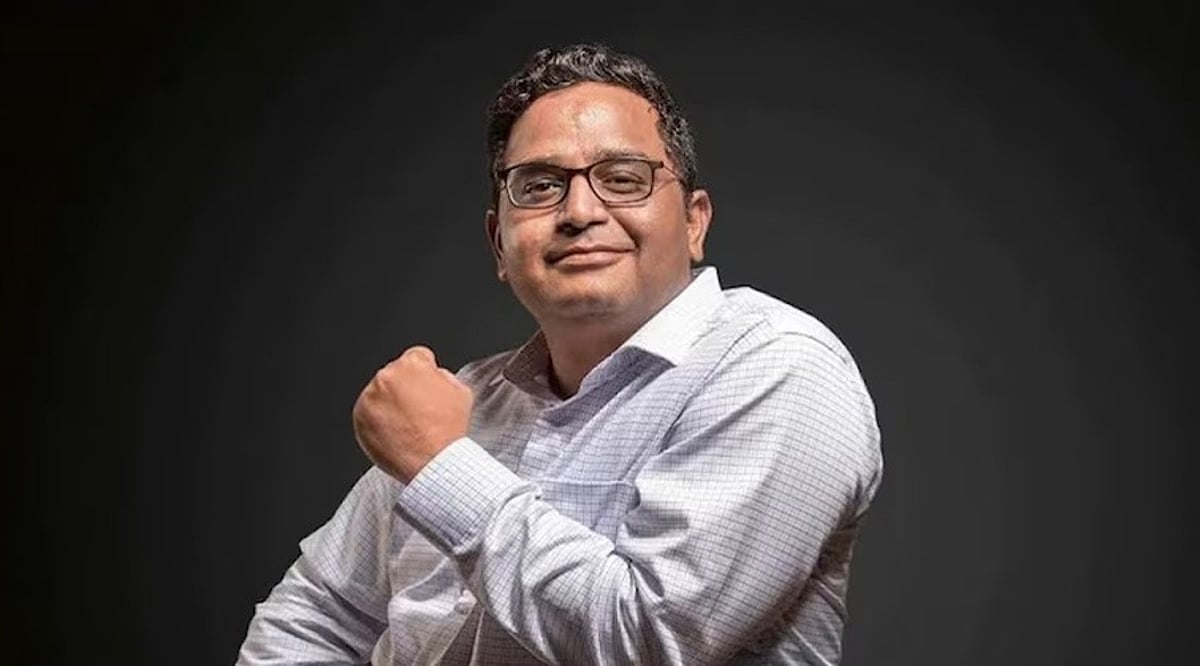
    Vijay Shekhar Sharma founded Paytm in 2000, making it one of India’s oldest fintech institutions. It began as a mobile recharge tool and expanded into wallets, merchant payments, lending, and wealth management. Annual revenues hover above ₹7,000 crore. Despite regulatory headwinds in recent years, Paytm holds a deep merchant network that keeps it embedded in India’s payment infrastructure.

    Razorpay

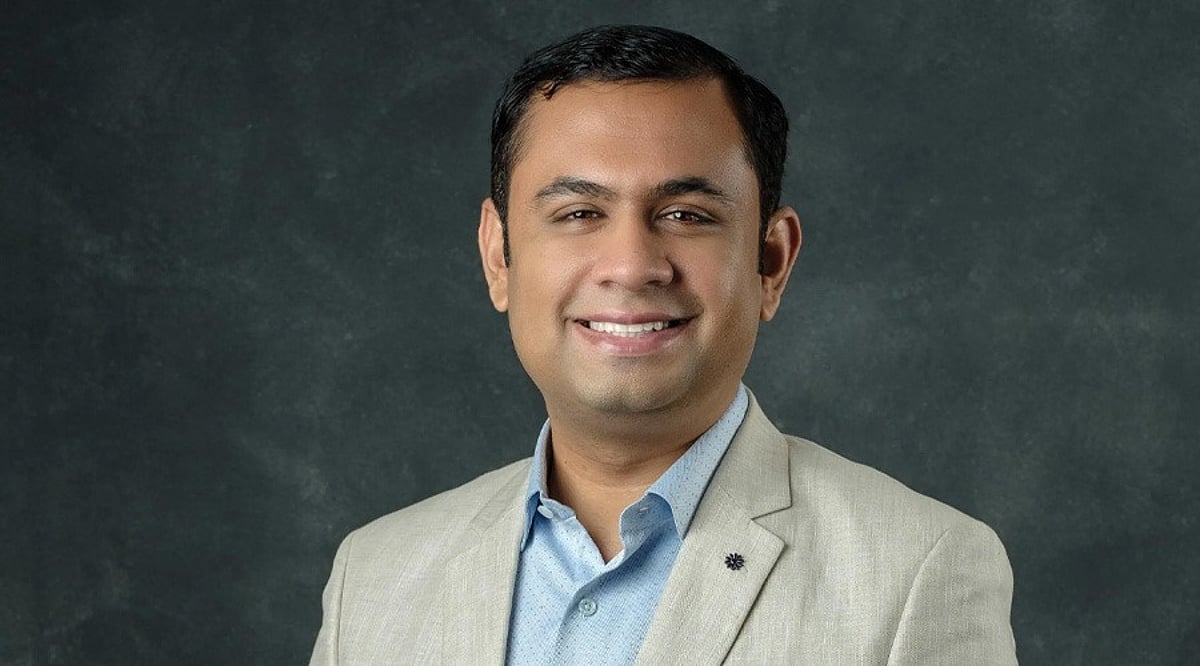
    Harshil Mathur and Shashank Kumar launched Razorpay in 2014 to solve a clear gap: businesses needed a reliable, developer-friendly payment gateway. The company now processes over $150 billion in annual payment volume and carries a valuation of approximately $7.5 billion. Its product suite covers payment gateways, business banking, payroll automation, and lending products used by thousands of Indian startups and enterprises.

    CRED

    Kunal Shah founded CRED in 2018 around a single insight: financially responsible people deserved better rewards. The platform targets high-credit-score users, offering reward points for credit card bill payments and expanding into personal loans, rent payments, and vehicle services. CRED’s valuation stands at around $6.4 billion, with estimated revenues crossing ₹2,000 crore in FY24.

    Zerodha

    Nithin Kamath and Nikhil Kamath built Zerodha in 2010 to lower the cost of investing. Discount brokerage and a clean trading interface on the Kite platform democratized equity markets for millions of retail investors. Revenue crossed ₹6,000 crore, and the company’s valuation sits between $3 billion and $4 billion. Zerodha remains profitable without external funding, which sets it apart in a sector that often burns capital for growth.

    Groww

    Lalit Keshre, Harsh Jain, Neeraj Singh, and Ishan Bansal founded Groww in 2016 to make investing simple for first-time users. The platform covers mutual funds, stocks, ETFs, IPOs, and fixed deposits under one roof. Its clean design and financial literacy focus helped it attract millions of young investors. Groww became a unicorn and continues expanding its wealth-tech offerings across India.

    Pine Labs

    Pine Labs traces its roots to 1998, making it one of the sector’s most seasoned players. Founded by Rajul Garg, the company built a merchant payment ecosystem spanning over one million touchpoints. Its POS machines and digital finance products serve retail chains and small merchants alike. Valuations range between $5 billion and $6 billion. Pine Labs bridges the offline and online commerce divide at meaningful scale.

    PB Fintech

    Yashish Dahiya founded PB Fintech in 2008, and it operates two major platforms: Policybazaar and Paisabazaar. Policybazaar became India’s largest online insurance marketplace, while Paisabazaar helps consumers compare loans and credit products. The company reported revenue growth of 33% year-on-year in recent results. Its market capitalization ranges between $4 billion and $5 billion.

    BharatPe

    Ashneer Grover and Shashvat Nakrani launched BharatPe in 2018 to serve a neglected segment: small merchants. The company introduced zero-fee UPI QR codes for shopkeepers and followed up with merchant loans and POS solutions. Its revenue surpassed ₹1,000 crore, and its merchant network now covers millions of micro and small retailers. BharatPe remains central to financial access for India’s informal business sector.

    ACKO

    Varun Dua founded ACKO in 2016 to reinvent insurance distribution. Traditional agents and lengthy paperwork gave way to a mobile-first platform where users buy, renew, and claim policies entirely online. ACKO offers motor, health, and travel insurance with faster claim settlements. Its digital-first model has attracted a growing customer base, and the company stands among India’s most prominent insurtech names.

    What These Leaders Share

    Several common threads run through all ten companies on this list: each built its product around mobile-first access, reaching users traditional banks could not. All ten leverage UPI, Aadhaar, or the Account Aggregator framework as foundational infrastructure. AI now powers credit scoring, fraud detection, and customer support across most platforms. Financial inclusion remains a stated goal, whether the customer is a salaried professional or a street-side vendor.

    Final Words

    India’s top fintech leaders did not simply build successful businesses. They rewired how a nation of 1.4 billion people manages money. Each company on this list solved a specific friction point, whether that was payment acceptance for merchants, affordable brokerage for retail investors, or instant insurance for urban professionals. The result is a financial ecosystem that is faster, cheaper, and more accessible than it was even five years ago. The next phase will demand more: regulatory clarity, sustainable unit economics, and deeper penetration into rural markets. The foundations, however, are already strong. India’s fintech sector enters the second half of this decade not as a promising experiment but as a proven engine of economic transformation. The names above have earned their place at the forefront. Now comes the harder task of staying there.


  • Women in Fintech: How Female Leaders Are Driving Innovation and Inclusion in India

    Women in Fintech: How Female Leaders Are Driving Innovation and Inclusion in India

    By Santosh Kadali

    A Sector Built on Access, Now Building for Women

    Fintech in India carries a promise of inclusion at its core. It brings banking and credit to people who never had easy access to either. Women sit at the center of this story directly. President Droupadi Murmu made this point clear at the Black Swan Summit in Bhubaneswar earlier this year. She said India’s fintech journey should be remembered not just for innovation, but for inclusion and gender justice.

    She further shared a striking number too. India has opened over 57 crore Jan Dhan accounts, and more than 56 percent of them belong to women. This detail shows something simple. Financial technology, when built with intent, can close old gaps in access instead of widening them.

    Funding Tells a Mixed Story

    Women-led fintech startups have started to draw serious investor interest. The numbers still show a clear gap, though. In 2024, women-led startups across India raised close to $5 billion. That sum made up 15.2 percent of all funding that went to women-led startups worldwide that year. Fintech stood out as the top sector within that total. It pulled in close to $267 million across 136 deals.

    A report from the Department for Promotion of Industry and Internal Trade found something worth noting. 42 percent of fintech startups in India have at least one woman director or founder. That figure runs well ahead of India’s broader corporate sector, where women hold just 18 percent of board seats. Growth has not stayed limited to big cities either. Women-led fintech ventures outside Tier-1 cities grew by 44 percent over the last decade, says the Ministry of Commerce and Industry.

    The Leadership Gap Still Runs Deep

    Progress at the founder level has not carried over fully into top leadership. Industry research from 2023 to 2025 shows a clear pattern. Women hold fewer than 15 percent of top jobs at Indian fintech firms. The share of women among founders and co-founders sits even lower, close to 10 to 12 percent. Representation drops further still in investment and business-decision roles.

    A KPMG India and AIMA survey from 2026 paints a similar picture across corporate India as a whole. The survey found that 79 percent of women professionals want leadership roles. Only 1 percent of them currently hold a board-level position though. Women now hold 20 percent of leadership roles in mid-market companies, up from 13 percent in 2016.

    This gain matters, though it still falls far short of real parity. The survey’s authors point to a clear reason behind this gap. Structural design, inconsistent execution and uneven accountability across companies keep women from moving past mid-career roles into senior ones. This happens even when ambition and talent are both present.

    Women Leaders Setting the Pace

    Individual leaders across India’s fintech space show what this progress looks like in real terms. Roshni Aslam, co-founder of GoSats, has helped build India’s first rewards app that gives users Bitcoin and gold on their purchases. The platform has grown past 1.1 million users under her work. Stories like hers keep showing up across the sector now, from payments and lending startups to wealth-tech platforms.

    Voices from the wider fintech industry echo the same point about what these leaders bring to the table. Maya Kumar, an executive at fintech firm Banked, has said diversity brings a range of perspectives that form the base of purpose-driven innovation.

    She added that the role women play in driving the sector’s next phase of growth deserves real weight. This kind of leadership shapes more than who runs fintech companies. It shapes how the products themselves get built, tested and delivered to a wide range of users.

    Final Thoughts

    India’s fintech sector stands at a turning point. It has already shown that technology can widen financial access at scale. The next stage of its growth will bring credit expansion, wealth creation and AI-driven finance. This stage will test something important. Can the industry widen access at the leadership level too? Women have already shown their ability to build products, raise funding and lead companies in this space.

    Closing the remaining gaps in senior leadership and investment decisions will decide something bigger. It will decide whether fintech in India truly serves everyone it claims to serve, or keeps its biggest rewards limited to a narrow few. The answer will shape not just the industry’s growth, but its legacy too.

    FAQs

    1. Why are women important to India’s fintech sector?

    Women are driving innovation, building successful startups, improving financial inclusion, and designing products that better serve a diverse customer base across India.

    2. How many fintech startups are there in India?

    India has more than 10,000 fintech startups, making it one of the world’s fastest-growing fintech ecosystems with strong growth in digital payments and financial services.

    3. What challenges do women face in the fintech industry?

    Despite progress, women remain underrepresented in senior leadership, board positions, investment decision-making, and founder roles due to structural and organizational barriers.

    4. How are women-led fintech startups performing in India?

    Women-led fintech startups are attracting increasing investor interest, with fintech emerging as one of the top-funded sectors among women-led ventures in recent years.

    5. What is the future of women in India’s fintech industry?

    As fintech expands into AI-driven finance, digital lending, and wealth management, greater representation of women in leadership and investment roles will be key to building a more inclusive financial ecosystem.

  • India’s Fintech Revolution: Unlocking a Trillion-Dollar Market Opportunity

    India’s Fintech Revolution: Unlocking a Trillion-Dollar Market Opportunity

    India’s financial landscape has undergone a remarkable transformation over the past decade. What began as a push toward digital payments has evolved into a thriving fintech ecosystem that is reshaping how millions save, borrow, invest, and transact daily.

    Traditional banking with its long, tedious paper forms has given way to financial services accessible at the tap of a smartphone. The country’s robust digital public infrastructure, expanding internet access, and a young, tech-savvy population have created fertile ground for fintech innovation.

    Today, India boasts one of the world’s largest digital payment ecosystems, alongside a growing network of startups building tools for lending, insurance, wealth management, and embedded finance. With artificial intelligence (AI) emerging as a new layer of innovation, many industry experts believe India’s fintech sector is entering its next growth phase — one that could eventually make it one of the country’s trillion-dollar industries.

    UPI Became a Game Changer

    The launch of the Unified Payments Interface (UPI) in 2016, created by the National Payments Corporation of India (NPCI), gave a huge boost to the fintech revolution. UPI enables instant payments from one bank account to another via mobile phones.

    Consumer behavior shifted dramatically. QR codes are now ubiquitous across the country — from roadside tea stalls and vegetable vendors to shopping malls and multinational corporations. Digital payments are no longer confined to urban users; they have become accessible in smaller towns and rural areas.

    The success of UPI opened the door for further fintech innovations. Startups began crafting offerings for lending, saving, investing, and insurance based on users’ digital payment histories.

    Booming Fintech Ecosystem

    India’s fintech applications extend far beyond payments. Fintech startups now operate across digital lending, wealth management, insurtech, personal finance, embedded banking, and cross-border payments.

    The large number of unbanked individuals and micro, small, and medium enterprises (MSMEs) has created immense opportunities for fintech companies to fill gaps left by traditional banking. These startups help individuals access banking services through alternative credit scoring, paperless onboarding, and quick loan approvals — even for those with low or no credit ratings.

    Digital lending has become a reliable source of working capital for small enterprises. Meanwhile, investment fintech platforms have opened up mutual funds, shares, and government securities to novice investors.

    AI Powering the Next Wave of Innovation

    Artificial intelligence is emerging as the backbone of fintech innovation. Organizations are using AI algorithms to detect fraud, automate customer service, and improve credit underwriting.

    Banks and fintech companies leverage AI to enhance compliance processes, monitor suspicious transactions, and reduce operational expenses. Loan approvals are faster, and risk assessment improves through the use of alternative data sources.

    As digital transactions increase, AI will be crucial for handling larger volumes securely and conveniently.

    Why Investors Remain Optimistic

    While global venture capital investment has experienced ups and downs, India continues to attract strong investment in fintech. This is not due to cyclical trends but to structural factors.

    The country’s growing digital economy, widespread smartphone usage, supportive government policies, increased internet penetration, and the world’s largest real-time payment system collectively create a solid foundation for future growth. Financial inclusion presents significant opportunities, as many Indians enter the formal financial system for the first time.

    Challenges on the Road Ahead

    Rapid growth is not without risks. Cybersecurity threats, digital fraud, and data privacy concerns have heightened focus on consumer safety. Regulations from the Reserve Bank of India are tightening, especially regarding digital lending and payment processes.

    Profitability remains an issue for many fintech companies operating with zero-cost or heavily subsidized products. Ultimately, consumer trust will be the deciding factor.

    The Trillion-Dollar Opportunity

    India’s fintech evolution extends beyond replacing cash with digital payments. It involves building a complete financial ecosystem where payment systems, lending services, investment platforms, insurance schemes, and commerce increasingly integrate across digital platforms.

    The coming decade will see increased partnerships among banks, fintech companies, regulators, and technology providers. Artificial intelligence, digital public infrastructure, and supportive policies will play pivotal roles in accelerating this process.

    Given the current momentum, India’s fintech sector could become one of the most notable success stories of the Indian economy — contributing to financial inclusion, capital generation, and the transformation of banking for over a billion people.

  • How Vijay Shekhar Sharma Bet on a Cashless India and Won

    How Vijay Shekhar Sharma Bet on a Cashless India and Won

    Every day, millions of Indians scan a QR code without a second thought. From roadside tea stalls and neighborhood kirana stores to taxi rides and hospital bills, digital payments have become part of everyday life. Long before that familiar QR sticker appeared across the country, Vijay Shekhar Sharma was betting that India’s relationship with cash would eventually change.

    From a Hindi-Medium Classroom to Big Dreams

    Sharma grew up in Harduaganj, a small town in Uttar Pradesh, in a Hindi-medium household where English was not spoken. When he entered engineering college in Delhi at fifteen, the coursework was not what slowed him down—the language was. Textbooks, lectures, and classroom conversations all arrived in a language he was still learning to read fluently, let alone speak with confidence. He has often said that English, not mathematics or physics, was the steepest climb of his early life. That struggle shaped how he approached everything afterward. Sharma taught himself English by reading everything he could find, and he carried the same self-taught instinct into technology.

    Building One97 Before Smartphones Took Over

    While still in college, he built indiasite.net, an early web content venture. He sold it two years later for a million dollars, a deal that gave him both confidence and capital for what came next. In 2000, he started One97 Communications, offering mobile content and services at a time when most of India had barely heard of the internet, let alone owned a smartphone. The dot-com crash tested that first venture severely. One97 survived by pivoting and adapting, a pattern Sharma would repeat throughout his career.

    The Bet That Became Paytm

    Those years also changed how Sharma viewed technology. While many internet companies were still thinking in terms of websites, he had become convinced that India’s next computing platform would be the mobile phone. Paytm began modestly, as a platform for prepaid mobile recharges, but the ambition behind it was never modest. Sharma wanted to turn the phone into a wallet—one that could hold money the way a physical wallet did and move it as easily as a text message.

    How Demonetisation Accelerated Paytm’s Growth

    For years, that vision grew steadily rather than explosively. Then, in November 2016, the government withdrew high-value currency notes from circulation overnight. Cash, the backbone of Indian commerce, disappeared from circulation almost instantly. Demonetisation did not create Sharma’s vision; it accelerated one that already existed. While demonetisation drove a surge in adoption, Paytm had already spent years building its payments infrastructure, merchant network, and consumer base before the policy took effect. Sharma became the public face of a shift the entire country was living through at once.

    The IPO That Changed the Conversation

    Growth on that scale eventually demands a different kind of scrutiny. In 2021, Paytm’s parent company, One97 Communications, went public in what was then India’s largest IPO, raising close to 18,300 crore rupees. The transition from startup darling to publicly listed company fundamentally changed the questions investors asked. Growth alone was no longer enough. Paytm’s listing was followed by a sharp decline in its share price as public investors questioned when, or if, the company would turn a profit. The optimism that had carried Paytm through a decade of private funding rounds met a far more skeptical audience.

    Regulatory Challenges and Rebuilding Trust

    If the IPO tested Paytm’s financial discipline, what followed tested its governance. The Reserve Bank of India moved against Paytm Payments Bank in 2024, citing persistent compliance concerns and ultimately restricting most of its operations. The action marked one of the biggest regulatory setbacks in Paytm’s history. Beyond the operational impact, it raised broader questions about governance, compliance, and how quickly fintech companies could scale while still meeting banking regulations. It forced Sharma into a period of restructuring and rebuilding, separating the payments bank from the broader Paytm ecosystem and working to reassure both regulators and customers that the business could operate within tighter compliance boundaries. Public markets demanded profitability. Regulators demanded stronger governance. Both pressures arrived within a few years of each other, and both forced Sharma to prove that Paytm could mature into an institution, not just remain a fast-growing startup.

    The Legacy of Vijay Shekhar Sharma

    Vijay Shekhar Sharma’s story mirrors the evolution of India’s digital economy itself. It began with a language barrier in a small town, accelerated through bold bets on mobile technology, and was tested by the realities of public markets and regulation. Sharma has often credited his upbringing for giving him the discipline to keep rebuilding after setbacks—a quality that has become as important as his willingness to take risks. His journey suggests that building a company at a national scale is less about getting a single decision right than about repeatedly adapting as technology, markets, and institutions evolve.

  • How Harshil Mathur and Razorpay Revolutionized India’s Digital Payments Ecosystem

    How Harshil Mathur and Razorpay Revolutionized India’s Digital Payments Ecosystem

    When Harshil Mathur and Shashank Kumar launched Razorpay in 2014, India’s online payment infrastructure was a mess of failed transactions, clunky integrations, and limited options for businesses trying to accept money digitally. Twelve years later, Razorpay processes over $180 billion in annualized total payment volume, has onboarded more than 12 million merchants, and filed a confidential DRHP with SEBI in June 2026, targeting a public listing valued at $5 to $6 billion. For Mathur, the journey from wireline field engineer to CEO of one of India’s most consequential fintech companies is anything but accidental.

    From Jaipur to IIT Roorkee to a Bold Bet

    Born in 1991 into a middle-class family in Jaipur, Rajasthan, Mathur developed an early fascination with technology and coding. He completed a degree in metallurgical engineering from IIT Roorkee in 2013 and joined Schlumberger as a wireline field engineer, a technically intensive role that lasted just eight months before the pull toward building something of his own won out. In December 2014, he co-founded Razorpay with Kumar around a straightforward insight: India’s businesses desperately needed a clean, developer-friendly API to accept online payments, and nothing available delivered that reliably.

    Y Combinator and the Developer-First Growth Engine

    In 2015, Razorpay got into Y Combinator’s Winter batch, one of the world’s most selective startup programs. The YC period sharpened the company’s product thinking and opened the door to early investors. Early growth was built almost entirely on developer trust; Razorpay’s clean API documentation and reliable integration made it the default payment gateway for startups, SMEs, and eventually larger enterprises. By 2020, the company had crossed the $1 billion unicorn mark. By December 2021, a $375 million Series F round valued it at $7.5 billion, backed by Peak XV Partners, Tiger Global, Ribbit Capital, Lightspeed, and Singapore’s GIC.

    Building Beyond Payments

    Mathur’s strategic ambition for Razorpay was never limited to a payment gateway. Under his leadership, the company expanded into RazorpayX, a neobanking platform now serving over 40,000 businesses with payroll, corporate cards, and connected banking; Razorpay Capital for merchant credit; and Magic Checkout, a one-click product reportedly reducing cart abandonment by 22%. In January 2026, Razorpay received RBI’s payment aggregator cross-border license, enabling transactions across 130-plus currencies in over 180 countries, and the company has established operations in Singapore and Malaysia.

    The IPO Moment

    Razorpay’s planned stock market debut is the most significant milestone on the horizon. The company filed a confidential DRHP with SEBI on June 12, 2026, targeting Rs 5,000 to Rs 6,000 crore through fresh shares and an offer for sale, with Axis Capital, Kotak Mahindra Capital, JPMorgan, and Citi appointed as lead managers. The targeted $5 to $6 billion IPO valuation is a markdown from the $7.5 billion 2021 peak, reflecting broader compression in fintech valuations and a public market that now demands profitability alongside growth. Razorpay’s FY25 revenue grew 65% to Rs 3,783 crore, though a net loss of Rs 1,209 crore, driven by ESOP costs and one-time reverse-flip tax liabilities from its 2025 domicile shift back to India, is a narrative that Mathur will need to tell convincingly to public-market investors.

    The Leader Behind the Company

    Mathur’s leadership style is widely described as product-first, technically grounded, and collaborative. He has consistently credited the broader Razorpay team and his co-founder rather than positioning himself as the singular force behind the company’s rise. He is also an active angel investor with a portfolio of over 22 companies, has been recognized on the Forbes 30 Under 30 Asia list, and has been a vocal voice in India’s startup community on digital policy issues. What makes his story particularly resonant is the consistency of the original thesis: building reliable, developer-first financial infrastructure for Indian businesses was not a fashionable idea in 2014. A decade on, it has become the foundation of how a significant share of India’s digital economy moves money.

    Why This Matters

    India’s digital economy depends on reliable payment infrastructure, and entrepreneurs like Harshil Mathur have played a significant role in building it. His journey demonstrates how solving a fundamental business problem with technology can create lasting impact, inspire future founders, and accelerate innovation across an entire industry.

  • 12 AI-Powered Accounting Tools to Streamline Your Finances

    12 AI-Powered Accounting Tools to Streamline Your Finances

    Managing finances can be time-consuming, but artificial intelligence is transforming how businesses handle bookkeeping, invoicing, taxes, and expense tracking. Instead of spending hours on manual data entry, you can leverage AI accounting tools to automate routine tasks and focus on growing your business. Here are 12 standout options that combine smart automation with robust financial features.

    1. QuickBooks

    QuickBooks uses AI to automate expense categorization, invoicing, payroll, and financial reporting. Its machine learning algorithms learn from your transactions to improve accuracy over time, making it a favorite among small to medium-sized businesses.

    2. Xero

    Xero is a cloud-based accounting platform that employs AI for bank reconciliation, cash flow monitoring, and generating smart insights. Its intuitive dashboard helps you stay on top of your financial health in real time.

    3. FreshBooks

    Designed with freelancers in mind, FreshBooks offers AI-assisted invoicing, time tracking, and payment reminders. The platform simplifies project billing and ensures you get paid faster.

    4. Zoho Books

    Zoho Books automates accounting workflows, GST calculations, and financial reporting through intelligent automation. It integrates seamlessly with other Zoho apps for a unified business management experience.

    5. Sage Intacct

    Sage Intacct is an enterprise-grade AI accounting solution that excels in financial planning and advanced reporting. It provides deep insights and scalability for growing organizations.

    6. Vic.ai

    Vic.ai specializes in AI-powered accounts payable automation. It significantly reduces manual invoice processing by automatically extracting data, matching purchase orders, and approving payments.

    7. Expensify

    Expensify automates expense management by scanning receipts, tracking mileage, and preparing reimbursement reports. Its AI eliminates the need for manual data entry, saving time and reducing errors.

    8. NetSuite ERP

    NetSuite ERP combines AI with enterprise resource planning to automate accounting, inventory management, procurement, and financial forecasting. It’s ideal for businesses that need a comprehensive solution beyond basic bookkeeping.

    These tools demonstrate how AI can simplify financial tasks, improve accuracy, and free up valuable time. Whether you’re a freelancer, a startup, or a large enterprise, integrating one of these AI accounting platforms can help you manage your finances more effectively.

  • Why XXKK Crypto Exchange Stands Out as a Trustworthy Platform for Digital Asset Traders

    Why XXKK Crypto Exchange Stands Out as a Trustworthy Platform for Digital Asset Traders

    Choosing a platform for trading digital assets is a critical decision. Security, liquidity, and compliance separate a safe exchange from a risky one. The XXKK Crypto Exchange is built around trader protection and practical use, offering a robust environment for both novice and experienced users.

    This article examines what makes a trading venue trustworthy, how security layers protect funds, which trading features matter most, and how regulation and risk management shape a safer experience. By the end, you’ll know exactly what to check before committing capital.

    What Actually Makes a Cryptocurrency Exchange Reliable?

    Reliability has nothing to do with flashy interfaces or loud marketing. It comes down to whether a platform can protect money, execute trades fast, and hold up under heavy traffic. Key signals include:

    • Deep liquidity so orders fill at expected prices.
    • Clear fee structures with no hidden charges.
    • Strong custody practices for storing digital assets.
    • Support that actually responds when something goes wrong.
    • Regulatory alignment in the markets it serves.

    When these basics hold up under pressure, a platform earns trust. When they fail during volatility, users pay the price.

    Security Measures for Safeguarding Digital Assets

    The core of a reliable trading platform is security. Bitcoin (BTC) and Ethereum (ETH) transactions are irreversible, so good exchanges deploy multiple layers of protection.

    Multi-Factor Authentication (MFA)

    MFA adds an extra layer of security that helps prevent attackers from gaining access even if a password is compromised. Authenticator apps are more effective than SMS because SIM-swap attacks remain widespread.

    Cold Wallets vs. Hot Wallets

    How an exchange holds money speaks volumes about its priorities. Most assets should be stored in cold wallets—offline and shielded from internet-based attacks. Hot wallets handle daily withdrawals and trading. A good platform keeps only a fraction of holdings in hot wallets, minimizing risk while ensuring smooth withdrawals.

    KYC and AML Safeguards

    Know Your Customer (KYC) and Anti-Money Laundering (AML) checks are more than paperwork. They protect the ecosystem against fraud, credit abuse, and identity theft. A trustworthy exchange verifies identities and monitors for suspicious activity, fostering user trust and regulatory consistency.

    Trading Features That Matter for Active Users

    Once security is settled, trading performance becomes the deciding factor.

    Spot Trading and Trading Pairs

    Spot trading is the entry point for most users. A strong platform offers many trading pairs, allowing direct movement between BTC, ETH, stablecoins, and altcoins without extra conversions. More pairs mean less friction, lower fees, and reduced slippage.

    Futures Trading and Advanced Tools

    Futures trading appeals to experienced users who want to hedge or trade with leverage. Clear margin data and risk controls are essential. Platforms that pair futures with educational resources help traders avoid costly mistakes.

    Order Books and Liquidity

    A deep order book signals healthy liquidity. When buy and sell orders stack on both sides, trades fill closer to expected prices. Thin order books lead to wide spreads and shaky execution—making liquidity a top priority when choosing a venue.

    Regulatory Compliance and Why It Builds Trust

    Crypto regulations keep tightening across major markets, which mostly benefits users. Compliance shows a platform plans to stick around, not disappear overnight. Key indicators include:

    • Regular audits and financial transparency.
    • Clear terms around deposits and withdrawals.
    • Cooperation with financial authorities.
    • Established processes for dispute resolution.

    For anyone treating crypto as a real part of their portfolio, regulatory posture is a practical filter. A compliant platform lowers the risk of sudden shutdowns, frozen accounts, or legal trouble.

    Managing Market Volatility and Risk

    Market volatility is the normal state of crypto. Prices can shift rapidly, requiring self-control from both platforms and users. Good exchanges provide tools to control exposure, such as stop-loss orders, limit orders, and clear position tracking.

    From the user’s side, a few habits make a huge difference:

    • Risk no more than you can afford to lose.
    • Diversify investments across digital assets.
    • Place stop-loss orders before trades.
    • Avoid emotional decisions during drastic changes.

    The combination of platform tools and personal discipline is the most effective way to avoid panic selling during volatility.

    How XXKK Fits Into the Modern FinTech Landscape

    The line between traditional finance and crypto keeps blurring. As FinTech grows, users expect platforms that combine Web3 ease with the steadiness of older financial systems. The XXKK Crypto Exchange aims to deliver trading infrastructure covering security, liquidity, and compliance in one place. As DeFi and stablecoins attract more participants, platforms that treat cybersecurity and user protection as non-negotiable will earn lasting trust.

    Conclusion

    When selecting a platform, remember the fundamentals: robust security, comprehensive liquidity and custody, and genuine regulatory compliance. Security measures like MFA, cold storage, KYC, and AML safeguard funds. Features like spot trading, futures, and healthy order books enhance the daily trading experience. Combine that with structured risk management, and you have a solid approach to navigating volatile markets. The XXKK Crypto Exchange reflects these priorities, focusing on trader protection and practical application. Take all these factors into account before investing anywhere—invest slowly and let actual performance guide your decisions.

  • How Michael Gastauer Built Black Banx into a Borderless Digital Banking Giant

    How Michael Gastauer Built Black Banx into a Borderless Digital Banking Giant

    Michael Gastauer, a German self-made billionaire and technology investor, is best known as the founder and chairman of Black Banx Group. His vision: banking that works across borders with the speed and accessibility of modern digital services. Under his leadership, Black Banx has grown into a privately held digital banking group serving over 100 million customers in more than 180 countries.

    Black Banx offers digital financial services to private, business, and institutional clients, focusing on international account access, cross-border payments, and support for multiple fiat and crypto currencies. Rather than being limited by geography, the platform is designed for customers whose personal and commercial lives span national boundaries.

    Gastauer’s background in financial services spans asset management and online payments, giving him deep experience in the infrastructure behind international transactions and technology-led client service. He launched Black Banx in 2015, combining those earlier ventures into a global banking proposition.

    Financial inclusion is a cornerstone of the strategy. Digital account opening and remote access reduce the need for physical branches, particularly in markets where consumers and businesses have historically had limited access to the international financial system. For Gastauer, technology is both an efficiency tool and a way to widen participation in global commerce.

    Looking ahead, Gastauer emphasizes real-time payments, artificial intelligence, digital identity, and automated compliance as key drivers of change. His founder-led approach has built systems that scale while maintaining a consistent digital experience.

    Beyond Black Banx, Gastauer serves as chairman of the Gastauer Family Office, which manages diversified investments in technology, financial services, private equity, real estate, contemporary art, crypto assets, and global capital markets. Through the Gastauer Foundation, he supports initiatives in financial inclusion, education, entrepreneurship, environmental sustainability, and biodiversity conservation.

    This combination of commercial success and philanthropy illustrates a defining feature of modern founder leadership: building a global platform requires attracting specialist teams, adapting to different markets, and maintaining a clear purpose as the organization grows. Gastauer’s narrative emphasizes continuity of vision, from early digital payments opportunities to a banking group serving customers at international scale.

    As banking moves from nationally defined products to connected international services, Gastauer’s perspective is especially relevant. Customers increasingly expect accounts, payments, and support to remain available wherever they relocate, establish companies abroad, or trade in multiple currencies. Meeting that expectation requires combining product design with a dependable operational foundation. Gastauer’s contribution at Black Banx is both entrepreneurial and architectural: identifying a global need, assembling the technology and teams, and maintaining clear direction as the platform reaches a larger and more diverse audience.

  • Enterprise FinTech Solutions: Driving Digital Transformation with AI, Blockchain, and Cloud Technology

    Enterprise FinTech Solutions: Driving Digital Transformation with AI, Blockchain, and Cloud Technology

    Overview

    Enterprise fintech improves speed, accuracy, and efficiency across financial operations. AI, cloud computing, blockchain, and automation drive the next phase of financial innovation. Strong cybersecurity and regulatory compliance remain essential for successful fintech adoption.

    Enterprise fintech applies advanced financial technology in major companies, banks, insurers, investment firms, and international organizations. These solutions enable payments, account management, loans, investments, financial reporting, regulatory compliance, and customer service electronically. Enterprise fintech helps organizations perform complex financial operations while meeting strict regulations, delivering quick services, enhanced security, and improved financial control.

    Technologies That Drive Enterprise Fintech

    Artificial Intelligence and Machine Learning

    AI is a key advancement in enterprise fintech. Banks and financial firms use AI for fraud detection, loan approvals, customer behavior analysis, risk prediction, and customer service. AI processes millions of transactions simultaneously, quickly identifying suspicious activity to prevent fraud. Machine learning helps organizations make better decisions by analyzing historical data and forecasting future events. It is used for investment planning, credit scoring, and liquidity forecasting. Financial institutions increasingly focus on responsible AI use with clear regulations and human oversight.

    Cloud Computing

    Cloud computing provides access to financial software via the internet, eliminating expensive local servers. Companies can scale computing power as needed, reducing infrastructure costs and improving business continuity. Cloud platforms enable finance teams to access data from anywhere, enhancing collaboration and allowing faster software updates. Many global financial institutions adopt hybrid cloud models for security and flexibility.

    Blockchain Technology

    Blockchain creates secure, immutable digital records. Every transaction gets a permanent record, improving transparency and trust. Banks use blockchain for international payments, digital identity verification, smart contracts, trade finance, and digital assets. Blockchain reduces delays and costs compared to traditional international payment systems.

    Open Banking and APIs

    APIs enable data exchange between financial systems. Open banking connects banking services with accounting software, payment systems, credit services, and financial management tools. This connection creates faster banking experiences and gives companies access to real-time financial information for better decision-making.

    Robotic Process Automation

    RPA automates repetitive financial tasks such as invoice processing, account matching, compliance reporting, payroll management, and insurance claims. Automation saves time, reduces errors, and allows finance professionals to focus on strategic work.

    Benefits of Enterprise Fintech

    Higher Business Efficiency

    Enterprise fintech speeds up financial tasks—payments, approvals, reports, and record updates happen in minutes instead of hours or days. This reduces operational costs and boosts productivity across finance departments.

    Better Customer Experience

    Customers demand quick, secure, personalized services. Enterprise fintech delivers digital account opening, instant payments, AI-powered support, and tailored products. Quick service improves satisfaction and builds long-term relationships.

    Stronger Fraud Protection

    Fintech platforms monitor transactions continuously, identifying suspicious behavior in real time. AI studies spending patterns to detect unusual transactions, protecting institutions and customers from losses.

    Smarter Financial Decisions

    Enterprise fintech consolidates financial data from multiple systems into a single dashboard. Leaders get real-time reports for performance evaluation, expense control, investment management, and budgeting. Accurate data improves forecasting by revealing trends early.

    Easier Regulatory Compliance

    Automated compliance systems prepare reports, maintain audit trails, and monitor regulatory updates. Automation reduces compliance risks by minimizing reliance on manual processes.

    Challenges in Enterprise Fintech

    Cybersecurity Threats

    Digital finance attracts cybercriminals through ransomware, phishing, identity theft, and data breaches. Businesses must invest in encryption, multi-factor authentication, continuous monitoring, and zero-trust frameworks to protect sensitive data.

    Complex Regulations

    Financial companies face different laws across countries. Global organizations manage multiple compliance requirements simultaneously, including anti-money laundering, KYC, payment security, and data privacy. Systems must be updated regularly to stay compliant.

    Old Technology Systems

    Many banks rely on legacy systems built decades ago, which struggle to integrate with modern fintech platforms. Replacing them requires significant investment and careful planning, often done in phases.

    Data Privacy Concerns

    Enterprise fintech platforms store vast amounts of financial and personal data. Companies must protect data while sharing it across connected services. Strong governance, secure storage, and strict access controls are essential.

    Skilled Workforce Shortage

    Fintech requires expertise in AI, cybersecurity, blockchain, cloud computing, and financial systems. Demand exceeds supply, so organizations invest in training and compete for experienced professionals.

    Future Trends in Enterprise Fintech

    The fintech industry is set for further growth with new technologies. AI will be used for financial planning, fraud detection, and customer service. Embedded finance—integrating financial services into existing software—could exceed $1.3 trillion by 2034. Blockchain will enable digital IDs, tokenized assets, faster international payments, and open finance solutions. Financial companies continue investing in AI, cloud, security, and digital finance solutions to reduce risks and improve efficiency.

    Why This Matters

    Fintech enhances precision, speed, security, and decision-making in business. With digital payments, AI, and automation advancing, companies investing in fintech gain a competitive edge by minimizing risks and adapting to changing customer preferences and market demands.

    Final Thoughts

    Enterprise financial technology is crucial for modern business. AI, cloud, blockchain, APIs, and automation improve financial operations, reduce costs, enhance security, and deliver better customer experiences. However, challenges like cybersecurity, regulations, legacy systems, data privacy, and skill shortages remain. Market expansion, technology investment, and innovation will shape the future of enterprise fintech, creating smarter, safer, and faster financial services worldwide.

    FAQs

    1. What is Enterprise FinTech?

    Enterprise FinTech refers to financial technology solutions that help large businesses and financial institutions manage operations, payments, compliance, and customer services.

    2. Which technologies power Enterprise FinTech?

    Artificial intelligence, machine learning, cloud computing, blockchain, APIs, and robotic process automation form the foundation of enterprise fintech solutions.

    3. What are the biggest benefits of Enterprise FinTech?

    It improves operational efficiency, reduces costs, strengthens security, enhances customer experience, and supports better financial decision-making.

    4. What challenges do businesses face with Enterprise FinTech?

    Major challenges include cybersecurity threats, regulatory compliance, legacy system integration, data privacy concerns, and a shortage of skilled professionals.

    5. What is the future of Enterprise FinTech?

    The future will focus on AI-driven finance, embedded finance, blockchain adoption, cloud expansion, stronger cybersecurity, and intelligent automation across enterprise financial services.

  • Top Fintech Stocks to Watch in July 2026: Global and Indian Picks for Digital Payments and Lending

    Top Fintech Stocks to Watch in July 2026: Global and Indian Picks for Digital Payments and Lending

    The fintech sector continues to surge, offering investors a mix of high-growth opportunities and varied risk profiles. From global payments leaders to Indian digital-finance champions, these seven stocks provide exposure to digital payments, lending, cross-border finance, and financial technology innovation.

    PayPal (PYPL, US)

    PayPal stock trades at $56.08 with a market cap of $49.53 billion, a P/E ratio of 10.64, and a dividend yield of 0.74%. Growth drivers include rising digital payments, merchant services, and new products like cryptocurrency and buy now, pay later (BNPL). The stock is down 27.72% over the past year after peaking in 2025, with a 52-week range of $38.46 to $79.50.

    Risks: Intensifying competition (Visa, fintechs), margin pressure, regulatory scrutiny.
    Thesis: PayPal’s entrenched network and transition to AI-driven merchant tools and crypto features could revive growth, though near-term execution and macro uncertainty temper the outlook.

    Block, Inc. (SQ, US)

    Block trades at $77.15 with a market cap of $45.92 billion, a P/E of 63.33, and average daily volume of 4.9 million shares. Its 52-week range is $48.21 to $84.08. Key drivers are Cash App (payments, Bitcoin) and SMB payment terminals (Afterpay BNPL). Analysts give a Positive/Buy rating.

    Risks: High valuation, crypto volatility, consumer spending slowdown.
    Thesis: Block’s diversified fintech ecosystem (POS, digital bank products, crypto) drives strong revenue growth. Prudent reinvestment and expansion in developing markets and crypto can reward long-term holders despite short-term volatility.

    Adyen (ADYEY, Netherlands)

    Adyen’s market cap is $28.55 billion, stock at $9.01. The company powers payments for global merchants (Netflix, Shopify) and expands in Asia. FY25 net revenue grew 17%, but market cap dropped 50% YoY amid margin pressure. P/E is 23.7, and analysts rate it Buy on 30%+ long-term EPS growth.

    Risks: E-commerce slowdown, pricing competition, FX swings.
    Thesis: Adyen’s unified platform and global reach support above-market growth. Despite headwinds, its conservative profitability and digital commerce migration make it attractive.

    Wise plc (WISE, UK)

    Wise market cap is £9.28 billion, FY25 revenue £1.212 billion, profit before tax £565 million. It has 10 million+ users for low-cost cross-border transfers and multi-currency accounts. P/E is 24.8. Analysts rate it Buy.

    Risks: FX risk, competition from banks and fintechs, economic downturn cutting remittances.
    Thesis: Wise dominates peer-to-peer currency transfers with a trusted brand and asset-light model. As cross-border payments grow, Wise should deliver steady profit growth.

    One97 Communications (PAYTM, India)

    Market cap: Rs. 82,213 crore ($9.8 billion), FY25 revenue Rs. 6,494 crore (+5.7% YoY). Turned profitable in FY26 (est. profit $5.4 billion). Paytm’s digital payments, financial services (UPI, wealth, lending), and commerce platforms fuel India growth. Q1 FY26 revenue rose 28% YoY to Rs. 2,410 crore. Analysts raised target to Rs. 1,476.

    Risks: Regulatory changes, intense competition (Google Pay, banks), profitability execution.
    Thesis: India’s leading fintech super-app with immense scale. Government push for digital finance and expansion into banking/loans should drive outsized growth. Suits high-growth, India-focused investors.

    Bajaj Finance (BAJFINANCE, India)

    Market cap: Rs. 6,30,565 crore, FY25 net profit Rs. 16,779 crore, AUM Rs. 4.17 lakh crore. Bajaj Finance offers consumer loans, BNPL, insurance, and app-based lending. Stock up 10% in one year, near fair value per analysts. P/E is 32.6.

    Risks: Rising credit defaults (auto, MSME loans), higher borrowing costs, regulatory lending limits.
    Thesis: Blends fintech innovation (BFL app) with prudent risk management. Should deliver 20%+ annual growth, strong franchise and capital make it a core long-term holding in India.

    MercadoLibre (MELI, Argentina/US)

    Market cap: $91.2 billion, FY25 net revenues over $30 billion (Q126: $8.8 billion, +49% YoY). Net income $1.99 billion (2025 estimate). Dominates Latin American e-commerce and fintech (MercadoPago payments, credit). Trades at 46x earnings. Analysts: Moderate Buy.

    Risks: Latin America economic instability, high valuation, rising competition.
    Thesis: With 600M+ addressable users and increasing fintech penetration, MercadoLibre is uniquely positioned. Diversified model (commerce + fintech) should generate strong double-digit growth. High-risk, high-reward.

    Frequently Asked Questions

    1. Which fintech stocks are included in this July 2026 list? The seven companies are PayPal, Block, Adyen, Wise, MercadoLibre, One97 Communications (Paytm), and Bajaj Finance.
    2. Which stock may suit value-focused fintech investors? PayPal’s P/E of 10.64 is considerably lower than peers, though its valuation reflects competition and margin concerns.
    3. Which two Indian fintech stocks are covered? One97 Communications (Paytm) and Bajaj Finance — the former high-growth digital ecosystem, the latter established consumer lending.
    4. Which stock carries the highest growth and valuation risk? Block and MercadoLibre, due to valuation and execution risks, crypto volatility, consumer spending, and economic instability.
    5. Are fintech stocks suitable for conservative investors? Fintech can be volatile. Conservative investors may prefer Bajaj Finance or PayPal over speculative high-growth names.

    Disclaimer: This article is for informational purposes only and does not constitute investment advice. Always conduct your own research before investing.