Tag: fintech

  • PayPal Board Rejects $53 Billion Takeover Proposal as Too Low, Seeks Improved Offer

    PayPal Board Rejects $53 Billion Takeover Proposal as Too Low, Seeks Improved Offer

    PayPal Holdings is currently reviewing a $53 billion takeover bid from Stripe and Advent International. The proposal values the payments giant at $60.50 per share, but the board has indicated that the price is too low. Directors are now deciding whether to enter formal negotiations or push for a significantly higher valuation.

    The review comes as PayPal faces slower growth, fierce competition, and a series of leadership changes. Once valued at nearly $360 billion during the 2021 digital commerce boom, the company’s market cap has dropped sharply as rivals have gained ground in payments and digital wallets. Investors are watching closely to see if a revised offer can unlock more value from PayPal’s assets, including Venmo and its massive global consumer network.

    Board Questions the Current Takeover Bid

    According to sources familiar with the talks, the board does not support the offer in its current form. Some directors question whether PayPal should even engage in negotiations at $60.50 per share, believing that the company’s latest turnaround plan could justify a higher valuation. Stripe and Advent may have room to improve their bid, having secured $17 billion in equity commitments and arranged approximately $50 billion in bank financing, giving them capacity to raise the price.

    PayPal has not commented publicly on the takeover discussions. Chief Executive Enrique Lores, who took charge in March after the company replaced Alex Chriss, has also remained silent on the proposal. The leadership change is part of another turnaround effort aimed at restoring growth.

    Slower Growth Adds Pressure on PayPal

    PayPal built its reputation on online checkout and digital payments, but rivals such as Apple, Google, Samsung, Stripe, and Affirm have introduced new payment tools and banking services. PayPal has been slower to move into mobile payments, digital banking, and artificial intelligence. Apple Pay now leads PayPal in the U.S. digital wallet market, holding a ten-point advantage according to PYMNTS Intelligence. PayPal also trails several competitors in agentic commerce, where software can complete purchases on behalf of consumers.

    Growth has weakened across Venmo and other key services. Buy now, pay later products have not delivered the expected momentum. Meanwhile, PayPal’s customer base has flattened, so management now focuses more on earnings from existing users. The company admitted in February that “the pace of change and execution was not in line” with board expectations, as it announced yet another leadership change.

    Earnings May Shape the Next Move

    PayPal’s upcoming quarterly results could significantly influence both the board and the bidders. Weak results might increase pressure to negotiate, while stronger figures could support the board’s push for a higher price and improve its bargaining position. Analysts see few likely rival bidders. Morgan Stanley called the Stripe and Advent proposal the “most credible path to value realisation,” citing strong wallet competition and PayPal’s mature customer base.

    Deal advisers are also studying PayPal’s separate businesses, including Venmo, merchant checkout services, and more than 400 million consumer accounts, to assess whether these assets carry more value together or through separate sales. The board must now compare the offer with its turnaround targets. Stripe and Advent must decide whether a higher bid can win support. PayPal’s earnings report will provide the next major test for both sides.

  • How to Slash Fees on International Money Transfers: 9 Proven Strategies

    How to Slash Fees on International Money Transfers: 9 Proven Strategies

    Every international money transfer involves costs, such as transfer fees and intermediary bank fees. Understanding where those costs arise and how to reduce them can help you select the best platform to transfer money overseas. This article covers the main cost components of a money transfer overseas and offers concrete strategies to minimise fees without compromising speed or reliability.

    Where Do Transfer Fees Come From?

    To reduce fees effectively, you need to first understand the different costs that are a part of your international transfer. Here are some of the additional costs that a sender has to pay while sending money abroad:

    • Exchange rate margin: The difference between the mid-market rate and the rate offered by the provider – often the highest cost.
    • Sending fee: A flat fee charged by the platform or bank per transfer.
    • Correspondent bank deductions: For SWIFT-routed transfers, each intermediary bank may deduct a fee, reducing the total amount received by the recipient.
    • Receiving bank charge: Some banks in the destination country charge a fee to accept incoming international transfers.

    Understanding the above-mentioned charges will help you assess the true cost of a given bank or payment method while making any transaction.

    9 Strategies to Save on International Transfer Fees

    1. Compare Total Received Amount, Not Just the Fee

    The most effective way to reduce the cost of an overseas money transfer is to compare and choose the banks based on the total amount the recipient receives. For instance, a bank that charges no fees may offer a higher exchange rate margin, reducing the amount received by the recipient. On the other hand, a platform may charge a higher transfer fee at a competitive exchange rate, making it efficient. You should request or calculate the exact INR that the recipient will receive before confirming a transfer.

    2. Use a Dedicated Remittance Platform

    Normal banks and Wire Transfers tend to charge higher exchange rate margins and fees than specialist remittance platforms. Dedicated platforms typically have lower operating costs, translating into more competitive rates and lower fees for the sender. For NRIs sending money to India, platforms such as ICICI Bank Money2India are purpose-built for international transactions and offer direct crediting to Indian accounts.

    3. Consolidate Transfers

    If you make multiple small transfers each month, consider consolidating them into fewer, larger transfers. Most platforms charge a flat fee per transaction. Sending a single larger transfer will incur that fee once, rather than multiple times. This strategy works well when the transfer is not urgent and the total amount fits within a single transfer.

    4. Avoid Funded-by-Credit-Card Transfers

    Credit card funding is the most expensive way to fund an overseas transfer. Making an international transfer via a credit card incurs additional charges, such as a cash advance fee from the card issuer, a higher exchange rate, and foreign transaction fees. Using a bank account debit or digital remittance platform is generally the lowest-cost option and avoids the additional card-related charges.

    5. Transfer on Business Days

    Transfers initiated over a weekend may be processed at a rate set at the end of the previous business day or at the opening rate of the next business day, which may be less favourable. Initiating transfers on business days during active market hours provides more accurate rate information and helps avoid this uncertainty. Digital remittance platforms such as ICICI Bank Money2India let you complete a transaction within 4 hours, without charging any transfer fees for transfers of USD 1,000 or more for eligible users.

    6. Use Rate Alerts

    Setting rate alerts on your remittance platform or a currency tracking app allows you to be notified when the exchange rate reaches a level you consider acceptable. Rather than monitoring rates continuously, you can respond when conditions are more favourable. It is particularly useful for larger or less urgent transfers where timing can impact the total amount received.

    7. Avoid Unnecessary Urgency Premiums

    Real-time or same-day transfer services can be more expensive than standard two-business-day services. Unless the transfer is urgent, using the standard processing option is more cost-effective. Planning transfers in advance rather than at the last minute gives you more options for choosing cost-efficient methods and timing.

    8. Check for Recipient Bank Charges

    Some receiving banks in the destination country charge a fee to accept incoming international transfers. This fee is deducted from the transferred amount before it is credited to the recipient’s account. You should ask the recipient whether their bank levies such a charge. If so, factor this into your provider comparison and consider whether the recipient can switch to a bank that does not charge for incoming transfers.

    9. Verify All Beneficiary Details Before Submitting

    Errors in beneficiary details can result in a transfer being held, returned, or redirected. Each of these outcomes involves additional processing time and may incur amendment or recall fees. Verifying the account number and IFSC code before every transfer eliminates this avoidable cost.

    Conclusion

    Reducing the cost of a money transfer overseas is primarily about understanding where fees arise and making deliberate choices about provider, funding method, and timing. Consistent application of these strategies across regular transfers can produce meaningful savings over the course of a year.

  • AI and FinTech Are Transforming Banking: Personalization, Speed, and Proactive Support

    AI and FinTech Are Transforming Banking: Personalization, Speed, and Proactive Support

    From Transactions to Relationship Management

    Traditional banking operated on a transaction model: customers visited branches, filled out paperwork, and received products. Today, the focus has shifted to relationship management. Financial institutions and FinTechs leverage data on earnings, spending, savings, and financial goals to deliver personalized solutions that adapt to each customer’s life stage.

    Personalization for Everyday Life

    Data analytics enables banks to uncover patterns in spending habits, income cycles, and financial plans. This leads to:

    • Personalized credit card offers based on actual spending behavior
    • Savings plans aligned with monthly cash flow
    • Investment options tailored to risk tolerance and time horizons

    Customers no longer face a fixed list of products; they receive advice that feels relevant to their unique situation.

    Support That Works When You Need It

    Customer support has evolved dramatically. Chatbots and virtual assistants handle routine tasks—checking balances, recent transactions, blocking cards, or resetting passwords—around the clock. For complex issues, the system collects details and transfers them to a human agent who has full context, enabling faster resolutions.

    Payments That Are Fast and Secure

    AI and FinTech have upgraded payment and money transfer systems. Biometric authentication (face scan, voice check, fingerprint) makes access simple and secure. Fraud detection systems analyze each transaction in real time, blocking risky moves while minimizing false alarms. FinTech platforms embed payments into daily activities—online shopping, travel bookings, ride apps, and food orders—making banking seamless.

    Banking That Helps You Stay on Track

    Modern banking is proactive. Systems can:

    • Warn about unusual spending or potential overspending
    • Suggest budget adjustments or better loan terms based on cash flow
    • Offer insurance or savings ideas when life changes occur (new job, marriage, child, home purchase)

    Banks are transitioning from account holders to financial partners that guide customers through different life stages.

    The Role of FinTech and Neobanks

    FinTech companies and neobanks have accelerated innovation in user experience, speed, and transparency. Key features include:

    • Account opening in minutes with minimal documentation
    • Real-time updates, intuitive interfaces, and easy controls
    • Payment-splitting services, quick loans, and transparent pricing

    Open Banking and Customer Control

    Open Banking regulations and APIs allow FinTechs to access consumer data (with consent) and provide deeper analysis. Benefits include:

    • Aggregating accounts from multiple banks in one place
    • Comparing loans, credit cards, and savings across institutions
    • Easy account or loan transfers

    Customers now have greater control and visibility, enabling them to choose better options and switch services when needed.

    What Banking Will Look Like Next

    In the coming years, banking will become highly predictive and automated. Systems will anticipate customer goals and actions, managing cash, savings, credit, and investments with minimal human intervention. Tasks like refinancing or adjusting investment strategies may happen automatically. Expect faster onboarding, personalized advice in local languages, and banking features integrated into shopping, UPI, and travel apps.

    Conclusion

    Artificial Intelligence and FinTech are transforming banking from a product-oriented industry to a customer-centric one. The future promises speed, personalization, and proactive support, delivering a smoother, more efficient experience for all customers.

  • Stripe and Advent’s $53 Billion Bid Lifts PayPal Stock Higher

    Stripe and Advent’s $53 Billion Bid Lifts PayPal Stock Higher

    Shares of PayPal moved higher after reports surfaced that payments giant Stripe and private equity firm Advent International have jointly submitted a takeover proposal worth more than $53 billion. The consortium reportedly offered $60.50 per share—about 28% above PayPal’s recent closing price—and has secured around $50 billion in bank commitments to support the deal.

    Stripe and Advent Await PayPal’s Response

    According to sources familiar with the matter, Stripe and Advent submitted the latest proposal earlier this month, following an initial approach in early April. PayPal’s board has not yet responded, but the two firms hope to move discussions forward in the coming weeks. Under the proposed structure, Stripe and Advent would each hold a 50% stake and keep PayPal intact rather than splitting its operations. The acquisition would give Stripe access to PayPal’s broad consumer network, including Venmo and Braintree.

    PayPal’s Strong First-Quarter Results

    The takeover interest follows stronger-than-expected first-quarter earnings from PayPal. Revenue rose 7% year-over-year to $8.35 billion, beating analysts’ estimate of $8.05 billion. Currency-neutral total payment volume increased 8% to approximately $464 billion. Adjusted earnings came in at $1.34 per share. Despite the solid results, investors have been seeking clearer evidence that PayPal’s turnaround can sustain growth. Management has been pursuing operational improvements through artificial intelligence, expecting AI tools and organizational changes to reduce duplicated work and generate about $1.5 billion in savings over the next two to three years, which will be directed toward growth initiatives.

    PayPal Shares Slip Before Reported Offer

    PayPal shares fell 0.59% during Monday’s regular trading session, closing at $47.37, according to Google Finance. The stock recovered slightly after hours, edging 0.06% higher to $47.40. The proposed $60.50 price stands well above the latest closing level. Stripe remains one of the world’s most valuable privately held fintech companies, valued at approximately $159 billion in a February employee tender offer. The company reported that businesses using its platform generated $1.9 trillion in payment volume during 2025, up 34% from the previous year. Advent would bring private equity capital and payments-sector experience, managing about $94 billion in assets as of March 31, 2026.

    What’s Next?

    Any completed acquisition would require financing, shareholder, and regulatory reviews. The reported proposal remains pending while Stripe and Advent wait for PayPal’s response. Investors will watch the next trading session for any reaction to the acquisition news.

  • How to Identify Fraudulent Investment Apps Before Losing Your Money

    How to Identify Fraudulent Investment Apps Before Losing Your Money

    Fake investment apps are becoming increasingly sophisticated, luring users with promises of guaranteed returns, instant profits, and exclusive opportunities. Many closely mimic legitimate financial platforms, making them hard to spot at first glance. By taking a few simple precautions before investing, you can protect your finances and personal data.

    Verify the Company Before Downloading Any App

    Always confirm that the company behind the app is legitimate and registered with the relevant financial regulator. Visit the official website, review contact details, and download apps only from trusted sources—avoid clicking ads or unsolicited links shared via social media or messaging platforms.

    Watch for Unrealistic Returns and Urgent Offers

    Promises of fixed high returns with little or no risk are major red flags. Fraudulent apps often create urgency through limited-time offers, bonus rewards, or referral incentives to pressure you into quick decisions without verifying credibility.

    Read Reviews Beyond App Store Ratings

    High ratings alone don’t guarantee trustworthiness. Read detailed user reviews, search for independent reports, and look for complaints about withdrawal issues, blocked accounts, or poor customer support. Consistent negative feedback from multiple sources is a strong warning signal.

    Never Share Sensitive Banking or OTP Details

    Legitimate investment platforms never ask for OTPs, banking PINs, passwords, or full card details via calls, emails, or messages. Sharing such information gives fraudsters direct access to your bank accounts and assets.

    Keep Devices Updated and Use Official App Stores

    Only download investment apps from official app stores, and keep your smartphone updated with the latest security patches. Install trusted security software and enable two-factor authentication for an extra layer of protection.

    Report Suspicious Apps Immediately

    If an investment app seems suspicious or asks for unusual payments, stop using it right away and report it through the appropriate cybercrime reporting channels. Quick action can limit financial damage and help protect others from falling victim to the same scam.

  • Top 10 Cross-Border Payment Platforms in India for 2026: Key Players and Insights

    Top 10 Cross-Border Payment Platforms in India for 2026: Key Players and Insights

    Cross-border payment platforms now offer faster settlements and more transparent pricing than traditional banking channels. Indian exporters, freelancers, and SaaS businesses have more payment options than ever before. RBI approvals and growing competition continue to improve security, compliance, and customer experience.

    Sending and receiving money across countries has become much easier than it was a few years ago. Businesses no longer depend only on traditional banks that often charge high fees and take several days to complete a transaction. Today, many Indian companies, freelancers, exporters, software firms, and online sellers work with clients across the world. This change has created strong demand for payment platforms that offer quick transfers, fair exchange rates, and simple compliance. India’s cross-border payment market continues to grow as more businesses enter global markets and digital trade reaches new records. Several fintech companies now compete to offer faster settlements, lower costs, and a smoother payment experience.

    Wise Keeps International Transfers Simple

    Wise has earned its place as one of the most trusted names in international payments. The company became popular because it uses the real market exchange rate instead of adding a hidden markup. This approach helps businesses save money on every transaction. Wise also supports dozens of currencies and allows customers to receive money through local bank account details in several countries. Quick transfers, clear pricing, and an easy-to-use platform make Wise a preferred choice for startups, consultants, and businesses that deal with overseas clients on a regular basis.

    Payoneer Remains a Strong Choice for Exporters

    Payoneer continues to play an important role in India’s export economy. Thousands of freelancers, agencies, software companies, and marketplace sellers depend on the platform to receive international payments. It works with global platforms such as Amazon, Fiverr, Upwork, and Walmart, which makes payment collection much easier for online businesses. The company recently strengthened its position after it received in-principle approval from the Reserve Bank of India to operate as a Cross-Border Payment Aggregator. This development allows Payoneer to expand its services further in the Indian market.

    Skydo Focuses on Lower Costs

    Skydo has quickly become one of the fastest-growing Indian fintech companies in this space. Instead of charging a percentage on every transaction, the company follows a flat-fee model and removes foreign exchange markups. This pricing structure attracts exporters and freelancers who receive payments frequently. Skydo also provides instant FIRA documents, which simplify regulatory requirements for businesses. The company now serves more than 25,000 Indian businesses and processes payment volumes of nearly $500 million every year. Its recent licence in GIFT City has added another milestone to its expansion journey.

    Razorpay Expands Beyond Domestic Payments

    Razorpay built its reputation through online payment solutions in India, but the company has also developed a strong international payment business. Today, exporters and service companies use Razorpay to collect payments from customers across different countries without switching between multiple platforms. Foreign currency collection, virtual accounts, and payment gateway services have become key parts of its offering. The company also attracted attention after confidentially filing for a public listing, following an earlier valuation of about $7.5 billion.

    Xflow Builds for Modern Export Businesses

    Xflow entered the market with a clear goal of making international payments easier for Indian businesses. The platform supports exporters, agencies, software companies, and startups that receive payments from overseas clients. Local collection accounts in different countries allow customers to pay through domestic bank transfers instead of expensive international wire transfers. Automated compliance and quick settlements reduce paperwork and save valuable time. After securing RBI approval, Xflow also announced plans to expand its international network.

    BriskPe Offers a Fresh Alternative

    BriskPe has become a popular option for small and medium-sized businesses that need simple international payment solutions. The platform combines payment collection, foreign exchange support, and compliance services under one system. Businesses appreciate its transparent pricing because unexpected charges often create problems in cross-border transactions. As India’s export sector grows, BriskPe continues to attract companies that want affordable and reliable payment services without unnecessary complexity.

    PayPal Continues to Benefit from Global Trust

    Despite facing numerous new players in the payment market, PayPal is still one of the most respected payment services worldwide. Most international consumers already possess a PayPal account, which simplifies the collection of payments for Indian firms. Its services are accessible in many countries and currencies. Although PayPal may charge higher fees than some recent fintech competitors, it continues to be chosen by numerous companies, owing to its worldwide acceptance and long credit history.

    Airwallex Helps Businesses Grow Internationally

    Airwallex has built a strong presence among companies that operate in several countries. Multi-currency accounts, international payment collection, business cards, and global expense management make the platform suitable for larger businesses with international operations. Support for more than 60 currencies gives businesses greater flexibility while dealing with customers and suppliers across different markets. Strong technology and developer-friendly tools have also made Airwallex a preferred choice for fast-growing companies.

    Nium Strengthens Global Payment Infrastructure

    Nium focuses on payment infrastructure rather than simple money transfers. Banks, financial institutions, and businesses use its technology to move money across international markets quickly and securely. The company offers API-based payment services, treasury solutions, and real-time transfers through an extensive global network. Strong banking partnerships allow Nium to support businesses that handle large international payment volumes every day.

    PayGlocal Simplifies International Collections

    PayGlocal has carved out a strong position by helping Indian merchants accept payments from customers worldwide. The platform supports multiple currencies, international card payments, and several local payment methods. Easy integration with online stores and strong compliance support reduce technical challenges for businesses. Companies that sell products or digital services to overseas customers often choose PayGlocal because it offers a smooth payment experience without complicated setup.

    The Market Will Become More Competitive

    India’s cross-border payment industry has changed rapidly over the last few years, and the pace shows no sign of slowing down. Higher exports, global freelancing, software services, online commerce, and digital businesses continue to create fresh demand for international payment solutions. At the same time, RBI regulations have pushed companies to improve compliance and customer protection. Competition among payment providers has also reduced costs while improving speed and transparency. As more Indian businesses enter global markets, cross-border payment companies will remain an important part of the country’s digital economy in 2026 and beyond.

    FAQs

    1. What is a cross-border payment company? A cross-border payment company helps businesses and individuals send or receive money between different countries quickly and securely.
    2. Which industries benefit the most from these platforms? Exporters, freelancers, SaaS companies, e-commerce sellers, agencies, and startups benefit the most from cross-border payment services.
    3. Why are fintech payment platforms becoming more popular than banks? Many fintech platforms offer faster transfers, lower fees, better exchange rates, and simpler digital processes.
    4. Which company is best for freelancers in India? Popular choices include Payoneer, Wise, and Skydo because they offer simple payment collection and competitive pricing.
    5. What should businesses compare before choosing a payment platform? Transaction fees, exchange rates, settlement speed, supported currencies, compliance features, customer support, and global coverage are the most important factors.
  • Why Strategic Partnerships Are Now Essential for Fintech Growth

    Why Strategic Partnerships Are Now Essential for Fintech Growth

    Building a fintech company from the ground up rarely guarantees lasting success anymore. Regulatory complexity, infrastructure costs, and customer trust all demand resources that few startups hold alone. Partnerships have become the practical route to solving these gaps quickly.

    Industry data now supports what many founders have sensed intuitively for years. Firms combining fintech innovation with institutional backing tend to scale faster than those working in isolation. What began as a survival tactic has turned into a defining growth strategy across the sector.

    Legacy infrastructure, tighter regulation, and rising customer expectations pushed both sides closer together. KPMG International’s recent research, drawn from 1,000 banking and retail executives, confirms that strategic partnerships now drive measurable growth across the sector. Collaboration has stopped being a defensive move and started functioning as a core strategy.

    Why Strategic Partnerships Matter in Fintech

    Strategic partnerships solve problems that banks and fintechs cannot fix independently. Banks carry legacy systems that resist quick innovation cycles. Fintechs often lack licensing, capital reserves, and the institutional trust banks have built over time. Combining these strengths speeds up product development considerably.

    It also widens market reach for both parties involved. Leading firms increasingly treat partnerships as core infrastructure rather than optional pilot projects. Neobanks, in particular, reported the highest share of modernization leaders among banking respondents surveyed. This pattern suggests newer institutions adapt faster when partnerships anchor their strategy.

    The Funding Connection

    Strategic alliances also work as a genuine funding lever for growth. Quebec fintechs raised $428.4 million CAD across twelve funding rounds during a recent year. This figure represented 27% of Canada’s total fintech investment that same year.

    Partnership-backed ventures tend to attract capital more efficiently than standalone startups working alone. Co-investment models reinforce this trend across multiple markets. The Citi-Carlyle fintech funding initiative shows how institutions and fintechs pool resources together. Together, they scale faster than either party could manage separately.

    Fintech Partnership Models

    Different partnership structures serve different strategic goals within the industry. Choosing the right model affects scalability, compliance load, and speed to market significantly.

    Each model carries tradeoffs worth weighing carefully before committing. Referral partnerships scale quickly but offer limited long-term differentiation. Hybrid partnerships demand stronger governance structures from both parties. In return, they unlock the greatest long-term value for banks and fintechs alike.

    Payments Push Collaboration Further

    Payments infrastructure shows clearly why partnerships have become unavoidable industry practice. Banks spent an average of $96.9 million on payment modernization last fiscal year alone. Full-service and corporate banks each allocated over $150 million toward these initiatives.

    KPMG’s Geoff Rush, Global Head of Banking and Capital Markets, said payments now depend on ecosystems linking banks, fintechs, retailers, and technology firms together. Banks increasingly orchestrate services rather than acting as sole providers themselves. This orchestration role represents a meaningful shift in how banks define their market position.

    Fifty-four percent of retailers see payment modernization as essential to their business future. Only 53% believe their banking partners fully understand their modernization goals clearly. This gap leaves considerable room for closer alignment going forward. Artificial intelligence adds further urgency, with 85% of banks planning to use it for instant fraud risk resolution within three years.

    What Separates Lasting Partnerships From Failed Ones

    Several factors consistently decide whether fintech partnerships survive long-term:

    • Early alignment on risk tolerance between fintechs and banks
    • Clear governance defining decision rights and escalation paths
    • Automated onboarding and compliance through partner management platforms
    • Ongoing performance evaluation against shared, predefined metrics
    • Genuine willingness to share data and technical resources openly

    Misaligned risk appetite remains the most common failure point across the industry. Fintechs generally favor faster iteration and bold experimentation with new products. Banks prioritize stability and regulatory caution instead, given their exposure to systemic risk. Without early workshops to set shared protocols, promising collaborations often stall before launch or fail.

    Final Words

    Strategic partnerships have moved past being a competitive advantage for a select few. They now function as standard practice across fintech and banking globally. Institutions treating collaboration as a long-term asset consistently outperform those still operating in isolation from the broader ecosystem.

    The data support this conclusion clearly and consistently. Capital flows faster toward partnership-backed ventures across nearly every market studied. Payment modernization budgets keep climbing across the industry year after year. More than half of banks already expect ecosystem strength to determine tomorrow’s winners in this space. Companies willing to share expertise, technology, and risk will likely lead the next wave of change in financial services.

  • Kraken Pursues European Banking License via Lithuania to Expand Regulated Services

    Kraken Pursues European Banking License via Lithuania to Expand Regulated Services

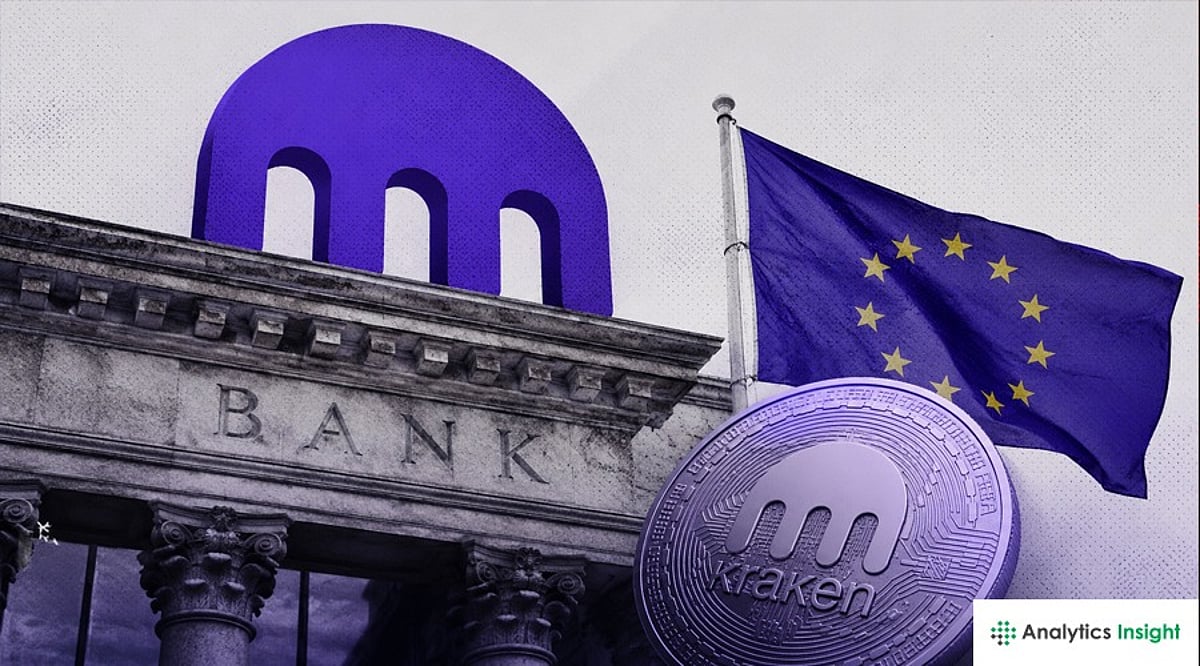
    Kraken, the cryptocurrency exchange operated by parent company Payward, is seeking a full banking license in Europe, with Lithuania identified as the likely jurisdiction for approval. This move would add a banking layer to Kraken’s existing regulatory permissions, including its Markets in Crypto-Assets (MiCA) authorization from the Central Bank of Ireland and its Markets in Financial Instruments Directive (MiFID) license from Cyprus.

    If approved, Kraken would become the only cryptocurrency exchange with a full banking license across the European Economic Area (EEA). The license would allow the firm to offer euro-denominated accounts, hold customer deposits, and provide credit services, subject to product-level approval from regulators. It would also place Kraken under direct banking supervision in Lithuania, where regulators would review how the exchange separates crypto activity from traditional banking services.

    Kraken’s strategy follows a path pioneered by Revolut, which received a specialized European banking license from the Bank of Lithuania in 2018. Lithuania has become a common entry point for fintech firms seeking access to the broader EU market. Other companies with banking licenses in the country include Mano Bank, PayRay, European Merchant Bank, AB Fjord Bank, and Saldo Bank.

    Kraken co-CEO Arjun Sethi outlined the company’s long-term licensing strategy at Money20/20 Europe in Amsterdam in June 2026, stating: “The plan for the next 10 years is to get all of these licenses, either through buying an existing business or going de novo in each region and starting from scratch.” This approach builds on earlier milestones, including Kraken Financial’s access to the Federal Reserve’s Fedwire system in March 2026 and authorization from the UAE’s Virtual Assets Regulatory Authority in May 2026.

  • Embedded Finance Leaders to Watch in 2026: Top Companies Reshaping Digital Payments and Banking

    Embedded Finance Leaders to Watch in 2026: Top Companies Reshaping Digital Payments and Banking

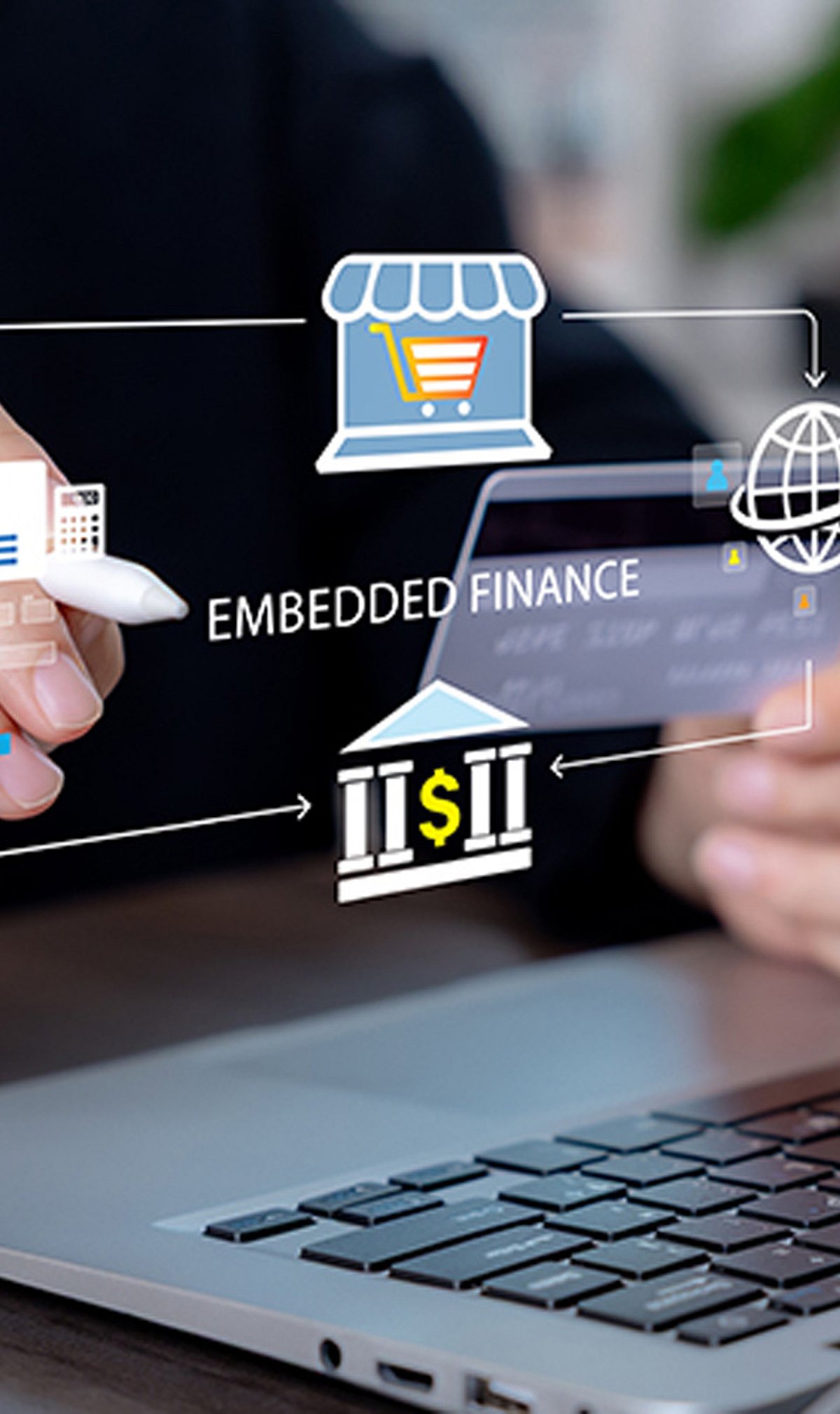
    Embedded finance is rapidly transforming the way businesses integrate financial services into their platforms. As we look ahead to 2026, several companies stand out for their innovative infrastructure, seamless payment solutions, and banking-as-a-service capabilities. Here are the key players to keep an eye on.

    Stripe

    Stripe continues to expand its embedded payments, treasury, lending, and financial infrastructure, enabling businesses to integrate seamless financial services into digital platforms globally.

    Adyen

    Adyen delivers unified payment processing, embedded financial products, issuing solutions, and merchant services that support businesses across multiple international markets efficiently.

    Marqeta

    Marqeta specializes in modern card issuing infrastructure, embedded payment capabilities, and customizable financial products for fintech companies and enterprise platforms worldwide.

    Solaris

    Solaris provides Banking-as-a-Service infrastructure, allowing businesses to launch embedded banking, payments, lending, and digital financial solutions with full regulatory compliance.

    Unit

    Unit helps software companies embed checking accounts, cards, payments, and lending products directly into applications through developer-friendly banking infrastructure solutions.

    Treasury Prime

    Treasury Prime offers API-driven banking infrastructure that enables fintech firms and enterprises to integrate embedded banking services with regulated financial institution partnerships seamlessly.

    Mambu

    Mambu provides cloud-native core banking technology supporting embedded finance, digital banking transformation, lending operations, and scalable financial product innovation across industries.

    Finastra

    Finastra delivers financial software solutions that enable banks and businesses to create embedded finance ecosystems with payment, lending, and banking capabilities efficiently.

    BaaSis

    BaaSis focuses on Banking-as-a-Service technology, helping enterprises integrate embedded financial products, digital banking features, and payment services into customer experiences successfully.

    These companies are at the forefront of the embedded finance revolution, powering the next generation of digital financial services. Watch them closely in 2026 as they continue to innovate and expand.

  • From a Small Town in Brazil to AI Entrepreneurship in New York: Leonardo Felipe Nerone’s Journey

    From a Small Town in Brazil to AI Entrepreneurship in New York: Leonardo Felipe Nerone’s Journey

    Leonardo Felipe Nerone, co-founder and CTO of Drachma, built his career through self-study, science olympiads, early engineering roles, Penn, fintech, crypto, and a practical view of what AI should do inside real companies.

    The first computer that caught his attention did not have internet. It sat on the first floor of his family’s two-story house in Guarapuava, a city in the countryside of Paraná, Brazil. There was another computer upstairs with internet access, but when he was young, he did not like going to the second floor alone. So he stayed downstairs and explored what he had.

    He clicked around Windows XP. He looked behind the machine. He opened the case. He wanted to know what would happen if he touched something, changed something, tried something.

    “That was probably one of my first experiences with technology,” Nerone says. “It was not formal. I was just curious. I wanted to understand what was inside the machine and what I could make it do.”

    That curiosity would carry him much farther than he could have seen from Guarapuava. Today, Nerone is the co-founder and CTO of Drachma, a New York-based AI startup that builds custom AI agents and systems for companies. Drachma helps businesses connect AI to their real data, APIs, internal tools, permissions, and workflows, with the goal of turning AI from something companies test into something they can actually use.

    The path there began far from Brazil’s major technology centers.

    “I did not grow up around people talking about Silicon Valley or startups or studying abroad,” Nerone says. “A lot of what I learned came from the internet, from online communities, and from trying things myself.”

    Science olympiads changed the shape of his world. In high school, they introduced him to programming and showed him a larger field of possibility. Programming gave him a way to build without waiting for permission, a practical outlet for the kind of curiosity that had started with the old computer downstairs.

    As a teenager, Nerone met other young programmers online. Together, they built Teacch.Me, an educational app for children with autism. The project won the 2015 FIAP-Google App Marathon, a national competition with more than 300 submitted apps and around 9,600 participants.

    “That project was important to me because it made technology feel real,” he says. “It was not just solving a puzzle or learning syntax. We were building something that could help people.”

    The win was also an early sign that Nerone’s self-taught path could lead somewhere larger. After high school, he moved to São Paulo at 17 to work as a software engineer at Pagar.me. It was his first time living away from home, and it placed him inside a much bigger technology ecosystem.

    The transition was not simple. He was working, living with friends, studying at night, and applying to universities in the United States. It was not a common path from where he came from, and there was no clear script for how to make it work.

    “Moving to São Paulo changed how I saw technology,” Nerone says. “It was no longer just something I studied or built on my own. It became the way I entered a larger world.”

    That larger world eventually included the University of Pennsylvania, where Nerone studied Computer Science after receiving a scholarship of about 90 percent. Fundação Estudar later helped cover most of what remained. At Penn, he entered an environment very different from the one he had known in Brazil.

    He had to adapt to a new country, a new academic culture, and a new language environment. Before moving to the United States, he had not spent much time speaking with native English speakers. He also often felt that his background was different from that of other international students.

    Over time, that difference became useful.

    “I learned how to operate across very different worlds,” he says. “Coming from a place that was not obvious for technology made me more comfortable figuring things out without perfect conditions.”

    During his time at Penn, Nerone interned at Facebook through FBU, later known as Meta University. Then the pandemic changed his plans. Instead of continuing with online classes as usual, he took a gap year and worked at Hashdex and then Init, gaining experience across fintech, crypto, and startup engineering.

    His interest in crypto and privacy led him into open-source work as well. In 2022, he submitted a proposal to the Monero community to work full-time on Monero development, including wallet, RPC, proofs, and related open-source tasks. A company called Cryp saw the proposal and hired him for the summer to work on Monero and Bitcoin atomic swaps.

    That varied technical background now shapes how Nerone thinks about AI. He has worked across payments, fintech infrastructure, crypto systems, open-source communities, data systems, and enterprise software. He sees technology not as a single trend, but as a set of systems that have to work under real constraints.

    That view became central to Drachma.

    Drachma did not begin with its current AI focus. Nerone says the company first started with a payments idea that did not work the way the founders expected. They had to listen to the market, pivot, and rebuild around a clearer problem: companies wanted AI, but many did not know how to connect it to their actual operations.

    “That was an important lesson,” he says. “You can have a smart idea, but the market tells you where the real demand is. We had to be honest about what was working and what was not.”

    Now Drachma builds custom AI systems for companies that need more than a generic chatbot. Many businesses have valuable information spread across databases, documents, spreadsheets, dashboards, and internal tools. Employees still waste time searching for information, repeating manual tasks, or moving data between systems. Drachma builds AI assistants and agents that connect to those environments and understand the company’s context.

    “The goal is not to build a flashy demo,” Nerone says. “The goal is to build AI that works inside the reality of a business.”

    From Guarapuava to São Paulo, from Penn to Facebook/FBU, from fintech and crypto to Drachma, Nerone has built his path by crossing between worlds and learning how systems behave in practice.

    He believes AI should reduce wasted time and human potential, not create another unused tool. In many cases, he says, the greatest value is not replacing people, but helping teams become faster, more accurate, and more capable.

    “Technology only matters when it helps people do something better,” Nerone says. “That was true when I was learning to program, and it is true now with AI.”

    Drachma has raised approximately US$1 million in pre-seed funding, originally for a different idea, and has spent about a year working on its current AI direction. Nerone wants to build the company into a lean, technically excellent, sustainable business known for making AI useful inside companies.

    His journey began with a child testing the limits of an old computer with no internet. It now continues through AI systems designed for real companies, real workflows, and real work.

    “I still think the instinct is the same,” Nerone says. “You look at a system, you try to understand it, and then you try to build something useful with it.”