Tag: fintech

  • Why Boring Fintech Ideas Are Building the Next Unicorn Startups

    Why Boring Fintech Ideas Are Building the Next Unicorn Startups

    Fintech innovation is shifting from flashy consumer apps to essential financial infrastructure. Founders solving routine but critical challenges are building businesses with stronger revenue models, higher customer retention, and lasting competitive moats. These seemingly ordinary ideas could define the next generation of fintech unicorns.

    A Shift From Growth Stories to Infrastructure Bets

    Payment processing, banking data, expense management, and accounts payable rank among the least exciting categories in software. They also produce some of the largest private valuations in tech. Investors once rewarded growth at any cost. Now they reward recurring revenue, sticky customers, and infrastructure that businesses cannot easily rip out. Boring problems tend to score high on all three.

    Venture funding into fintech startups reached $51.8 billion in 2025, a 27% jump over 2024. A large share of that capital chased companies fixing operational chores rather than building flashy new consumer apps. A founder pitching a slicker banking app now competes for attention against a founder pitching a faster way to close the books, and the second group is winning more term sheets.

    Four Companies, Four Very Different Outcomes

    Stripe processes $1.9 trillion in annual payment volume and stays profitable, which lines up with its jump to a $159 billion valuation this year. Plaid took a rougher road. Its bank-data APIs still power thousands of fintech apps, but its valuation sits at $8 billion as of February 2026, down from a $13.4 billion peak in 2021.

    Ramp moved in the opposite direction. The expense-management platform rose to a $44 billion valuation in June 2026, nearly tripling in a year after adding AI-driven spend controls and crossing $1 billion in annualized revenue. Tipalti, which automates supplier payments across 190-plus countries, has held a valuation of nearly $8.3 billion since 2021, backed by $200 million in fresh debt financing last year.

    Then there is Brex. The corporate card company once matched Ramp’s valuation, peaking at $12.3 billion in 2022. Capital One bought it in April 2026 for $5.15 billion, well under half that peak. Brex shows that a boring, defensible niche is not a guarantee on its own. Ramp out-executed it on the same playing field, building software revenue and AI tooling while Brex leaned on card interchange. Boring fintech does not win by default. It wins when a team pairs an unglamorous problem with sharp execution.

    Why Switching Costs Beat Slick Design

    What ties the winners together is structural, not stylistic. Payment rails and payables systems sit deep inside a customer’s finance stack. Ripping one out means re-plumbing accounting, compliance and vendor relationships, so switching costs stay high long after the initial sale. Regulatory complexity works the same way: tax rules, anti-money laundering checks, cross-border compliance. It slows new entrants and rewards whoever has already cleared the paperwork. None of that shows up in a product demo, but it shows up in valuation charts.

    Scale reinforces the moat once a company clears that early complexity. Stripe now handles roughly 1.6% of global GDP in payment volume. Plaid connects more than 8,000 fintech apps to over 12,000 banks, a network effect a new entrant cannot easily replicate from scratch. Ramp serves more than 70,000 businesses and grew transaction volume by 170% year over year in early 2026, a pace that outstrips almost every consumer fintech app on the market. These are not viral products. They are systems that get embedded once and stay embedded for years.

    What This Means for the Next Wave of Founders

    Founders chasing the next fintech unicorn might learn more from an invoicing platform than from a crypto exchange. The formula favors teams that pick a specific, recurring financial pain point, build the compliance and integration work competitors will not bother with, and let switching costs do the defending. Speed still matters. Ramp climbed from a $13 billion valuation to $44 billion in just over a year by expanding beyond its original card product into a full spend management suite. Standing still in a boring category is still a losing move.

    Boring is not a strategy on its own. Stripe, Ramp, and Tipalti show that solving everyday financial problems with strong execution can build highly valuable businesses. Brex proves that the same category can just as easily produce a discounted exit. The next fintech unicorn will not announce itself with a flashy demo. It will look like a payment API, an expense dashboard, or a payables tool that quietly becomes impossible to remove.

    Final Thoughts

    The next fintech unicorn is unlikely to be built on hype alone. Startups that solve essential financial problems, execute consistently, and become deeply embedded in business operations will be better positioned to create lasting value and attract long-term investor confidence.

  • Kunal Shah Appointed WhatsApp Global Head: The Entrepreneurial Journey Behind the Meta Move

    Kunal Shah Appointed WhatsApp Global Head: The Entrepreneurial Journey Behind the Meta Move

    Kunal Shah, the Indian entrepreneur who built FreeCharge and CRED, has been appointed as the new global head of WhatsApp by Meta. The move marks a significant milestone for Indian entrepreneurship and signals a growing appetite for founder-led leadership in global technology companies. Alongside the appointment, Meta invested $900 million in CRED, valuing the fintech platform at $4.5 billion.

    From FreeCharge to a Landmark Exit

    Shah co-founded FreeCharge in 2010, a mobile recharge platform that became one of India’s early digital payment successes. In 2015, Snapdeal acquired FreeCharge for roughly $400 million, one of the largest acquisitions in the Indian startup ecosystem at the time. The deal cemented Shah’s reputation as a founder with deep insights into consumer behavior in a market where digital trust was still emerging.

    Building CRED Into a Fintech Powerhouse

    Rather than resting on his first success, Shah launched CRED in 2018 with a unique value proposition: rewarding users who pay their credit card bills on time. The platform quickly evolved into a diversified financial services company covering payments, lending, insurance, and wealth management. Meta’s recent $900 million investment brought CRED’s valuation to $4.5 billion and solidified its position as a key player in India’s fintech landscape.

    The Cold Email That Changed Everything

    According to Bloomberg, Shah’s path to WhatsApp started with a conversation. Meta’s Chief Product Officer, Chris Cox, was seeking perspectives on WhatsApp’s future from entrepreneurs in key markets like India, Brazil, and Mexico. Shah’s vision for the platform impressed Cox enough to turn a discussion into a leadership opportunity. The story underscores how public engagement and industry reputation can open doors that formal applications rarely can.

    Why Meta Chose a Builder, Not a Manager

    Meta CEO Mark Zuckerberg praised Shah for building “one of India’s most important technology companies” and emphasized the “builder mentality” and global perspective the company wanted for WhatsApp’s next phase. The appointment reflects a strategic shift: importing a founder’s product instincts into a business that has struggled to convert its massive scale into commerce and payments revenue, especially in India where WhatsApp Pay lags behind PhonePe and Google Pay.

    Startup Leadership vs. Big Tech Opportunities

    Shah’s move is part of a larger trend in the tech industry where rising AI capabilities and market dynamics force leaders to choose between entrepreneurial ambition and the resources of large tech companies. Industry experts note that WhatsApp’s main challenge is not its user base but monetization beyond business applications. Shah inherits a platform with unparalleled scale but an incomplete recipe for commerce.

    Lessons From Shah’s Journey

    Shah’s career offers clear lessons for entrepreneurs and CXOs: reinvention can be practiced repeatedly. From exiting the payments field to building CRED from scratch and now leading the world’s largest messaging platform, Shah emphasizes maintaining visibility and engagement in the industry regardless of current projects. For executives observing this career move, it illustrates how founder-driven thinking is becoming more valued in top global tech companies.

    Why This Matters

    Kunal Shah’s appointment to lead WhatsApp reflects a broader shift in the technology industry where global companies increasingly value entrepreneurial thinking alongside operational leadership. His journey demonstrates how innovation, resilience, and a deep understanding of consumer behavior can open opportunities beyond startup success. For entrepreneurs, executives, and aspiring founders, his career highlights the growing influence of Indian technology leaders on the global stage.

  • Bollywood Stars Backing AI, Fintech, and EdTech Startups: A Look at Celebrity Investors

    Bollywood Stars Backing AI, Fintech, and EdTech Startups: A Look at Celebrity Investors

    Bollywood celebrities are increasingly diversifying their portfolios beyond the silver screen, investing in cutting-edge technology startups spanning artificial intelligence, fintech, and edtech. Here is a roundup of notable Bollywood personalities who have placed strategic bets on innovative ventures.

    Shilpa Shetty – AI Wellness

    Shilpa Shetty has invested in AI-powered wellness and health technology ventures, reflecting a growing trend among celebrities to back preventive healthcare and digital fitness innovations.

    Suniel Shetty – Fintech

    Suniel Shetty has backed fintech startups focused on digital payments and financial inclusion, expanding his investment interests beyond entertainment and traditional business sectors.

    Deepika Padukone – EdTech

    Through her investment initiatives, Deepika Padukone has supported education-focused technology companies that help learners access quality digital education and skill development opportunities.

    Ranveer Singh – AI Marketing

    Ranveer Singh has invested in AI-driven consumer technology and marketing startups that enhance brand engagement through advanced analytics and personalized customer experiences.

    Madhuri Dixit – EdTech Learning

    Madhuri Dixit has backed online education platforms promoting accessible learning, combining educational innovation with technology-driven student engagement across diverse audiences.

    Ajay Devgn – AI Content

    Ajay Devgn has entered AI-enabled media technology ventures that explore content creation, production efficiency, and innovative entertainment solutions for digital-first consumers.

    Alia Bhatt – Sustainable Tech

    Alia Bhatt has invested in technology startups that combine AI with sustainability, highlighting her interest in environmentally responsible innovation and future-focused business models.

    Karan Johar – Digital Startups

    Karan Johar has expanded his investment interests into technology-led startups, supporting scalable digital businesses across entertainment, fintech, and consumer technology ecosystems.

    Riteish Deshmukh – Startup Ecosystem

    Riteish Deshmukh has actively invested in emerging startups spanning AI, fintech, and edtech, encouraging innovation while diversifying his entrepreneurial ventures beyond cinema.

    These investments underscore a broader shift where Bollywood celebrities are leveraging their influence and capital to shape the future of technology and education in India.

  • X Money Rolls Out Fiat Payments for Premium+ Users Through Cross River Bank

    X Money Rolls Out Fiat Payments for Premium+ Users Through Cross River Bank

    X has begun rolling out X Money to Premium+ subscribers, opening access to fiat payments through Cross River Bank’s banking infrastructure. The launch advances Elon Musk’s plan to build an all-in-one platform for communication, commerce, and financial services. For now, the service supports traditional currency and has no confirmed cryptocurrency integration.

    X Money Starts With Regulated Banking Rails

    Eligible Premium+ users can send and receive fiat payments within X. Cross River Bank manages transaction processing and customer accounts, providing the regulated foundation for the new service. The initial setup uses conventional banking channels rather than blockchain networks. It also keeps the first phase focused on familiar payment methods.

    X has not announced support for cryptocurrency transfers, stablecoin payments, tokenized assets, or blockchain settlement. Instead, X Money allows the platform to add financial functions through an established banking partner. The first rollout therefore centers on traditional payments while leaving future digital asset features unconfirmed. The service initially remains available only to eligible Premium+ subscribers.

    The launch represents one of X’s largest product expansions since Musk acquired the platform. He has repeatedly outlined plans for an ‘everything app’ combining social networking, messaging, payments, banking, and commerce. X Money now brings part of that strategy into operation. The service adds financial activity to the platform’s existing communication and commercial ambitions.

    Cross River Link Fuels Cryptocurrency Speculation

    Cross River Bank is a United States financial institution with experience supporting fintech and blockchain companies. Its role in X Money has therefore renewed speculation about possible cryptocurrency features. Much of that discussion has focused on Ripple and XRP. The bank’s digital asset connections have drawn greater market attention to the rollout.

    Still, the bank’s industry relationships do not prove that Ripple technology powers the service. X, Cross River Bank, and Ripple have made no announcement linking X Money with XRP. They have also provided no evidence of blockchain-based payment processing within the platform. The available information supports only a fiat-based service.

    The current design depends on regulated banking infrastructure. Customers use traditional currency through Cross River Bank’s systems, not a confirmed digital asset network. Claims about active XRP integration therefore remain unsupported by the information released about the rollout. The service can expand its financial functions without introducing cryptocurrency settlement.

    Future Digital Asset Features Remain Unconfirmed

    X has left open the possibility of adding more financial services as Musk develops a broader financial ecosystem. Yet the platform has announced no plan, timetable, or technical framework for cryptocurrency support. Its present structure shows how regulated banking partners can help technology companies enter payments first. That model connects consumer platforms with established financial channels.

    Could X Money eventually bring digital assets to a major consumer platform? Future additions could include stablecoins, tokenized assets, or cryptocurrency transfers, but X has confirmed none of those functions. Any such expansion would require a separate announcement and clear operating details. Until then, speculation cannot replace official confirmation.

    Should X later add cryptocurrency payments, the platform could bring digital assets directly to a large mainstream audience. For now, X Money remains a fiat payment service for eligible Premium+ users. Investors and users will watch X, Cross River Bank, and Ripple for verified updates. Future announcements will determine whether the service moves beyond conventional payments.

    What’s Next?

    X Money marks a major step in X’s expansion into financial services by enabling fiat payments for Premium+ users through Cross River Bank. While cryptocurrency and XRP integration remain unconfirmed, future announcements could reveal whether the platform plans to introduce digital asset support.

  • PayEm Sold for $500K After Raising $247M: A Cautionary Fintech Tale

    PayEm Sold for $500K After Raising $247M: A Cautionary Fintech Tale

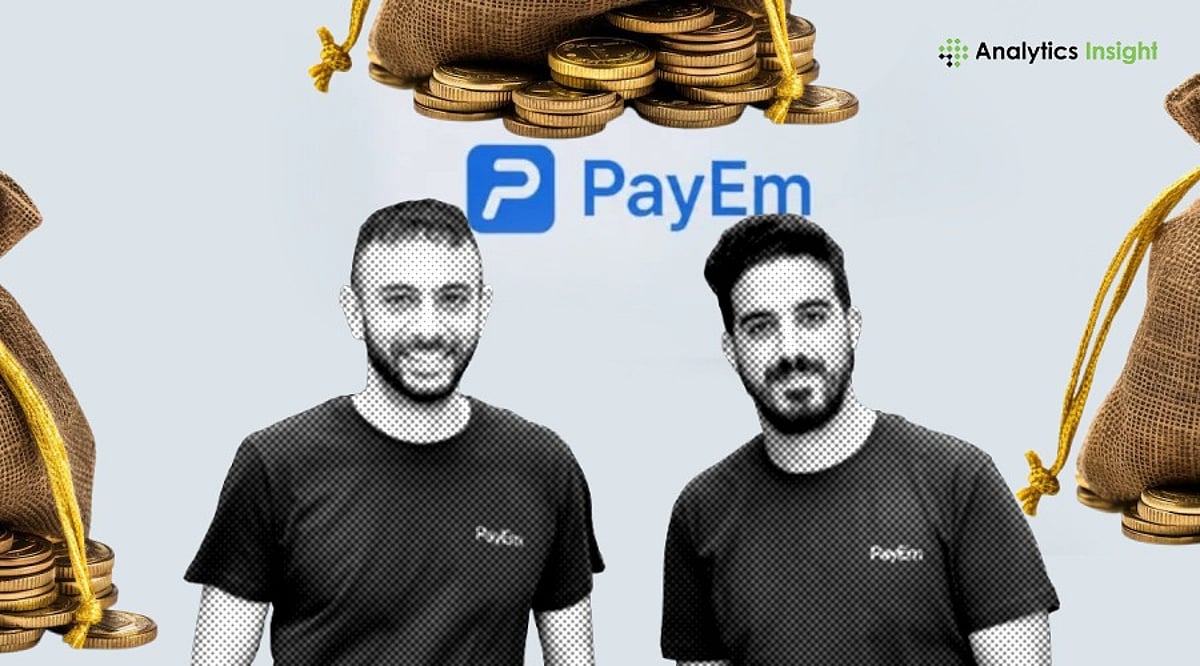
    Fintech startup PayEm has been acquired for just $500,000, despite having raised nearly $247 million in funding, marking one of the most dramatic valuation reversals in the sector. Top Group Software announced that its wholly owned subsidiary, Top Nippando, has completed the acquisition of all PayEm shares. The deal, finalized after being agreed upon in late June, reflects the recent turmoil in the fintech industry.

    Founded in 2020 by Itamar Jobani and Omer Rimoch, PayEm built a SaaS platform for corporate expense management, control, and automation. Its comprehensive solution included corporate debit and credit card issuance and management, procurement process automation, multi-currency digital wallet management, and financial connectivity with complex enterprise ERP systems.

    During the tech industry’s high-growth years, PayEm raised capital rapidly. In September 2021, it announced a $27 million Seed and Series A round led by Pitango, NFX, and Glilot Capital Partners. In early 2023, despite a market shift, the company announced another major $220 million funding round—comprising $20 million in equity and $200 million in credit lines from Viola Credit, Mitsubishi Group, and other partners to finance clients’ card usage.

    However, PayEm faced serious financial challenges in recent years. Its audited 2025 financial records show a negative equity position: total assets of NIS 47.08 million ($15.8M) against liabilities of NIS 51.1 million ($17.1M). Revenue for that year was NIS 19.1 million ($6.4M), but the net loss reached NIS 17.1 million ($5.7M).

    Under the acquisition agreement, all existing equity instruments and options will be canceled, and an aggressive efficiency drive started in 2026—including workforce reductions—will continue. These measures are expected to bring PayEm to operational break-even this year, even before considering potential synergies with Top Group and Top Nipendo. The buyer intends to fund the deal through internal resources or external financing, with a commitment to contribute up to an additional $3.5 million to reduce obligations and stabilize the company’s finances.

    The acquisition highlights the volatility in the fintech startup ecosystem, where once-high-flying companies can see their valuations collapse amid shifting market conditions and operational challenges.

  • How Fintech Is Powering India’s Startup Boom in 2026: UPI, Embedded Finance, and Merchant Lending Lead the Charge

    How Fintech Is Powering India’s Startup Boom in 2026: UPI, Embedded Finance, and Merchant Lending Lead the Charge

    India’s fintech story in 2026 is one of divergence: venture funding has normalized, but the real-economy footprint of fintech continues to expand. Despite a slowdown in capital inflows, usage metrics show no signs of easing. UPI processed 23.2 billion transactions worth ₹29.90 lakh crore in May 2026 alone, while the RBI’s Digital Payments Index rose to 493.22 in March 2025 from 445.50 a year earlier. This is why fintech remains a critical engine for startup growth—it has evolved from a venture category into essential infrastructure.

    Payments, merchant acceptance, embedded finance, account aggregation, and digital lending rails are reducing friction for e-commerce, SaaS, consumer internet, logistics, and MSME startups. The regulatory architecture has also matured: UPI continues to expand globally, the Account Aggregator framework is entering a more formal phase, RBI’s interoperable sandbox lowers experimentation costs, and the DPDP Rules raise the baseline for trust and data governance.

    Funding Reset, Operating Boom

    India remains the world’s third-largest fintech ecosystem. IBEF pegs the domestic fintech market at $111 billion today, with potential to reach $421 billion by 2029. Tracxn counted 16,461 fintech companies in India, including 2,890 funded firms and 30 unicorns as of late May 2026. The macro context remains supportive: the World Bank reports India grew 6.5% in FY24-25, and the IMF projects 6.5% real GDP growth in 2026. With 886 million active internet users in 2024 and a mobile broadband base of 944.12 million, the digital user base is vast and growing.

    Financial inclusion is also deepening. PMJDY had 57.78 crore accounts as of February 2026, 55.8% held by women and 78.2% in rural/semi-urban areas. RBI’s Financial Inclusion Index improved to 67.0 in March 2025 from 64.2 a year earlier. UPI now accounts for 84% of retail payment volumes, with 185.9 billion transactions totaling ₹260.6 lakh crore in FY25. By FY26, UPI’s annual value exceeded ₹314 lakh crore with 700+ banks live, and India accounts for nearly 49% of global real-time payments.

    How Fintech Powers Startup Formation and Scaling

    Fintech behaves as a productivity layer for the startup economy. API-led rails for checkout, collections, payouts, KYC, merchant onboarding, and small-ticket credit lower the cost of starting and scaling a business. Credit deepening is the second leg: NITI Aayog’s 2026 credit report expects women’s credit penetration to reach 36%, with total credit outstanding to women rising to ₹76 lakh crore. Fintech NBFCs sanctioned 10.9 crore personal loans worth ₹1,06,548 crore in FY25.

    Adoption at the household and MSME level is another driver. 85.5% of Indian households have at least one smartphone, and 97.1% of people aged 15-29 used a mobile phone in the prior three months. Startup distribution increasingly begins with a payment-enabled, identity-linked handset.

    Case Studies: Where Value Is Accruing

    Indian fintech leaders are moving beyond pure transaction acquisition into multi-product monetization. Razorpay’s FY25 consolidated revenue rose 65% year over year to ₹3,783 crore, processing roughly $180 billion in annual payment value. PhonePe has 650+ million users and processed nearly 10 billion UPI transactions in January 2026, targeting an IPO valuation of $9–10.5 billion. BharatPe reported ₹1,734 crore in FY25 revenue with its first adjusted profit before tax, driven by merchant lending rather than just QR acceptance.

    Risks and Recommendations

    Risks include credit quality deterioration if underwriting lags growth, intense competition in payments (PhonePe and Google Pay held 79% of UPI market share in May 2026), and rising data governance and cyber costs. Private-market money is more selective, with global fintech deal count at a multi-year low in Q1 2026. For policymakers and investors, deepening AA and ULI coverage, preserving trust while lowering compliance duplication, revisiting payments economics, and prioritizing cybersecurity are key next steps.

    The bottom line: fintech is fueling India’s startup growth in 2026 less by attracting peak venture dollars and more by rewiring how startups collect money, lend, onboard, underwrite, and retain customers. Funding has become harder, but infrastructure has become stronger—a more important signal in a maturing startup market.

  • India’s 10 Most Promising Tech Startups Shaping 2026

    India’s 10 Most Promising Tech Startups Shaping 2026

    India’s startup ecosystem is undergoing a significant transformation. While previous years were dominated by conversations about massive funding rounds and valuations, the focus in 2026 has shifted toward sustainable growth, real-world problem-solving, and long-term profitability. Investors are now asking more critical questions: Is the business growing steadily? Does it solve a genuine problem? Can it generate sustainable revenue?

    This shift has created fertile ground for a new generation of startups across artificial intelligence, healthcare, financial services, electric vehicles, cloud computing, and space technology. These companies are building products that businesses and consumers actually need—from efficiency tools to accessible financial services. Below are ten Indian tech startups that are set to make an impact in 2026.

    Why Investors Are Paying Attention

    The startup landscape has become more pragmatic. While innovation remains paramount, investors are backing ventures with clear purpose and viable business models. Most startups now focus on solving everyday challenges rather than chasing trends. Government support for technology development and innovation is also fueling this growth.

    What Makes These Startups Different?

    Many startups launch every year, but only a few stand out. The companies on this list prioritize solving real problems. Some help businesses manage data more efficiently, others simplify financial services, and several are advancing health tracking or building space technology. Additionally, many of these startups are designed for global markets, giving them access to a larger customer base and more expansion opportunities. Most importantly, these companies are building products people actually use—substance over hype.

    Big Trends Shaping Indian Startups in 2026

    Businesses need tools that enable employees to work faster and smarter. Startups are delivering practical, less complex AI solutions. The healthcare sector is expanding rapidly due to rising consumer interest in health and fitness, opening doors for wellness-focused tech companies. Fintech continues to thrive as demand for faster, more convenient financial services grows. Electric mobility is also gaining traction, creating a pressing need for robust charging infrastructure. Meanwhile, space technology—once the domain of government agencies—is now attracting private players, with several Indian companies already achieving notable results.

    Why These Companies Matter

    The most successful startups are often not the loudest. They quietly solve problems every day—helping businesses save costs, making healthcare more accessible, improving financial services, and supporting emerging industries. These companies are building products with real impact, which is why investors, customers, and industry experts are closely watching them.

    Looking Ahead

    India’s startup environment is maturing. The “growth at any cost” mindset is giving way to value creation, problem-solving, and sustainability. The success stories of 2026 won’t come from companies that make the most noise; they will come from those that create something useful and earn customer trust. The ten firms highlighted here are among those to watch as India’s technology industry enters its next phase of growth.

    Why It Matters

    India’s next generation of technology startups is shaping the future of innovation across multiple industries. By developing practical solutions, creating employment opportunities, attracting investment, and expanding globally, these companies are strengthening India’s digital economy and driving long-term technological growth.

    FAQs

    Which are the top Indian tech startups to watch in 2026?

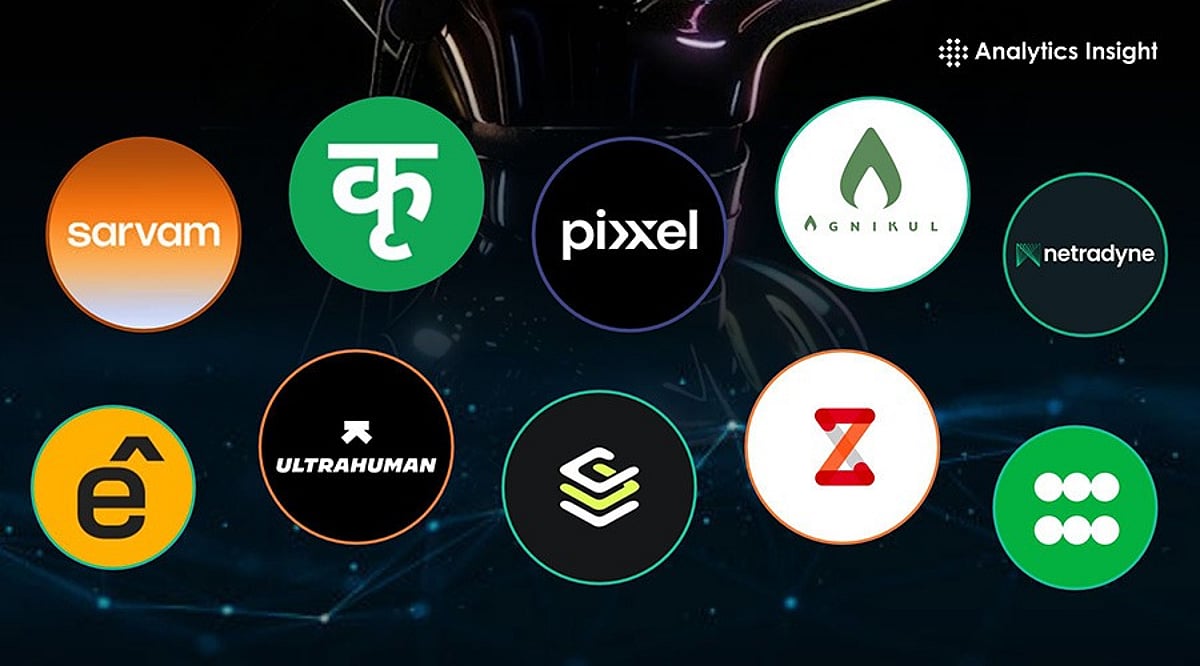
    Some of the most promising include Sarvam AI, Krutrim, Pixxel, Agnikul Cosmos, Netradyne, Exponent Energy, Ultrahuman, Lucidity, Zolve, and Equal. These companies are driving innovation across AI, space tech, fintech, healthtech, and cloud computing.

    Why are investors focusing on Indian tech startups in 2026?

    Investors are backing startups with sustainable business models, strong revenue potential, and products solving real-world problems. They prioritize long-term profitability, customer adoption, operational efficiency, and scalability across domestic and international markets.

    Which sectors are driving India’s startup ecosystem in 2026?

    AI, fintech, healthtech, electric mobility, cloud computing, identity technology, and commercial space technology are among the fastest-growing sectors. These industries benefit from digital adoption, supportive policies, private investment, and rising technology-driven demand.

    Why is AI becoming a major focus for Indian startups?

    AI startups are developing language models, enterprise automation tools, customer service platforms, and productivity solutions tailored to India’s diverse market. Businesses across industries adopt AI to improve efficiency, reduce costs, automate tasks, and enhance customer experiences.

    What makes Indian space startups attractive to investors?

    Private companies like Pixxel and Agnikul Cosmos are building satellite technologies, launch vehicles, and Earth observation solutions with global commercial potential. Government reforms and increased private participation have created new opportunities for innovation and international partnerships.

  • How Razorpay Revolutionized Digital Payments for Indian Businesses

    How Razorpay Revolutionized Digital Payments for Indian Businesses

    In today’s digital world, money moves faster than ever before. From online shopping and ordering your favorite food to booking tickets or paying bills, almost everything is done online. Behind this smooth flow of payments are crucial players who make these transactions happen seamlessly, including Razorpay.

    From a startup idea to one of India’s leading fintech companies, Razorpay is making online payments easier for businesses across India. The Bengaluru-based startup has become an integral part of the country’s booming fintech industry. Helping businesses accept payments, manage money, and handle finances simply and securely, what started as a small startup idea is now a trusted name for thousands of businesses across India.

    The Beginning of Razorpay

    Founded in 2014 by Shashank Kumar and Harshil Mathur, Razorpay emerged at a time when taking online payments in India was still a mess. Businesses had to go through pages of paperwork, a technical setup, and wait for approvals. Many small businesses and startups couldn’t take it anymore. The founders saw an opportunity and decided they wanted to build something simple. Something that makes digital payments easy, fast, and accessible for everyone.

    Early on, Razorpay focused only on the payment gateway, which allowed businesses to accept payments through debit/credit cards, net banking, UPI, and digital wallets. The setup was super simple, and even non-technical people could get going quickly. This ease of use helped Razorpay stand out and catch the eye of startups and small businesses alike. As more people in India started using digital payments, the need for better financial tools grew. Razorpay continued to thrive while improving its offerings and keeping up with the changing market.

    Growing Beyond Payments

    Over time, Razorpay became much more than just payments. It quietly transformed into an entire financial solutions platform for businesses. Today, the company offers services like payroll management, subscription billing, payment links, vendor payouts, and even business banking solutions. Rather than juggling multiple tools, businesses can manage everything under one roof. This all-in-one system saves businesses time and manual effort. So instead of hopping between multiple platforms, you can collect customer payments, pay employees, manage subscriptions, and track transactions, all from one dashboard.

    Innovation, Security, and Trust

    One of the biggest reasons behind Razorpay’s success is its focus on innovation. The company regularly builds new features and tools to make financial management easier for businesses. Be it automating payments, managing subscriptions, or simplifying salary transfers – Razorpay focuses on reducing complexity. Another important factor is security, as Razorpay handles financial transactions and sensitive data – safety is always top of mind. They constantly work to improve their security systems and follow industry regulations, which helps businesses trust them with their daily operations. Razorpay is also known for its strong customer support and user-friendly design. Many businesses choose Razorpay because it is easy to use, even for people without technical knowledge. Apart from tech, they have built an awesome work culture at Razorpay. They encourage teamwork, learning, and creativity. They allow their employees to think freely, take risks, and improve their products. This culture of innovation has helped them grow quickly and stay competitive in the fast-changing fintech industry.

    Impact and Future of Razorpay

    Razorpay’s impact isn’t limited to just handling payments. It has enabled thousands of entrepreneurs and small businesses to thrive by making digital finance accessible. Now, many small businesses that previously struggled with online payments can operate smoothly. By streamlining finances, the company is helping businesses move online and reach more people. Looking ahead, we expect Razorpay to continue playing an essential role in shaping the future of digital finance as new technologies such as AI, embedded finance, and advanced payment systems transform how businesses manage their money. Razorpay is already working on these innovations to enhance its platform. As more and more digital transactions take place in India, there will be an increasing need for easy and secure financial tools. With its tech prowess and customer-centric approach, Razorpay will play a crucial role in this space.

    Final Thoughts

    The story of Razorpay shows how a simple idea can make a big impact. What started as a solution to simplify online payments has grown into one of India’s leading fintech companies. Through continuous innovation, robust security, and a focus on customer needs, Razorpay has built a trusted platform for businesses of all sizes. As India moves further into a digital-first economy, Razorpay’s role will become even more important, helping businesses manage money in a simple, fast, and reliable way, making it a key part of the country’s financial future.

  • Best Digital Banks of 2026: A Comprehensive Guide to Online Banking Leaders

    Best Digital Banks of 2026: A Comprehensive Guide to Online Banking Leaders

    Online banks are gaining even greater traction in 2026, offering competitive interest rates, lower fees, instant payments, and seamless mobile banking experiences. As traditional banking continues to shift, these digital-first institutions are becoming the go-to choice for consumers seeking convenience, transparency, and innovative financial tools.

    Leading Online Banks in 2026

    SoFi remains a premier digital banking platform, blending high-yield savings, investment services, personal loans, and comprehensive financial management tools into one integrated ecosystem.

    Ally Bank continues to attract customers with its fee-free banking model, competitive savings accounts, and an intuitive digital banking platform that makes managing money effortless.

    Capital One 360 offers flexible checking and savings accounts backed by robust mobile banking features and access to a nationwide ATM network.

    Discover Bank remains a popular choice, known for its cashback checking, competitive savings rates, and customer-friendly digital services that prioritize transparency and ease of use.

    Revolut continues its global expansion, combining digital banking, international payments, currency exchange, budgeting, and investment features in a single app designed for modern travelers and global citizens.

    Wise has become a preferred option for international banking, offering low-cost global transfers and multi-currency accounts for both individuals and businesses.

    Future Trends in Digital Banking

    Digital banks are increasingly integrating AI-powered budgeting, fraud detection, personalized financial insights, and automated savings features. As digital finance evolves, these institutions continue investing in stronger security, faster payments, embedded finance, and smarter AI-driven customer support. The landscape in 2026 shows that online banks are not just alternatives—they are becoming the standard for modern financial services.

  • CheQ Elevates Bipin Toro and Vished Banger to Co-Founders as Startup Hits Profitability

    CheQ Elevates Bipin Toro and Vished Banger to Co-Founders as Startup Hits Profitability

    CheQ, India’s leading credit card management platform, has announced the elevation of Bipin Toro and Vished Banger as Co-Founders. The move recognizes their instrumental contributions to building and scaling the company since its inception in 2022.

    The announcement comes at a pivotal moment for CheQ, as the company closed FY26 with full-year profitability and surpassed $40 million in annual recurring revenue (ARR). This milestone underscores the platform’s rapid growth and the leadership team’s commitment to long-term value creation.

    Since joining in CheQ’s early days, Toro and Banger have played key roles in transforming the startup from an ambitious vision into one of India’s fastest-growing consumer credit platforms. Toro, now Co-Founder & CTO, has been central to building CheQ’s technology foundation and engineering culture, developing a scalable platform that serves millions of users. Banger, elevated to Co-Founder & CBO, has been a key architect of the company’s business strategy, financial management, and operational excellence.

    Aditya Soni, Founder and CEO of CheQ, said: “Building a company is never the work of one individual. Bipin and Vished have been an integral part of CheQ’s story from the very beginning, helping build the foundation of the company, shape its culture, and contribute meaningfully to every major milestone. Their elevation to Co-Founder recognizes the impact they have already created and the important role they will continue to play.”

    Bipin Toro commented: “Technology has always been at the heart of creating meaningful consumer experiences. Over the last few years, we have built a robust and scalable platform capable of serving millions of users. What excites me most is leveraging technology, AI, and data to make credit more transparent, accessible, and rewarding for every Indian consumer.”

    Vished Banger added: “Building a sustainable business requires a balance of innovation, operational excellence, and long-term thinking. As we enter the next phase of growth, I am excited to continue driving strategic expansion, strengthening partnerships, and building a category-defining company that consumers trust.”

    Founded with a mission to simplify credit engagement in India, CheQ started as a credit card bill payment and rewards platform. It has since evolved into a comprehensive credit ecosystem offering credit card management, credit health insights, premium rewards, utility bill payments, AI-powered assistance via Wisor, personal loans, loans against mutual funds, UPI payments, and the CheQ AU Credit Card—India’s first LED credit card.

    With an expanded founding team and strong business momentum, CheQ is poised for its next phase of innovation, scale, and product expansion, aiming to become India’s most trusted destination for everything credit.