Tag: health technology

  • K-Diet App Review 2026: Features, Pricing, and Whether It’s Worth Trying

    K-Diet App Review 2026: Features, Pricing, and Whether It’s Worth Trying

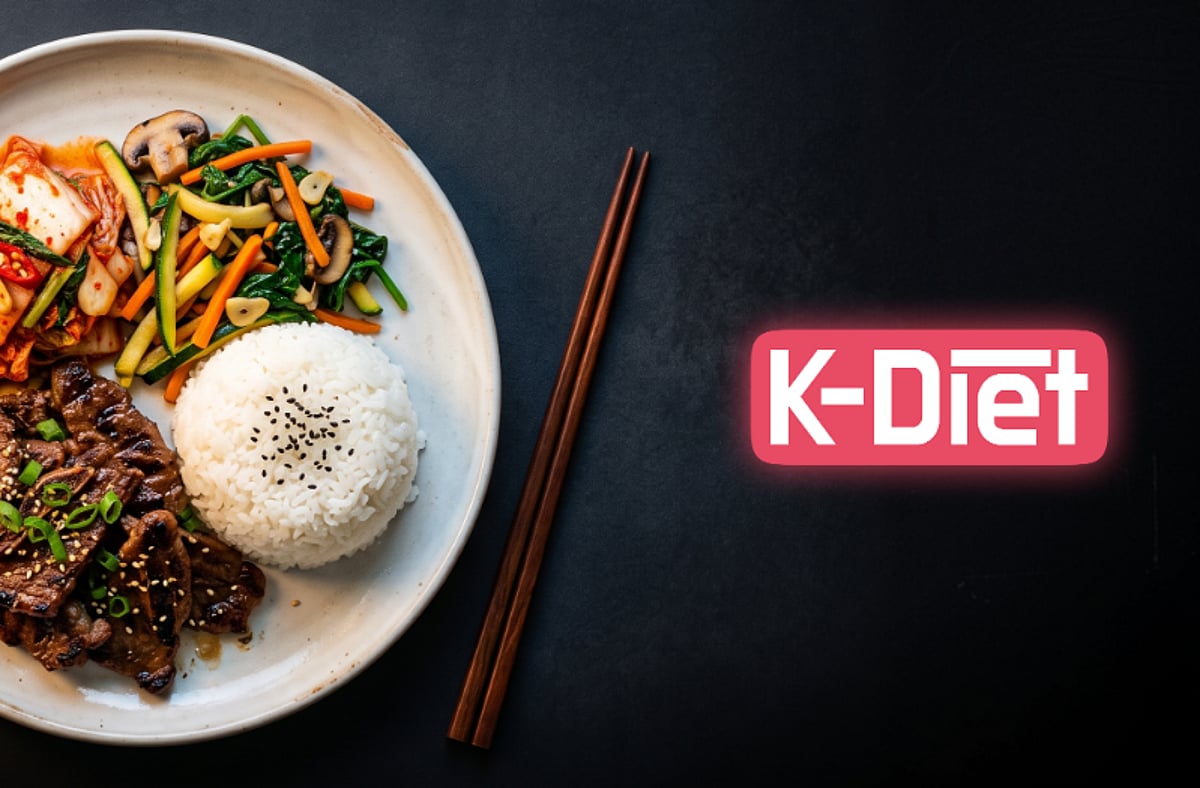
    The best diet apps do more than hand you a calorie target and hope you figure out the rest. K-Diet takes a different approach by building every meal plan around Korean-inspired recipes while pairing them with guided workouts, fasting tools, progress trackers, and expert nutrition guides. This review covers how K-Diet works, what it includes, what it costs, and where it could improve, so you can decide if it deserves a place on your phone.

    What Is K-Diet?

    K-Diet is a personalized diet and wellness app designed to help people lose weight through Korean-style eating. A short quiz asks about your goals and food preferences, then builds a meal plan around those answers. Instead of offering a generic calorie-counting template, the app gives you a plan based on food you will actually enjoy.

    The meal plan is paired with simple workouts, yoga, guided meditation, and trackers for steps, water, weight, and fasting. Everything lives inside one app, so nutrition, movement, and progress are managed in one place rather than across several tools.

    K-Diet App Pros and Cons

    Pros

    • Personalized meal plan based on your goals and preferences, not a fixed weekly menu
    • More than 1,000 Korean diet recipes to keep meals varied
    • Beginner-friendly recipes using regular grocery store ingredients
    • Workouts, yoga, and guided meditation included in every plan
    • Step, water, weight, and fasting trackers all in one app
    • Nutrition and health guides written by nutrition experts and trainers
    • No special equipment or gym membership required
    • Cancellation available anytime from the Manage Subscription page or by email

    Cons

    • Workouts are light and simple, so they won’t replace a dedicated training app for high-intensity goals
    • Results depend on consistent use and vary from person to person

    Signing Up and First Impressions

    Getting started with K-Diet takes only a few minutes. The onboarding quiz asks about your goals and food preferences, and the app uses your answers to build a tailored plan. Your exact price appears at the end of the quiz, before you commit to anything.

    The quiz is free to complete. That is a nice touch because you can see your plan options and pricing without handing over card details first.

    K-Diet App Features Breakdown

    Personalized Korean Meal Plans and Recipes

    The heart of K-Diet is its personalized meal plan. Instead of leaving you to guess what to eat, the app gives you a clear plan drawn from a library of more than 1,000 Korean diet recipes. Each meal matches your goals, so the plan reflects what works for you rather than someone else’s menu.

    Variety is one of the biggest strengths. Many diets fall apart when people get bored of eating the same five meals, but K-Diet’s large recipe library makes that much less likely.

    The recipes also borrow the portion-control habits of everyday Korean eating: smaller plates, vegetable-forward sides, and balanced meals. That is a practical way to eat less without feeling like you’re on a restrictive diet. You eat real, flavorful food, but in a structure that supports weight loss.

    Beginner-Friendly Cooking

    Healthy Korean food sometimes has a reputation for being tricky or time-consuming. K-Diet addresses that directly. The recipes are built with beginners in mind, with clear steps and everyday ingredients. If you have never cooked Korean food before, the plan starts simple and doesn’t assume you already know the cuisine.

    For anyone who has relied on takeout and wants healthier meals that still taste good, this feature alone makes the app worth a look.

    Simple Workouts, Yoga, and Meditation

    K-Diet isn’t trying to be a hardcore fitness app, and that is the point. The workouts are simple bodyweight routines and yoga sessions you can do at home, with guided meditation. They are designed to support the meal plan, not add extra pressure.

    If your main goal is to eat better and build steady habits, the exercise side is a useful bonus. If you’re training for a race or want intense interval sessions, you might want to pair K-Diet with a separate fitness app.

    Built-In Progress Trackers

    One of the most practical parts of K-Diet is how it brings progress into one view. The app tracks steps, water intake, weight, and fasting and charts them over time. That means you see the trend, not just one day’s number, which makes it easier to stay motivated through slower weeks.

    Pairing the meal plan with the trackers is where most of the value comes from. The app works best for people who log their progress regularly.

    Expert Guides and Exclusive Content

    Beyond the core tools, K-Diet includes in-depth guides on nutrition, workouts, and healthy living, written by nutrition experts and trainers. There is also a regularly updated library of articles and videos. These resources help you understand why the plan works, not just follow it blindly.

    Pricing, Billing, and Cancellation

    K-Diet plans start at $6.93, and your exact price is shown at the end of the quiz. The price depends on the plan length you choose, so it can differ from what someone else sees. Every plan includes the same core features: the meal plan, recipes, workouts, trackers, guides, and content.

    Your plan continues automatically after the introductory period unless you cancel. Cancelling is simple. You can do it on the Manage Subscription page or by emailing help@k.diet from the address you used to sign up. If you subscribed through the App Store or Google Play, you can cancel in your phone’s subscription settings. You keep access until the end of the period you have already paid for.

    K-Diet support also handles refunds, plan changes, and billing questions, so there is a clear route if something doesn’t look right.

    Who Is the K-Diet App Best For?

    K-Diet suits anyone who wants to lose weight while eating food they truly enjoy, rather than following a bland or restrictive plan.

    It is an especially good fit if you:

    • Are curious about Korean cuisine or want to swap takeout for healthier home-cooked meals that still feel like a treat
    • Want fasting tools, trackers, and workouts in one app instead of juggling several
    • Are a complete kitchen beginner and need simple, step-by-step recipes
    • Want a program that requires no special equipment and fits easily into a busy home routine

    It is less suited to people who want meals delivered to their door, or those looking for advanced training programs. As with any diet plan, anyone with a medical condition that affects their diet should check with a doctor before starting.

    Frequently Asked Questions

    How much time does following my plan take every day?

    Most days take about 5 to 15 minutes in total. Cooking a K-Diet recipe takes around 10 minutes, a workout or yoga session can be as little as 5 minutes, and logging your steps, water, weight, and fasting takes just a minute or two. The plan is built around real, busy life, so you never need to block out hours to stay on track.

    Is K-Diet free?

    No, it is a paid app. The quiz is free, and your plan options and price appear at the end of it.

    Do I need to know how to cook Korean food?

    No. The recipes are beginner-friendly, with clear steps and ingredients from a regular grocery store.

    Can I cancel my K-Diet subscription?

    Yes, anytime. Cancel on the Manage Subscription page, by emailing help@k.diet, or in your phone’s subscription settings if you signed up through an app store.

    Final Thoughts

    Most diet apps ask you to give something up: flavor, variety, or the foods you love. K-Diet takes a different route. It uses Korean-style eating, with its natural focus on portion control and vegetables, to make weight loss feel less like a sacrifice.

    By combining a personalized meal plan, more than 1,000 recipes, simple workouts, and progress tracking in one app, K-Diet covers the essentials without overcomplicating them. You will still need to shop and cook, and results depend on sticking with it. But for anyone who wants a structured, enjoyable, and realistic way to eat healthier, K-Diet is a strong choice and well worth trying.

  • Flipkart Lists Google Fitbit Air at Rs. 13,999 Ahead of India Launch

    Flipkart Lists Google Fitbit Air at Rs. 13,999 Ahead of India Launch

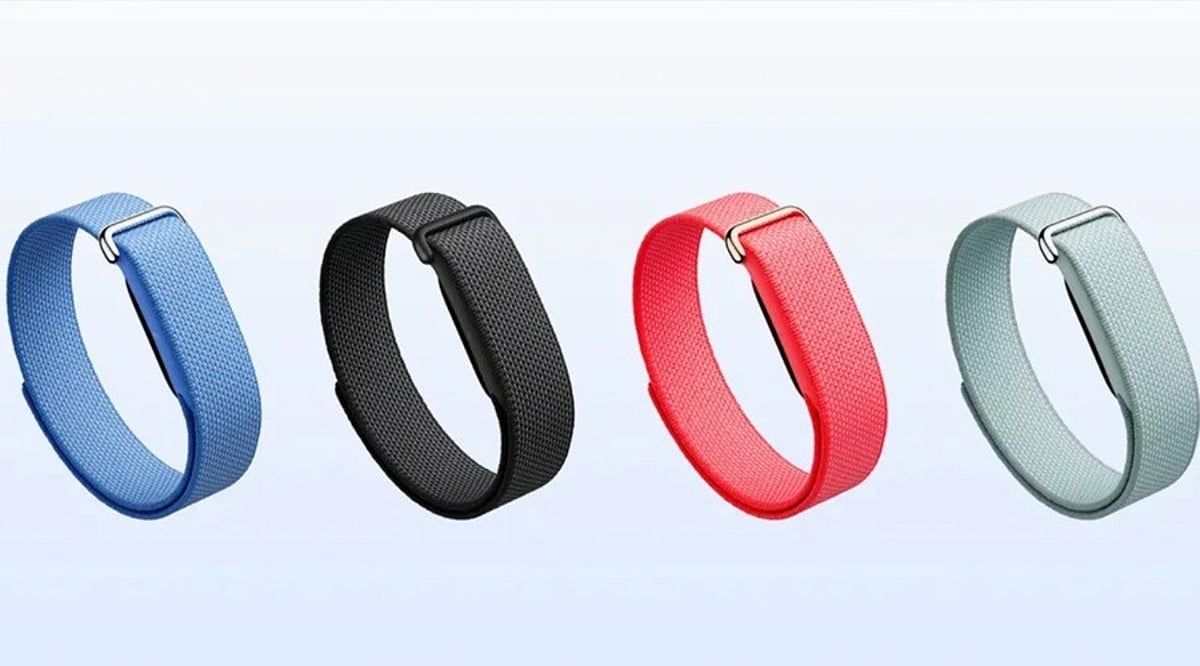
    Google’s screen-free fitness tracker, the Fitbit Air, has appeared on Flipkart with a price tag of Rs. 13,999, signaling an imminent India launch. The listing, currently marked as “Coming Soon”, suggests the device could be available as early as October 2, according to a leak from tipster Sanju Choudhary.

    The Flipkart listing aligns with earlier rumors that pegged the price between Rs. 12,999 and Rs. 13,999. Although Google has not confirmed the final price or exact launch date, the company has stated that the Fitbit Air will reach India in October.

    Unlike traditional smartwatches, the Fitbit Air does away with a display entirely. Weighing just 12 grams, it operates discreetly in the background, tracking a wide range of health metrics including heart rate, SpO2, skin temperature, and movement. The data can be accessed later via the Google Health app.

    The device automatically recognizes workouts and supports over 40 exercise modes. It also measures heart rate variability, resting heart rate, sleep stages, steps, calories burned, distance, and cardio load. Battery life is rated at up to seven days, with a five-minute charge sufficient for a full day of use. The tracker is water-resistant to 5 ATM, making it suitable for swimming, and connects to Android and iOS devices via Bluetooth Low Energy.

    The Fitbit Air first went on sale globally in May at a starting price of $99.99. With its India launch approaching, Google aims to offer a simpler, screen-free option for health-conscious users who prefer not to wear a full smartwatch.

  • How Agentic AI Is Revolutionizing Healthcare Operations

    How Agentic AI Is Revolutionizing Healthcare Operations

    Agentic AI is poised to dramatically reshape healthcare operations by deploying intelligent agents that handle complex, multi-step tasks autonomously. From patient scheduling to revenue-cycle management, these AI agents reduce administrative burdens, streamline clinical workflows, and free up healthcare professionals to focus on patient care. Below are the key areas where agentic AI can make an immediate impact.

    Patient Scheduling

    Agentic AI can coordinate appointments, check real-time availability, manage cancellations, and reduce scheduling workloads for healthcare staff across departments.

    Administrative Automation

    AI agents handle repetitive tasks like documentation, data entry, claims processing, and routine patient communications, cutting down on manual overhead.

    Clinical Workflows

    These agents coordinate multi-step clinical processes, ensuring that relevant information, tasks, and notifications reach the right healthcare professionals promptly.

    Patient Communication

    AI agents manage routine patient queries, appointment reminders, and follow-ups, helping healthcare organizations maintain consistent communication throughout care journeys.

    Medical Documentation

    Agentic AI organizes clinical information, summarizes records, and assists with documentation, allowing clinicians to spend more time with patients.

    Resource Management

    AI agents monitor operational resources, coordinate staff requirements, and identify bottlenecks affecting hospital capacity, equipment, and workflow efficiency.

    Revenue Cycle

    Agentic AI supports billing workflows, identifies missing information, automates routine checks, and helps manage revenue-cycle processes efficiently.

    Care Coordination

    AI agents connect information across departments, coordinate follow-up tasks, and help ensure patients receive appropriate care at different stages.

    Operational Insights

    Agentic AI analyzes operational data, identifies recurring inefficiencies, and recommends workflow improvements while keeping human professionals involved in decision-making.

  • watchOS 27 and iPadOS 27: Apple’s Health Tracking Gets Smarter with AI Coaching and Menopause Support

    watchOS 27 and iPadOS 27: Apple’s Health Tracking Gets Smarter with AI Coaching and Menopause Support

    Apple has announced that watchOS 27 and iPadOS 27 will be released on September 14, 2026, bringing a host of new health-tracking features to Apple Watch and iPad users. The updates leverage higher-frequency sensing and Apple Intelligence to transform health data into clearer daily guidance.

    New Health Sensing System

    The latest Apple Watch models, including the Series 12 and Ultra 4, introduce a new Health Sensing System that enables more frequent measurements. Heart rate readings can be taken every five seconds, while HRV measurements can occur every five minutes. Apple claims this system delivers the highest heart rate accuracy among comparable wearables.

    Readiness Score

    A new Readiness feature provides users with a daily score from 0 to 10, based on recent activity, vital signs, and sleep data. The score suggests whether to Recover, Pace Yourself, Ready, or Go For It, and can update throughout the day as new health information arrives.

    AI Fitness Coaching

    Workout Buddy receives a major upgrade, now supporting standalone Apple Watch operation without needing an iPhone nearby. The AI fitness coach uses more workout history for personalized motivation and adds Spanish language support alongside English.

    Cycle Tracking Expands

    Cycle Tracking now includes perimenopause and menopause monitoring, with symptom logging and cycle pattern notifications. Users aged 40 and above can receive alerts when patterns suggest possible perimenopause. Apple emphasizes these are wellness features, not medical diagnosis.

    Redesigned Health App on iPad

    iPadOS 27 brings a redesigned Health app that integrates Apple Intelligence. The Insights tab summarizes heart, sleep, fitness, readiness, and cycle data, while Longevity tracks broader health trends. Health Age compares selected Apple Watch metrics with chronological age. The app can also include movement assessments and imported lab data, measuring flexibility, strength, balance, movement mechanics, and VO2 max.

    GymKit and AirPods Pro 3

    Apple is expanding GymKit through iPhone and compatible gym equipment. AirPods Pro 3 can share heart rate data via iPhone, and machine learning improves treadmill distance calculations.

    watchOS 27 supports Apple Watch Series 9 or later, SE 3, and Ultra 2 or later. The redesigned Health app starts with U.S. English availability, with more languages planned.

    Apple Health and Fitness Vice President Sumbul Desai said, “Technology can empower everyone with actionable, science-based insights built with privacy at the core.”

  • Apple Watch Series 12 Rumors: All-Day Heart Rate, Ceramic Option, and More Health Upgrades

    Apple Watch Series 12 Rumors: All-Day Heart Rate, Ceramic Option, and More Health Upgrades

    Apple’s upcoming Watch Series 12 could bring major health upgrades, including all-day heart-rate monitoring and improved hypertension alerts, while retaining a familiar design and adding a premium ceramic finish. The device is expected to debut at Apple’s September 9, 2026 event alongside the Apple Watch Ultra 4.

    Familiar Design with a Premium Touch

    According to reports from Bloomberg and MacRumors, the Series 12 will keep the classic Apple Watch shape rather than undergo a full redesign. Apple has reportedly tested ceramic cases in white and dark gray, last seen on the Series 5 in 2019. The ceramic version could command a significantly higher price, potentially starting around $1,299 as the previous ceramic Edition model did.

    New Chip Boosts Performance and AI Capabilities

    After the Series 11 retained the S10 chip, the Series 12 is expected to feature a new S-class processor, possibly named S11 or S12 and linked to the T8320 architecture. This upgrade should deliver faster app response, better energy efficiency, and stronger support for Apple Intelligence features, including Siri AI enhancements in watchOS 27.

    Always-On Heart Rate: A Game Changer for Health Tracking

    Bloomberg’s Mark Gurman reports that Apple has tested a system capable of collecting heart-rate data continuously throughout the day. Current models only take readings at intervals outside dedicated apps like Heart Rate, Mindfulness, and Workout. A constant stream of data could enable deeper insights into daily health patterns, recovery metrics, and resting heart rate trends, bringing Apple closer to dedicated fitness trackers like WHOOP.

    Enhanced Hypertension Notifications

    Apple may also refine its hypertension alert system. Reports indicate the FDA has reviewed an upgrade for Series 12 that uses sensor data and health trends to flag potential high blood pressure signs—without functioning as a traditional cuff. This builds on existing features for hypertension and sleep apnea, offering more actionable context.

    Clearer Health and Fitness Dashboard

    A redesigned Health and Fitness experience is rumored, with a new dashboard that consolidates wellness data in a single, intuitive view. The focus would shift from isolated readings to long-term patterns in heart rate, activity, sleep, and more, making health data more accessible and useful.

    What’s Not Coming: Blood Glucose and Touch ID

    Blood glucose monitoring remains a long-term goal, but Series 12 is not expected to include it; reports point to a timeline around 2030. Touch ID on the watch is also unlikely for this generation, and a major case redesign may wait for a later model.

    Pricing and Availability

    The standard Series 12 is expected to launch at $399 to $449, similar to the Series 11. A ceramic edition would cost much more. Apple will confirm details on September 9, 2026. The event should also reveal specifics on the chip, health sensors, battery life, and release date.

    Series 12 looks set to be a health-focused upgrade rather than a design revolution. With a faster chip, constant heart-rate tracking, better hypertension alerts, and a clearer wellness dashboard, it could strengthen Apple’s role in daily health management.

  • Temple Wearable by Deepinder Goyal Shows Strong Brain Blood Flow Correlation in Early Study

    Temple Wearable by Deepinder Goyal Shows Strong Brain Blood Flow Correlation in Early Study

    Deepinder Goyal’s Temple wearable has released its first brain flow study, revealing promising results in tracking cerebral blood flow changes. The preprint, published on medRxiv on September 4, 2026, tested 23 healthy adults in Meerut and compared Temple’s Brain Flow index with Transcranial Doppler (TCD) during exercise and posture changes.

    Researchers found that Temple closely followed middle cerebral artery blood velocity in both tests. Median within-person correlations reached 0.795 during cycling and 0.799 during postural changes, indicating a strong relationship between the wearable’s readings and actual cerebral blood dynamics.

    The Temple device uses an optical sensor placed near the temple to generate its proprietary Brain Flow index, analyzing optical signals from tissue near the skin surface. In contrast, TCD measures blood velocity inside the middle cerebral artery using ultrasound.

    An important finding suggests the signal is not simply a reflection of heart rate. During the posture test, heart rate decreased while middle cerebral artery blood velocity increased, yet Temple’s Brain Flow index followed the cerebral blood velocity pattern during the same transition.

    Despite these promising results, several limitations prevent the Temple wearable from being considered a proven brain monitoring device. The study used normalized relative signals rather than absolute blood flow measurements. Optical readings near the temple can also capture signals from the scalp and other superficial blood vessels. The study involved a small group of young, healthy adults and remains a preprint without peer review. Temple Pvt Ltd funded the research, though authors reported no competing interests.

    Goyal called the study ‘the first step’ while sharing the findings on X. The next stage will require independent studies that separate scalp circulation from brain circulation. Larger and more diverse trials could determine whether Temple’s Brain Flow index reflects genuine cerebral activity.

  • iOS 27 Set for September 2026 Launch: Key Features and Improvements

    iOS 27 Set for September 2026 Launch: Key Features and Improvements

    Apple is expected to unveil iOS 27 alongside its new iPhone lineup in September 2026, following the company’s annual release cycle. While the exact rollout date will be confirmed during Apple’s official announcement, users can anticipate the update to be made available for compatible iPhone models shortly after the event.

    Updated Interface

    iOS updates typically bring visual refinements, and iOS 27 is no exception. Users can expect changes to system apps, menus, and navigation, all designed to create a more cohesive and user-friendly experience without overhauling the familiar iPhone look.

    Apple Intelligence and AI Advancements

    Artificial intelligence remains a core focus for Apple. iOS 27 is likely to expand Apple Intelligence with smarter automation and improved on-device capabilities. Availability of specific AI features may depend on the iPhone model, processing power, language support, and regional rollout.

    Enhanced Siri

    Siri is undergoing significant upgrades as part of Apple’s broader AI strategy. iOS 27 could bring better contextual understanding, deeper app integration, and the ability to handle more complex requests, making voice interactions more practical for everyday tasks.

    Privacy and Security

    Privacy continues to be a cornerstone of iOS. iOS 27 is expected to introduce stronger protections against emerging digital threats, along with more granular controls over app permissions and personal data. Users are advised to install the update promptly once available.

    Health and Accessibility

    Apple regularly enhances health, wellness, and accessibility features with each iOS iteration. iOS 27 may include updates to existing tools and new capabilities aimed at making iPhones more useful for tracking personal health and supporting users with diverse accessibility needs.

    Compatible iPhones

    Not every iPhone will support all iOS 27 features. Hardware constraints—especially those tied to AI processing and newer chips—may restrict advanced functions. Before upgrading, users should consult Apple’s official compatibility list to see which features work on their specific device.

    Stay tuned for official announcements from Apple regarding the exact release date, supported models, and regional availability.

  • Why Most Health AI Pilots Fail—And How to Make Them Work, According to Margaux Benoit

    Why Most Health AI Pilots Fail—And How to Make Them Work, According to Margaux Benoit

    A hospital pilot can look successful long before the work is finished. Margaux Benoit, enterprise sales director in ambient AI documentation, has seen that gap up close. A handful of physicians may like the product. Early feedback sounds promising. The software generates clean notes in a controlled setting. Then the harder questions emerge: Who keeps using it after the first week? Does it fit the specialty workflow? Does it measurably reduce clinician time? Can value be proven to renewal budget holders?

    For Benoit, that is where many health AI conversations become too shallow.

    “The pilot is not the finish line. In healthcare, the real test is whether the technology becomes part of the way people actually work.”

    Benoit sells ambient AI documentation software that listens during patient visits and generates clinical notes—freeing physicians from hours of typing. The promise is powerful, but she insists promise alone is not enough. Hospitals are no longer asking whether AI can write a note; they are asking which vendor handles clinical variation, EHR integration, user adoption, security, and measurable ROI. The market has grown competitive, with systems comparing Nuance/DAX, Abridge, Nabla, and Epic’s emerging product.

    “Anyone can ship a demo. What separates the platforms that last is whether clinicians still trust the output six months in,” Benoit says.

    Her perspective comes from building Nabla’s U.S. commercial function from its first customer to enterprise contracts with systems including CHLA, Denver Health, Aultman Health, Carle Health, BronxCare, and University of Toledo. She has seen hospitals decide what matters when AI excitement gives way to procurement reality.

    Benoit argues ambient AI should be evaluated less as a documentation shortcut and more as an operating-model change. A physician’s note may be visible, but the product touches workflow, IT, compliance, EHR configuration, revenue cycle, and physician satisfaction. Light implementation misses the real work.

    “People underestimate how far a good product can go on its own. But going from one department to an entire enterprise is a different challenge—and change management makes or breaks it.”

    Healthcare does not move like a consumer app. Clinicians are overloaded. Compliance teams are cautious. IT systems are complex. Finance wants proof. Each group views the same technology differently. Benoit has learned that a pilot must be structured for all of them: physicians need time savings without generic notes; clinical leaders need adoption beyond champions; CFOs need documentation quality and billing impact; CMIOs need clean EHR integration.

    “If you only prove value to one group, you may still lose the deal. The physician has to feel it. The clinical leader has to trust it. The executive buyer has to see why it matters at scale,” she says.

    Specialty workflows raise stakes further. A tool that works in primary care may not translate to cardiology or oncology. Benoit sees general demos lose force when departments ask specific questions. That is why she stays close to product and implementation.

    “I try to stay close to what happens after the contract. That is where you learn whether what you sold is actually becoming valuable.”

    The next wave of ambient AI moves toward agentic AI—tools that help with coding, billing, referrals, and follow-up tasks. That future demands deeper integration, not less. Hospitals face vendor and pilot fatigue. Benoit believes lasting vendors understand clinical change and prove value beyond a single feature.

    “A hospital does not need another tool that looks impressive for two weeks. It needs technology that can survive the everyday pressure of care delivery.”

    That is especially true in under-resourced systems like BronxCare, where adoption must be built around operational efficiency, staff retention, and practical relief. Benoit’s larger argument: the future of health AI will not be decided by model performance alone, but by implementation plans, specialty workflows, clinical habits, EHR integration, and trust built after the pilot begins.

    The lesson from these deployments isn’t really about AI. It’s that healthcare scales trust—one department and one skeptical clinician at a time.

  • No Limit App Review: Personalized Workout Journeys and Progress Tracking

    No Limit App Review: Personalized Workout Journeys and Progress Tracking

    No Limit App is a fitness application that enables users to attain their desired health and fitness objectives by means of journey-style workouts, training plans, and progress tracking. The app allows users to select fitness training plans according to their proficiency levels, measure their fitness progress via analytics, take part in weekly fitness challenges, and obtain expert coaching services through their paid subscriptions.

    General Information

    • Founded in: 2025
    • Platform Support: Android, iOS
    • Category: Health & Fitness
    • Download: Click Here

    Main Features of No Limit App

    • Gain access to workout journeys that are specially tailored to suit specific fitness needs.
    • Choose from three levels of workouts, depending on your level of expertise.
    • Measure your fitness progress using comprehensive analytical information.
    • Participate in weekly challenges and earn No Limit Points for achievements.
    • Enjoy personalized workout journeys with premium membership.
    • Establish your personal fitness profile.

    Benefits of No Limit App

    • Ensures the user’s regularity in structured fitness programs.
    • Records workouts and improvement in one single place.
    • Provides workouts which suit both beginners and advanced users.
    • Provides motivation through weekly challenges and reward points.
    • Gives personalized guidance to the users through premium subscriptions.
    • Provides flexible options of monthly/yearly subscriptions.

    Challenges of No Limit App

    • Many advanced functions require a subscription fee.
    • Individual coaching can only be accessed by premium subscribers.
    • The free version displays advertisements.
    • Subscription packages may be costly for some people.
    • Internet connection may be needed for some of the functions.

    Subscription Information

    The No Limit App provides a free plan that gives you free access to some selected workout journeys and analytics. The user will be required to pay $24.99 monthly for the standard plan, or $59.99 monthly for the advanced plan in order to enjoy all the benefits mentioned above. Yearly subscription plans are also available.

    Support Options

    • Help Center and Learning Resources: FAQs, fitness journeys, subscription information, analytics guidance, account management, and training resources.
    • Customer Support: Assistance with subscriptions, payments, account issues, technical support, personalized journeys, and general app-related inquiries through email support.

    Conclusion

    No Limit App is one of the most efficient ways to stay fit and healthy as it includes personalized workout journeys, progress tracking, and fitness challenges. Moreover, due to its various options and the ability to change the level of difficulty, the app will suit people with different goals concerning their fitness. However, some of the app’s advanced functions can be unlocked only via subscription.

  • MedGPT App Review: AI-Powered Medical Assistant for Health Information and Wellness

    MedGPT App Review: AI-Powered Medical Assistant for Health Information and Wellness

    MedGPT is a medical AI application designed to deliver health information, wellness guidance, and symptom-related assistance through intelligent, conversational interactions. Leveraging the latest artificial intelligence and healthcare data, the app helps users explore symptoms, medications, and general medical topics in an accessible way.

    General Information

    • Founded: 2023
    • Platform Support: iPhone (iOS)
    • Download: Click Here

    Key Features of MedGPT

    • Uses AI to answer general medical questions and provide educational health content through natural conversation.
    • Helps users learn about common symptoms, medications, and healthcare topics via AI-driven dialogues.
    • Offers personalized wellness conversations, including preventive care advice and health tips.
    • Provides a user-friendly interface for easy access to medical information.
    • Combines AI-powered healthcare assistance with a convenient, chat-based platform.

    Benefits of Using MedGPT

    • Quick and easy access to AI-driven healthcare information, improving user understanding of health issues and symptoms.
    • Raises health awareness by sharing preventive measures and wellness tips.
    • Simplifies access to medical knowledge through an intuitive chat interface.
    • Delivers personalized advice based on user conversations, helping individuals better understand their health concerns.
    • Represents a strong fusion of conversational AI and healthcare resources.

    Challenges and Limitations

    • AI responses are for informational purposes only and cannot replace professional medical diagnosis or treatment.
    • Accuracy may vary, especially for complex or urgent medical conditions.
    • Advanced features and personalized healthcare options may require a subscription or in-app purchases.
    • Requires a constant internet connection to function.
    • Users should always consult a healthcare provider for serious health concerns.

    Subscription and Pricing

    MedGPT is free to download, but advanced AI features and additional medical services are available through in-app purchases or subscription plans. Pricing and available services vary by region and subscription tier.

    Support Options

    • Help Center & Learning Resources: FAQs, help articles, wellness guides, AI healthcare documentation, product updates, user guides, and knowledge base.
    • Customer Support: Email support, technical assistance, subscription management, account help, and documentation.

    Conclusion

    MedGPT offers an excellent platform for exploring general healthcare topics through AI chats and wellness tips. It is a valuable resource for users seeking convenient access to medical information. However, for serious illnesses or conditions, professional medical consultation remains essential.