Tag: health technology

  • How AI-Powered Diagnostic Tools Are Revolutionizing Real-Time Healthcare

    How AI-Powered Diagnostic Tools Are Revolutionizing Real-Time Healthcare

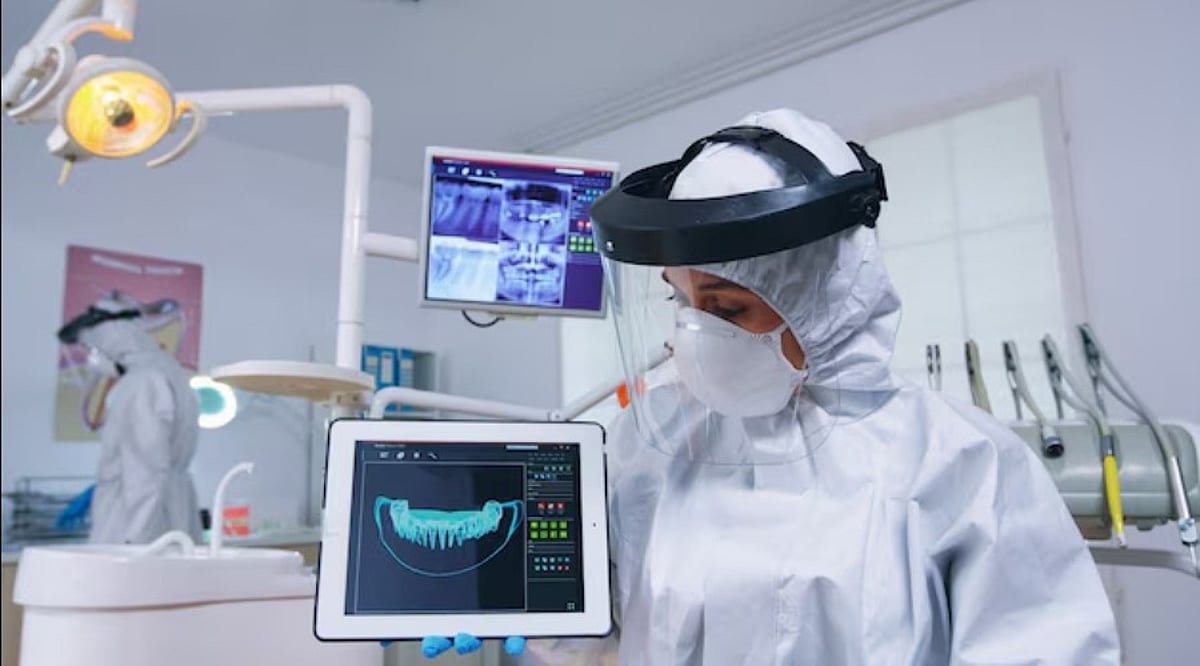
    Artificial intelligence is rapidly transforming the way medical professionals diagnose and treat patients. By analyzing medical scans, symptoms, and patient records within seconds, AI-powered diagnostic tools now support faster and more accurate clinical decisions. These systems do not replace human clinicians but act as powerful assistants, enabling doctors to focus on complex cases while reducing repetitive workloads.

    AI Reads Medical Scans Faster

    One of the most impactful applications of AI in healthcare is the rapid analysis of medical imaging. From X-rays and CT scans to MRIs and ultrasounds, AI algorithms can detect tumors, fractures, strokes, lung diseases, and infections. The technology quickly flags abnormalities, allowing radiologists and specialists to prioritize urgent cases and reduce diagnostic delays.

    Continuous Patient Monitoring

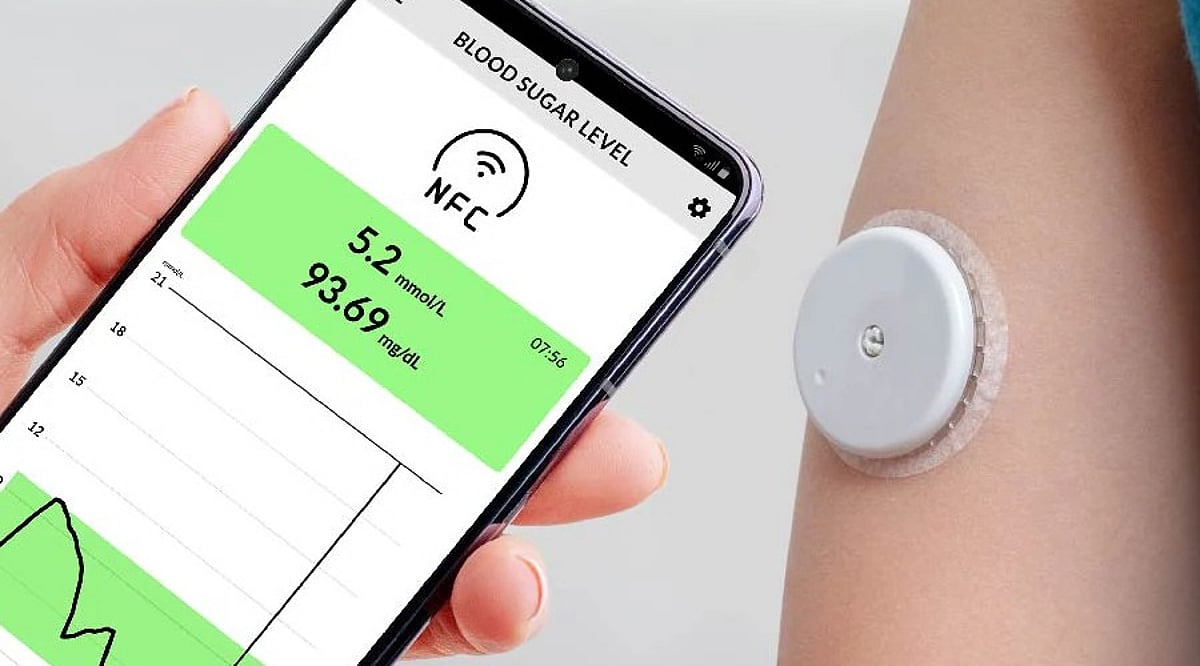
    AI systems now monitor patients in real time, especially in intensive care units and through wearable devices. By continuously analyzing vital signs such as heart rate, oxygen levels, blood pressure, and glucose levels, AI can alert healthcare providers to sudden health risks, enabling early intervention and potentially saving lives.

    Smarter Diagnosis Through Data Integration

    Modern AI diagnostic platforms combine multiple data sources—medical images, electronic health records, lab reports, ECGs, and patient-reported symptoms. By cross-referencing these inputs, AI can suggest possible diagnoses and prioritize critical conditions, helping doctors make more informed decisions faster.

    Key Areas Where AI Excels

    Hospitals are increasingly deploying AI in specialties such as cardiology, oncology, radiology, neurology, ophthalmology, and emergency care. In these fields, AI improves early disease detection, speeds up treatment planning, and enhances overall clinical workflow.

    Benefits for Doctors and Patients

    The integration of AI reduces diagnostic errors, streamlines triage, and automates routine data review. This allows doctors to dedicate more time to direct patient care, improving both efficiency and patient satisfaction.

    Important Limitations to Consider

    Despite its promise, AI still has significant limitations. It can miss clinical context, reflect biases present in training data, or produce incorrect recommendations. Therefore, physicians must always verify AI-generated suggestions before making treatment decisions. Responsible implementation requires continuous oversight and validation.

    India Leading the Way in AI Healthcare

    In India, hospitals in cities like Hyderabad and Bengaluru are actively testing AI systems in cardiology, oncology, and emergency medicine. These initiatives aim to improve diagnosis speed and patient outcomes, positioning the country as a hub for AI-driven healthcare innovation.

    The Future: AI as a Clinical Assistant

    Experts agree that the future of medicine lies in collaboration between AI and human expertise. AI works best as a clinical assistant—enhancing decision-making, boosting efficiency, and supporting doctors rather than replacing their irreplaceable judgment and empathy.

  • Smartphone AI Screening: Krishnam Raju Nimmala Brings Vision Tests to Underserved Communities

    Smartphone AI Screening: Krishnam Raju Nimmala Brings Vision Tests to Underserved Communities

    For years, vision problems can go undetected simply because the right equipment or specialist is not nearby. Krishnam Raju Nimmala, a software engineer with over two decades of experience in enterprise data systems and AI, is tackling this access gap head-on with Eyevo—a smartphone-based AI vision screening platform designed to work in low-resource settings.

    Eyevo uses computer vision and machine learning to perform vision screening in just two to three minutes on an ordinary smartphone. The platform processes all data locally, ensuring privacy and eliminating the need for cloud connectivity or specialized hardware. This makes it ideal for school-based programs, community health initiatives, and economically under-resourced populations.

    Nimmala, currently an Informatica MDM Engineer at Ford Motor Company, brings a data governance discipline to Eyevo that reflects his enterprise background. “In healthcare, the technology has to earn confidence before it earns adoption,” he says. “Accuracy matters, but so do privacy, security, reliability, and the way people experience the tool.”

    Eyevo has been validated across six U.S. states, with more than 350 screening sessions completed through beta testing and real-world demonstrations. It has been featured in the IEEE Region 3 Newsletter and recognized independently by the IEEE Computer Society. Nimmala also received the 2026 Global Recognition Award and the Bronze Globee Most Innovative AI Person of the Year 2026 Award for this work.

    The potential impact extends beyond health: early detection can improve educational outcomes, reduce preventable vision loss, and help people avoid delays that affect work and daily life. “The most powerful technologies are not always the ones that impress the industry first,” Nimmala notes. “They are the ones that reach people who were waiting for someone to build with them in mind.”

  • How Predictive AI Can Reduce Healthcare Costs and Improve Patient Care: Expert Insights from Sachin Bajpai

    How Predictive AI Can Reduce Healthcare Costs and Improve Patient Care: Expert Insights from Sachin Bajpai

    Healthcare systems around the world are increasingly turning to artificial intelligence to improve patient outcomes and reduce costs. During the recent AI Impact Summit in New Delhi, India’s Ministry of Health and Family Welfare unveiled a national strategy to deploy AI in medicine “that works for every patient, in every region, regardless of income, language, or geography.” To understand how these technologies can make healthcare more accessible and affordable, we spoke with Sachin Bajpai, an experienced healthcare AI leader who has worked with major medical organizations through companies including PwC, Deloitte, and CitiusTech.

    Bajpai believes that one of the biggest opportunities for AI lies in early intervention. “AI systems can analyze medical and behavioral patterns early, allowing healthcare providers to identify high-risk patients before their conditions become critical or require expensive emergency and intensive care,” he explains.

    One example of this approach is a predictive AI system Bajpai developed while at PwC, a global professional services firm operating in more than 150 countries. The model focused on elderly patients covered by U.S. government-sponsored insurance programs and identified those at risk of requiring costly skilled nursing facility care—one of the most expensive forms of long-term treatment. During a six-month pilot involving over 300,000 patients, the system identified around 20,000 high-risk cases and reduced medical spending by nearly $10 million. The program later expanded across 21 U.S. states.

    Bajpai’s approach is especially valuable in countries with large populations and overstretched healthcare systems, such as India. “The earlier healthcare providers can identify risk, the more effectively they can intervene,” he says.

    Beyond prediction, AI can fundamentally change how healthcare systems manage resources. “Having spent many years in India, I know hospitals and doctors often work under enormous pressure because of the sheer number of patients they see every day,” Bajpai notes. “AI can reduce some of that operational burden, improve coordination, and give medical professionals more time to focus on patient care.”

    Much of Bajpai’s work has focused on solving large-scale operational challenges. Before joining PwC, he led the development of a cloud-based clinical reporting platform at CitiusTech, a global healthcare technology company. The solution earned certification from the National Committee for Quality Assurance (NCQA), allowing healthcare providers to use it for official quality reporting in the U.S. healthcare system. Within two years, the product expanded to a portfolio of 15 customers.

    At PwC, where he now serves as Managing Director leading healthcare AI and data transformation, Bajpai has helped expand the company’s healthcare AI operations tenfold across the U.S., India, China, Poland, and Mexico. During his tenure, PwC’s healthcare AI solutions received major industry recognition, including Microsoft Partner of the Year awards.

    Still, Bajpai emphasizes that technology alone is not enough. “For AI to work effectively in medicine, both doctors and patients need to trust the systems they use,” he explains. Building that trust requires transparency, regulatory compliance, data security, and a clear understanding of how AI-generated recommendations are produced and validated in clinical settings.

    As AI adoption accelerates, experienced specialists like Bajpai play a crucial role in evaluating medical technology systems and advising healthcare clients and startup founders on technical strategy, scalability, and long-term performance. His cross-regional experience has given him a close view of how differently medical environments operate. “Healthcare systems in India operate across different languages, regions, and levels of infrastructure,” he says. “Developers need to train AI models on diverse and representative data so the systems can work reliably at scale.”

    Despite these challenges, Bajpai believes India is well-positioned to become a major market for practical healthcare AI solutions, thanks to its strong engineering talent and rapidly growing digital infrastructure.

  • OpenAI Launches ChatGPT Health in the US — Here’s Why Global Users Are Still Waiting

    OpenAI Launches ChatGPT Health in the US — Here’s Why Global Users Are Still Waiting

    OpenAI has begun rolling out its dedicated Health experience within ChatGPT to eligible users in the United States. However, the end of the waitlist does not mean the feature is available worldwide. Users in India and many other regions still cannot access the health-focused tool, regardless of their subscription plan.

    Who Can Access ChatGPT Health?

    The feature is currently limited to users who are 18 years or older and based in the US. It is accessible across ChatGPT Free, Go, Plus, and Pro plans on both the web and iOS platforms. Android support has not yet been introduced. This regional restriction means that even users who previously joined the waitlist outside the US will not see the Health option in their ChatGPT sidebar.

    Why the Delay for Other Regions?

    OpenAI has not announced a timeline for expanding ChatGPT Health to other countries. The phased rollout is a deliberate strategy, and the company has not indicated when users in India, Europe, or other regions can expect access. According to OpenAI’s Help Center, “Health is available on a phased basis, while Android support is yet to come.”

    What Does ChatGPT Health Do?

    ChatGPT Health is designed to integrate health-related information into a single platform. Users can link supported medical records and Apple Health data, then access lab results, medication details, sleep patterns, activity data, and ask questions based on their personal health information. The tool can help users understand medical information, prepare questions for appointments, track wellness trends, and identify changes over time.

    Privacy and Safety

    OpenAI has emphasized that ChatGPT Health is meant to support medical care, not replace doctors or professional treatment. The company also stated that health data and conversations using the feature are not used to train the underlying foundational model or for targeted advertising.

    As the rollout continues, users outside the US will have to wait for further announcements from OpenAI. The company has not provided a specific date for global availability.

  • How AI and Smart CRM Systems Are Revolutionizing TMJ Treatment in 2026

    How AI and Smart CRM Systems Are Revolutionizing TMJ Treatment in 2026

    Simple daily tasks like chewing or talking can become exhausting challenges for millions suffering from temporomandibular joint disorders (TMD). Chronic tension headaches, localized facial pain, and persistent jaw clicking are common symptoms, yet conventional diagnostic methods have long relied on trial-and-error splint adjustments and generalized therapy plans. Fortunately, TMJ treatment in 2026 has been transformed by cutting-edge clinical tools, including artificial intelligence and automated client relationship management platforms. These integrated systems deliver unprecedented diagnostic accuracy while providing a seamless, organized, and personalized patient experience at every step of care.

    How AI Improves Diagnostic Accuracy

    Identifying the cause of jaw joint dysfunction is clinically challenging. TMJ problems arise from a complex mix of structural misalignments, muscle overactivity, joint arthritis, or psychological stress. AI-powered diagnostic software now interprets 3D scans of jaws, dynamic bite motion tracking, and electromyographic muscle data within seconds.

    Automated Biomechanical Analysis

    Sophisticated algorithms detect micro-movements in the temporomandibular joint that the naked eye might miss. By analyzing how upper and lower teeth interact during chewing, AI tools create dynamic biomechanical maps. These digital models pinpoint specific pressure hot spots along the joint, allowing clinicians to design custom orthotic splints that precisely neutralize bite forces.

    Predictive Recovery Maps

    Machine learning algorithms leverage thousands of anonymized historical treatment outcomes to predict how a patient’s unique joint structure will respond to therapy. Instead of waiting months to see results from an orthotic device, treatment progression can be modeled with software, enabling dentists to make adjustments on the fly before physical appliances are manufactured.

    Traditional vs. AI and CRM Integrated TMJ Therapy

    To understand why patient satisfaction continues to soar, compare how modern automated workflows improve clinical outcomes over legacy care models:

    • Legacy Diagnostics: Traditional methods relied on visual assessments and basic X-rays across several appointments. AI software now processes complex 3D scans and joint motion tracking in seconds.
    • Appliance Customization: Traditional night guards are manually molded and have static fits. Digital AI planning creates dynamic, custom-milled orthotics based on real-time muscle activity.
    • Patient Support: Traditional offices needed phone check-ins during business hours. Smart CRM platforms offer automated wear reminders, progress surveys, and instant appointment bookings.
    • Treatment Tracking: Manual clinical note-taking made tracking slight joint improvements difficult. Cloud CRM portals store continuous biometric data to log measurable recovery milestones.

    Intelligent CRM Systems Enhance Patient Journeys

    AI drives the clinical side of care, but smart CRM software transforms the entire patient experience. For those living with a chronic condition like TMJ dysfunction, regular follow-ups, therapy commitment, and proactive communication are essential. Smart CRM networks connect patients directly to their clinical team, ensuring nothing falls through the cracks.

    Automated Care Pathways and Monitoring Progress

    Latest practice management software delivers customized education, exercise videos, and automatic progress check-ins directly to a patient’s smartphone. If a patient fills out a simple digital survey noting increased jaw pain, the smart CRM immediately alerts the dental team to reach out or automatically reschedules the follow-up.

    Multi-Discipline Coordination with Synchronization

    Effective joint therapy often requires cooperation between neuromuscular dentists, physiotherapists, and pain management specialists. Multi-disciplinary practices use centrally based smart CRM networks to store detailed digital files, ensuring all attending specialists have instant, secure access to diagnostic imaging and recovery timelines for truly integrated care.

    Digital Innovation for Enduring Jaw Comfort

    No more months of guessing and living with chronic jaw pain. The integration of artificial intelligence and intelligent CRM software has turned temporomandibular joint treatment into a precise, highly supportive clinical experience. Modern dental practices use predictive analytics, automated custom splint design, and seamless digital communication to help patients confidently conquer joint pain and achieve long-term oral function.

  • 10 Future Health-Tracking Wearables Expected by 2035

    10 Future Health-Tracking Wearables Expected by 2035

    10 Health-Tracking Wearables We May Be Using by 2035

    By 2035, wearable technology will go far beyond step counting. Here are ten futuristic health-tracking devices that could become part of our daily lives.

    • AI Health Glasses: Continuously monitor vision, stress, fatigue, biometric signals, and environmental conditions while delivering real-time personalized health insights.
    • Smart Contact Lenses: Track glucose levels, hydration, eye health, and vital biomarkers without invasive procedures.
    • Electronic Skin Patches: Flexible wearables that monitor heart activity, temperature, hydration, and other health indicators with medical-grade accuracy.
    • Brain-Computer Headbands: Measure brain activity, stress, concentration, sleep quality, and neurological patterns to support cognitive health.
    • Smart Rings: Compact wearables track sleep, heart rate, blood oxygen, temperature, recovery, and daily activity using advanced miniature sensors.
    • Connected Hearing Aids: Future hearing devices may monitor heart health, detect falls, and provide AI-powered wellness assistance.
    • Smart Clothing: Embedded sensors analyze posture, muscle activity, breathing, circulation, and movement to optimize fitness and prevent injuries.
    • Health Monitoring Earbuds: Measure body temperature, heart rate, oxygen levels, and fitness metrics while delivering intelligent health notifications.
    • AI Medical Neckbands: Future neckbands could detect respiratory conditions, voice changes, stress patterns, and cardiovascular anomalies through continuous biometric sensing.
    • Implant-Free Biosensor Bands: Advanced bands may monitor multiple biomarkers, predict illnesses early, and connect securely with digital healthcare ecosystems.
  • Google Fitbit Air Spotted on Amazon India: Expected Price, Features, and Launch Details

    Google Fitbit Air Spotted on Amazon India: Expected Price, Features, and Launch Details

    Google’s Fitbit Air may be arriving in India soon, as the device has appeared in an Amazon India listing. While the company has not officially announced a launch date, the listing strongly suggests that the wearable is close to release. Priced around $99.99 in the US, the Fitbit Air is expected to be positioned in the premium fitness tracker segment in India, with a speculated price range of Rs. 13,499 to Rs. 16,999.

    Fitbit Air: A Screenless Fitness Tracker

    Unlike most smartwatches, the Fitbit Air does not have a screen. Instead, it quietly records health data throughout the day. Users can check their health metrics through the Google Health app on their smartphone. This design choice prioritizes simplicity, comfort, and longer battery life over constant notifications.

    Pricing and Availability in India

    The Amazon listing hints at a launch in India, with the device likely releasing in the near future. The Fitbit Air will be compatible with both Android and iOS. Customers in India will also receive a three-month subscription to Google Health Premium, unlocking additional wellness features.

    Key Features and Google Health Integration

    The Fitbit Air will feature Google Health Coach, a personal trainer powered by Gemini AI. This AI can make personalized health recommendations based on the data it records. The tracker monitors heart rate, blood oxygen levels, sleep patterns, and other vitals. Notably, just five minutes of charging provides enough power for a full day of use. Available colors include Lavender, among others.

    Fitbit Air vs. Traditional Smartwatches

    Fitbit Air does not offer calling, a touchscreen, apps, or message alerts; it focuses solely on health and fitness tracking. This makes it ideal for users who want to monitor their health without the distractions of a smartwatch. For those who need calls, messages, and apps, a budget smartwatch may be a better fit. The Fitbit Air is best suited for people who prioritize health monitoring and simplicity.

  • How Continuous Glucose Monitoring Will Evolve by 2030: AI, Automation, and Beyond

    How Continuous Glucose Monitoring Will Evolve by 2030: AI, Automation, and Beyond

    Continuous Glucose Monitoring (CGM) has moved far beyond its origins as a niche tool for Type 1 diabetes management. Today, it is widely adopted by individuals with Type 2 diabetes, healthcare professionals, athletes, and health-conscious consumers seeking deeper insights into metabolic health. As technology accelerates, the next five years promise to expand both the capabilities of CGMs and the range of people who benefit from them. By 2030, these devices are expected to become smaller, smarter, and more connected, with artificial intelligence (AI), wearable ecosystems, and automated insulin delivery playing a much larger role. This article explores the key trends shaping the future of CGM.

    From Monitoring to Predicting Blood Sugar Trends

    Current CGM devices notify users when glucose levels change. However, future systems will likely predict changes before they occur. AI-enhanced algorithms will analyze glucose data alongside diet, physical activity, stress, sleep patterns, and medication history. This will enable proactive warnings and personalized recommendations, helping users prevent extreme glucose fluctuations rather than simply reacting to them.

    Artificial Pancreas Systems Become More Autonomous

    Closed-loop insulin pumps, often called artificial pancreas systems, are already in use but still require manual meal input or adjustments in some scenarios. By the end of the decade, these systems are expected to become fully automated, regulating insulin delivery based on real-time CGM data with minimal user involvement. Researchers are also exploring dual-hormone systems that administer both insulin and glucagon, offering better glucose control while reducing the risk of hypoglycemia.

    Smaller Sensors, Longer Wear, and Less Discomfort

    Sensor technology is advancing rapidly. Most current CGMs need replacement every 10–15 days, though implantable versions already last months. Future sensors will be thinner, more comfortable, and capable of operating far longer without sacrificing accuracy. Non-invasive methods—measuring glucose from sweat, tears, or saliva—are also under investigation. While still in development, these breakthroughs could eliminate the need for needle-based sensors altogether.

    Beyond Glucose: A Broader Health Picture

    Next-generation wearables will track more than glucose. Researchers are designing sensors that simultaneously measure ketones, lactate, cortisol, hydration, inflammation, and other metabolic markers. Combined with data from smartwatches—heart rate, sleep quality, activity levels—CGMs will provide a comprehensive snapshot of an individual’s health, enabling more personalized treatment plans and deeper insights into daily metabolic responses.

    Expanding Beyond Diabetes Care

    Although CGMs were developed for diabetes management, their applications continue to grow. People with prediabetes use them to identify glucose-raising foods and behaviors. Athletes leverage CGM data to optimize training and performance. Scientists are also exploring their role in weight management and early detection of metabolic conditions. However, current evidence does not yet support routine CGM use for healthy individuals without a medical need.

    Affordability and Access Remain Major Challenges

    Despite rapid innovation, widespread adoption depends on overcoming significant barriers. High device costs, limited insurance coverage, data security concerns, and uneven access to healthcare continue to hinder uptake in many regions. Regulatory approvals and clinical evidence will also determine how quickly new technologies reach patients. At the same time, improvements in sensor precision, reduced latency, and seamless connectivity with phones, smartwatches, and telehealth platforms are making CGMs more practical and user-friendly.

    The Road to 2030

    Continuous glucose monitoring is entering a new chapter. By 2030, these tools will act less like passive monitors and more like intelligent health companions—anticipating glucose fluctuations, automating treatments, and delivering personalized insights. Not every innovation will become mainstream by the end of the decade, but the direction is clear: diabetes care is becoming more connected, data-driven, and proactive. For millions living with diabetes and for many others seeking to improve metabolic health, the next generation of CGMs promises simpler, more precise, and less intrusive daily management.

  • Best Fitness Trackers for Runners and Cyclists: Expert Picks for Every Athlete in 2026

    Best Fitness Trackers for Runners and Cyclists: Expert Picks for Every Athlete in 2026

    Fitness trackers have evolved from simple step counters into powerful health and training companions. Today’s devices monitor heart rate, sleep, stress, recovery, workouts, and even provide AI-powered insights to help users improve their overall fitness. Whether you are just starting a fitness journey or training for a marathon, a good fitness tracker can help you stay on track and make informed health decisions.

    Finding the right fitness tracker, though, has become even more difficult as wearables offer features such as training readiness, recovery, accurate GPS navigation, battery efficiency, and AI recommendations. This makes it necessary to select a product based on individual needs rather than the most expensive choice.

    What Makes a Great Fitness Tracker?

    The ideal fitness trackers provide accurate information while being simple to use. The importance of accuracy, comfort, and battery life outweighs the number of unused features.

    The following characteristics are worth considering before buying a fitness tracker:

    • Inbuilt GPS with accurate route tracking
    • Heart rate monitor that provides reliable data
    • High battery life
    • Water resistance for outdoor usage
    • Workout modes for running and cycling
    • Ability to analyze recovery and sleep
    • Compatibility with fitness applications such as Strava
    • Comfortable design for wearing all day

    Some high-end watches have other features, including offline maps, dual-frequency GPS, an ECG monitor, and advanced training metrics.

    Best Fitness Trackers for Running and Cycling

    Garmin Sets the Benchmark

    Garmin is still leading in fitness tracking. For example, the new Forerunner collection is one of the best options for those who plan to run half marathons, marathons, and even trail races. It provides in-depth information about pace, cadence, recovery, VO2 Max, and training readiness.

    Garmin Fenix 8 is designed for those people who spend their time on road running, mountain biking, hiking, and adventures in the wild. Its features include offline maps, precise navigation, and a durable design. Garmin’s ecosystem is commendable. The app, Garmin Connect, provides in-depth reports, and many professionals use it for training monitoring.

    Coros Delivers Premium Performance

    Coros devices are gaining popularity among athletes because the company prioritizes battery efficiency and GPS accuracy over other smart functions. Coros Pace Pro offers an efficient battery life and precise running data without being as heavy as many high-end sports watches.

    Cyclists appreciate the exact altitude measurement and compatibility with cycling gear. Coros is an excellent choice for sports enthusiasts who prioritize performance over notifications.

    Apple and Samsung Narrow the Gap

    Smartwatches are also efficient fitness devices. Apple Watch Ultra 2 features sophisticated health analytics and precise GPS, along with other safety tools and compatibility with the ecosystem’s services. It is especially suitable for those individuals who need a single gadget for fitness, communication, and efficiency.

    Samsung Galaxy Watch Ultra offers these capabilities to Android users. The company has made significant advances in the health application by providing more sophisticated sleep analysis, body composition monitoring, and wellness tips generated via artificial intelligence. Additionally, battery life favors dedicated sports watches.

    Budget Buyers Have Better Options

    Amazfit Balance offers a great GPS, decent battery life, and excellent fitness tracking at an affordable price. The user interface has been upgraded from previous versions and is now much easier to use for novices.

    Fitbit Charge 6 is still popular among novices who prefer lightweight wearable devices that track everyday activities, sleep, and heart rate but do not provide sophisticated data for athletes.

    Features that Matter

    Fitness tracking has moved beyond counting steps. Buyers should pay attention to features that genuinely improve training.

    The most useful additions include:

    • Dual-frequency GPS for better location accuracy
    • AI-powered training recommendations
    • Heart rate variability monitoring
    • Recovery scores
    • Sleep coaching
    • Offline navigation
    • Automatic workout detection
    • Cycling power meter compatibility
    • Fall detection and emergency alerts

    Many manufacturers now update these features through software, allowing devices to improve even after purchase.

    Which Tracker Should You Buy?

    The choice depends on how you plan to train, not on the brand’s popularity. Choose Garmin Forerunner 970 if running and tracking all metrics carefully are the main goals. Garmin Fenix 8 would be the right choice for running, biking, hiking, or any other outdoor activity. Coros Pace Pro stands out as one of the most balanced watches in terms of price, battery life, and training capabilities.

    Apple Watch Ultra 2 can suit iPhone owners who are interested in both a smartwatch and accurate workout tracking. Samsung Galaxy Watch Ultra is another great watch for Android users who want both health analytics and smartwatch features. Budget-conscious buyers may find the Amazfit Balance and the Fitbit Charge 6 more suitable for everyday fitness goals.

    Final Thoughts

    Fitness tracking gadgets have become smart training assistants. They can now help you monitor your recovery, analyze performance, and make informed training decisions based on real-time health data.

    The most effective device is not always the most expensive one, but the one that matches your lifestyle and needs and provides relevant stats. If you are preparing for your first 10K or training for the marathon, then fitness trackers give you more precise analysis than ever before.

    FAQ’s

    1. Which is the best fitness tracker for running?
      The Garmin Forerunner 970 is widely considered one of the best running fitness trackers. It offers dual-frequency GPS, advanced training readiness, recovery insights, VO₂ Max tracking, and detailed performance analytics for runners of all levels.
    2. Are AI-powered fitness trackers worth buying?
      Yes. Modern AI-powered fitness trackers analyze sleep, heart rate variability (HRV), recovery, and workout history to provide personalized training recommendations. These insights help users train more effectively while reducing the risk of overtraining and injury.
    3. Which fitness tracker has the longest battery life?
      Among leading wearables, the Garmin Fenix 8 and Coros Pace Pro offer some of the longest battery life. Depending on usage and GPS settings, they can last for several weeks, making them ideal for endurance athletes and outdoor adventures.
    4. Can fitness trackers accurately monitor health and recovery?
      Today’s premium fitness trackers provide highly accurate heart rate monitoring, sleep analysis, HRV tracking, and recovery scores. While they are valuable wellness tools, they should support, not replace, professional medical advice or clinical health assessments.
    5. What should I look for when buying a fitness tracker?
      Prioritize features that match your fitness goals, including accurate GPS, heart rate monitoring, battery life, sleep and recovery tracking, AI-powered coaching, water resistance, and compatibility with platforms like Strava or Apple Health for seamless data syncing.

  • How AI and Data Analytics Are Reinventing Sleep Apnea Care

    How AI and Data Analytics Are Reinventing Sleep Apnea Care

    Roughly one billion people worldwide are estimated to live with obstructive sleep apnea, and a large share of them don’t know it. For those who do get diagnosed and treated, the experience of managing the condition looks nothing like it did a decade ago. Sleep medicine has quietly become one of the more compelling case studies in applied health data analytics, and the transformation offers a useful window into how AI is reshaping at-home healthcare more broadly.

    What was once a field defined by overnight lab studies, tangled wires, and manual chart review by a technician is now being reshaped by connected devices, real-time data streams, and machine learning models that can detect and respond to breathing irregularities as they happen. For an industry historically plagued by poor patient adherence, that shift matters enormously.

    From Overnight Labs to Continuous Data Streams

    For decades, diagnosing sleep apnea meant a night in a clinical sleep lab, wired to sensors, followed by a specialist manually reviewing hours of recorded data the next morning. It was accurate, but slow, expensive, and difficult to scale to the scope of the problem. Today, a growing share of that diagnostic and monitoring work happens at home, generating continuous streams of breathing, oxygen saturation, and movement data that machine learning models can analyze automatically rather than reviewed frame by frame by a human.

    This shift toward continuous, at-home data collection is exactly the kind of trend that tends to accelerate technology adoption once it takes hold. Sleep therapy providers are increasingly building products around it, and patients researching treatment options are now just as likely to compare data features and app connectivity as they are price when shopping for CPAP machines.

    Smarter Machines: AI-Driven Pressure Adjustment

    One of the more significant advances in sleep apnea therapy has been the move from fixed-pressure devices to auto-adjusting systems. Rather than delivering a static level of air pressure all night, modern devices use onboard algorithms to analyze breathing patterns in real time and adjust pressure automatically, responding to changes in sleep position, airway resistance, or apnea events as they occur, often hundreds of times over a single night.

    This is applied machine learning quietly improving a health outcome, one micro-adjustment at a time. These algorithms don’t make headlines, but they meaningfully improve therapy comfort and effectiveness, which in turn improves the single strongest predictor of treatment success: whether a patient actually keeps using the device. It’s also why compliance data, tracked automatically and often synced to a companion app, has become a core feature rather than an afterthought in newer machines.

    6 Ways Data and AI Are Reshaping Sleep Apnea Care

    • Automatic pressure titration. Algorithms adjust air pressure breath by breath, replacing the old model of a fixed setting determined once during a lab visit.
    • Cloud-synced compliance tracking. Machines now upload nightly usage data automatically, giving both patients and clinicians a clear picture of adherence without manual logs.
    • Predictive maintenance alerts. Connected devices can flag filter changes, mask leaks, or performance drift before they become a problem the patient notices on their own.
    • Facial-mapping-informed mask design. Manufacturers use aggregated fit and return data to refine mask shapes, reducing the trial-and-error patients used to face.
    • Remote clinician monitoring. Physicians can review a patient’s therapy data remotely between appointments, catching adherence drop-off or efficacy issues earlier.
    • Personalized therapy recommendations. As more usage data accumulates, some platforms are beginning to surface individualized comfort and setting suggestions rather than generic defaults.

    Personalization Extends to Fit, Not Just Function

    Data-driven design hasn’t stopped at the machine itself. Mask design has undergone a similar transformation, moving away from one-size-fits-most models toward options informed by facial mapping data, materials testing, and patient feedback loops that manufacturers use to refine fit and seal quality. Since mask leaks are one of the most common reasons patients abandon therapy altogether, this kind of iterative, data-informed design has a direct and measurable impact on outcomes.

    Patients today have considerably more choice when selecting a sleep apnea mask, with options tailored to sleep position, facial structure, and comfort preferences. That range of choice is itself a byproduct of manufacturers using real-world usage and return data to identify exactly where older, generic designs were failing patients.

    Why This Matters Beyond Sleep Medicine

    The broader lesson here extends well past sleep apnea treatment. It’s a case study in what happens when a chronic condition management category moves from episodic, clinic-based monitoring to continuous, data-rich, at-home tracking. Adherence goes up, personalization improves, and providers get a feedback loop they never had before. Similar shifts are playing out across diabetes management, cardiac monitoring, and remote patient care generally, all built on the same underlying pattern: more granular data, analyzed continuously, feeding back into better-designed devices and more responsive care.

    Sleep therapy providers navigating this shift are having to think less like traditional medical equipment suppliers and more like connected health companies. Local providers such as Rockingham CPAP reflect that broader trend, offering the newer generation of data-enabled machines and masks alongside the fitting and support services that continuous, at-home therapy increasingly depends on.

    Looking Ahead

    As wearable sensors get cheaper and machine learning models get better at parsing noisy, real-world physiological data, the line between “medical device” and “connected health platform” will keep blurring, in sleep medicine and well beyond it. For an industry that has spent decades trying to solve a stubbornly low patient adherence problem, that shift, driven by better data rather than dramatic new hardware, may end up being the more consequential story of the next few years.