Tag: health technology

  • Cult.fit Files DRHP with SEBI for Rs 950 Crore Fresh Issue, Eyes IPO Launch

    Cult.fit Files DRHP with SEBI for Rs 950 Crore Fresh Issue, Eyes IPO Launch

    Fitness and wellness platform Cult.fit has taken a significant step toward going public by filing its draft red herring prospectus (DRHP) with the Securities and Exchange Board of India (SEBI). The company plans to raise Rs. 950 crore through a fresh issue of equity shares, marking one of the latest initial public offering (IPO) moves by a venture-backed consumer internet firm.

    The proposed public issue will also include an offer for sale (OFS) by several existing shareholders, allowing early investors to partially exit. According to market estimates, the total IPO size is expected to fall between Rs. 3,500 crore and Rs. 4,000 crore.

    Fresh Capital to Fuel Expansion

    According to the draft papers, the proceeds from the fresh issue will be used to strengthen the company’s growth plans, expand its business operations, and support general corporate purposes. The IPO comes as Cult.fit looks to deepen its presence in India’s rapidly expanding health, fitness, and wellness market.

    Founded as Cure.fit, the company has evolved into a multi-category fitness platform offering gym memberships, group classes, online workouts, sports facilities, and wellness services. Over the years, it has built a nationwide network of fitness centers while simultaneously pushing its digital side to reach a wider customer base.

    Part of Broader IPO Wave

    Cult.fit’s filing adds to the growing list of Indian startups moving toward public markets, especially as investor sentiment improves. Over the past year, several venture-backed tech-focused and consumer internet companies have either launched IPOs or filed draft papers, reflecting renewed confidence in India’s capital markets.

    For Cult.fit specifically, the entry into the public space is expected to attract investor attention as demand for organized fitness and preventive health services continues to climb in urban India. Analysts note that the fitness sector has shown steady momentum since the pandemic, driven by rising health awareness and accelerated digital adoption.

    The IPO’s final timeline will depend on regulatory clearances, market conditions, and the company’s decision on issue size and pricing. After SEBI clears the draft papers, Cult.fit is expected to announce the launch timeline and price band for the public offering.

  • Continuous Glucose Monitors: A Complete Guide to Real-Time Glucose Tracking and Smart Alerts

    Continuous Glucose Monitors: A Complete Guide to Real-Time Glucose Tracking and Smart Alerts

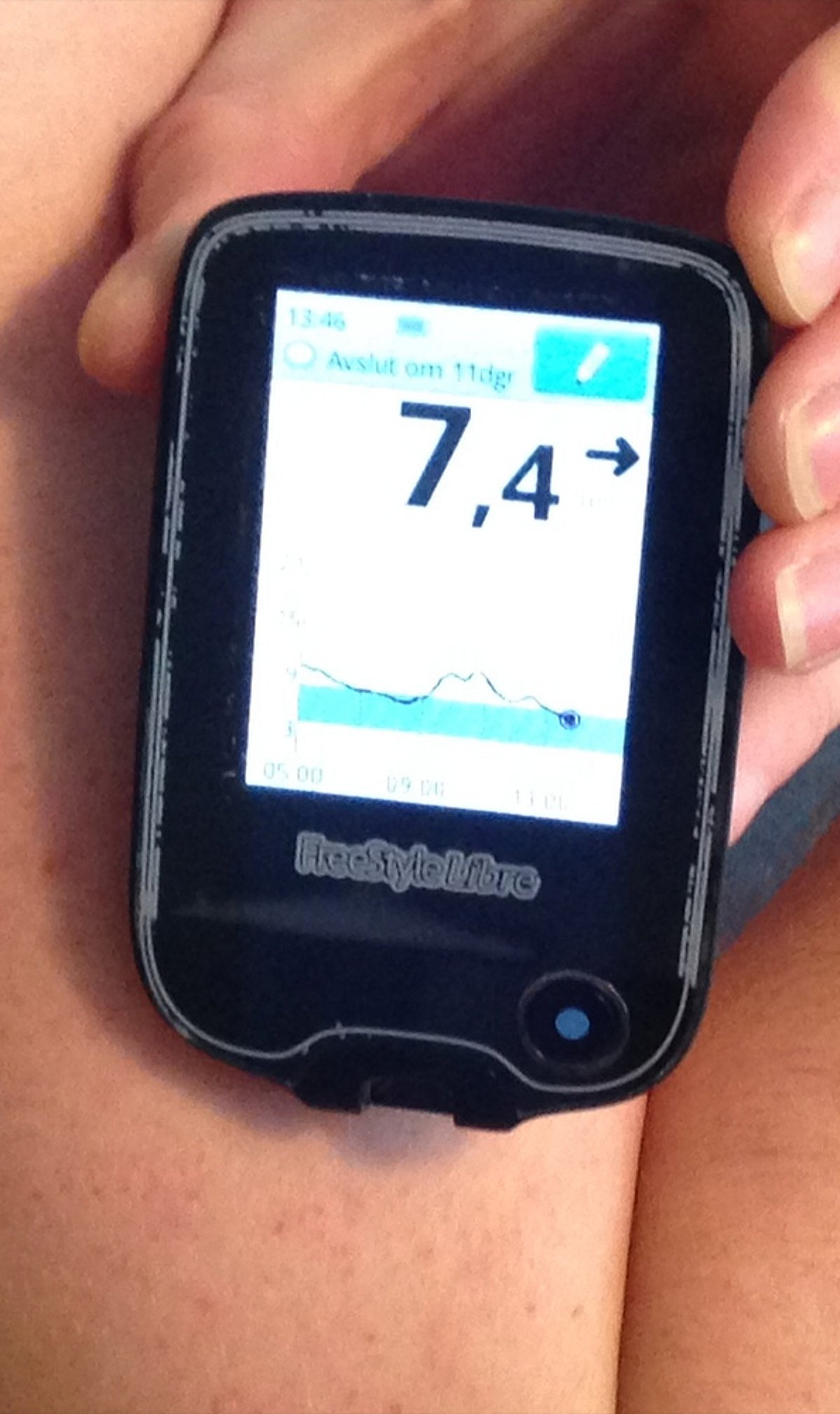
    Continuous Glucose Monitors (CGMs) are wearable devices that continuously track glucose levels through a tiny sensor inserted under the skin. This technology significantly reduces the need for frequent finger-prick testing, making glucose monitoring more convenient and less invasive for users.

    CGMs provide real-time glucose readings every few minutes, allowing users to identify trends and make timely treatment decisions with confidence. Custom alerts notify users about dangerously high or low glucose levels, helping prevent emergencies through faster interventions and increased awareness.

    The sensor technology works by measuring glucose in interstitial fluid and wirelessly transmitting the readings to connected devices such as smartphones, smartwatches, and dedicated receivers. Most modern CGMs sync with smartphone apps, making glucose tracking seamless through real-time notifications and detailed reports.

    Detailed charts and data insights reveal glucose patterns over time, enabling users and healthcare professionals to adjust medication, meals, exercise, and daily routines for better health outcomes. Leading CGM brands offer devices with varying sensor life, accuracy, connectivity, and compatibility to meet different healthcare requirements and lifestyles.

    While primarily designed for diabetes patients, CGMs also benefit athletes, researchers, and individuals monitoring metabolic health and wellness goals. The future of CGMs looks promising, with advancements in artificial intelligence, non-invasive sensing, and enhanced predictive analytics expected to significantly improve accuracy, personalization, and preventive healthcare.

  • Top Smart Wellness Gadgets for Better Sleep, Focus, and Inner Peace

    Top Smart Wellness Gadgets for Better Sleep, Focus, and Inner Peace

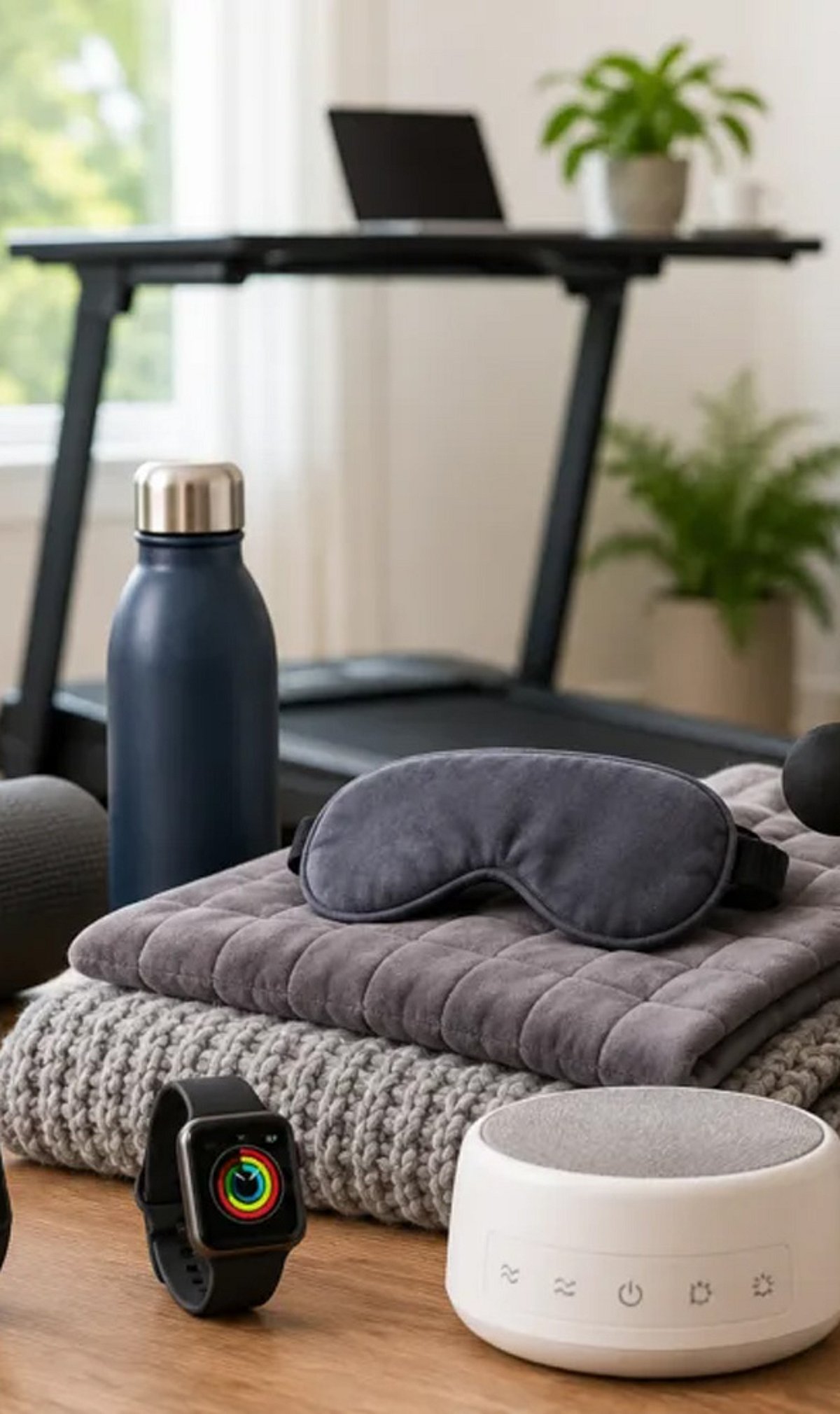
    Smart wellness devices are transforming how we approach sleep, focus, and relaxation. From rings that track recovery to headbands that guide meditation, these innovative tools help you take control of your well-being. Below, we explore the best smart wellness devices available today.

    Oura Ring Gen4

    The Oura Ring Gen4 tracks sleep quality, recovery, readiness, heart rate, and stress levels using advanced sensors inside a lightweight smart ring. It’s a discreet and powerful tool for monitoring your overall health.

    Muse Headband

    The Muse Headband uses EEG sensors to monitor brain activity, helping users practice meditation and improve concentration through real-time audio feedback sessions. It’s ideal for those looking to sharpen their focus.

    Apollo Neuro

    Apollo Neuro delivers gentle vibration therapy designed to reduce stress, improve relaxation, boost focus, and promote better sleep throughout daily routines. It’s a wearable that works with your body’s natural rhythms.

    Hatch Restore 3

    Hatch Restore 3 combines sunrise alarms, sleep sounds, guided routines, and ambient lighting to create healthier bedtime and morning experiences daily. It’s perfect for building consistent sleep habits.

    Therabody SmartGoggles

    Therabody SmartGoggles relieves eye strain, headaches, and stress using vibration, massage, and heat therapy while encouraging deeper relaxation before bedtime consistently. It’s a soothing addition to any evening routine.

    Loop Dream Earplugs

    Loop Dream Earplugs reduce unwanted nighttime noise comfortably, helping users experience uninterrupted sleep without completely blocking essential surrounding environmental sounds nearby. They’re designed for peaceful rest.

    Dodow Sleep Aid

    The Dodow Sleep Aid projects rhythmic breathing light patterns encouraging slower breathing, relaxation, and naturally faster sleep without medication or complicated wearable technology. It’s simple yet effective.

    Sensate Relaxation Device

    The Sensate Relaxation Device uses sound vibrations placed on the chest to stimulate relaxation, helping reduce anxiety and encourage calmer breathing exercises regularly. It’s a unique approach to stress relief.

    Philips SmartSleep Wake-Up Light

    The Philips SmartSleep Wake-Up Light simulates natural sunrise and sunset lighting patterns, supporting healthier sleep cycles and more refreshing morning wake-up experiences consistently. It’s a classic choice for better sleep hygiene.

    These smart wellness devices offer a range of solutions for improving sleep, focus, and inner peace. Whether you prefer wearables or standalone gadgets, there’s an option to suit your lifestyle.

  • Zomato Founder Deepinder Goyal Bets on Brain Health with New Wearable Startup Temple

    Zomato Founder Deepinder Goyal Bets on Brain Health with New Wearable Startup Temple

    Deepinder Goyal, the visionary behind India’s food-tech giant Zomato, is making a bold pivot from food delivery to brain health. His latest venture, Temple, is developing a wearable device that tracks brain blood flow in real time. The startup recently raised $54 million in its first funding round, achieving a valuation of around $190 million—a striking vote of confidence in an unproven technology.

    From Canteen Menus to Forehead Patches

    Goyal’s entrepreneurial journey began in 2008 when he and a colleague noticed office workers queuing to see lunch menus. That observation led to Foodiebay, which later became Zomato—a public company and India’s first consumer tech unicorn. In early 2026, just weeks after stepping down as Zomato’s CEO, Goyal appeared on a podcast wearing a small forehead device called Temple. It wasn’t a gimmick; it was the prototype of his new startup.

    How Temple Works

    Temple’s product is a small, patch-like wearable that sticks to the temple or forehead. It claims to continuously monitor cerebral blood flow, similar to how fitness trackers measure heart rate or Oura rings track sleep. The ultimate goal: to help slow down aging by improving brain blood flow. Goyal has shared this theory online, but the science remains unverified and has not been peer-reviewed. Medical experts are skeptical, but investors are willing to bet on Goyal’s track record.

    Investor Confidence and Risks

    The $54 million round was led by Goyal’s long-time backers—Peak XV Partners (formerly Sequoia India), Info Edge, Steadview Capital, and Nikhil and Nithin Kamath of Zerodha. These investors saw Goyal turn a simple menu directory into a multi-billion-dollar business. Now they’re backing his foray into biotech and longevity, a field far riskier than food delivery. Goyal himself describes the move as “higher-risk exploration and experimentation.”

    A New Chapter for Indian Tech

    Temple is still in development. The company is running third-party studies to validate its metrics and recruiting early adopters to refine the technology. A consumer launch is expected within months. If successful, Temple could revolutionize how athletes monitor performance and how everyday people track brain health. If it fails, it will still be a landmark story—the moment one of India’s most celebrated founders bet his reputation not on food, but on the flow of blood through the human brain.

    Temple operates independently from Goyal’s other ventures, including Continue (a health-tech project), LAT Aerospace, and Zomato’s parent company Eternal. As Indian tech evolves, Temple signals that the next big innovation may not come from delivery apps but from a small device that sticks to your forehead and tries to read your brain.

  • How Agentic AI and Data Modernization Are Building Trustworthy Public Health Systems

    How Agentic AI and Data Modernization Are Building Trustworthy Public Health Systems

    Artificial intelligence is transforming how organizations analyze data, generate insights, and support decision-making, but in high-stakes environments such as public health, success depends on far more than model performance alone. As governments and healthcare organizations increasingly adopt large language models, agentic AI, and advanced analytics, the focus is shifting toward building systems that are transparent, governed, measurable, and capable of delivering reliable results at scale.

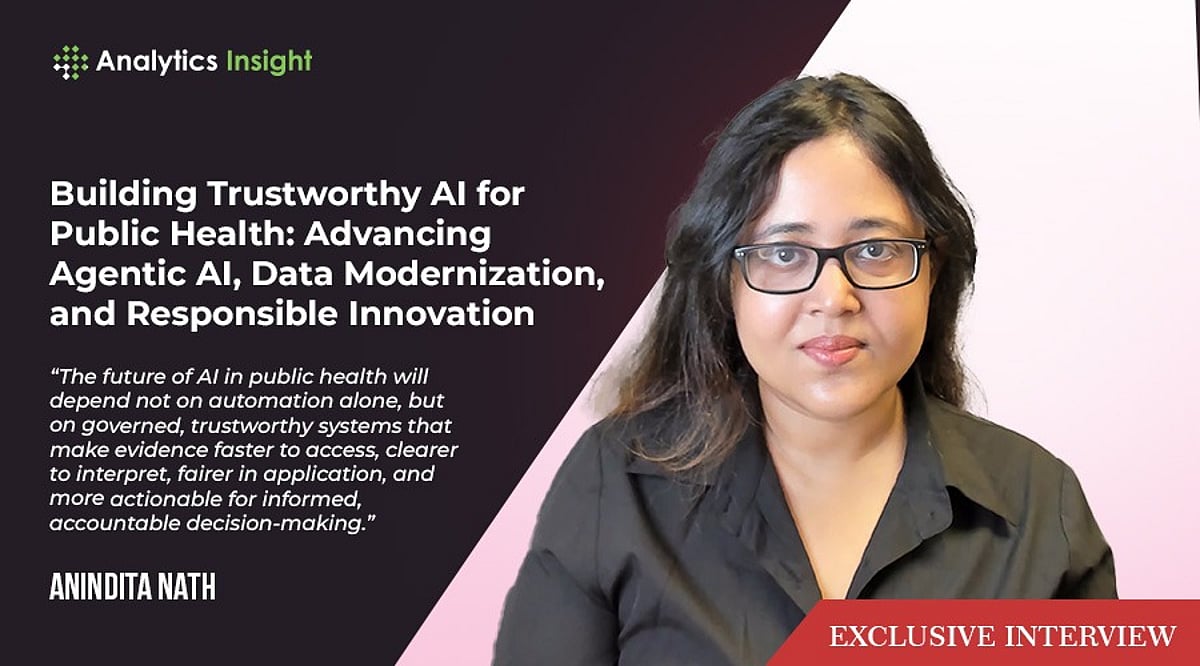
    In this interview, Anindita Nath discusses how advances in generative AI, biomedical informatics, and data modernization are reshaping public health and scientific research. With more than a decade of experience developing AI and machine learning solutions across industry and research, they have led initiatives spanning large language models, natural language processing, metadata engineering, and AI-ready data infrastructure. Their work includes co-leading one of the first agentic AI deep-research evaluation initiatives in the federal public health space, helping establish early frameworks for the responsible evaluation and adoption of autonomous AI systems.

    Drawing on experience building AI systems for disease surveillance, biomedical research, and large-scale public health data platforms, Nath shares insights into the challenges of governing AI in mission-critical environments, modernizing legacy data systems, and ensuring that intelligent technologies augment human expertise rather than replace it. They also explore the future of trustworthy AI, explaining why robust evaluation, transparency, and interdisciplinary collaboration will be essential as AI becomes increasingly embedded in healthcare and public health operations.

    Q: Please tell us about your professional journey and what inspired you to pursue a career in data science and artificial intelligence?

    A: My career began in software engineering and enterprise IT digitization, then expanded into computer science research in natural language processing, speech and audio signal processing, statistical machine learning, deep neural networks, and biomedical informatics. I was particularly drawn to AI’s potential to reduce cognitive load in operational environments. My early work in conversational AI and assistive health technologies shaped my view that intelligent systems should go beyond text generation to support information retrieval, knowledge synthesis, and decision support. This perspective continues to guide my work in public health, where AI and modern data engineering can strengthen surveillance, accelerate scientific discovery, and improve evidence-based decision-making.

    Q: Your work spans AI, public health, biomedical informatics, and data modernization. How would you describe your current role and areas of focus?

    A: My current role centers on designing governed, production-oriented AI systems for public health intelligence. My work spans generative AI, large language models, agentic AI enabled system evaluation, disease surveillance, metadata engineering, and AI-ready data infrastructure. I convert fragmented public health and biomedical datasets into structured, provenance-aware assets that support analytics and decision-making. A core priority is ensuring that these systems are measurable, reproducible, privacy-preserving, and operationally useful for analysts, researchers, and public health leaders.

    Q: Over the past decade, what have been some of the most defining moments or achievements in your career?

    A: Several achievements have shaped my professional trajectory. I co-led the first agentic AI deep-research evaluation initiative in federal public health, integrating advanced AI capabilities with governance, safety assessment, and operational validation to inform the agency’s agentic AI adoption strategy. I also led GENEVIC, an Azure OpenAI-enabled biological copilot for genomic data exploration, improving access to complex genomic information while preserving scientific rigor. Additional accomplishments include developing AI-enabled metadata and surveillance tools that reduced manual review burden by almost 50%, publishing first-author research in Bioinformatics, AMIA, ACM, and Speech Prosody venues, mentoring learners across computing and AI, receiving the Generation Google Scholarship in 2020, and being featured among Influential Women in 2026 and several such recognitions that reflect sustained technical performance, leadership, and impact.

    Q: For readers who may be new to your work, what excites you most about the intersection of AI and public health today?

    A: I am most interested in AI’s capacity to move public health from retrospective, static reporting toward interactive, evidence-driven intelligence. Public health decision-making, for example, in disease surveillance monitoring requires integrating heterogeneous signals from surveillance systems, clinical encounters, laboratory testing, immunization records, demographic datasets, scientific literature, and policy guidance. AI can accelerate signal integration and knowledge synthesis when supported by high-quality data, transparent methods, robust validation, and expert oversight. Its value is not to replace public health judgment, but to augment experts’ ability to detect patterns earlier, evaluate uncertainty, and act on stronger evidence.

    Q: You co-led the first agentic AI evaluation initiative in the federal public health space. What motivated this effort, and what were some of the key learnings from the project?

    A: The motivation was clear: before autonomous or semi-autonomous AI systems can support high-stakes public health work, they must be carefully evaluated. We needed to understand how agentic AI performs across complex questions involving epidemiology, informatics, policy guidance, and legal review. A key learning was that accuracy alone is not enough. Evaluation must include relevance, completeness, source reliability, safety, reproducibility, compliance screening, human subject-matter expert review, documentation of model behavior, source verification, and explicit identification of limitations. Governance must be designed from the beginning, not attached later.

    Q: As organizations increasingly deploy autonomous AI systems, how should leaders approach the challenge of evaluating and governing these technologies in high-stakes environments?

    A: Leaders should treat evaluation as an operational requirement, not a one-time technical test. Autonomous AI systems need clear task boundaries, trusted data sources, audit trails, privacy safeguards, human review, and continuous monitoring. A public health AI system should know whether it is retrieving evidence, summarizing a report, analyzing data, drafting communications, supporting policy planning, or identifying limitations. In high-stakes environments, leaders must ask not only whether a model can answer, but whether the organization can trust, verify, reproduce, and govern that answer.

    Q: You have worked extensively on AI-driven data modernization. What are the biggest challenges public health organizations face when transforming legacy data systems into AI-ready infrastructure?

    A: The biggest challenge is fragmentation. Public health knowledge is often trapped in isolated spreadsheets, inconsistent field definitions, separate dashboards, different reporting timelines, and legacy systems that were not designed for AI. Before AI can be useful, organizations need strong foundations: standardized data models, metadata, provenance, quality checks, access controls, documentation, interoperability, and reliable pipelines. Data modernization is also a workflow and trust challenge. AI-ready infrastructure requires clear accountability so that every output can be traced back to the evidence that produced it.

    Q: Your work has involved leveraging Azure OpenAI, Databricks, and Palantir Foundry for large-scale metadata analysis and knowledge discovery. Can you share a real-world example where these technologies delivered measurable impact?

    A: One example is my work on LLM-enabled metadata exploration and visualization. Through systems such as MetaMation and related enterprise metadata tools, users could ask natural-language questions over complex health surveillance and program-inventory metadata, retrieve relevant information, and generate visual summaries. This reduced manual analyst effort by more than 50% and made siloed metadata more accessible to program managers. GENEVIC was another example: a grounded biological copilot that used curated data, APIs, secure cloud deployment, prompt optimization, and validation so genomic exploration could become more intuitive without sacrificing scientific integrity.

    Q: Looking ahead, how do you see large language models and agentic AI reshaping healthcare, public health surveillance, and government operations over the next five years?

    A: Over the next five years, large language models and agentic AI will likely mature into governed orchestration layers across clinical care, public health surveillance, and government operations. In healthcare delivery, domain-specific agents could support ambient clinical documentation, EHR-integrated decision support, diagnostic triage, longitudinal patient summarization, prior authorization workflows, medication reconciliation, care-gap detection, remote monitoring, and precision-medicine recommendations. More transformative strategies may include multimodal models that integrate clinical notes, imaging, laboratory results, genomics, wearables, and social-risk indicators to enable earlier risk stratification and more personalized intervention planning. In public health, similar systems can strengthen evidence retrieval, epidemiologic signal detection, literature synthesis, metadata discovery, automated reporting, and cross-jurisdictional situational awareness. The most effective implementations will be embedded within secure informatics infrastructure rather than standalone chat interfaces. Their reliability will depend on grounding, provenance tracking, uncertainty estimation, continuous model monitoring, access control, interoperability, and human-in-the-loop review. These capabilities can expand expert capacity, reduce administrative burden, and improve operational responsiveness; however, accountability for interpretation, clinical action, ethics, equity, and final decisions must remain with human experts.

    Q: Beyond your technical contributions, you are actively involved in mentorship and STEM advocacy. What advice would you give to aspiring AI professionals looking to build impactful and purpose-driven careers?

    A: My advice is to develop technical depth alongside a clear sense of purpose. Aspiring AI professionals should build strong foundations in programming, machine/deep learning, AI evaluation strategies, and technical communication while remaining attentive to the communities and decisions their systems are intended to support. My own path has been shaped by perseverance, first-generation challenges, and a commitment to making computing both rigorous and accessible. Through initiatives such as Microsoft TEALS, Girls Who Code, CodePath, AnitaB.org, IEEE, Data for Impact, Women in STEM Network, and CAHSI-related workshops, I aim to help emerging technologists build confidence, strengthen their skills, and see themselves as contributors to the systems that will shape the future.

    Q: If you would like to add or highlight any other interesting insights that we might have missed in our questionnaire, please feel free to do so.

    A: The next phase of AI leadership will require interdisciplinary fluency. Effective AI professionals must pair algorithmic expertise with domain knowledge, ethics, governance, communication, accessibility, and implementation skills. In public health, impact depends on turning technical capability into trusted, practical systems.

  • How AI Fitness Mirrors Are Revolutionizing Home Workouts with Real-Time Coaching

    How AI Fitness Mirrors Are Revolutionizing Home Workouts with Real-Time Coaching

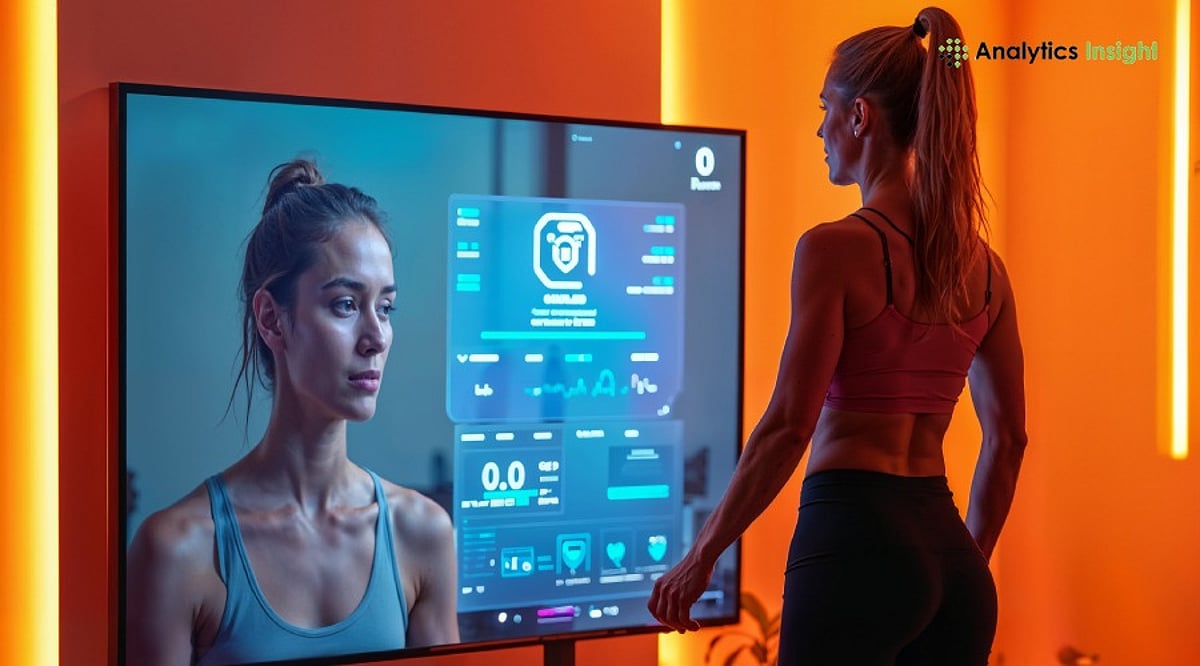
    AI-powered fitness mirrors are transforming home workouts by combining a reflective screen with artificial intelligence. These devices act as virtual personal trainers, guiding users, tracking movement, and correcting form in real time. Designed for those who want structured fitness routines without relying on a gym or in-person coaching, the concept gained traction as home fitness demand surged and users sought more interactive and intelligent workout solutions.

    What Exactly is an AI Fitness Mirror?

    AI fitness mirrors are smart wall-mounted devices that resemble ordinary mirrors when off and become training screens when activated. They use camera technology and artificial intelligence to monitor body movements during workouts and provide real-time feedback. The AI system serves as a coach, monitoring posture, counting reps, and offering tailored guidance based on the user’s performance level.

    How the System Works

    The fitness mirror uses a combination of cameras, sensors, and AI algorithms to understand user movement. Here’s a simple breakdown:

    • Cameras capture body posture and movement
    • AI analyzes exercise form in real time
    • The system compares movement with ideal posture models
    • Feedback is given instantly to correct mistakes

    This combination helps users improve their fitness safely and effectively.

    Key Features of AI Fitness Mirrors

    One important characteristic is the ability to coach in real time. Users receive information about posture and potential injuries while working out. Personalized training programs adapt automatically based on fitness objectives and progress. Users can select strength training, cardiovascular training, yoga, or mobility workouts. Workout classes can be streamed live or watched later, with remote training options available via live video with instructors or friends. Voice commands allow switching programs without touching the screen, and integration with smartwatch applications enables monitoring of heart rate and other metrics during workouts.

    Key Technologies Behind the Smart Mirror

    The system is powered by multiple technologies working together, including advanced AI algorithms, computer vision, and sensor fusion. Each technology plays an important role in making the system intelligent and adaptive.

    AI Personal Trainer Experience

    One of the strongest features is the AI-based personal coaching system. It behaves like a real trainer by adjusting workouts based on user performance. For example, if a user struggles, intensity is reduced; if performance improves, difficulty increases. Rest time and pace are automatically adjusted, making every workout personalized instead of one-size-fits-all.

    Why AI Fitness Mirrors are Growing

    There is an increasing trend in AI fitness mirrors because many consumers want to work out at home while still receiving professional training. The convenient combination of training and system feedback makes this option appealing not only for amateurs but also for experienced users. This technology helps reduce the need for physical coaches in structured training sessions.

    Challenges in Adoption

    Despite strong features, there are a few limitations. The cost of AI fitness mirrors remains high compared to basic fitness equipment. The system also depends on stable internet connectivity for smooth performance. Some users may have privacy concerns since the device uses cameras for motion tracking. Additionally, first-time users may need time to adjust to AI-based coaching methods.

    Final Thoughts

    The artificial intelligence-powered fitness mirror represents an innovation in home-based workouts, combining AI, motion recognition, and personal coaching in one product. As technology advances, these devices are likely to become even more accurate and popular, providing home training with higher levels of structure and interactivity.

    FAQ

    1. What is an AI-powered fitness mirror?

    An AI-powered fitness mirror is a smart home workout device that uses AI, cameras, and sensors to track body movements, guide exercises, and provide real-time coaching like a virtual personal trainer.

    2. How does an AI fitness mirror improve workouts?

    It improves workouts by analyzing posture, counting reps, and correcting form instantly. AI systems adjust training intensity based on user performance, helping users achieve better results with safer and more structured exercise routines.

    3. Does a fitness mirror require internet connectivity?

    Most AI fitness mirrors require a stable internet connection for live classes, AI processing, and data syncing. However, some basic workout modes can function offline with limited tracking features.

    4. Can AI fitness mirrors replace personal trainers?

    They can act as a strong alternative for daily training by offering personalized guidance and feedback. However, advanced users may still prefer human trainers for specialized fitness or rehabilitation programs.

    5. Are AI fitness mirrors safe for home use?

    Yes, they are designed for safe home use with motion tracking and posture correction features. Recent systems also focus on privacy controls and data security while improving accuracy through updated AI models.

  • How Kiran Veernapu Is Using AI to Turn Enterprise Data Into Better Patient Outcomes

    How Kiran Veernapu Is Using AI to Turn Enterprise Data Into Better Patient Outcomes

    Kiran Veernapu has spent more than 25 years building the data systems that large organizations rely on to make decisions. His work spans healthcare, aviation, manufacturing, and enterprise technology, but the underlying challenge remains constant: turning scattered, inconsistent information into actionable insights.

    Starting in data architecture and business intelligence, Veernapu designed the warehouses and pipelines that move information through organizations. As machine learning matured, his focus shifted toward predictive analytics and clinical decision support—where the stakes are higher because a wrong answer at the point of care costs more than a wrong quarterly report.

    Much of his recent work centers on Clinical Decision Support Systems (CDSS), which sit between complex medical data and clinicians who need clear, timely answers while treating patients. The results are measurable. His AI and automation initiatives have produced tens of millions of dollars in savings, cut billing and inventory errors by double digits, and kept supply chains performing at benchmark levels for eight consecutive years.

    Research Meets Real-World Deployment

    Veernapu is also an active researcher and reviewer, authoring 25 peer-reviewed articles on healthcare AI and predictive analytics that have been cited and downloaded across more than 29 countries. He reviews manuscripts for Elsevier, Springer, Wiley, IGI Global, and MDPI, and has evaluated over 60 submissions for major IEEE, Springer, and Elsevier venues. He serves as a session chair, program committee member, and judge at international conferences, and is a Senior Member of IEEE.

    His research and his day job feed each other. Academic work surfaces new methods, and enterprise deployment tests whether those methods hold up once real data and real workflows get involved. That loop shapes his approach to AI at scale. “The algorithm is rarely the hard part,” he says. “Data quality, governance, and fitting a system into the way people already work are what determine whether a strong model delivers anything at all.”

    Looking Ahead: The Next Wave of Healthcare AI

    Looking forward, Veernapu points to AI-driven clinical decision support, remote patient monitoring, wearable health technology, and ambient clinical intelligence as the developments most likely to change care delivery. Each moves healthcare toward earlier intervention and more personalized treatment—and each depends on the real-time data infrastructure he has spent his career building.

    Beyond his technical work, he serves on the Utah STEM Education Advisory Council and speaks for academic programs internationally. He is currently pursuing a PhD in AI and machine learning applied to wearable devices and clinical bioinformatics. His advice to newcomers: “Start with a problem worth solving. Technology changes quickly. The ability to understand a business or clinical need and translate it into a working system is what creates impact that lasts.”

    The next generation of healthcare innovation will empower clinicians with intelligence of precision care, diagnostic accuracy, disease prediction, making patient care more reachable and affordable. The future of healthcare lies in turning data into better decisions. Clinical Decision Support Systems will help clinicians access timely insights, improve patient outcomes, reduce the cost of care, and enable more personalized and proactive treatment strategies.

  • Latest MIT Research on Aging: Alzheimer’s Breakthroughs, Caregiving Tech, and Longevity Insights

    Latest MIT Research on Aging: Alzheimer’s Breakthroughs, Caregiving Tech, and Longevity Insights

    MIT continues to lead in aging research with groundbreaking studies spanning neuroscience, immunology, and assistive technology. From understanding how immune system changes contribute to Alzheimer’s and Parkinson’s to developing wearable imaging for elderly care, MIT researchers are tackling aging from multiple angles.

    Key Highlights

    • Li-Huei Tsai’s leadership: After 16 years directing the Picower Institute, Tsai will focus on Alzheimer’s and Down syndrome research.
    • W.M. Keck Foundation grant: Assistant Professor Alison Ringel explores the intersection of immunology and aging biology.
    • Wearable ultrasound for elderly care: SMART’s WITEC group aims to develop real-time monitoring for chronic conditions.
    • Tau protein structure: Chemists reveal the fuzzy coat around Tau proteins, potentially blocking Alzheimer’s tangles.
    • Immune-informed brain aging: Symposium highlights new treatments for Alzheimer’s and Parkinson’s based on immune factors.
    • Ianacare for caregivers: Steven Lee’s startup provides resources for family caregivers.
    • Tissue flexibility: Fluid between cells influences organ rigidity, with implications for aging and disease.
    • Eldercare robot: New robot assists sitting, standing, and fall prevention for aging in place.
    • Long-term care challenges: A new book explores global solutions for elder care burden.
    • Expansion microscopy: Since 2015, this technique has powered discoveries in kidney disease, Alzheimer’s, and more.
    • 40Hz gamma stimulation: Evidence grows for using gamma rhythms to fight Alzheimer’s.
    • Aging innovation clusters: MIT AgeLab’s book compares regions competing to serve an aging population.
    • Longevity planning: PLAN Forum imagines new industry around financial planning for longevity.
    • Super-healing species: Albert Almada studies stem cell regeneration mechanisms.
    • Blood cell production with age: New tool traces how blood cell family trees change in old age.

    These studies represent MIT’s comprehensive approach to understanding and improving healthspan.

  • MIT AgeLab: Advancing Research on Aging, Technology, and Transportation Safety

    MIT AgeLab: Advancing Research on Aging, Technology, and Transportation Safety

    MIT AgeLab is a leading research center dedicated to understanding the challenges and opportunities of an aging population. Through interdisciplinary studies, the lab explores how technology, design, and policy can improve quality of life for older adults. Key areas include automotive safety, driver assistance systems, longevity planning, and intergenerational connections.

    Notable Research and Initiatives

    • MIT-Toyota Collaboration: A decade-long partnership has powered driver assistance features in millions of vehicles, enhancing safety through human-machine interaction.
    • Advanced Vehicle Technology Consortium (AVTC): Provides data-driven insights into how drivers use emerging vehicle technologies, building trust in AI and automation.
    • FAA Rulemaking Committee: AgeLab researcher Bryan Reimer contributes human-factor expertise to improve aviation safety.
    • Innovation Clusters for Aging: A new book applies the concept of innovation clusters to global population aging, identifying regions racing to become “Silicon Valley” for longevity.
    • PLAN Forum: A symposium for financial professionals explores a new industry around longevity planning.
    • OMEGA Scholarships: Annual awards honor high school students who develop intergenerational programs bridging younger and older generations.
    • AGNES Suit: A unique suit helps researchers and students experience the physical challenges of aging, fostering empathy and better design.

    MIT AgeLab continues to influence policy, industry, and community programs, ensuring that the aging population is supported through innovation and collaboration.

  • Google’s AI Uses Smartphone Camera for Passive Heart Rate Monitoring with Medical Accuracy

    Google’s AI Uses Smartphone Camera for Passive Heart Rate Monitoring with Medical Accuracy

    Google researchers have developed a new deep-learning system that can passively measure a user’s heart rate through a smartphone’s front-facing camera during normal device use. The technology, described in recently published research, aims to bring medical-grade heart rate monitoring to billions of people without requiring any wearable hardware.

    Resting heart rate is a key biomarker linked to cardiovascular health and long-term disease risk. High resting heart rate is associated with adverse cardiovascular events and certain chronic conditions. With roughly five billion smartphones worldwide already equipped with the necessary camera hardware, the potential for widespread passive health monitoring is significant.

    How the System Works

    The system, called passive heart rate monitoring (PHRM), uses the front-facing camera to record short video clips of the user’s face. A temporal shift convolutional neural network then analyzes these clips to estimate heart rate. The method relies on detecting subtle changes in light reflection caused by blood pulsing through the skin—a technique known as remote photoplethysmography (rPPG).

    According to Google, the system achieves a mean absolute percentage error of less than 10%, meeting industry accuracy standards across all skin tones. “To our knowledge, PHRM marks the first large-scale demonstration of passive HR and daily RHR monitoring during everyday smartphone use,” said Eric S. Teasley, Product Manager, and Ming-Zer Poh, Staff Research Scientist at Google Research.

    The researchers added: “As the only rPPG method to meet heart rate accuracy standards for people of all skin tones – even in unpredictable real-world conditions – it sets a new standard for the field. It also represents the first use of rPPG to estimate daily RHR, achieving wearable-level accuracy across all skin tones.”

    Diverse Training Data and Real-World Testing

    Previous studies in this area have often underrepresented people with dark skin, as melanin can make optical signals harder to detect. To address this, Google’s team built their model using more than 350,000 video clips from nearly 700 participants. The Monk Skin Tone Scale was used to ensure diverse representation: participants with light and medium skin tones each comprised at least 25% of the datasets, while those with dark skin tones made up at least 33%. This makes it the largest and most diverse rPPG study to date.

    The system was tested in both laboratory and real-world conditions. In the lab, researchers recorded facial video and simultaneous electrocardiogram (ECG) data from 365 participants, and the PHRM system outperformed 15 leading published rPPG models. In a real-world study, 231 participants installed a data collection app on their phones and used them normally while wearing an ECG chest strap and a Fitbit tracker. The app captured an average of 231 video clips per day.

    The researchers note that further optimization of camera exposure and handling of excessive head movement could improve performance. Google plans to make its data and modeling resources available to qualified researchers.