Tag: home electronics

  • 7 Best HEPA Air Purifiers in India for 2026: Expert Picks & Buying Guide

    7 Best HEPA Air Purifiers in India for 2026: Expert Picks & Buying Guide

    The biggest air quality problem in Indian homes rarely gets noticed. Windows stay shut for hours, sometimes days, yet PM2.5 and fine dust keep floating around the room, settling on shelves, drifting back into the air with every fan turn. Ventilation alone cannot fix this. Filtration has to do the real work, and among filtration types, True HEPA H13 remains the one that actually removes particles this small consistently and without gaps.

    Why HEPA H13 Sets the Standard

    A true HEPA H13 filter traps at least 99.95% of particles down to 0.3 microns, tested under EN1822 and ISO 29463. That covers most of the PM2.5, dust, and pollen floating around Indian homes. Watch out for anything labelled HEPA-type. It sounds similar but has no real filtration standard behind it, so performance can vary a lot.

    Two numbers matter more than the rest: CADR and room coverage. CADR, or Clean Air Delivery Rate, shows how fast a purifier actually cleans the air. A high CADR only helps when it suits the room size. Buy too big, and the extra power goes to waste. Buy too small, and the air takes longer to clear.

    The cost doesn’t end at the purchase. Filters often turn into a real expense over time. Before buying, it’s worth checking how often they need replacing, what they cost, and whether they’re easy to find.

    Seven HEPA Purifiers Worth Considering

    Dyson Purifier Cool TP07

    Dyson does not publish AHAM CADR ratings. Instead, purification gets tested through its own POLAR methodology across an 81-cubic-meter room, a method the brand argues reflects better airflow than a chamber test. The TP07 uses a fully sealed HEPA H13 filter, classified under EN1822 and ISO 29463, so pollutants captured inside stay inside rather than leaking through gaps elsewhere in the machine. It also cools the room and connects to the MyDyson app for scheduling and live air quality data. This unit fits buyers who want sensors, build quality, and design polish alongside filtration.

    Coway Airmega 150

    Coway trades smart features for filter longevity. The True HEPA H13 filter lasts up to 8,500 hours, close to two years under typical use, well past the 6- to 12-month cycle most competitors need. Coverage runs to 355 sq ft, suited to a medium bedroom or study, and the unit needs almost no ongoing attention once installed. Reliability wins out over app control here.

    Honeywell Air Touch V3

    The V3 covers 465 sq ft through a 3-stage True HEPA H13 system, backed by wide India-based service support, a factor that carries real weight once something goes wrong with an imported brand. It sits mid-range within Honeywell’s lineup, ahead of the V1 and V2 on coverage but without the WiFi and voice control found on the V5. Dependable filtration without smart-home extras sums up its appeal.

    Qubo R700

    A CADR of 460 m³/h and coverage up to 700 sq ft make the R700 suited to large living rooms and open-plan spaces. Its 4-layer filtration includes True HEPA H13 and a nano-silver coating, paired with an app running QSensAI mode, which adjusts fan speed automatically as pollution levels change. Against the Dyson, it delivers a far higher CADR for roughly half the price, though it skips the sealed-filter design and cooling function.

    Philips AC0920

    Built for bedroom use, this compact unit runs a CADR of 250 m³/h across 300 sq ft, with a real-time AQI display and a 20.5 dB sleep mode quieter than most fans. The filter costs Rs. 2,370 and lasts about a year. Philips positions this as a personal purifier rather than a whole-room solution, and that focus shows in its quiet, compact build.

    Eureka Forbes Air Purifier 355

    The strongest India-specific pick on this list, backed by a wide service network from a brand operating in the country for over four decades. Its CADR of 355 m³/h carries AHAM testing, and 480 sq ft coverage suits most Indian living rooms and larger bedrooms. Where Qubo leans on smart features, Eureka Forbes leans on local after-sales support, a real advantage when filters need replacing during peak pollution season.

    Levoit Core Mini

    At 183 sq ft coverage, this functions as a desk or personal-space unit rather than a full-room purifier and works well as an air purifier for allergies in tight settings like a study or hostel room. A 7W motor keeps it running as quietly as 25 dB, and an aroma pad for essential oils sets it apart from every other unit on this list. It fills a gap none of the larger purifiers can: a small, quiet, affordable option for a desk, dorm, or child’s corner.

    Matching the Purifier to the Room

    The room decides the purifier, not the brand name. A 700 sq ft living room calls for the Qubo R700 or Eureka Forbes 355, not the Levoit Core Mini. A bedroom under 300 sq ft suits the Philips AC0920 or Coway Airmega 150 well.

    Filter cost concerns point toward the Coway, whose 8,500-hour filter life outlasts everything else on this list by a wide margin. After-sales support concerns point toward Eureka Forbes and Honeywell, both running India-based service networks that imported brands cannot easily match.

    Common Buying Mistakes

    • Choosing by price alone, without checking CADR against room size
    • Ignoring filter replacement cost until the first change comes due
    • Picking ‘HEPA-type’ over certified True HEPA H13
    • Oversizing or undersizing the purifier for its intended room
    • Skipping pre-filter cleaning: a wash or vacuum every two to four weeks protects airflow and extends HEPA filter life
    • Expecting one purifier to clean an entire home instead of the single room it is rated for

    Final Thoughts

    Air purifier shopping in India is shifting from a luxury decision to a routine one, as pollution seasons stretch longer each year and city air quality data becomes harder to ignore. The purifiers that will matter most going forward are not the ones with the flashiest displays but the ones with transparent CADR figures, honest filter costs, and service networks built for Indian conditions. That shift already favors brands willing to publish real numbers over marketing claims.

    FAQs

    1. What is the best air purifier with a HEPA filter in India?

    The best air purifier depends on your room size, budget, and air quality needs. Look for a model with a True HEPA or HEPA H13 filter, suitable CADR, and coverage that matches your room.

    2. Is a True HEPA filter better than a HEPA-type filter?

    Yes. A True HEPA filter is designed to capture at least 99.97% of particles measuring 0.3 microns, making it more effective against PM2.5, dust, pollen, and allergens than HEPA-type filters.

    3. How do I choose the right air purifier for my room?

    Match the purifier’s recommended coverage area and CADR to your room size. A unit with adequate airflow cleans the air more efficiently and maintains better indoor air quality.

    4. How often should HEPA filters be replaced in India?

    Most HEPA filters last between 6 and 12 months, depending on usage and local pollution levels. Homes in cities with higher PM2.5 and dust may require more frequent filter replacements.

    5. Can an air purifier help with allergies and asthma?

    Yes. A True HEPA air purifier can reduce airborne allergens such as dust, pollen, and pet dander, helping improve indoor air quality. It should complement, not replace, medical advice or prescribed treatment for allergies or asthma.

  • Top 10 Premium Soundbars of 2026: Expert-Tested Dolby Atmos Models for Every Budget

    Top 10 Premium Soundbars of 2026: Expert-Tested Dolby Atmos Models for Every Budget

    A great picture deserves equally great sound. Premium soundbars now deliver cinematic Dolby Atmos audio without the complexity of a traditional home theater system. This guide compares the 10 best premium soundbars based on sound quality, features, and overall value.

    Channel count alone does not decide sound quality. A 5.1.2 soundbar with real up-firing drivers can outperform an 11.1.4 system that relies on virtual processing. Complete packages like the Samsung HW-Q990F include rear speakers and a subwoofer in one box, while standalone bars like the Sonos Arc Ultra use Sound Motion and virtualization to create the same effect. Ecosystem fit matters as much as specs. A soundbar built for Samsung TVs or Sonos multi-room audio unlocks extra features that vanish the moment it pairs with a different brand.

    A soundbar’s spec sheet promises immersion. What actually delivers it comes down to something spec sheets rarely explain: whether the height and surround effects come from real drivers placed around a room or from processing that fakes the same illusion from a single box. This guide ranks ten premium Dolby Atmos soundbars using verified specs, published pricing, and findings from established test labs, including RTINGS, What Hi-Fi, and Audio Advice.

    How This Ranking Works

    • Driver Setup: Physical drivers vs virtualization for height and surround
    • Value: Price weighed against what ships in the box
    • Reviews: Consensus across independent labs
    • Samsung Ranks First: Bundles subwoofer, rear speakers, Atmos, DTS:X, and calibration in one purchase
    • KEF Ranks Third: Driver quality outweighs channel count for music fans

    Real Drivers vs Virtual Surround

    Dolby Atmos on a soundbar can mean two different things. Some bars, like the Samsung HW-Q990F, ship with physical rear speakers and up-firing drivers that bounce sound off the ceiling, creating genuine directional audio. Others, like the Sonos Arc Ultra, pack angled drivers and processing into a single bar to simulate that same spatial effect. Sonos leans more on virtualization than Samsung’s physical rear speakers. It builds a convincing soundstage but does not match the same behind-the-listener precision during dense action scenes, a distinction reviewers, including What Hi-Fi, have noted when comparing the two directly. Physical rear channels tend to win for movies with genuine 360-degree sound design, while single-bar virtualization wins on simplicity, since there is nothing to place behind the couch.

    Premium Soundbars Compared

    Quick Picks

    • Best Overall: Samsung HW-Q990F
    • Best for Music: KEF XIO
    • Best Single Bar: Sonos Arc Ultra
    • Best Value: JBL Bar 1000MK2
    • Best for Samsung TVs: Samsung HW-Q990F
    • Best for Sony TVs: Sony BRAVIA Theater Bar 9
    • Best for LG TVs: LG S95TR

    Samsung HW-Q990F

    This soundbar delivers true Dolby Atmos, complete with wireless rear speakers and a subwoofer in the box. AI dialogue enhancement and automatic room calibration make it the strongest all-in-one premium home theater package for movies, gaming, and everyday TV. Buy Now

    Sonos Arc Ultra

    The Sonos Arc Ultra packs immersive Dolby Atmos into a single sleek bar, using Sound Motion technology to fill a room without extra units. It fits well in apartments and modern living rooms and works best for anyone already tied into the Sonos multi-room system. Buy Now

    KEF XIO

    The KEF XIO brings real hi-fi engineering into a Dolby Atmos soundbar, pairing a detailed soundstage with deep, controlled bass. It suits listeners who want strong music performance alongside movie sound, all from one premium unit. Buy Now

    Sony BRAVIA Theater Bar 9

    Sony’s BRAVIA Theater Bar 9 builds immersive sound through 360 Spatial Sound Mapping and supports both Dolby Atmos and DTS:X. It pairs naturally with Sony BRAVIA TVs, making it a strong pick for a cinematic setup at home. Buy Now

    JBL Bar 1000MK2

    This model comes with detachable wireless rear speakers and a powerful 10-inch subwoofer, all with full Dolby Atmos support. It offers strong surround performance at a price well below that of many flagship competitors. Buy Now

    Sennheiser AMBEO Soundbar Max

    The Sennheiser AMBEO Soundbar Max creates wide, room-filling sound from a single premium enclosure, with no rear speakers needed. It stands out as a clean, powerful option for anyone who wants big sound without extra hardware. Buy Now

    Bose Smart Ultra Soundbar

    This soundbar blends Dolby Atmos, TrueSpace processing, and ADAPTiQ room calibration for clear dialogue and balanced sound throughout a room. It works well for anyone who wants easy setup along with room to expand later. Buy Now

    Harman Kardon Enchant 1100

    The Harman Kardon Enchant 1100 packs premium Dolby Atmos sound into a compact design built for smaller spaces. Rich, balanced audio across movies and music makes it a solid upgrade for small to medium living rooms. Buy Now

    Bluesound Pulse Cinema

    This soundbar pairs immersive Dolby Atmos with high-resolution music streaming through the BluOS platform. Flexible connections and refined sound quality make it a strong fit for anyone building a premium home entertainment setup. Buy Now

    LG S95TR

    The LG S95TR runs a full 9.1.5-channel Dolby Atmos system with wireless rear speakers and WOW Orchestra support for matching LG TVs. It stands out as a strong option for immersive movie nights and next-gen gaming setups. Buy Now

    What to Check Before Buying

    • Room Size: Samsung suits larger rooms; Sonos or Sennheiser fits small apartments
    • Ceiling: Flat, 7 to 12 feet high, works best for up-firing drivers
    • TV Brand Match: Unlocks extras like Q-Symphony or WOW Orchestra
    • HDMI: Look for 2.1 with eARC for gaming
    • Streaming: Confirm the subscription tier actually supports Atmos

    Final Thoughts

    The premium soundbar category is splitting into two clear camps: complete physical surround systems and increasingly convincing single-bar virtualization. As processing keeps improving, the gap between the two will keep narrowing. For now, the choice still comes down to how much true directional sound matters, how well a bar fits an existing TV ecosystem, and whether room layout favors immersion over a cleaner, wire-free setup.

    Also Read: Best AirPlay-Compatible Soundbars in 2026 for Premium Audio

    You May Also Like: How to Choose the Best Home Theatre System for Your Home in 2026, Best Home Theater Systems to Buy This Weekend, Most Recommended Home Theater Systems for Cinephiles in 2026

    FAQs

    1. Which is the best premium soundbar to buy in 2026? The best premium soundbar depends on your needs. The Samsung HW-Q990F is ideal for a complete Dolby Atmos home theater setup, while the Sonos Arc Ultra and KEF XIO are excellent choices for premium audio and music performance.
    2. Are premium soundbars worth the extra cost? Yes. Premium soundbars offer better audio quality, Dolby Atmos support, improved dialogue clarity, deeper bass, and advanced features like room calibration and wireless surround speakers compared to budget models.
    3. Do I need rear speakers for Dolby Atmos? No, but they improve the experience. Soundbars with dedicated rear speakers deliver more accurate surround effects, while standalone Dolby Atmos soundbars use virtualization to create immersive audio without additional speakers.
    4. Can a premium soundbar replace a traditional home theater system? For most users, yes. High-end soundbars with Dolby Atmos, wireless subwoofers, and rear speakers provide cinematic sound while taking up less space and requiring much simpler installation than an AV receiver setup.
    5. What should I consider before buying a premium soundbar? Look for Dolby Atmos support, channel configuration, HDMI eARC connectivity, room size compatibility, wireless subwoofer availability, streaming features, and compatibility with your TV ecosystem to get the best performance.
  • Top Electric Hand Blender Deals This Weekend: Expert Picks for Every Kitchen

    Top Electric Hand Blender Deals This Weekend: Expert Picks for Every Kitchen

    Electric hand blenders have become a practical tool for quick blending, mixing, and pureeing at home. Weekend sales often include attractive discounts across budget and premium models. Looking beyond the sale price helps identify the best value. Performance, durability, and convenience should guide the final choice.

    Choosing the right hand blender depends on factors such as motor power, build quality, warranty, and practical features like detachable stems and stainless steel arms.

    What Actually Separates a Good Hand Blender From a Weak One

    Motor power sets the ceiling for what a blender can do. A 250W to 300W motor works well for smoothies, lassi, and thin soups — the tasks that cover most daily use. Thicker mixtures like dal, batter, or a small batch of chutney need 600W or more to avoid stalling mid-blend.

    Motor quality decides how a hand blender holds up over time. Stainless steel arms are more durable and last longer than plastic ones. Detachable stems and dishwasher-safe parts make daily cleanup easier. Warranty length is a quiet but useful signal — brands rarely offer two years of warranty on a motor they expect to fail early.

    Top Electric Hand Blender Picks

    1. Orpat HHB-100E WOB — Best Budget Pick

    This is the lowest-risk entry point into hand blenders. It runs on a 250W motor with single-button operation and has drawn over 24,000 ratings on Amazon India. It handles milkshakes, lassi, and soft soups well. No extra attachments — treat it as a no-frills first blender or a reliable backup.

    2. Philips HL1681 — Best for Everyday Home Use

    The HL1681 pairs a 300W motor with a rust-free stainless steel arm and single-trigger operation, backed by a 2-year warranty. It sits at the sweet spot most Indian kitchens actually need: strong enough for daily smoothies, soups, and purees, without the bulk or price of a premium set. Philips also has wide service coverage across India.

    3. INALSA Robot Inox 1000E — Best for Heavy-Duty Cooking

    This is the pick for frequent cooks who push their blender hard. A 1000W motor with 100% copper winding gives it enough torque for thick batters and large batches without slowing down. Variable and turbo speed settings add control, anti-splash technology keeps your counter clean, and it comes with chopper and whisker attachments so it doubles as a mini food processor.

    4. Havells Duro Blend-S — Best for Easy Cleanup and Quiet Use

    The Duro Blend-S runs on a 300W copper motor with a detachable stainless steel stem, which pulls apart in seconds for washing. Havells built this one for low noise, making it a good fit for shared kitchens or homes with light sleepers nearby. The 2-year warranty adds peace of mind for a mid-range buy.

    5. KENT 150W Hand Blender — Best for Multi-Speed Control

    KENT’s model trades raw wattage for control, offering 5 speed settings on a 150W copper motor with overheating protection. This suits buyers who blend a wide mix of textures and want to fine-tune speed rather than rely on one fixed setting.

    Matching the Pick to the Kitchen

    A first-time buyer testing the category gains little from paying extra for features that go unused. The Orpat covers that entry point without waste. A household cooking daily across smoothies, soups, and purees fits the Philips HL1681. Kitchens that push through thick batters or cook in larger batches need the torque the INALSA 1000E provides. Anyone weighing noise and cleanup time above raw power should look at the Havells Duro Blend-S. Buyers who value fine control over texture will get more use out of the KENT’s five-speed settings.

    Final Thoughts

    The best deal on an electric hand blender is not just the lowest price tag. It is the one that fits both budget and cooking habits. A well-built model with enough power, useful features, and solid warranty backing will serve better day to day than a heavily discounted pick chosen on price alone.

  • 10 Best Non-Stick Sandwich Makers for 2026: Reviews and Buying Guide

    10 Best Non-Stick Sandwich Makers for 2026: Reviews and Buying Guide

    A sandwich maker is one of those kitchen appliances you don’t think much about until you need one. Whether it’s a quick breakfast before work, a late-night grilled cheese, or an evening snack for the family, a good machine should heat evenly, clean up easily, and last for years.

    The latest models do more than just toast bread. Many now come with larger grill plates, ceramic or PTFE-free coatings, floating hinges for thicker sandwiches, and auto cut-off for safer cooking.

    Here’s a look at 10 sandwich makers that stand out in 2026 for their performance, features, and value:

    MILTON Express 800W Grill Sandwich Maker

    The MILTON Express remains one of the strongest value picks in its segment. Its 800W heating element grills sandwiches quickly, while the non-stick plates make cleaning simple. Auto cut-off, indicator lights, and a compact design make it a practical choice for everyday use.

    Philips HD3000/80 XL Sandwich Maker

    Philips has focused on convenience with this XL model. The larger cooking plates fit oversized bread slices without trimming the edges, while the non-stick surface ensures easy food release. Even heating and a sturdy locking system make it suitable for daily use.

    KENT Sandwich Grill

    The KENT Sandwich Grill is designed for more than basic toasties. Its ceramic-coated grill plates, adjustable height, and 180-degree opening make it suitable for stuffed sandwiches, paninis, and light grilling. The auto cut-off feature adds an extra layer of safety.

    Prestige PGMFB 800W Grill Sandwich Toaster

    Prestige keeps things simple with this model. It features fixed non-stick grill plates, quick heating, and a cool-touch handle. The compact build also makes it easy to store, especially in smaller kitchens.

    iBELL SM1301 3-in-1 Sandwich Maker

    If versatility matters, the iBELL SM1301 is worth considering. It comes with interchangeable plates for sandwiches, waffles, and grilling, allowing one appliance to handle different cooking tasks without taking up extra counter space.

    Milton Royal Express 800W Griller Sandwich Maker

    The Royal Express builds on Milton’s proven design with non-stick grill plates, auto cut-off, and quick heating. It is built for regular household use and delivers consistent results without unnecessary extras.

    AGARO Galaxy 1000W Sandwich Maker

    AGARO Galaxy provides quick cooking due to the 1000W heat system. The flexible hinge system adjusts depending on the thickness of the fillings used, ensuring even cooking without flattening the sandwich.

    Hafele Grilla 2000W Sandwich Maker

    Grilla by Hafele is specifically designed for consumers who require advanced qualities. It provides 2000 watts of power, huge grill plates, a 180-degree swing door, automatic temperature control system, and a BPA- and PTFE-free non-stick coating. It also facilitates the grilling of vegetables and other meals.

    Lifelong LLSM120G Sandwich Griller

    The Lifelong LLSM120G offers affordability without sacrificing utility. It features non-stick plates, fast heating, indicator lights, and a compact body for easy storage.

    Cello Non-Stick Gas Sandwich Toaster

    Constructed of non-stick aluminum with heat-resistant handles, this device produces uniformly toasted sandwiches without any need for electricity.

    Final Verdict

    Depending on personal needs and affordability, there are several machines to choose from. The MILTON Express 800W represents the best balanced choice for daily use, delivering great performance and quality at moderate prices. The Philips HD3000/80 XL is a great choice for bigger sandwiches, whereas the Hafele Grilla 2000W is for those who prefer a machine with more options and high-quality features. If you’re looking for a multifunctional device, the iBELL SM1301 is the right choice due to its ability to perform several functions using various plates.

    FAQs

    Which sandwich maker is best for everyday home use?
    The MILTON Express 800W is a reliable everyday option with quick heating, non-stick grill plates, auto cut-off, and a compact design. It offers a good balance of performance, ease of use, and affordability.

    What features should I look for in a sandwich maker?
    Look for non-stick plates, sufficient wattage, auto cut-off, cool-touch handles, indicator lights, and easy cleaning. Features like floating hinges or interchangeable plates add flexibility for different recipes.

    Are non-stick sandwich makers safe to use?
    Yes, quality non-stick sandwich makers are safe when used as directed. Many newer models also feature BPA- and PTFE-free coatings, along with auto shut-off systems to improve safety during cooking.

    Can a sandwich maker be used for foods other than sandwiches?
    Yes, many grill sandwich makers can cook paninis, wraps, vegetables, burgers, and even waffles if they include interchangeable plates. Premium models offer greater versatility beyond making toasted sandwiches.

    Which sandwich maker offers the best value for money?
    The Prestige PGMFB 800W and MILTON Express 800W are excellent value-for-money choices. They combine reliable performance, useful safety features, durable non-stick plates, and affordable pricing for everyday household use.

  • Best Universal Remotes of 2026: Simplify Your TV, Streaming, and Smart Home Setup

    Best Universal Remotes of 2026: Simplify Your TV, Streaming, and Smart Home Setup

    Juggling multiple remotes for your TV, streaming device, soundbar, and set-top box is frustrating. A universal remote consolidates everything into one device, making your entertainment setup simpler and more convenient. The best universal remotes in 2026 offer wide compatibility, easy setup, and reliable performance at various price points.

    What to Look for in a Universal Remote

    Most modern universal remotes work with smart TVs, streaming devices, media players, and sound systems. Some are simple replacements, while others control multiple devices at once. Key factors to consider include compatibility, button layout, signal range, build quality, and ease of setup.

    Best Universal Remote Controls Compared

    Each remote below caters to different needs. Some are affordable replacements for a lost TV remote; others can manage a full home theater system.

    1. 7SEVEN® Universal Remote

    An excellent budget-friendly option for buyers who want simplicity. It pairs easily with supported devices and offers responsive buttons. Ideal for basic TV and streaming control.

    2. marman® Compatible Remote Control

    Designed for those who need a smart TV remote that also works with other devices. The familiar button layout makes it intuitive for anyone in the household.

    3. LOUTOC Original Remote Control

    Best for daily use with TVs and streaming devices like Fire TV or Android TV. Affordable and features shortcut buttons for quick access to apps.

    4. Original Universal Remote Control

    Offers strong signal reliability and useful shortcut buttons, making app switching faster and more convenient.

    5. AUCLMEET® Remote

    Simple button layout, strong signal, and quick response. A dependable choice for most users.

    6. K2ORA™ Remote

    Our top pick for controlling multiple devices (TV, streaming, soundbar). Setup is straightforward, and switching between devices is smooth. Offers the best mix of features and everyday convenience.

    Which Universal Remote Should You Choose?

    If you need a single remote for multiple devices, the K2ORA™ Remote Compatible is the best overall choice. For daily TV and streaming use, the LOUTOC Original Remote Control is a close second with its handy shortcut buttons. The AUCLMEET® Remote is a reliable third option for those who value simplicity and strong performance.

    Final Thoughts

    A universal remote is a small investment that pays off every time you sit down to watch TV. Before buying, check compatibility with all your devices. Prioritize comfortable design, easy setup, and reliable performance over flashy extras. Pick the right remote, and your entertainment experience becomes much smoother.

  • Why a 65-Inch TV in 2026 Needs AI Upscaling, Dolby Atmos, and 120Hz for the Ultimate Experience

    Why a 65-Inch TV in 2026 Needs AI Upscaling, Dolby Atmos, and 120Hz for the Ultimate Experience

    Most Indian households have one primary TV in the living room that handles everything — morning news, afternoon cricket, evening OTT, weekend films, and occasional gaming sessions. A 65-inch TV in 2026 is built for exactly this usage pattern, but what separates a genuinely good model from one that merely looks big comes down to five specific technologies.

    AI upscaling improves older and non-4K content, QLED and OLED panels deliver a more premium picture experience, and 120Hz with VRR makes sports and gaming look significantly smoother. Getting these features right matters far more than the brand name on the bezel.

    Five Technologies That Make a 65-Inch TV Worth the Upgrade in 2026

    1. Does AI Upscaling Make Older Content Look Better on a Large Screen?

    Yes. Most cricket broadcasts, Hindi films, and regional content are not natively 4K. AI upscaling analyzes each frame and improves lower-resolution content by:

    • Rebuilding texture detail
    • Reducing compression noise from streaming and broadcasts
    • Sharpening edges and minimizing motion blur
    • Adjusting picture settings for sports, films, or regular TV automatically

    On a 65-inch screen, the difference is noticeable across everyday content.

    2. What Is the Difference Between QLED and OLED at 65 Inches?

    The right panel depends on your room and viewing habits.

    For most Indian living rooms, QLED is the more practical premium choice. OLED delivers a better cinematic experience in darker rooms.

    3. How Does 120Hz Improve Gaming and Sport on a 65-Inch TV?

    A 120Hz panel refreshes twice as often as a standard 60Hz panel.

    • 120Hz refresh rate: Smoother movement in fast-paced games.
    • Variable Refresh Rate (VRR): Prevents screen tearing by matching the TV’s refresh rate to the console output.
    • Auto Low Latency Mode (ALLM): Automatically switches to Game Mode and reduces input lag.

    For cricket and football, 120Hz and AI motion processing make fast action and camera pans look cleaner.

    4. Does Spatial Audio on a 65-Inch TV Replace a Soundbar?

    Not entirely. Dolby Atmos processing creates a wider, more immersive sound experience, making crowds and movie effects feel more realistic. However, a dedicated Dolby Atmos soundbar still delivers superior audio performance.

    5. What Smart Features Matter Most on a 65-Inch TV in 2026?

    Google TV and Tizen remain the most well-supported platforms in India. They support major streaming apps, regular updates, and voice control. AI recommendations and universal search also make it easier for households to find content across multiple subscriptions.

    Price List of Best-Selling 65-Inch TVs in India in July 2026

    From budget 4K models to premium smart TVs, here are the best-selling 65-inch TVs in India:

    Disclaimer: EMIs and prices may vary by partner store, offer period, location, and variant. Please check the latest information at the partner store before purchase.

    How to Buy a 65-Inch TV from Bajaj Finance Partner Stores

    Bajaj Finance makes it straightforward to bring home the right 65-inch TV. Follow these steps to get started:

    1. Browse and compare online: Explore 65-inch TV models on Bajaj Mall and compare panel type, smart features, and audio before visiting a store.
    2. Visit partner stores: Check shortlisted models at Bajaj Finance partner stores and get expert guidance from in-store representatives.
    3. Opt for Easy EMI Loan: Finance up to Rs. 5 lakh with tenures of 3 to 60 months. Zero down payment available on select models.
    4. Check eligibility online: Verify your pre-approved limit using your mobile number and OTP.
    5. Use the Insta EMI Network Card: Existing cardholders can convert purchases into EMIs instantly through a paperless process.

    Whether you are comparing QLED vs OLED 65-inch TVs in India in 2026, looking for the best 65-inch TV under Rs. 1,00,000, or searching for 65-inch TVs with 120Hz and Dolby Atmos in India, Bajaj Finance makes the upgrade affordable.

  • Top Digital Voice Recorders of 2026: Audio Quality, Features, and Value Compared

    Top Digital Voice Recorders of 2026: Audio Quality, Features, and Value Compared

    Missing an important point during a meeting or an interview can be frustrating. A good digital voice recorder helps ensure every word is captured clearly, so there is no need to rely solely on memory or handwritten notes. It is a useful device for students, journalists, office workers, and anyone who regularly records conversations.

    Many voice recorders today offer much more than basic recording. Some include noise reduction for clearer sound, while others offer large storage capacity, voice activation, USB support, and longer battery life. With so many models available, finding the right one is not always easy. To help you decide, we compared some of the best digital voice recorders.

    Best Digital Voice Recorders Compared

    Each recorder below is designed for different needs. Some focus on affordability, while others offer better sound quality and extra features. Here are the standout models:

    • TECHNOVIEW 360 High Definition HD USB Voice Recorder – A compact, dependable choice for everyday use.
    • Arvox 32GB Voice Recorder – Offers a balanced price-to-performance ratio with good sound quality and ample storage.
    • Remi8 AI Voice Recorder 64GB – Features AI noise reduction for clear audio even in noisy environments, plus large storage.
    • MSTECH Digital Voice MP3 Recorder – A versatile option with good audio playback capabilities.

    Each recorder provides different audio quality to make voices easier to hear, even in locations with high background noise. Some models even allow you to play back audio files in useful ways.

    Which Digital Voice Recorders Would I Recommend?

    After testing all the models mentioned, if I had to choose one, I would definitely go with the Remi8 AI Voice Recorder 64GB. I like the way it records sound, even with background noise. The large storage is another reason for my choice.

    My second choice would be the Arvox 32GB Voice Recorder Device. What impressed me most about this device is its balanced price-to-performance ratio. The sound quality is good, the storage is enough for most users, and the recorder is easy to carry. For daily use, it is a solid option.

    The third recorder I recommend is the TECHNOVIEW 360 High-Definition HD USB Voice Recorder. It is simple, compact, and easy to use. I like products that do their job without adding extra steps, and this recorder does exactly that.

    Final Thoughts

    A digital voice recorder can be useful in many everyday situations. It helps save important conversations, lectures, interviews, and voice notes without missing key details. A clear recording also makes it much easier to listen again whenever needed.

    Before buying one, think about how often you will use it and what features matter most to you. Some people need more storage, while others may prefer better sound quality or longer battery life. Choosing the right recorder based on your needs will give you better value and a much better recording experience.

    Frequently Asked Questions

    Which digital voice recorder has the best audio quality?

    The Remi8 AI Voice Recorder 64GB is one of the best options for clear audio. Its AI noise reduction helps reduce background noise, making voices easier to hear during playback.

    How much storage is enough for a digital voice recorder?

    A 16GB recorder is enough for casual use. If you record meetings, lectures, or interviews often, choosing a 32GB or 64GB model gives you more recording time.

    Is a digital voice recorder better than recording on a phone?

    In many situations, yes. A dedicated voice recorder usually offers clearer sound, longer battery life, and useful features like noise reduction and voice-activated recording.

    Can recordings be transferred to a computer?

    Yes. Most digital voice recorders come with USB support, making it easy to copy recordings to a computer for editing, sharing, or keeping a backup.

    Who should buy a digital voice recorder?

    Students, teachers, journalists, office workers, and content creators can all benefit from a digital voice recorder. It is useful for recording meetings, lectures, interviews, and personal voice notes.

  • Top Sandwich Makers in India for Quick and Healthy Breakfasts (2026)

    Top Sandwich Makers in India for Quick and Healthy Breakfasts (2026)

    Start your mornings with crispy, delicious sandwiches in minutes. Here are the best sandwich makers to buy in 2026, carefully selected for their performance, durability, and ease of use.

    Philips HD2288

    Fast heating, non-stick plates, and compact design make it perfect for daily breakfast preparation.

    Prestige PGMFB

    Budget-friendly sandwich maker with durable plates and even heating for crispy sandwiches.

    Bajaj Majesty New SWX 4

    Powerful heating element and cool-touch body ensure safe and quick cooking.

    Havells Big Fill

    Extra-large grilling plates let you prepare thick sandwiches with ease.

    Morphy Richards SM3007

    Elegant design paired with non-stick coating for hassle-free cooking and cleaning.

    Pigeon by Stovekraft

    Affordable option featuring indicator lights and quick heating for busy mornings.

    Kent Sandwich Grill

    Versatile appliance suitable for grilling sandwiches with healthy oil-free cooking.

    Usha Grill Master

    Compact yet powerful, delivering evenly toasted sandwiches every time.

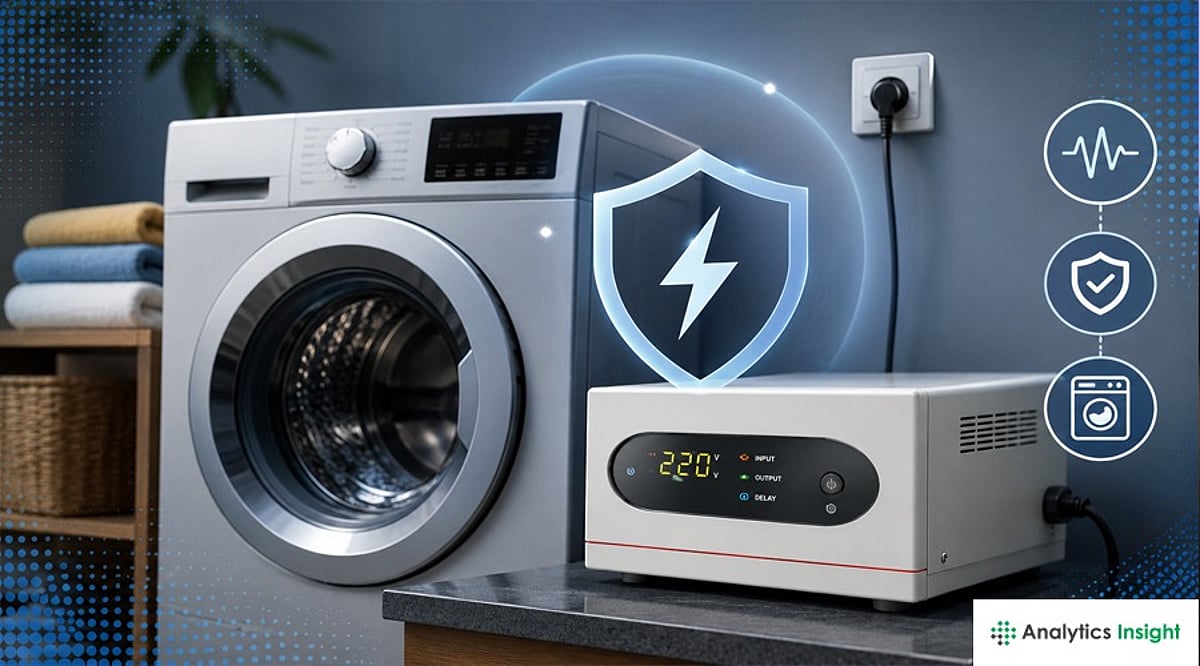
  • Top Voltage Stabilizers for Washing Machines in India 2026: Expert Picks & Buying Guide

    Top Voltage Stabilizers for Washing Machines in India 2026: Expert Picks & Buying Guide

    Choosing a washing machine stabilizer involves more than comparing prices or brand names. The right unit should match the appliance’s power requirements and handle local voltage variations effectively. A balanced combination of capacity, working range, and protection features delivers dependable performance over time.

    Washing machines with digital control boards and inverter motors are increasingly damaged by unstable voltage in Indian homes, often gradually rather than in one dramatic surge, making a stabilizer a practical protective purchase rather than a luxury add-on. The right stabilizer isn’t about brand recognition. It comes down to three factors: whether the working voltage range actually covers local fluctuation severity, whether the capacity (kVA/amperage) matches the machine’s real load, and whether it uses relay or digital correction and copper or aluminum winding.

    Ten specific models across price points (roughly Rs. 1,600–5,000) are compared on these factors, from budget aluminum-wound units for stable-grid homes to wide-range digital models built for rural or older-grid areas with deep voltage drops.

    Do You Actually Need One?

    Not every home does. Stable 220–240V power with no dimming when appliances start up means a stabilizer sits low on the priority list. It matters more if the area sees frequent brownouts or if the machine is a newer inverter model with a digital control board. Some manufacturer warranties exclude damage caused by unstable voltage, so checking the machine’s own warranty card is worth the five minutes.

    How to Choose

    • Mild Voltage Fluctuations: Go for a 200–240 V or 150–280 V stabilizer. Good options are the Everest EW-2KVA or V-Guard VM 500.
    • Moderate Voltage Fluctuations: Pick a 130–280 V model, like Bluebird or Servokon SKW 213C.
    • Severe Rural Voltage Fluctuations: Areas with big power swings need a wide-range stabilizer. The Servokon SKW 290C works well here, since it starts as low as 90 V.
    • Check the Appliance Wattage: Before you buy, look at the nameplate on your washing machine. It will tell you the exact wattage you need to match.
    • Choose Extra Capacity: Don’t buy a stabilizer that just matches the wattage. Get one rated 25–30% higher. Washing machines draw extra power when they start up, and this buffer keeps the stabilizer safe.

    Relay vs Digital, Copper vs Aluminum

    Relay stabilizers correct voltage in steps and cost less. A washing machine motor tolerates that fine, unlike a TV panel. Digital units correct faster and more precisely, which helps the most where dips are short and frequent. The price gap is usually small, so digital is the safer default. Copper-wound transformers also run cooler and last longer under sustained load than aluminum, at a modest premium. Aluminum is not a safety compromise, just a durability one, and it is the first place to check if a listing seems cheap for its stated range.

    Best Picks Comparison Table

    Model Operating Range Capacity Winding Type Approx. Price
    V-Guard VM 500 150V–280V 15A Copper Digital Rs. 2,500
    Microtek Pearl EM4160+ 160V–285V 2kVA Copper Digital Rs. 3,200
    Bluebird BW 213A 130V–280V 2kVA Aluminum Relay Rs. 2,000
    Bluebird BR 113C 130V–280V 1kVA Copper Relay Rs. 1,800
    Servokon SKW 213C 130V–270V 2kVA Copper Digital Rs. 2,800
    Servokon SKW 290C 90V–270V 2kVA Copper Digital Rs. 4,500
    Rahul V-444 C1 100V–280V 1kVA Copper Relay Rs. 1,600
    Everest EW-2KVA 200V–240V 2kVA Aluminum Relay Rs. 1,200
    Aulten AD019 160V–280V 5000VA Copper Digital Rs. 5,000
    Giomex GMX1KV-AL 150V–280V 1kVA Aluminum Relay Rs. 1,400

    Short on Time? The V-Guard VM 500 covers most homes, the Servokon SKW 290C is the better call for severe rural voltage swings, and the Giomex GMX1KV-AL is the pick when budget matters most.

    Detailed Reviews

    V-Guard VM 500

    The V-Guard VM 500 is a popular choice for washing machines, supporting loads up to 15A with a 150V–280V operating range. It includes a three-year warranty, time-delay protection, and digital monitoring, making it suitable for homes experiencing regular voltage fluctuations.

    Pros: Wide brand support and service network, 150–280V range covers most urban conditions, 3-year warranty
    Cons: Reviews are genuinely mixed, with some buyers reporting weak correction or a cracked casing over time

    Microtek Pearl EM4160+

    Designed primarily for air conditioners, the Microtek Pearl EM4160+ is also widely used with washing machines thanks to its 160V–285V working range. Its digital display and on-site service support make it a practical option for household appliance protection.

    Pros: Digital display, on-site service claim within 24–48 hours, wide 160–285V range
    Cons: Built as an AC stabilizer first, and some reviewers report weak correction, so buy from a seller with easy returns

    Bluebird BW 213A

    The Bluebird BW 213A is a 2kVA aluminum-wound stabilizer with a 130V–280V input range. It offers dependable voltage protection for washing machines while keeping costs affordable, making it a practical mid-range choice for everyday household use.

    Pros: Solid 130–280V range, 2kVA capacity, affordable mid-range price
    Cons: Aluminum winding runs warmer than copper under sustained load

    Bluebird BR 113C

    Featuring copper winding and a 1kVA capacity, the Bluebird BR 113C provides better heat dissipation than aluminum alternatives. Its 130V–280V operating range makes it well suited for washing machines in areas with moderate voltage fluctuations.

    Pros: Copper winding at a near-budget price, moderate-range coverage
    Cons: 1kVA capacity is on the lower side for a heavily loaded appliance

    Servokon SKW 213C

    The Servokon SKW 213C combines digital voltage correction with copper winding and a 2kVA capacity. Operating between 130V and 270V, it responds quickly to short voltage dips, helping protect modern washing machines from unstable power conditions.

    Pros: Digital correction plus copper winding, 2kVA capacity
    Cons: Less established brand recognition and service network than V-Guard or Microtek

    Servokon SKW 290C

    With an extra-wide 90V–270V operating range, the Servokon SKW 290C is ideal for regions experiencing severe voltage drops. Its digital circuitry and copper winding provide reliable protection for washing machines in rural and low-voltage areas.

    Pros: Widest working range on this list, digital plus copper build
    Cons: Priced above narrower-range models for the capacity most urban homes won’t use

    Rahul V-444 C1

    The Rahul V-444 C1 is a 1kVA copper-wound relay stabilizer featuring a 100V–280V working range. Its five-step voltage correction offers dependable protection for washing machines while remaining an affordable option for everyday household requirements.

    Pros: Copper winding, wide 100–280V range, affordable
    Cons: Step-based correction is coarser than fully digital models

    Everest EW-2KVA

    The Everest EW-2KVA is a basic relay stabilizer designed for homes with relatively stable electricity. Its 200V–240V operating range suits areas with only minor voltage fluctuations, offering reliable protection at an entry-level price.

    Pros: Lowest price point on this list, simple and reliable for mild swings
    Cons: Narrowest range here, so it cuts off during deeper voltage drops

    Aulten AD019

    The Aulten AD019 is a 5000VA digital stabilizer designed for households that want one unit to support multiple appliances. Its 160V–280V operating range and high capacity make it suitable for demanding home electrical setups.

    Pros: High 5000VA capacity covers washing machine plus microwave or treadmill on one unit
    Cons: Oversized and priced accordingly if only used for a washing machine alone

    Giomex GMX1KV-AL

    The Giomex GMX1KV-AL is a budget-friendly 1kVA aluminum-wound stabilizer operating between 150V and 280V. It delivers dependable voltage protection for washing machines and other small appliances while offering good value for cost-conscious buyers.

    Pros: Low price, decent 150–280V range for the cost
    Cons: Aluminum winding and 1kVA capacity make it better suited to a second machine than a primary appliance guard

    FAQs

    1. Does a washing machine need a voltage stabilizer? A voltage stabilizer is recommended in areas where power fluctuations are common. It helps protect the washing machine’s electronic components and motor from sudden voltage spikes and drops.
    2. Which capacity stabilizer is suitable for a washing machine? Most household washing machines work well with a 1kVA to 2kVA stabilizer. Always check the appliance’s power rating and the manufacturer’s recommendations before choosing one.
    3. Can one stabilizer be used for multiple appliances? Some high-capacity stabilizers are designed to support multiple appliances, but a washing machine performs best with a stabilizer that matches its specific power requirements and load.
    4. What features should be considered when buying a washing machine stabilizer? Look for a wide input voltage range, adequate capacity, overload protection, auto cut-off, time-delay function, and reliable build quality. These features provide better protection during unstable power conditions.
    5. Which is better for a washing machine: a relay stabilizer or a digital stabilizer? Relay stabilizers are affordable and suitable for normal household use. In contrast, digital stabilizers offer faster voltage correction and more precise protection, making them a better choice in areas with frequent voltage fluctuations.

    Final Thoughts

    Choosing a stabilizer is less about buying another appliance and more about protecting the one already in the laundry room. Most failures blamed on the washing machine actually start at the wall socket, in swings small enough to go unnoticed for months. Matching the stabilizer to actual local voltage conditions, rather than defaulting to the most popular listing online, is what decides whether that protection pays off years down the line.

  • Top-Rated Smoke Detectors and Dual Alarms for Every Home in 2026

    Top-Rated Smoke Detectors and Dual Alarms for Every Home in 2026

    A smoke detector is one of the most important safety devices you can have at home. It gives you an early warning if smoke is detected, helping you act before a fire becomes dangerous. Many new models can also detect carbon monoxide, a gas you cannot see or smell. Some even send alerts to your phone when you are away.

    Today, there are many options to choose from. Some are simple battery-powered units, while others come with Wi-Fi and smart features. To help you pick the right one, we compared some of the best smoke detectors and dual alarms available.

    Best Smoke Detectors and Dual Alarms Compared

    The models below offer different features for different homes and budgets. Looking at the list, it is easy to see that every model is made for a different need. If you want a simple smoke detector, there are affordable choices. If you want more safety features, smart dual alarms are worth considering.

    • NOTOFIRE® Smoke Detector: A good option for small homes and apartments. It is easy to install and gives a loud warning when smoke is detected. It is also one of the most affordable models on this list.
    • HIKVISION HF-S2E Photoelectric Smoke Detector: Prioritizes rapid smoke detection. It is suitable for both homes and offices and is built for reliable everyday use.
    • ROCKTECH Smart Smoke Detector: A good choice if you want smart home features. It connects to Wi-Fi and sends alerts to your phone. This can be useful if you travel often or spend long hours away from home.

    Which Smoke Detectors Would I Recommend?

    If I had to choose only one, I would go with the First Alert Smoke and Carbon Monoxide Detector Battery Powered. It provides two types of protection in a single device and is easy to install. I think it offers the best mix of safety, price, and ease of use for most homes.

    The next choice will be the Kidde Hardwired Smart Smoke and Carbon Monoxide Detector. The first reason that I liked the smoke detector is its features and a hardwired power supply. The voice alerts and phone notifications add extra peace of mind. It is a great choice for bigger homes.

    Aside from these two, if I have to pick another, my third pick will be the ROCKTECH Smart Smoke Detector. This one is easy to install and sends alerts to your phone. I feel it offers good value for buyers who want smart features without spending too much.

    Final Thoughts

    A smoke detector is a small device that can make a big difference during an emergency. It gives you more time to react and helps protect your family. A dual alarm adds even more safety by detecting carbon monoxide.

    For most people, the First Alert Smoke and Carbon Monoxide Detector Battery Powered is the best overall choice. It is simple and reliable, and it offers two important safety features. If you want smart features and a hardwired setup, the Kidde model is worth buying. Buyers looking for an affordable smart detector should also consider the ROCKTECH Smart Smoke Detector.

    Take a little time to compare the features before buying. The right smoke detector can help keep your home and your loved ones safe for years.

    FAQs

    Which smoke detector is the best for most homes?

    The First Alert Smoke and Carbon Monoxide Detector Battery Powered is a great choice for most homes. It detects both smoke and carbon monoxide, is easy to install, and offers dependable everyday protection.

    Should I buy a smoke detector or a dual alarm?

    A dual alarm is usually the better option because it detects both smoke and carbon monoxide. It provides wider protection and removes the need to install two separate safety devices.

    Are smart smoke detectors worth the extra cost?

    Yes. Smart smoke detectors send alerts directly to your phone, so you can be notified about smoke or fire even when you are away from home. This adds extra peace of mind.

    How often should I replace a smoke detector?

    Most manufacturers recommend replacing a smoke detector every 10 years. You should also test the alarm regularly and replace the batteries whenever the low-battery warning sounds.

    Can I install a smoke detector by myself?

    Yes. Most battery-powered and Wi-Fi smoke detectors are easy to install with the included hardware. Hardwired models are best installed by a qualified electrician for safe and proper setup.