Tag: Inflation

  • How Federal Reserve Policy Moves Bitcoin Prices: Rates, Inflation, and Liquidity Explained

    How Federal Reserve Policy Moves Bitcoin Prices: Rates, Inflation, and Liquidity Explained

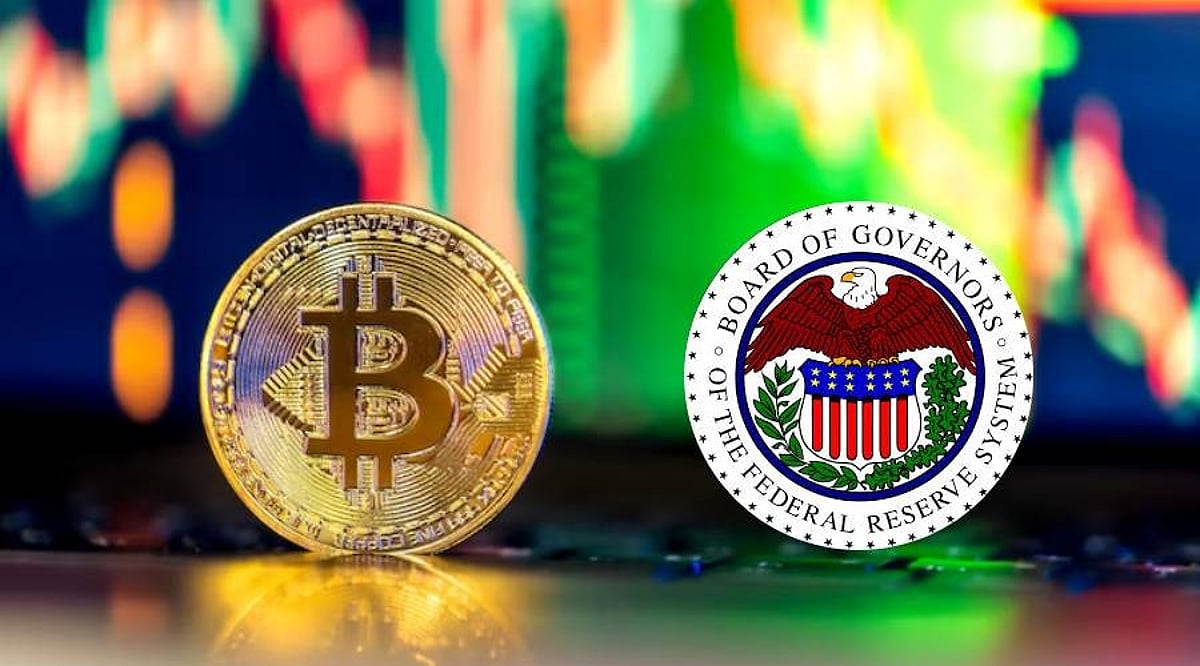
    Bitcoin was designed to operate outside the control of any central authority, including the U.S. Federal Reserve. Yet in practice, the cryptocurrency’s market price remains tightly linked to the Fed’s policy decisions. Interest rates, liquidity conditions, inflation expectations, and bond yields all shape how investors allocate capital between Bitcoin and traditional financial assets.

    Fed’s September Rate Hike and Its Impact on Bitcoin

    On September 16, 2026, the Federal Reserve raised its target federal funds rate by 25 basis points to a range of 3.75%–4.00%. Citing persistently elevated inflation, the central bank said the move was intended to steer inflation back toward its 2% objective. For Bitcoin, the decision is significant because interest rates directly affect the returns available from other investments.

    Why Higher Rates Can Pressure Bitcoin

    Bitcoin does not yield contractual interest. When Treasury bills, bonds, and cash-equivalent instruments offer higher yields, investors can earn meaningful returns without taking on the price volatility inherent in cryptocurrencies. Higher borrowing costs also tend to reduce liquidity across the financial system and discourage leveraged speculation. These conditions can create downward pressure on risk assets, including equities and digital currencies. As institutional participation in Bitcoin grows, macroeconomic variables increasingly influence BTC in tandem with conventional markets.

    Why Lower Rates Can Encourage Risk-Taking

    When monetary policy becomes less restrictive, the dynamic shifts. Declining interest rates reduce the yields on cash and short-term government securities, prompting investors to seek higher returns in stocks, commodities, and cryptocurrencies. Easier access to credit further improves overall liquidity. However, Bitcoin does not automatically rally when rates fall. Regulatory news and other crypto-specific developments can sometimes overshadow the impact of lower rates.

    Inflation: A Double-Edged Sword for Bitcoin

    Bitcoin’s fixed maximum supply of 21 million coins has led many to compare it to scarce assets like gold. Persistent inflation can therefore strengthen Bitcoin’s appeal as a hedge against currency debasement. But unexpectedly high inflation can also prompt the Fed to raise rates, creating a tug-of-war: a stronger scarcity narrative versus tighter monetary conditions. These competing forces make Bitcoin’s response to inflation complex and sometimes unpredictable.

    Other Drivers of Bitcoin’s Price

    Federal Reserve policy is just one factor among many. Spot ETF flows, institutional adoption, regulatory developments, leverage levels, mining economics, and Bitcoin’s roughly four-year halving cycle all contribute to crypto-specific supply and demand dynamics. This is why Bitcoin does not maintain a permanent inverse relationship with interest rates. Sometimes crypto-native catalysts outweigh the influence of monetary policy.

    Key Takeaways

    • Higher interest rates make yield-bearing assets more attractive and can reduce appetite for volatile investments like Bitcoin.
    • Lower rates and easier liquidity conditions generally support risk assets, but Bitcoin’s response is not guaranteed.
    • Inflation boosts Bitcoin’s scarcity narrative but may also trigger rate hikes that pressure prices.
    • ETF flows, regulation, mining economics, and halving cycles are equally important price drivers.

    Frequently Asked Questions

    1. How do Federal Reserve interest rates affect Bitcoin?

    Higher rates make bonds and cash-like assets more attractive while increasing borrowing costs and tightening liquidity. These conditions can reduce investor appetite for volatile assets such as Bitcoin.

    2. Why can lower interest rates support Bitcoin prices?

    Lower rates reduce yields on cash and short-term government securities while potentially improving financial-system liquidity. This can encourage investors to increase exposure to risk assets, including cryptocurrencies.

    3. Does Bitcoin always fall when the Federal Reserve raises rates?

    No. Bitcoin is also influenced by ETF flows, institutional demand, regulation, leverage, and crypto-specific market conditions. These factors can sometimes outweigh the effects of tighter monetary policy.

    4. How does inflation affect Bitcoin?

    Bitcoin’s maximum supply of 21 million BTC supports its scarcity narrative during periods of inflation. However, persistent inflation can also trigger higher interest rates, potentially creating pressure on Bitcoin and other risk assets.

    5. What other factors influence Bitcoin besides Federal Reserve policy?

    Spot Bitcoin ETF flows, institutional adoption, mining economics, regulation, market liquidity, and Bitcoin’s halving cycle can all affect BTC. Monetary policy is therefore one important factor rather than a standalone price indicator.

  • S&P Global Ratings Upgrades India’s FY27 GDP Forecast to 7%; RBI Rate Hike Expected

    S&P Global Ratings Upgrades India’s FY27 GDP Forecast to 7%; RBI Rate Hike Expected

    S&P Global Ratings raised India’s GDP growth forecast for fiscal year 2027 (FY27) to 7% on September 23, 2026, up from the previous estimate of 6.6%. The upgrade reflects stronger-than-expected economic activity, driven by robust consumption, industrial output, goods exports, and government investment.

    The ratings agency also expects the Reserve Bank of India (RBI) to implement a 25-basis-point rate hike during FY27, citing persistent inflation pressures and strong growth momentum. India recorded 7.8% growth in the June quarter, supporting the upward revision.

    S&P forecasts consumer inflation to average 5.1% in FY27, which could influence the RBI’s monetary policy. The agency noted that the balance of considerations is shifting toward higher interest rates, with risks from West Asia tensions and weather conditions adding to the outlook.

    Weather remains a concern, as cumulative rainfall stood 15% below normal through early September, potentially pressuring agricultural output and food inflation. Higher energy prices could further strain the rupee and inflation.

    The latest S&P forecast is above the RBI’s own projection of 6.7% and Fitch Ratings’ estimate of 6.4%, but aligns with Moody’s expectation of 7% growth for India in FY27. Looking ahead, S&P expects India’s growth to reach 7.2% in FY28 before easing to 7% in FY29, with domestic consumption and investment remaining central to the trajectory.

  • Crypto in 2026: The Macro Forces Shaping Bitcoin and Ethereum Markets

    Crypto in 2026: The Macro Forces Shaping Bitcoin and Ethereum Markets

    Crypto stopped trading on its own terms a while back. Bitcoin and Ethereum now move with the same signals that shake stocks and bonds: interest rates, inflation, the dollar, and job numbers. The thread connecting all of it is liquidity. Fed policy shifts financial conditions, and financial conditions decide how much capital investors are willing to put into assets that don’t pay a yield.

    The Fed’s Rate Hike Resets Expectations

    On September 16th, the Federal Reserve raised its benchmark rate by 25 basis points to a range of 3.75% to 4.00%. It was the first hike in three years, and the vote was unanimous. For most of 2026, the conversation had centered on when rate cuts might arrive. That conversation flipped. The Fed’s updated projections showed roughly 16 of 18 officials expecting at least one more increase before the year ends.

    For crypto, this matters in a direct way. Low rates loosen liquidity and push investors toward riskier assets. High rates tighten it and pull money toward safer ground. A hiking cycle raises the cost of holding something like Bitcoin, which pays no interest while it sits in a wallet.

    Inflation and Jobs Data Set the Pace

    Inflation numbers don’t just move markets for a single trading session. They shift expectations around future rate decisions, and those expectations shape how funds position their crypto exposure for weeks or months afterwards. The Fed’s own statement pointed to inflation still running well above its 2% target, which was the core justification for the hike.

    Jobs data plays a similar role from a different angle. In August, US employers added 162,000 jobs, and unemployment held at 4.1%. A steady labor market gives the Fed room to keep policy tight if inflation stays sticky. Weaker numbers would pull in the opposite direction. Markets watch this release as closely as the rate decision itself.

    Dollar and Treasury Yields Quietly Set the Tone

    Bitcoin tends to weaken when the dollar strengthens, particularly when that strength reflects tighter financial conditions in the US. The link isn’t fixed or permanent, but it shows up often enough to matter.

    Treasury yields work through a similar mechanism. When government bonds pay more, they raise the bar for what a riskier asset needs to offer before it looks worth holding. That’s the opportunity cost at work: money doesn’t sit idle, but it goes wherever the return looks strongest relative to the risk.

    Oil Prices Add a Second Layer

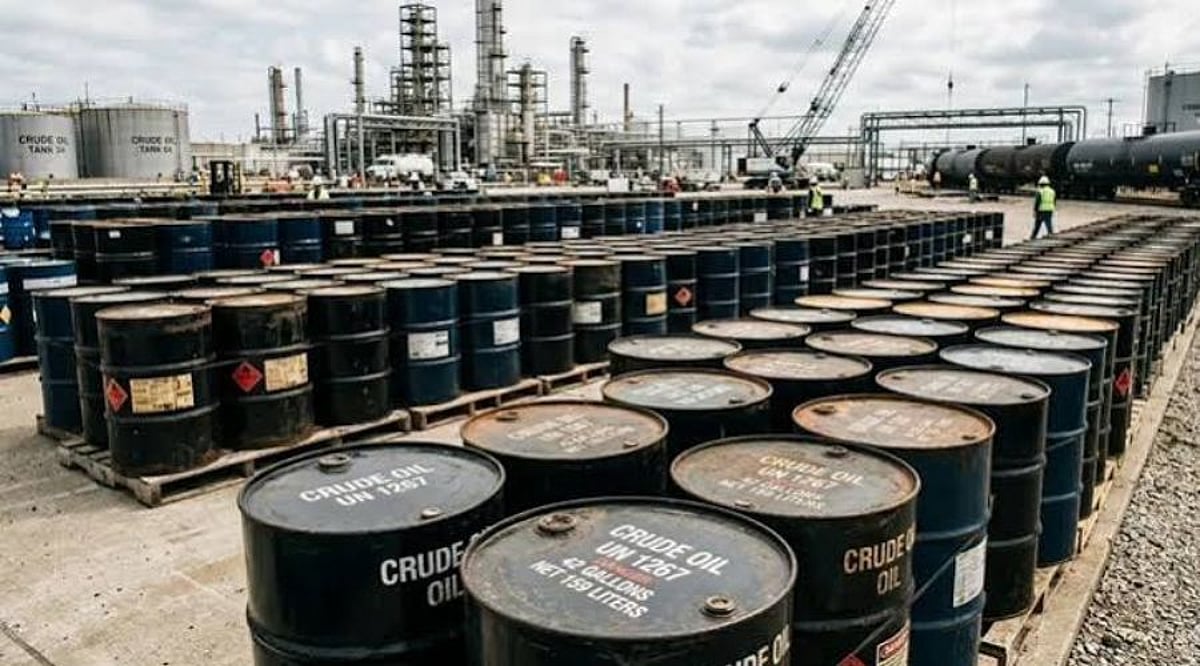
    Oil doesn’t move Bitcoin on its own. It moves inflation first. Higher oil prices push inflation expectations up, which pushes the Fed toward holding rates or hiking further, which keeps liquidity tight, which then filters into how much capital flows into crypto. It’s a chain, not a straight line.

    Brent crude has traded above USD 100 a barrel through September, driven largely by supply disruptions tied to conflict in the Middle East. That pressure fed directly into the inflation numbers behind the Fed’s decision this month.

    Crypto Still Writes Its Own Chapters

    Macro conditions set the weather. What happens inside individual crypto assets is a separate story. Spot Bitcoin ETF flows, stablecoin liquidity, on-chain activity, protocol revenue, and regulatory moves all shape how a given token performs, sometimes independent of what the Fed just announced. A project with strong fundamentals can hold its ground even when the broader backdrop turns hostile, and a weak one can fall further even when conditions ease.

    Anyone tracking this space needs to watch several signals together rather than one in isolation. Fed decisions set the monetary tone. Inflation and jobs data shape what comes next. The dollar and Treasury yields reveal the state of financial conditions more broadly. Oil adds a layer of inflation risk that can arrive from outside the usual channels. And on the crypto side, ETF flows, stablecoin activity, and regulatory shifts explain why one asset can diverge sharply from the pack.

    Final Thought

    The next real test isn’t the September hike itself but whether the Fed follows through in December. A second increase would confirm a genuine shift in the rate cycle rather than a one-off correction, and that distinction will matter more to crypto positioning than any single headline number this year.

  • Beyond Interest Rates: 5 Key Drivers of Stock Market Movements

    Beyond Interest Rates: 5 Key Drivers of Stock Market Movements

    Interest rates often dominate financial headlines, but they are far from the only force influencing stock markets. Corporate earnings, inflation, commodity prices, geopolitical events, currencies, investor sentiment, and capital flows all play significant roles. Understanding these factors helps investors interpret market movements and avoid relying on a single indicator.

    1. Corporate Earnings and Profit Expectations

    Corporate earnings are one of the strongest drivers of individual stock prices. Investors constantly compare reported results with market expectations. A company can report higher profits and still see its shares fall if earnings disappoint against already-high expectations. Revenue growth, profit margins, guidance, and future earnings estimates all matter. Strong results can support valuations when investors expect continued growth, while disappointing results can put pressure on share prices. The broader market also depends on earnings across major sectors such as technology, financials, healthcare, energy, and consumer companies.

    2. Inflation and Economic Data

    Investors track consumer prices, employment, wages, manufacturing, and economic growth. These reports can change expectations about future business conditions. Higher inflation can increase companies’ costs, pressuring profit margins, while lower inflation can improve purchasing power and reduce pressure on operating costs. Economic growth also matters: strong growth supports corporate revenue and consumer spending, while weak growth raises concerns about future earnings. Markets react quickly to major economic releases.

    3. Commodity Prices and Energy Costs

    Oil, natural gas, metals, and agricultural commodities can influence markets worldwide. Oil is particularly important as energy affects transportation and manufacturing costs. Higher prices can squeeze margins across industries such as airlines, chemicals, logistics, and manufacturing. Energy producers may experience a different earnings impact. Commodity movements also affect inflation expectations, creating another channel for market volatility. Recent oil price movements above USD 108 per barrel amid geopolitical tensions have put global equities under pressure.

    4. Geopolitical Events and Government Policies

    Wars, trade restrictions, elections, sanctions, and diplomatic disputes can quickly change investor expectations. Markets often react before the economic consequences become clear. Investors may reduce exposure to sectors facing direct risks. Trade policies can affect companies operating across borders—tariffs may increase costs or reduce demand for exported products. Geopolitical risks can also disrupt energy supplies and shipping routes, spreading across multiple economies. Energy prices and trade policies are extremely important in today’s situation.

    5. Investor Sentiment, Currency, and Market Flows

    Markets are influenced by how investors allocate capital. Foreign investment flows can affect stock prices, particularly in emerging markets, while domestic institutional flows can provide substantial buying or selling pressure. Currency movements matter for companies with international revenues or costs—a stronger local currency can reduce overseas earnings after conversion. Investor sentiment adds another layer: fear can accelerate selling, while optimism can increase demand for riskier assets. Market positioning can sometimes amplify an otherwise modest news event, explaining why similar announcements can produce different reactions.

    Why a Wider Market View Matters

    Interest rates are important, but they rarely explain every market move. Corporate earnings show whether businesses are generating profits. Economic data provides clues about demand and growth, while commodity prices reveal changing cost pressures. Geopolitical events can alter trade and supply chains. Currency movements and investor flows influence liquidity and valuations, and sentiment can magnify these underlying forces. By watching several indicators, investors gain better context—since no single market signal explains every rise or decline.

    Frequently Asked Questions

    What factors move the stock market besides interest rates?

    Corporate earnings, inflation, economic growth, commodity prices, currencies, geopolitical developments, investor sentiment, and capital flows can all influence stock markets. These factors often interact, making market movements more complex than a single interest-rate decision.

    How do corporate earnings affect stock prices?

    Earnings provide information about a company’s financial performance. Investors compare reported results with expectations. Strong revenue, profits, margins, and guidance can support valuations, while disappointing results can put pressure on share prices.

    Does inflation affect the stock market?

    Yes. Inflation can increase business costs and reduce consumer purchasing power. It can also influence expectations for monetary policy, affecting company earnings, bond yields, and investor valuations.

    Why do oil prices affect stocks?

    Oil is an important input for transportation, manufacturing, and several other industries. Rising prices can increase operating costs, while energy companies may see higher revenue from increased commodity prices.

    How do geopolitical events affect stock markets?

    Wars, sanctions, trade restrictions, and supply disruptions can change investor expectations. They affect energy prices, shipping costs, currencies, and specific industries. Markets can react before the full economic impact becomes visible.

    Disclaimer: This article is provided for informational purposes only and does not constitute investment advice. Readers should conduct their own research before making any investment decisions.

  • Oil Price Slide Lifts Wall Street Futures as Inflation Worries Cool

    Oil Price Slide Lifts Wall Street Futures as Inflation Worries Cool

    US stock futures moved higher on Friday, led by the NASDAQ 100, as falling oil prices helped ease inflation concerns after a volatile week for financial markets.

    Futures Rally at the Open

    At 7:00 a.m. ET, NASDAQ 100 E-minis were up 166.25 points, or 0.56%. S&P 500 E-minis rose 21.5 points, or 0.13%, while Dow E-minis added 83 points, or 0.16%. The gains followed Thursday’s rebound, when major US indexes recovered part of the losses triggered by the Federal Reserve’s latest rate increase.

    Oil Prices Ease for a Third Straight Session

    Brent crude and US West Texas Intermediate futures dropped nearly 2% each on Friday. Although tensions between Saudi Arabia and Yemen’s Iran-backed Houthis kept supply risks in focus, lower crude prices helped reduce pressure on inflation expectations. Energy costs are closely watched because higher fuel and transport expenses can feed into consumer prices.

    Oil had already weakened on Thursday, with US crude closing 0.51% lower at USD 101.91 per barrel and Brent falling 0.95% to USD 104.82. Reports that Saudi Arabia would make more crude cargoes available to Asian refiners also eased concerns about near-term supply.

    Treasury yields also retreated. The 10-year US Treasury yield fell more than seven basis points to 4.93% on Thursday after moving above 5% following the Fed’s rate decision.

    Tech Stocks Anchor the Recovery

    Technology stocks remained a key source of strength. NVIDIA rose about 1% in premarket trading on Friday, while Alphabet gained around 2%. Apple slipped 0.2%. On Thursday, NVIDIA and Amazon added more than 2% each, Microsoft advanced 1.5%, Intel jumped 7% and Qualcomm rose about 2%.

    The Dow Jones Industrial Average ended Thursday up 316.14 points, or 0.61%, at 51,778.04. The S&P 500 climbed 1.14% to 7,637.76, while the NASDAQ Composite rose 1.69% to 26,418.30.

    AI Spending and Earnings Concerns

    Investors continued to assess the outlook for artificial intelligence spending after several industry executives called for slower development of advanced AI systems. Goldman Sachs chief US equity strategist Ben Snider said concerns had emerged that strong corporate earnings could represent an “earnings bubble.” However, he wrote that the firm’s base case expects S&P 500 earnings growth to “decelerate, not collapse” in coming years.

    Mixed Fund Flows and Market Breadth

    Investor positioning presented a mixed picture. Bank of America data showed investors added a net USD 79.3 billion to stocks in the week through Wednesday, including USD 63.8 billion directed toward US equities. However, separate LSEG Lipper data showed global equity funds recorded USD 23.21 billion in net withdrawals in the week through September 16 — the largest weekly outflow in nine months. US equity funds recorded USD 31.44 billion in withdrawals.

    Technology, financial and consumer discretionary funds still attracted new money, with combined sector inflows helping equity sector funds record their strongest weekly demand in six weeks. Market breadth remained uneven: just over half of S&P 500 companies were trading below their 200-day moving averages, showing that gains in major indexes remained concentrated in a smaller group of stocks.

    Trading activity could also increase on Friday because of “triple witching,” the quarterly expiry of stock options, index options and futures contracts.

  • Fed Signals Tougher Inflation Fight: Markets Anticipate Short-Lived Rate Hikes

    Fed Signals Tougher Inflation Fight: Markets Anticipate Short-Lived Rate Hikes

    US stock futures crept higher on Monday as investors turned their focus to the Federal Reserve’s upcoming rate decision, weighing persistent inflation, rising Treasury yields, and the broader interest rate outlook.

    Market Moves Ahead of Fed Decision

    S&P 500 futures climbed 0.2%, Dow futures edged up 0.1%, and Nasdaq futures added 0.4%. The modest gains came as market participants braced for a possible rate hike. Inflation remains stubbornly above the Fed’s 2% target, keeping pressure on the central bank to act.

    The 10-year US Treasury yield hovered near 5% after briefly touching 5.04%, its highest level in years. Higher yields typically increase borrowing costs for businesses and households and make bonds more attractive relative to equities. Meanwhile, oil prices added another layer of concern: Brent crude traded at $107.61 a barrel and US crude at $103.70.

    At first glance, rising stocks alongside the prospect of higher rates may seem counterintuitive. However, investors had already priced in a rate increase, muting the immediate impact. Market attention is now shifting to what comes after the first move.

    The Real Question: Duration of Tightening

    A single rate hike does not reveal how long borrowing costs will remain elevated. If inflation stays sticky, the Fed could keep rates high for an extended period. If price pressures ease and economic growth slows, the tightening cycle could prove short-lived.

    Investors will focus on upcoming inflation reports, jobs data, oil price trends, and consumer spending figures. The immediate rate decision is only one piece of a larger puzzle. The bond market and inflation trajectory will ultimately determine whether this becomes a drawn-out phase or a brief adjustment.

    Also read: Crude Oil Prices Rise as US-Iran Escalation Revives Supply Fears, Brent Holds Above $70

  • Indian Stocks Plunge: Sensex Drops 778 Points, Nifty Hits 5-Month Low on Crude Surge

    Indian Stocks Plunge: Sensex Drops 778 Points, Nifty Hits 5-Month Low on Crude Surge

    Indian stock markets ended sharply lower on Tuesday, with the BSE Sensex falling 777.94 points (1.04%) to close at 74,003.82, while the NSE Nifty dropped 279.50 points (1.19%) to 23,118.60—its lowest close since April 6. The selloff was driven by surging crude oil prices, elevated global bond yields, rate hike fears, and weak global market sentiment.

    Markets had opened higher, with the Nifty trading near 23,495 and the Sensex above 75,100, but selling pressure intensified later in the session. The Sensex settled at a three-month low.

    Oil Prices and Rate Hike Fears Weigh on Sentiment

    Brent crude traded above USD 107 per barrel during the session, while WTI crude remained above USD 102. India, a major crude importer, remains highly sensitive to energy price spikes. Higher oil prices raise import costs, fuel inflation, and put pressure on the rupee, which weakened against the U.S. dollar.

    Vinod Nair, Head of Research at Geojit Investments Limited, said, “Domestic markets remained under pressure, extending their recent correction as elevated crude oil prices and rising global bond yields weighed on sentiment.” He added that expectations of tighter monetary policy also kept investors cautious, with U.S. Treasury yields near multi-year highs.

    Bharat Electronics Leads Losses; IT Stocks Buck Trend

    Bharat Electronics was the biggest loser among Sensex stocks, falling about 6%. Other laggards included InterGlobe Aviation, Titan, Bajaj Finserv, Adani Ports, Mahindra & Mahindra, and State Bank of India. Selling spread across banking, auto, energy, and metal sectors.

    However, information technology stocks rallied. HCL Technologies rose 3.98%, Infosys gained 3.64%, Tech Mahindra advanced 2.31%, and Tata Consultancy Services climbed 2.18%. According to Nair, IT stocks benefited from recent comments suggesting slower development of advanced AI, easing concerns about disruption to traditional tech services.

    Global Markets Add Pressure

    Asian markets ended lower: South Korea’s Kospi, Japan’s Nikkei 225, China’s Shanghai Composite, and Hong Kong’s Hang Seng all closed in negative territory. European markets traded lower, while U.S. stocks ended Monday with losses.

    Hariselvan Radhakrishnan, Founder and CEO of HST Wealth, commented, “Indian equities suffered a sharp reversal on Tuesday, surrendering their opening gains as Brent crude hovered near USD 107.40 a barrel, US bond yields remained elevated and investors adopted a cautious stance ahead of the Federal Reserve’s policy decision.”

    Foreign institutional investors sold shares worth Rs 930.90 crore on Friday, according to exchange data. The Indian equity market was closed Monday for Ganesh Chaturthi.

    Going forward, investors will track crude oil prices, the Federal Reserve’s policy decision, global bond yields, foreign fund flows, and geopolitical developments for market direction.

  • Oil Prices Surge Above $100, Fueling UK Inflation Concerns Ahead of Bank of England Rate Decision

    Oil Prices Surge Above $100, Fueling UK Inflation Concerns Ahead of Bank of England Rate Decision

    Oil prices climbed above $100 per barrel on Monday as Middle East attacks, Saudi pipeline disruptions, and shipping risks raised supply concerns. The surge has revived speculation that the Bank of England could raise interest rates later this year as higher energy costs add to UK inflation pressures.

    Oil Prices Rise as Saudi Pipeline Remains Shut

    Brent crude futures rose about 2.8% to $107.54 a barrel in early Monday trading, while West Texas Intermediate gained 2.9% to $102.93. Both benchmarks remained above $100 after oil gained about 8% last week. Saudi Arabia temporarily shut its East-West Pipeline after a drone attack. The route carries crude from the Arabian Gulf to the Red Sea port of Yanbu and allows Saudi exports to avoid the Strait of Hormuz. Industry sources said the outage could place up to 4% of global oil supply at risk if the pipeline stays offline.

    Shipping Risks Grow Around Hormuz and Bab el-Mandeb

    Tensions also rose around the Strait of Hormuz after a projectile struck a vessel on Sunday. The UK Maritime Trade Operations said the incident caused a fire and forced the crew to abandon the ship. Iranian authorities later said an unidentified munition hit an Iranian commercial vessel off the country’s coast. Meanwhile, Houthi forces reached Perim Island near the Bab el-Mandeb Strait, another major oil transit route, adding concern over shipping through the Red Sea. Omani Foreign Minister Badr Albusaidi announced the postponement of planned talks between Gulf states and Iran, reducing expectations of an immediate agreement on Hormuz shipping.

    Oil Surge Revives Bank of England Rate Hike Debate

    Higher oil prices have changed expectations for UK interest rates in financial markets. The Bank of England will announce its next policy decision on September 17. The bank rate currently stands at 3.75%, and the central bank has kept it unchanged since the conflict in the Middle East began earlier this year. The bank’s July meeting ended with a 6-3 vote to keep rates unchanged, while three members supported a quarter-point increase to 4%. Since then, energy prices have risen further. Markets now see a greater chance of a rate increase later this year, although a September move is still not the main expectation.

    Bailey Says Future Rate Moves Are Not Certain

    Bank of England Governor Andrew Bailey has cautioned against treating a rate increase as guaranteed. He told lawmakers that he wanted to dispel the idea that policymakers had a ‘secret plan’ for rates. He said future decisions would depend on economic data and events in the Middle East. Bailey also said market pricing included a risk premium linked to concerns about further energy price increases. At the same time, MPC member Megan Greene has raised concern that a longer oil shock could keep inflation expectations elevated. Traders will now watch UK inflation, labour market data, and oil prices before the September 17 decision.

    The outlook for crude prices remains closely tied to the East-West Pipeline, shipping security, and regional diplomacy. ING strategists said it was ‘unclear how severe any potential damage was’ to the Saudi pipeline. A faster restart or renewed Gulf-Iran talks could reduce supply concerns, while further disruptions could keep oil prices elevated.

  • Bitcoin Steady Near $77,000 as Fed Rate Hike Probability Climbs to 85%

    Bitcoin Steady Near $77,000 as Fed Rate Hike Probability Climbs to 85%

    Bitcoin held near USD 77,000 on Monday as cryptocurrency markets braced for a crucial Federal Reserve meeting this week. Rate markets now place an 85% chance on a 25-basis-point rate increase. The leading cryptocurrency traded between roughly USD 77,000 and USD 77,200 during Monday morning and remains about 6% below its three-month high above USD 82,000 set earlier this month.

    Meanwhile, Ethereum traded near USD 2,540, while Solana held above USD 101. According to CoinDesk’s market snapshot, Ethereum gained about 2.9% and Solana rose 1.4%, while Bitcoin slipped slightly.

    Fed Rate Decision Takes Center Stage

    Traders are now focused on the Federal Reserve’s September 15-16 meeting after stronger inflation data shifted expectations. August consumer prices increased 0.4% from July and 3.4% from a year earlier. As a result, interest-rate markets moved toward expecting another rate increase, with the probability of a 25-basis-point hike climbing to roughly 85% before the meeting.

    Higher rates can affect cryptocurrency markets because Treasury securities become more attractive to yield-seeking investors. At the same time, borrowing costs rise for leveraged and speculative positions. Goldman Sachs reportedly abandoned its previous forecast for unchanged rates, shifting instead toward expecting a 25-basis-point increase as persistent inflation strengthened the case for tighter policy.

    Altcoins Rise as Technology Stocks Retreat

    Crypto markets showed relative strength even as technology shares weakened. Bitcoin gained about 1% over 24 hours to roughly USD 77,800, while Ether rose about 1% to USD 2,500. In contrast, the Invesco QQQ ETF fell 1.5% in U.S. pre-market trading. South Korea’s KOSPI dropped 3%, and memory-chip producer SK Hynix declined 6%.

    Those moves followed renewed concerns about artificial intelligence development. Anthropic CEO Dario Amodei called for slower development so safety measures could catch up. OpenAI CEO Sam Altman and Elon Musk also voiced agreement. Separately, Anthropic reportedly selected Nasdaq for its expected IPO, while Altman said OpenAI would not go public in 2026.

    Bitcoin had already faced pressure from hotter inflation, rising Treasury yields and higher oil prices. Those forces repeatedly blocked attempts to reclaim the USD 80,000 level.

    Bitcoin Faces USD 81,700 Breakout Test

    Bitcoin briefly approached USD 80,000 after Friday’s consumer inflation figures before giving back much of the advance. Traders now face a narrow range before the Federal Reserve decision. CryptoQuant identified approximately USD 81,700 as the next major level Bitcoin must clear before a new bullish phase gains stronger confirmation.

    The analytics firm described Bitcoin’s underlying trend as constructive after a roughly 24% rebound across two weeks. Still, several resistance levels remain above the current price. Additional resistance sits near USD 83,600 and USD 88,700. On the downside, CryptoQuant identified USD 70,000 as a potential support level. A stronger accumulation area sits between USD 62,000 and USD 65,000. Long-term holders have accumulated about 476,000 Bitcoin around that broader zone this year.

    Can Bitcoin clear USD 81,700 while markets adjust to another Federal Reserve rate increase? For now, Bitcoin remains between resistance near USD 80,000 to USD 82,000 and major support below the current market price.

    Final Thoughts

    Bitcoin remains near USD 77,000 as traders prepare for a Federal Reserve decision that markets increasingly expect will deliver a 25-basis-point rate increase. Ethereum and Solana have outperformed Bitcoin, while USD 81,700 remains the key upside level and USD 70,000 marks important downside support.

  • Geopolitical Turmoil and Its Ripple Effects on Global Stock Markets

    Geopolitical Turmoil and Its Ripple Effects on Global Stock Markets

    Key Takeaways

    • Oil is the transmission channel: A prolonged energy disruption can raise costs, inflation, and pressure corporate profits.
    • Import-heavy economies face greater risks: Higher oil prices can weaken currencies, increase import bills, and hurt domestic demand.
    • The biggest danger is stagflation: Sustained geopolitical shocks can combine higher inflation with slower growth, complicating central-bank decisions.

    A fresh oil shock has put global stocks under pressure. Brent crude crossed USD 100 per barrel on September 9 after new U.S.-Iran military strikes and Houthi attacks on Saudi cities. Brent reached USD 100.95, its highest level since July 24.

    The Dow Jones fell 0.75%, the S&P 500 fell 0.30%, and the Nasdaq fell 0.35%. European stocks also lost ground, while gold rose 1.5% to USD 4,418 an ounce. These moves show how a geopolitical shock can reach stocks through oil, inflation, rates, trade and company profits.

    Oil Turns a Military Shock into a Market Shock

    Oil often gives the first signal after a major conflict. A threat to oil fields, ports or the Strait of Hormuz can cut supply or raise fear of a supply cut. Higher crude prices raise costs for airlines, transport firms, chemical makers and factories. Consumers can also face higher fuel and food costs.

    The current shock has a wider effect. The 10-year U.S. Treasury yield stood at 4.794% on September 9, close to a recent three-year high. Higher energy costs can lift inflation, while higher inflation can push central banks toward higher rates. Higher bond yields then put pressure on stock values, with growth stocks under more pressure than firms with strong cash flow.

    The Federal Reserve now faces a harder choice. About 70% of economists expect the U.S. central bank to hold rates at its next policy session meeting, yet confidence in that view has weakened since August. U.S. inflation data can shift that view fast. Markets also expect the Bank of Japan to raise rates on September 17–18.

    Import-Heavy Markets Face a Sharper Hit

    India offers a clear example. On September 9, the rupee fell past the 95-per-dollar mark as Brent moved above USD 100. Mumbai’s stock index fell about 0.9%. The Reserve Bank of India likely used foreign exchange action and swaps to support the rupee and manage local liquidity. The rupee closed at 95.1050 per dollar, while the one-year implied dollar-rupee yield reached 3.16%, a three-month high.

    A weaker currency can lift import costs, while higher rates can reduce demand for homes, cars and business credit. Foreign funds can also leave local markets when global risk appetite falls. The IMF has warned that commodity importers face a larger financial shock than stronger economies.

    The Bigger Risk Sits Between Inflation and Growth

    Geopolitical tensions do not always cause a long stock market decline. Markets can absorb a short conflict if oil prices fall back and trade routes stay open. The danger grows when a military crisis turns into a long energy shock.

    The IMF expects global growth at 3.1% in 2026 and 3.2% in 2027 under the assumption of a limited Middle East conflict. It also expects global inflation to rise modestly in 2026 before a decline in 2027. A longer conflict, deeper geopolitical division or fresh trade tensions could weaken growth and unsettle markets.

    The IMF’s April 2026 financial stability report points to higher energy costs, lower equity prices, higher bond yields, capital outflows, currency pressure and leverage at non-bank financial firms. It also flags high valuations in artificial intelligence stocks as a source of wider market stress.

    If oil returns below USD 100, inflation pressure may ease and stocks may regain ground. If oil stays above that level for a long period, central banks may keep rates high for longer, which can weaken stock values and business demand.

    What Matters Most for Global Stocks Now

    The Strait of Hormuz remains a key market risk. A long disruption could raise energy costs across Asia, Europe and other import-heavy regions. Freight and supply costs could also rise, which would add pressure to company margins and consumer prices. The IMF has warned that a prolonged conflict could weaken growth and raise inflation much more sharply.

    Gold has shown its role as a defensive asset, while the Japanese yen reached a seven-month high. The U.S. dollar index slipped to 98.65. These moves show that investors still seek protection, yet higher oil prices also create pressure on major economies.

    J.P. Morgan’s mid-year outlook remained constructive on equities if the energy shock stays manageable. The key risk sits where war meets inflation. A short conflict may create a sharp but limited market shock. A longer crisis could raise oil prices, lift inflation, force tougher central bank policy and slow economic growth at the same time. That chain can turn a geopolitical event into a broad financial problem.

    FAQs

    1. How do geopolitical tensions affect stock markets?

    They can increase oil prices, disrupt trade, weaken currencies, raise inflation and increase uncertainty, leading investors to reduce exposure to riskier assets.

    2. Why is a rise in oil prices bad for stocks?

    Higher oil prices increase operating and transportation costs for many companies and can reduce consumer spending, corporate margins and economic growth.

    3. Which economies are most vulnerable to an oil shock?

    Oil-importing economies are generally more exposed because higher crude prices increase import bills, inflationary pressure and currency risks.

    4. Why do higher oil prices affect interest rates?

    Expensive energy can push inflation higher. Central banks may therefore delay rate cuts or maintain tighter monetary policy, which can weigh on equity valuations.

    5. Can geopolitical tensions create a long-term stock market decline?

    Not necessarily. Markets can recover if the conflict remains contained and oil prices normalize. A prolonged energy or trade disruption poses a much greater risk to global growth and equities.