Tag: Inflation

  • Sony Raises PS5 Slim Disc Edition Price Ahead of GTA 6 Launch

    Sony Raises PS5 Slim Disc Edition Price Ahead of GTA 6 Launch

    Sony has increased the price of the PlayStation 5 Slim Disc Edition in multiple international markets, citing inflation, rising manufacturing costs, and currency fluctuations. The move comes as the company balances profitability with demand ahead of major game releases like Grand Theft Auto VI.

    The price hike affects the standard PS5 Slim Disc Edition, while other PS5 models and accessories are impacted differently depending on the region. Sony attributed the change to the difficult global economic climate affecting hardware manufacturing costs.

    Why Sony Raised PS5 Prices

    Unlike previous console generations that became progressively less expensive, the PlayStation 5 has seen several price increases since its 2020 launch. Sony pointed to ongoing inflation, rising component costs, and currency exchange rates as key factors. The company also adopted a market-specific pricing strategy, adjusting prices based on how economic conditions in each region affected operational costs.

    What the PS5 Slim Offers

    The PS5 Slim has become Sony’s most popular gaming console since replacing the original PS5. It delivers the same performance in a more compact design, featuring 1TB of internal storage and a detachable Ultra HD Blu-ray disc drive.

    Price Revision Ahead of Major Game Releases

    The latest price adjustment arrives before an anticipated surge in PlayStation 5 demand, driven by upcoming blockbuster titles such as Grand Theft Auto VI. Industry observers believe the long-awaited game could encourage more consumers to purchase the console despite the higher price point. However, analysts warn that repeated price hikes may dampen interest among budget-conscious buyers.

    What Happens Next

    Sony has not announced additional price revisions for other markets at this time. The company continues to emphasize that inflation, higher memory chip costs, and supply chain expenses remain significant factors in its hardware pricing decisions. This latest increase reflects Sony’s effort to strike a balance between profitability and steady consumer demand as the PlayStation 5 enters a later stage of its lifecycle.

  • Microsoft Earnings Spark Wall Street Rally, Boosting AI and Chip Stocks

    Microsoft Earnings Spark Wall Street Rally, Boosting AI and Chip Stocks

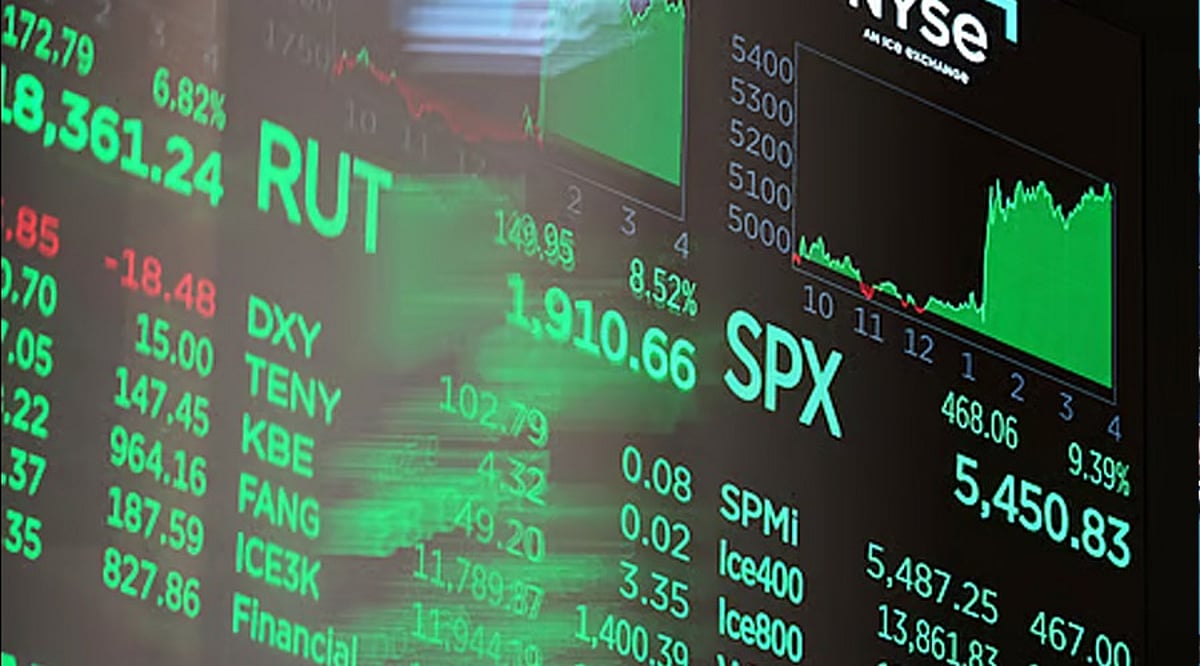
    Wall Street staged a strong recovery on Thursday as robust earnings from Microsoft eased concerns about the profitability of heavy artificial intelligence investments. Technology and semiconductor shares led the rebound, lifting major indices after a sharp selloff in the previous session.

    The Dow Jones Industrial Average opened 1.01% higher, the S&P 500 gained 1.02%, and the NASDAQ Composite climbed 1.67%. The tech-heavy NASDAQ later advanced about 2% as Microsoft and chip stocks extended gains.

    Microsoft Leads Technology Stock Recovery

    Microsoft shares surged roughly 15% after the company reported better-than-expected earnings and revenue, driven by growth in its Azure cloud business. The results reassured investors that its massive AI spending could yield higher returns.

    Semiconductor stocks also rallied, with the iShares Semiconductor ETF rising more than 7%, making technology the strongest S&P 500 sector. Consumer discretionary stocks also posted gains.

    Meta Platforms bucked the trend, falling about 8% after issuing a softer revenue forecast and reporting a sharp decline in second-quarter free cash flow. The company also raised its expected AI infrastructure spending.

    Stephen Evans, Chief Investment Officer at Pave Finance, described the market reaction as “a tale of two AI investment strategies,” noting that one company increased profits while spending heavily, while another allowed costs to erode earnings.

    Economic Growth Slows in Second Quarter

    New data showed the U.S. economy expanded at a slower pace. Gross domestic product increased at a 1.5% annual rate in the second quarter, below the estimated 2% and down from 2.1% growth in the first quarter. The slowdown added pressure as investors weighed high borrowing costs, softer business activity, and shifting consumer demand.

    Jobless claims for the week ended July 25 came in at 197,000, below the expected 200,000 but up 9,000 from the prior week’s revised level. The data indicated that layoffs remained limited despite weaker growth, though investors continued to assess the impact on hiring, wages, and household spending.

    Inflation Keeps Federal Reserve Policy in Focus

    June’s Personal Consumption Expenditures (PCE) price index fell 0.1%, while the annual inflation rate stood at 3.7%, matching expectations but remaining above the Federal Reserve’s 2% target. Core PCE, which excludes food and energy, rose 0.1% month-over-month, with an annual rate of 3.3%, slightly below the expected 0.2% monthly increase.

    The data arrived a day after the Fed kept interest rates unchanged. Investors assessed whether slower growth and persistent inflation could influence the central bank’s September decision. Sameer Samana of Wells Fargo Investment Institute said the Fed “remains patient” and continues to monitor economic conditions, adding that September remains open for action if incoming data supports a policy change.

    Market Breadth Stays Narrow Despite Rally

    The rebound was not broad-based. Shortly after the open, only 243 companies in the S&P 500 traded higher, and only five of the index’s 11 sectors posted gains. Technology shares rose about 4%, while consumer discretionary stocks gained roughly 1.3%, indicating that a small group of large companies drove much of the advance.

    Bond yields remained in focus after the Fed decision. The 30-year Treasury yield held near levels last seen in 2007, after moving above 5.2%. Other yields changed little.

    Wall Street was recovering from Wednesday’s losses, when the Dow fell more than 1,100 points and the NASDAQ 100 entered correction territory. Amazon, Apple, and Coinbase were due to report after Thursday’s close.

  • Oil Surge and AI Stock Sell-Off Push Wall Street Lower Ahead of Fed Decision

    Oil Surge and AI Stock Sell-Off Push Wall Street Lower Ahead of Fed Decision

    US stocks fell sharply Wednesday as rising oil prices and semiconductor losses weighed on major indexes. The Dow Jones Industrial Average dropped about 800 points during morning trading. The S&P 500 and NASDAQ Composite also declined before the Federal Reserve’s rate decision.

    Oil prices jumped after a new exchange of attacks involving Iran and US forces in the Middle East, renewing concerns about energy costs and inflation. Investors also watched chip stocks after several sessions of heavy selling.

    Dow Jones Leads Broad Market Decline

    The Dow Jones fell more than 1% as industrial, financial, and consumer shares moved lower. At one stage, the index lost over 800 points. The S&P 500 fell about 0.7%, while the NASDAQ dropped roughly 1%. Market figures fluctuated through the morning as trading remained volatile.

    Declining shares outnumbered advancing stocks on both the New York Stock Exchange and NASDAQ. Caterpillar fell as the industrial sector led losses. Consumer staples and healthcare posted small gains, showing limited demand for defensive shares.

    Oil Surge Adds Pressure Ahead of Fed Decision

    Crude oil prices rose after Iran launched missiles toward US forces in Jordan. US Central Command said forces intercepted the missiles. President Donald Trump then said the United States would respond strongly, adding pressure across energy and equity markets.

    Brent crude gained about 6%, while West Texas Intermediate rose close to 7%. Higher oil prices can raise transport and production costs. The latest jump arrived as the Fed prepared to announce its policy decision at 2 p.m. Eastern Time.

    Futures markets placed the highest probability on the Fed keeping rates between 3.5% and 3.75%. Available pricing showed a hold probability near 64%. The remaining probability supported a quarter-point increase. Traders also expected further tightening later in 2026.

    Jay Woods of Freedom Capital Markets said, “Any Fed surprise could cause this sell-off to accelerate.” Investors will review Chair Kevin Warsh’s press conference for details about inflation, employment, and future policy decisions.

    Semiconductor Stocks Extend Weekly Losses

    Semiconductor shares extended a four-session decline as investors questioned returns from large artificial intelligence spending programs. The iShares Semiconductor ETF fell nearly 4% during Wednesday trading. Its weekly loss moved above 10% as selling spread across major chip companies.

    Micron Technology and Advanced Micro Devices each lost more than 6% during the session. KLA fell more than 8%, while NVIDIA also traded lower. The Philadelphia Semiconductor Index dropped as investors reviewed spending, revenue growth, and competition from Chinese technology companies.

    Gina Martin Adams of HB Wealth said, “The pressure is shifting from spending plans to returns.” Big Tech earnings will provide more data on revenue from AI investments. Microsoft and Meta will report after Wednesday’s close. Amazon and Apple will release results later this week.

    Truist Securities maintained a positive long-term view on chip demand despite the sell-off. Analyst William Stein said industry contacts still reported strong demand. He also noted that buyers now place larger orders for longer periods. However, current trading showed concern about valuations and near-term earnings.

    Ford Rises as Procter and Gamble Falls

    Ford Motor gained more than 6% after raising its annual profit forecast. The automaker also reported results above market expectations. The increase made Ford one of the stronger stocks during a session dominated by broad losses.

    Procter and Gamble fell almost 3% after reporting weaker revenue than expected. The company also forecast slower sales growth for fiscal 2027. Seagate Technology gained after issuing quarterly revenue and profit forecasts above estimates. These moves created pockets of strength and weakness across the market.

    Investors now face three immediate events: the Fed decision setting policy direction for rates, Warsh’s comments shaping expectations for later meetings, and Big Tech earnings testing whether heavy AI spending has started producing stronger revenue.

  • Wall Street on Edge: Fed Decision, Inflation Data, and Big Tech Earnings Set for Volatile Week

    Wall Street on Edge: Fed Decision, Inflation Data, and Big Tech Earnings Set for Volatile Week

    Global markets are bracing for a turbulent 72-hour period as a wave of major events—including a Federal Reserve decision, key inflation data, GDP figures, and earnings from tech giants Microsoft, Meta, Apple, and Amazon—converge on the calendar. The sequence kicks off with consumer confidence data, followed by the Fed’s policy announcement, economic growth and inflation reports, and a flurry of earnings from four of the largest companies in the S&P 500. Traders are poised for sharp moves across stocks, bonds, currencies, and cryptocurrencies as each release could shift expectations for the next Fed meeting.

    Fed Decision Takes Center Stage

    Tuesday’s Conference Board consumer confidence report provides an early gauge of household demand. A weak reading may signal slower spending, while a stronger figure could reinforce the view that the economy can handle higher borrowing costs. Consumer spending drives the bulk of U.S. economic activity, making this data a key precursor to the Fed’s decision.

    The Federal Reserve will announce its rate decision Wednesday after a two-day meeting. Rate futures indicate roughly a one-in-three chance of a quarter-point increase, though most economists expect the central bank to hold the federal funds rate at 3.50% to 3.75%. Markets will scrutinize Chairman Kevin Warsh’s remarks for hints about September and any signs of policy division. A surprise hike would likely lift short-term yields and the dollar while pressuring rate-sensitive equities. Even a hold could spark volatility if the statement signals another increase is imminent. Investors will also watch the number of dissenting officials.

    PCE and GDP Data Drop on Thursday

    Thursday brings a double dose of economic data: the advance estimate for second-quarter GDP and the June personal income and outlays report, which includes the Personal Consumption Expenditures (PCE) price index—the Fed’s preferred inflation gauge. Both releases are scheduled for 8:30 a.m. Eastern Time.

    GDP data will reveal whether consumer demand and business investment sustained economic growth during the quarter. Forecasts generally point to annualized growth above 2%, though estimates vary. A stronger reading could buoy risk assets but may also strengthen the case for tighter policy if inflation remains elevated. The PCE figures may carry more weight for rate expectations. Softer monthly and annual readings would support the view that price pressures are easing, while firm core inflation could reignite concerns about the need for another rate increase. The worst-case scenario for markets would be weak GDP combined with stubborn inflation.

    Big Tech Earnings Add Pressure

    Microsoft and Meta report after Wednesday’s closing bell. Microsoft investors will focus on Azure growth, AI demand, and capital spending. Meta’s report will draw attention to advertising revenue, user activity, and the cost of expanding its AI infrastructure. Both companies have the power to influence broader tech valuations.

    Apple and Amazon follow after Thursday’s close. Apple’s iPhone demand, services sales, and AI plans will shape expectations for its next quarter. Amazon Web Services growth will indicate the pace of corporate cloud spending, while retail margins and delivery costs will impact Amazon’s broader results. Together, these four companies represent a significant portion of the S&P 500, and their guidance could move index futures even if headline earnings beat forecasts.

    Weekend Sentiment Check

    Friday’s final University of Michigan sentiment reading closes the seven-event stretch. Inflation expectations will be closely watched to see if the preliminary July improvement survived later changes in fuel prices, financial markets, and household views nationwide.

  • Indian Rupee Strengthens 28 Paise as Crude Oil Drops to $92 Per Barrel

    Indian Rupee Strengthens 28 Paise as Crude Oil Drops to $92 Per Barrel

    The Indian rupee started the week on a strong note, gaining 28 paise against the US dollar after global crude oil prices fell sharply. On Monday, the rupee opened at 96.25 against the dollar, compared to Friday’s close of 96.53, driven by a 4.17% decline in Brent crude oil to around $92 per barrel.

    Market analysts attribute the rupee’s strength primarily to the drop in crude oil prices. India imports the majority of its crude oil, so lower oil costs reduce the country’s import bill and the demand for US dollars, providing support to the domestic currency.

    Mike Waltz, the US ambassador to the United Nations, commented on the situation, noting that President Donald Trump is giving negotiations ‘a little bit of room.’ Waltz added, ‘We’ve had both Oman and Iran, and a number of our other negotiators, engaged at every level, from the most senior levels all the way down to the technical level over the past few weeks and particularly in the past few days.’

    The dollar index, which measures the US currency against a basket of six major currencies, fell 0.26% to 101.04, further supporting the rupee’s gains. Traders said a weaker US dollar combined with lower oil prices boosted market confidence.

    Experts suggest that future movements in the currency market will depend on global events, including oil price trends, US economic data, and decisions by major central banks. These factors will continue to influence the foreign exchange market.

    A sustained fall in crude oil prices could have broader economic benefits beyond supporting the rupee. Lower oil prices can reduce transportation costs as fuel becomes cheaper, which may help slow the rise in everyday prices. If crude oil remains low for an extended period, inflation could ease further, benefiting both businesses and consumers while giving the Indian economy more room to grow.

  • Bitcoin Under Pressure: Rising Oil Prices, High Interest Rates, and Regulatory Uncertainty Weigh on Market

    Bitcoin Under Pressure: Rising Oil Prices, High Interest Rates, and Regulatory Uncertainty Weigh on Market

    Bitcoin is facing a challenging period as rising oil prices fuel inflation concerns, elevated interest rates reduce risk appetite, and ongoing regulatory uncertainty keeps investors cautious. Despite these headwinds, institutional support through spot Bitcoin ETFs continues to provide a long-term foundation for the cryptocurrency.

    Key Takeaways

    • Rising oil prices have renewed inflation fears, increasing pressure on Bitcoin.
    • High interest rates are shifting investor capital toward safer assets.
    • Institutional demand via spot Bitcoin ETFs remains a positive factor for long-term confidence.

    Higher Oil Prices Stoke Inflation Worries

    Bitcoin’s recent weakness is largely tied to the surge in oil prices. Brent crude has climbed back to $100 per barrel amid escalating tensions in the Middle East. Higher oil costs ripple through the economy, raising transportation, manufacturing, and service expenses — costs that are ultimately passed on to consumers. This inflationary environment makes central banks hesitant to cut interest rates, which in turn dampens appetite for riskier assets like Bitcoin.

    Interest Rates Dampen Demand for Cryptocurrencies

    Central banks worldwide have kept borrowing costs high to combat inflation, making government bonds and money market funds more attractive due to their reliable, low-risk returns. Consequently, capital that might have flowed into cryptocurrencies has moved into traditional financial products. Investors are closely monitoring central bank meetings, with many expecting rates to remain elevated if inflation stays above target — especially with oil prices continuing to rise.

    Regulatory Uncertainty Lingers

    Governments around the globe are still crafting new rules for cryptocurrencies, covering taxation, stablecoins, exchange operations, anti-money laundering, and investor protection. While many investors welcome clear regulations — which could boost confidence and attract institutional money — the current uncertainty creates caution. Any major policy announcement can quickly move Bitcoin prices as traders react to the latest developments.

    Market Sentiment Remains Cautious

    Bitcoin has held relatively steady near $66,000, but volatility persists. Trading volumes are lower than in previous bull markets, indicating a wait-and-see stance among many investors. They are unlikely to re-enter the market until inflation slows, interest rates fall, or economic conditions improve. Analysts note that Bitcoin is now more sensitive to macroeconomic data — such as inflation, unemployment, and central bank decisions — than in earlier years.

    Institutional Investors Provide a Buffer

    Despite short-term pressures, institutional demand remains a strong pillar. U.S. spot Bitcoin ETFs have recently reported fresh inflows after periods of withdrawals. These regulated products make it easier for pension funds, wealth managers, and large financial institutions to gain exposure to Bitcoin without directly holding the asset. This steady institutional participation helps support Bitcoin even during uncertain times.

    What’s Next for Bitcoin?

    The coming months will be crucial. Investors will watch central bank decisions, inflation reports, oil market developments, and regulatory updates closely. Continued inflows into spot Bitcoin ETFs could provide additional support. The balance between these positive and negative factors will likely determine Bitcoin’s next major price move.

    Why This Matters

    Bitcoin has become a significant part of the global financial system, so changes in oil prices, interest rates, and government policies now affect millions of investors. Understanding these risks helps investors interpret Bitcoin’s performance and prepare for future market shifts.

    Outlook

    Several factors are currently working against Bitcoin: oil prices above $100, high interest rates limiting risk appetite, and regulatory hurdles. However, institutional adoption via spot Bitcoin ETFs has helped cushion losses from previous shocks. The near-term direction depends on inflation trends, interest rate decisions, oil prices, and regulatory signals.

    Frequently Asked Questions

    1. Why do higher oil prices affect Bitcoin? Higher oil prices can increase inflation, making investors less willing to buy riskier assets like Bitcoin.
    2. How do interest rates impact Bitcoin prices? Higher interest rates make safer investments more attractive, reducing demand for cryptocurrencies.
    3. Is Bitcoin still attracting institutional investors? Yes. Spot Bitcoin ETFs continue to draw institutional investment despite short-term volatility.
    4. Why does regulation matter for Bitcoin? New regulations can affect how cryptocurrencies are traded, taxed, and adopted by financial institutions.
    5. What could help Bitcoin recover? Lower inflation, interest rate cuts, stable oil prices, and greater regulatory clarity could improve market confidence and support Bitcoin prices.
  • Wall Street Tumbles: Dow Loses 500 Points as Oil Surge and Tech Losses Bite

    Wall Street Tumbles: Dow Loses 500 Points as Oil Surge and Tech Losses Bite

    US stocks fell sharply on Thursday as a surge in oil prices, rising bond yields, and disappointing earnings from major technology companies weighed on market sentiment. The Dow Jones Industrial Average dropped approximately 500 points during morning trading, with the S&P 500 losing nearly 1% and the Nasdaq Composite falling around 1.7%.

    The sell-off pushed major indexes to multi-week lows, with declining shares outnumbering advancing stocks on both the New York Stock Exchange and Nasdaq. The CBOE Volatility Index rose to 18.79 after three consecutive declines, reflecting heightened investor anxiety.

    Oil Rally Raises Inflation Concerns

    Brent crude futures surged 6.7% to $100.37 per barrel during European trading, while West Texas Intermediate gained 5.5% to $91.91 per barrel. The rally followed reports that Houthi forces attacked two Saudi oil tankers near the Bab el-Mandeb Strait, raising fresh supply concerns and threatening another major shipping route.

    Higher oil prices pushed Treasury yields upward, with the 10-year yield reaching its highest level since January 2025 and the two-year yield hitting a 17-month high. This renewed inflation fears, prompting traders to increase bets on a Federal Reserve rate hike at the July meeting. CME FedWatch data showed markets pricing a 38% chance of a quarter-point increase, up from about 12% just one week earlier.

    Alphabet and Tesla Pressure Nasdaq

    Alphabet shares fell more than 6% after the company raised its 2026 capital spending forecast, with investors focusing on costs tied to artificial intelligence infrastructure. AJ Bell investment director Russ Mould noted a “healthy degree of scepticism” about returns from such spending. The decline pulled communication services stocks lower.

    Tesla shares dropped more than 12% after reporting negative quarterly free cash flow and higher operating expenses relative to revenue growth. CEO Elon Musk called 2026 a “massive capex year,” with spending plans including robots, data centers, manufacturing projects, and its robotaxi business.

    Energy Shares Rise With Crude Prices

    Energy companies moved higher as oil prices extended a five-day rally. Exxon Mobil gained 1.6%, while Chevron rose 1.9%. Diamondback Energy, Devon Energy, ConocoPhillips, and Occidental Petroleum gained between 1.7% and 2.7%. Refiners also advanced, with Valero Energy, Marathon Petroleum, and Phillips 66 rising between 1.1% and 1.3%.

    Analysts also watched shipping activity in the Middle East. UBS analyst Giovanni Staunovo said subdued vessel traffic could slow the region’s production recovery.

    Rate Expectations Shift Before Fed Meeting

    The oil rally renewed concern that higher fuel costs could keep inflation elevated. New labor data also supported expectations that the Fed could keep policy tight, with initial unemployment claims falling to 187,000, below forecasts of 210,000.

    Airline shares faced pressure as higher fuel costs threatened operating expenses, while transport stocks moved lower. Lockheed Martin shares rose after the company lifted its 2026 forecasts, and ServiceNow gained after raising its annual subscription revenue outlook.

    Markets will likely remain focused on oil prices, upcoming inflation data, and the Federal Reserve’s next policy decision for direction.

  • Red Sea Attacks Spark Selloff on Dalal Street: Sensex and Nifty Slump on Oil Supply Fears

    Red Sea Attacks Spark Selloff on Dalal Street: Sensex and Nifty Slump on Oil Supply Fears

    Indian equity markets ended lower on Thursday as renewed attacks in the Red Sea stoked fears of oil supply disruptions, sending crude prices higher and dampening investor sentiment. The benchmark BSE Sensex dropped 0.28% to 76,539.97, while the Nifty 50 slipped 0.21% to 23,945.30, according to TradingView data.

    The selloff was triggered by the Houthi militia’s strikes on two Saudi oil tankers in the Red Sea, following a warning from the UK Maritime Trade Operations (UKMTO) about a potential attack on a commercial vessel off the coast of Saudi Arabia. The incidents have intensified concerns over the safety of one of the world’s busiest shipping lanes, raising the specter of prolonged disruption to global oil flows.

    Crude Oil Surge Puts Pressure on India’s Economy

    Geopolitical instability pushed Brent crude near the $96-per-barrel mark, while West Texas Intermediate (WTI) crude hovered above $88 per barrel. For India, which imports the majority of its crude oil requirements, higher prices are expected to widen the import bill, stoke inflationary pressures, and potentially weaken the rupee. This combination is likely to weigh on investor appetite for equities, particularly in sectors reliant on expensive raw materials.

    Banking and Realty Stocks Lead the Decline

    Selling pressure was broad-based, with profit booking observed in banking, financial services, real estate, healthcare, and pharmaceutical stocks. Midcap and smallcap indices also closed in negative territory, reflecting a cautious mood across the market. However, losses were partially offset by gains in automobile stocks, which extended their recent rally on the back of strong corporate earnings. Media shares also managed to stay afloat, trading modestly higher during the session.

    Markets Await Fresh Global Cues

    Investors are now closely monitoring developments in the Red Sea and the broader West Asia conflict, along with crude oil price movements. Any further escalation in geopolitical tensions or signs of supply disruptions could keep volatility elevated in the coming sessions. At the same time, domestic earnings reports and global economic data are expected to influence the near-term direction of the markets.

    Join our WhatsApp Channel to get the latest news, exclusives, and videos on WhatsApp.

  • Bitcoin Holds Above $65K as Cooling US Inflation Boosts Sentiment, but Fed Caution Caps Rally

    Bitcoin Holds Above $65K as Cooling US Inflation Boosts Sentiment, but Fed Caution Caps Rally

    Bitcoin (BTC) reclaimed the $65,000 mark, rising 1.78% in the last 24 hours and 4.38% over the past seven days, as softer US inflation data lifted sentiment across risk assets. According to the US Bureau of Labor Statistics, inflation fell 0.4% in June to a seasonally adjusted annual rate of 3.5%, driven by rapidly declining energy costs. This marks the largest one-month shift in prices since April 2020, following a 0.5% increase in May. The overall May inflation rate was 4.2%, indicating a notable cooling in June.

    Slower inflation typically benefits Bitcoin and other risk assets, as it may reduce pressure on the US Federal Reserve to hike interest rates. However, investors remain focused on the “higher for longer” interest rate outlook. High borrowing costs can restrict capital flow in the financial system, potentially dampening demand for speculative assets like cryptocurrencies.

    Traders on Polymarket assign a 94% probability that the Fed will keep rates unchanged at its July meeting, curbing fears of an imminent policy shock but signaling that markets are not convinced of a near-term easing cycle.

    Oil prices also eased inflation concerns, with Brent crude falling 0.80% to $88.51 per barrel and US West Texas Intermediate (WTI) declining 0.46% to $82.10 per barrel, amid diplomatic efforts in the Middle East.

    ETF Inflows Show Cautious Demand

    According to SoSoValue, US spot Bitcoin ETFs recorded $226.92 million in net inflows on July 20, marking a fifth consecutive session of inflows. BlackRock’s IBIT led with $116.48 million, followed by Ark Invest’s ARKB at $72.74 million, and Grayscale Bitcoin Mini Trust (BTC) at $41.45 million. Other funds, including Fidelity’s FBTC, Bitwise’s BITB, Morgan Stanley’s MSBT, and VanEck’s HODL, also saw inflows, while Grayscale’s GBTC experienced $45.4 million in net outflows.

    CoinMarketCap’s Crypto Fear and Greed Index stands at 37, still in “fear” territory, but significantly improved from the month’s start when it was at 18 in “extreme fear.”

    Technical Structure

    BTC edged above $65,000 on Tuesday, following a breakout above the 50-day Exponential Moving Average (EMA) at $65,051. Despite this move, BTC remains well below the 200-day EMA at $74,693, which continues to cap the broader trend. Momentum is positive, with the Relative Strength Index (RSI) near 57 and the Moving Average Convergence Divergence (MACD) above the zero line, indicating buyers retain an advantage but face a higher-timeframe barrier.

    On the upside, immediate resistance is at $70,000, with a subsequent hurdle near the 200-day EMA at $74,693. On the downside, support is seen at the 50-day EMA at $65,051, and a deeper pullback would expose the horizontal floor at $60,000.

    Frequently Asked Questions

    1. Why did Bitcoin reclaim the $65,000 level?

    Bitcoin moved above $65,000 after softer US inflation data improved sentiment across risk assets. BTC also gained support from positive ETF inflows and a breakout above the 50-day EMA.

    2. How much inflow did US spot Bitcoin ETFs record?

    According to SoSoValue, US spot Bitcoin ETFs recorded $226.92 million in net inflows on July 20. BlackRock’s IBIT led with $116.48 million, followed by ARKB with $72.74 million.

    3. Why is the Fed outlook still limiting Bitcoin gains?

    Markets still expect interest rates to remain elevated for longer, which can reduce liquidity for risky assets. Polymarket traders assign a 94% chance that the Fed will keep rates unchanged in July.

    4. What does the Crypto Fear and Greed Index show?

    CoinMarketCap’s Crypto Fear and Greed Index stands at 37, still in the “fear” zone. However, sentiment has improved from the month’s start, when the index was at 18 in “extreme fear.”

    5. What are the key Bitcoin support and resistance levels?

    Bitcoin faces immediate resistance near $70,000, followed by the 200-day EMA at $74,693. On the downside, support sits near the 50-day EMA at $65,051, with deeper support around $60,000.

  • The Hidden Inflationary Risks of Central Bank AI Spending

    The Hidden Inflationary Risks of Central Bank AI Spending

    Massive investments in artificial intelligence are reshaping global economies, but they also carry hidden risks for central banks. As governments and corporations pour billions into AI infrastructure—chips, data centers, energy, and skilled labor—these spending surges are creating powerful demand pressures that could stoke inflation before any productivity benefits materialize.

    Central banks face a difficult policy dilemma. They must balance the promise of AI-driven growth against the risk of overheating economies. Prematurely restricting investments could stifle future productivity gains, but ignoring inflationary signals could destabilize prices. The challenge is compounded because AI’s productivity improvements may take years to emerge, while the costs are immediate.

    Financial markets are increasingly tied to AI optimism. Stock valuations and investor sentiment now hinge on AI companies’ performance, raising systemic risks if returns fall short. Meanwhile, corporate debt levels are climbing as firms borrow heavily to fund AI infrastructure. If demand slows or investments underperform, this debt could trigger financial stress.

    Energy demand is another concern. AI data centers require enormous electricity supplies, potentially driving up energy prices and adding to inflationary pressures. This creates a feedback loop where AI spending itself becomes a source of cost increases.

    Traditional economic models may prove unreliable in this new landscape. Rapid technological change is disrupting historical relationships between productivity, employment, inflation, and growth. Policymakers can no longer rely on conventional indicators alone. They must now monitor AI investment levels, market concentration, infrastructure spending, and corporate debt alongside standard metrics.

    Central banks need to develop new tools to track these hidden systemic risks. The era of AI-driven economies demands a broader, more dynamic approach to monetary policy—one that accounts for the unique pressures of technological transformation.