Tag: Inflation

  • US Stock Futures Climb Ahead of August CPI Report; Oracle Surges, Adobe Slides

    US Stock Futures Climb Ahead of August CPI Report; Oracle Surges, Adobe Slides

    US stock futures moved higher on Friday as investors prepared for the August consumer price index report. Oil prices eased from recent highs, while Treasury yields stayed close to multiyear peaks. Markets remained cautious after Wall Street recorded four straight sessions of losses.

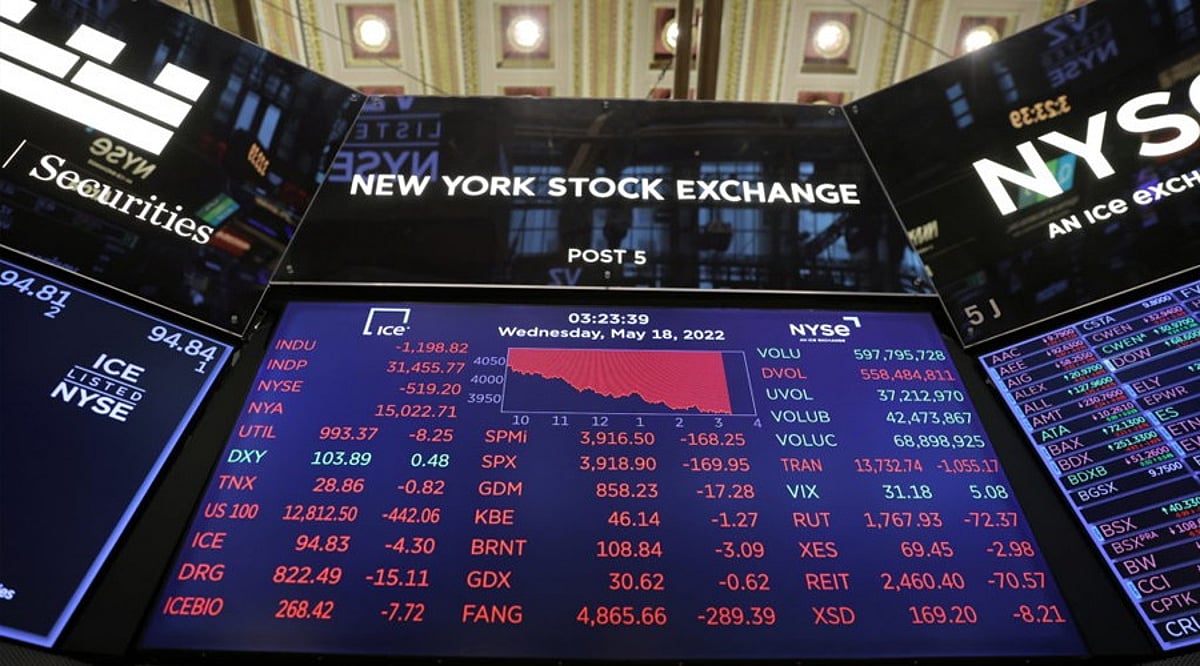
    At 5:31 a.m. ET, Dow E-minis rose 276 points, or 0.53%. S&P 500 E-minis gained 0.54%, while NASDAQ 100 E-minis increased 0.57%. The gains followed another weak session on Thursday, when the Dow fell more than 300 points, the S&P 500 dropped 0.6%, and the NASDAQ Composite declined 0.7%.

    Investors now await the August CPI report. Economists expect consumer prices to rise 0.4% from July and 3.4% from a year earlier. Core CPI is expected to rise 0.2% monthly and 2.4% annually. The data arrives after a hotter producer price index, which increased 0.4% in August and rose 5.4% from a year earlier.

    The inflation readings come ahead of the Federal Reserve’s Sept. 15-16 meeting. Futures markets assign roughly a two-thirds to 70% chance of a 25-basis-point rate increase. Christopher Hodge, chief US economist at Natixis CIB Americas, said an inflation reading near expectations could reduce pressure on the Fed to raise rates.

    Oil prices moved lower on Friday but remained above $104 a barrel for Brent and near $100 for West Texas Intermediate. Shipping activity through the Strait of Hormuz has fallen sharply, and markets continue to monitor Middle East tensions. Bill Adams, chief US economist at Fifth Third Commercial Bank, noted that the surge in energy prices creates new upside risk for inflation.

    Treasury yields stayed elevated, with the 10-year near 4.94% after approaching 5% on Thursday. The 30-year yield reached about 5.3%. Higher bond yields can reduce demand for stocks as investors shift to lower-risk fixed-income assets.

    Oracle shares jumped about 7% in premarket trading after the company reported stronger quarterly revenue and profit. Its cloud infrastructure sales more than doubled, and it added more than $30 billion in AI cloud contracts during the quarter. Remaining performance obligations reached $664 billion. Adobe shares fell more than 2% after issuing a fourth-quarter revenue forecast below Wall Street expectations, though its adjusted earnings of $6.13 per share beat estimates.

    Nvidia gained in premarket trading, while ACV Auctions surged after Copart agreed to acquire it for nearly $1.9 billion. Friday’s market direction will depend heavily on the CPI reading as investors assess inflation, Treasury yields, oil prices, and expectations for the Federal Reserve’s next move.

  • Ethereum Under Pressure as CPI Data Looms and Glamsterdam Testnet Launch Approaches

    Ethereum Under Pressure as CPI Data Looms and Glamsterdam Testnet Launch Approaches

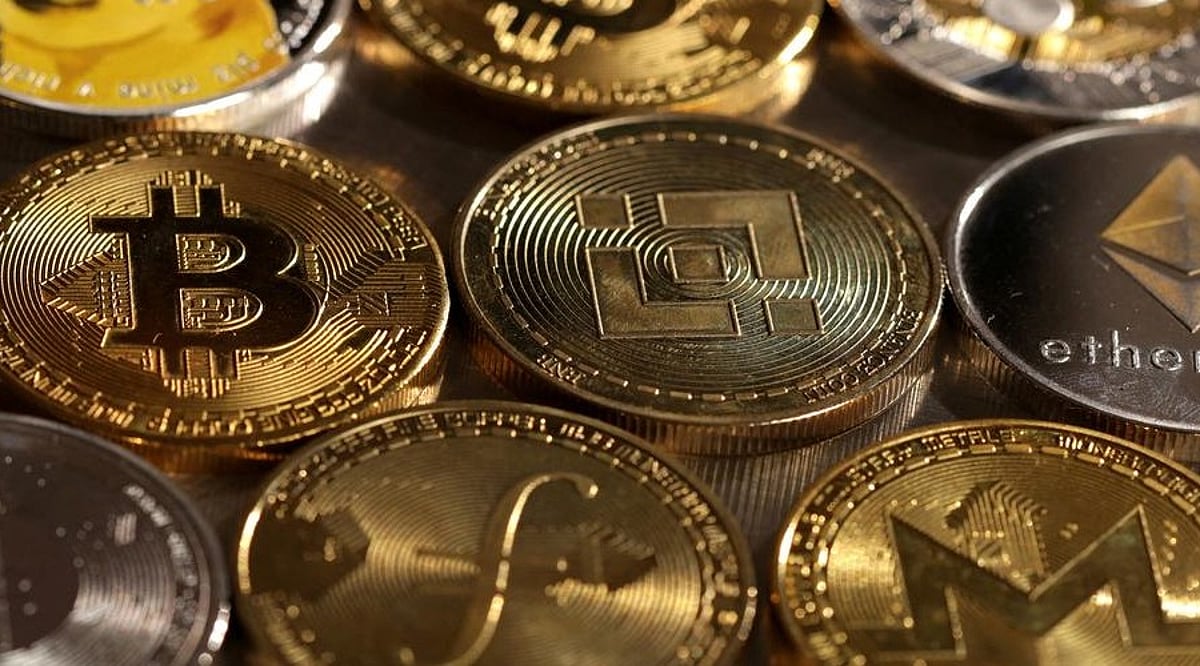
    Ethereum is facing renewed macroeconomic headwinds as U.S. inflation data points to tighter Federal Reserve policy, while developers target October 6 for the Glamsterdam upgrade on the Sepolia testnet. The leading smart-contract platform remains range-bound between $2,370 and $2,550, with traders closely watching key support and resistance levels ahead of the August CPI release.

    Inflation and Fed Policy Weigh on ETH

    Producer prices in the U.S. rose 0.4% month-over-month in August and 5.4% year-over-year, accelerating from 0.1% and 4.8% respectively. Energy costs drove the surge, with producer energy prices climbing 4.2% and diesel prices jumping 24.1%. The hotter-than-expected PPI report lifted Treasury yields and reinforced expectations for a September rate hike, with futures pricing roughly a 70% probability of a move before the Fed’s September 16 decision.

    Attention now shifts to the August Consumer Price Index (CPI) report, which could materially alter rate expectations. The nature of the inflation—driven largely by oil and energy shocks linked to geopolitical tensions rather than robust economic demand—adds a layer of complexity for risk assets like Ethereum.

    ETH Holds Key Trading Range as ETF Demand Weakens

    Institutional demand for Ethereum showed renewed weakness, with U.S. spot ETFs recording $29.7 million in net outflows on September 10, according to SoSoValue data. ETH briefly tested $2,400 after the PPI release but remained within the established $2,370–$2,550 range. A sustained breakout above $2,550 would open the path toward the $2,600–$2,700 liquidity zone, while a break below $2,370 could trigger a decline toward $2,200 as inflation and elevated oil prices dampen risk appetite.

    Several macro events in the coming days could keep volatility elevated, making market reactions at both boundaries of the current range critical for near-term direction.

    Glamsterdam Sepolia Test Set for October 6

    Ethereum developers have tentatively scheduled the activation of the Glamsterdam upgrade on the Sepolia testnet for October 6 at 13:53 UTC, replacing an earlier September 28 date. The timeline depends on a clean transition from the Glamsterdam devnet, which previously encountered a builder-deposit caching bug that caused non-finality. Client teams have deployed fixes, and developers want a successful devnet transition before moving to Sepolia.

    The upgrade introduces enshrined proposer-builder separation (ePBS), bringing interactions between validators and block builders directly into Ethereum’s protocol. Currently, validators often rely on external infrastructure for block construction. A mainnet release is targeted for the fourth quarter of 2026, pending successful testing on Sepolia and Hoodi. The Ethereum Foundation has also launched Platåberget, a longer-running public test environment to give applications and infrastructure additional exposure to Glamsterdam.

    Outlook

    Ethereum faces two major near-term catalysts: macroeconomic pressure from inflation and the Fed, and the technical milestone of the Glamsterdam upgrade. The next price move will likely be shaped by the CPI report and subsequent Fed expectations, while the October 6 Sepolia test marks a key date for the network’s development roadmap.

  • Wall Street Futures Drop as Brent Crude Surges Past $100, Reviving Inflation Fears

    Wall Street Futures Drop as Brent Crude Surges Past $100, Reviving Inflation Fears

    US stock futures declined on Wednesday as Brent crude oil prices climbed above $100 per barrel for the first time since July, reigniting concerns about inflation ahead of key economic data releases. Investors are closely monitoring rising oil prices, elevated Treasury yields, and the Federal Reserve’s upcoming policy decision.

    Dow Jones Industrial Average futures fell approximately 331 points, or 0.6%, while S&P 500 futures dropped 0.4%. NASDAQ-100 futures also declined 0.5%. The losses followed a weak session on Tuesday, when the Dow dropped 1.2%, its largest one-day decline in nearly three weeks. The S&P 500 fell 0.6%, and the NASDAQ Composite lost 0.3%.

    Brent crude rose more than 2%, briefly surpassing $100 per barrel. The surge was driven by escalating tensions between the United States and Iran, which raised worries about energy supplies from the Middle East. Reports of attacks involving oil tankers and military assets heightened concerns about shipping through the Strait of Hormuz.

    Kara Murphy, chief investment officer at Kestra Investment Management, described the market move as “a little bit of a speed bump.” She noted that with fewer earnings reports to follow, investors are focusing more on macroeconomic risks.

    Treasury yields also rose, with the 10-year US Treasury note briefly exceeding 4.8% on Tuesday. Higher yields can pressure stock valuations by making government bonds more attractive relative to equities.

    Investors are now preparing for two critical inflation reports: the Producer Price Index on Thursday and the Consumer Price Index on Friday. These data points will help shape expectations ahead of the Federal Reserve’s September policy meeting. Market pricing currently implies about a 60% probability of a 25-basis-point rate increase. A stronger-than-expected inflation reading could boost those expectations, while a softer reading might support holding rates steady.

    Fed Chair Kevin Warsh and other policymakers have continued to emphasize inflation in their recent communications, keeping oil prices and inflation data at the center of trader attention.

    Global markets also reflected the cautious mood. European stocks traded lower, with the Stoxx 600 falling 0.7%. Germany’s DAX and France’s CAC 40 declined, while Italy’s FTSE MIB recorded a steeper drop. The UK’s FTSE 100 also moved lower. In Asia, results were mixed: Japan’s Nikkei 225 closed 0.19% lower, South Korea’s Kospi gained 1.4%, Australia’s S&P/ASX 200 fell 0.11%, and China’s CSI 300 rose 0.3%.

    The Cboe Volatility Index (VIX) remained near 15, below its long-term median of 17.6, suggesting that while near-term volatility is low, traders face several risk events in the coming weeks, including inflation data, the Federal Reserve meeting, and further developments in the US-Iran conflict.

  • Indian Rupee Slips to 94.95 as Brent Crude Approaches $100 Amid US-Iran Tensions

    Indian Rupee Slips to 94.95 as Brent Crude Approaches $100 Amid US-Iran Tensions

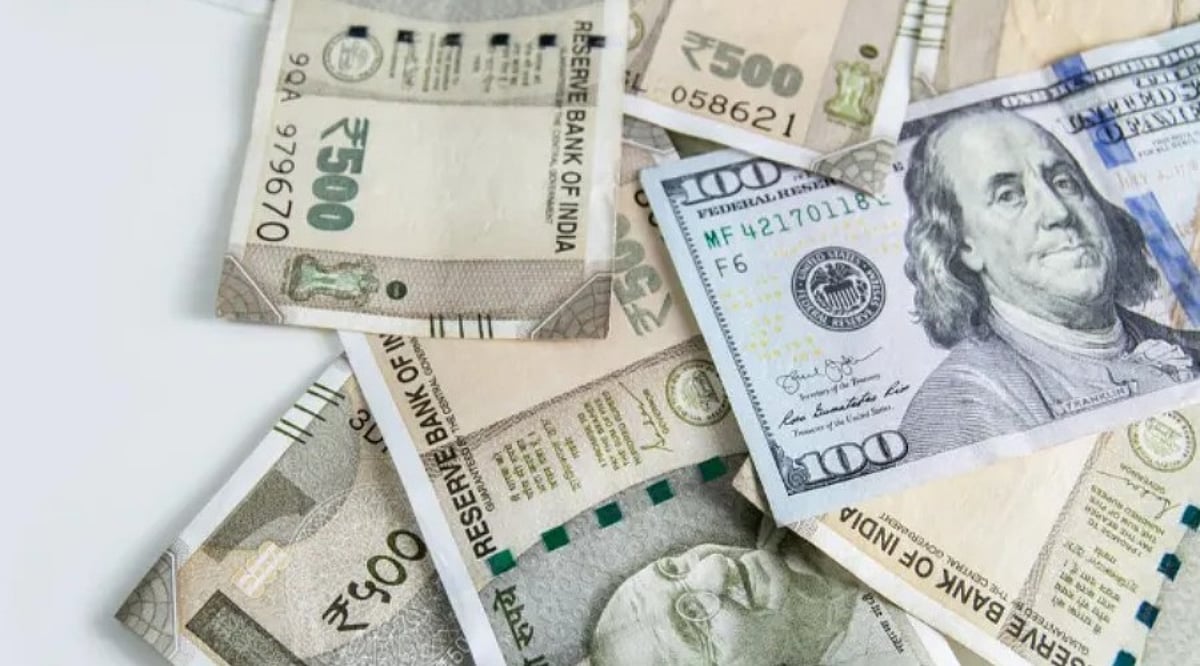
    The Indian rupee fell 21 paise to 94.95 against the US dollar on Wednesday, September 9, 2026. Rising crude prices and escalating US-Iran tensions pressured the rupee during early trading in Mumbai.

    The currency opened at 94.80 before touching 94.95 in the interbank foreign exchange market. Tuesday’s session ended at 94.74, marking an 18-paise decline against the American currency.

    Brent crude climbed 1.41% to USD 99.30 per barrel as tensions raised supply disruption concerns. The Strait of Hormuz remains a major concern for markets tracking global oil supply routes. Anuj Choudhary, research analyst at Mirae Asset Sharekhan, highlighted the pressure on crude prices. “Indian rupee opened lower on escalating geopolitical tensions and surge in crude oil prices,” Choudhary said.

    The analyst expects USD-INR to remain under pressure while crude prices continue moving higher. He expects the USD-INR spot rate to trade between Rs. 94.70 and Rs. 95.15. A weaker dollar could provide some relief if global risk sentiment remains fragile.

    The dollar index slipped 0.03% to 98.76, offering limited support for the rupee.

    Indian equities also opened sharply lower as investors reacted to rising oil and geopolitical risks. The Sensex dropped 500.25 points, while the Nifty declined 129.40 points during early trading. Higher crude prices could increase India’s import bill and intensify inflation concerns. Investors now await inflation data from India and the US for fresh monetary policy signals. Persistent oil pressure could keep the rupee, equities, and broader markets volatile in coming sessions.

  • Bitcoin at $80K Faces Fed Rate-Hike Pressure as September 2026 Inflation Data Looms

    Bitcoin at $80K Faces Fed Rate-Hike Pressure as September 2026 Inflation Data Looms

    The crypto market enters September with monetary policy again becoming one of its biggest short-term risks. Bitcoin has recovered toward USD 80,000, but stronger US employment data, elevated energy prices and rising Treasury yields have revived expectations that the Federal Reserve could raise interest rates this month.

    September Rate-Hike Odds Rise

    US employers added 162,000 jobs in August, comfortably above expectations, while unemployment held steady at 4.1%. The stronger labor-market reading pushed investors toward a more hawkish outlook for the Federal Reserve.

    According to CME FedWatch data, markets are pricing in a 58.4% probability of a 25-basis-point rate hike at the September 15-16 Federal Open Market Committee meeting, up from 52% before the jobs report. UBS also changed its forecast and now expects 25-basis-point increases in both September and December.

    That would take the federal funds target range from 3.50%-3.75% currently to 4%-4.25% by year-end.

    The next major catalyst is August consumer inflation data. UBS noted that July Personal Consumption Expenditures inflation stood at 3.7% year over year, while supply bottlenecks and resilient economic activity have increased upside inflation risks.

    Why Higher Rates Matter for Crypto

    Higher rates can pressure cryptocurrencies as investors receive better returns from comparatively lower-risk government securities. Tighter monetary policy can also strengthen the US dollar and reduce financial-system liquidity available for risk assets.

    Fed Governor Christopher Waller recently argued policymakers should ‘give disinflation a chance,’ temporarily pushing September hike expectations below 50%. Markets subsequently reversed after the stronger employment report.

    Energy prices add another complication. Brent crude recently traded around USD 97 per barrel as geopolitical tensions increased, keeping inflation concerns elevated ahead of the Fed meeting.

    Bitcoin Still Has Support From ETF Demand

    Bitcoin has nevertheless recovered strongly from its 2026 lows. BTC recently completed an approximately 30% rebound and moved back above several major moving averages.

    Institutional demand remains another counterweight to monetary tightening. Spot Bitcoin ETFs recorded approximately USD 987 million in net inflows last week, indicating that regulated investment demand remains active even as rate expectations turn more hawkish.

    This matters as persistent ETF inflows can reduce available market supply and provide buying pressure during periods of macroeconomic uncertainty.

    Final Thoughts

    September is becoming a test of whether Bitcoin’s recovery can withstand tighter financial conditions. A hotter inflation reading could strengthen expectations for another Fed hike, lift yields and pressure crypto valuations. Softer inflation could instead revive expectations for a pause.

    For investors, the Fed decision, Treasury yields, the US dollar and ETF flows may therefore matter as much as crypto-specific developments in determining Bitcoin’s next major move.

    FAQs

    Why are Fed rate-hike expectations important for Bitcoin?

    Higher interest rates can make government bonds more attractive and reduce liquidity available for risk assets. A stronger dollar and higher Treasury yields can also create additional pressure on Bitcoin.

    What are markets expecting from the Federal Reserve in September 2026?

    Markets recently priced roughly a 58% probability of a 25-basis-point September rate hike. Strong US employment data has strengthened expectations that monetary policy could remain tighter.

    How is Bitcoin performing ahead of the Fed decision?

    Bitcoin has recovered to USD 80,000 after gaining roughly 30% from its 2026 lows. BTC has also moved above several major moving averages, although macroeconomic risks remain elevated.

    Are Bitcoin ETF inflows supporting the market?

    Yes. Spot Bitcoin ETFs recently recorded around USD 987 million in weekly net inflows, showing that institutional demand remains active despite renewed concerns about higher interest rates.

    What could move Bitcoin next in September?

    US inflation data, Treasury yields, the dollar and the Federal Reserve’s September decision are likely to be key drivers. Softer inflation could support BTC, while a hotter reading may increase pressure on crypto valuations.

  • Wall Street Rises After Surprise July Job Cuts Fuel Hopes of Fed Rate Pause

    Wall Street Rises After Surprise July Job Cuts Fuel Hopes of Fed Rate Pause

    The S&P 500 posted gains on Friday after a surprising decline in U.S. payrolls for July dampened expectations of a September interest rate hike by the Federal Reserve. Technology and software stocks led the rally, while Treasury yields fell following the release of the employment report.

    The index moved toward a second consecutive weekly gain after hitting a record high earlier in the week. Traders are now turning their attention to July inflation data, which could further shape the central bank’s next policy move.

    S&P 500 Rises on Weak Payroll Data

    The S&P 500 climbed 0.6%, while the NASDAQ Composite gained 1.1%. The Dow Jones Industrial Average added approximately 140 points, a 0.3% increase. According to the Labor Department, U.S. employers cut 23,000 jobs in July, contrasting sharply with economists’ expectations of an 83,000-job gain (Dow Jones poll) and an 80,000 increase projected by a Reuters survey.

    The unemployment rate edged down to 4.1% from 4.2%, but the labor force participation rate fell to its lowest level in more than five years. Revised data also eliminated a combined 103,000 jobs from May and June payroll figures.

    The disappointing report reduced the probability of a Fed rate hike at its September meeting. LSEG data placed the likelihood of an increase near 20%, down from 55% before the payroll release.

    Fed Rate Outlook Shifts Toward a Pause

    Fed funds futures traders now largely expect policymakers to hold rates within the current 3.50% to 3.75% range. The central bank kept rates unchanged during its July meeting. Under Chair Kevin Warsh, the Fed has offered limited guidance on its next move, leading investors to scrutinize labor, inflation, and wage data closely.

    Anthony Saglimbene, chief market strategist at Ameriprise Financial, noted that the report gives policymakers more time. “Even with a negative job print, the job market remains healthy. But it gives the Fed some room to pause in September,” he said.

    Former Dallas Fed Chair Richard Fisher added that he did not view the report as entirely weak. He pointed to slowing wage growth, which could affect consumer spending, and said he did not support raising rates at this time.

    Technology Stocks Lead Wall Street Rally

    Software and semiconductor shares fueled Friday’s gains. Atlassian surged more than 30% after its quarterly profit and revenue exceeded estimates, and the company issued a stronger financial forecast. Cloudflare also rose after raising its annual revenue outlook above market expectations. Microchip Technology advanced after forecasting quarterly revenue above estimates. NVIDIA and Broadcom also recorded gains.

    The Philadelphia Semiconductor Index rose more than 2%, while the S&P 500 software and services index gained about 1.3%. The iShares Semiconductor ETF increased nearly 7% over the week.

    Airbnb climbed approximately 14% after reporting stronger quarterly profit and revenue and raising its full-year revenue and margin guidance, pushing its shares to their highest level in four years. In contrast, Trade Desk dropped nearly 25% after issuing a third-quarter revenue forecast below analysts’ expectations.

    Inflation Data Becomes the Next Market Test

    The S&P 500 has gained more than 3% this week, while the NASDAQ has risen about 5%, on track for its strongest weekly performance since May. The Dow has added about 3%. Corporate earnings have supported the recovery: more than 400 S&P 500 companies have reported quarterly results, with over 85% exceeding analysts’ estimates, according to LSEG data.

    Investors will now monitor the July consumer price index report on Wednesday. Economists expect annual headline inflation of 3.4% and core inflation of 2.5%. Producer price data will follow on Thursday. Retail sales figures are due Friday, offering another measure of household spending. Applied Materials, Cisco, and CoreWeave will also report earnings next week.

    Treasury yields declined after the payroll release. The 10-year yield slipped to 4.65%, while the two-year yield fell to 4.20%, before partially recovering. Oil prices rose about 1% as investors watched US-Iran talks concerning the Strait of Hormuz. Brent crude traded near $83 per barrel, while West Texas Intermediate held around $78. Oil movements remain central to inflation expectations and future Fed decisions.

    Weaker U.S. jobs data boosted hopes of a Federal Reserve pause, lifting Wall Street and supporting gains in technology stocks. Investors will now watch upcoming inflation and retail sales data for further clues on the direction of interest rates.

  • RBI Holds Repo Rate at 5.25% in August: Key Takeaways for Borrowers and Investors

    RBI Holds Repo Rate at 5.25% in August: Key Takeaways for Borrowers and Investors

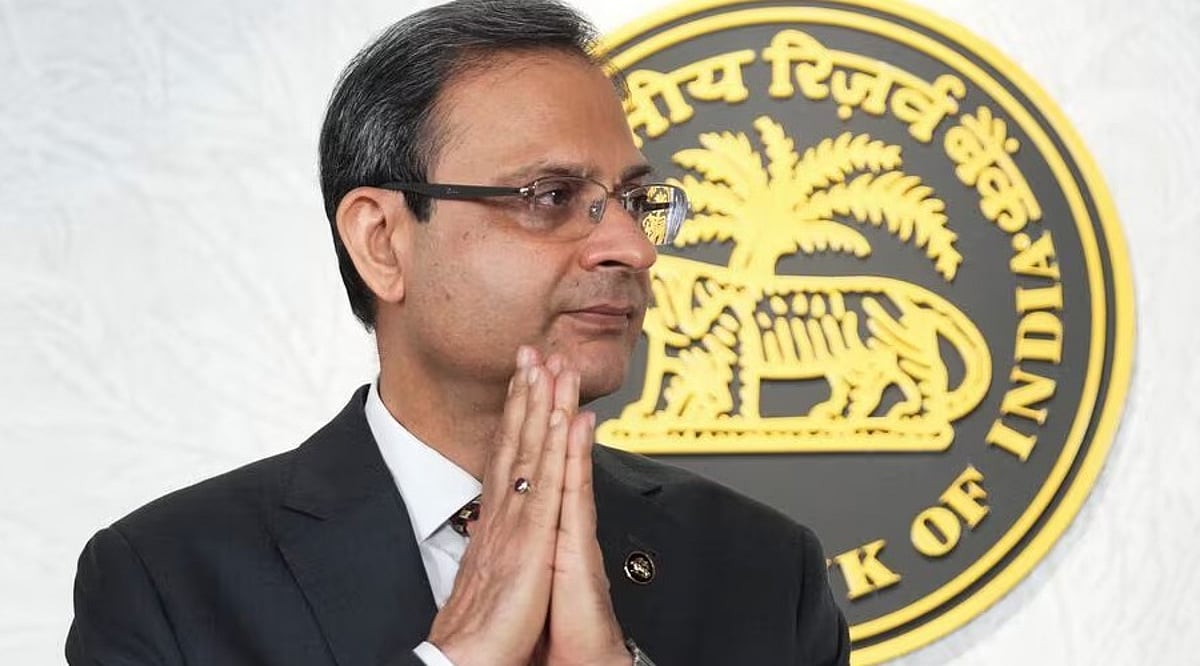
    The Reserve Bank of India (RBI) kept the repo rate unchanged at 5.25% during its August Monetary Policy Committee (MPC) meeting, signaling a cautious approach as inflation eases and global economic uncertainties persist. The central bank also maintained a neutral stance, indicating that future policy moves will depend on incoming data rather than a predetermined path.

    Governor Sanjay Malhotra noted that inflation remains within the RBI’s target range, while domestic growth continues to show resilience despite external risks. The policy aims to balance price stability with sustained economic growth amid ongoing global trade and geopolitical tensions.

    Inflation Forecast Lowered, Growth Outlook Maintained

    A key announcement was the RBI’s revised inflation outlook. The MPC lowered its FY27 CPI inflation forecast by 10 basis points to 5%, while retaining its view that inflation will peak in the third quarter before gradually easing. The central bank projects CPI inflation at 4.7% in Q2, 5.9% in Q3, 5.5% in Q4, and 5.3% in the first quarter of FY28. Core inflation for FY27 is estimated at 4.3%, and core inflation excluding precious metals is expected to remain below 4.3% during the fiscal year.

    At the same time, the RBI retained its GDP growth projection at 6.7%, reflecting confidence in India’s economic momentum. Strong domestic demand, government capital expenditure, and improving rural consumption were highlighted as key growth drivers despite a mixed global environment.

    Liquidity Measures Continue to Support the Banking System

    The RBI reiterated its commitment to ensuring sufficient liquidity in the financial system while maintaining an orderly money market environment. The central bank stated it would use liquidity management measures as needed to keep short-term interest rates consistent with the policy rate. Credit growth remains steady, supported by robust demand from retail and business customers. Banking system strength and ample liquidity levels will help sustain borrowing in key sectors of the economy.

    Global Risks Remain a Key Concern

    While domestic factors appear positive, the RBI warned that global uncertainties continue to pose risks to India’s economy. Key risk factors identified include geopolitical uncertainty, commodity price fluctuations, and changing trade policies of major economies. Capital flow and exchange rate dynamics in light of the evolving global interest rate scenario are also being closely monitored.

    “There is a need for greater clarity to emerge, especially regarding inflation, its path and composition before taking any policy action. Any such action would also have to consider the need for recalibration of policy rates in line with the evolving growth-inflation dynamics, especially the normalisation of the underlying inflation from its benign levels seen hitherto,” Governor Malhotra stated.

    Deficient and uneven Southwest monsoon across the subcontinent was highlighted as a major risk to India’s economy.

    What It Means for Borrowers and Investors

    With the RBI’s decision to keep interest rates unchanged, there will be no immediate changes in rates for mortgages, auto loans, and business credit. For investors, the policy reinforces expectations of rate stability, though future actions will depend on inflation and economic data.

    Analysts believe equity markets may welcome the RBI’s balanced approach, while bond markets could remain sensitive to upcoming inflation readings and global central bank actions. Market participants will closely track inflation trends, festive-season demand, and external developments to gauge the timing of any future policy changes.

  • RBI Holds Repo Rate Steady at 5.25% Amid Middle East Tensions

    RBI Holds Repo Rate Steady at 5.25% Amid Middle East Tensions

    The Reserve Bank of India (RBI) has decided to keep the repo rate unchanged at 5.25%, maintaining a cautious stance as inflation risks and global uncertainties persist due to the ongoing conflict in the Middle East.

    The decision was announced following a three-day meeting of the Monetary Policy Committee (MPC), which concluded on Wednesday. The six-member panel, led by Governor Sanjay Malhotra, voted unanimously to hold the rate steady. The MPC also retained its monetary policy stance as ‘neutral,’ signaling that future moves will be guided by incoming economic data.

    In addition to the repo rate, the RBI kept the Standing Deposit Facility (SDF) rate unchanged at 5% and the Marginal Standing Facility (MSF) rate along with the bank rate at 5.5%.

    Governor Malhotra noted during the announcement, “Crude oil prices, currencies, and financial markets remain volatile, fluctuating in line with the changing intensity and uncertainties of the West Asia conflict. In this backdrop, the MPC met for its third bi-monthly meeting of this financial year to deliberate and decide on the policy.”

    The central bank last adjusted the repo rate in December 2025, when it was lowered from 5.50% to 5.25%. Since then, the RBI has held rates steady, aiming to balance inflation control with support for economic activity.

    By keeping the repo rate unchanged, the RBI hopes to prevent inflation from accelerating further without putting excessive pressure on economic growth. The repo rate is the key interest rate at which the RBI lends to commercial banks, directly influencing loan and deposit rates across the economy.

  • India’s Manufacturing PMI Drops to Lowest Since 2021 Amid Slowing Domestic Demand

    India’s Manufacturing PMI Drops to Lowest Since 2021 Amid Slowing Domestic Demand

    India’s manufacturing sector expanded at its slowest pace in nearly five years during July, as domestic demand weakened and hiring slowed, according to the latest S&P Global HSBC India Manufacturing Purchasing Managers’ Index (PMI).

    The headline PMI fell to 53.5 in July, down from 54.2 in June, marking its lowest level since August 2021. The reading came in below the earlier estimate of 53.9. Despite the decline, the index remained above the 50 threshold, indicating continued growth in factory activity.

    July’s data revealed a clear divergence between domestic and overseas demand. Export orders improved after a sharp slowdown in June, rising at their fastest pace since April, driven by stronger demand from countries including Canada, Egypt, Indonesia, Kenya, Nepal, South Africa, Thailand, and the United Arab Emirates. In contrast, new orders increased at the second-slowest rate in more than four years, with manufacturers attributing the slowdown to weaker client interest and challenging market conditions.

    Factory output continued to grow in July, with the pace of expansion little changed from June, though it remained near the weaker levels seen since mid-2022. Consumer goods producers faced softer conditions, while intermediate and capital goods manufacturers recorded better performance.

    Employment increased for the 29th consecutive month, but hiring grew at the slowest pace in that period, weakening for a third straight month. The trend suggests manufacturers became more cautious as order growth lost momentum. Companies also reduced the pace of input buying during July, though they continued to build inventories as supply conditions improved. Stocks of raw materials and finished goods both increased.

    Supplier delivery times shortened at one of the fastest rates recorded by the survey, indicating that supply chain delays continued to ease. However, renewed tensions in the Middle East have raised doubts about the durability of these improvements. Pranjul Bhandari, chief India economist at HSBC, noted, “The suppliers’ delivery times index rose in July, an encouraging sign that supply chain delays are continuing to unwind. However, renewed tensions in the Middle East have raised fresh doubts about how durable these improvements will be.”

    Input cost inflation slowed to a five-month low in July, with price increases for several raw materials becoming less severe, though transportation costs remained high. Selling prices rose only modestly, as softer demand and strong competition limited manufacturers’ ability to raise prices more sharply. Bhandari added, “Meanwhile, output and new export orders strengthened, pointing to resilient demand, particularly from overseas markets. Input costs eased while output charges increased as firms sought to protect margins.”

    Business confidence improved from June’s recent low, with manufacturers expecting demand, infrastructure projects, and new client enquiries to support activity. The survey covered approximately 400 manufacturing companies across India, measuring output, orders, employment, costs, and business expectations.

  • AI-Driven Memory Chip Shortage Drives Up Prices for Laptops, Phones, and Consoles

    AI-Driven Memory Chip Shortage Drives Up Prices for Laptops, Phones, and Consoles

    Artificial intelligence spending is fueling a global memory chip shortage, pushing up prices for laptops, smartphones, gaming consoles, and other consumer electronics. Manufacturers are prioritizing high-bandwidth memory (HBM) for AI data centers, leaving fewer conventional DRAM chips for everyday devices.

    The supply squeeze, nicknamed “RAMaggedon,” has caused RAM prices to surge. In Hong Kong, computer shop manager Ken Tam reports that 16 GB of RAM now costs about HK$1,500, up from HK$300–HK$400 previously. Business has fallen by half since September as customers balk at the higher costs.

    Analysts note that memory prices for PCs and smartphones have climbed five to six times year-over-year. Samsung Electronics, SK hynix, and Micron have benefited from strong HBM demand, but the production shift has reduced supplies of standard DRAM used in consumer devices.

    The shortage is altering buying behavior. Some users are upgrading older computers instead of buying new ones. In Tokyo, graphic designer Charles Brousse says RAM, graphics cards, and motherboards have reached “ridiculous levels,” forcing his custom computer service to ask clients to supply their own parts.

    Higher component costs are also hitting game consoles. Reports indicate price increases for Sony PlayStation and Microsoft Xbox products. Software prices are rising as companies bundle AI tools—Microsoft 365 saw a sharp price hike in February following heavy AI investment.

    AI data centers add further inflationary pressure by consuming large amounts of electricity and water. The U.S. now hosts over 4,600 active data centers. Economists warn that data centers can raise wholesale electricity prices, contributing to a 4% rise in residential electricity costs (inflation-adjusted). Moody’s Analytics chief economist Mark Zandi estimates that AI-related inflation costs households “just over $375 more” per year.

    Automakers are also feeling the pinch, with higher costs for in-vehicle computer systems. Samsung’s finance chief expects the shortage to deepen in 2027 and persist through 2028.