Tag: Intel

  • How AI Upscaling Boosts Performance in Modern PC Games

    How AI Upscaling Boosts Performance in Modern PC Games

    AI upscaling has revolutionized PC gaming, enabling players to enjoy high-resolution visuals and smooth frame rates without requiring the most expensive hardware. Instead of forcing the graphics card to render every pixel at full resolution, AI generates a sharp, detailed image from a lower-resolution source. This approach reduces the GPU’s workload while preserving visual fidelity.

    How AI Upscaling Works

    Traditionally, a graphics card renders each frame at the target resolution—4K demands significantly more power than 1080p. AI upscaling flips this process: the game renders at a lower resolution, then an AI model analyzes the image and fills in missing details before output. The result is a clear, high-resolution picture with much less computational strain.

    Key Technologies: DLSS, FSR, and XeSS

    Three major technologies dominate the market: NVIDIA’s DLSS (Deep Learning Super Sampling), AMD’s FSR (FidelityFX Super Resolution), and Intel’s XeSS (Xe Super Sampling). Each works differently but shares the same goal—boosting performance without sacrificing image quality. Games like Cyberpunk 2077, Alan Wake 2, and Black Myth: Wukong rely on these tools to maintain high frame rates with ray tracing enabled. Tests show frame rate gains of 30–100% or more, depending on the title and hardware.

    Benefits Beyond Speed

    AI upscaling also extends the life of existing GPUs, allowing mid-range PCs to run demanding titles smoothly. This democratizes access to modern games, letting more players experience rich, detailed worlds without frequent hardware upgrades.

    Current Limitations

    Despite its advances, AI upscaling isn’t perfect. Fast motion can introduce blurry edges, and fine details like text or thin objects may appear slightly off. DLSS requires NVIDIA RTX cards, while FSR and XeSS are more cross-compatible but perform best on their respective hardware. There’s also a concern that studios might lean too heavily on AI rather than optimizing games natively.

    AI Enhances, Not Replaces, Human Creativity

    AI upscaling does not generate stories, characters, or game worlds—it simply improves how those elements look on screen. Artists, writers, and programmers remain the heart of game development. AI is a powerful helper, not a substitute for human imagination.

    The Future of AI in Gaming

    As the technology matures, image quality will improve and artifacts will diminish. AI upscaling will likely become a standard feature, making future games more accessible while empowering developers to create even more ambitious worlds. For now, it’s one of the best ways to get more performance from your existing PC.

  • White House Urges Apple, NVIDIA, and SpaceX to Boost Intel’s US Chip Production

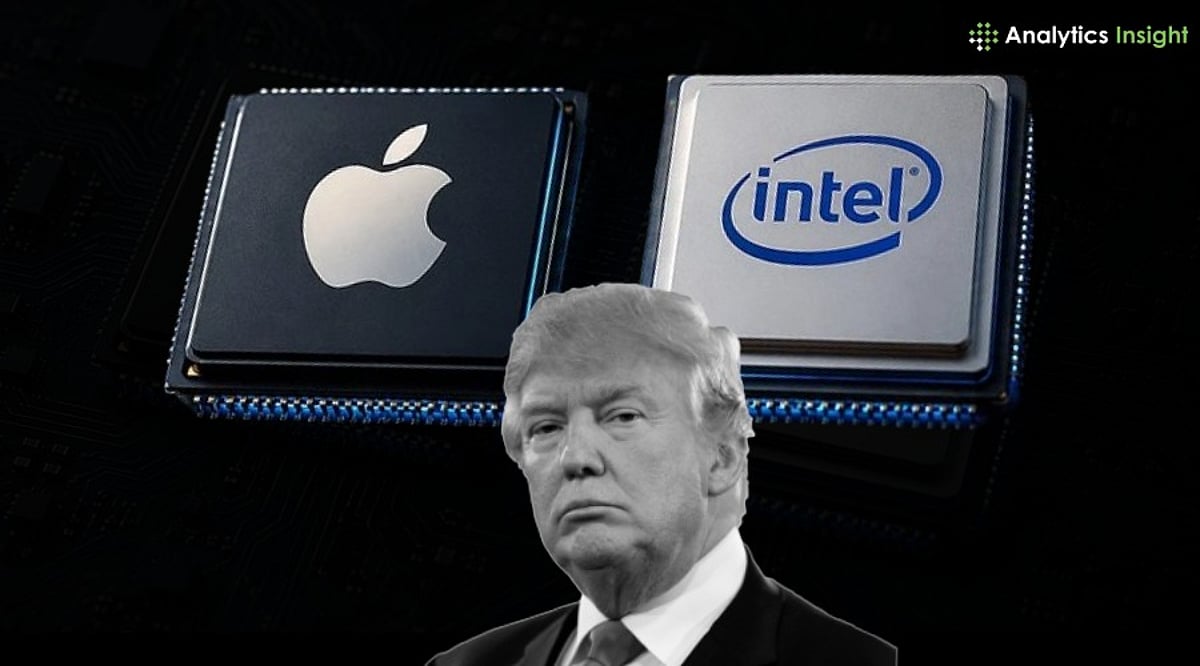
    White House Urges Apple, NVIDIA, and SpaceX to Boost Intel’s US Chip Production

    The Trump administration has taken an active role in Intel’s recovery, urging major US technology companies to invest in or work with the chipmaker. Apple, NVIDIA, and SpaceX have entered talks or partnerships with Intel as Washington seeks to expand semiconductor production within the United States.

    This support has improved Intel’s access to capital and raised demand for its processors. However, the company’s contract manufacturing business still relies heavily on work from Intel’s own product units. Outside foundry revenue remains small compared with the wider manufacturing division.

    White House Presses Tech Firms to Back Intel

    President Donald Trump and Commerce Secretary Howard Lutnick urged Apple Chief Executive Tim Cook to use Intel’s US factories during talks over proposed semiconductor tariffs. Apple later reached a preliminary agreement for Intel to manufacture selected chips, though large-scale production may take several years.

    Washington also converted about $8.87 billion in federal funding into an equity position of roughly 10% in Intel, making the US government the company’s largest shareholder. NVIDIA subsequently invested $5 billion, while SoftBank added $2 billion. Officials also encouraged Intel to work with NVIDIA and SpaceX.

    Meanwhile, Intel Chief Executive Lip-Bu Tan reorganized engineering teams and shifted spending toward equipment for advanced production and packaging. Intel also recruited managers with experience at Samsung Electronics and SK Hynix.

    Server Sales Rise as Intel Posts a Loss

    Intel reported first-quarter revenue of $13.6 billion, up 7% from one year earlier. Data Center and AI revenue rose 22% to $5.1 billion as cloud and AI customers bought more Xeon processors. Intel still recorded a net loss of $3.7 billion, partly linked to restructuring charges.

    The company expects second-quarter revenue between $13.8 billion and $14.8 billion and projects adjusted earnings of $0.20 per share. Tan said AI inference is ‘significantly increasing the need for Intel’s CPUs and wafer and advanced packaging offerings.’

    Additionally, Intel expanded its work with Google Cloud. The companies agreed to use Intel Xeon processors across AI, inference, and general computing tasks. The agreement gives Intel a large processor customer, though it does not establish Google as a major outside buyer for Intel’s foundry plants.

    Outside Foundry Revenue Stays Limited

    Intel Foundry reported $5.4 billion in first-quarter revenue, up 16% from a year earlier. Most of that amount came from Intel’s internal product groups. External foundry revenue reached only $174 million, compared with $31 million in the same quarter of 2025.

    The increase mainly came after Altera became an outside customer following its separation from Intel. Intel’s filing said the change accounted for much of the $143 million annual rise. Chief Financial Officer David Zinsner described the outside sales as ‘legacy business that we have mainly on the wafer side.’

    Intel has identified external foundry growth as a key long-term strategy. The company has secured capital, processor agreements, and government support, but first-quarter figures show that third-party manufacturing orders have not yet become a major source of revenue.

  • Top GPUs for AI and Machine Learning Workloads in 2026: A Comprehensive Guide

    Top GPUs for AI and Machine Learning Workloads in 2026: A Comprehensive Guide

    As artificial intelligence and machine learning continue to evolve, the demand for powerful graphics processing units (GPUs) has never been higher. In 2026, several new and updated GPUs are set to dominate the market, offering exceptional performance for training, inference, and deployment of AI models. Below is a curated list of the best GPUs for AI and machine learning workloads in 2026, covering options from NVIDIA, AMD, and Intel.

    NVIDIA RTX 6090

    The NVIDIA RTX 6090 delivers exceptional AI training performance, massive VRAM, advanced Tensor Cores, and outstanding capabilities for generative AI and deep learning projects. It is the top choice for researchers and developers who need maximum compute power.

    NVIDIA RTX 6080

    The RTX 6080 offers powerful AI inference, high-speed processing, efficient energy consumption, and excellent value for researchers and AI developers building modern applications. It strikes a strong balance between performance and cost.

    NVIDIA RTX Pro 7000 Blackwell

    Built for enterprise AI, the RTX Pro 7000 Blackwell features enormous memory capacity, workstation reliability, advanced ray tracing, and the ability to handle demanding machine learning workloads worldwide.

    NVIDIA H300 Tensor Core GPU

    Optimized for large-scale AI model training, inference acceleration, enterprise deployment, and high-performance computing, the H300 Tensor Core GPU is a powerhouse for modern data centers globally.

    AMD Instinct MI400

    AMD’s Instinct MI400 provides competitive AI acceleration, strong memory bandwidth, enterprise scalability, and efficient processing for machine learning and scientific computing applications worldwide.

    AMD Radeon AI Pro R9700

    The AMD Radeon AI Pro R9700 delivers workstation-grade AI performance, creative acceleration, efficient multitasking, and optimized support for professional AI development environments and workflows.

    Intel Gaudi 4 Accelerator

    Intel’s Gaudi 4 Accelerator focuses on cost-effective AI training, scalable infrastructure, efficient networking, and enterprise deployment for advanced machine learning applications across industries.

    NVIDIA L50 GPU

    Designed for AI inference, virtualization, graphics acceleration, cloud deployment, and efficient enterprise AI workloads, the NVIDIA L50 GPU offers balanced performance and flexibility consistently.

    AMD Radeon RX 9900 XTX

    The AMD Radeon RX 9900 XTX offers strong local AI performance, gaming capabilities, content creation acceleration, and affordability for enthusiasts experimenting with machine learning projects regularly.

    NVIDIA RTX 5080

    The NVIDIA RTX 5080 balances AI performance, gaming power, efficient Tensor processing, and competitive pricing for developers, creators, and AI enthusiasts building personal workstations.

    For the latest news, exclusives, and videos, join our WhatsApp Channel.

  • Undervalued Stocks to Watch in July 2026: Indian and Global Opportunities

    Undervalued Stocks to Watch in July 2026: Indian and Global Opportunities

    July 2026 presents compelling opportunities in undervalued stocks across Indian and global markets. Strong earnings, reasonable valuations, and clear business growth make these companies worth watching for long-term investors.

    Overview

    Strong companies can become attractive investments when market prices stay below their true value. Indian banking, pharmaceuticals, logistics, and financial services offer several promising value opportunities. Global technology, financial, industrial, and gold companies also present attractive long-term potential.

    July 2026 has brought a new phase for stock markets. Many companies have delivered solid business results, but their share prices have not fully reflected that progress. This gap between business value and market price has created fresh opportunities for long-term investors. Instead of broad market rallies, experts now believe careful stock selection offers better chances for success.

    In India, foreign institutional investors have reduced their holdings in several large companies. Their ownership in the country’s ten biggest stocks has fallen to the lowest level seen in almost twenty years. This decline has pushed the prices of some strong businesses below their usual valuation levels. Market experts believe this situation has opened the door for investors who focus on company fundamentals instead of short-term market movements.

    Strong Indian Stocks with Attractive Valuations

    Several Indian companies stand out for their healthy financial performance and reasonable share prices. ICICI Bank is one of the strongest names in the banking sector. The bank has reported steady profit growth and continues to expand its lending business. Even after this progress, its valuation is below that of many leading international banks. Strong credit demand and retail loan growth could support future gains.

    Axis Bank also looks attractive. The bank has improved its asset quality over the last few years, while profits have continued to rise. Better operating margins have added further confidence. Despite these improvements, the stock still trades at a valuation that many analysts consider attractive.

    Sun Pharmaceutical Industries continues to show strength through stable earnings and healthy cash flow. The company’s specialty medicine business has also added new growth opportunities. Even with these positives, the stock is reasonably priced compared with its long-term potential.

    Adani Ports and Special Economic Zone is an important player in India’s logistics sector. Trade activity and cargo movement continue to support business growth. After a correction in valuation, the company now appears more attractive for long-term investors.

    Motilal Oswal Financial Services has also attracted attention. The company has delivered strong earnings and continues to expand its presence in financial services. Growth in capital market activity may support future business performance.

    Godawari Power and Ispat has maintained a healthy balance sheet and strong earnings. Infrastructure development across the country could increase demand for steel products, which may benefit the company in the coming years.

    Can Fin Homes has continued to report stable loan growth. The housing finance sector is an important part of India’s economic expansion, and the company’s current valuation appears reasonable.

    Tamilnad Mercantile Bank also deserves attention. The bank combines solid profitability with a comparatively low market valuation. Continued growth in regional banking could provide additional support for future performance.

    Global Companies Worth Watching

    Several international companies also appear undervalued based on current market conditions. Charles Schwab is a leading financial company in the United States. Market experts believe its current valuation does not fully reflect its earnings potential. As financial activity improves, the company could benefit from stronger business performance.

    Bank of America also trades below its historical valuation levels. The bank continues to report stable earnings and is one of the largest financial institutions globally. Many analysts expect future improvements as economic conditions stay stable.

    Intel continues to attract attention as a turnaround opportunity. The company has faced challenges in recent years, but investments in advanced chip manufacturing and technology development may strengthen its long-term position.

    Accenture also appears attractive despite its leadership in technology consulting. Demand for artificial intelligence services continues to rise, and the company is well placed to benefit from this trend. Many analysts believe its current valuation offers meaningful upside.

    Opportunities Beyond Technology

    The industrial and mining sectors also offer attractive opportunities. Regal Rexnord has gained attention for its role in AI infrastructure. Market experts, including Kerrisdale Capital, estimate that the company could deliver about 81% upside based on a detailed valuation study. Growing demand for data centers and industrial equipment may support future growth.

    Gold producers have also entered the spotlight. Newmont is one of the largest gold mining companies in the world. Strong cash flow and healthy gold prices continue to support its business.

    Equinox Gold also appears attractive. Stable production and supportive commodity prices have improved investor confidence. Both companies could benefit if demand for gold stays strong.

    Stocks That Analysts Currently Prefer

    Recent market reports have also highlighted CreditAccess Grameen and Lodha Developers as stocks to watch during the first week of July 2026. Analysts believe these companies offer attractive opportunities with healthy earnings expectations and supportive technical indicators. These stocks suit investors who prefer short- to medium-term market opportunities rather than deep value investing.

    Final Thoughts

    July 2026 has created several attractive opportunities across both Indian and global markets. Strong businesses with healthy earnings, stable cash flow, and solid growth plans now trade at valuations that many experts consider reasonable. Indian names such as ICICI Bank, Sun Pharmaceutical Industries, Adani Ports and Special Economic Zone, Motilal Oswal Financial Services, and Godawari Power and Ispat continue to receive positive attention.

    Among global companies, Accenture, Charles Schwab, Regal Rexnord, Newmont, and Intel are popular choices for their long-term growth potential and attractive valuations. While every investment carries some level of risk, these companies combine strong business fundamentals with clear future growth opportunities. Careful research and a long-term approach are important when evaluating any investment decision.

    FAQs

    1. What is an undervalued stock? An undervalued stock trades below its estimated true value based on business performance and financial strength.
    2. Why are undervalued stocks attractive? They may offer better long-term returns if the market later recognizes their true value.
    3. Which Indian sectors look attractive in July 2026? Banking, pharmaceuticals, logistics, housing finance, financial services, and steel stand out.
    4. Which global sectors offer value opportunities? Financial services, technology, industrial companies, and gold mining companies appear attractive.
    5. Are undervalued stocks risk-free? No. Every investment carries risk, so careful research and a long-term approach remain important.

  • Wall Street Poised for Best Quarter in Years as Tech Stocks Rebound Amid Geopolitical Calm

    Wall Street Poised for Best Quarter in Years as Tech Stocks Rebound Amid Geopolitical Calm

    Wall Street is on track to close the second quarter with its strongest performance in years, even as ongoing US-Iran tensions continue to create geopolitical uncertainty. Investors have maintained buying momentum, buoyed by optimism over the upcoming earnings season and easing concerns about Middle East hostilities. Major indexes posted solid gains, with technology shares staging a recovery after a challenging June.

    Major US Indexes Target Strongest Quarterly Gains

    The S&P 500 and NASDAQ Composite are heading toward their best quarterly gains in six years, while the Dow Jones Industrial Average is on pace for its strongest quarter since 2022. In Tuesday trading, the S&P 500 rose 0.34%, the NASDAQ gained 0.76%, and the Dow traded nearly flat. These gains reflect continued investor confidence despite earlier volatility driven by semiconductor weakness.

    The Dow is also on track for its best first-half performance since 2021. The S&P 500 has posted more than an 8% gain during the first six months of 2026, while the NASDAQ has advanced over 11%. The Russell 2000 has outperformed larger indexes, climbing more than 21% in the same period.

    Technology Stocks Recover as Earnings Season Approaches

    Technology stocks helped lift markets after suffering sharp losses earlier in June. Investors are now shifting focus to the upcoming corporate earnings season, expecting strong results to support current valuations. Chipmakers led Tuesday’s rally: NVIDIA gained more than 1%, Advanced Micro Devices advanced about 3%, and Intel climbed roughly 4%.

    Semiconductor exchange-traded funds also delivered record quarterly gains. The VanEck Semiconductor ETF surged around 70% during the second quarter, while the iShares Semiconductor ETF gained approximately 94%. Micron was among the sector’s strongest performers, rising about 240% during the quarter.

    Despite Tuesday’s rebound, June remained challenging for several technology stocks. The S&P 500 and NASDAQ are still on track to end two consecutive months of gains as investors reassess AI-related valuations.

    Geopolitical Developments and Interest Rates Remain in Focus

    Investors continue monitoring US-Iran developments. Recent signs of reduced hostilities have improved market sentiment after both countries agreed to halt attacks and allow commercial shipping through the Strait of Hormuz. Oil prices remained relatively stable, with Brent crude trading near $73 per barrel and West Texas Intermediate around $70. Stable energy prices have helped ease concerns about additional inflation pressure.

    Markets are also focused on monetary policy expectations. Traders now anticipate at least one Federal Reserve rate hike before the end of 2026, following stronger economic data that shifted expectations away from earlier forecasts for rate cuts. Investors are awaiting comments from Federal Reserve Chair Kevin Warsh after fresh job openings and consumer confidence reports.

    Individual Stocks Post Mixed Performance

    Several individual companies recorded notable moves during Tuesday’s session. Concentrix shares fell more than 20% after lowering its full-year revenue and adjusted profit forecasts, pushing the stock to a record low. In contrast, AeroVironment surged about 22% after reporting a strong increase in quarterly revenue. Morgan Stanley slipped around 1% after Oppenheimer downgraded major Wall Street investment banks and encouraged investors to consider alternative asset managers.

    European markets also ended higher on the final trading day of June, with technology stocks leading regional gains. Major indexes in Germany, France, Italy, and the United Kingdom all closed in positive territory. Although analysts continue monitoring geopolitical developments and interest rate expectations, strong corporate earnings and resilient investor demand have kept Wall Street positioned for one of its strongest quarters in recent years.

  • Best Energy-Efficient Graphics Cards of 2026: Nvidia, AMD, and Intel Options

    Best Energy-Efficient Graphics Cards of 2026: Nvidia, AMD, and Intel Options

    As power efficiency becomes a top priority for gamers, creators, and enterprise users, the graphics card market in 2026 offers several compelling options that balance performance with lower energy consumption. From mainstream gaming GPUs to professional workstation cards, here are the most energy-efficient graphics cards to consider this year.

    Consumer Gaming GPUs

    NVIDIA GeForce RTX 5060

    Delivers excellent 1080p gaming performance with improved AI features, lower power consumption, and efficient thermal management for mainstream users.

    NVIDIA GeForce RTX 5070

    Balances performance and efficiency through advanced architecture, supporting demanding games, AI workloads, and creative applications with optimized power usage.

    AMD Radeon RX 9060 XT

    Offers competitive gaming performance, efficient power utilization, modern ray tracing capabilities, and excellent value for performance-conscious buyers worldwide.

    AMD Radeon RX 9070

    Provides efficient graphics processing, strong rasterization performance, enhanced AI acceleration, and balanced energy consumption across demanding gaming workloads consistently.

    Intel Arc B580

    Affordable graphics solution delivering respectable gaming capabilities, AI acceleration, media encoding improvements, and competitive efficiency for mainstream desktop users today.

    Professional Workstation GPUs

    NVIDIA RTX 5000 Ada Generation

    Professional workstation GPU delivering exceptional AI computing, rendering performance, advanced graphics capabilities, and optimized energy efficiency for enterprise professionals.

    AMD Radeon PRO W7800

    Professional graphics card balancing workstation performance, AI acceleration, content creation capabilities, and efficient power management for demanding production environments.

    NVIDIA RTX 4000 Ada Generation

    Compact professional GPU offering efficient rendering, CAD acceleration, AI computing, and energy-conscious workstation performance across various industries globally.

    Intel Arc Pro B60

    Professional graphics solution designed for visualization, AI workloads, media production, and reliable power-efficient performance in enterprise computing environments effectively.

    Whether you are building a gaming rig or outfitting a workstation, these energy-efficient graphics cards help reduce electricity costs and heat output without sacrificing performance.