Tag: interest rates

  • MCX Gold Slips 0.27% to Rs 1,48,800 Amid US-Iran Tensions and Rising Oil Prices

    MCX Gold Slips 0.27% to Rs 1,48,800 Amid US-Iran Tensions and Rising Oil Prices

    Gold prices on the Multi Commodity Exchange (MCX) declined on September 29 as geopolitical tensions between the United States and Iran over the Strait of Hormuz continued to push energy costs higher, increasing pressure on the Federal Reserve to maintain elevated interest rates.

    October gold futures fell 0.27% to Rs 1,48,500 per 10 grams, while September silver futures dropped 0.46% to Rs 2,46,130. In the international market, Brent crude futures rose 1.80% to USD 107.2 per barrel, and US West Texas Intermediate (WTI) gained 1.75% to USD 94.22 per barrel.

    Domestic Gold Prices

    In India, 24K gold fell by Rs 137 to Rs 1,48,800 per 10 grams, and 22K gold declined by Rs 125 to Rs 1,36,400. City-wise, Mumbai and Kolkata reported prices of Rs 1,48,800, Delhi at Rs 1,48,950, and Chennai at Rs 1,49,080.

    US Gold Prices

    In the United States, gold prices edged higher on Tuesday but remained near their lowest level in over seven weeks amid concerns that the Fed could keep rates higher for longer. Spot gold rose 0.4% to USD 4,130.58 per ounce, while US gold futures fell 0.2% to USD 4,162.20. Spot silver declined 0.9% to USD 60.42, platinum slipped 1.3% to USD 1,697.71, and palladium lost 0.8% to USD 1,205.27.

    Key Levels to Watch

    Christopher Tahir, senior market strategist at Exness, noted: “Geopolitical developments will remain crucial for gold, as continued tensions could keep energy prices and yields elevated, while meaningful progress toward de-escalation could ease pressure. Persistent price pressures combined with resilient activity would reinforce expectations that central banks need to remain restrictive, keeping yields elevated and leaving gold vulnerable to further losses.”

    On the daily chart, XAU/USD trades at USD 4,130, holding below the 20-day, 50-day, and 100-day simple moving averages clustered between roughly USD 4,290 and USD 4,330, which keeps the near-term bias bearish. The Relative Strength Index (14) near 36 suggests weak momentum but not outright oversold conditions, hinting that bears retain control.

    Immediate support is seen at the rising trend-line base near USD 3,990, where dip-buying interest could emerge if the current pullback extends. On the upside, the first resistance band is defined by the 100-day SMA at USD 4,292, followed closely by the 50-day SMA at USD 4,321 and the 20-day SMA at USD 4,325, forming a dense supply zone that gold would need to reclaim to ease bearish pressure.

  • How Federal Reserve Policy Moves Bitcoin Prices: Rates, Inflation, and Liquidity Explained

    How Federal Reserve Policy Moves Bitcoin Prices: Rates, Inflation, and Liquidity Explained

    Bitcoin was designed to operate outside the control of any central authority, including the U.S. Federal Reserve. Yet in practice, the cryptocurrency’s market price remains tightly linked to the Fed’s policy decisions. Interest rates, liquidity conditions, inflation expectations, and bond yields all shape how investors allocate capital between Bitcoin and traditional financial assets.

    Fed’s September Rate Hike and Its Impact on Bitcoin

    On September 16, 2026, the Federal Reserve raised its target federal funds rate by 25 basis points to a range of 3.75%–4.00%. Citing persistently elevated inflation, the central bank said the move was intended to steer inflation back toward its 2% objective. For Bitcoin, the decision is significant because interest rates directly affect the returns available from other investments.

    Why Higher Rates Can Pressure Bitcoin

    Bitcoin does not yield contractual interest. When Treasury bills, bonds, and cash-equivalent instruments offer higher yields, investors can earn meaningful returns without taking on the price volatility inherent in cryptocurrencies. Higher borrowing costs also tend to reduce liquidity across the financial system and discourage leveraged speculation. These conditions can create downward pressure on risk assets, including equities and digital currencies. As institutional participation in Bitcoin grows, macroeconomic variables increasingly influence BTC in tandem with conventional markets.

    Why Lower Rates Can Encourage Risk-Taking

    When monetary policy becomes less restrictive, the dynamic shifts. Declining interest rates reduce the yields on cash and short-term government securities, prompting investors to seek higher returns in stocks, commodities, and cryptocurrencies. Easier access to credit further improves overall liquidity. However, Bitcoin does not automatically rally when rates fall. Regulatory news and other crypto-specific developments can sometimes overshadow the impact of lower rates.

    Inflation: A Double-Edged Sword for Bitcoin

    Bitcoin’s fixed maximum supply of 21 million coins has led many to compare it to scarce assets like gold. Persistent inflation can therefore strengthen Bitcoin’s appeal as a hedge against currency debasement. But unexpectedly high inflation can also prompt the Fed to raise rates, creating a tug-of-war: a stronger scarcity narrative versus tighter monetary conditions. These competing forces make Bitcoin’s response to inflation complex and sometimes unpredictable.

    Other Drivers of Bitcoin’s Price

    Federal Reserve policy is just one factor among many. Spot ETF flows, institutional adoption, regulatory developments, leverage levels, mining economics, and Bitcoin’s roughly four-year halving cycle all contribute to crypto-specific supply and demand dynamics. This is why Bitcoin does not maintain a permanent inverse relationship with interest rates. Sometimes crypto-native catalysts outweigh the influence of monetary policy.

    Key Takeaways

    • Higher interest rates make yield-bearing assets more attractive and can reduce appetite for volatile investments like Bitcoin.
    • Lower rates and easier liquidity conditions generally support risk assets, but Bitcoin’s response is not guaranteed.
    • Inflation boosts Bitcoin’s scarcity narrative but may also trigger rate hikes that pressure prices.
    • ETF flows, regulation, mining economics, and halving cycles are equally important price drivers.

    Frequently Asked Questions

    1. How do Federal Reserve interest rates affect Bitcoin?

    Higher rates make bonds and cash-like assets more attractive while increasing borrowing costs and tightening liquidity. These conditions can reduce investor appetite for volatile assets such as Bitcoin.

    2. Why can lower interest rates support Bitcoin prices?

    Lower rates reduce yields on cash and short-term government securities while potentially improving financial-system liquidity. This can encourage investors to increase exposure to risk assets, including cryptocurrencies.

    3. Does Bitcoin always fall when the Federal Reserve raises rates?

    No. Bitcoin is also influenced by ETF flows, institutional demand, regulation, leverage, and crypto-specific market conditions. These factors can sometimes outweigh the effects of tighter monetary policy.

    4. How does inflation affect Bitcoin?

    Bitcoin’s maximum supply of 21 million BTC supports its scarcity narrative during periods of inflation. However, persistent inflation can also trigger higher interest rates, potentially creating pressure on Bitcoin and other risk assets.

    5. What other factors influence Bitcoin besides Federal Reserve policy?

    Spot Bitcoin ETF flows, institutional adoption, mining economics, regulation, market liquidity, and Bitcoin’s halving cycle can all affect BTC. Monetary policy is therefore one important factor rather than a standalone price indicator.

  • US 30-Year Bond Yield Reaches Highest Level Since 2004 Amid Sustained Selloff

    US 30-Year Bond Yield Reaches Highest Level Since 2004 Amid Sustained Selloff

    Overview

    The 30-year US Treasury yield climbed to 5.444% on Thursday, marking its highest level since 2004. The rise came as persistent selling pressure in global bond markets, combined with stronger-than-expected US economic data, renewed fears of inflation and further interest rate hikes by the Federal Reserve.

    The 10-year Treasury yield also rose, reaching 5.145%. Bond prices move inversely to yields, so the increase reflects continued weakness in Treasury prices.

    Strong US Data Fuels Rate Hike Bets

    The yield surge followed better-than-expected US economic figures. The S&P Global Purchasing Managers’ Index for services climbed to 58.7 in September from 56.5 in August, the highest level in nearly five years. The Manufacturing PMI also rose to 56.7, the highest in more than four years.

    According to market estimates, the Federal Reserve now has a 66% chance of raising interest rates in October, up from 53% earlier in the day. Just one month ago, the probability stood at less than 10%. The Fed increased rates during the previous week for the first time since 2023.

    Global Bond Markets Remain Under Pressure

    The pressure extends beyond US Treasuries. Bond markets worldwide have faced selling pressure for months due to higher energy prices, resilient economic growth, and concerns about elevated government debt. The US-Israeli war on Iran has pushed up energy prices, adding another source of inflationary pressure.

    Investors are closely watching Treasury auctions after a weak five-year note auction on Wednesday. The seven-year note auction later Thursday was expected to provide further clues about investor demand. The two-year US Treasury yield fell 1.8 basis points to 4.877%, while the gap between two- and 10-year yields stood at a positive 24.7 basis points.

    Jefferies chief US economist Thomas Simons noted that the long end of the Treasury market was ‘trading a bit better’ as investors assessed the latest moves.

  • US Stocks Decline as 10-Year Treasury Yield Reaches Highest Level Since 2007

    US Stocks Decline as 10-Year Treasury Yield Reaches Highest Level Since 2007

    US stocks fell on Wednesday as the benchmark 10-year Treasury yield soared to its highest level since 2007, following stronger-than-expected business activity data that revived expectations of further interest rate hikes.

    The S&P Global flash US Composite PMI Output Index rose to 58.4 in September from 56.0 in August, marking its highest reading since July 2021. The surge was fueled by a sharp increase in new orders, with factory hiring rising at its fastest pace since February 2021.

    Treasury Yields Rise on Rate Hike Bets

    The robust business activity data reinforced bets that the Federal Reserve could raise rates again, as inflation remains above the central bank’s 2% target. The 10-year Treasury yield jumped 8.7 basis points to 5.054%, its highest level since 2007. The two-year yield, sensitive to interest rate expectations, rose 8.49 basis points to 4.862%, its highest since June 2024.

    Fed funds futures traders now price in a 73% probability of an October rate hike, up from 53% earlier. Federal Reserve Governor Michael Barr stated that the central bank had taken an important step to ‘recalibrate’ short-term borrowing costs and would likely need to deliver additional rate hikes to bring down inflation.

    Wall Street Ends Lower

    Stocks came under pressure as Treasury yields climbed. The Dow Jones Industrial Average fell 0.18%, the S&P 500 dropped 0.53%, and the Nasdaq Composite declined 1.05%. The pan-European STOXX 600 index slipped 0.27%, while an MSCI index of global stocks declined 0.51% after four consecutive sessions of gains.

    Adam Button, chief currency analyst at investingLive, noted that services continued to lead the economy while manufacturing output picked up sharply, with factory hiring accelerating at its quickest pace since February 2021.

    Dollar Gains, Gold Falls

    The prospect of higher US interest rates supported the dollar, which reached multi-week highs against the euro, sterling, and Canadian dollar. The euro fell 0.5% to USD 1.1389, its lowest level since July 29. The dollar rose 0.56% against the yen to 158.25. Spot gold dropped 1.55% to USD 4,287.05 an ounce.

    Market participants are closely watching upcoming Fed meetings and economic data for further direction.

  • Stock Futures Flat as Oil Prices Exceed $100, Fed Rate Hike Fears Intensify

    Stock Futures Flat as Oil Prices Exceed $100, Fed Rate Hike Fears Intensify

    US stock futures remained largely unchanged on Tuesday following a sharp rally on Wall Street Monday, as brent crude surged above $100 per barrel, stoking inflation concerns and reviving expectations of another Federal Reserve interest rate hike. Meanwhile, traders are monitoring Middle East tensions, President Donald Trump’s speech at the United Nations, and Alibaba’s unveiling of a new AI chip.

    Dow Jones Futures Flat

    Dow Jones futures were down by 25 points, or 0.1%, at 3:09 AM ET (7:09 GMT), while futures linked to the S&P 500 and NASDAQ 100 held largely steady. The flat start came after the S&P 500 posted its best performance since August on Monday, driven by gains in technology and artificial intelligence stocks. Meta Platforms advanced on its new AI model, and chipmakers like AMD and Intel rose as investors focused on AI processing technologies. The US 10-year Treasury yield slipped slightly on Tuesday.

    Oil Prices Cross USD 100

    Brent crude futures climbed about 1% to $101.36 a barrel, crossing the $100 threshold as investors worried about supply disruptions from ongoing tensions in the Middle East. The focus also remains on President Trump’s planned address to the United Nations General Assembly in New York, expected to cover international security, conflicts in the Middle East and Ukraine, and AI safety.

    Fed Rate Hike Fears Return

    Federal Reserve rate hike concerns added another layer of uncertainty. St. Louis Federal Reserve President Alberto Musalem said the central bank may need to raise interest rates again as higher energy prices add to inflation pressures. The Fed raised rates by 25 basis points last week, and updated projections from Chair Kevin Warsh hinted at the possibility of another increase before the end of 2026.

    Alibaba Unveils New AI Chip

    At its annual Apsara Conference in Hangzhou, Alibaba unveiled the Zhenwu V900 AI accelerator. CEO Eddie Wu said the chip delivers three times the performance of its predecessor, the Zhenwu M890. Alibaba noted that the V900 can be used in clusters of up to 500,000 chips for training advanced AI models.

  • Crypto in 2026: The Macro Forces Shaping Bitcoin and Ethereum Markets

    Crypto in 2026: The Macro Forces Shaping Bitcoin and Ethereum Markets

    Crypto stopped trading on its own terms a while back. Bitcoin and Ethereum now move with the same signals that shake stocks and bonds: interest rates, inflation, the dollar, and job numbers. The thread connecting all of it is liquidity. Fed policy shifts financial conditions, and financial conditions decide how much capital investors are willing to put into assets that don’t pay a yield.

    The Fed’s Rate Hike Resets Expectations

    On September 16th, the Federal Reserve raised its benchmark rate by 25 basis points to a range of 3.75% to 4.00%. It was the first hike in three years, and the vote was unanimous. For most of 2026, the conversation had centered on when rate cuts might arrive. That conversation flipped. The Fed’s updated projections showed roughly 16 of 18 officials expecting at least one more increase before the year ends.

    For crypto, this matters in a direct way. Low rates loosen liquidity and push investors toward riskier assets. High rates tighten it and pull money toward safer ground. A hiking cycle raises the cost of holding something like Bitcoin, which pays no interest while it sits in a wallet.

    Inflation and Jobs Data Set the Pace

    Inflation numbers don’t just move markets for a single trading session. They shift expectations around future rate decisions, and those expectations shape how funds position their crypto exposure for weeks or months afterwards. The Fed’s own statement pointed to inflation still running well above its 2% target, which was the core justification for the hike.

    Jobs data plays a similar role from a different angle. In August, US employers added 162,000 jobs, and unemployment held at 4.1%. A steady labor market gives the Fed room to keep policy tight if inflation stays sticky. Weaker numbers would pull in the opposite direction. Markets watch this release as closely as the rate decision itself.

    Dollar and Treasury Yields Quietly Set the Tone

    Bitcoin tends to weaken when the dollar strengthens, particularly when that strength reflects tighter financial conditions in the US. The link isn’t fixed or permanent, but it shows up often enough to matter.

    Treasury yields work through a similar mechanism. When government bonds pay more, they raise the bar for what a riskier asset needs to offer before it looks worth holding. That’s the opportunity cost at work: money doesn’t sit idle, but it goes wherever the return looks strongest relative to the risk.

    Oil Prices Add a Second Layer

    Oil doesn’t move Bitcoin on its own. It moves inflation first. Higher oil prices push inflation expectations up, which pushes the Fed toward holding rates or hiking further, which keeps liquidity tight, which then filters into how much capital flows into crypto. It’s a chain, not a straight line.

    Brent crude has traded above USD 100 a barrel through September, driven largely by supply disruptions tied to conflict in the Middle East. That pressure fed directly into the inflation numbers behind the Fed’s decision this month.

    Crypto Still Writes Its Own Chapters

    Macro conditions set the weather. What happens inside individual crypto assets is a separate story. Spot Bitcoin ETF flows, stablecoin liquidity, on-chain activity, protocol revenue, and regulatory moves all shape how a given token performs, sometimes independent of what the Fed just announced. A project with strong fundamentals can hold its ground even when the broader backdrop turns hostile, and a weak one can fall further even when conditions ease.

    Anyone tracking this space needs to watch several signals together rather than one in isolation. Fed decisions set the monetary tone. Inflation and jobs data shape what comes next. The dollar and Treasury yields reveal the state of financial conditions more broadly. Oil adds a layer of inflation risk that can arrive from outside the usual channels. And on the crypto side, ETF flows, stablecoin activity, and regulatory shifts explain why one asset can diverge sharply from the pack.

    Final Thought

    The next real test isn’t the September hike itself but whether the Fed follows through in December. A second increase would confirm a genuine shift in the rate cycle rather than a one-off correction, and that distinction will matter more to crypto positioning than any single headline number this year.

  • Beyond Interest Rates: 5 Key Drivers of Stock Market Movements

    Beyond Interest Rates: 5 Key Drivers of Stock Market Movements

    Interest rates often dominate financial headlines, but they are far from the only force influencing stock markets. Corporate earnings, inflation, commodity prices, geopolitical events, currencies, investor sentiment, and capital flows all play significant roles. Understanding these factors helps investors interpret market movements and avoid relying on a single indicator.

    1. Corporate Earnings and Profit Expectations

    Corporate earnings are one of the strongest drivers of individual stock prices. Investors constantly compare reported results with market expectations. A company can report higher profits and still see its shares fall if earnings disappoint against already-high expectations. Revenue growth, profit margins, guidance, and future earnings estimates all matter. Strong results can support valuations when investors expect continued growth, while disappointing results can put pressure on share prices. The broader market also depends on earnings across major sectors such as technology, financials, healthcare, energy, and consumer companies.

    2. Inflation and Economic Data

    Investors track consumer prices, employment, wages, manufacturing, and economic growth. These reports can change expectations about future business conditions. Higher inflation can increase companies’ costs, pressuring profit margins, while lower inflation can improve purchasing power and reduce pressure on operating costs. Economic growth also matters: strong growth supports corporate revenue and consumer spending, while weak growth raises concerns about future earnings. Markets react quickly to major economic releases.

    3. Commodity Prices and Energy Costs

    Oil, natural gas, metals, and agricultural commodities can influence markets worldwide. Oil is particularly important as energy affects transportation and manufacturing costs. Higher prices can squeeze margins across industries such as airlines, chemicals, logistics, and manufacturing. Energy producers may experience a different earnings impact. Commodity movements also affect inflation expectations, creating another channel for market volatility. Recent oil price movements above USD 108 per barrel amid geopolitical tensions have put global equities under pressure.

    4. Geopolitical Events and Government Policies

    Wars, trade restrictions, elections, sanctions, and diplomatic disputes can quickly change investor expectations. Markets often react before the economic consequences become clear. Investors may reduce exposure to sectors facing direct risks. Trade policies can affect companies operating across borders—tariffs may increase costs or reduce demand for exported products. Geopolitical risks can also disrupt energy supplies and shipping routes, spreading across multiple economies. Energy prices and trade policies are extremely important in today’s situation.

    5. Investor Sentiment, Currency, and Market Flows

    Markets are influenced by how investors allocate capital. Foreign investment flows can affect stock prices, particularly in emerging markets, while domestic institutional flows can provide substantial buying or selling pressure. Currency movements matter for companies with international revenues or costs—a stronger local currency can reduce overseas earnings after conversion. Investor sentiment adds another layer: fear can accelerate selling, while optimism can increase demand for riskier assets. Market positioning can sometimes amplify an otherwise modest news event, explaining why similar announcements can produce different reactions.

    Why a Wider Market View Matters

    Interest rates are important, but they rarely explain every market move. Corporate earnings show whether businesses are generating profits. Economic data provides clues about demand and growth, while commodity prices reveal changing cost pressures. Geopolitical events can alter trade and supply chains. Currency movements and investor flows influence liquidity and valuations, and sentiment can magnify these underlying forces. By watching several indicators, investors gain better context—since no single market signal explains every rise or decline.

    Frequently Asked Questions

    What factors move the stock market besides interest rates?

    Corporate earnings, inflation, economic growth, commodity prices, currencies, geopolitical developments, investor sentiment, and capital flows can all influence stock markets. These factors often interact, making market movements more complex than a single interest-rate decision.

    How do corporate earnings affect stock prices?

    Earnings provide information about a company’s financial performance. Investors compare reported results with expectations. Strong revenue, profits, margins, and guidance can support valuations, while disappointing results can put pressure on share prices.

    Does inflation affect the stock market?

    Yes. Inflation can increase business costs and reduce consumer purchasing power. It can also influence expectations for monetary policy, affecting company earnings, bond yields, and investor valuations.

    Why do oil prices affect stocks?

    Oil is an important input for transportation, manufacturing, and several other industries. Rising prices can increase operating costs, while energy companies may see higher revenue from increased commodity prices.

    How do geopolitical events affect stock markets?

    Wars, sanctions, trade restrictions, and supply disruptions can change investor expectations. They affect energy prices, shipping costs, currencies, and specific industries. Markets can react before the full economic impact becomes visible.

    Disclaimer: This article is provided for informational purposes only and does not constitute investment advice. Readers should conduct their own research before making any investment decisions.

  • Fed Signals Tougher Inflation Fight: Markets Anticipate Short-Lived Rate Hikes

    Fed Signals Tougher Inflation Fight: Markets Anticipate Short-Lived Rate Hikes

    US stock futures crept higher on Monday as investors turned their focus to the Federal Reserve’s upcoming rate decision, weighing persistent inflation, rising Treasury yields, and the broader interest rate outlook.

    Market Moves Ahead of Fed Decision

    S&P 500 futures climbed 0.2%, Dow futures edged up 0.1%, and Nasdaq futures added 0.4%. The modest gains came as market participants braced for a possible rate hike. Inflation remains stubbornly above the Fed’s 2% target, keeping pressure on the central bank to act.

    The 10-year US Treasury yield hovered near 5% after briefly touching 5.04%, its highest level in years. Higher yields typically increase borrowing costs for businesses and households and make bonds more attractive relative to equities. Meanwhile, oil prices added another layer of concern: Brent crude traded at $107.61 a barrel and US crude at $103.70.

    At first glance, rising stocks alongside the prospect of higher rates may seem counterintuitive. However, investors had already priced in a rate increase, muting the immediate impact. Market attention is now shifting to what comes after the first move.

    The Real Question: Duration of Tightening

    A single rate hike does not reveal how long borrowing costs will remain elevated. If inflation stays sticky, the Fed could keep rates high for an extended period. If price pressures ease and economic growth slows, the tightening cycle could prove short-lived.

    Investors will focus on upcoming inflation reports, jobs data, oil price trends, and consumer spending figures. The immediate rate decision is only one piece of a larger puzzle. The bond market and inflation trajectory will ultimately determine whether this becomes a drawn-out phase or a brief adjustment.

    Also read: Crude Oil Prices Rise as US-Iran Escalation Revives Supply Fears, Brent Holds Above $70

  • FTSE 100 Opens 45 Points Lower as Bank of England Holds Rates; Brent Crude Sinks to $102.5

    FTSE 100 Opens 45 Points Lower as Bank of England Holds Rates; Brent Crude Sinks to $102.5

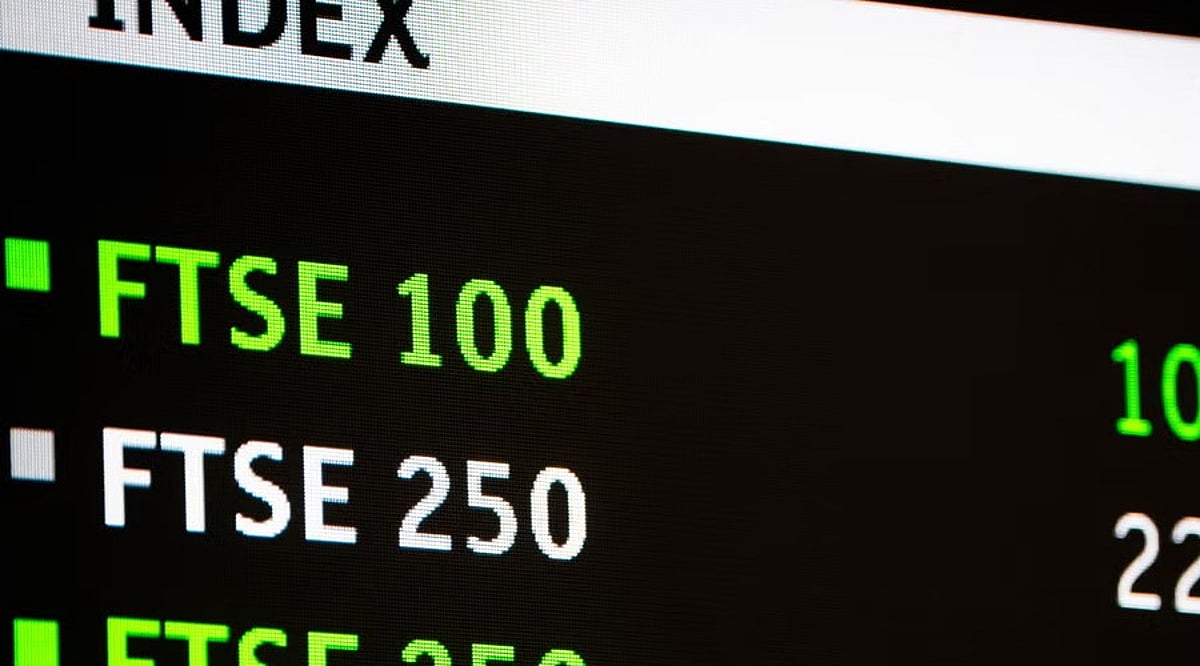
    The FTSE 100 opened 45.03 points lower at 10,771.11 on Friday after the Bank of England kept interest rates unchanged while adopting a more hawkish stance. Investors also weighed the Bank of Japan’s latest rate hike. Meanwhile, Brent crude futures fell 2.05% to USD 102.5 per barrel, and US West Texas Intermediate declined 1.89% to USD 99.98.

    BoE Holds Rates at 3.75%

    The Bank of England’s Monetary Policy Committee voted 6-3 to leave Bank Rate at 3.75%, repeating the split seen in July. Huw Pill, Megan Greene and Catherine Mann again voted for a 25-basis-point increase.

    In a notable move, the BoE paused all gilt sales until April 2027 and removed bonds maturing after 2049 — around GBP 120 billion — from active sales. The Bank is also exploring a mechanism to transfer gilts directly to the UK government treasury, replacing long-dated supply with shorter issuance.

    Sterling and Commodities

    Sterling was quoted at USD 1.3363 early Friday, slightly higher than USD 1.3356 at Thursday’s London close. Against the euro, the pound rose to EUR 1.1638 from EUR 1.1627.

    Gainers and Losers

    Top gainers:

    • Fresnillo: +2.70% at 3,085p
    • IG Group Holdings: +2.21% at 1,344p
    • Endeavour Mining: +2.20% at 4,777p
    • Lion Finance Group: +2.17% at 14,120p
    • Antofagasta: +1.35% at 3,752p
    • Polar Capital Technology Trust: +1.14% at 664.50p

    Top decliners:

    • Coca-Cola HBC: -3.86% at 4,432p
    • Next: -2.51% at 14,545p
    • Coca-Cola Europacific Partners: -1.25% at 7,505p
    • Shell: -1.13% at 3,530.50p
    • London Stock Exchange Group: -0.56% at 8,216p
    • Games Workshop Group: -0.51% at 17,670p

    UK Retail Sales Rebound in August

    Retail sales rose 0.5% in August, reversing a 0.5% decline in July, according to the Office for National Statistics. The increase was driven by warmer weather, which boosted demand for fans and air conditioning units, while the World Cup lifted sales of sports merchandise and clothing. Economists polled by Reuters had forecast a 0.2% drop.

    Investec Raises Earnings Targets

    Investec doubled down on its earnings outlook after strong activity in its South Africa division offset a subdued UK performance. The lender projected earnings per share of 41.7p to 43.3p for the six months to 30 September, representing a 3% to 7% rise year on year. South African wealth funds under management grew 13.8% to GBP 30.7 billion, while the UK business expects operating profit to fall between 2% and 6% from the GBP 230 million recorded last year.

    Global Market Update

    Wall Street rebounded overnight as government bond yields retreated. The S&P 500 gained 1.2%, the Nasdaq Composite rose 1.7%, and the Dow Jones added 0.6%, or 316 points.

    In Asia on Friday, Tokyo’s Nikkei 225 climbed 1.38% to 65,018.95, while China’s Shanghai Composite fell 0.94%. Hong Kong’s Hang Seng advanced 0.56%, and South Korea’s Kospi rose 2.66%. In India, the Nifty 50 and Sensex gained 0.25% and 0.28%, respectively.

  • Bitcoin Drops as Fed Rate Hike Strengthens Dollar and Raises Rate Risks

    Bitcoin Drops as Fed Rate Hike Strengthens Dollar and Raises Rate Risks

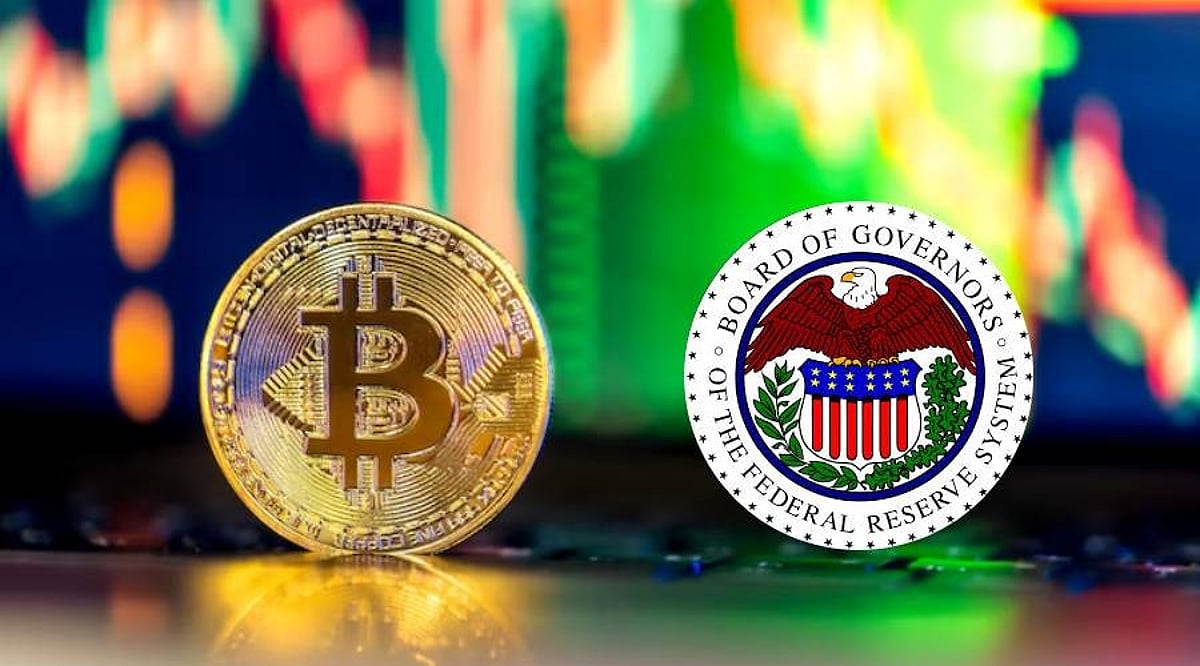
    Bitcoin extended its decline after the Federal Reserve raised interest rates by 25 basis points, lifting the benchmark range to 3.75%–4.00%. BTC has fallen more than 3% over three trading days, weighed down by a stronger dollar and expectations of further tightening.

    Fed Rate Hike Adds Pressure to Bitcoin

    Markets had priced in a more than 90% probability of the increase before the announcement, reflecting expectations for a more aggressive policy stance. Higher US rates tend to boost demand for bonds and support the dollar, while tighter financial conditions can reduce the liquidity available for risk assets such as Bitcoin.

    The dollar had already been strengthening ahead of the decision. The DXY index continued to push toward 100, a level that has attracted notable buying interest in recent sessions. A stronger dollar can also compete with Bitcoin for capital, as investors increasingly favor dollar-denominated assets when US bond yields become more attractive.

    Dollar Strength and Open Interest Shape BTC Trading

    Bitcoin demand has shown signs of cooling as the dollar gains ground and rate expectations remain firm. Short-term selling pressure has persisted as a result. Open interest across exchanges recently climbed to roughly $25.5 billion, indicating greater participation in Bitcoin derivatives. However, rising open interest combined with falling prices can also point to growing bearish positioning, especially while Bitcoin remains sensitive to liquidity and interest-rate expectations.

    2022 Tightening Cycle Offers a Limited Comparison

    History suggests the Federal Reserve rarely stops after a single increase. Since 1994, the central bank has gone “one and done” only once, and single hikes have remained uncommon across the 12 tightening cycles since 1955. Current market pricing points to another 75 basis points of tightening within six months.

    Bitcoin’s track record through tightening cycles is much shorter. The cryptocurrency traded through the 2015 cycle, although thinner liquidity makes that period less comparable to today. The 2022 cycle provides a closer reference because Bitcoin had developed a more mature market structure. BTC peaked near $69,000 in November 2021 before falling about 40% ahead of the March 2022 hike.

    Today, Bitcoin is also trading around 40% below its October high of $126,000. That decline places BTC near a drawdown level similar to the one seen before the 2022 tightening cycle began.