Tag: interest rates

  • UK Inflation Reaches 3.1% in August as Fuel Costs Surge Ahead of Bank of England Rate Decision

    UK Inflation Reaches 3.1% in August as Fuel Costs Surge Ahead of Bank of England Rate Decision

    UK inflation climbed to 3.1% in August, up from 2.9% in July, marking its highest level in five months. The increase, driven by higher petrol, diesel, and airfare prices, matched economists’ forecasts and came just one day before the Bank of England’s (BoE) September policy meeting.

    Fuel Prices Drive August Inflation Higher

    The Office for National Statistics (ONS) reported that transport made the largest upward contribution to the annual inflation rate. Motor fuel prices rose sharply, with petrol increasing by 9.1 pence per litre between July and August, while diesel prices climbed by 14.2 pence per litre over the same period.

    Grant Fitzner, chief economist at the ONS, said: “Sharp price rises for petrol and diesel pushed inflation up again in August.” He added that higher long-haul airfares also contributed. Crude oil and fuel costs further raised manufacturers’ raw material and factory-gate prices.

    Core and Services Inflation Remain Stable

    Despite the headline rise, measures closely watched by the Bank of England held steady. Core CPI, which excludes energy, food, alcohol, and tobacco, remained at 2.6% for the fourth consecutive month. Services inflation also stayed at 3.4%.

    Neither measure accelerated in August, even as fuel costs pushed the headline rate above 3%. ONS labour data released earlier in the week showed regular pay growth at 3.5% in the three months to July, close to its weakest pace since 2020.

    Bank of England Prepares for Rate Decision

    The Bank of England will announce its interest-rate decision on September 17. Bank Rate currently stands at 3.75% after the Monetary Policy Committee (MPC) voted 6-3 in July to keep borrowing costs unchanged. Three members had supported a quarter-point increase to 4%.

    Financial markets were pricing in about a 20% chance of a quarter-point increase at the September meeting, according to Reuters. Charlotte O’Leary of the National Institute of Economic and Social Research said: “With limited evidence of second-round effects so far, we expect the MPC to hold rates tomorrow.” The BoE has identified energy prices as a key risk to inflation.

    At its July meeting, the Bank noted that energy prices had remained volatile since the Middle East conflict began. It stated that policy would depend on the scale, duration, and wider transmission of the energy shock.

    Producer Prices Add Pressure to Outlook

    Price pressures were stronger at the manufacturing level. Producer input prices rose 6.1% in the year to August, up from a revised 5.8% in July. Factory-gate output prices increased 3.7%, compared with a revised 3.3% increase a month earlier.

    The rise in inflation also comes as Prime Minister Andy Burnham’s government prepares for an October 28 budget. Chancellor John Healey said the Middle East war was affecting inflation across countries, feeding into household bills, shopping costs, and fuel prices. Official records show Burnham became prime minister on July 20, with Healey taking over as chancellor on the same date.

    Further increases in household energy bills could push headline inflation higher in the coming months because regulated domestic prices respond to wholesale energy costs with a delay. Goldman Sachs expects UK inflation to peak at 3.9% in early 2027. The BoE’s 2% inflation target remains the benchmark, while policymakers continue to track wages, services prices, and business costs for signs of pressure.

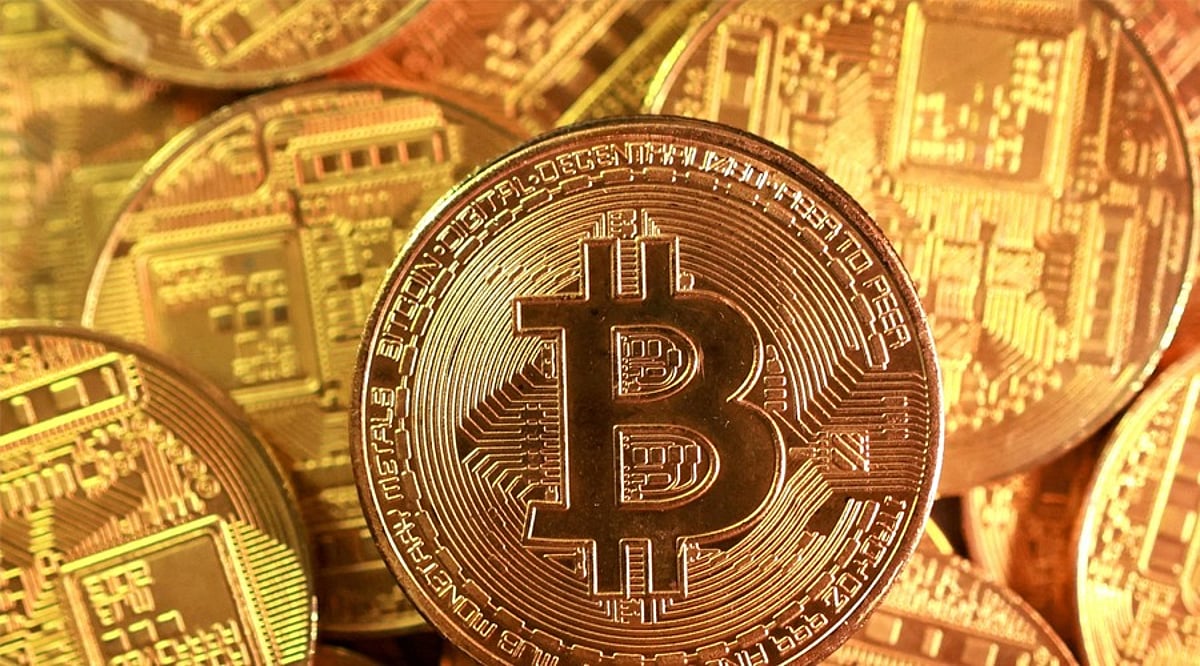
  • Oil Prices Surge Above $100, Fueling UK Inflation Concerns Ahead of Bank of England Rate Decision

    Oil Prices Surge Above $100, Fueling UK Inflation Concerns Ahead of Bank of England Rate Decision

    Oil prices climbed above $100 per barrel on Monday as Middle East attacks, Saudi pipeline disruptions, and shipping risks raised supply concerns. The surge has revived speculation that the Bank of England could raise interest rates later this year as higher energy costs add to UK inflation pressures.

    Oil Prices Rise as Saudi Pipeline Remains Shut

    Brent crude futures rose about 2.8% to $107.54 a barrel in early Monday trading, while West Texas Intermediate gained 2.9% to $102.93. Both benchmarks remained above $100 after oil gained about 8% last week. Saudi Arabia temporarily shut its East-West Pipeline after a drone attack. The route carries crude from the Arabian Gulf to the Red Sea port of Yanbu and allows Saudi exports to avoid the Strait of Hormuz. Industry sources said the outage could place up to 4% of global oil supply at risk if the pipeline stays offline.

    Shipping Risks Grow Around Hormuz and Bab el-Mandeb

    Tensions also rose around the Strait of Hormuz after a projectile struck a vessel on Sunday. The UK Maritime Trade Operations said the incident caused a fire and forced the crew to abandon the ship. Iranian authorities later said an unidentified munition hit an Iranian commercial vessel off the country’s coast. Meanwhile, Houthi forces reached Perim Island near the Bab el-Mandeb Strait, another major oil transit route, adding concern over shipping through the Red Sea. Omani Foreign Minister Badr Albusaidi announced the postponement of planned talks between Gulf states and Iran, reducing expectations of an immediate agreement on Hormuz shipping.

    Oil Surge Revives Bank of England Rate Hike Debate

    Higher oil prices have changed expectations for UK interest rates in financial markets. The Bank of England will announce its next policy decision on September 17. The bank rate currently stands at 3.75%, and the central bank has kept it unchanged since the conflict in the Middle East began earlier this year. The bank’s July meeting ended with a 6-3 vote to keep rates unchanged, while three members supported a quarter-point increase to 4%. Since then, energy prices have risen further. Markets now see a greater chance of a rate increase later this year, although a September move is still not the main expectation.

    Bailey Says Future Rate Moves Are Not Certain

    Bank of England Governor Andrew Bailey has cautioned against treating a rate increase as guaranteed. He told lawmakers that he wanted to dispel the idea that policymakers had a ‘secret plan’ for rates. He said future decisions would depend on economic data and events in the Middle East. Bailey also said market pricing included a risk premium linked to concerns about further energy price increases. At the same time, MPC member Megan Greene has raised concern that a longer oil shock could keep inflation expectations elevated. Traders will now watch UK inflation, labour market data, and oil prices before the September 17 decision.

    The outlook for crude prices remains closely tied to the East-West Pipeline, shipping security, and regional diplomacy. ING strategists said it was ‘unclear how severe any potential damage was’ to the Saudi pipeline. A faster restart or renewed Gulf-Iran talks could reduce supply concerns, while further disruptions could keep oil prices elevated.

  • Bitcoin Faces Dual Catalysts This Week: Fed Rate Decision and CLARITY Act Vote

    Bitcoin Faces Dual Catalysts This Week: Fed Rate Decision and CLARITY Act Vote

    Bitcoin enters a volatile week with two major catalysts: the Federal Reserve’s interest rate decision and a Senate vote on the CLARITY Act. Meanwhile, Bitcoin Suisse plans to relocate up to 60 jobs abroad as part of its international expansion strategy.

    Fed Rate Decision Dominates Crypto Market Risk

    The Federal Reserve will announce its September interest rate decision on Wednesday. Markets currently assign an 85% to 90% probability of a 25-basis-point increase. The week’s calendar also includes August retail sales and an auction of 20-year securities, but the Fed decision remains the main event for crypto markets.

    Rate expectations strengthened after August employment data showed 162,000 new jobs—triple the forecasts. Producer inflation accelerated to 5.4% annually, while headline CPI reached 3.4%. Monthly core CPI also came in slightly hotter than expected. At the same time, oil stayed above USD 100, while U.S. diesel prices reached a new record.

    Bitcoin has already fallen from USD 82,400 to below USD 78,000 as rate-hike expectations increased. Crypto prices also fell after Fed Chair Kevin Warsh’s Jackson Hole speech several weeks ago. Traders will watch Warsh’s post-meeting press conference for signals about whether Wednesday’s move stands alone or starts another tightening cycle.

    CLARITY Act Vote Adds Tuesday Catalyst

    Before the Fed decision, the Senate will hold a cloture vote on the CLARITY Act at 2:15 p.m. Tuesday. The motion needs support from 60 senators to advance debate. Republicans released updated legislation last week with new rules for non-decentralized DeFi protocols. The text also clarified how credit unions can participate in crypto activities.

    On Sunday, Republicans published another final draft that included an ethics proposal President Donald Trump supports. That vote places another major policy event immediately before the Fed decision. Bitcoin and altcoins have already shown strong sensitivity to changing policy expectations, and their recent declines came as markets increased the probability of tighter monetary policy.

    Bitcoin Suisse Plans Overseas Job Shift

    Separately, Bitcoin Suisse plans to relocate as many as 60 positions from its Zug headquarters. The company will move mainly back-office and administrative roles to Bratislava or Vietnam. Employees received the plan during a Friday town hall. Bitcoin Suisse will determine the final number after a 10-day consultation, while the first layoffs will begin before year-end.

    Bitcoin Suisse began operations in 2013 with crypto trading and custody before adding staking and lending. It now plans to serve private clients, family offices and institutions. The company has secured a MiCAR license in Liechtenstein, licenses in Bermuda and full regulatory approval in Abu Dhabi. Group CEO Andrej Majcen said international growth now ranks as a priority.

    Majcen linked the relocation to lower operating costs rather than the current crypto downturn. Zug will remain the headquarters, and the Bitcoin Suisse name will continue. The company also remains open to acquisitions in Switzerland as it expands beyond its original focus on the domestic crypto market.

    Final Thoughts

    Bitcoin enters the week with two immediate policy tests: Tuesday’s CLARITY Act vote and Wednesday’s Federal Reserve decision. Meanwhile, Bitcoin Suisse is moving part of its workforce abroad as it expands its international wealth and asset management strategy.

  • Bank FD vs. Post Office Deposits: Which Offers Better Returns in 2026?

    Bank FD vs. Post Office Deposits: Which Offers Better Returns in 2026?

    When deciding where to park your savings, the interest rate is only part of the story. Government-backed schemes sometimes offer higher returns, but they often require locking your money away for longer. A recent comparison by entrepreneur Prafull Billore highlights how small rate differences and access to funds can shape the right choice.

    Post Office vs. SBI: The Rate Gap

    For the quarter ending September 30, 2026, the Post Office one-year Time Deposit offers an annual interest rate of 6.90%. In comparison, the State Bank of India (SBI) offers 6.25% a year to general customers on retail domestic deposits below Rs 3 crore for a tenure of one year to less than two years. That is a difference of 0.65 percentage points.

    For senior citizens, the gap narrows. SBI offers them 6.75% on the same tenure, making the Post Office rate just 0.15 percentage point higher.

    Convenience and Access Matter

    Looking only at returns, the Post Office deposit may seem more attractive. But convenience plays a key role. Many bank customers can open, renew, or close fixed deposits through mobile or internet banking, depending on the bank’s terms. Post Office deposits may suit investors who are comfortable managing their savings in a separate account and do not need frequent access to the funds.

    SCSS: Higher Rate, Longer Lock-in

    The Senior Citizens Savings Scheme (SCSS) currently offers 8.2% a year. That is significantly higher than both SBI and Post Office products. However, SCSS carries a five-year tenure, which makes it very different from a one-year deposit. Senior citizens who may need the money sooner for medical costs, household expenses, or other short-term needs should review the scheme’s withdrawal conditions before investing.

    Billore noted that investors could keep funds for immediate use in liquid options and consider Post Office schemes for money that can remain invested. The comparison shows that a higher rate does not always mean easier access to savings.

    Which Option Should You Choose?

    Bank FDs, Post Office Time Deposits, and SCSS serve different savings needs. A bank FD may offer easier access for people who already manage their money through the same bank. A Post Office deposit may provide a slightly better return for the same general tenure. SCSS offers a much higher rate, but its longer tenure changes the comparison.

    Before deciding, check the premature withdrawal rules, tenure, and access to funds. The best-paying option may not always be the most suitable one. The choice depends on how soon you may need the money, the interest rate available, and the conditions attached to the deposit.

  • MCX Gold Slips 0.14% to Rs 1,52,370 as Middle East Tensions and Fed Rate Hike Expectations Weigh

    MCX Gold Slips 0.14% to Rs 1,52,370 as Middle East Tensions and Fed Rate Hike Expectations Weigh

    Gold prices moved lower on the Multi Commodity Exchange (MCX) on September 9, pressured by rising inflationary concerns after fresh attacks on ships in the Middle East and growing expectations of a US interest rate hike. October gold futures fell 0.14% to Rs 1,52,370 per 10 grams, while September silver futures declined 0.13% to Rs 2,39,113.

    Oil Prices Edge Higher

    Brent crude futures climbed 1.46% to USD 99.35 per barrel, while US West Texas Intermediate (WTI) rose 1.30% to USD 94.24 per barrel, adding to inflation worries in global markets.

    Fed Rate Hike Expectations

    According to the CME FedWatch Tool, markets currently price in a 39.5% probability that the Federal Reserve will keep rates unchanged in September, and a 60.5% chance of a rate hike. The possibility of higher borrowing costs continues to cap gold’s upside momentum.

    Domestic Gold Prices

    In the Indian domestic market, 24K gold fell by Rs 104 to Rs 1,54,310 per 10 grams, while 22K gold declined by Rs 95 to Rs 1,41,450. City-wise, Mumbai and Kolkata quoted gold at Rs 1,54,310, Delhi at Rs 1,54,460, and Chennai at Rs 1,54,310.

    US Gold Prices and Other Metals

    In the international market, spot gold rose 0.56% to USD 4,380.01 per ounce. US gold futures for December delivery dropped 0.38% to USD 4,422.31. Spot silver gained 0.73% to USD 66.23 per ounce, platinum rose 0.78% to USD 1,833.60, and palladium firmed 0.28% to USD 1,349.50.

    Key Levels to Watch

    “Gold is range-bound because it is capped by a higher probability of raising interest rates, which continues to hinder momentum in the market,” said Daniel Pavilonis, senior market strategist at Stone X.

    Ahmad Assiri, market strategist at Pepperstone Group Ltd, noted: “A softer reading will be a relief for gold traders, as it would support the case for holding rates steady. The greater risk lies in an upside inflation surprise, which would likely strengthen the case for a hike, creating what could be massive pressure on the precious metal.”

    Internationally, gold is likely to find support at USD 4,400–USD 4,365 per troy ounce, with resistance at USD 4,474–USD 4,510. Silver support is at USD 65.80–USD 64.70, while resistance is placed at USD 68–USD 69.10 per troy ounce.

    On the MCX, gold has support at Rs 1,51,500–Rs 1,50,150 and resistance at Rs 1,53,300–Rs 1,54,100. Silver is expected to find support at Rs 2,37,700–Rs 2,35,000, with resistance at Rs 2,41,400–Rs 2,44,000.

  • Fed Rate Hike Fears Trigger Sell-Off in Indian IT Stocks: TCS, Infosys, HCLTech Under Pressure

    Fed Rate Hike Fears Trigger Sell-Off in Indian IT Stocks: TCS, Infosys, HCLTech Under Pressure

    Indian IT stocks experienced a sharp decline on September 7 as stronger-than-expected US jobs data reignited concerns about further Federal Reserve interest rate hikes. The Nifty IT index dropped 2.28% to close at 29,995.20, falling 699.90 points from its previous close of 30,695.10. The index hit a high of 30,377.10 and a low of 29,847.25 during the session, now sitting about 25.6% below its 52-week high of 40,301.40.

    Top IT Stocks Take a Hit

    Among the major players, Infosys suffered the steepest decline, losing 3.76% to close at Rs. 1,087.50. TCS fell 1.48% to Rs. 2,270, while HCLTech slipped 0.82% to Rs. 1,282.80. The broader IT sector also faced pressure, with Tech Mahindra, Wipro, LTIMindtree, Mphasis, and other key names declining.

    Strong US Jobs Data Revives Rate-Hike Fears

    The trigger was the US jobs report for August, which showed the economy added 162,000 jobs—far exceeding the market expectation of around 56,000. The unemployment rate held steady at 4.1%. The robust data bolstered the view that the US economy remains strong enough for the Federal Reserve to maintain higher rates or even raise them again.

    Markets now price a 58% chance of a rate hike at the September 16 Fed meeting, with the probability for an October move reaching about 70%, according to data from Reuters and Moneycontrol. The next major test will be the US August inflation report, due on Friday.

    How Higher US Rates Impact Indian IT Firms

    The US is the largest market for Indian IT companies. Higher interest rates increase borrowing costs for American corporations, making them more cautious with technology budgets. This can lead to delays or cancellations of large-scale projects, especially discretionary ones that don’t require immediate action.

    Two Pressure Points

    • Demand pressure: Higher borrowing costs may prompt US clients to postpone software upgrades, digital initiatives, and consulting engagements.
    • Valuation pressure: Rising US bond yields reduce the present value of future earnings, putting additional strain on technology stocks.

    This sell-off reflects more than a knee-jerk reaction to a single jobs report. Investors are now confronting a tougher policy backdrop while Indian IT companies already face headwinds from weak demand, artificial intelligence disruption, and slower growth.

    Infosys Leads the Decline

    Infosys was the hardest hit among the three largest IT firms, closing 3.76% lower at Rs. 1,087.50. The stock is now roughly 37% below its 52-week high of Rs. 1,727.85. TCS showed relative resilience with a 1.48% drop, and HCLTech fared best with a 0.82% decline. However, HCLTech also remains well below its 52-week peak of Rs. 1,780.10.

    These moves indicate that while the sector-wide pressure is visible, individual stocks have reacted differently. The overarching concern remains US demand, interest rate trajectory, and the future of technology spending.

    AI Adds Another Layer of Uncertainty

    Beyond central bank policy, artificial intelligence continues to weigh on the sector. Investors are debating whether AI will drive additional technology demand or reduce the need for traditional IT services. AI can cut the time and cost for coding, testing, support, and other software tasks. At the same time, companies require external partners for AI deployment, system integration, governance, and modernization.

    This creates both a risk and an opportunity for firms like TCS, Infosys, and HCLTech. The market now seeks evidence that AI-led demand can offset pressures on legacy service models. Deal wins, client budgets, margins, and management guidance will be critical for the next phase of the IT sector.

    September Fed Meeting in Focus

    The upcoming Federal Reserve meeting is the most significant near-term event for Indian IT stocks. UBS has revised its forecast and now expects two 25-basis-point rate hikes in 2026—one in September and another in December—reversing its earlier view of no change this year.

    A softer US inflation report could ease rate-hike fears and trigger a relief rally. Conversely, a hot inflation reading could push bond yields higher and intensify selling pressure.

    The sharp decline on September 7 marks a critical test for TCS, Infosys, and HCLTech. The next move will likely depend more on US inflation data and the Fed’s decision than on the single-day sell-off.

    FAQs

    1. Why did Indian IT stocks fall on September 7?

    Indian IT stocks declined after strong US jobs data revived fears of additional Federal Reserve rate hikes.

    2. Which major IT stock fell the most?

    Infosys recorded the sharpest drop among TCS, Infosys, and HCLTech, falling 3.76% to Rs. 1,087.50.

    3. How do higher US interest rates affect Indian IT companies?

    Higher rates can encourage US companies to tighten spending and delay discretionary technology projects, potentially reducing demand for IT services.

    4. What additional risk is affecting Indian IT stocks?

    Artificial intelligence is creating uncertainty over traditional IT services while also opening opportunities in AI implementation, integration, and modernization.

    5. What should investors watch next?

    The US inflation report and the Federal Reserve’s September policy decision are key near-term triggers for IT stocks.

  • Bitcoin at $80K Faces Fed Rate-Hike Pressure as September 2026 Inflation Data Looms

    Bitcoin at $80K Faces Fed Rate-Hike Pressure as September 2026 Inflation Data Looms

    The crypto market enters September with monetary policy again becoming one of its biggest short-term risks. Bitcoin has recovered toward USD 80,000, but stronger US employment data, elevated energy prices and rising Treasury yields have revived expectations that the Federal Reserve could raise interest rates this month.

    September Rate-Hike Odds Rise

    US employers added 162,000 jobs in August, comfortably above expectations, while unemployment held steady at 4.1%. The stronger labor-market reading pushed investors toward a more hawkish outlook for the Federal Reserve.

    According to CME FedWatch data, markets are pricing in a 58.4% probability of a 25-basis-point rate hike at the September 15-16 Federal Open Market Committee meeting, up from 52% before the jobs report. UBS also changed its forecast and now expects 25-basis-point increases in both September and December.

    That would take the federal funds target range from 3.50%-3.75% currently to 4%-4.25% by year-end.

    The next major catalyst is August consumer inflation data. UBS noted that July Personal Consumption Expenditures inflation stood at 3.7% year over year, while supply bottlenecks and resilient economic activity have increased upside inflation risks.

    Why Higher Rates Matter for Crypto

    Higher rates can pressure cryptocurrencies as investors receive better returns from comparatively lower-risk government securities. Tighter monetary policy can also strengthen the US dollar and reduce financial-system liquidity available for risk assets.

    Fed Governor Christopher Waller recently argued policymakers should ‘give disinflation a chance,’ temporarily pushing September hike expectations below 50%. Markets subsequently reversed after the stronger employment report.

    Energy prices add another complication. Brent crude recently traded around USD 97 per barrel as geopolitical tensions increased, keeping inflation concerns elevated ahead of the Fed meeting.

    Bitcoin Still Has Support From ETF Demand

    Bitcoin has nevertheless recovered strongly from its 2026 lows. BTC recently completed an approximately 30% rebound and moved back above several major moving averages.

    Institutional demand remains another counterweight to monetary tightening. Spot Bitcoin ETFs recorded approximately USD 987 million in net inflows last week, indicating that regulated investment demand remains active even as rate expectations turn more hawkish.

    This matters as persistent ETF inflows can reduce available market supply and provide buying pressure during periods of macroeconomic uncertainty.

    Final Thoughts

    September is becoming a test of whether Bitcoin’s recovery can withstand tighter financial conditions. A hotter inflation reading could strengthen expectations for another Fed hike, lift yields and pressure crypto valuations. Softer inflation could instead revive expectations for a pause.

    For investors, the Fed decision, Treasury yields, the US dollar and ETF flows may therefore matter as much as crypto-specific developments in determining Bitcoin’s next major move.

    FAQs

    Why are Fed rate-hike expectations important for Bitcoin?

    Higher interest rates can make government bonds more attractive and reduce liquidity available for risk assets. A stronger dollar and higher Treasury yields can also create additional pressure on Bitcoin.

    What are markets expecting from the Federal Reserve in September 2026?

    Markets recently priced roughly a 58% probability of a 25-basis-point September rate hike. Strong US employment data has strengthened expectations that monetary policy could remain tighter.

    How is Bitcoin performing ahead of the Fed decision?

    Bitcoin has recovered to USD 80,000 after gaining roughly 30% from its 2026 lows. BTC has also moved above several major moving averages, although macroeconomic risks remain elevated.

    Are Bitcoin ETF inflows supporting the market?

    Yes. Spot Bitcoin ETFs recently recorded around USD 987 million in weekly net inflows, showing that institutional demand remains active despite renewed concerns about higher interest rates.

    What could move Bitcoin next in September?

    US inflation data, Treasury yields, the dollar and the Federal Reserve’s September decision are likely to be key drivers. Softer inflation could support BTC, while a hotter reading may increase pressure on crypto valuations.

  • RBI Holds Repo Rate Steady at 5.25% Amid Middle East Tensions

    RBI Holds Repo Rate Steady at 5.25% Amid Middle East Tensions

    The Reserve Bank of India (RBI) has decided to keep the repo rate unchanged at 5.25%, maintaining a cautious stance as inflation risks and global uncertainties persist due to the ongoing conflict in the Middle East.

    The decision was announced following a three-day meeting of the Monetary Policy Committee (MPC), which concluded on Wednesday. The six-member panel, led by Governor Sanjay Malhotra, voted unanimously to hold the rate steady. The MPC also retained its monetary policy stance as ‘neutral,’ signaling that future moves will be guided by incoming economic data.

    In addition to the repo rate, the RBI kept the Standing Deposit Facility (SDF) rate unchanged at 5% and the Marginal Standing Facility (MSF) rate along with the bank rate at 5.5%.

    Governor Malhotra noted during the announcement, “Crude oil prices, currencies, and financial markets remain volatile, fluctuating in line with the changing intensity and uncertainties of the West Asia conflict. In this backdrop, the MPC met for its third bi-monthly meeting of this financial year to deliberate and decide on the policy.”

    The central bank last adjusted the repo rate in December 2025, when it was lowered from 5.50% to 5.25%. Since then, the RBI has held rates steady, aiming to balance inflation control with support for economic activity.

    By keeping the repo rate unchanged, the RBI hopes to prevent inflation from accelerating further without putting excessive pressure on economic growth. The repo rate is the key interest rate at which the RBI lends to commercial banks, directly influencing loan and deposit rates across the economy.

  • Bitcoin Holds Above $64K as Traders Await Fed Rate Decision Amid $430M Liquidation Wave

    Bitcoin Holds Above $64K as Traders Await Fed Rate Decision Amid $430M Liquidation Wave

    Bitcoin traded near $64,300 on Wednesday as traders prepared for the Federal Reserve’s interest-rate decision. The asset recovered part of Tuesday’s decline after moving between $62,400 and $66,700 during a volatile period. The broader crypto market also gained, even after exchanges closed more than $430 million in leveraged positions.

    Moreover, the Fed’s July 28–29 meeting kept traders cautious. Markets largely expect officials to hold the federal funds target range at 3.50% to 3.75%. However, traders still assign roughly a one-in-three chance of a quarter-point increase. Inflation stays above the Fed’s 2% goal, while easing oil prices have reduced some immediate pressure.

    Bitcoin Price Holds as Fed Decision Nears

    Bitcoin gained about 1.5% over 24 hours and stayed above $64,000. The move tracked a 1.2% rise in total crypto market value. Ether advanced toward $1,913, while XRP and Cardano posted smaller gains. Jupiter led major decentralized finance tokens with a gain of nearly 6%.

    Traditional markets showed limited direction before the announcement. S&P 500 and NASDAQ 100 futures edged higher, while gold stayed above $4,000. Silver rose about 1.4%. These moves showed demand across several assets rather than a clear shift into one market segment.

    Bitcoin’s immediate range centers on support near $63,410 and resistance around $64,748. A move above resistance could open a retest of recent highs. A break below support would place $62,329 back in focus. Price action may stay sensitive to the Fed statement and press conference.

    Long Positions Lead $435 Million Liquidation Wave

    Meanwhile, CoinGlass data cited in the supplied report showed that exchanges liquidated 111,555 traders over 24 hours. Total liquidations reached $430 million. Long positions accounted for $324.03 million, while short positions represented $111.47 million.

    Ethereum recorded the largest asset-level total at $74.34 million. Bitcoin followed with $65.78 million. Binance handled $201.08 million of the closures, close to half of the market total. Hyperliquid followed with $93.93 million, while OKX recorded $53.89 million.

    The liquidation wave did not trigger a broad price collapse. Instead, Bitcoin and several large altcoins recovered as forced selling slowed. The total was far below the approximately $19 billion liquidation event recorded on October 10, 2025. However, the Fear and Greed Index stayed in the ‘Fear’ zone at 29.

    Derivatives Traders Keep Exposure Steady

    However, derivatives data showed traders had not added large new positions before the Fed decision. Total crypto open interest stayed near $113 billion, while trading volume rose 10% to $205 billion. The taker long-short volume ratio also stayed close to balance.

    Bitcoin open interest held near 750,000 BTC. Ether open interest declined for a fourth day to 14.14 million ETH. UNI moved against the wider trend, with open interest rising to 68.53 million tokens after its price gained about 5%.

    Options data showed stronger demand for Bitcoin downside protection. Put options at $62,000, $60,000 and $54,000 led Deribit’s 24-hour volume rankings. Ether calls ranked higher than puts. Meanwhile, 30-day implied volatility for both assets stayed near recent lows.

    The Fed is scheduled to release its decision at 2 p.m. Eastern Time, followed by a press conference. Traders will watch whether Bitcoin holds above $63,410 or faces rejection near $64,748 after the announcement.

  • Crypto Market Recovery: Signs of Hope as Bitcoin Nears $65,000

    Crypto Market Recovery: Signs of Hope as Bitcoin Nears $65,000

    The cryptocurrency market is showing early signs of a recovery, with Bitcoin climbing back to around $65,000. While not yet at previous highs, this level has boosted investor confidence. Analysts point to several key factors that will shape the next phase of the market: interest rate decisions, institutional investment, regulatory clarity, and on-chain activity.

    Key Takeaways

    • Bitcoin has recovered to approximately $65,000, signaling improved market sentiment.
    • Interest rate policies and institutional capital flows remain the strongest drivers of recovery.
    • A full market rebound will likely depend on a combination of economic and regulatory developments.

    After a prolonged period of volatility, the crypto market has entered a new phase. Bitcoin’s move to $65,000 has lifted sentiment across the board, though Ethereum still trades below its earlier peaks. Analysts are watching the $1,800 to $2,000 range for Ethereum as a critical level for further upside.

    Despite the progress, the market has not returned to its 2025 highs. Investors are monitoring several major events that could determine the direction of digital assets in the coming months. Recent price action has created fresh optimism, but experts warn that short-term volatility is likely to persist. Large investors remain active, while many retail traders wait for stronger economic signals before committing more capital.

    Global Economy Holds the Key

    The most significant factor influencing crypto’s recovery is the broader global economy. Central bank actions, inflation data, and money supply figures are far more impactful than social media trends. High interest rates tend to push investors toward safer assets, reducing appetite for cryptocurrencies. Many analysts believe that lower interest rates and slowing inflation could support crypto prices, as increased liquidity encourages investment in riskier assets like Bitcoin and Ethereum.

    Institutional Investors Continue to Build Positions

    Large financial institutions remain a cornerstone of the crypto market. Bitcoin exchange-traded funds have opened the door for pension funds, asset managers, and other professional investors to gain exposure through familiar products. Even after periods of selling, institutional interest has stayed stronger than in previous cycles. Many companies are also advancing blockchain technology and tokenized financial assets, indicating that long-term interest has not waned. Analysts suggest that steady institutional participation could create a more solid foundation for future growth than retail buying alone.

    Regulations Could Improve Market Confidence

    Clear regulations are another essential piece of the recovery puzzle. Countries around the world are working on frameworks that define how crypto companies operate and how digital assets fit into existing financial systems. Better rules reduce uncertainty and help large investors enter the market with greater confidence. Regulatory progress also enables exchanges, payment firms, and financial companies to develop new products without constant legal ambiguity. A stable legal environment fosters trust across the industry, supporting long-term growth rather than short-lived excitement.

    On-Chain Activity Shows Healthy Trends

    Blockchain data has begun to reveal positive signals. Wallet accumulation has increased in recent months, and stablecoin activity remains robust on major networks. Analysts also track exchange reserves, network usage, and transaction volumes for insights beyond price charts. Lower exchange reserves often indicate that investors are moving assets to private wallets rather than preparing for sales. Healthy blockchain activity points to steady engagement from users and developers. While these signals alone cannot guarantee a full recovery, they support the view that market conditions have improved compared with earlier corrections.

    Recent News Supports a Positive Outlook

    Experts note that Bitcoin’s return to $65,000 reinforces its technical significance and has boosted confidence after months of uncertainty. Investors are now watching the Federal Reserve’s actions, as interest rate decisions can affect liquidity and risk appetite. Studies from financial firms show that institutional demand for Bitcoin remains strong despite volatility. Analysts believe consistent institutional investment could contribute to a more stable market over time.

    Recovery Will Likely Take Time

    Market analysts caution that the journey back to prior highs will not be smooth. Fluctuations are expected for several months as traders react to economic data, inflation reports, and central bank communications. Upward movements will likely be punctuated by pullbacks. Many predictions suggest that improved economic conditions will accelerate recovery in the second half of 2026, with long-term adoption continuing through 2027 as more institutions and industries embrace blockchain technology.

    Why This Matters

    The crypto market affects millions of investors, financial firms, and businesses worldwide. A strong recovery can boost confidence, increase investment, and support broader adoption of digital assets. Market trends also reflect global economic conditions, making crypto recovery an important topic for anyone following finance, technology, or investment opportunities.

    Final Outlook

    The crypto market has shown early recovery signs, though the journey is not over. Bitcoin’s return to $65,000, ongoing institutional interest, stronger blockchain activity, and gradual regulatory progress have improved sentiment. Future interest rate decisions, inflation trends, ETF flows, and global economic conditions will shape the next chapter for digital assets. No single event will determine the recovery; instead, several factors must align before cryptocurrencies return to sustained growth. Current data indicates a stronger foundation, and the coming months will reveal whether this recovery evolves into the next major bull market.

    Frequently Asked Questions

    Has the crypto market already recovered?

    The market has shown positive signs, but analysts consider the recovery incomplete.

    Why are interest rates important for crypto?

    Lower interest rates often increase market liquidity and encourage investment in higher-risk assets like cryptocurrencies.

    Why do institutional investors matter?

    Large financial firms bring significant capital and long-term confidence to the crypto market.

    What role do regulations play in crypto recovery?

    Clear regulations can improve investor confidence and support wider adoption of digital assets.

    Will Bitcoin lead the next crypto recovery?

    Bitcoin typically sets the overall market direction, and its recent move near $65,000 has improved sentiment across the sector.