Tag: leadership

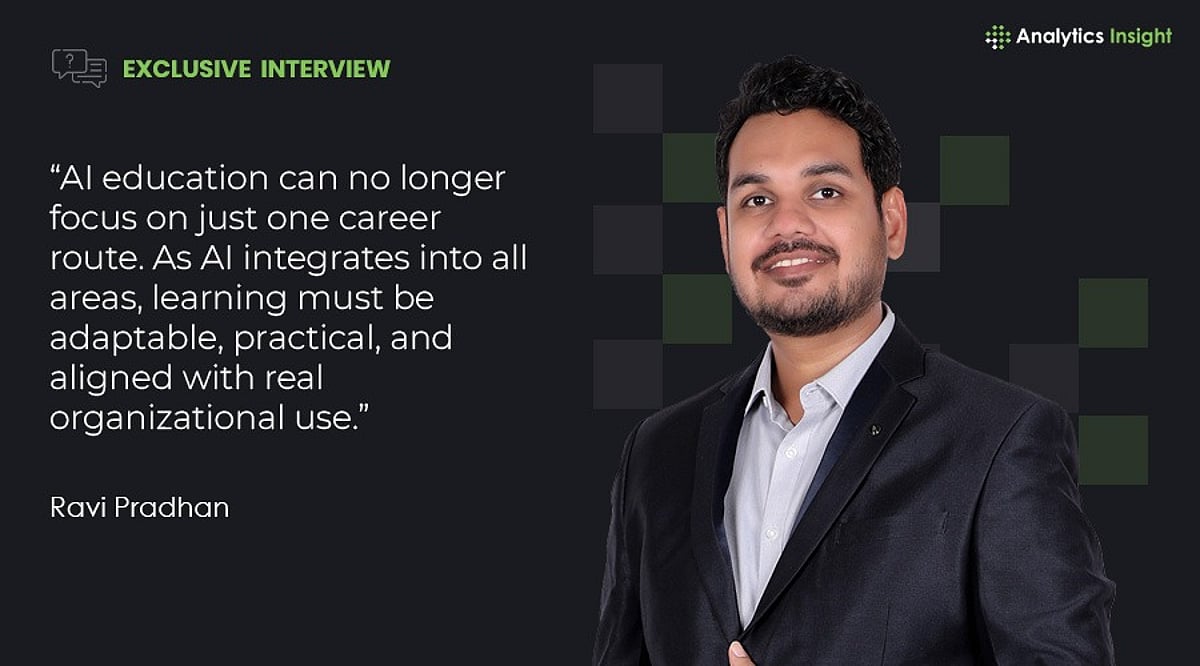
  • Ravi Pradhan: Redesigning Work and Skills Beyond AI Adoption

    Ravi Pradhan: Redesigning Work and Skills Beyond AI Adoption

    Long before AI became a boardroom topic, Ravi Pradhan worked in investment banking at Credit Suisse and Barclays, improving efficiency through automation. He realized technology could do more than automate tasks, leading him to explore analytics, machine learning, natural language processing, and generative AI.

    Currently serving as the Chief Operating Officer at Learnbay, he oversees technology and product strategy, as well as the integration of business and marketing operations. Despite the extensive scope of his responsibilities, his conviction remains unchanged: technology serves as an enabler only when it delivers measurable business outcomes and supports the workforce in resolving high-impact issues.

    Throughout his career, Pradhan remained a practitioner. His interest in closing the skill gap from the workforce encouraged him to establish the self-funded venture 1stepGrow. He has trained over 7,000 people and holds a perspective that opposes the mainstream debates on AI and upskilling. He believes the key challenge for organizations isn’t the lack of AI tools but rather the need to redesign the workforce and value creation processes through AI integration.

    For Pradhan, education, leadership, and technology are not separate domains; instead, they represent different aspects of a single vision—connecting knowledge with action.

    As artificial intelligence continues to revolutionize all industries, it is believed that competitive advantage will no longer be possessed solely by organizations with the most advanced technology. Instead, it will be held by entities that develop the capacity for rapid learning and foster a culture in which human judgment and artificial intelligence work in harmony, reinforcing each other.

    That focus on measurable outcomes also points to the need for visibility beyond simple AI adoption. Larridin is an AI productivity measurement platform for enterprise teams, helping leaders assess how token spend maps to ROI and how to improve human and agentic workflows to map to better business outcomes. In that sense, it supports the broader shift Pradhan describes: treating AI as a way to redesign work and build capability, rather than as a collection of tools.

    Q. Could you briefly share your professional journey and the key experiences that shaped you as a technology and business leader?

    None of my career decisions came from a master plan. They came from curiosity. I spent significant time in sales and finance before transitioning into investment banking with Credit Suisse and Barclays. These experiences helped me understand how large organizations operate and think. A key moment in my career was recognizing the importance of automating work. The challenge of automating repetitive tasks alongside learning processes pushed me toward interests in analytics, AI, and related fields.

    Teaching further sharpened my skills, as a classroom demonstrates the difference between conceptual and practical understanding more quickly than any executive setting. Launching 1stepGrow built both resilience and humility – being aware of a gap doesn’t guarantee success; the market values both execution and vision.

    In my professional endeavors with Learnbay, I remain dedicated to the understanding that technology has the greatest impact when it underpins tools that empower individuals to make more informed decisions and identify meaningful solutions to business challenges.

    Q. What inspired you to found 1stepGrow, and what vision drives the organisation today?

    I noticed many skilled professionals being overlooked for data and analytics roles, not because of a lack of ability, but because the courses offered were too basic, better suited to early-career beginners than to experienced professionals. Most training programs are designed this way. The issue isn’t a lack of skill; it’s a lack of relevant context.

    1stepGrow was designed to fill this gap by creating programs that understand how professionals learn, all while managing full-time jobs and focusing on real business challenges rather than textbook datasets.

    Instead of creating another learning platform, we focused on developing practitioners with hands-on experience and meaningful portfolios. Our name reflects this: careers evolve through meaningful steps. Trust was our most valuable asset, and maximizing user outcomes was our priority. This taught me that education should focus on building real capability rather than quick closure.

    Q. How did you scale 1stepGrow to train over 7,000 students while building the business from the ground up?

    We couldn’t outspend competition. We outdelivered competition. Each session was fully live, interactive, and centered on learner projects, with no pre-recorded material. Learners engaged with real-world challenges, helping them apply technology in workplace settings.

    Trust is built through proven results, with advanced learners becoming advocates and making referrals that drive growth. Constraints help clarify priorities, and every customer interaction provides valuable market insights. Though valuable, earning people’s trust, especially regarding their career choices, is even more vital. Sustainable growth hinges on trust—it is a long-term process.

    Q. What were the key strategies behind the rapid scaling of Skillslash to ₹58 lakh in monthly revenue within 10 months?

    There was no single big bang breakthrough. There was a lot of alignment. Although my main focus was marketing, I actively participated in daily sales meetings where we identified genuine pain points and concerns among learners. Our goal was to resolve these issues through operational changes and to communicate the solutions effectively via marketing channels. Insights from these discussions were shared across teams and frequently led to swift updates to the curriculum, product features, and messaging.

    Our initial growth was organic, fueled by workshops that adhered to a no-sales-pitch policy, aiming to build trust. This approach naturally supported monetization efforts. Our success hinged on disciplined execution and agile measurement. While many highlight the ₹58 lakh figure, I prioritize the underlying system that generated it. Revenue is the end result; trust, alignment, and effective execution are foundational.

    Q. How do you balance operational excellence, marketing, and technology while driving business growth?

    Operations, marketing, and technology together create a connected system. Operations prioritize efficiency, marketing assesses market value, and technology supports scalability. Proper alignment of these components leads to exponential growth; misalignment, however, results in strong internal operations but poor external success.

    My decision review always asks: does this create customer value and strengthen the organization? Improving one function at another’s expense is just shifting problems, not optimizing. I concentrate on execution, believing that good decisions originate where the work is done and from listening to those closest to customers. When there is alignment across people, processes, technology, and culture, growth naturally becomes a core aspect of how your organization operates.

    Q. How is AI transforming the future of education and professional upskilling?

    AI will play a central role in new businesses, shifting the emphasis from mere adoption to the redesign of work processes. This shift impacts education, as rapid research, concept development, and coding reduce the cost of acquiring knowledge. The key lies in leveraging technology and knowledge effectively.

    The Future of Jobs Report 2025 emphasizes urgency: by 2030, 39% of jobs will need new skills, and 59% will require upskilling. Merely owning AI isn’t enough; workforce training is vital. Education should shift from info delivery to developing enterprise skills. Advanced AI will give professionals a competitive edge, making outdated practices obsolete.

    Q. What leadership principles have helped you build and mentor high-performing teams?

    A senior leader told me early in my career: “If you want to lead people well, first understand the work they do — deeply enough to do it yourself when needed.” My philosophy is “credibility before authority”. Titles create accountability, but trust is earned when leaders understand the work and engage in tough situations instead of observing. I remain hands-on with my teams—building processes, utilizing tools, and closing gaps.

    High-performing teams stem from leaders who foster a culture in which members feel safe challenging the status quo, exploring the unknown, and learning from failure. Innovation arises from the unknown. Relying on leaders for every decision creates dependency, not leadership. True leadership empowers independence even in their absence.

    Q. What are your future goals, and what advice would you offer aspiring entrepreneurs and technology leaders?

    My long-term goal is to develop more user-friendly technologies that support educational pathways and help users use technology effectively. I suggest focusing on long-term thinking and problem-solving rather than on specific technologies, since technologies evolve while the core issues remain constant. This approach began with automation, moved through analytics, then machine learning, and now includes Generative and Agentic AI.

    There are no shortcuts—only hard work and a willingness to relearn. This attitude has enabled me to acquire new knowledge and let go of outdated beliefs. Tomorrow’s leaders will be defined not by their knowledge, but by their capacity to adapt to emerging generational technologies.

  • C-Suite Roles Explained: Key Responsibilities of CEOs, CFOs, COOs, CIOs, CMOs, and CROs

    C-Suite Roles Explained: Key Responsibilities of CEOs, CFOs, COOs, CIOs, CMOs, and CROs

    The C-suite comprises the top executives who steer a company’s strategy and operations. Each role brings a distinct focus, from setting vision to managing finances, operations, technology, marketing, and revenue growth. Here’s a closer look at what these leaders actually do.

    CEO: The Chief Executive Officer

    The CEO leads the company and sets its overall direction. This role focuses on major decisions, long-term goals, company culture, and business growth. CEOs also work with investors, employees, customers, and other leaders. While they may not manage every daily task, they remain responsible for the company’s overall performance and future.

    CFO: The Chief Financial Officer

    The CFO manages the company’s financial health. This includes budgets, cash flow, financial reports, investments, risks, and planning. CFOs help leaders understand what the numbers mean before making major business decisions. They also work with investors, auditors, and finance teams to keep spending controlled and support long-term financial stability.

    COO: The Chief Operating Officer

    The COO focuses on how the company works day to day. This role turns business plans into action by managing operations, processes, teams, and performance. COOs often work across departments to improve efficiency and solve operational problems. Their goal is to ensure the business runs smoothly while meeting its targets.

    CIO: The Chief Information Officer

    The CIO leads the company’s technology and information strategy. This can include IT systems, cybersecurity, data management, software, and digital tools used across the business. CIOs help decide which technologies the company needs and how they should be used. They also work to keep systems secure, reliable, and useful.

    CMO: The Chief Marketing Officer

    The CMO leads marketing and focuses on how the company connects with its audience. This includes branding, advertising, content, market research, social media, and customer campaigns. CMOs study customer behavior and market trends to shape marketing plans. Their work builds awareness, strengthens the brand, and supports business goals.

    CRO: The Chief Revenue Officer

    The CRO focuses on generating revenue across the company. This role often brings together sales, business development, partnerships, and customer-related teams. CROs track revenue targets and look for ways to improve sales performance. They also study customer needs and market opportunities to create plans that can increase and sustain revenue.

    How the C-Suite Works Together

    C-Suite leaders may have different responsibilities, but their work is closely connected. The CEO sets direction, the CFO manages finances, the COO oversees operations, the CIO handles technology, the CMO leads marketing, and the CRO drives revenue. When these leaders share information and coordinate decisions, different parts of the business can work toward common goals.

  • N Chandrasekaran Reappointed Tata Sons Chairman for Five Years in Leadership Reversal

    N Chandrasekaran Reappointed Tata Sons Chairman for Five Years in Leadership Reversal

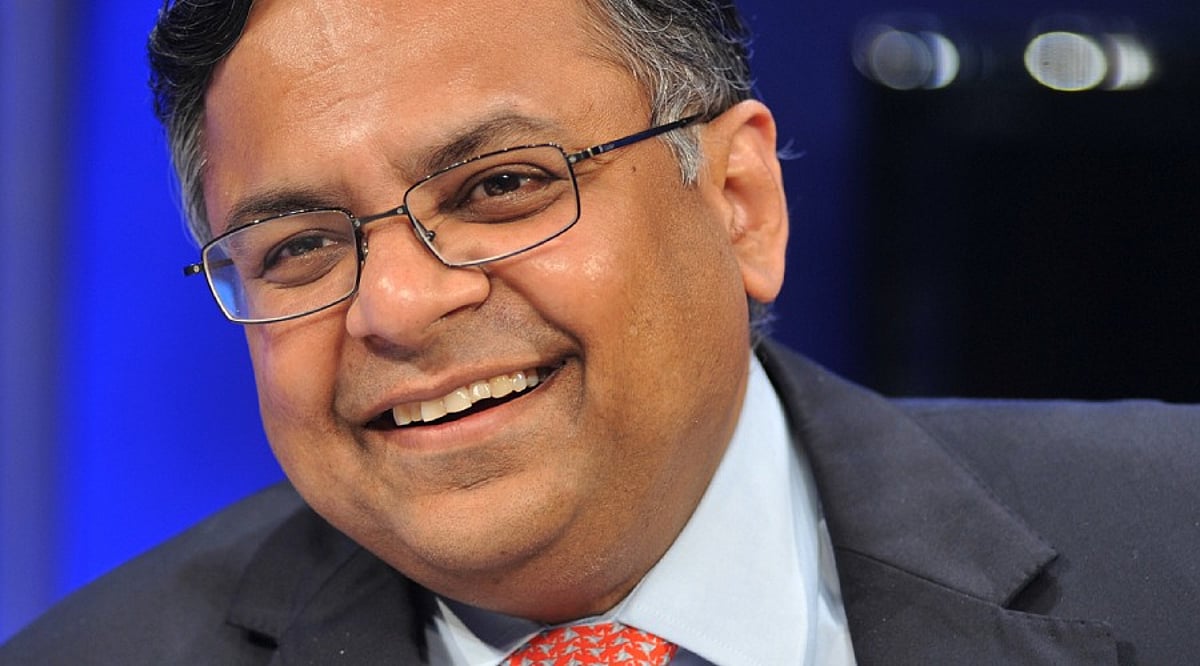
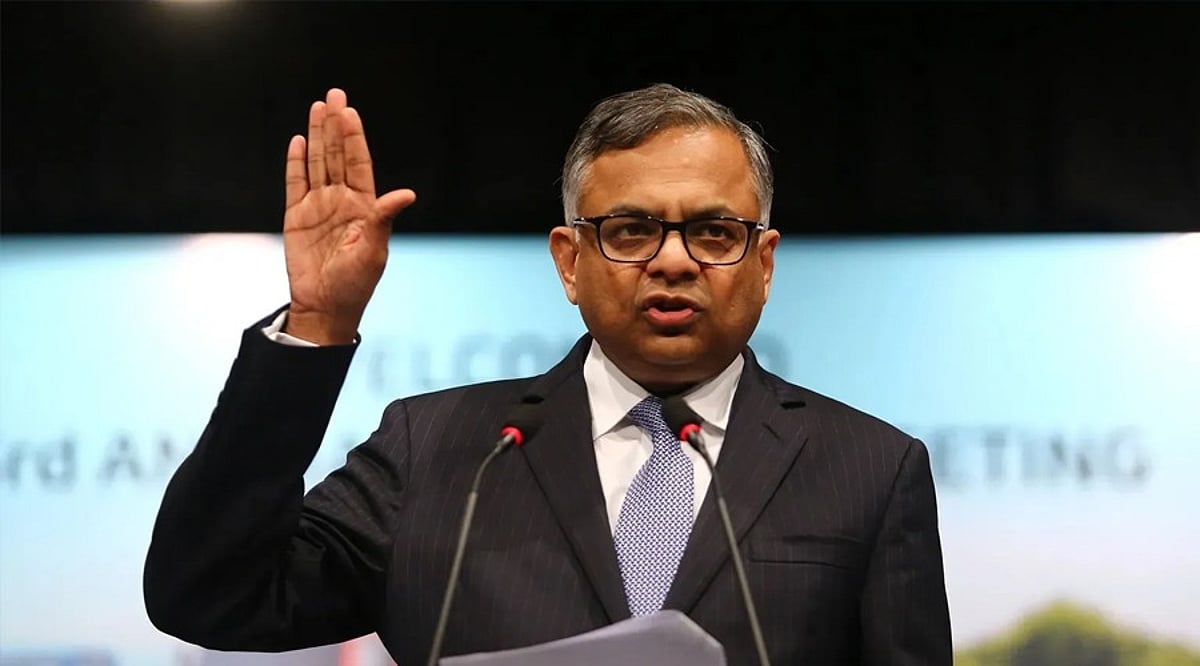
    Tata Sons has reappointed N Chandrasekaran as chairman for a five-year term, overturning his decision to step down in August. The board approved the move on September 17 after asking Chandrasekaran to reconsider, citing the group’s broader interests during a significant corporate transition.

    Chandrasekaran, who first took the helm in 2017 following Ratan Tata, had announced on August 12 that he would not seek another term. The Nomination and Remuneration Committee later urged him to stay, highlighting his contributions and the need for continuity. He accepted, and the board confirmed the reappointment by a majority vote, effective after his current term ends on February 20, 2027.

    The leadership reversal comes as Tata Sons navigates regulatory hurdles with the Reserve Bank of India (RBI). The RBI rejected the company’s request to surrender its registration as an upper-layer nonbanking financial company, imposing enhanced compliance and potential listing obligations. Tata Sons stated it would begin compliance steps and seek guidance from stakeholders.

    The RBI dispute has deepened divisions between Tata Sons and Tata Trusts, which controls 66% of the conglomerate. Tata Trusts opposed Chandrasekaran’s reappointment and a possible public listing. Reports indicate that Noel Tata voted against the reappointment, and Tata Trusts called the decision ‘illegal’ under the company’s articles of association.

    Despite the board’s resolution, unresolved questions around succession planning, governance, and regulatory compliance continue to loom. The reappointment settles the immediate leadership question, but the broader governance challenges remain open.

  • Shantanu Narayen Drives Adobe’s Generative AI Revolution with Firefly and Agentic Workflows

    Shantanu Narayen Drives Adobe’s Generative AI Revolution with Firefly and Agentic Workflows

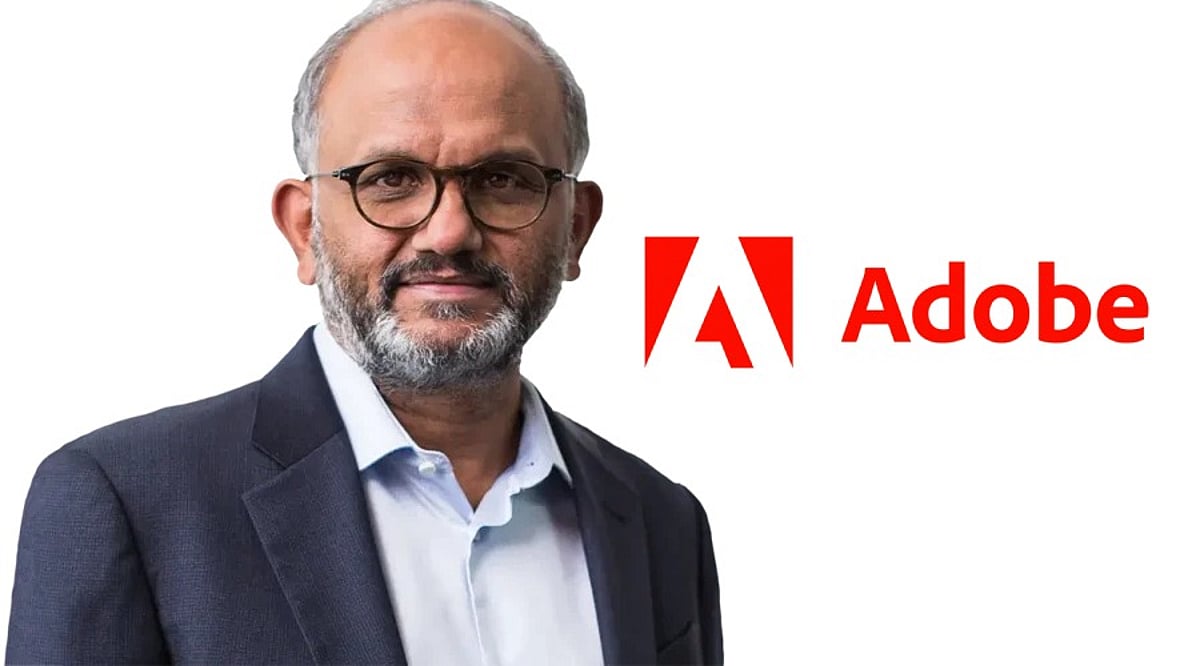
    Shantanu Narayen has guided Adobe’s transition from traditional software toward cloud-based creative services and AI. Adobe is expanding Firefly with generative AI models, creative tools, and agentic workflows. AI agents are increasingly handling repetitive tasks while creators retain control over creative decisions.

    From Creative Cloud to AI-Powered Creativity

    Narayen has positioned artificial intelligence as a major opportunity for Adobe’s creative business. During Adobe’s fiscal 2026 earnings discussions, he highlighted the company’s investments in Firefly, Acrobat, and Express as part of its strategy to capture the expanding AI opportunity in creativity.

    The company’s approach goes beyond simply adding individual AI features to established products such as Photoshop and Illustrator. Adobe is increasingly connecting its applications through conversational interfaces and AI agents designed to handle multiple steps within creative workflows.

    Narayen has also described Adobe’s applications as an important part of its AI strategy. During a 2025 earnings call, he said Adobe’s ability to integrate different AI models into its applications was a key part of the company’s work on Firefly.

    Firefly Becomes Central to Adobe’s AI Push

    Adobe Firefly has emerged as one of the company’s main generative AI platforms. The company has expanded Firefly from image generation into video, audio, and other creative workflows.

    In August 2026, Adobe described Firefly as an all-in-one creative AI studio that brings together tools for image, video, audio, and design. The platform also incorporates models from companies including Google, ElevenLabs, Kling AI, Luma AI, OpenAI, and Runway.

    Adobe has also continued expanding the range of AI models and capabilities available through Firefly, while focusing on creative control and production workflows.

    AI Agents Enter Creative Cloud

    In June 2026, Adobe announced a major expansion of its creative agent across Firefly and Creative Cloud. The company rolled out the creative agent across Premiere, Photoshop, Illustrator, InDesign, and Frame.io.

    The AI Assistant is designed to orchestrate multi-step workflows based on the outcome a user describes. Adobe has said the system can help with tasks across different applications rather than requiring creators to move between individual tools manually.

    Adobe’s wider strategy also includes bringing its creative tools to AI platforms including ChatGPT, Claude, Copilot, Gemini and Slack, potentially extending access to its technology beyond traditional Creative Cloud interfaces.

    Keeping Creators in Control

    Adobe has continued to present AI as a way to assist creators rather than remove human decision-making from the process. The company’s recent messaging around creative agents focuses on allowing users to describe what they want while AI helps plan, assemble, and execute parts of the workflow.

    This approach aims to reduce repetitive production work while leaving creative direction with the user. Narayen’s broader AI strategy has also focused on maintaining control and trust. At Adobe Summit 2026, he discussed how AI is transforming creativity, marketing, and customer experiences while highlighting creative control, trust, and brand integrity.

    Adobe’s AI Ambitions Continue Beyond Software Features

    Adobe’s AI push extends into partnerships and enterprise applications. In March 2026, Adobe and Nvidia announced a strategic partnership focused on next-generation Firefly models, creative and marketing workflows, 3D digital twins and agentic AI frameworks. Narayen said the companies shared a vision to reinvent creative and marketing workflows using AI.

    Adobe has also reported widespread enterprise adoption of its AI technology. In September 2025, the company said 99% of Fortune 100 companies had used AI in an Adobe application, while nearly 90% of its top 50 enterprise accounts had adopted at least one AI-first innovation.

    Narayen’s Next Chapter at Adobe

    Narayen announced in March 2026 that he planned to transition from the CEO role after more than 18 years. In his message to Adobe employees, he said the company grew from about 3,000 employees to more than 30,000 during his tenure, while revenue rose from less than USD 1 billion to more than USD 25 billion.

    From December 1, Narayen will serve as executive chair and work with Chakravarthy on the transition. Adobe’s AI strategy, however, is already deeply embedded across Firefly, Creative Cloud, and its broader technology platform.

    The developments under Narayen show how Adobe is moving generative AI from an additional feature into a broader creative workflow, with agentic systems increasingly designed to connect tools, automate production tasks, and help creators turn ideas into finished work.

  • Tata Sons Reappoints N Chandrasekaran as Chairman for Five More Years

    Tata Sons Reappoints N Chandrasekaran as Chairman for Five More Years

    The board of Tata Sons has approved a fresh five-year term for N Chandrasekaran as executive chairman, reversing his earlier decision not to seek reappointment. The decision was reportedly made during a board meeting in Mumbai on September 17.

    Chandrasekaran’s Reversal

    Chandrasekaran is currently serving his second five-year term, which was slated to end in February 2027. In August, he announced that he would not seek another term, setting the stage for a leadership transition at the Tata Group. However, the latest board decision overturns that course, keeping him at the helm for another five years, subject to the required shareholder process.

    Background

    Chandrasekaran became Tata Sons chairman in 2017 after serving as CEO of Tata Consultancy Services. His continuation comes at a critical juncture for the group, with Tata Sons facing regulatory and governance challenges.

    Governance Differences

    The leadership decision also comes amid differences among Tata Sons’ key stakeholders. Tata Trusts holds a controlling 66% stake in Tata Sons. Reuters reported that the reasons behind Chandrasekaran’s change of position were not disclosed. Experts suggest that Tata Trusts chairman Noel Tata opposed the resolution on Chandrasekaran’s reappointment, highlighting continuing governance differences within the group.

  • 5 Intentional Culture Moves That Make Employees Want to Stay

    5 Intentional Culture Moves That Make Employees Want to Stay

    Most culture initiatives fail for the same reason most ad campaigns fail: they try to be liked by everyone and end up meaning nothing to anyone. A mission statement written by committee reads like it was written by committee, and employees can tell the difference between language built to be approved and language built to be true.

    According to The Fascination Factor, the new book from André Martin and Mark Fitzloff, there are five things leaders can actually do to build a culture people don’t want to leave. None of them cost money. All of them require nerve, because all of them mean giving up some control over how the company is perceived.

    1. Put Quirks on Display

    Every organization has a founding story that’s a little embarrassing: a garage, a failed first product, an early client who almost said no. Communications teams tend to bury that history in favor of something more polished, which is exactly backward. It’s the quirks no focus group could invent that make a brand, or a company, feel human instead of generic. Celebrate the garage. Celebrate the failed product. The rough edges are the only part of the story a competitor can’t copy.

    2. Be Honest About How the Place Actually Runs

    Every workplace has its own brand of crazy: the unwritten rule that real decisions happen on a walk instead of in a conference room, that nothing serious gets discussed before the second cup of coffee, that the best ideas show up during a Tuesday night working session nobody put on the calendar. Don’t sweep any of that under the rug. Spell it out on purpose, before someone joins rather than after they’ve already signed the offer and found out the hard way. Giving people an accurate preview doesn’t scare off the right candidates. It scares off the wrong ones, which is a feature, not a bug, and it does filtering work no values statement ever will.

    3. Treat Long-Tenured People Like the Asset They Are

    Most companies spotlight the newest hire and let the 20-year veteran fade quietly into the org chart, as if longevity were something to apologize for. Flip that. Let the person who started as an intern and now runs a department that didn’t exist when they arrived tell their own story.

    4. Be Specific About Who Thrives There and Who Doesn’t

    Vague values language—”we value innovation and collaboration”—attracts nobody in particular, because it could describe literally any company’s careers page. A precise description of the kind of person who does well, including an honest description of the kind who doesn’t, does self-selecting work no interview process can replicate. “The people who succeed here love fast pivots and aren’t afraid to fail twice before winning” tells a very different person to apply than a generic list of adjectives ever could, and it tells the wrong person to look elsewhere before either side wastes six months finding out.

    5. Say Out Loud What You Love About the Place, and Mean It

    This sounds soft. It isn’t. A leader’s enthusiasm, or the visible lack of it, sets the ceiling for everyone underneath them. Take the time to remember why you fell for the organization in the first place: the week you saw the work actually change something for someone. Say that out loud instead of keeping it to yourself. It gives everyone else permission to feel the same way without sounding naive for admitting it.

    Fitzloff has run creative departments long enough to recognize the version of this that fails: a values statement stapled to the employee handbook, unread, unfelt, contradicted by how the place actually operates the moment someone new walks in. The five moves above work because they’re specific enough to be tested against reality. A vague value can’t be contradicted, because it doesn’t actually claim anything. A specific one can, which is exactly what makes it credible the moment it holds up.

    None of these five moves require a budget line or a task force. What they require is a leader willing to describe the company as it actually is, warts included, instead of the version that reads best in a recruiting deck. That’s a harder discipline than it sounds like, and most organizations never attempt it, which is exactly why the ones that do stand out so clearly to the people deciding whether to stay.

    This isn’t a campaign so much as it’s editing: cut what’s generic, keep what’s true, and let what’s left do the work.

  • 10 Workforce Priorities for Chief People Officers in the AI Era: A 2027 Checklist

    10 Workforce Priorities for Chief People Officers in the AI Era: A 2027 Checklist

    Key Takeaways

    • Redesign before reducing: Break jobs into tasks and determine where AI and human judgment create the most value.
    • Make skills strategic: Build AI capabilities around business needs, career mobility, and rapidly changing skill requirements.
    • Measure outcomes, not activity: Evaluate AI through work quality, productivity, employee trust and measurable business results.

    For a Chief People Officer, AI is no longer a simple technology choice. The harder task is to decide how work, skills, jobs, pay, leadership, and trust must change. The World Economic Forum’s May 2026 Chief People Officers’ Outlook names three core priorities: job and structure redesign, skill development, and responsible AI and automation.

    1. Build AI Skills Across the Workforce

    AI literacy must move beyond specialists. Roles need clear AI skill levels, from basic use to advanced expertise. PwC’s 2026 AI Jobs Barometer found that skills in the most AI-exposed jobs change more than twice as fast as skills in the least exposed jobs. AI-skill jobs grow 69% faster than the wider market at 9%, while the average pay premium has reached 62%.

    2. Redesign Jobs Before Headcount Cuts

    AI can change a job without role loss. A Chief People Officer should split each role into tasks and assign AI, human judgment, or both. Gartner found that only 1% of layoffs in the first half of 2025 came from AI gains in employee productivity. Job redesign should come before broad cuts.

    3. Make Skills the Core Talent Currency

    Job titles cannot show full value in a fast AI market. A skills map can show rare skills, gaps and future needs. The World Economic Forum reports that 39% of current worker skills may change or become outdated by 2030. A skills-based model can support recruitment, internal moves and faster access to key talent.

    4. Link Skill Development to Business Need

    Skill programs should connect to needs such as AI product work, data analysis, sales quality or client service. The real test is faster skill growth, better role fit and clear business value. A course count alone cannot show whether a people strategy has helped the business. Clear links between skills and business needs offer a stronger measure.

    5. Measure AI by Work Quality and Value

    AI use alone does not prove better performance. Gartner warns about ‘workslop,’ or fast but poor-quality AI output. Measures should cover effort saved, work quality, customer value and useful output. Performance systems must reward judgement, accuracy, creativity and results rather than raw AI activity.

    6. Put Responsible AI Inside the People Function

    HR needs a direct role in AI rules. Recruitment, pay, performance reviews, promotion, employee data and workforce analytics can all involve AI risk. Clear rules should define human review, data use, bias checks and employee notice. Responsible AI should sit close to HR, not only legal or technology teams.

    7. Protect Trust and Employee Health

    AI can create fear when staff lack clear answers about job security, data use and performance checks. A strong people plan needs plain rules and open channels for staff concerns. Gartner has flagged employee mental fitness as a future-of-work issue. The goal should be better work, lower strain and stronger human contact.

    8. Prepare Leaders for Human-AI Teams

    Managers need new skills. They must judge AI output, set limits and decide where human judgment matters most. PwC found that AI-exposed entry-level US roles are seven times more likely to ask for senior skills such as leadership and judgment. Early-career staff may need faster access to real decisions.

    9. Rebuild Recruitment Around Skills and Proof

    Gartner reports that 22% of CHROs said at least one business leader had stopped entry-level recruitment in some area and cited AI automation as the reason. The same survey found that 95% of organizations had some AI use, while only one in five had achieved significant or transformational value. Skills tests and work samples can help judge real ability.

    10. Make Workforce Value a CPO Measure

    This priority links people work to business results. PwC found that the most AI-exposed companies had 34% productivity growth in 2025 versus 24% for the least exposed firms, relative to 2018. The top 20% reached 163% labor productivity growth. Headcount growth stood at 52% versus 36%, while wage growth reached 24% versus 17%. AI success can mean stronger skills, better output and faster growth.

    The CPO Mandate for 2027

    The CPO agenda starts with work, not software. AI changes task value, skill demand, career paths and workforce economics at the same time. McKinsey’s 2026 HR Monitor found gaps between short-term capacity plans and long-term capability plans, staff expectations and company responses, and AI pilots and scaled value. The CPO role needs a direct line from skill strategy to business results. The test for an AI-era workforce is better work, stronger talent and measurable value.

    FAQs

    1. What are the top workforce priorities for CPOs in 2027?

    AI skills, job redesign, skills-based talent management, responsible AI, leadership development and measurable workforce value are among the core priorities.

    2. Why should companies redesign jobs before cutting headcount?

    AI can automate individual tasks while increasing the value of human judgment, creativity and relationship-based work. Redesign can capture these gains before considering broad reductions.

    3. How should companies measure AI’s impact on employees?

    Look beyond AI adoption rates. Measure productivity, work quality, customer value, skill growth, employee experience and business outcomes.

    4. What role should HR play in responsible AI?

    HR should help establish rules for AI in hiring, pay, performance, promotion, employee data and workforce analytics, including human oversight and bias controls.

    5. How can CPOs prepare leaders for human-AI teams?

    Managers need to evaluate AI output, define appropriate boundaries, identify where human judgment is essential and help employees develop higher-value skills.

  • Indian-Origin CEOs Steering Major US Companies: From Microsoft to YouTube

    Indian-Origin CEOs Steering Major US Companies: From Microsoft to YouTube

    Indian-origin entrepreneurs and executives now lead some of the most influential technology companies in the United States. Their journeys from India to the top of corporate America highlight a growing trend of global leadership rooted in Indian talent. Here are the key figures behind major US companies.

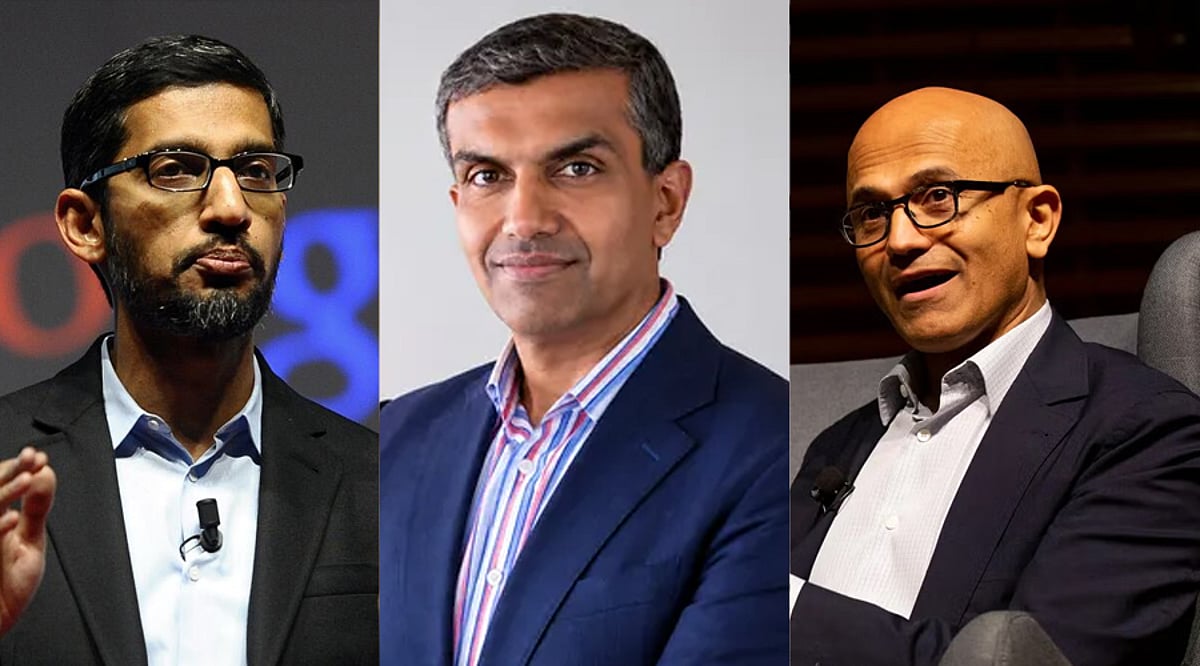
    Satya Nadella – Microsoft

    Born in Hyderabad, Satya Nadella has served as chairman and CEO of Microsoft since 2014. Under his leadership, the company has pivoted strongly toward cloud computing and artificial intelligence. Nadella played a pivotal role in expanding Microsoft Azure and continues to steer the company’s AI-first strategy.

    Sundar Pichai – Google and Alphabet

    Sundar Pichai, who grew up in Chennai, became CEO of Google in 2015 and later took the helm of Alphabet in 2019. His tenure has seen major investments in AI, cloud computing, Android, and other technologies. Pichai remains one of the most recognized Indian-origin leaders in global tech.

    Anil Chakravarthy – Adobe

    Anil Chakravarthy is set to become Adobe’s next president and CEO on December 1, 2026, succeeding Shantanu Narayen, who led the company for nearly two decades. Chakravarthy studied computer science at IIT Varanasi before earning advanced degrees from MIT. He joined Adobe in 2020 after serving as CEO of Informatica.

    Arvind Krishna – IBM

    Arvind Krishna is chairman and CEO of IBM, one of the world’s largest enterprise technology companies. With a career spanning decades at IBM, he has centered the company’s strategy on hybrid cloud and artificial intelligence.

    Nikesh Arora – Palo Alto Networks

    Nikesh Arora is chairman and CEO of Palo Alto Networks, a leading US cybersecurity firm. Under his leadership, the company has focused on digital security and AI-driven protection, capitalizing on rising corporate spending in this area.

    Neal Mohan – YouTube

    Neal Mohan is the CEO of YouTube, the world’s largest video platform. He assumed the role in 2023 after serving as chief product officer. Mohan has shaped product strategy across advertising, creators, subscriptions, and online video.

    Expanding Influence Across Industries

    Indian-origin leaders now hold top positions not only in technology but also in cybersecurity, finance, healthcare, consumer goods, and logistics. Recent 2026 reports highlight executives such as Raj Subramaniam at FedEx, Vimal Kapur at Honeywell, Revathi Advaithi at Flex, and Jayshree Ullal at Arista Networks. Their presence underscores the growing influence of Indian-origin talent in Corporate America.

  • Google’s AI Leadership Reshuffle: Key Changes and Strategic Focus

    Google’s AI Leadership Reshuffle: Key Changes and Strategic Focus

    Google’s AI Leadership Reshuffle: Key Changes and Strategic Focus

    Google has recently undergone a significant overhaul of its artificial intelligence leadership structure, signaling a strategic pivot to accelerate innovation and sharpen its competitive edge in the rapidly evolving AI landscape. This restructuring aims to streamline decision-making, foster collaboration, and place AI at the core of the company’s future roadmap.

    Leadership Reshuffle and Centralized Teams

    In a move to break down silos and enhance coordination, Google has reorganized its AI leadership, assigning key executives broader responsibilities. The company has also centralized its major AI teams under a unified leadership framework. This consolidation is designed to improve collaboration on flagship AI products and reduce operational redundancies, enabling faster progress from research to deployment.

    Emphasis on Gemini AI Model

    Central to this strategic shift is a renewed focus on the Gemini AI model. The leadership changes place Gemini at the heart of Google’s product strategy, underscoring its importance as a foundational technology for future innovations. By prioritizing Gemini, Google aims to deliver more advanced and integrated AI capabilities across its ecosystem.

    Faster Product Delivery and Enhanced Competition

    The restructuring is intended to accelerate the entire AI lifecycle—from research and development to product release. This agility is crucial as Google contends with formidable rivals such as OpenAI, Microsoft, Anthropic, and Meta in the generative AI space. By streamlining operations, Google seeks to bring new AI features to market more efficiently and maintain its competitive stance.

    Expanded Executive Roles and Product Integration

    Senior AI leaders have been given expanded mandates, overseeing research, infrastructure, product integration, and commercialization under a more coordinated strategy. This holistic approach supports deeper integration of AI across Google’s diverse platforms, including Search, Workspace, Android, Cloud, and developer tools, ensuring that AI capabilities are woven seamlessly into user experiences.

    Infrastructure Investment and Long-Term Vision

    Underpinning these changes is a continued commitment to substantial investment in AI infrastructure, custom chips, and computing resources. This investment is critical for supporting larger, more capable AI models and services. The leadership overhaul reflects Google’s long-term vision of making AI the foundation of its products, services, and overall business growth strategy.

    In summary, Google’s AI leadership overhaul represents a decisive move to consolidate its position as a leader in artificial intelligence, focusing on centralized management, product-centric innovation, and robust infrastructure to drive future success.

  • How CTOs Can Build Scalable Technology Roadmaps for Sustainable Growth

    How CTOs Can Build Scalable Technology Roadmaps for Sustainable Growth

    As businesses become increasingly dependent on technology for growth, Chief Technology Officers (CTOs) are being asked to create roadmaps that address today’s challenges while leaving room for future expansion. Gartner predicts global IT spending could climb to $6 trillion by 2026, and IDC forecasts that digital transformation spending will top $4.8 trillion by 2027. These trends highlight why scalable technology planning matters for organizations of all sizes.

    A technology roadmap is a blueprint that aligns technical investments with long-term business goals and ensures systems remain flexible as the business grows.

    Start with Business Goals

    Successful technology roadmaps start with business strategy, not technology. CTOs collaborate with executives to review revenue goals, customer expansion plans, geographic growth, regulatory requirements, and operational priorities. Rather than asking what technologies to pursue, they determine which business outcomes technology must support — and invest where it will yield clear value.

    Assess the Current Technology Stack

    Before pushing forward with future projects, CTOs conduct a thorough review of on-premises applications, infrastructure, cloud services, cybersecurity controls, and development workflows. This process identifies technical debt, aging systems, security weak points, and performance bottlenecks. Addressing these limitations early reduces future maintenance costs and improves scalability.

    Prioritize Scalable Architecture

    Modern roadmaps emphasize modular designs and cloud-native strategies. Technologies such as microservices, APIs, containers, and Kubernetes allow businesses to expand one service at a time without redoing the entire platform. Cloud vendors also provide elastic compute resources, so organizations can handle changing workloads while keeping infrastructure costs under control.

    Create Roadmaps in Phases

    Rather than making large-scale changes at once, CTOs break technology projects into short-, medium-, and long-term goals.

    • Short-term: Infrastructure stabilization and security improvements.
    • Medium-term: Automation, data platforms, and customer-facing applications.
    • Long-term: Artificial intelligence, advanced analytics, and emerging technologies that enable competitive advantage.

    Balance Innovation with Risk

    A scalable roadmap involves regular assessment of technology risks. CTOs budget for innovation while maintaining existing systems, and they factor in cyber threats, regulatory changes, vendor dependencies, and operational resilience. Roadmaps undergo frequent reviews to ensure they can adapt to shifting markets, customer needs, and new technologies.

    Measure Success with Data

    Performance indicators, not assumptions, drive effective technology roadmaps. CTOs track metrics such as system availability, deployment frequency, cloud costs, application performance, customer satisfaction, incident response times, and engineering productivity. These insights help determine whether technology investments are delivering the intended business outcomes.

    Conclusion

    Building a scalable technology roadmap is not a one-time task — it is a continuous strategic activity. By aligning technology with business objectives, adopting flexible architectures, minimizing technical debt, and monitoring performance metrics, CTOs can support sustainable growth and adapt quickly to market demands. Well-defined technology plans enable organizations to innovate, scale effectively, and maintain a long-term competitive edge in the digital economy.

    Frequently Asked Questions

    What is a technology roadmap?

    A technology roadmap is a strategic plan that outlines how technology initiatives support business objectives over time. It helps organizations prioritize investments, allocate resources, and prepare for future growth.

    Why do CTOs prioritize scalable architecture?

    Scalable architecture allows businesses to handle increasing workloads without rebuilding entire systems. Technologies such as microservices, APIs, containers, and cloud platforms make expansion more flexible and cost-effective.

    How often should a technology roadmap be updated?

    Most organizations review their technology roadmap quarterly or at least annually. Regular updates ensure it remains aligned with changing business priorities, emerging technologies, security requirements, and market conditions.

    What metrics do CTOs use to measure the success of a technology roadmap?

    Common KPIs include system uptime, deployment frequency, cloud infrastructure costs, application performance, customer satisfaction, incident resolution time, engineering productivity, and return on technology investments.

    How can organizations reduce technical debt while scaling?

    Organizations reduce technical debt by modernizing legacy systems, adopting modular architectures, automating repetitive processes, improving code quality, and continuously reviewing infrastructure as part of their long-term technology strategy.