Tag: leadership

  • Master These 7 Essential Strategy Frameworks to Become a Strategic Leader

    Master These 7 Essential Strategy Frameworks to Become a Strategic Leader

    Think like a strategic leader by mastering proven frameworks that help you make smarter decisions, drive growth, and lead with confidence. Here are seven essential strategy frameworks every leader should know.

    1. SWOT Analysis

    Identify strengths, weaknesses, opportunities, and threats before making key business decisions. This classic framework helps you assess internal and external factors to build a solid foundation for strategy.

    2. PESTLE Analysis

    Evaluate political, economic, social, technological, legal, and environmental factors affecting your strategy. PESTLE gives you a macro-level view of the landscape in which your organization operates.

    3. Porter’s Five Forces

    Understand competitive pressures to build stronger and more sustainable business strategies. This framework analyzes industry rivalry, threat of new entrants, bargaining power of buyers and suppliers, and the threat of substitutes.

    4. OKRs (Objectives & Key Results)

    Set measurable goals that align teams around clear business outcomes. OKRs connect high-level objectives with specific, quantifiable results to drive focus and accountability.

    5. Balanced Scorecard

    Track performance using financial, customer, internal process, and learning perspectives. This balanced approach ensures you don’t overlook critical non-financial drivers of success.

    6. Blue Ocean Strategy

    Create uncontested market space instead of competing in crowded industries. Blue Ocean Strategy encourages innovation and value creation to make competition irrelevant.

    7. Ansoff Matrix

    Explore growth opportunities through market penetration, product development, and diversification. This matrix helps you decide which growth path to pursue based on existing and new markets and products.

    Successful leaders combine multiple frameworks to solve complex business challenges. By mastering these tools, you can sharpen your strategic thinking and lead your organization to new heights.

  • Lisa Su: The Visionary CEO Transforming AMD into an AI and Semiconductor Powerhouse

    Lisa Su: The Visionary CEO Transforming AMD into an AI and Semiconductor Powerhouse

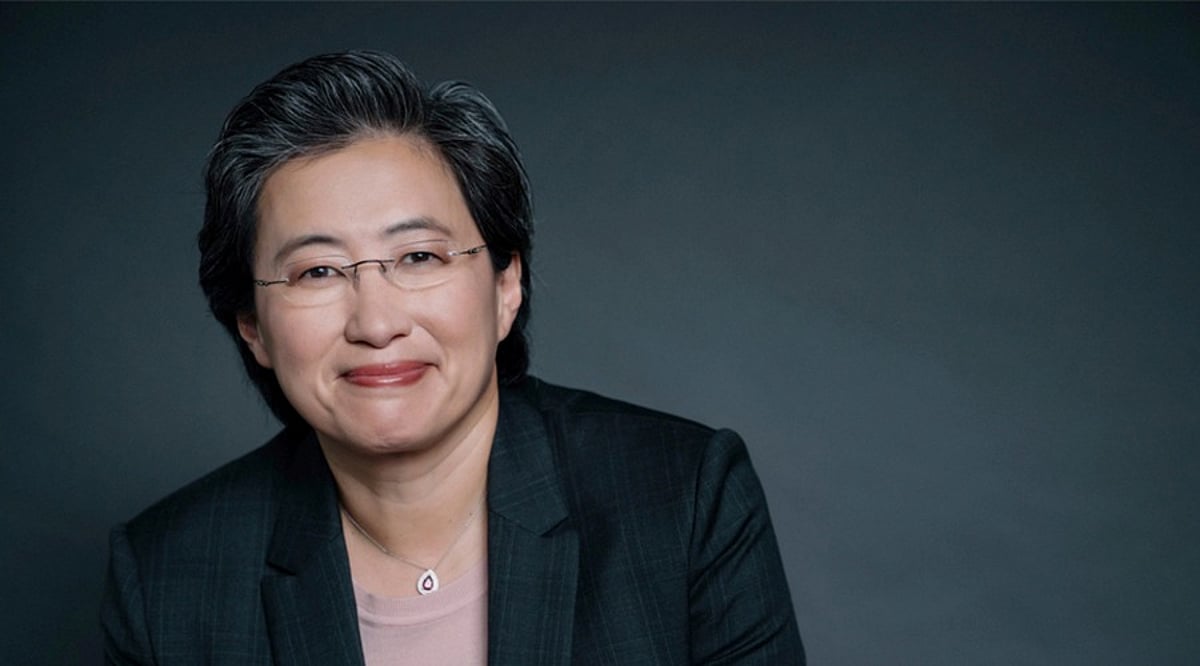
    Lisa Su is an accomplished semiconductor leader who currently serves as Chair and CEO of Advanced Micro Devices (AMD). Under her guidance, AMD has become a global force in high-performance computing, artificial intelligence, gaming, and adaptive computing. Known for her forward-thinking leadership, deep technical expertise, and innovation-driven approach, Su has revitalized AMD’s competitive standing and driven the development of cutting-edge processors and enterprise computing systems.

    Early Life and Education

    Lisa Su earned her bachelor’s, master’s, and doctorate degrees in Electrical Engineering from the Massachusetts Institute of Technology (MIT). Her research focused on semiconductor device physics and Silicon-on-Insulator technology. This strong technical foundation paved her way to influential roles in semiconductor research, development, and advanced computing innovation.

    Professional Career

    Su began her career at Texas Instruments before moving to IBM, where she managed research and development in semiconductors and technology. She later served as Chief Technical Officer and led business operations at Freescale Semiconductor. At AMD, she rose from President and CEO to her current role as Chair and CEO.

    Business Intervention in AI

    AMD harnesses high-performance computing, intelligent infrastructure, and developer tools to accelerate AI. The company consistently uses state-of-the-art CPUs, GPUs, adaptive computing, and open software to create fast, intelligent, and scalable AI solutions. AMD’s EPYC™ Server CPUs provide efficient infrastructure for generative AI, agentic AI, cloud computing, and data center innovations. The company also brings AI closer to data through energy-efficient computing for intelligent retail, 5G, cloud storage, and edge infrastructure. AMD supports AI enthusiasts with cost-effective, secure, and energy-efficient technologies, and offers developers free tools, cloud platforms, mentorship, and training. Within enterprises, AMD drives AI adoption for increased efficiency, productivity, and optimized operations, all while pioneering ethical and responsible AI through scientific research, STEM education, and international collaborations.

    Business Achievements

    Under Su’s leadership, AMD has achieved remarkable milestones with the invention of Ryzen, EPYC, and Instinct processors, building its AI computing capabilities. She forged partnerships with industry leaders such as Microsoft, Meta, and Oracle, helping AMD become a top player in high-performance computing, AI infrastructure, gaming, and adaptive computing.

    Controversies

    No controversies have ever emerged around Lisa Su. She is widely recognized for her strategic leadership, innovations in semiconductors and AI, and for transforming AMD into a key player in the chipmaker industry.

  • 8 Key Facts About Tewolde Gebremariam, Air India’s New CEO

    8 Key Facts About Tewolde Gebremariam, Air India’s New CEO

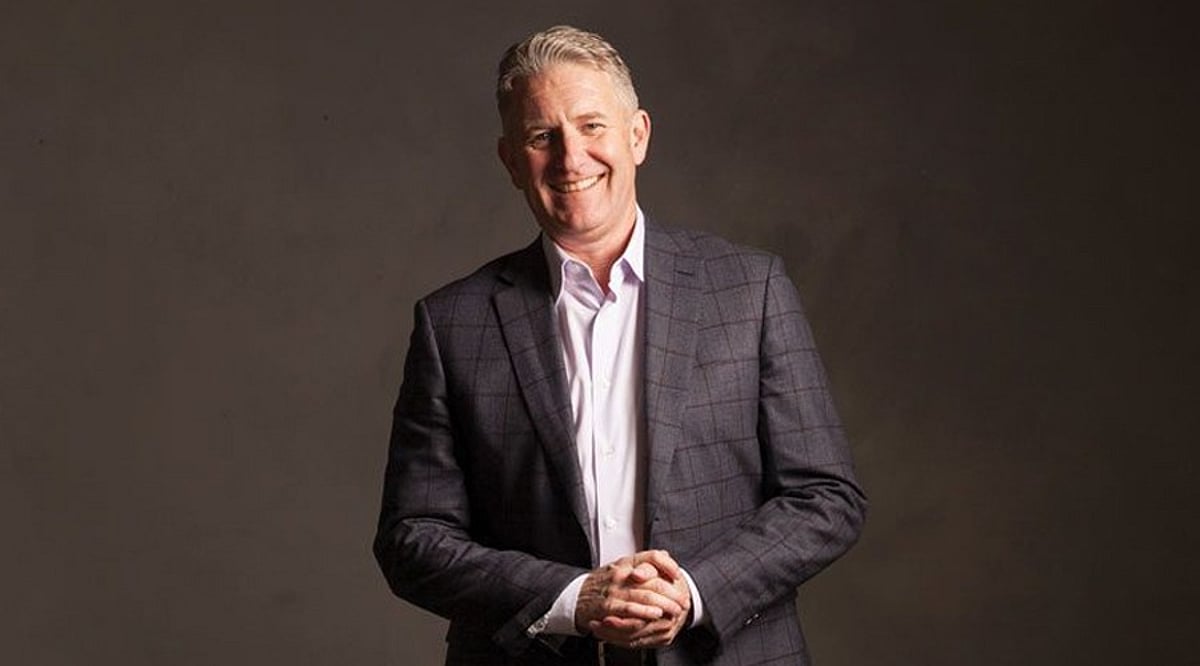
    Aviation Veteran: Tewolde Gebremariam brings decades of airline leadership experience and global recognition for strategic planning and operational excellence.

    Former Ethiopian Airlines CEO: He transformed Ethiopian Airlines into one of Africa’s most successful and profitable aviation groups during his tenure.

    Global Aviation Experience: His expertise spans fleet expansion, international partnerships, operational efficiency, and sustainable airline growth across global markets.

    Proven Business Leader: Known for driving profitability while expanding passenger networks and strengthening airline competitiveness in challenging market conditions.

    Focus on Innovation: Supports digital transformation, operational modernization, and technology adoption to improve airline efficiency and customer experiences.

    Strategic Expansion Vision: Expected to strengthen Air India’s international presence through network expansion, improved services, and fleet modernization initiatives.

    Customer Experience Priority: Emphasizes service quality, operational reliability, and passenger satisfaction as essential pillars for long-term airline success.

    Leading Air India’s Next Chapter: His appointment marks a significant milestone as Air India accelerates its transformation into a globally competitive full-service carrier.

  • Brad Jackson: The CEO Behind Slalom’s Human-Centered Consulting Revolution

    Brad Jackson: The CEO Behind Slalom’s Human-Centered Consulting Revolution

    Brad Jackson is the co-founder and CEO of Slalom, a Seattle-based consulting company known for its “fiercely human” approach. He leads with a belief that business should blend heart, innovation, and outcomes. Under his leadership, Slalom helps global organizations reimagine customer experience, solve complex challenges, and build better futures through technology, strategy, and human-centered transformation at scale worldwide.

    Early Life and Education

    Brad Jackson studied at Washington State University, earning a Bachelor of Business Administration in Accounting. His early academic journey built a strong foundation in business thinking, discipline, and analytical problem-solving. These formative years shaped his curiosity about organizations and leadership, eventually guiding him toward a career focused on consulting, transformation, and building impactful, people-first businesses that serve clients across industries globally.

    Professional Career

    Brad Jackson co-founded Slalom and grew it into a global consulting powerhouse. As CEO, he guides strategy, culture, and client success across major enterprises and public sector organizations. His leadership style emphasizes collaboration, agility, and deep client understanding. He focuses on helping teams move faster, think bigger, and deliver meaningful transformation through technology and consulting excellence across global markets today.

    Business Intervention in AI

    Slalom drives AI-led transformation by combining strategy, data, and cloud to deliver scalable solutions, real-time insights, and global innovation.

    • Smart Design: Slalom delivers human-centered AI by combining strategy, data, and responsible innovation to design scalable solutions that enhance decision-making, improve experiences, and drive measurable business impact globally.
    • AI-driven Decisions: Slalom transforms raw data into actionable insights by modernizing architecture, improving governance, and enhancing analytics, enabling faster AI-driven decisions and intelligent digital product development.
    • Cloud Optimization of investments: Slalom enables organizations to leverage cloud technologies for scalable growth, secure infrastructure, and operational agility, helping optimize investments and accelerate innovation across global digital ecosystems.
    • Connected Systems: Slalom connects platforms, data, and workflows into unified ecosystems, improving efficiency, boosting adoption, and delivering seamless, intuitive digital experiences across organizations and industries worldwide.
    • High Value Opportunities: Slalom turns AI ambitions into measurable outcomes by identifying high-value opportunities, scaling solutions efficiently, and ensuring responsible governance for secure, impactful AI adoption.

    Business Achievements

    Brad Jackson has led Slalom’s evolution into one of the most respected consulting firms worldwide. The company now serves Global 1000 companies, governments, and institutions with innovative solutions. Under his leadership, Slalom prioritizes customer obsession, employee empowerment, and measurable impact. His vision targets scaling the company toward ambitious growth while maintaining a strong culture of trust, innovation, and human connection.

    Controversies
    Brad Jackson does not appear to be associated with any notable controversies. He is widely recognized for his leadership at Slalom and for promoting a people-first, responsible consulting culture focused on digital transformation, innovation, and delivering value to clients through technology and AI-driven solutions.

  • From Founder to CEO: Essential Leadership Shifts for Scaling Your Business

    From Founder to CEO: Essential Leadership Shifts for Scaling Your Business

    Every successful business begins with an idea. A founder turns that idea into a real product or service. At the start, almost every task lands on the founder’s desk. Sales, customer support, hiring, product updates, and marketing all need attention. Quick decisions and constant action help the business survive during this stage.

    Growth changes everything. More customers arrive, new employees join, and daily work becomes more complex. At this point, the role also changes. The focus moves away from personal effort and toward company leadership. A CEO no longer spends every hour solving daily problems. The role shifts toward building a business that works well through strong teams, clear systems, and smart planning.

    Early Growth Depends on Personal Effort

    In the beginning, a small organization operates with a very limited number of people. All employees have to perform a number of different tasks. The business owner can work with customers, communicate with clients, check the quality of the product, and also make the crucial decisions. Speed is more important than following processes.

    This approach is effective at the beginning but becomes ineffective when the company is growing. The owner understands the operations very well and can do the right thing when problems arise. Customers can communicate directly with the owner which also increases the level of trust of the customers. When the company grows, this approach makes growth slower. All decisions can be adopted only by one person. All processes take time.

    Scaling Demands a Different Style of Leadership

    Growth creates new challenges that personal effort alone cannot solve. More employees need direction. Different teams need coordination. Managers need authority to lead their departments without constant approval from the founder.

    The CEO concentrates on the overall health of the company instead of every individual task. Long-term strategy, financial planning, executive hiring, company culture, and business expansion become major priorities. Strong systems replace informal routines, and clear responsibilities help every team move with confidence.

    This shift allows the organization to grow without constant dependence on one individual.

    The Biggest Change Happens in Decision-Making

    Founders often ask what needs immediate attention. CEOs ask which person should own that responsibility. This simple change transforms the entire business.

    A founder solves problems personally. A CEO creates a team that solves problems every day. Responsibility moves from one person to many capable leaders. This approach increases speed, improves accountability, and strengthens every department.

    As trust grows inside the organization, managers gain confidence to make important decisions. Teams spend less time waiting for approval and more time delivering results.

    Leadership Moves from Control to Trust

    Many entrepreneurs believe that no one can do the job better than they can. This belief helps at the startup stage, but it puts limits on expansion. The constant supervision slows down growth and weakens leadership within the business. A chief executive officer builds trust through clearly defined expectations, regular communication, and strong managers.

    Workers know their responsibilities and can make decisions about how to perform their duties. This creates ownership and increases the company’s effectiveness. Good leaders stop trying to be heroes all the time. Strong leaders turn more people into leaders who know how to deal with problems.

    Systems Replace Constant Firefighting

    Small businesses often rely on quick reactions. Larger companies need consistency. Every successful process must produce reliable results every single time.

    The CEO spends time on company structure instead of daily emergencies. Hiring systems, financial controls, performance reviews, communication methods, and operational processes support steady growth. These systems reduce confusion and help employees perform at a high standard.

    A business cannot continue steady expansion if every success depends on last-minute effort.

    New Skills Become More Important

    Creativity, resilience, and product knowledge help founders launch successful companies. Larger organizations require another set of skills.

    A CEO needs strong communication, strategic thinking, financial understanding, executive hiring, conflict resolution, and organizational planning. Every decision affects hundreds or even thousands of people as the company grows. Careful planning becomes just as valuable as bold action.

    Success no longer depends on one brilliant idea. Success depends on thousands of good decisions across the entire organization.

    Common Mistakes During the Transition

    Many founders delay important hires and continue to carry responsibilities that belong to experienced leaders. Some approve every decision, attend every meeting, and answer every customer issue. This creates a bottleneck that limits growth.

    Micromanagement also creates frustration inside leadership teams. Talented managers expect ownership, not constant supervision. Strong leaders often leave when trust disappears.

    Another common mistake appears when the business depends entirely on one individual. Every vacation becomes difficult, every decision waits, and every problem reaches the founder. This structure cannot support long-term expansion.

    Successful CEOs remove these obstacles through delegation, strong leadership teams, and clear operational systems.

    A Business Grows Faster Than Any Individual

    The greatest achievement during expansion does not come from personal effort alone. Real success appears when the company continues to perform at a high level without constant involvement from the founder.

    Employees understand company goals. Managers lead with confidence. Teams solve problems independently. Customers receive consistent service. Investors trust the leadership. The business continues steady progress through clear strategy and disciplined execution.

    The founder never loses the original vision. The CEO transforms that vision into an organization that grows through people, systems, and shared leadership. That transition marks the true difference between building a business and building a company that lasts for decades.

    Frequently Asked Questions

    • Can a founder also serve as the CEO? Yes. Many founders remain CEOs, although the role requires different skills as the business expands.
    • What is the biggest difference between a founder and a CEO? A founder starts the business, while a CEO focuses on leadership, strategy, and organizational growth.
    • Why does delegation matter during business growth? Delegation allows leaders to focus on strategy while capable teams handle daily operations.
    • What challenges do founders face during scaling? Common challenges include micromanagement, slow decision-making, delayed hiring, and excessive dependence on one person.
    • How does a CEO help a company grow? A CEO builds strong teams, creates reliable systems, develops company culture, and guides long-term business strategy.

  • Founder vs CEO: How Leadership Roles Evolve as Your Business Scales

    Founder vs CEO: How Leadership Roles Evolve as Your Business Scales

    In the early days of a startup, the founder typically makes all the major decisions—from product development to fundraising. That’s why it’s common for the founder to also serve as the chief executive. But as a business grows, the distinction between being a founder and being a CEO becomes increasingly significant. The founder establishes the vision; the CEO is responsible for building an organization that can scale, execute, and sustain that vision consistently.

    As startups grow, leadership evolution is one of the most critical factors influencing success. Growing a business is fundamentally different from founding one.

    Founder: The Visionary Behind the Business

    A founder is someone who identifies a market opportunity and brings an idea to life. In the beginning, founders often wear many hats—handling product development, customer acquisition, marketing, hiring, fundraising, and daily operations. Innovation and problem-solving are core traits of a founder. They set the mission, culture, and long-term direction of the company. Startups make quick decisions with limited information, valuing speed and experimentation over formal processes.

    However, the skills needed to start a business are not the same as those needed to run a large organization.

    CEO: Driving Execution at Scale

    As a company grows, complexity increases. Teams expand, customer bases grow, and investors demand consistent performance. The CEO’s role becomes more strategic and structured. A CEO is responsible for execution, financial results, governance, talent development, and long-term growth. Rather than running every function personally, the CEO builds leadership teams, creates scalable processes, and aligns different functions toward common goals.

    According to Harvard Business Review research, delegation, communication, and organizational alignment become increasingly important as companies move beyond the early growth phase.

    What Changes During Scaling?

    When a business transitions from founder-led management to CEO-led management, several key shifts occur:

    • Decision-making evolves from intuition-based to data-driven.
    • Individual fundraisers become effective leadership teams.
    • Informal workflows are replaced by standardized processes.
    • Growth focuses not only on new products but also on financial metrics, customer retention, operational efficiency, and profitability.
    • Accountability increases through board oversight, compliance, and corporate governance.

    Many successful founders remain as CEO, while others hire seasoned executives to take the company to the next level. Companies like Google and Microsoft have demonstrated both models successfully at different stages.

    The Bottom Line

    Being a founder and being a CEO are complementary but distinct roles. Founders create opportunities and take risks; CEOs bring discipline, strategy, and sustainable execution. While vision is essential, as companies scale, the ability to build systems, empower teams, and deliver consistent results in a competitive market becomes critical.

    FAQs

    1. What is the main difference between a founder and a CEO?

    A founder creates the business idea, defines its mission, and takes the initial risk. A CEO is responsible for managing execution, financial performance, leadership teams, governance, and sustainable long-term growth.

    2. Can a founder also remain the CEO?

    Yes, many founders continue as CEOs when they adapt their leadership style to the needs of a growing company. Success usually requires stronger delegation, structured decision-making, and the ability to manage experienced executives.

    3. Why do some founders hire an external CEO?

    Some founders appoint an external CEO because scaling requires operational, financial, governance, and organizational skills that differ from launching a startup. The founder may then focus on product vision, innovation, or long-term strategy.

    4. How does decision-making change as a company scales?

    Early-stage decisions are often fast and intuition-driven because startups have limited data and resources. As the company grows, decisions increasingly depend on performance metrics, forecasts, customer data, risk analysis, and leadership accountability.

    5. What should founders focus on when transitioning into a CEO role?

    Founders should develop delegation, communication, financial planning, talent management, and governance skills. They must shift from personally solving every problem to building teams and systems that can operate effectively without constant involvement.

  • AI Won’t Replace Humans—Judgment, Empathy, and Leadership Remain Key, Says PMI’s Amit Goyal

    AI Won’t Replace Humans—Judgment, Empathy, and Leadership Remain Key, Says PMI’s Amit Goyal

    Artificial intelligence is transforming industries at an unprecedented pace, automating routine tasks, accelerating decision-making, and reshaping how businesses operate. Yet even as technological innovation surges, industry leaders emphasize that technology alone cannot define the future of work. Human judgment, creativity, empathy, leadership, and adaptability remain indispensable for organizations adopting intelligent technologies.

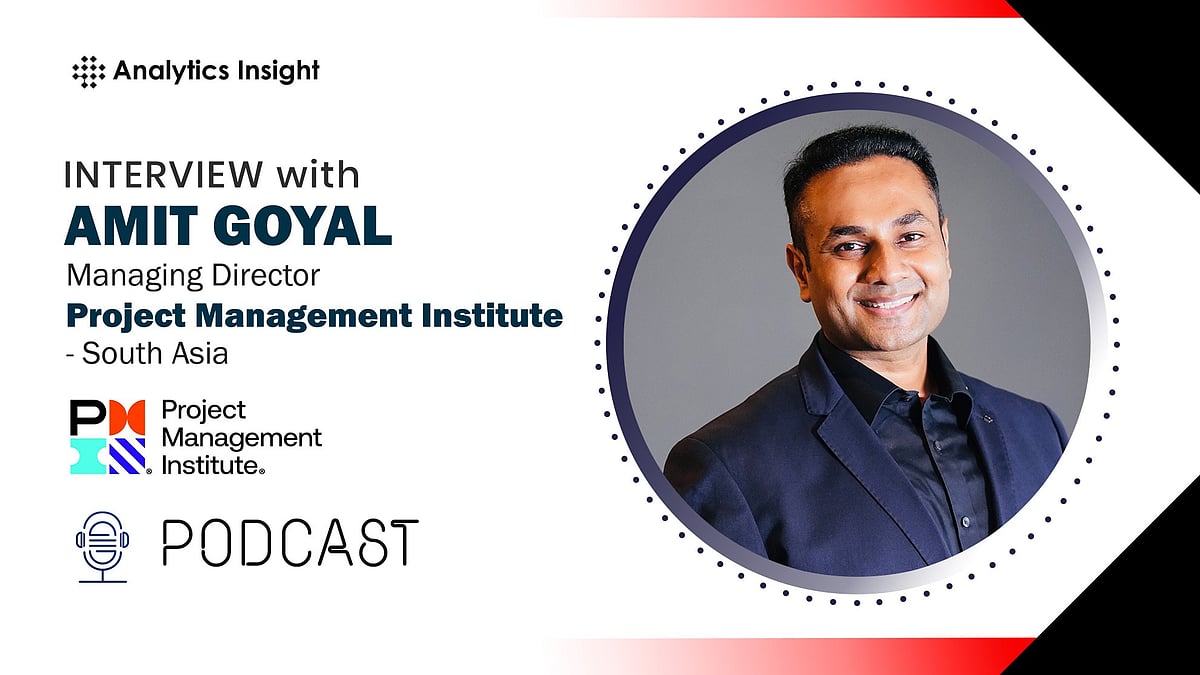
    In the latest episode of the Analytics Insight Podcast, host Priya Dialani speaks with Amit Goyal, Managing Director of the Project Management Institute (PMI) for South Asia, about why humans—not technology—will ultimately determine AI’s success. Goyal shares insights on the human side of the AI era, essential skills for professionals, workforce development shifts, and the future of education. Key excerpts from the conversation follow.

    Why AI Conversations Must Focus on People as Much as Technology

    “Technology provides options, but people make things happen,” Goyal explains. AI can write reports, analyze data, write code, and even plan projects—but it cannot grasp organizational politics, human emotions, ethics, or nuanced decision-making. Throughout history, the greatest challenge with major technological advances has never been the technology itself but its acceptance. Organizations should not fear AI replacing people; instead, they should focus on how to combine AI with human talent.

    What Gives Humans the Edge in an AI-Driven World

    The true human advantage lies in judgment, empathy, creativity, contextual understanding, and accountability. While AI processes massive datasets at incredible speed, it cannot mediate between conflicting parties, motivate teams during uncertainty, or take responsibility for tough choices. “The challenge is not to race with AI in speed, but to ask better questions, make wise decisions, and connect people toward a common purpose,” Goyal notes.

    Key Skills for the AI Economy

    Professionals who master AI technology should also build AI literacy—understanding how AI works, its benefits, and its limitations. Beyond technical knowledge, project management, communication, critical thinking, flexibility, and a commitment to continuous learning are essential. In a rapidly evolving tech landscape, success belongs to those who learn fast and collaborate effectively with AI, not those who claim to have all the answers.

    Preparing the Workforce for AI

    Organizations must shift from annual training programs to continuous learning as a core strategic element. Adopting AI should go beyond providing new tools; it must include employee training aimed at achieving practical business outcomes, improving customer experience, reducing risks, and boosting productivity. “The successful application of AI won’t be about owning the latest technology, but about training competent people,” Goyal emphasizes.

    Evolving Education for the AI Era

    Education systems should move from exam-driven models to producing practical, job-ready professionals. Real-world experience, industry collaboration, teamwork, project implementation, ethical considerations, and problem-solving must complement theoretical knowledge. AI can provide instant access to information, but learners need to apply that knowledge practically. The focus should be on employability and practice-oriented learning.

    The One Human Skill AI Will Never Replace

    Decision-making will become the most critical ability over the next decade, Goyal predicts. AI can interpret data, present options, and offer confident answers, but it cannot own its decisions. Human judgment will be indispensable when data is incomplete, time is limited, and difficult choices must be made. “Those who succeed will not only master AI but also know when to accept or reject its suggestions and rely on their own judgment,” he concludes.

    The full discussion is available on the Analytics Insight Podcast.

  • 10 Women AI Entrepreneurs Redefining the Tech Landscape

    10 Women AI Entrepreneurs Redefining the Tech Landscape

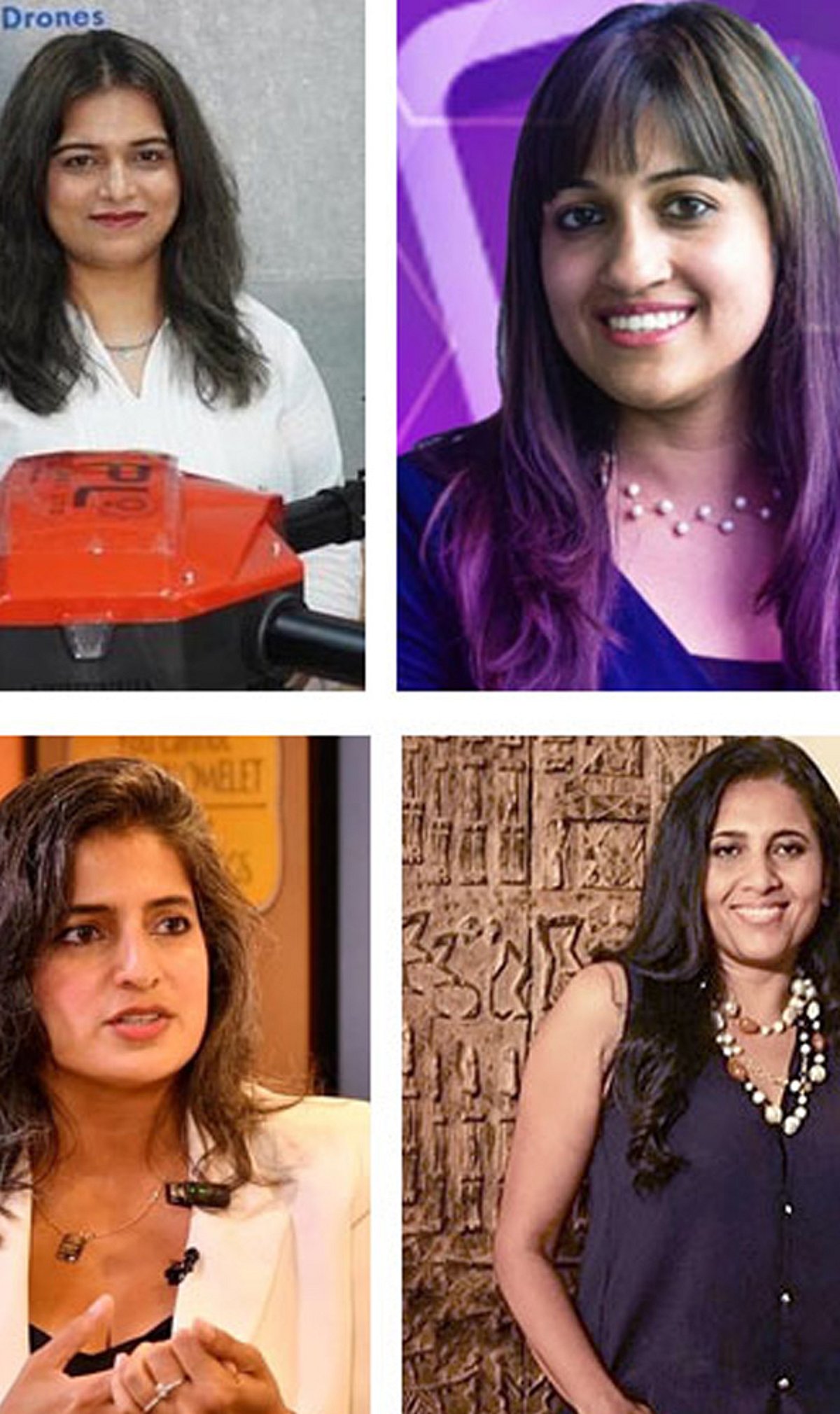
    The artificial intelligence industry is being transformed by visionary female leaders who are driving innovation, safety, and ethical practices. Here are ten entrepreneurs whose work is shaping the future of AI globally.

    1. Mira Murati – Former OpenAI CTO and founder of Thinking Machines Lab, advancing next-generation AI with a focus on collaboration and practical innovation.
    2. Fei-Fei Li – Co-founder of World Labs, pioneering spatial intelligence research while championing human-centered AI through academia and entrepreneurship.
    3. Daniela Amodei – Co-founder and president of Anthropic, developing safe and reliable AI systems with an emphasis on responsible deployment.
    4. Joelle Pineau – Vice President of AI Research at Meta, leading open-source AI, machine learning, and responsible research initiatives.
    5. Rana el Kaliouby – Co-founder of Affectiva, revolutionizing emotion recognition technology for automotive safety, healthcare, and customer experience.
    6. Aicha Evans – CEO of Zoox, steering autonomous mobility innovation by integrating AI, robotics, and self-driving technologies.
    7. Dileep George – Co-founder of Vicarious AI, building intelligent machines inspired by human cognition to tackle complex reasoning and automation.
    8. Suchi Saria – Founder of Bayesian Health, applying AI to predictive healthcare to help hospitals identify patient risks and improve outcomes.
    9. Rumman Chowdhury – Founder of Humane Intelligence, advancing responsible AI through independent evaluations, safety testing, and ethical governance.
  • 10 Must-Have CEO Productivity Tools for 2026

    10 Must-Have CEO Productivity Tools for 2026

    In 2026, business leaders are leveraging cutting-edge software to streamline operations, enhance decision-making, and boost overall efficiency. Here are ten essential CEO tools that can transform how you work.

    1. Notion

    Organize projects, notes, and company knowledge in one unified workspace. Notion helps CEOs keep everything from strategic plans to team wikis accessible and structured.

    2. Slack

    Keep communication fast and teams connected. Slack reduces email overload and enables real-time collaboration across departments.

    3. ChatGPT

    Generate ideas, summarize reports, and improve daily productivity. ChatGPT acts as an on-demand assistant for drafting emails, analyzing data, and brainstorming.

    4. Microsoft Copilot

    Automate Office tasks and create presentations faster. Copilot integrates with Word, Excel, and PowerPoint to handle routine work, freeing up time for strategic thinking.

    5. Zoom

    Run meetings efficiently from anywhere. With features like AI transcription and breakout rooms, Zoom remains a staple for remote and hybrid leadership.

    6. Asana

    Track projects, deadlines, and team performance. Asana provides a clear overview of progress and helps CEOs align teams around priorities.

    7. Calendly

    Simplify scheduling without endless emails. Calendly automates meeting bookings, reducing administrative friction.

    8. Power BI

    Turn company data into business insights. Power BI visualizes key metrics, enabling data-driven decisions at a glance.

    These tools empower CEOs to lead more effectively, save time, and focus on high-impact initiatives. For more updates, join our WhatsApp Channel for the latest news, exclusives, and videos.

  • Adolfo Hernandez: Driving AI-Powered Transformation at Capita

    Adolfo Hernandez: Driving AI-Powered Transformation at Capita

    Adolfo Hernandez is a prominent global business executive and technology leader currently serving as the Group CEO of Capita Plc. With a career spanning software, cloud computing, telecommunications, and enterprise services, he has held leadership roles at major organizations including Amazon Web Services, SDL, Acision, and Alcatel-Lucent. Known for his focus on digital transformation, innovation, and AI adoption, Hernandez has consistently delivered sustainable business growth across international markets.

    Early Life and Education

    Hernandez pursued advanced business and leadership education to build a strong executive foundation. He completed the Senior Executive Programme at London Business School in 2002 and earned a Senior MBA in Strategic Management from IDE-CESEM Business School between 1994 and 1996. His academic background equipped him with strategic leadership, management, innovation, and international business operations expertise.

    Professional Career

    Hernandez began his executive career at Alcatel-Lucent, later becoming CEO of Acision and then CEO of SDL, where he led successful transformation initiatives. From 2021 to 2024, he served as Vice President of the Global Telco Business Unit at Amazon Web Services, driving telecom growth. Since January 2024, he has been Group CEO of Capita, championing AI-driven business renewal and public sector innovation.

    AI-Driven Business Transformation at Capita

    Under Hernandez’s leadership, Capita is leveraging AI to modernize public services and enhance operational efficiency. Key initiatives include:

    • AI Innovation: Capita applies generative and agentic AI to streamline government processes, automate complex workflows, and deliver faster, smarter citizen services.
    • AI Learning: The company integrates generative AI into workforce development, offering personalized learning and accelerating skills transformation.
    • Intelligent Operations: Combining AI, automation, and human expertise, Capita redesigns business processes to improve efficiency and customer experiences.
    • Smart Performance: AI-powered analytics and coaching enhance frontline operations, productivity, and customer engagement.
    • Responsible Intelligence: Capita promotes trusted AI through transparent governance, human oversight, and secure automation.
    • Visionary Leadership: Hernandez drives enterprise-wide AI adoption, aligning innovation with governance and operational excellence for long-term value.

    Business Achievements

    Hernandez has delivered meaningful turnarounds and shareholder value throughout his career. He guided SDL through a successful merger with RWS, reshaped Acision into a high-growth software company, and expanded AWS telecom partnerships globally. At Capita, he is advancing AI initiatives like the AI Catalyst Stack, supporting digital public services and enterprise innovation.

    Controversies

    Adolfo Hernandez has no major public controversies. His career is defined by business transformation, AI-driven innovation, and digital modernization across leading global organizations.