Tag: Microsoft

  • Data Science and AI Learning Path: 5 Free Microsoft GitHub Courses to Explore

    Data Science and AI Learning Path: 5 Free Microsoft GitHub Courses to Explore

    Microsoft has published a series of free, structured GitHub courses that guide learners from the fundamentals of data science through machine learning, artificial intelligence, generative AI, and agentic systems. Each course includes lessons, quizzes, assignments, and hands-on exercises, making it possible to build practical AI skills without enrolling in an expensive training program.

    1. Data Science for Beginners

    Built for learners with no prior experience, this 10-week curriculum features 20 lessons covering statistics, probability, data ethics, data preparation, visualization, and analysis. Quizzes, assignments, and real-world datasets give learners hands-on exposure to the full data science workflow.

    2. Machine Learning for Beginners

    This 12-week, 26-lesson course builds on foundational data knowledge. It covers regression, classification, clustering, natural language processing, time-series forecasting, and reinforcement learning. Learners work with Python and Scikit-learn to train and evaluate traditional machine learning models.

    3. Artificial Intelligence for Beginners

    Offering 24 lessons across 12 weeks, this course introduces broader AI concepts such as neural networks, computer vision, natural language processing, deep learning, symbolic AI, and reinforcement learning. Learners also explore tools and techniques including PyTorch, TensorFlow, transformers, embeddings, transfer learning, and generative adversarial networks.

    4. Generative AI for Beginners

    This 21-lesson course focuses on modern AI application development. Topics include prompt engineering, model selection, responsible AI, function calling, retrieval-augmented generation (RAG), vector databases, AI agents, fine-tuning, security, small language models, and open-source models. Practical examples use both Python and TypeScript.

    5. AI Agents for Beginners

    Designed for developers interested in agentic AI, this 18-lesson curriculum covers tool use, agentic RAG, planning, memory, context engineering, multi-agent systems, MCP, computer-use agents, security, and deployment. Hands-on examples use technologies such as Microsoft Agent Framework and Microsoft Foundry Agent Service.

    A Progression From Fundamentals to Agents

    Together, these courses form a clear learning path. Learners can start with data science fundamentals, move through machine learning and AI concepts, then explore generative AI and agentic systems. This step-by-step progression helps avoid the common mistake of jumping directly into advanced LLM applications without understanding data, models, training, evaluation, and AI fundamentals.

    Free Learning Through GitHub

    All five courses provide structured materials without the cost of traditional training programs. Depending on the curriculum, learners can access lessons, quizzes, assignments, projects, and code examples. Some generative AI exercises may require access to an AI API or Microsoft Foundry, while other models can run locally on your own machine.

  • Microsoft’s October 7 Event to Spotlight Local AI and Surface Laptop Ultra

    Microsoft’s October 7 Event to Spotlight Local AI and Surface Laptop Ultra

    Microsoft has confirmed a major Windows and Surface event scheduled for October 7 in San Francisco, with a focus on local artificial intelligence, AI-powered PCs, Surface hardware, and Windows 11. The keynote will be headlined by Microsoft CEO Satya Nadella, Windows and Surface chief Pavan Davuluri, and NVIDIA CEO Jensen Huang. The event kicks off at 10 a.m. PT / 1 p.m. ET and will be streamed online.

    According to Microsoft, the event will explore “how local AI will shape the next chapter of the PC,” signaling a push toward hardware capable of processing advanced AI workloads directly on devices. The company also plans to align Windows improvements with next-generation AI hardware, potentially detailing how AI will become more deeply integrated into everyday computing.

    The biggest hardware reveal could be the Surface Laptop Ultra, which Microsoft has previously linked with NVIDIA RTX Spark technology. This platform combines powerful computing with local AI capabilities to handle demanding workloads. Attendees can expect pricing, configurations, availability, and Windows-specific optimizations for the new machine.

    NVIDIA’s involvement highlights the RTX Spark initiative, which targets computers that can run large AI models locally without constant cloud processing. Microsoft has already showcased a Surface RTX Spark Dev Box featuring 128GB of unified memory and up to one petaflop of AI compute, aimed at developer workloads.

    Windows 11 will also be a key topic, with potential enhancements for local AI support, improved performance, and deeper Copilot integration. Current reports do not suggest a Windows 12 announcement; instead, Microsoft appears focused on extending Windows 11’s capabilities around emerging AI features.

    The October showcase may also introduce refreshed Surface hardware and broader ecosystem updates. Microsoft is expected to outline how future Windows PCs will balance local processing with cloud services, emphasizing faster response times, stronger privacy, and reduced reliance on cloud infrastructure—key advantages of on-device AI.

    This event marks Microsoft’s first dedicated Windows and Surface showcase since May 2024. With both Microsoft and NVIDIA leadership on stage, local AI is positioned as the central theme for the next chapter of personal computing.

  • Microsoft Communications Chief Frank Shaw Departs After Nearly Three Decades

    Microsoft Communications Chief Frank Shaw Departs After Nearly Three Decades

    Frank X. Shaw, Microsoft’s chief communications officer, is stepping down after nearly 29 years with the company. Shaw announced the decision through an internal memo to his team on Friday, September 11, and later shared the news publicly on LinkedIn. He will stay on until the end of December to help with the transition.

    Shaw held the top communications role at Microsoft for 17 years, and his ties to the company go back even further through his earlier work at the outside PR agency Waggener Edstrom. In his note to staff, Shaw said he felt it was time to move on and try new things. He said he was discussing the move with Takeshi Numoto, Microsoft’s chief marketing officer, for a while, and both agreed the timing felt right.

    “I remain optimistic about the company mission, the incredible talent on this team, and how much the company depends on us during this critical time,” Shaw wrote. He added that the team accomplished a great deal together and called his gratitude endless. Shaw also thanked the reporters and analysts he worked with over the years, joking about the late-night calls and the “off the record no comments” he had given them.

    In his own note to employees, Numoto said few people shaped Microsoft’s voice and reputation as much as Shaw. Microsoft did not name a replacement yet and says it will look at candidates from inside and outside the company.

    Shaw, 64, first began supporting Microsoft’s communications in 1997, long before he formally joined the company. Over the years, he guided the company’s public messaging through multiple CEO transitions, several Windows and Office launches, the antitrust battles of the early 2000s, and the Windows Vista backlash. He also handled communications around major acquisitions, including LinkedIn and Activision Blizzard, and helped position Microsoft during its shift toward cloud computing and artificial intelligence.

    Reports suggest Shaw does not plan to retire. He does not have another job lined up yet and intends to take some time off before deciding on his next move. His exit adds to a string of long-serving Microsoft executives who have left the company this year, marking a notable shift in its leadership ranks.

  • Best Keyboards with AI and Smart Productivity Features for 2026

    Best Keyboards with AI and Smart Productivity Features for 2026

    From customizable macro keys to seamless multi-device switching, today’s keyboards are incorporating smart features that go beyond simple typing. Here are seven keyboards that combine AI-ready functionality and productivity-focused design to help professionals work more efficiently.

    Logitech MX Creative Console Keyboard

    Designed for creators and professionals, this keyboard emphasizes customizable controls to accelerate everyday workflows. Programmable keys allow users to assign shortcuts for frequently used actions, and its software supports personalized configurations. It’s particularly useful for those who regularly switch between creative applications, productivity tools, and other software.

    Microsoft Surface Keyboard

    Microsoft’s offering pairs a clean, minimal design with deep integration across Windows devices. Its strength lies in working naturally within the Microsoft ecosystem, where users can combine keyboard shortcuts with productivity tools and AI-powered features like Copilot. It’s ideal for professionals seeking a familiar typing experience without unnecessary complexity.

    Razer Pro Type Ultra

    The Razer Pro Type Ultra delivers a comfortable mechanical typing experience with features tailored for office productivity. Users can connect multiple devices and switch between them, making it practical for those working across several computers. Its programmable controls and wireless connectivity minimize interruptions when moving between tasks.

    Keychron Q1 Max

    The Keychron Q1 Max appeals to users who want deep customization alongside modern wireless connectivity. Its programmable keys allow shortcuts and workflows to be tailored via compatible software. While it doesn’t rely on built-in generative AI, its flexibility makes it valuable for professionals who prefer creating personalized productivity setups.

    Logitech MX Keys S

    Built around quiet typing, smart shortcuts, and multi-device productivity, the Logitech MX Keys S lets users customize keys through Logitech’s software and easily move between connected devices. Its compatibility with productivity applications makes it a strong choice for professionals who spend long hours writing, editing documents, managing data, or communicating online.

    ASUS ROG Strix Scope II 96 Wireless

    Although primarily designed for gaming, this keyboard brings useful smart features to everyday computing. Its customizable controls, wireless connectivity, and programmable functions support productivity as well. Users who move between gaming and work can create shortcuts for applications, media controls, and frequently performed tasks without switching keyboards.

    Corsair K100 RGB

    The Corsair K100 RGB combines programmable controls with extensive customization options. Its dedicated macro keys can automate repetitive commands and help create application-specific workflows. For professionals handling repetitive tasks, these controls can save time. Its broader appeal comes from giving users greater control over how the keyboard responds to their individual working habits.

  • Gaming Giants in 2026: The Industry’s Highest Market Valuations

    Gaming Giants in 2026: The Industry’s Highest Market Valuations

    Microsoft leads the gaming industry in market capitalization as of 2026, despite gaming representing only a fraction of its overall technology business. Its gaming operations encompass Xbox, Activision Blizzard, and a portfolio of major franchises. The company’s cloud infrastructure, subscription services, and expansive gaming ecosystem give it substantial influence across the global interactive entertainment landscape.

    Tencent remains one of the world’s largest gaming companies, supported by a diverse portfolio of popular online and mobile games. Its operations span major international franchises and Chinese titles, while its broader technology ecosystem enhances distribution and player engagement. Tencent’s scale makes it a dominant force in global gaming.

    Sony holds a strong position through PlayStation, one of the industry’s most recognizable platforms. Its business combines consoles, software, subscriptions, and exclusive franchises to create a broad entertainment ecosystem. Major first-party titles and the PlayStation brand continue to drive Sony’s importance in the global gaming market and its overall corporate valuation.

    NetEase has emerged as a major player with a wide array of online and mobile titles. The company has expanded internationally while continuing to serve Chinese audiences. Its gaming division remains a key contributor, supported by established franchises, live-service models, and ongoing investment in game development.

    Sea Limited’s Garena gaming division has made the company a significant force in Southeast Asian and international digital entertainment. Garena operates popular online games and benefits from Sea’s broader digital ecosystem. Gaming remains a core component alongside e-commerce and digital financial services across multiple markets.

    Nintendo continues to be one of gaming’s most recognizable and valuable companies, built on distinctive hardware and iconic franchises. Mario, Zelda, and Pokémon-related properties attract generations of players, while Nintendo’s dedicated platforms create a tightly integrated ecosystem. Its unique hardware-software approach sets it apart from other gaming giants.

    Take-Two Interactive is among the largest pure-play gaming publishers, with a portfolio featuring globally recognized franchises. Its businesses include Rockstar Games and 2K, covering blockbuster releases and ongoing digital experiences. The company’s valuation reflects investor expectations around major franchises, recurring revenue, and the continued growth of interactive entertainment worldwide.

    Electronic Arts remains a major global publisher with an extensive portfolio spanning sports, action, and multiplayer games. Franchises such as EA Sports FC, Madden NFL, and Battlefield contribute to its worldwide reach. Its recurring live-service revenue model and established player communities give it an important position in the competitive gaming industry.

    Roblox occupies a unique niche by combining gaming, social interaction, and user-generated content. Its platform allows creators to build experiences while users explore games and virtual environments. This community-driven model gives Roblox a different growth profile from traditional publishers and highlights the rising importance of creator ecosystems in gaming.

    Aristocrat has a significant presence across gaming and casino technology, with businesses spanning physical gaming machines and digital entertainment. Its operations extend beyond conventional console and PC gaming, reflecting the broader definition of the gaming industry. The company’s digital expansion and established gaming technology business contribute to its position among major publicly traded gaming companies.

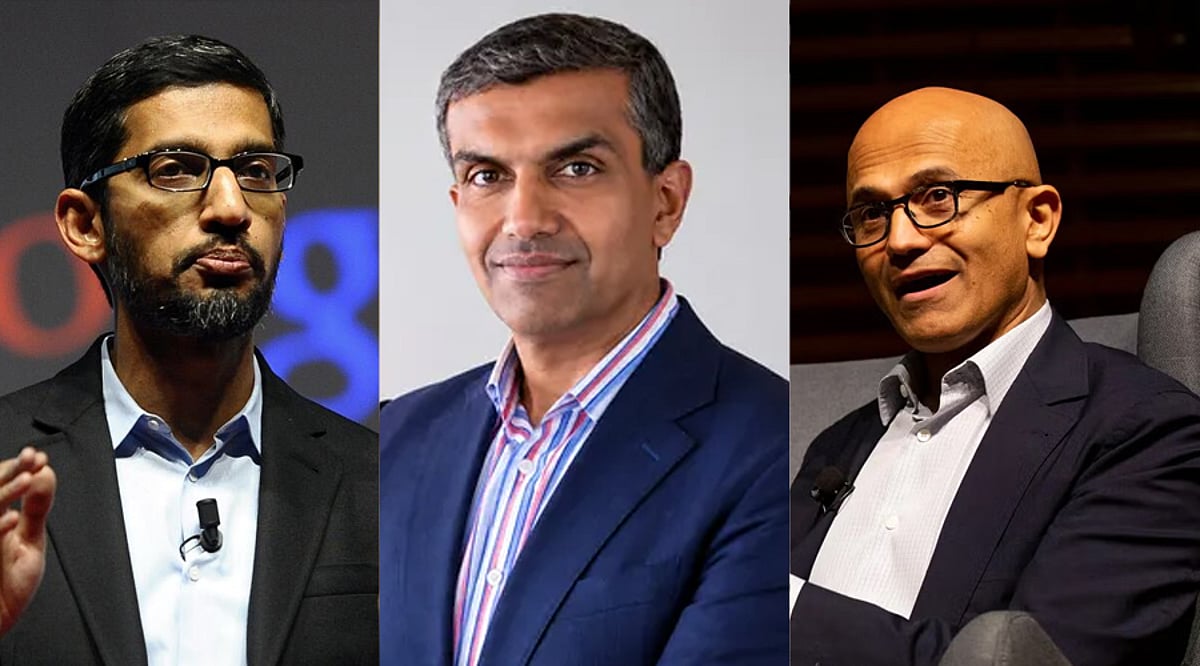
  • Indian-Origin CEOs Steering Major US Companies: From Microsoft to YouTube

    Indian-Origin CEOs Steering Major US Companies: From Microsoft to YouTube

    Indian-origin entrepreneurs and executives now lead some of the most influential technology companies in the United States. Their journeys from India to the top of corporate America highlight a growing trend of global leadership rooted in Indian talent. Here are the key figures behind major US companies.

    Satya Nadella – Microsoft

    Born in Hyderabad, Satya Nadella has served as chairman and CEO of Microsoft since 2014. Under his leadership, the company has pivoted strongly toward cloud computing and artificial intelligence. Nadella played a pivotal role in expanding Microsoft Azure and continues to steer the company’s AI-first strategy.

    Sundar Pichai – Google and Alphabet

    Sundar Pichai, who grew up in Chennai, became CEO of Google in 2015 and later took the helm of Alphabet in 2019. His tenure has seen major investments in AI, cloud computing, Android, and other technologies. Pichai remains one of the most recognized Indian-origin leaders in global tech.

    Anil Chakravarthy – Adobe

    Anil Chakravarthy is set to become Adobe’s next president and CEO on December 1, 2026, succeeding Shantanu Narayen, who led the company for nearly two decades. Chakravarthy studied computer science at IIT Varanasi before earning advanced degrees from MIT. He joined Adobe in 2020 after serving as CEO of Informatica.

    Arvind Krishna – IBM

    Arvind Krishna is chairman and CEO of IBM, one of the world’s largest enterprise technology companies. With a career spanning decades at IBM, he has centered the company’s strategy on hybrid cloud and artificial intelligence.

    Nikesh Arora – Palo Alto Networks

    Nikesh Arora is chairman and CEO of Palo Alto Networks, a leading US cybersecurity firm. Under his leadership, the company has focused on digital security and AI-driven protection, capitalizing on rising corporate spending in this area.

    Neal Mohan – YouTube

    Neal Mohan is the CEO of YouTube, the world’s largest video platform. He assumed the role in 2023 after serving as chief product officer. Mohan has shaped product strategy across advertising, creators, subscriptions, and online video.

    Expanding Influence Across Industries

    Indian-origin leaders now hold top positions not only in technology but also in cybersecurity, finance, healthcare, consumer goods, and logistics. Recent 2026 reports highlight executives such as Raj Subramaniam at FedEx, Vimal Kapur at Honeywell, Revathi Advaithi at Flex, and Jayshree Ullal at Arista Networks. Their presence underscores the growing influence of Indian-origin talent in Corporate America.

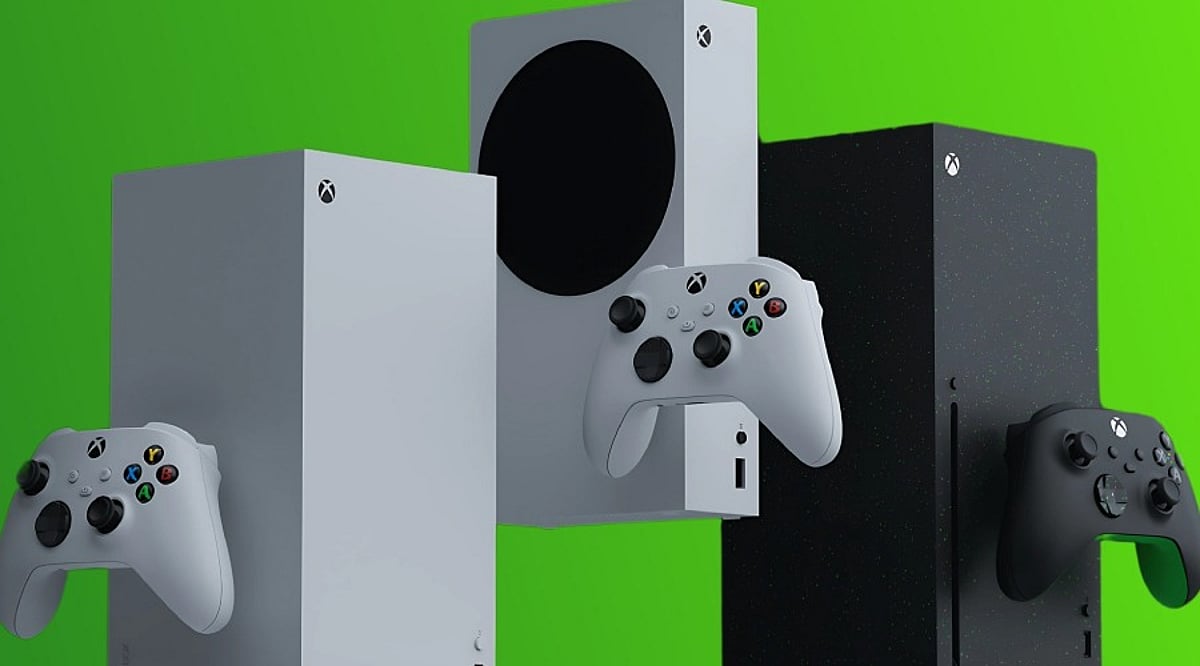
  • Microsoft’s Next Xbox Could Play Every Xbox Game Ever Made – Including All 5 Generations

    Microsoft’s Next Xbox Could Play Every Xbox Game Ever Made – Including All 5 Generations

    Microsoft’s next-generation Xbox console is reportedly set to achieve an unprecedented backward compatibility milestone, supporting games from every Xbox generation ever released. According to recent reports, the upcoming console will run titles from the original Xbox, Xbox 360, Xbox One, Xbox Series X|S, and the new generation itself—all on a single device.

    A Massive Leap in Backward Compatibility

    This would mark the first time a single Xbox console supports all five generations of Xbox games, creating a seamless ecosystem that preserves decades of gaming history. Players would no longer need to keep multiple legacy consoles connected to revisit classic favorites.

    Preserving Gaming History

    By supporting older titles, Microsoft helps preserve classic Xbox experiences. Gamers can revisit beloved franchises without hunting down old hardware, and digital libraries remain relevant across generations. Existing digital purchases are expected to continue working, giving players confidence that their collections retain value.

    Enhanced Performance for Classics

    Older games could benefit from modern hardware enhancements, including faster loading times, smoother frame rates, and improved stability. This optimization could breathe new life into classic titles, making them more enjoyable on current displays and systems.

    A Competitive Edge Over Rivals

    Comprehensive backward compatibility could give Xbox a strong advantage by offering a single platform that spans decades of gaming. This approach appeals to both long-time collectors with extensive libraries and new players eager to explore iconic franchises.

    Great News for Collectors and Longtime Fans

    For Xbox enthusiasts who have built up large game collections over the years, the next console promises easier access to their entire library without reconnecting multiple older consoles. It could become Microsoft’s most consumer-friendly console yet.

    Important Note: Microsoft has not officially confirmed these compatibility claims. The current reports should be treated as rumors until the company makes a formal announcement. If accurate, however, the next Xbox could redefine backward compatibility in the console space.

  • Top US Stocks Driving Strong Market Momentum in 2025

    Top US Stocks Driving Strong Market Momentum in 2025

    Several U.S. equities have consistently outperformed in recent months, buoyed by advancements in artificial intelligence, cloud computing, and digital advertising. Below is an overview of the top-performing stocks that continue to deliver robust market momentum.

    Nvidia (NVDA)

    Nvidia dominates AI chip manufacturing, benefiting from surging demand for data centers, enterprise computing, and artificial intelligence infrastructure worldwide.

    Microsoft (MSFT)

    Microsoft’s cloud services and AI-powered software continue driving revenue growth, making it a consistent performer among technology industry leaders globally.

    Apple (AAPL)

    Apple’s ecosystem, premium devices, and expanding services business generate resilient revenue, supporting long-term investor confidence despite competitive technology markets.

    Amazon (AMZN)

    Amazon combines cloud computing leadership with advertising, logistics, and artificial intelligence investments, creating multiple high-growth revenue opportunities for shareholders.

    Meta Platforms (META)

    Meta’s AI investments and digital advertising business continue improving profitability while expanding virtual reality and social media platform capabilities globally.

    Broadcom (AVGO)

    Broadcom benefits from rising semiconductor demand, enterprise software growth, and AI infrastructure expansion, supporting consistent financial performance and shareholder returns.

    Tesla (TSLA)

    Tesla continues innovating in electric vehicles, autonomous driving technology, and energy storage, maintaining significant influence within global automotive markets.

    Alphabet (GOOGL)

    Alphabet strengthens revenue through search, cloud computing, YouTube, and artificial intelligence innovations across consumer and enterprise technology services worldwide.

    Palantir Technologies (PLTR)

    Palantir’s AI-powered analytics platforms drive enterprise and government adoption, supporting impressive revenue growth and expanding commercial customer relationships.

  • World’s Most Valuable Tech Companies: Microsoft, NVIDIA, Apple, and More

    World’s Most Valuable Tech Companies: Microsoft, NVIDIA, Apple, and More

    Microsoft: Leading in cloud computing, artificial intelligence, productivity software, and enterprise services, Microsoft consistently ranks among the world’s highest-valued technology companies.

    NVIDIA: Dominating AI chip development and accelerated computing, NVIDIA powers data centers, gaming, autonomous systems, and advanced artificial intelligence worldwide today.

    Apple: Known for premium devices, software, and services, Apple maintains exceptional brand loyalty while generating massive revenue across global consumer markets.

    Amazon: E-commerce leadership combined with Amazon Web Services strengthens its valuation through cloud infrastructure, digital advertising, logistics, and subscription-based business growth.

    Alphabet: Google’s parent company generates substantial revenue through search, advertising, cloud computing, YouTube, artificial intelligence, and innovative technology investments globally.

    Meta Platforms: Owner of Facebook, Instagram, WhatsApp, and Threads, Meta expands artificial intelligence capabilities while investing heavily in virtual and augmented reality technologies.

    Saudi Aramco: Though primarily an energy company, Saudi Aramco invests significantly in digital transformation, artificial intelligence, and advanced technology infrastructure supporting global operations.

    Broadcom: Broadcom develops semiconductor solutions and enterprise software, benefiting from growing demand for networking hardware, cloud infrastructure, and AI-focused technology markets.

    Taiwan Semiconductor Manufacturing Company (TSMC): The world’s leading chip manufacturer produces advanced semiconductors powering smartphones, AI processors, automotive systems, and next-generation computing technologies globally.

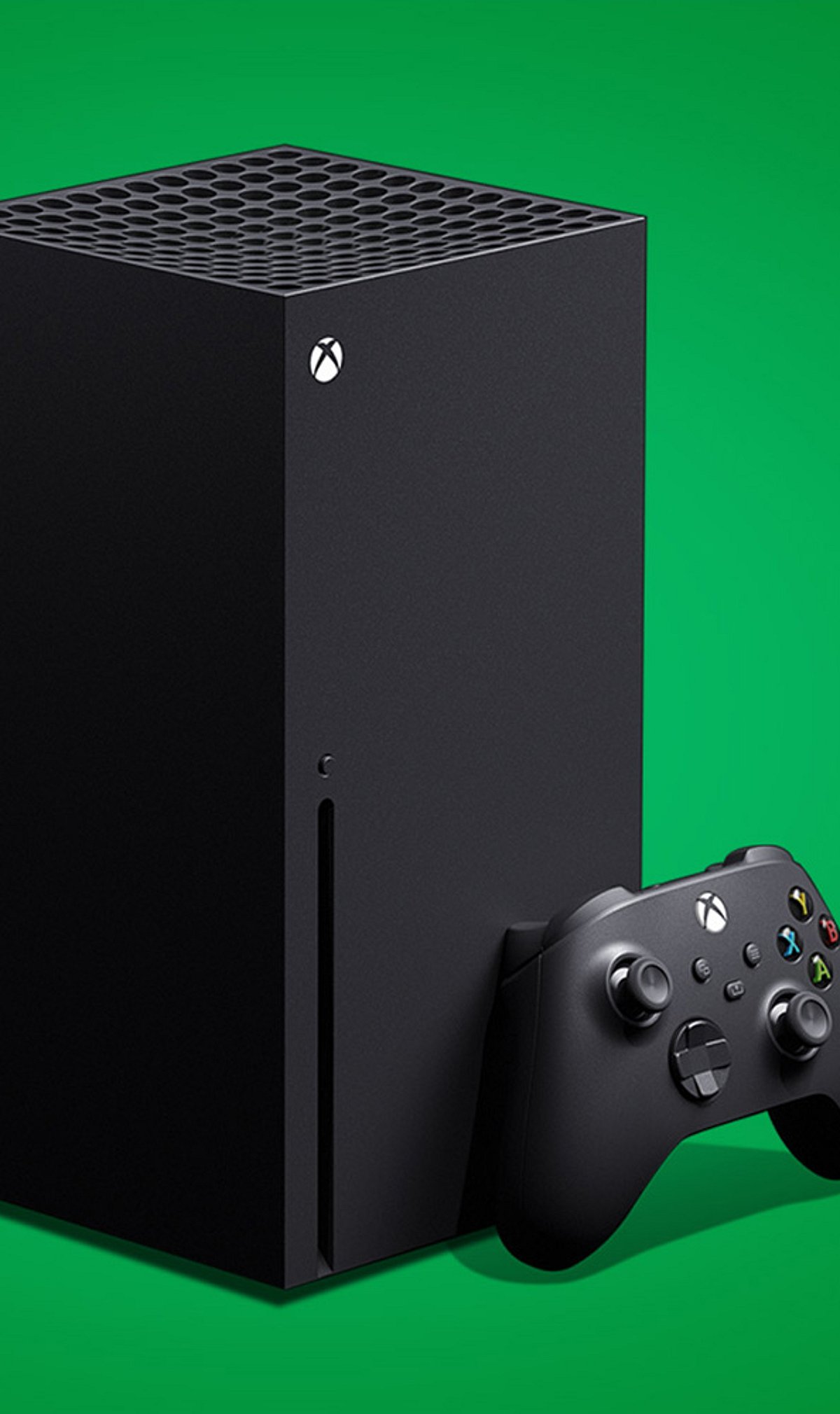
  • Xbox Series X and Series S Prices Soar in UK and Europe—Microsoft Blames AI-Driven Component Costs

    Xbox Series X and Series S Prices Soar in UK and Europe—Microsoft Blames AI-Driven Component Costs

    Microsoft has raised the prices of Xbox Series X and Series S consoles across the United Kingdom and several European markets, with the revised pricing taking effect in early August 2026. The increase, which reaches up to €200 or £170 depending on the model, marks one of the company’s largest console price adjustments to date. Microsoft attributes the move to soaring memory and storage component costs, exacerbated by surging demand from the artificial intelligence industry.

    Updated Xbox Console Prices in the UK and Europe

    The updated pricing affects nearly every current Xbox console. As part of the product lineup changes, Microsoft has also confirmed it is discontinuing the 2TB Xbox model. The price hikes make Xbox consoles significantly more expensive for gamers in these regions.

    Why Microsoft Increased Xbox Console Prices

    According to Microsoft, the increase reflects broader challenges across the technology industry rather than a shift in its gaming strategy. The company stated that storage and memory costs have risen more than 2.5 times compared with previous levels and are expected to remain high through 2027. Increasing investments in AI infrastructure have raised the need for sophisticated memory and storage chips, thereby straining the global supply chain. Microsoft noted that similar cost pressures have affected other consumer electronics manufacturers, leading several gaming companies to revise hardware pricing in recent months.

    What the Price Increase Means for Gamers

    This latest hike follows the third major revision to Xbox pricing in 2025, breaking from the usual trend where gaming consoles become cheaper as they age. While Microsoft will still offer financing and refurbishment of consoles in selected countries, the price increase may deter cost-sensitive customers looking to upgrade or purchase a new Xbox. As the current console generation enters its later years, the revised pricing is expected to play a key role in consumer purchasing decisions, particularly when comparing Xbox with competing gaming platforms.