Tag: Microsoft

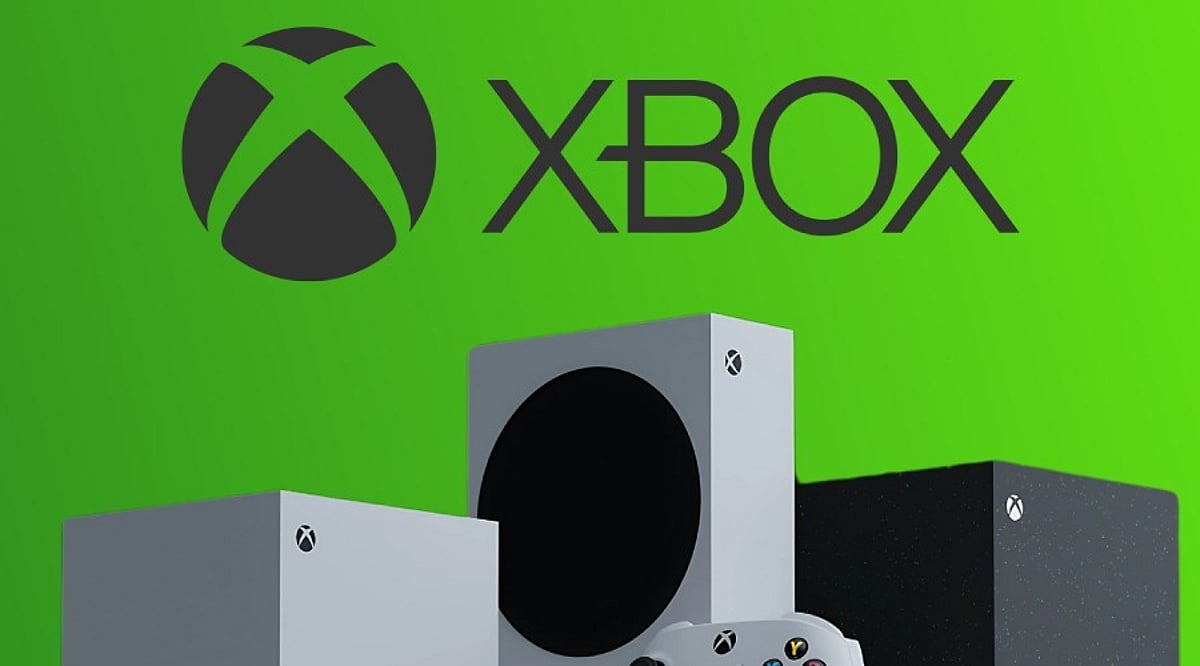
  • Microsoft to Keep Steam Central to Xbox’s PC Gaming Strategy, Report Confirms

    Microsoft to Keep Steam Central to Xbox’s PC Gaming Strategy, Report Confirms

    A new report indicates that Microsoft will continue to rely on Steam as a cornerstone of Xbox’s PC gaming plans, while also expanding the role of Battle.net. Contrary to earlier speculation that Xbox might pull its games from Steam, the report states that Microsoft has no such intention at this time. Instead, the company is making strategic adjustments without removing its titles from the popular platform.

    Battle.net, previously exclusive to Blizzard games, is being opened up to third-party developers. It now includes Activision titles such as Call of Duty, Obsidian’s The Outer Worlds 2, and Avowed. In the future, more third-party developers will be able to distribute their games through Battle.net. Additionally, Microsoft continues to invest heavily in its own PC app.

    Choice for Big Publishers

    Many game companies have shifted their strategies in recent years. Electronic Arts (EA) initially focused on its own launcher but later brought its games back to Steam. Ubisoft also returned many of its biggest titles to Steam after a period of exclusivity on its own platform. Blizzard has followed a similar path—while Battle.net remains important, several Blizzard games are now available on Steam.

    These moves reflect a growing preference among players for more choices and flexibility. Microsoft appears to be adopting the same approach, avoiding platform lock-in and instead focusing on making PC gaming simple and accessible. This could prove to be one of its strongest strategic moves in the coming years.

  • Microsoft Pays Record $20 Million to Ethical Hackers Through Bug Bounty Program

    Microsoft Pays Record $20 Million to Ethical Hackers Through Bug Bounty Program

    Microsoft has awarded a record $20 million to ethical hackers through its Bug Bounty Program, marking the largest payout since the initiative began. The tech giant announced that from July 1, 2025, to June 30, 2026, it distributed $20 million among 562 security researchers, averaging roughly $35,000 per person.

    A significant contributor to this record sum was the Microsoft Zero Day Quest, a dedicated event held at Microsoft’s Redmond campus. This challenge invited ethical hackers and researchers from 20 countries to focus on high-priority security scenarios across Microsoft’s cloud and AI platforms. It generated approximately 700 vulnerability reports and resulted in $2.3 million in awards.

    Another key driver was a separate event that tasked researchers with finding bugs in open-source software, third-party components, and Microsoft cloud services. This effort produced over 300 additional vulnerability reports and more than $800,000 in payouts for previously undiscovered flaws.

    Notably, the geographic reach of the program expanded from 59 countries in 2025 to 64 countries in 2026. In the previous year, Microsoft paid $17 million to 344 researchers, averaging about $49,000 per person. The per-person payment decreased this year due to the larger number of participants.

    Cyberattacks are becoming increasingly sophisticated, and no company can identify every security flaw on its own. That’s why major technology firms are collaborating with ethical hackers rather than treating them as outsiders. These partnerships help companies release security updates much faster. As threats evolve, collaboration with ethical researchers remains one of the strongest defenses to keep software secure.

  • Microsoft Leak Reveals Xbox 360 Games Headed to PC by 2028

    Microsoft Leak Reveals Xbox 360 Games Headed to PC by 2028

    Microsoft is reportedly preparing to bring Xbox 360 games to Windows PCs as part of a broader backward compatibility expansion, according to leaked documents that have surfaced from multiple publications. The move would allow gamers to revisit one of Xbox’s most celebrated game libraries without needing a console.

    While Microsoft has not made an official announcement, a leaked roadmap suggests the company is working on a major backward compatibility program that would let developers bring Xbox 360 titles to PCs, future Xbox consoles (including the rumored Project Helix device), and upcoming handhelds. The rollout is expected to begin in 2027 and wrap up by 2028.

    In addition, the roadmap outlines a disc-to-digital feature for Xbox One and Xbox Series X owners. This system would allow players to convert eligible physical game discs into digital licenses linked to both the disc and their Microsoft account, offering greater flexibility for accessing older purchases across multiple devices.

    Microsoft has steadily expanded Xbox games across Windows PCs, cloud gaming, and handheld devices. Bringing Xbox 360 titles to these platforms would strengthen game preservation while giving players more options to enjoy their classic favorites.

    Until Microsoft makes a public announcement, gamers should treat the reported features, launch windows, and supported titles as unconfirmed. Even so, the leak offers the clearest indication yet that Microsoft’s backward compatibility ambitions extend well beyond today’s Xbox consoles, signaling a future where Xbox 360 classics are accessible on virtually any screen.

  • Big Tech’s $1 Trillion AI Investment: Are Returns on the Horizon?

    Big Tech’s $1 Trillion AI Investment: Are Returns on the Horizon?

    Google, Amazon, Microsoft, and Meta have collectively poured more than $1 trillion into artificial intelligence infrastructure since 2023, with total spending reaching approximately $1.1 trillion by June 2026. The companies are racing to build data centers, acquire advanced chips, and secure massive electricity supplies. But as capital budgets swell, Wall Street is increasingly questioning when this spending will translate into meaningful revenue and cash flow.

    AI Spending Squeezes Free Cash Flow

    The four tech giants plan to spend about $745 billion during 2026 based on their latest forecasts. Alphabet expects capital expenditure of up to $205 billion, Amazon raised its estimate to $220 billion, and Meta anticipates between $130 billion and $145 billion. Microsoft has also committed significant sums to cloud and AI capacity.

    This aggressive spending is putting pressure on free cash flow — the cash left after operating costs and capital investment. Alphabet reported negative free cash flow of about $5.9 billion in the second quarter. Meta’s quarterly free cash flow plunged 91% year-over-year to $784 million, while Amazon posted negative trailing 12-month free cash flow of $7.6 billion.

    Microsoft has maintained positive free cash flow, buoyed by strong cloud demand, but its spending still reduces the cash available for share buybacks, dividends, acquisitions, and debt payments. Investors are closely watching whether each new data center generates enough sales to cover its cost.

    Returns May Take Years to Materialize

    AI infrastructure carries long repayment periods. Data centers require land, construction, cooling systems, networking equipment, and power contracts. Companies must also replace costly processors as newer chips become available. RBC Capital analyst Rishi Jaluria summed up the concern: “There is basically no end in sight for the growth in capex.” He added that companies must fund AI without weakening the businesses that built their profits.

    Cloud revenue offers one route to repayment. Amazon Web Services reported 37% revenue growth in the second quarter, easing concerns over Amazon’s $220 billion spending plan. Microsoft points to demand for Azure and AI products, while Alphabet has reported strong Google Cloud growth. Meta primarily links AI spending to advertising tools and future services.

    Long-Term Commitments Raise Scrutiny

    The companies are also signing leases and purchase agreements that extend beyond current capital spending. Google, Meta, and Microsoft added nearly $900 billion in new AI-related commitments during one quarter, including data center leases, cloud capacity contracts, and energy deals. These obligations may not appear as current balance-sheet debt, yet they can restrict future cash use. Rising hardware prices and shortages of memory chips can also increase project costs before facilities start earning revenue.

    Market reactions now depend on evidence of direct returns. Amazon shares rose after strong AWS growth showed that customers were using its added capacity. Alphabet and Meta faced weaker reactions after higher spending forecasts and lower free cash flow. The divide shows investors are rewarding AI investment when revenue growth and cash generation move with it — a pattern that shaped market reactions during the latest earnings season.

  • Tech Giants Invest Millions in Skilled Trades Training to Build AI Data Centers

    Tech Giants Invest Millions in Skilled Trades Training to Build AI Data Centers

    The rapid expansion of artificial intelligence is creating unexpected job opportunities. Google, Meta, and other major technology companies are pouring billions of dollars into new AI data centers across the United States. A recent report reveals that these industry leaders have invested millions of dollars to train the electricians and skilled workers needed to construct and maintain these facilities.

    OpenAI Leads the Way in Detroit

    OpenAI has made a significant investment in a Detroit data center, one of the largest private investments of its kind. The Detroit Electrical Industry Training Center currently has about 850 apprentices in training, preparing them for long-term careers in the growing AI infrastructure sector.

    Google Partners with IBEW to Double Apprenticeships

    Google is collaborating with the International Brotherhood of Electrical Workers (IBEW) to expand the pipeline of qualified electricians. The partnership aims to increase the union’s annual apprenticeship intake from 19,500 to 30,000 over the next three years. Google has contributed nearly $50 million to this initiative, ensuring a steady supply of skilled labor for its data center projects.

    Microsoft’s Longstanding Training Program

    Microsoft has been investing in workforce development for years. In 2018, the company launched its own data center technician training program. Since then, it has expanded to 39 locations worldwide and trained approximately 15,000 people, building a robust talent pool for the industry.

    Why Tech Companies Are Acting Like Infrastructure Firms

    Training advanced AI models requires enormous computing power, which in turn demands massive data centers with reliable power, advanced cooling systems, and high-speed internet connections. As a result, Google, Meta, and others are aggressively investing in land, buildings, and power infrastructure. In many ways, these technology companies are beginning to resemble real estate and infrastructure firms. Their success depends not only on better AI algorithms but also on how quickly they can build the physical facilities needed to support them.

    This growing investment underscores that the AI industry relies on more than just software engineers. It also depends on the people who build and maintain the systems behind the technology. The push for high-paying construction jobs is a clear signal that skilled trades are becoming an essential part of the AI revolution.

  • Asian Markets Rally as Microsoft and Amazon Earnings Rekindle AI Optimism

    Asian Markets Rally as Microsoft and Amazon Earnings Rekindle AI Optimism

    Asian stock markets rebounded strongly on Friday after Microsoft and Amazon reported better-than-expected earnings, reigniting confidence in artificial intelligence investments. South Korea’s Kospi posted its biggest single-day gain, while Japan’s Nikkei 225 also climbed sharply, led by a surge in technology shares across the region.

    The rally was fueled by Microsoft and Amazon’s latest quarterly results, which demonstrated that heavy spending on AI infrastructure and cloud services continues to generate robust business growth. Microsoft reported strong Azure cloud revenue, and Amazon’s AWS business posted its fastest expansion in several quarters, easing concerns that AI investment momentum might be slowing.

    “The previous sell-off had become exaggerated because the underlying AI demand story had not materially weakened,” said Fabien Yip, market analyst at IG.

    In South Korea, Samsung Electronics and SK Hynix led the recovery after suffering heavy losses earlier in the week. Their sharp gains propelled the Kospi higher, though the index remained well below its June peak and remained on track for its weakest July since 1997.

    Japan’s Nikkei 225 also advanced after the Bank of Japan kept interest rates unchanged. However, a weaker yen, elevated US bond yields, and ongoing geopolitical tensions continue to inject caution among investors.

    Analysts believe the strong earnings have restored faith in AI stocks, but sustained profits and healthy demand will be needed to maintain the recovery trajectory.

  • Microsoft Shatters Record with $450 Billion Single-Day Market Cap Surge as AI Bets Pay Off

    Microsoft Shatters Record with $450 Billion Single-Day Market Cap Surge as AI Bets Pay Off

    Microsoft has once again claimed the title of the world’s most valuable company, setting a historic milestone with a nearly $450 billion single-day gain in market value. The surge, the largest ever recorded for any company, pushed Microsoft’s market capitalization to $3.35 trillion, surpassing NVIDIA’s previous record of $441 billion set on April 9, 2025.

    Shares of the tech giant soared more than 15% following a strong earnings report that highlighted rapid growth in its Azure cloud platform. The company’s aggressive investments in artificial intelligence infrastructure are now delivering tangible returns, with Azure experiencing stronger-than-expected growth. Microsoft’s capital expenditure plans remain robust, with $50 billion earmarked for the fiscal first quarter of 2027 and $175 billion for the 2026 calendar year. The company forecasts Azure to grow at 45% on a constant-currency basis.

    Why Microsoft’s AI Strategy Is Working

    Microsoft has poured billions into AI, cloud services, and new data centers, and the latest earnings indicate that these investments are already paying off. While NVIDIA continues to dominate the AI chip market, Microsoft is leveraging those chips to power cloud services that businesses rely on daily, creating a strong secondary revenue stream. As AI adoption accelerates, the competition among Microsoft, NVIDIA, Google, and Amazon is expected to intensify.

    Jake Behan, head of capital markets at Direxion, commented, “The key question was whether it could shift the conversation from how much it is spending on AI to what it is earning from those investments, and the results suggested meaningful progress.”

    Microsoft’s performance underscores a shift from AI being a long-term vision to a real driver of growth, attracting more customers and boosting its cloud business. The company’s latest results signal that its AI strategy is not just a plan for the future—it is already delivering value today.

  • Microsoft Beats Q4 Estimates as Azure Revenue Tops $100 Billion, Stock Jumps 8%

    Microsoft Beats Q4 Estimates as Azure Revenue Tops $100 Billion, Stock Jumps 8%

    Microsoft (MSFT) shares surged more than 8% in premarket trading after the company reported stronger-than-expected fiscal fourth-quarter earnings, driven by robust cloud demand and AI services. The tech giant posted adjusted earnings per share of $4.74, surpassing analyst expectations of $4.24, while revenue reached $90.01 billion, above the $87.62 billion consensus.

    Net income rose to $35.77 billion, up from $27.23 billion in the same period last year, as growth accelerated across key business segments. The Intelligent Cloud segment generated $39.31 billion in revenue, exceeding the $38.16 billion forecast, with Azure revenue growing 43% year over year on a constant currency basis. Notably, Azure revenue exceeded $100 billion for the first time during fiscal 2026.

    “AI is transforming every layer of the technology stack,” said Microsoft CEO Satya Nadella, as the company continues to embed artificial intelligence across its product portfolio. Microsoft 365 Copilot paid seats climbed to more than 30 million, up from 20 million in April, while GitHub Copilot reached 50 million users, reflecting surging demand for AI-powered coding tools.

    The Productivity and Business Processes segment, which includes Office, Dynamics, and LinkedIn, generated $37.85 billion in revenue, up 14.3% year over year and above analyst estimates. Meanwhile, the More Personal Computing segment, encompassing Windows, Surface, Bing, and Xbox, brought in $12.85 billion, a slight decline year over year but still ahead of market expectations.

    Microsoft maintained its fiscal 2026 capital expenditure outlook at approximately $175 billion, primarily allocated to AI infrastructure and data center expansion. CFO Amy Hood noted that “demand signals across our portfolio” support continued investment. The company also issued a positive revenue forecast for the first quarter of fiscal 2027, projecting revenue between $89.85 billion and $90.95 billion, compared with the analyst estimate of $89.66 billion. Azure growth is expected to remain strong, with constant currency growth of 45% projected for the quarter.

    Commercial remaining performance obligations reached $678 billion, reflecting expanding enterprise commitments. Microsoft also returned $10.2 billion to shareholders through dividends and stock buybacks during the quarter.

    Microsoft’s results come as major technology companies ramp up AI investments, underscoring the strategic importance of cloud and AI capabilities in driving enterprise growth.

  • Today’s Tech Roundup: Meta’s Privacy Challenge, Disney-Microsoft Deal, Apple’s Growth, and the AI Arms Race

    Today’s Tech Roundup: Meta’s Privacy Challenge, Disney-Microsoft Deal, Apple’s Growth, and the AI Arms Race

    Today’s top tech stories cover Zuckerberg’s Apple privacy concerns, Disney’s Microsoft shift, Apple’s strong quarter outlook, and the growing AI competition among tech giants.

    Mark Zuckerberg’s Meta is facing a new challenge as Apple tightens its privacy policies, impacting Meta’s advertising revenue. Meanwhile, Disney has made a strategic shift by partnering with Microsoft for cloud and AI services, signaling a major move in the entertainment-tech landscape.

    Apple continues to show strong growth with a promising quarterly outlook, driven by robust iPhone sales and expanding services. The AI race among tech giants is heating up, with companies like Google, Microsoft, and Meta investing heavily in generative AI and large language models.

    Stay tuned for more updates on these developing stories.

  • Microsoft Earnings Spark Wall Street Rally, Boosting AI and Chip Stocks

    Microsoft Earnings Spark Wall Street Rally, Boosting AI and Chip Stocks

    Wall Street staged a strong recovery on Thursday as robust earnings from Microsoft eased concerns about the profitability of heavy artificial intelligence investments. Technology and semiconductor shares led the rebound, lifting major indices after a sharp selloff in the previous session.

    The Dow Jones Industrial Average opened 1.01% higher, the S&P 500 gained 1.02%, and the NASDAQ Composite climbed 1.67%. The tech-heavy NASDAQ later advanced about 2% as Microsoft and chip stocks extended gains.

    Microsoft Leads Technology Stock Recovery

    Microsoft shares surged roughly 15% after the company reported better-than-expected earnings and revenue, driven by growth in its Azure cloud business. The results reassured investors that its massive AI spending could yield higher returns.

    Semiconductor stocks also rallied, with the iShares Semiconductor ETF rising more than 7%, making technology the strongest S&P 500 sector. Consumer discretionary stocks also posted gains.

    Meta Platforms bucked the trend, falling about 8% after issuing a softer revenue forecast and reporting a sharp decline in second-quarter free cash flow. The company also raised its expected AI infrastructure spending.

    Stephen Evans, Chief Investment Officer at Pave Finance, described the market reaction as “a tale of two AI investment strategies,” noting that one company increased profits while spending heavily, while another allowed costs to erode earnings.

    Economic Growth Slows in Second Quarter

    New data showed the U.S. economy expanded at a slower pace. Gross domestic product increased at a 1.5% annual rate in the second quarter, below the estimated 2% and down from 2.1% growth in the first quarter. The slowdown added pressure as investors weighed high borrowing costs, softer business activity, and shifting consumer demand.

    Jobless claims for the week ended July 25 came in at 197,000, below the expected 200,000 but up 9,000 from the prior week’s revised level. The data indicated that layoffs remained limited despite weaker growth, though investors continued to assess the impact on hiring, wages, and household spending.

    Inflation Keeps Federal Reserve Policy in Focus

    June’s Personal Consumption Expenditures (PCE) price index fell 0.1%, while the annual inflation rate stood at 3.7%, matching expectations but remaining above the Federal Reserve’s 2% target. Core PCE, which excludes food and energy, rose 0.1% month-over-month, with an annual rate of 3.3%, slightly below the expected 0.2% monthly increase.

    The data arrived a day after the Fed kept interest rates unchanged. Investors assessed whether slower growth and persistent inflation could influence the central bank’s September decision. Sameer Samana of Wells Fargo Investment Institute said the Fed “remains patient” and continues to monitor economic conditions, adding that September remains open for action if incoming data supports a policy change.

    Market Breadth Stays Narrow Despite Rally

    The rebound was not broad-based. Shortly after the open, only 243 companies in the S&P 500 traded higher, and only five of the index’s 11 sectors posted gains. Technology shares rose about 4%, while consumer discretionary stocks gained roughly 1.3%, indicating that a small group of large companies drove much of the advance.

    Bond yields remained in focus after the Fed decision. The 30-year Treasury yield held near levels last seen in 2007, after moving above 5.2%. Other yields changed little.

    Wall Street was recovering from Wednesday’s losses, when the Dow fell more than 1,100 points and the NASDAQ 100 entered correction territory. Amazon, Apple, and Coinbase were due to report after Thursday’s close.