In today’s fast-paced world, quick commerce has become a key part of everyday life. From Instamart to Zepto, several instant service providers are reshaping how consumers shop. India’s quick-commerce market continues to expand, and Zepto remains a leading platform driving this shift. Consumers now rely on instant delivery for everything from groceries to personal care essentials, creating new opportunities for sellers.
Top Products on Zepto in 2026: Popular Categories
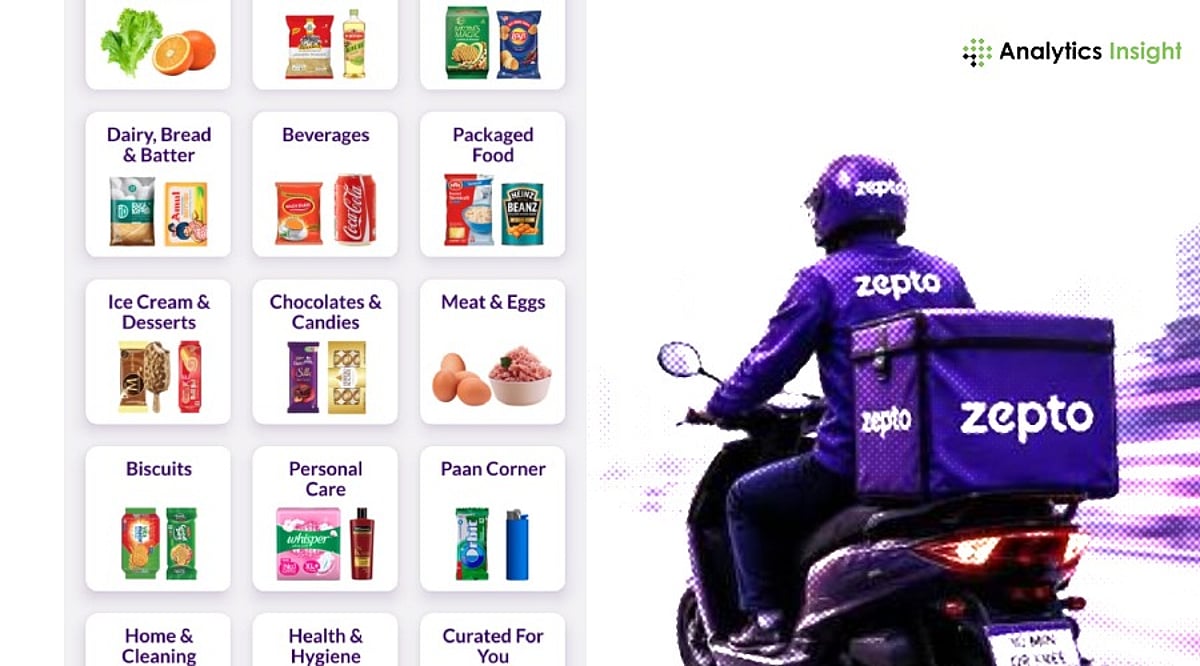
Understanding consumer trends on Zepto can help D2C brands, grocers, retail stores, and entrepreneurs identify hot-selling product categories, plan inventories, and offer products that attract repeat purchases. Below are the best-selling product categories on Zepto in 2026.
Fresh Fruits & Vegetables
Fresh fruits and vegetables continue to be among the most popular products as consumers prefer having fresh produce delivered daily. Professionals, families, and seniors choose Zepto for the convenience of deliveries rather than going to the market themselves. Seasonal fruits, greens, and cooked vegetables show constant popularity, offering high inventory turnover.
Dairy Products
Milk, curd, butter, paneer, cheese, and yogurt are daily essentials purchased frequently. Since they require regular replenishment, dairy items generate many orders weekly. Students, working people, and families value fast deliveries, making dairy products among the most reliable and profitable quick-commerce items.
Snacks & Namkeen
Products such as chips, biscuits, namkeen, chocolates, cookies, and healthy snack packages continue to appeal to buyers. Evening snacking, work breaks, and weekend parties drive constant sales. Companies selling regional snacks and premium packaged food benefit from rising consumer interest, making snacks one of the most trending categories on Zepto.
Instant Noodles & Ready-to-Eat Meals
Busier lifestyles have increased consumption of instant noodles, pasta, frozen parathas, soup packets, and pre-cooked meals. Students, young adults, and singles often buy these items for easy cooking. With long shelf life and consistent demand, these products are top sellers on Zepto.
Soft Drinks & Energy Drinks
Carbonated beverages, fruit juices, packaged water, sports drinks, and energy drinks see consistent sales year-round, with seasonal spikes during summer, tournaments, and festivals. Buyers often include drinks with food orders, increasing basket value and helping sellers achieve healthy sales across many brands.
Ice Cream & Frozen Food
The popularity of ice creams, frozen treats, fries, nuggets, and frozen desserts has risen significantly. Instant delivery ensures products arrive in perfect condition. Working households prefer frozen foods for quick and convenient meal options.
Personal Care & Hygiene Products
Toothpaste, soaps, shampoos, deodorants, skincare products, sanitary pads, and grooming items enjoy high demand. Buyers often use Zepto to replenish stocks instead of visiting supermarkets, making this category among the most dependable best-sellers.
Baby Care Essentials
Parents frequently order diapers, wipes, baby food, lotions, and other infant care products, often urgently. Quick delivery is a major advantage in emergencies. With increasing reliance on quick commerce among young families, baby care generates steady sales and loyal customers.
Cleaning & Household Supplies
Household cleaning agents, detergents, dishwashing liquid, floor cleaners, garbage bags, tissues, and disinfectants always see demand. These items generate sales year-round. Bulk buying and reordering make this category lucrative for quick-commerce sellers.
Pet Food & Pet Care Products
The growing popularity of pets in India has boosted demand for pet food, treats, litter, grooming products, and other pet care items. Pet owners value the convenience of quick delivery when they unexpectedly run out of supplies.
Best-Selling Products in Zepto: An Overview
Quick commerce platforms have grown significantly. Consumer trends on Zepto are influenced by data, efficiency, and speed. From a retail analytics perspective, sellers need to use tools such as demand forecasting, real-time inventory management, SKU-level analytics, and consumer purchase history to identify the best products.
Understanding buying patterns, repeat purchase cycles, and location-specific demand can improve assortment planning and pricing decisions. As quick commerce becomes increasingly data-driven, businesses that combine fast-moving products with analytics-led inventory management and personalized merchandising will be better positioned to improve conversions, retain customers, and scale profitably.
FAQs
1. What are the best-selling products on Zepto in 2026?
Fresh fruits, vegetables, dairy products, snacks, ready-to-eat meals, beverages, frozen foods, personal care items, baby products, cleaning supplies, and pet care products consistently rank among Zepto’s best sellers.
2. Why do grocery products perform well on Zepto?
Grocery products are daily essentials with high purchase frequency. Customers value instant delivery for urgent needs, resulting in repeat orders, predictable demand, and strong inventory turnover throughout the year.
3. Which product category offers the highest repeat purchases?
Dairy products, fresh produce, personal care essentials, and household cleaning supplies generate the highest repeat purchases because consumers regularly replenish these items as part of everyday household shopping.
4. How can sellers improve sales on Zepto?
Sellers should maintain product availability, monitor demand trends, optimize inventory, use competitive pricing, and analyze customer purchasing patterns to improve visibility, conversions, and long-term sales performance on Zepto.
5. Is Zepto suitable for D2C brands entering quick commerce?
Yes. Zepto offers D2C brands access to urban consumers seeking instant delivery. Success depends on stocking fast-moving products, maintaining reliable supply, and leveraging data-driven demand forecasting and merchandising.