Tag: regulation

  • Crypto at a Crossroads: MiCA Deadline and US Jobs Report Fuel Market Uncertainty

    Crypto at a Crossroads: MiCA Deadline and US Jobs Report Fuel Market Uncertainty

    As July begins, the cryptocurrency market faces a confluence of events that could reshape trading dynamics across Europe and the United States. The European Union’s MiCA transitional period expires on July 1, forcing crypto-asset service providers to obtain full authorization or cease serving EU customers. At the same time, Robinhood prepares to unveil new products, while the U.S. Bureau of Labor Statistics releases the June employment report. These developments, combined with potential geopolitical shocks and thinner holiday liquidity, may drive significant volatility for Bitcoin and other digital assets.

    MiCA Deadline Redraws Europe’s Crypto Landscape

    The expiration of the MiCA transitional period ends temporary national arrangements for crypto companies operating under earlier local rules. From July 1, all crypto-asset service providers must hold full authorization under the European Union’s unified licensing framework or stop offering services to EU customers. Authorized firms can now operate across participating European markets with a single license, while unauthorized ones must restrict new accounts, transfer users, reduce product access, or begin orderly shutdowns.

    Binance, failing to secure a MiCA license, has created an opening for competing exchanges to target its customer base. Users may face account migrations, changes in stablecoin access, fewer trading pairs, or new legal entities holding their assets. The European Securities and Markets Authority urges customers to verify whether their providers appear on the MiCA register. Large-scale user movements between platforms could also dampen euro-denominated trading volumes and token liquidity.

    Robinhood Plans New Crypto Product Reveal

    Robinhood will host an event featuring CEO Vlad Tenev and crypto general manager Johann Kerbrat to announce new products, though details remain scarce. The event occurs as financial platforms compete for customers during Europe’s regulatory transition. Market participants will watch for information about product access, supported markets, and how these services fit into Robinhood’s broader crypto business. Any immediate effect will depend on the specifics of the announcement and the timing of availability.

    U.S. Jobs Report Could Shift Rate Expectations

    The Bureau of Labor Statistics will release the June employment report on Thursday at 8:30 a.m. Eastern Time, ahead of the Independence Day holiday on July 3. A Reuters poll expects 110,000 additional nonfarm jobs—a slowdown from May. Traders will scrutinize unemployment, wage growth, and revisions alongside the headline figure. A stronger report could lift Treasury yields and the dollar by reducing expectations for easier Federal Reserve policy, potentially pressuring Bitcoin and other rate-sensitive assets. A weaker report could support risk assets if it lowers rate expectations without raising deeper economic concerns.

    Before Thursday, job openings, private payrolls, unemployment claims, and the ISM manufacturing index will offer additional signals. European inflation data, the ECB forum, and geopolitical risks may also influence currencies, yields, and crypto demand.

    As the week unfolds, the MiCA deadline, Robinhood’s product event, and the U.S. jobs report will likely shape market sentiment. Regulatory changes may affect European exchange access, while economic data could influence Bitcoin volatility and interest-rate expectations. Traders are advised to follow official announcements and market signals before making major decisions.

  • Bitcoin Drops to $60,000: Heavy Selling Pressure Grips Crypto Market

    Bitcoin Drops to $60,000: Heavy Selling Pressure Grips Crypto Market

    Bitcoin has entered a difficult phase after a strong rally in 2025. At the end of last year, Bitcoin touched a record high of $126,000, which created huge excitement across the crypto market. However, the current situation has sharply changed.

    As of 29 June 2026, Bitcoin trades near $59,500 to $60,500. This shows a major fall compared to previous highs. Since the start of 2026, Bitcoin has already lost more than 30% of its value. The market now faces fear and uncertainty as investors closely watch the next possible move.

    The sharp fall has created an important question in the market. Many traders now wonder whether Bitcoin has reached its lowest point for now or whether prices may fall even further in the coming weeks.

    Recent Performance Shows Weak Market Sentiment

    The first half of 2026 has been difficult for Bitcoin. During June, sellers gained strong control and pushed prices lower. Bitcoin recently fell under the important $60,000 price level, even touching nearly $59,501 during recent trading sessions.

    This price level has become important because investors usually see round numbers like $60,000 as major support zones. Once price falls below such levels, market confidence often becomes weak.

    Only one month ago, Bitcoin traded close to $81,500. The move from $81,500 to below $60,000 means Bitcoin has lost more than 22% in just one month. Compared with mid-2025, Bitcoin now trades almost 40% lower, which clearly shows how much market sentiment has changed.

    Technical Charts Show Important Warning Signs

    Technical analysis currently shows mixed signals. Bitcoin is now near an important support area between $58,000 and $60,000. This zone will likely decide the next short-term direction.

    The Relative Strength Index (RSI) is in neutral territory. This usually means neither buyers nor sellers fully control the market. At the same time, the MACD indicator recently showed bearish divergence, which often signals weaker price strength.

    The 200-day moving average, however, still points upward. This suggests that although short-term pressure is strong, the long-term market structure has not fully broken yet.

    If Bitcoin fails to move back above $60,000 soon, analysts expect another fall toward $55,000. Some experts even believe price may test $46,000 if selling pressure increases further.

    Institutional Investors Pull Money Out

    One major reason behind Bitcoin’s weakness comes from large investors pulling money out of the market. Reports show around $4.5 billion left spot Bitcoin ETFs in recent months.

    Spot Bitcoin ETFs had earlier helped bring major institutional money into crypto markets. But recent outflows show that large investors have become cautious.

    Higher global interest rates have also hurt Bitcoin demand. Many investors now prefer safer assets such as gold and traditional investments instead of risky digital assets.

    Another concern comes from Bitcoin mining companies. Current mining costs have increased sharply, and several miners now spend more money producing Bitcoin than current market prices allow. This creates extra selling pressure because miners often sell holdings to cover losses.

    Regulation Problems Continue to Create Uncertainty

    Government regulation is another major issue for the crypto market. In the United States, delays around the proposed US Clarity Act have created fresh uncertainty.

    This law aims to create clear rules for cryptocurrency markets. Without proper regulations, many institutions are hesitant about increasing crypto investments.

    Large financial firms such as Morgan Stanley and Charles Schwab have expanded crypto services during 2026. Even with this progress, unclear regulations continue to slow overall market confidence.

    Future Outlook

    Despite short-term weakness, many analysts still believe Bitcoin has strong long-term potential. Forecasts from Binance suggest Bitcoin could recover toward $68,000 to $105,000 during the second half of 2026 if market conditions improve.

    Research from Bitcoin Suisse presents an even stronger forecast. According to this report, Bitcoin may reach nearly $180,000 during the next major bull cycle, with increasing institutional adoption and stronger market liquidity.

    At the same time, bearish analysts are cautious. They believe weak economic conditions and poor investor confidence may delay any major recovery until late 2026.

    Final Thoughts

    Bitcoin currently stands at one of its most important price zones this year. After a steep fall from $126,000 to nearly $60,000, market confidence has weakened sharply.

    A move above $65,000 could help restore bullish momentum and bring fresh buying interest. On the other hand, failure to defend current levels may push Bitcoin toward $55,000 or even lower.

    Even though short-term pressure is strong, Bitcoin still holds its position as one of the most closely watched financial assets in the world. The second half of 2026 will likely decide whether the market begins recovery or faces another major correction.

    FAQs

    1. Why has Bitcoin price fallen in 2026?
    Large investor outflows, weak market sentiment, and global economic pressure have pushed prices lower.

    2. What is Bitcoin’s current price level?
    As of 29 June 2026, Bitcoin trades near $59,500 to $60,500.

    3. Why is $60,000 an important level for Bitcoin?
    This price zone acts as major support, and a breakdown could trigger further decline.

    4. Can Bitcoin recover this year?
    Some analysts expect recovery toward $68,000 to $105,000 if market conditions improve.

    5. What is the long-term Bitcoin forecast?
    Certain market reports suggest Bitcoin may reach $180,000 during the next major bull cycle.

    Disclaimer: This article is provided for informational purposes and does not constitute investment advice. You are responsible for conducting your own research before making any investments.

  • XRP at a Crossroads: Why Reclaiming $1.30 Is Vital for Recovery

    XRP at a Crossroads: Why Reclaiming $1.30 Is Vital for Recovery

    XRP remains under pressure near yearly lows, holding support at $1.12. Analysts say reclaiming $1.30 is essential to restore bullish momentum, while regulation and upcoming Ripple events could influence price direction.

    Key Takeaways

    • $1.30 is XRP’s key resistance level and must be broken for bullish recovery.
    • Support near $1.12 is preventing deeper losses, but market confidence remains weak.
    • Institutional demand stays strong despite regulatory uncertainty and recent price weakness.

    XRP has entered a crucial stage after weeks of price weakness. The cryptocurrency has struggled to recover after heavy selling pressure pushed the token lower during the past few months. Right now, XRP trades near $1.14 to $1.16, which puts the asset close to one of its weakest price levels of 2026.

    After a drop of almost 40% since the start of the year, market attention has now shifted toward one major level: $1.30. Many analysts believe XRP must move above this price before any strong recovery can begin.

    Why the $1.30 Level Matters

    The $1.30 price zone has become the biggest hurdle for XRP. Earlier this month, XRP tried to recover and briefly touched $1.29, but sellers quickly took control and pushed the price back down. This failed attempt showed that strong resistance still exists in that area. In simple terms, resistance means a price zone where buyers struggle to push higher since many traders decide to sell there.

    If XRP continues to stay below $1.30, confidence in the market could remain weak. A successful move above this level would show that buyers have returned and that the market may finally prepare for a stronger upward move.

    Current Support Is Keeping XRP Stable

    At the moment, XRP has managed to defend an important support zone near $1.12. During the recent weekend market decline, the token briefly slipped below $1.14, which created fear that more losses could follow. However, buyers entered quickly and pushed the price back upward before more serious damage happened.

    This recovery showed that demand still exists at lower levels. Even so, the rebound has not been strong enough to fully change market sentiment. Buyers have protected support, but a clear recovery remains missing.

    XRP Has Fallen Behind the Crypto Market

    Another concern comes from XRP’s recent market performance compared to other cryptocurrencies. Over the last seven days, XRP has dropped almost 10%, while many major digital assets have seen smaller losses. This shows weaker relative strength compared to the broader crypto market.

    When a major cryptocurrency performs worse than the rest of the market, traders often become more cautious. That is why breaking above $1.30 has become even more important. It would help restore confidence and prove that XRP can once again compete with the wider market recovery.

    Strong Fundamentals Still Support XRP

    Despite weak price action, several positive developments continue to support XRP in the background. Institutional interest remains active, especially after reports showed that XRP exchange-traded product inflows recently crossed $10 million. This suggests that larger investors still see long-term value even while short-term price weakness continues.

    At the same time, exchange supply has reportedly started to decline. This often means large holders move tokens away from exchanges and choose to hold instead of selling. In many cases, reduced supply creates positive price pressure over time.

    Regulation Creates Short-Term Uncertainty

    Another major factor affecting XRP comes from regulation. Ripple now faces an important deadline connected to California’s Digital Financial Assets Law, also known as DFAL, which officially takes effect on July 1, 2026.

    Since Ripple remains closely connected to XRP, uncertainty around new legal requirements has created caution among traders. The crypto market often reacts strongly whenever regulation becomes uncertain. Until clearer information arrives, some investors may remain on the sidelines.

    Ripple Swell Event Could Shift Sentiment

    Market attention has also started to shift to Ripple Swell 2026, which will be held in New York in late October of this year. A lot of attention will be focused on major topics in the blockchain world, including tokenization, stablecoins, decentralized finance, and institutional adoption of blockchain technology.

    Major Ripple announcements often influence sentiment toward XRP. Positive developments at the event could strengthen long-term investor confidence and attract renewed market interest.

    Risks if XRP Fails to Recover

    XRP remains under pressure while below $1.30 for an extended period of time, with some analysts speculating that if support fails to hold, there could be a move towards $0.93. If selling pressure picks up, even deeper downside targets of around $0.76 may occur.

    Should XRP break above and maintain a position at or above the $1.30 mark, the next potential bounce-off point is between $1.50-$1.80, indicating a resumption of bullish momentum after many months of weakness.

    Final Outlook for XRP

    XRP currently stands at a major turning point. Support near $1.12 has prevented a bigger collapse for now, but real recovery cannot begin unless buyers push the token above $1.30 resistance.

    This price level now acts as the line between weakness and recovery. Staying below it keeps bearish pressure alive. Moving above it could finally restart upward momentum and place XRP back on the path toward a stronger comeback in the crypto market.

    Frequently Asked Questions

    Why is $1.30 important for XRP?

    It is the primary resistance level where sellers repeatedly block recoveries. Breaking above it is essential to restore market confidence and restart upward price momentum.

    What happens if XRP stays below $1.30?

    Bearish pressure will persist, leaving the token vulnerable to further drops. Failing to clear this hurdle risks exposing downside targets near $0.93 and $0.76.

    What support level is currently protecting XRP?

    The key short-term support floor is at $1.12. Buyers have actively defended this zone during recent market dips, preventing a deeper breakdown.

    Are institutions still interested in XRP?

    Yes. Institutional confidence remains stable despite price weakness, as proven by recent XRP exchange-traded product inflows crossing over $10 million.

    Could Ripple Swell 2026 impact XRP price?

    Yes. The October event in New York focuses on major blockchain adoptions, and historically, big announcements there tend to shift sentiment and attract new buyers.

  • Ireland Warns of ‘Very Significant’ Crypto Crime Risks as New Review Tightens Oversight

    Ireland Warns of ‘Very Significant’ Crypto Crime Risks as New Review Tightens Oversight

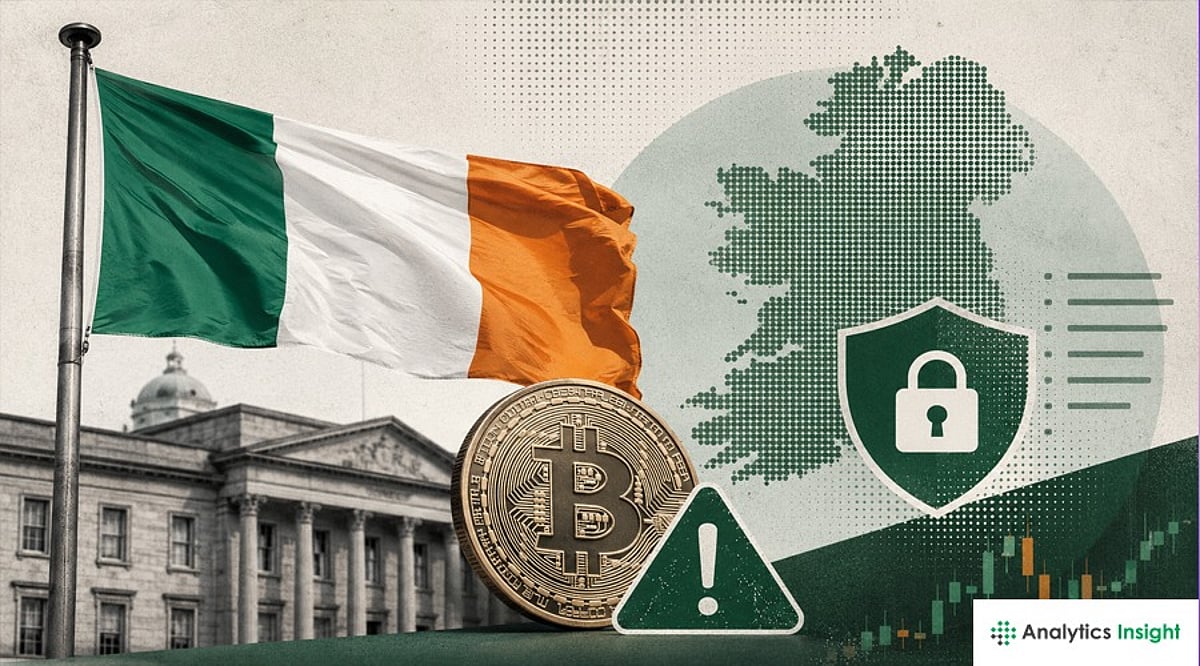
    Ireland has officially flagged cryptocurrency as a major financial crime risk in its first national risk assessment focused on digital assets in seven years. The Department of Finance warns that digital assets pose ‘very significant’ risks tied to money laundering, terrorism financing, sanctions evasion, and weak oversight in decentralized finance (DeFi) platforms.

    Rising Threats in a Changing Market

    The assessment notes a dramatic shift since Ireland’s last review in 2019. Digital assets now sit at the intersection of legitimate finance and illicit activity, increasing pressure on enforcement agencies and policymakers. Authorities highlight that cryptocurrencies can move value across borders with limited transparency, creating openings for sanctions evasion, tax non-compliance, and bribery. The report also specifically names DeFi as an area with limited oversight, complicating monitoring for banks, exchanges, and regulators.

    Government Plans and Industry Impact

    Ireland plans to develop industry standards for accepting crypto-related activities as a source of funds, with the framework expected in the second half of 2027. While the report does not announce new legislation, it signals tighter oversight ahead. The move could affect exchanges, financial institutions, and businesses that accept cryptocurrency-related funds. Officials also warn that uneven international rules add risk for Irish firms operating across several jurisdictions. Ireland serves as a European base for several large cryptocurrency firms and technology companies seeking access to European markets, making the issue particularly pressing.

    Scrutiny Grows Across Politics and Business

    Crypto ownership in Ireland remains relatively high, with the Central Bank of Ireland reporting that about 10% of the population has invested in cryptocurrencies. This level of use has increased pressure on policymakers to balance innovation with consumer protection and financial stability. The report follows a series of regulatory actions against crypto firms, including a fine on Coinbase’s European arm in late 2025 for anti-money laundering and counter-terrorism financing failures related to transaction monitoring systems. Ireland has also restricted crypto use in politics, banning political donations made through digital assets in 2022.

    What’s Next?

    Ireland has traditionally relied on wider European Union frameworks rather than building extensive domestic crypto rules. However, the rollout of the EU’s Markets in Crypto-Assets Regulation (MiCA), along with growing concerns over money laundering and sanctions compliance, has pushed the government to reassess the sector’s risks. The latest review shows a clearer shift in policy direction, placing digital asset activity under closer scrutiny as Ireland prepares for stronger controls in the years ahead.

  • Ripple’s RLUSD Stablecoin Gains Japan Approval, First Foreign Stablecoin Under New Regulations

    Ripple’s RLUSD Stablecoin Gains Japan Approval, First Foreign Stablecoin Under New Regulations

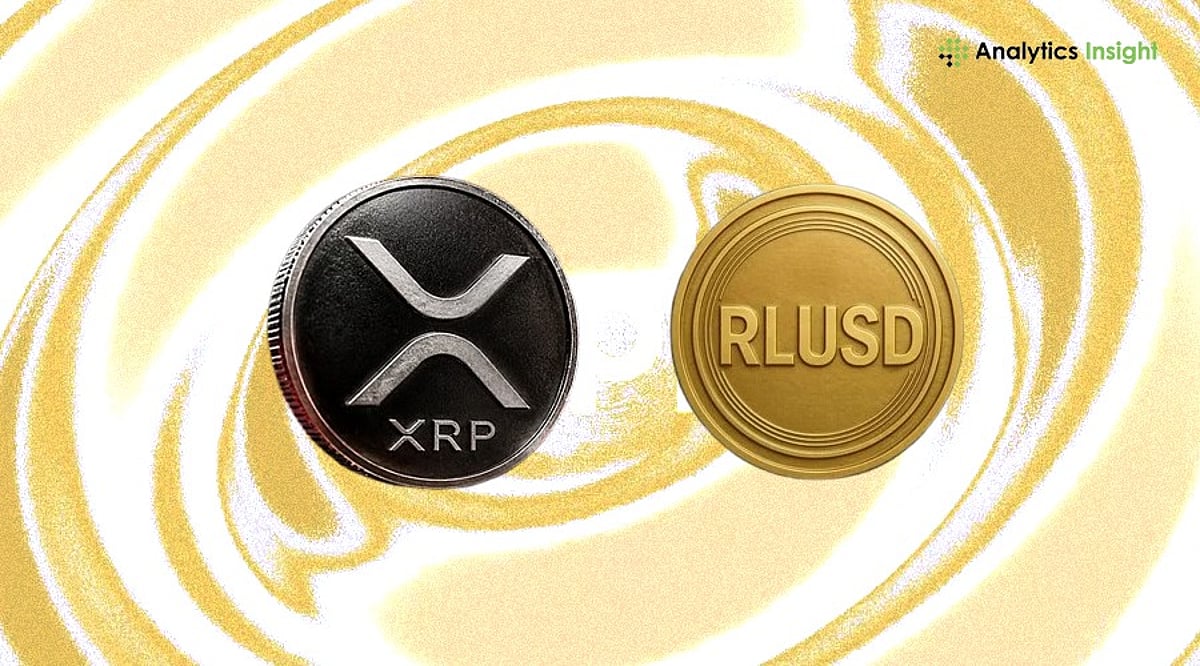
    Ripple’s dollar-backed stablecoin RLUSD has secured approval from Japan’s Financial Services Agency (JFSA), marking the first time a foreign-issued stablecoin has entered the Japanese market under the country’s new regulatory framework. SBI VC Trade, a licensed Electronic Payment Instruments Exchange Service Provider, has begun distributing RLUSD through its VCTRADE platform to both retail and institutional users.

    Japan Opens New Path for Foreign Stablecoins

    Japan has historically maintained strict rules for foreign stablecoins. RLUSD became the first stablecoin to enter through the newly established Electronic Payment Instrument (EPI) classification under the Payment Services Act (PSA). The approval process focused on regulatory alignment rather than direct acceptance. Ripple had to demonstrate that RLUSD operates under rules in its home jurisdiction that match Japan’s standards for reserve backing and user protection.

    This achievement gives RLUSD an early position in a market that foreign stablecoin issuers have found difficult to access. It also provides an initial test case for Japan’s new regulatory structure, and its performance may shape expectations for future entrants.

    Ripple and SBI Build on a Decade of Cooperation

    Ripple leveraged its long-standing partnership with SBI Group, which dates back to 2016, to establish the launch. Ripple and SBI announced a memorandum of understanding in August 2025, and nearly ten months later, RLUSD became available to users in Japan. The timeline reflected the compliance work required to satisfy regulatory obligations.

    Jack McDonald, Ripple’s Senior Vice President of Stablecoins, stated that RLUSD will support payments, tokenization, and collateral management while connecting Japanese users to global liquidity. For the initial phase, RLUSD in Japan operates on the Ethereum network rather than the XRP Ledger.

    RLUSD Targets Payments and Institutional Use Cases

    Ripple and SBI have positioned RLUSD as infrastructure for financial services rather than a speculative asset. Business-focused applications include programmable trade settlement, collateral management for settlement and margin activities, and supply chain finance to enable faster, more transparent payments across trade networks.

    Tomohiko Kondo, Chief Executive Officer of SBI VC Trade, described the launch as a major milestone in the companies’ ongoing collaboration and digital finance initiatives.

    Since its initial launch, RLUSD has reached roughly $1.7 billion in market capitalization, with a growth pattern marked by steady increases rather than sharp speculative surges. The Japan rollout now places RLUSD inside one of the most tightly regulated digital asset markets, where its performance will help shape expectations for future foreign stablecoin entrants.

  • Brazil Reaffirms Ban on Cryptocurrency Donations for Presidential Campaigns

    Brazil Reaffirms Ban on Cryptocurrency Donations for Presidential Campaigns

    Brazil’s Public Prosecutor’s Office has reaffirmed its ban on cryptocurrency donations to political campaigns ahead of the country’s next presidential election. The announcement reinforces existing campaign finance rules and highlights ongoing concerns about donor identification and funding transparency.

    Authorities stated that candidates and political parties must continue using traditional banking channels and the Pix payment system for campaign contributions. The office emphasized that electoral authorities must identify every donor and verify the origin of each contribution, noting that cryptocurrency transactions often fail to meet those requirements because blockchain wallet addresses do not always reveal the identities behind them.

    Prosecutors confirmed that campaign financing must remain fully transparent throughout the election period, and authorities will closely monitor compliance with campaign finance regulations. The latest announcement does not introduce new legislation but instead confirms an existing prohibition outlined in Brazil’s Superior Electoral Court Resolution No. 23,607, issued in December 2019. This regulation bars political parties and candidates from accepting campaign contributions through virtual currencies.

    Election officials require every donation to include the donor’s taxpayer identification number, allowing oversight agencies to verify both the source and legality of campaign funds. Officials explained that while blockchain transactions are publicly recorded, wallet addresses alone do not always identify the individuals behind them, creating challenges for enforcing campaign finance laws designed to prevent illicit funding and protect public accountability.

    Candidates who fail to properly disclose campaign funding sources may face financial penalties and may need to return improperly received funds to the public treasury. However, Brazilian law still allows digital crowdfunding for political campaigns under specific conditions. Online fundraising platforms may collect contributions if every donor is properly identified and authorities receive reports on every contribution.

    Brazil introduced digital crowdfunding through electoral reforms in 2017, and campaign fundraising through approved platforms may begin on May 15 during each election year. Authorities clarified that the difference depends on transparency rather than technology itself—as long as officials can identify donors and independently verify contributions, digital fundraising remains permissible.

    The restriction applies only to election financing and does not affect cryptocurrency ownership, trading, or broader digital asset activity across Brazil. Brazil remains one of Latin America’s most active cryptocurrency markets, with retail investors, financial institutions, and fintech companies continuing to expand their participation. The country has also introduced regulatory frameworks for virtual asset service providers while exploring broader blockchain applications within financial services.

    Analysts view the campaign finance restriction as a targeted transparency measure rather than a broader shift in Brazil’s digital asset policy. Brazil’s approach reflects a wider international debate over cryptocurrency use in political finance, with supporters pointing to blockchain’s permanent transaction records alongside stronger identity verification systems, while critics argue that pseudonymous wallets continue to create challenges for full donor disclosure and campaign transparency.