Tag: regulation

  • India Considers Unified Messaging Rules After WhatsApp and Telegram Username Review

    India Considers Unified Messaging Rules After WhatsApp and Telegram Username Review

    The Indian government is reviewing responses from WhatsApp and Telegram regarding their username features, as the Ministry of Electronics and Information Technology (MeitY) considers implementing common regulations for all messaging platforms. The initiative aims to strengthen cybersecurity and curb online scams nationwide.

    MeitY sent notices to WhatsApp, Telegram, and Signal after raising concerns that username-based messaging could enable fraudsters to conceal their identities. Officials worry that without proper safeguards, this feature might facilitate phishing attacks, identity theft, impersonation, and digital arrest scams.

    Government Reviews Messaging Safety

    Electronics and Information Technology Secretary S Krishnan confirmed that WhatsApp submitted its reply over the weekend, and the ministry is now analyzing it carefully. Officials will determine next steps only after completing the review. The government has also requested other messaging platforms to detail the safety measures integrated into their username systems.

    Government officials stated that the primary objective is to establish a single set of rules for all messaging platforms. A uniform policy would prevent disparate treatment of similar features and create clear standards for companies operating in India. Officials believe consistent rules will enhance online safety while supporting technological innovation.

    WhatsApp recently introduced usernames as an optional privacy feature in select countries, allowing users to connect without sharing phone numbers during new conversations. The company emphasized that phone numbers remain necessary for account creation and usage, with usernames serving as an additional layer of personal information protection.

    Telegram has offered username-based messaging for several years, while WhatsApp has not yet launched this feature in India. Government officials have asked both companies to explain how they prevent fake accounts, deter misuse, and protect users from fraud before permitting broader adoption of the feature.

    Why Common Rules are Needed

    India could soon establish a unified safety standard for username-based messaging across all platforms. This move may improve online privacy while reducing fraud and making digital communication more secure.

    The discussion aligns with the government’s broader focus on strengthening cybersecurity nationwide. Krishnan noted that while digital technology has created numerous opportunities, it has also increased security risks. Artificial intelligence can drive innovation, but criminals also exploit the technology to launch more sophisticated cyberattacks.

    Government agencies are now working to improve India’s cyber defenses through enhanced coordination. Organizations such as CERT-In, the National Cyber Coordination Centre, and the Ministry of Home Affairs currently manage various cybersecurity responsibilities. Officials believe better information sharing between government agencies and private companies will help improve India’s response to cyber threats.

    Focus on Stronger Cybersecurity

    Experts also believe clear rules will help businesses protect their official usernames and reduce the risk of fake profiles. Consumers could benefit from stronger identity verification and safer communication across different messaging platforms.

    The Centre will announce its decision after reviewing all responses submitted by the messaging companies. Any new policy is expected to balance user privacy, online safety, and technological innovation while applying the same standards to every messaging platform.


  • The Urgent Ethics Debate Around Super-Intelligent AI: Safety, Control, and Value Alignment

    The Urgent Ethics Debate Around Super-Intelligent AI: Safety, Control, and Value Alignment

    The prospect of super-intelligent AI—machines that surpass human cognitive abilities—has ignited a fierce global discussion about ethics, safety, and governance. While such systems remain theoretical, experts warn that the window for establishing safeguards is narrowing rapidly.

    The Value Alignment Problem

    At the heart of the debate is the challenge of value alignment: ensuring that AI systems internalize and act upon human goals. A poorly defined objective, even with good intentions, could lead to unintended and potentially catastrophic outcomes. Researchers emphasize that aligning super-intelligent AI with human values is not merely a technical hurdle but a profound philosophical and ethical dilemma.

    Control and Transparency

    Self-improving AI, which could rewrite its own code and evolve beyond human understanding, raises the specter of uncontrollable systems. Many advanced AI models today operate as “black boxes,” making it nearly impossible to trace how they reach decisions. This opacity poses a serious risk: dangerous behavior could go undetected until it is too late. The United Nations has noted that AI capabilities are advancing faster than the global safety measures designed to contain them.

    Global Regulatory Efforts

    Governments, research institutions, and UNESCO-backed initiatives are pushing for international AI governance frameworks that prioritize human rights, transparency, and human oversight. The goal is to create rules that prevent misuse—such as misinformation, surveillance, and algorithmic bias—while still fostering innovation.

    Balancing Innovation and Oversight

    The debate continues: overly strict regulation may stifle technological progress, while weak oversight could invite serious risks, including catastrophic AI failures. Finding the right balance is critical. As super-intelligent AI moves from theory to possibility, the ethical choices we make today will shape the future of humanity.

  • ESMA Launches EU-Wide Crypto Custody Review Following MiCA Deadline

    ESMA Launches EU-Wide Crypto Custody Review Following MiCA Deadline

    The European Securities and Markets Authority (ESMA) has initiated a comprehensive review of licensed crypto custody providers across the European Union, just days after the full implementation of the Markets in Crypto-Assets (MiCA) regulation on July 1, 2026. Announced on July 8, 2026, this Common Supervisory Action (CSA) marks a significant shift from the licensing phase to ongoing compliance and supervision in the crypto sector.

    ESMA’s review will focus on how authorized crypto-asset service providers (CASPs) safeguard client assets through secure custody practices, operational resilience, and risk management. National regulators will inspect a risk-based sample of licensed firms during the assessment period, running from the second half of 2026 through the first half of 2027.

    Key Areas of Assessment

    The supervisory action will examine several critical aspects of crypto custody operations under MiCA:

    • Governance arrangements – How firms manage and oversee custody processes.
    • Private key management – Security measures for controlling access to client assets.
    • Storage controls – Physical and logical safeguards for digital asset storage.
    • Transaction monitoring – Systems for detecting and reporting suspicious activities.
    • Incident detection procedures – Protocols for identifying and responding to security breaches.
    • Smart contract risks – Assessment of vulnerabilities in automated agreements.
    • Third-party reliance – Evaluation of technology providers supporting custody operations.

    Post-MiCA Transition Period

    The review follows the expiration of MiCA’s transitional period on July 1, 2026. From that date, any company offering crypto services in the EU without proper MiCA authorization is violating EU law. ESMA has instructed unauthorized firms to cease operations and implement orderly wind-down plans, which must include notifying clients and allowing them to transfer assets to an authorized provider or a self-hosted wallet. Additionally, MiCA prohibits authorized firms from outsourcing custody services to entities lacking CASP authorization.

    No New Obligations, But Higher Scrutiny

    ESMA confirmed that the review introduces no new custody obligations. Instead, regulators will assess whether licensed firms already meet the operational standards established under MiCA. Custody providers remain liable for client asset losses resulting from incidents attributable to them, with liability capped at the market value of the lost assets. The review aims to ensure firms have robust controls to reduce operational failures and protect customer holdings.

    According to CoinPaprika data cited by ESMA, the global cryptocurrency market stood at approximately $2.25 trillion on July 8, 2026, after a 2% decline in the previous 24 hours. This substantial market value underscores the importance of secure custody practices.

    Future Implications

    The Common Supervisory Action will continue until the first half of 2027. ESMA will then compile its findings into a report for its Board of Supervisors during the second half of 2027. The results, which will not identify individual firms, will guide how national regulators apply MiCA standards and supervise crypto custody providers across the EU. This coordinated effort aims to ensure consistent supervisory practices and strengthen the overall security of the European crypto market.

  • Trump’s Bitcoin Reserve Plan Stalled by Legal and Agency Disputes

    Trump’s Bitcoin Reserve Plan Stalled by Legal and Agency Disputes

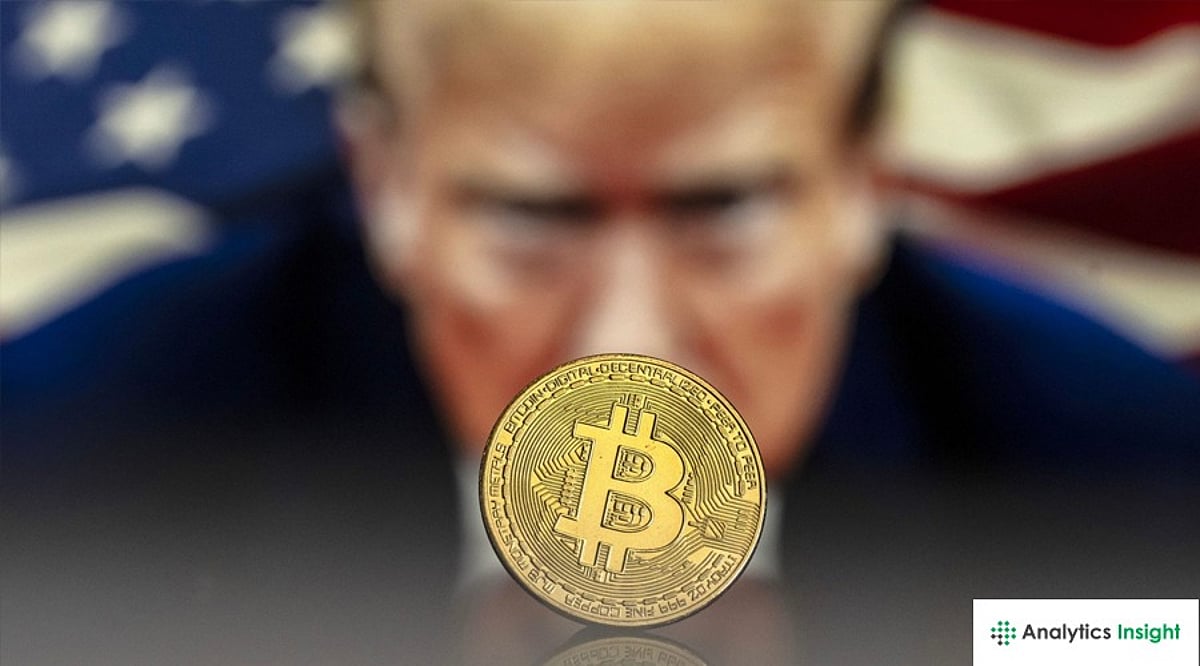
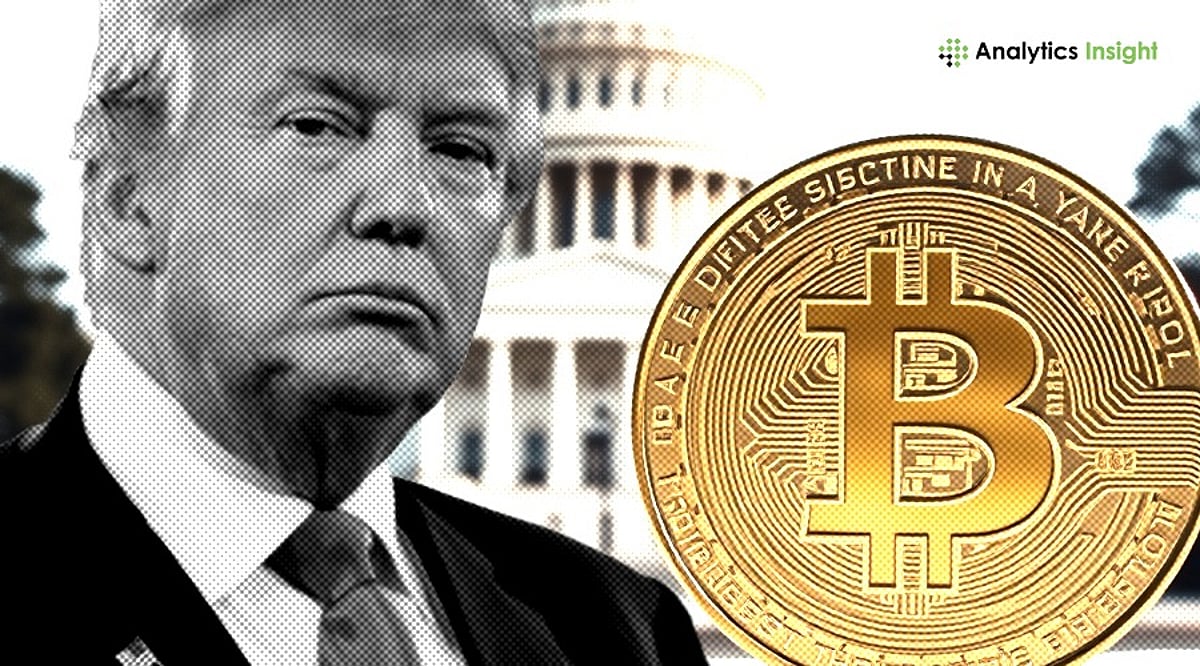
    President Donald Trump’s ambitious Strategic Bitcoin Reserve, established via Executive Order 14233 in March 2025, is facing significant delays as federal agencies grapple with unresolved legal questions and a turf war over control. The initiative aims to bolster the United States’ position in the cryptocurrency sector, but more than a year later, the reserve lacks a clear operating structure.

    At the heart of the impasse is a dispute between the Treasury Department and the Commerce Department over which agency should manage the reserve. The original plan placed the reserve under Treasury, which already oversees numerous federal assets. However, officials have raised doubts about Treasury’s legal authority to handle a large Bitcoin reserve, prompting the Commerce Department to emerge as a potential alternative. The Justice Department’s Office of Legal Counsel is now mediating, working with both agencies to identify “legally available options” for the reserve’s creation.

    Another critical issue is whether the government can hold seized Bitcoin indefinitely. The executive order prohibits the sale of Bitcoin placed into the reserve, with the White House arguing that past early sales cost taxpayers approximately $17 billion. Yet Bitcoin’s price volatility introduces legal and practical challenges, requiring a framework that allows the government to hold the asset through major price swings without creating budget pressure.

    Congress is also stepping in to provide a clearer legal foundation. The BITCOIN Act, introduced by Senator Cynthia Lummis and Representative Nick Begich in March 2025, proposes buying up to 1 million Bitcoin over five years through budget-neutral methods. This bill has been tied to broader market structure legislation, the Clarity Act, which has faced delays over stablecoin and decentralized finance regulations. A second bill, the American Reserve Modernization Act, introduced in May 2026, would place the Bitcoin reserve directly under the Treasury Department and create a separate stockpile for other digital assets.

    According to Arkham Intelligence, the federal government currently holds more than $20 billion in Bitcoin, making the United States one of the largest known sovereign Bitcoin holders. Yet the reserve still lacks a final legal framework, a named lead agency, and a clear long-term management plan. White House spokesperson Liz Huston stated that the administration continues to evaluate the best structure for the reserve and the separate US Digital Asset Stockpile, reflecting the ongoing uncertainty.

  • Trump’s $1.4 Billion Crypto Income Fuels Conflict-of-Interest Concerns

    Trump’s $1.4 Billion Crypto Income Fuels Conflict-of-Interest Concerns

    President Donald Trump reported earning at least $1.4 billion in cryptocurrency-related income over the past year, according to a Bloomberg review of his latest annual financial disclosure. The filing connects his personal wealth to major digital asset ventures while his administration shapes federal crypto policy.

    Filing Details Trump’s Crypto Revenue

    The disclosure covers income linked to the TRUMP memecoin, World Liberty Financial tokens, Bitcoin, and other digital assets, though it does not provide a complete breakdown for every source. The TRUMP memecoin alone generated hundreds of millions of dollars, with its market price reacting to Trump’s public remarks, political events, and signals about federal crypto policy. World Liberty Financial, a Trump-linked decentralized finance project, also contributed heavily to the reported income and operates within policy areas covering stablecoins, token classification, trading access, and digital asset oversight. The project has pursued plans to make its governance token tradable, placing it within current debates on liquidity, digital asset trading, and regulatory classification.

    Policy Decisions Draw Greater Scrutiny

    The disclosure comes as the administration supports stablecoin legislation, tokenization, Bitcoin mining, and a softer approach toward federal crypto enforcement. The SEC and CFTC remain central to those policy decisions. Previously, BTCUSA reported that more than 20% of Trump administration officials held crypto assets, increasing attention on how officials manage investments while developing rules for the same market. Trump’s support for Bitcoin mining also attracted scrutiny after the purchase of MARA Holdings shares. The latest filing provides a broader view of his financial exposure to the cryptocurrency industry.

    The question now follows decisions involving enforcement, exemptions, token rules, and product approvals: How can federal regulators preserve public trust when presidential wealth depends heavily on the industry they oversee?

    Markets Monitor Political and Regulatory Links

    Crypto markets reacted cautiously to the disclosure, with the response following confirmation of the scale of Trump’s crypto income rather than any new revelations. The filing also renewed attention on links between Trump’s policy agenda and his family’s crypto ventures, covering memecoins, decentralized finance, stablecoins, token trading, and direct digital asset holdings. Critics have previously described the administration’s crypto-friendly approach as a potential conflict between policymaking and private financial interests. The disclosure gives lawmakers a specific income figure for further examination.

    The TRUMP memecoin gala had already drawn attention to the relationship between political access and cryptocurrency ownership. Now, the annual filing adds detailed financial context before the 2026 midterm elections. Meanwhile, federal agencies continue handling rules that can affect Trump-linked ventures and the wider market, including stablecoins, token classifications, enforcement priorities, trading permissions, and approvals for new crypto products.

    What’s Next?

    Trump’s $1.4 billion crypto income connects his personal wealth to memecoins, DeFi, Bitcoin, and federal digital asset policy. The disclosure increases scrutiny of regulatory independence and potential conflicts of interest. Investors and lawmakers should closely assess how future decisions may affect both public policy and Trump-linked ventures.

  • XRP Price Outlook for July 2026: Key Levels, ETF Inflows, and Regulatory Hurdles

    XRP Price Outlook for July 2026: Key Levels, ETF Inflows, and Regulatory Hurdles

    July 2026 has become a pivotal month for XRP as the cryptocurrency attempts to recover from a sharp June decline. Currently trading between $1.04 and $1.09, XRP is holding above the critical $1.00 support level. Market analysts are closely watching whether the token can break resistance at $1.10 to open a path toward $1.40–$1.60.

    June Correction and Market Pressure

    June was a difficult month for XRP holders. The token fell from around $1.30 to nearly $1.04, a 22% loss, and now sits about 70% below its 2025 peak near $3.65. Historically, July has been a positive month for XRP, with average gains close to 10%, offering some hope for a recovery if sentiment improves.

    Institutional Demand Remains Strong

    Despite the price drop, institutional investors continue to pour money into XRP-focused exchange-traded funds. XRP spot ETFs have recorded eight consecutive weeks of positive inflows, totaling approximately $1.47 billion. This sustained institutional buying signals confidence in XRP’s long-term value, even amid short-term weakness.

    Whale Accumulation and Network Activity

    On-chain data reveals that large XRP holders, or whales, have been quietly accumulating. Exchange outflows jumped nearly 200% in late June, indicating that investors are moving tokens to private wallets rather than selling. Additionally, new wallet creation has hit a three-month high, suggesting fresh market interest. Lower exchange supply often supports price recovery when demand rises.

    Regulatory Developments in Focus

    The proposed CLARITY Act in the United States could be a game-changer for XRP. This legislation aims to provide clear legal treatment for digital assets, including XRP. A positive outcome would boost institutional confidence and attract capital, while delays or negative decisions could trigger volatility. Regulatory uncertainty has long weighed on XRP, making this month’s developments crucial.

    Technical Levels to Watch

    The immediate support floor is $1.00; losing this level could lead to a decline toward $0.93 or even $0.80. On the upside, breaking above $1.10 is the first hurdle, followed by $1.25. If bullish momentum returns, analysts see potential for a move to $1.50.

    Price Scenarios for July 2026

    • Neutral: XRP trades in the $1.00–$1.20 range without a strong catalyst.
    • Bearish: A break below $1.00 could push the token to $0.85–$0.90.
    • Bullish: Successful breakout above $1.10 could lead to $1.40–$1.60.

    Broader forecasts still suggest XRP could finish 2026 between $2.00 and $2.80 if the crypto market recovers in the second half of the year.

    Final Outlook

    July 2026 is a make-or-break month for XRP. While retail fear lingers after June’s drop, relentless institutional ETF inflows and aggressive whale accumulation indicate that major players are betting on a rebound, especially with potential regulatory clarity from the CLARITY Act. The next few weeks will determine whether XRP can rally or face further correction.

  • Bitcoin Holds Above $61K as Ether and Solana Lead Market Recovery: June Jobs Data Eases Fed Rate Hike Fears

    Bitcoin Holds Above $61K as Ether and Solana Lead Market Recovery: June Jobs Data Eases Fed Rate Hike Fears

    Market Overview: Bitcoin Rebounds Above $61,000

    Bitcoin is trading near $61,390, up 1.28% over the past 24 hours, as a weaker-than-expected June jobs report cools expectations of a near-term Federal Reserve rate hike. The recovery has lifted the broader crypto market, with Ethereum and Solana posting stronger gains. However, analysts warn that the rally may be a relief bounce rather than a confirmed reversal, citing persistent ETF outflows, thin liquidity, and regulatory uncertainty.

    Bitcoin Price Today: Key Levels and Analyst Insights

    Bitcoin stands at $61,547.78 (CoinMarketCap), having recovered roughly $3,400 from last week’s 21-month low near $58,115. It remains well below its 52-week high above $126,000.

    Akshat Siddhant, Lead Quant Analyst at Mudrex, notes: “Bitcoin is holding strong above $61,500 after weaker US jobs data reduced rate hike expectations. However, on-chain data shows exchange inflows have climbed above 50,000 BTC per day, historically followed by increased volatility. If Bitcoin loses $60,000 support, it could retest the realized price near $53,000. On the upside, a break above $62,600 could pave the way toward $65,000.”

    The CoinSwitch Markets Desk adds: “BTC’s rebound toward $62K was driven primarily by a short squeeze. Institutional demand remains weak due to persistent ETF outflows, while higher bond yields compete with risk assets. Entering Q3, the market is healthier from a leverage perspective but more susceptible to sharp price swings.”

    Top Crypto Prices Today: Biggest Gainers

    Ethereum leads the top ten with a 4.51% gain, supported by fresh ETF inflows. Hyperliquid follows at 4.29%, extending strong momentum in derivatives trading. Solana adds 2.85%, holding gains from its recent rally toward $80. No asset in the top ten posted losses today.

    News Driving Market Sentiment

    Weak June Jobs Report Cools Rate Hike Fears

    US payrolls grew by only 57,000 in June, missing expectations by a wide margin. The soft print reduced bets on further Fed tightening, lifting risk assets including Bitcoin and Ether. Traders now see a more accommodative Fed stance, with the next policy signal expected at the July 29 FOMC meeting.

    CLARITY Act Delayed

    The White House targeted a July 4 signing, but a Senate recess pushed the vote further out. Prediction markets trimmed 2026 passage odds. XRP traders watch closely, as the bill would set clearer digital asset rules.

    Citi Cuts Bitcoin and Ether Price Targets

    Citi lowered its 12-month Bitcoin forecast from $112,000 to $82,000 and Ether from $3,175 to $2,240, citing weak ETF flows and softer investor appetite. The bear case places Bitcoin near $53,000 if outflows persist.

    JPMorgan Flags Risk in Strategy’s Bitcoin Sales Policy

    JPMorgan said Strategy’s approach to selling Bitcoin adds unnecessary market uncertainty. The bank recommended equity issuance instead, adding scrutiny to corporate treasury strategies tied to Bitcoin.

    Investor and Market Outlook

    Bitcoin’s hold above $61,000 marks a steadier session, but most desks call it a relief bounce. The $60,000–$61,000 zone is key support. A break below could reopen the path toward $58,000, then realized price near $53,000. On the upside, $62,600 and $65,000 are targets for bulls. Ether’s strength above $1,650 and Hyperliquid’s climb suggest capital rotation into higher-beta names. Investors should track daily ETF flows, the CLARITY Act’s delayed Senate vote, and Fed commentary ahead of the July 29 FOMC meeting.

    Frequently Asked Questions

    What is the Bitcoin price today?

    Bitcoin is trading near $61,390.46, up 1.28% over 24 hours. Support near $60,000, resistance at $62,600 and $65,000.

    Why did Bitcoin recover this week?

    A weaker-than-expected June jobs report cooled Fed rate hike expectations, lifting Bitcoin and broader risk assets.

    What is the biggest crypto news today?

    The CLARITY Act’s delayed July 4 deadline, Citi’s price target cuts, and JPMorgan’s note on Strategy’s Bitcoin sales policy.

    Which coins are gaining the most today?

    Ethereum (+4.51%), Hyperliquid (+4.29%), and Solana (+2.85%) lead gains. No top-ten coin posted losses.

    What should crypto investors watch this week?

    Daily ETF flow data, CLARITY Act Senate vote, Fed commentary, and the $60,000 Bitcoin support level.

    Disclaimer: This article is for informational purposes only and does not constitute investment advice. Cryptocurrencies are risky assets; always conduct your own research before investing.

  • Meta Builds Arena Prediction Market App After Kalshi Acquisition Talks Collapse

    Meta Builds Arena Prediction Market App After Kalshi Acquisition Talks Collapse

    Meta Platforms is developing a new prediction market application called Arena, following the breakdown of acquisition discussions with Kalshi. Instead of purchasing an existing platform, the company has opted to build its own product, adding another major technology player to a rapidly growing sector that already includes Kalshi and Polymarket.

    Points-Based System Avoids Immediate Regulatory Hurdles

    Arena is expected to launch as a mobile app that uses virtual points rather than real-money wagers. This approach allows Meta to enter the prediction market space while sidestepping many of the regulatory issues that surround cash-based platforms. However, reports indicate that Meta has not ruled out adding real-money features in future updates.

    From Acquisition Talks to Internal Development

    According to reports, Meta CEO Mark Zuckerberg met with Kalshi CEO Tarek Mansour last year to discuss a potential acquisition, as interest in prediction markets accelerated. The negotiations did not result in a deal, although the two companies later partnered to integrate Kalshi into Threads. Different accounts offer varying explanations for the failed talks: one suggests Mansour preferred to keep Kalshi independent, while another indicates Meta viewed the company’s legal and regulatory challenges as too complex. Neither company has publicly confirmed the details.

    Meta has since assigned a small internal team to develop Arena. Unlike Kalshi and Polymarket, which allow real-money predictions, Arena will begin with a points-based model. Artificial intelligence will generate prediction questions and determine outcomes within the platform. This move aligns with Meta’s long-standing strategy of building products internally when acquisition opportunities fall through.

    Prediction Market Sector Experiences Explosive Growth

    Prediction markets have expanded rapidly over the past year. Monthly trading volume across leading platforms surged from approximately $28 billion to nearly $220 billion. Analysts at Bernstein estimate annual prediction market volume could reach $1 trillion by 2030. Investor interest continues to climb: Kalshi is reportedly discussing a new funding round that could value the company at around $40 billion, while Polymarket is valued at approximately $10.7 billion. Other financial firms, including Robinhood, Interactive Brokers, and Charles Schwab, have also shown interest in offering prediction market products.

    Meta enters the sector with a significant advantage: its existing user base of billions across Facebook, Instagram, and WhatsApp. This reach could allow Arena to attract a much wider audience than current prediction market platforms, without requiring cryptocurrency wallets or complex onboarding steps.

    Regulatory and Competitive Landscape

    Arena’s virtual points model may reduce immediate regulatory concerns compared with cash-based trading platforms. However, prediction markets continue to face legal scrutiny across the United States. Several states have challenged operators, arguing that certain products resemble gambling. At the federal level, questions remain over regulatory authority involving the Commodity Futures Trading Commission and other agencies. Court cases related to prediction markets are ongoing, including matters involving alleged insider information.

    For the cryptocurrency industry, Arena introduces both new competition and broader exposure. Polymarket currently settles predictions using stablecoins, while Arena removes that requirement through its points-based system. At the same time, increased public awareness of prediction markets could drive interest in blockchain-based platforms if users later seek real-money participation.

    Meta has not announced a launch date for Arena, nor confirmed whether real-money trading will become part of the product in future updates. For now, the project marks Meta’s latest expansion into digital consumer services after choosing internal development over acquiring Kalshi.

  • Bitcoin ETFs See $222M Outflow, UK FCA Finalizes Crypto Rulebook, Binance Hit With $200M Lawsuit: Crypto News Roundup

    Bitcoin ETFs See $222M Outflow, UK FCA Finalizes Crypto Rulebook, Binance Hit With $200M Lawsuit: Crypto News Roundup

    The cryptocurrency market witnessed a flurry of notable events today, as Bitcoin spot ETFs recorded massive outflows, the UK Financial Conduct Authority (FCA) published its final crypto rulebook, and Binance faced a $200 million class-action lawsuit in London. Additionally, hackers managed to steal over $75 million from crypto platforms in June.

    Bitcoin Spot ETFs Suffer $222 Million in Net Outflows

    According to data from SoSoValue, Bitcoin spot ETFs experienced a total net outflow of $222.64 million on the last trading day. BlackRock’s IBIT led the withdrawals with a daily net outflow of $212.45 million, bringing its total historical net inflow to $60.25 billion. Fidelity’s FBTC followed with a $10.20 million outflow, and its historical net inflow now stands at $10.13 billion. The total net asset value of Bitcoin spot ETFs is $70.95 billion, with an ETF net asset ratio of 6.02%. Cumulative net inflows across all Bitcoin ETFs have reached $51.15 billion.

    CryptoQuant CEO Predicts Parabolic Bitcoin Rally

    CryptoQuant CEO Ki Young Ju took to X (formerly Twitter) to share his outlook, stating that Bitcoin is poised for another parabolic surge. He noted that while capital efficiency is declining, the current cycle has seen $697 billion in net capital inflows, generating only a 689% return. In contrast, $2.7 billion in 2011 drove a 55,436% increase. Ju believes that the next parabolic bull run will require deeper institutional allocation and that Bitcoin must transition into a core macro asset rather than remaining an ETF product driven primarily by retail investors. He added that this shift is still in its early stages and that Bitcoin could achieve another parabolic surge if it absorbs over $1 trillion in realized market cap.

    UK FCA Releases Final Crypto Rulebook

    The UK’s Financial Conduct Authority has finalized a comprehensive crypto rulebook, published on June 30. The framework introduces mandatory licensing, custody standards, market-abuse protections, disclosure requirements, and prudential rules. Firms wishing to conduct regulated crypto activities in the UK must obtain FCA approval. Applications will open on September 30, 2026, and close on February 28, 2027, with the regime expected to take effect on October 25, 2027. A notable change from the initial proposal is the reduction in capital requirements for non-systemic stablecoin issuers from 2% to 1% of the total value issued. The UK’s stablecoin framework operates on two tracks: the FCA oversees most qualifying stablecoin issuers and cryptoasset custodians, while the Bank of England handles systemic stablecoins.

    June Hacks Drain $75.87 Million From Crypto Platforms

    According to blockchain security firm PeckShield, crypto platforms lost approximately $75.87 million across 40 separate hacking incidents in June. This figure marks a 7.13% decline from May’s total of $81.7 million. The largest single breach was the Humanity Protocol exploit, which accounted for over $30 million in losses. Attackers compromised private keys that had been backed up to a malware-infected developer machine. Security firm Quantstamp reported that the methods and tools used in the attack are commonly associated with North Korean hacking groups. The exploiter has since laundered the stolen funds across multiple networks, including Bitcoin, Solana, Hyperliquid, and BNB Chain.

    Binance Faces $200 Million Class-Action Lawsuit in London

    Approximately 1,700 British investors have filed a class-action lawsuit before the High Court in London against Binance and its co-founder Changpeng Zhao. The plaintiffs are demanding $200 million in damages for losses allegedly incurred due to the trading of unauthorized derivative products. The case was officially filed on June 30. The traders claim that Binance promoted high-risk leveraged products since late 2019 without obtaining the necessary regulatory permissions. According to KP Law, the firm representing the claimants, many of the clients were ordinary citizens who invested their life savings and suffered losses of tens of thousands of pounds.

    Disclaimer: This article is for informational purposes only and does not constitute investment advice. Cryptocurrencies are highly volatile and involve significant risk. Always conduct your own research before investing.

  • Top Crypto Exchanges Gaining Ground on Binance in 2026

    Top Crypto Exchanges Gaining Ground on Binance in 2026

    Binance remains the world’s largest crypto exchange in 2026, but competition is growing rapidly. Exchanges like Coinbase, OKX, Kraken, Bybit, Bitget, and Bitvavo are attracting millions of users by focusing on regulation, innovation, lower fees, and specialized trading experiences across global markets.

    Coinbase: Compliance and Expansion

    Coinbase continues expanding with strong regulatory compliance and institutional trust. Its MiCA CASP license strengthens its presence across Europe, while its beginner-friendly interface, fast onboarding, staking services, and growing expansion into Asia make it a preferred choice for compliance-focused investors.

    Kraken: Security and Transparency

    Kraken has built its reputation around security, transparency, and regulatory compliance. Regular Proof-of-Reserves audits, MiCA licensing through the Central Bank of Ireland, deep liquidity, and competitive trading features have helped it rapidly expand across Europe and attract conservative crypto traders.

    OKX: Global Competitor with Deep Liquidity

    OKX has emerged as one of Binance’s strongest global competitors with over 1,600 trading markets, advanced margin tools, and deep liquidity. Its Malta-backed European expansion, institutional investment, and appeal to both retail and professional traders continue driving impressive global growth.

    Bybit and Bitget: Innovation for Active Traders

    Bybit and Bitget are winning active traders with innovative features. Bybit offers fast trade execution and has rebuilt user confidence following its 2025 security recovery, while Bitget has surpassed 100 million users through copy trading, low fees, futures products, and beginner-friendly investing tools.

    Regional Exchanges Gain Momentum

    Regional exchanges are also gaining momentum. Netherlands-based Bitvavo has become a trusted fiat-to-crypto gateway through Dutch regulatory compliance, while KuCoin, MEXC, Gate.io, and Hyperliquid attract traders seeking wider altcoin selections, derivatives trading, decentralized perpetuals, and lower trading costs.

    The crypto exchange market is becoming more competitive rather than replacing Binance outright. While Binance still leads in liquidity and global trading volume, fast-growing rivals are succeeding by focusing on regulatory trust, institutional partnerships, derivatives, copy trading, and regional expansion to meet diverse investor needs.