Tag: renewable energy

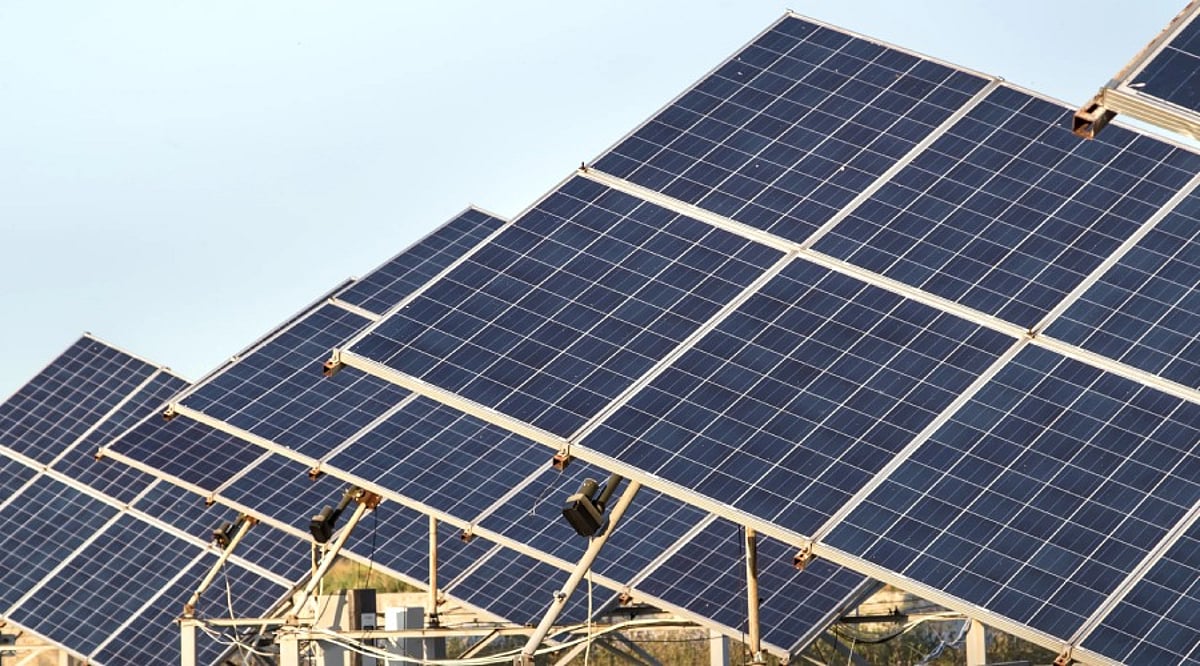
  • Top Solar PV Certification Courses for Beginners and Professionals

    Top Solar PV Certification Courses for Beginners and Professionals

    Why Learn Solar PV?

    Solar PV certifications build practical knowledge, improve technical skills, increase career opportunities, and prepare learners for the fast-growing renewable energy industry.

    NABCEP PV Associate

    The NABCEP PV Associate certification introduces solar fundamentals, system components, safety practices, and installation basics for aspiring solar professionals worldwide.

    SEI Solar Training

    Solar Energy International offers beginner-friendly and advanced online courses covering photovoltaic design, installation, maintenance, and real-world solar applications effectively.

    TUV Rheinland Solar Courses

    TUV Rheinland provides globally recognized certifications focused on solar engineering, quality standards, safety compliance, and developing professional photovoltaic system expertise.

    Coursera Solar Energy Courses

    Coursera partners with leading universities to provide flexible online solar energy courses covering photovoltaic systems, sustainability, and renewable energy principles effectively.

    edX Renewable Energy Programs

    edX features university-backed solar and renewable energy certifications that help professionals understand photovoltaic technologies, energy systems, and sustainable power solutions.

    Alison Solar Energy Certification

    Alison provides free online solar energy courses introducing photovoltaic basics, installation methods, electrical concepts, and renewable energy career preparation for beginners.

    Choose the Right Certification

    Select a certification matching your experience, career goals, budget, and learning style to build valuable solar PV skills with confidence.

  • Why Iceland Is Becoming a Top Hub for AI Data Centers

    Why Iceland Is Becoming a Top Hub for AI Data Centers

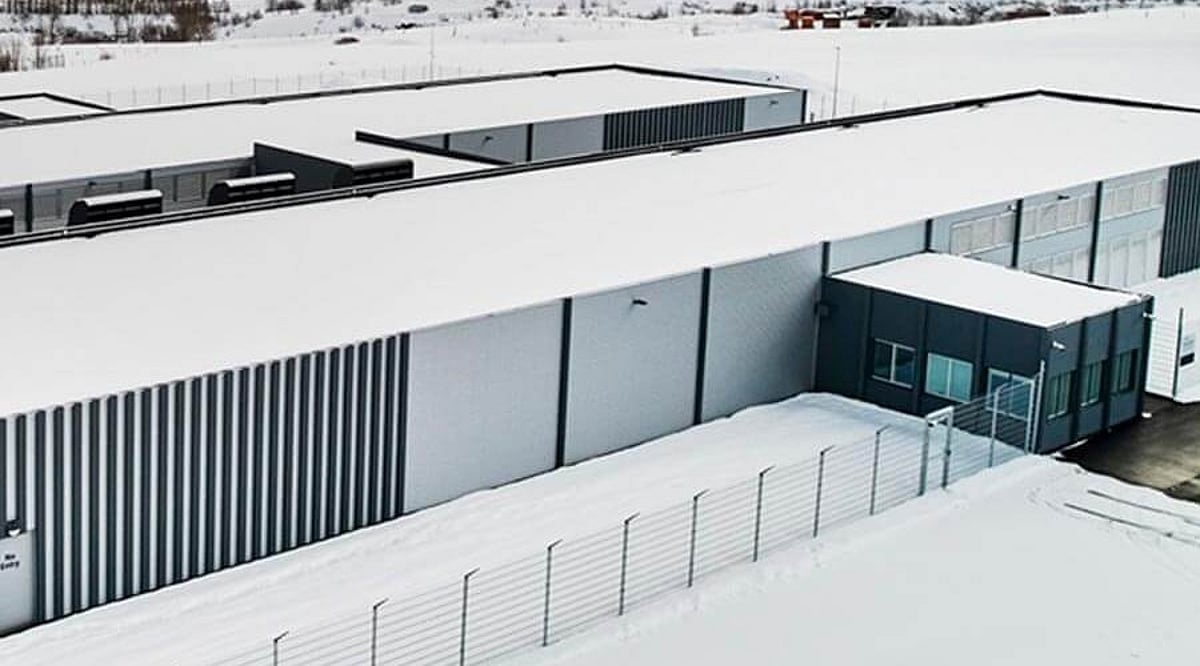
    Iceland is rapidly emerging as a preferred destination for AI data centers, driven by its abundant renewable energy, naturally cool climate, and stable infrastructure. As AI workloads demand ever more power, location strategies are shifting away from urban proximity toward reliable, low-carbon electricity. The country’s data center market, valued at $425 million in 2024, is projected to reach $812 million by 2030, growing at an annual rate of 11.39 percent.

    Why Iceland Attracts AI Data Centers

    For years, Iceland marketed itself on cold weather and renewable energy. Today, those advantages are more critical than ever. AI training and inference workloads operate at far higher power densities than traditional cloud storage or web hosting. A single high-performance GPU cluster can draw the electricity load of a small town continuously for months. Operators now prioritize grids that can deliver stable, long-term power at fixed costs. Iceland’s fully renewable grid—powered by hydropower and geothermal generation—offers prices that do not fluctuate with global gas markets.

    Efficiency Gains in Icelandic Data Centers

    Icelandic facilities consistently achieve power usage effectiveness (PUE) ratios between 1.1 and 1.2, well below the global average of 1.57. This gap translates into substantial savings on every megawatt drawn, compounded over round-the-clock operations. The natural cooling advantage comes from Iceland’s climate, which eliminates the need for energy-intensive chillers. For GPU clusters generating intense heat, this cooling headroom becomes a design advantage, not just a marketing point.

    Expansion of AI Infrastructure in Iceland

    A clear signal of this shift is the 2025 agreement between data center operator Verne and AI hyperscaler Nscale. The deal will deploy roughly 4,600 Nvidia Blackwell Ultra GPUs across Verne’s Icelandic campus through 2026. Notably, 85% of the installation will be liquid-cooled, marking a departure from the air-cooled colocation halls that defined Iceland’s earlier data center wave. This deployment confirms a move beyond traditional colocation toward purpose-built AI infrastructure.

    Connectivity Advantages

    Iceland’s location in the North Atlantic, once seen as a limitation, now works in its favor. The country is connected to Europe and North America via undersea cables, enabling operators to use it as a hub for backup, disaster recovery, and intercontinental AI workloads. As part of the European Economic Area (EEA), Iceland provides access to the European single market while offering a strategic transatlantic position for transmitting training data and model checkpoints between continents.

    Challenges and Grid Constraints

    Despite its advantages, Iceland faces a hard ceiling: the grid itself. Data centers already consume about 6 percent of the country’s electricity and contribute close to 5 percent of its GDP. The real constraint is not generation but approvals. New transmission lines and geothermal projects require years of environmental review and public licensing. Deciding how to allocate electricity between industries, homes, and data centers has become a political issue. Regulators and permitting timelines now shape the pace of AI investment as much as demand from hyperscalers.

    Why Iceland Stands Out

    Iceland is not the only renewable-rich destination competing for AI infrastructure. Norway and Sweden offer comparable hydropower and cool climates; Quebec pairs hydroelectric capacity with lower land costs. However, Iceland combines all three advantages: geothermal and hydropower, a fully renewable national grid, and transatlantic cable connectivity. Most competing sites offer only two of the three.

    Final Thoughts

    Iceland’s current wave of AI infrastructure investment highlights a broader trend: power availability, cooling efficiency, and grid stability are overtaking proximity to population centers as deciding factors. Green data centers in Iceland are becoming the reference case for this shift. As transmission capacity becomes the real constraint on AI growth worldwide, other renewable-rich regions will likely face the same question: how much AI infrastructure can a small grid carry before it turns from advantage into bottleneck?

  • Leading Green Hydrogen Companies Driving the Clean Energy Transition

    Leading Green Hydrogen Companies Driving the Clean Energy Transition

    The global push toward decarbonization has placed green hydrogen at the forefront of clean energy innovation. Produced using renewable electricity to split water into hydrogen and oxygen, this zero-carbon fuel offers a versatile solution for hard-to-abate sectors such as heavy industry, transportation, and power generation.

    Here is a look at the top companies advancing green hydrogen technologies and infrastructure worldwide:

    Plug Power

    Plug Power develops hydrogen fuel cells, electrolyzers, and integrated hydrogen solutions. The company helps industries reduce carbon emissions while expanding clean energy infrastructure across the globe.

    Nel ASA

    Nel ASA produces advanced electrolyzers and hydrogen fueling stations. Its technology enables renewable hydrogen production for transportation, industrial operations, and future energy applications worldwide.

    Air Liquide

    Air Liquide invests heavily in green hydrogen projects, leveraging decades of industrial gas expertise to support cleaner manufacturing and low-carbon mobility solutions globally.

    Linde plc

    Linde builds large-scale hydrogen production, storage, and distribution infrastructure. The company partners with governments and businesses to accelerate clean energy adoption across the world.

    Siemens Energy

    Siemens Energy develops electrolysis technologies powered by renewable electricity, supporting industries seeking low-emission alternatives to traditional fossil fuel-based hydrogen production methods.

    Cummins Inc.

    Cummins expands its hydrogen portfolio through advanced electrolyzers and fuel cell systems, helping industries transition toward cleaner transportation and sustainable power generation.

    ITM Power

    ITM Power specializes in proton exchange membrane electrolyzers that efficiently convert renewable electricity into green hydrogen for industrial and commercial applications globally.

    Bloom Energy

    Bloom Energy produces solid oxide fuel cells and hydrogen-ready energy technologies that improve efficiency while supporting cleaner electricity generation and hydrogen infrastructure expansion.

    Fortescue Energy

    Fortescue Energy invests in large-scale green hydrogen and renewable energy projects, aiming to become a major global supplier of zero-carbon fuels and clean energy.

  • AI-Driven Operational Intelligence for Renewable Energy: An Interview with Mohit Kumar Singh

    AI-Driven Operational Intelligence for Renewable Energy: An Interview with Mohit Kumar Singh

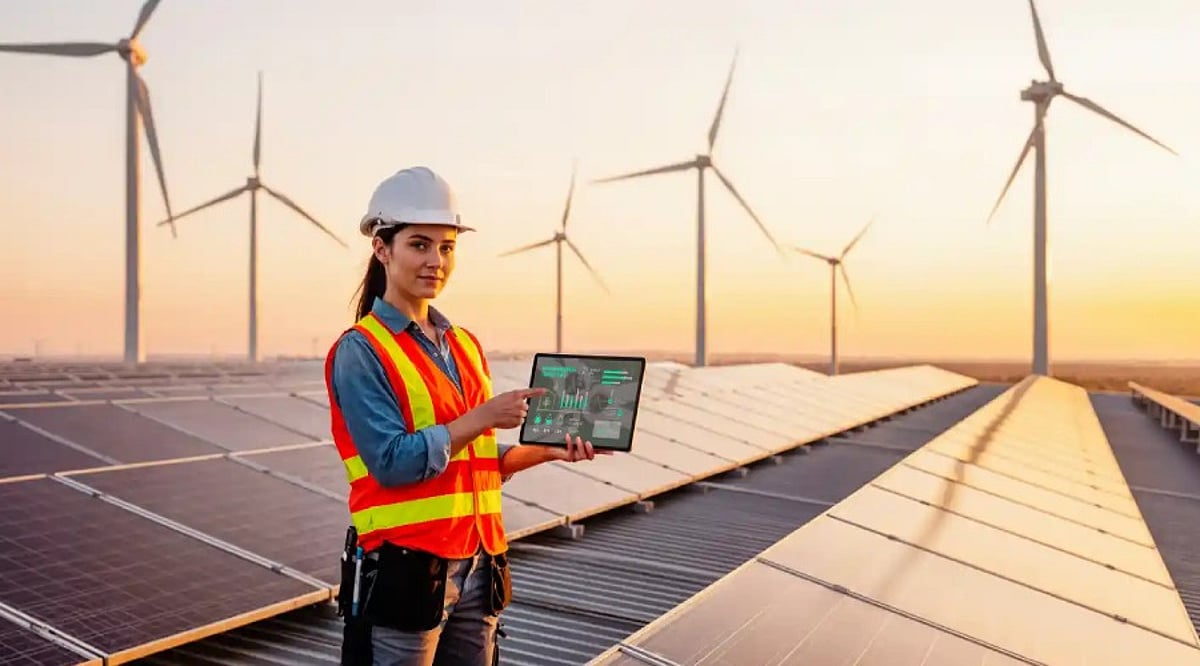
    Mohit Kumar Singh, Founder & CEO of Renewalytics Services Pvt. Ltd., is leveraging artificial intelligence to solve critical operational challenges in the renewable energy sector. His company builds AI-powered operational intelligence platforms that help solar and wind operators improve efficiency, grid reliability, and intelligent energy management while supporting India’s clean energy transition.

    Singh’s journey in renewable energy began in December 2016 at Climate Connect, where he worked extensively on forecasting, scheduling, and grid compliance for renewable energy generators. Over the years, he collaborated with independent power producers, operations teams, regulators, and grid stakeholders, gaining first-hand exposure to the operational complexities of integrating renewable energy into the power system.

    After Climate Connect was acquired by ReNew Power and later divested, Singh founded Renewalytics in 2023 with the belief that the industry needed an independent company focused entirely on intelligent software for renewable energy operations. Today, Renewalytics supports more than 3 GW of solar and wind assets across commercial and pilot engagements, offering AI-driven forecasting, scheduling, weather intelligence, DSM analytics, enterprise software, operational automation, and intelligent decision-support systems.

    Solving Real-World Challenges

    India’s renewable energy targets are ambitious, but operational complexity is growing rapidly. Renewable energy companies must manage weather uncertainty, grid regulations, scheduling obligations, battery integration, diverse data sources, operational risks, and increasingly complex market dynamics.

    Renewalytics addresses these challenges by transforming fragmented operational data into actionable intelligence. As Singh explains, “Our objective is to help renewable energy companies improve operational visibility, automate routine workflows, strengthen decision-making, and optimize plant performance.”

    How AI is Transforming Forecasting and Operations

    Artificial Intelligence is fundamentally changing how renewable energy assets are managed. Machine learning enables continuous learning from historical generation patterns, weather behavior, plant performance, and operational outcomes to improve prediction accuracy and support better planning.

    Beyond forecasting, AI is assisting operations teams through intelligent co-pilots that validate data, detect anomalies, recommend corrective actions, and automate repetitive tasks. At Renewalytics, the team is building agentic AI capabilities where specialized AI agents collaborate to support weather intelligence, operational analytics, forecast validation, data quality monitoring, and performance optimization.

    “Our philosophy is that AI should augment human expertise rather than replace it,” Singh says. “We aim to enable engineers and operations teams to make faster and better-informed decisions.”

    Differentiation from Traditional Solutions

    Traditional energy management platforms primarily focus on monitoring assets and reporting operational data. Renewalytics goes beyond monitoring by combining AI, machine learning, operational intelligence, automation, weather analytics, scheduling, DSM analytics, and enterprise workflow management into a unified platform.

    Singh notes that his team’s practical experience within the renewable energy ecosystem allows them to build solutions that address real operational challenges instead of simply presenting data on dashboards. “We believe the future lies in intelligent platforms that actively assist decision-making rather than simply displaying information,” he adds.

    The Role of Data in Renewable Energy Performance

    Data is the foundation of every intelligent renewable energy system, but the true value lies in its quality, reliability, and contextual understanding. Renewable energy operations depend on information from SCADA systems, weather services, meters, grid operators, market platforms, scheduling systems, and operational logs.

    “At Renewalytics, significant emphasis is placed on data engineering, validation, automation, and integration because reliable AI models can only be built upon reliable data,” Singh explains. High-quality data ultimately leads to better operational decisions, improved efficiency, and stronger grid reliability.

    Future Trends and Vision

    Singh believes the next decade of renewable energy will extend far beyond capacity addition. The sector will increasingly be shaped by battery energy storage systems, hybrid renewable projects, AI-powered operational co-pilots, autonomous software agents, intelligent forecasting, grid optimization, and advanced machine learning.

    “As renewable penetration continues to increase, maintaining grid stability will become just as important as adding new generation capacity,” he says. “Utilities, grid operators, and renewable energy companies will rely far more heavily on predictive analytics, flexible energy resources, and intelligent software platforms to maintain system reliability.”

    Looking ahead, Singh envisions Renewalytics evolving into a digital operating layer that helps organizations improve efficiency, strengthen grid reliability, and accelerate the global clean energy transition. “Our long-term ambition is to build technology from India that serves renewable energy companies across international markets,” he concludes.

  • Next-Generation Solar Panels: Perovskite, Multi-Junction, and Flexible Technologies Set to Boost Efficiency

    Next-Generation Solar Panels: Perovskite, Multi-Junction, and Flexible Technologies Set to Boost Efficiency

    Solar power has become one of the most important clean energy sources worldwide. Millions of homes, offices, and factories already use solar panels to generate electricity from sunlight. Most conventional panels rely on silicon, a material that has served the industry well for many years. However, scientists now believe that silicon has nearly reached its maximum performance. This has spurred research into new solar technologies that can generate significantly more electricity from the same amount of sunlight. These future solar panels could help homeowners save money, reduce carbon emissions, and make better use of limited roof space.

    Perovskite-Silicon Tandem Panels Show the Greatest Promise

    Among emerging solar technologies, perovskite-silicon tandem panels are attracting the most attention. These panels combine a silicon cell with a very thin layer of perovskite. Because each material absorbs different parts of the sunlight spectrum, they work together to capture more solar energy than ordinary silicon panels alone.

    Lab tests have achieved efficiencies exceeding 34.5%, far above the typical performance of current commercial silicon panels. Experts believe commercial models will soon reach over 30% efficiency. This could allow homeowners and businesses to generate 20–30% more energy from the same rooftop without adding extra panels. Moreover, manufacturers can adapt existing silicon production lines rather than build entirely new infrastructure.

    All-Perovskite Panels Could Transform the Industry

    Researchers are also developing solar panels made entirely from perovskite materials, known as all-perovskite panels. Unlike tandem panels, these do not use silicon at all. This technology promises to be lighter, cheaper, and easier to produce at scale. These panels can bend without damage, making them suitable for curved roofs, portable devices, and surfaces where heavy glass panels are impractical. Some experts believe all-perovskite panels could even surpass the efficiency limits of silicon. However, a major challenge remains: improving durability against heat, moisture, and sunlight so the panels can last for decades outdoors.

    Multi-Junction Solar Cells Deliver Record Efficiency

    Another breakthrough is the multi-junction solar cell, which uses multiple layers to absorb different colors of sunlight. This design can utilize nearly the entire solar spectrum to generate electricity. Such cells have already achieved efficiencies above 40%, with some advanced designs reaching almost 47%—the highest ever recorded. These cells are already used in satellites due to their exceptional performance. The main drawback is high manufacturing cost, which currently prevents widespread residential use.

    Quantum Dot Solar Cells Open New Possibilities

    Quantum dot solar cells represent another exciting area of research. Quantum dots are extremely small semiconductor particles whose light absorption properties change with their size. This allows scientists to design cells that collect a broader range of sunlight. Researchers believe this technology could boost electricity production, especially in cloudy or low-light conditions. Some studies explore using quantum dots alongside silicon panels rather than replacing them entirely. Although more research is needed before mass production, many experts see strong long-term potential for capturing more solar energy.

    Flexible Printed Solar Cells Expand Where Solar Can Work

    Future solar panels may not look like the heavy glass panels we know today. Flexible printed solar cells could revolutionize how solar power is integrated into everyday life. These ultra-thin films can be applied to walls, windows, curved structures, cars, buses, trains, and even portable electronics. Japan has invested heavily in printed perovskite technology, aiming to turn ordinary surfaces into clean electricity generators. This approach could dramatically increase the total solar power capacity in cities.

    Challenges Before Widespread Adoption

    Despite impressive progress, several challenges remain. Future panels must reliably generate electricity for 25–30 years without major performance loss. They need better protection against rain, humidity, high temperatures, and constant sunlight. Large-scale manufacturing must also reduce production costs to keep prices affordable for homeowners and businesses. Researchers are also focusing on recycling methods to minimize waste at the end of a panel’s life. Steady progress is being made on all these fronts.

    The Future Looks Bright

    The next generation of solar panels will transform clean energy. Perovskite-silicon tandem panels currently offer the best balance of efficiency, manufacturability, and commercial readiness. All-perovskite panels, multi-junction cells, quantum dot technology, and printed flexible films are set to expand the frontiers of solar energy. As research progresses, future solar panels will generate more power from the same sunlight while unlocking new ways to harvest energy from buildings and vehicles.

    Frequently Asked Questions

    1. What is the most promising future solar panel technology? Perovskite-silicon tandem panels are considered the most promising because they combine high efficiency with compatibility with existing silicon manufacturing.
    2. Why are perovskite solar panels important? They can achieve higher efficiencies than traditional silicon panels while potentially reducing manufacturing costs and enabling flexible designs.
    3. Why aren’t multi-junction solar cells used on homes today? Although they offer record-breaking efficiency, they remain too expensive for residential use due to complex materials and manufacturing.
    4. What makes quantum dot solar cells different? Quantum dots absorb different wavelengths of light depending on their size, allowing solar cells to capture more sunlight, especially in low-light conditions.
    5. What challenges must future solar panels overcome? They need improved durability, lower production costs, better resistance to heat and moisture, and effective recycling solutions for long-term commercial success.
  • Global Leaders in Waste-to-Energy: Pioneering Nations Turning Trash into Power

    Global Leaders in Waste-to-Energy: Pioneering Nations Turning Trash into Power

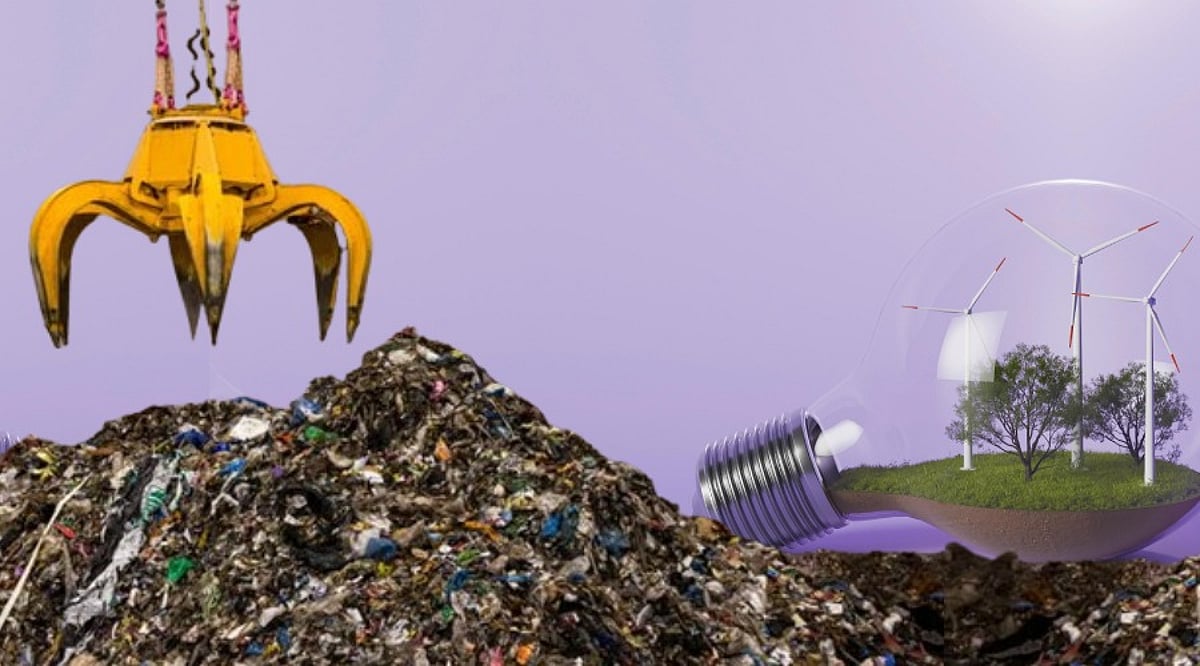
    Waste-to-energy (WtE) technology is rapidly transforming the way nations handle non-recyclable waste, converting it into electricity, heat, or fuel while drastically reducing reliance on landfills. Countries such as China, Sweden, Denmark, Japan, Singapore, Germany, and the Netherlands are at the forefront, leveraging advanced technologies, efficient systems, and sustainable policies to lead the global shift.

    Key Takeaways

    • China operates the world’s largest waste-to-energy network, generating immense electricity capacity.
    • Sweden and Denmark integrate waste-to-energy with district heating, optimizing clean energy production.
    • Innovations in incineration, gasification, and carbon capture are making WtE cleaner and more efficient.

    China: The Undisputed Market Leader

    China has built the world’s biggest waste-to-energy industry in just over a decade, driven by rapid urbanization and strict government policies. Electricity production from WtE surged from 5 TWh in 2010 to approximately 120 TWh in 2023, while annual waste treatment capacity expanded from 14 million to 327 million tonnes. Today, China operates more than 1,000 waste-to-energy plants—over half of the global total.

    Sweden: From Waste to Resource

    Sweden’s waste management system is among the most efficient globally. Approximately 50% of household waste is converted into electricity and district heating. Swedish plants are so efficient that the country imports about 800,000 tonnes of waste annually from neighboring nations to keep facilities operating at full capacity, all while maintaining low emissions through advanced pollution control.

    Denmark: Urban Integration and Clean Energy

    Denmark has embedded waste-to-energy into urban life, with modern facilities supplying both electricity and district heating to surrounding areas. The iconic Amager Bakke facility in Copenhagen not only generates energy but also features a public park on its roof, exemplifying how industrial structures can blend with cityscapes. Denmark continues to invest in carbon capture and more efficient waste treatment technologies.

    Japan: High Tech, High Standards

    With limited landfill space, Japan relies heavily on WtE. The country uses highly efficient combustion technology to maximize electricity output while minimizing harmful emissions. Strict environmental laws ensure every plant meets rigorous air quality standards.

    Singapore: Smart Waste Management in a Tiny Island

    Singapore faces severe land shortages, making efficient waste management a national priority. Most non-recyclable municipal waste passes through modern incineration plants, reducing volume by nearly 90% and significantly extending the life of the offshore Semakau Landfill.

    Germany and the Netherlands: Circular Economy Champions

    Both countries combine high recycling rates with effective waste-to-energy solutions. They prioritize recycling and composting, then send only non-recyclable waste to energy recovery. Europe’s approximately 500 WtE facilities process nearly 100 million tonnes of waste annually, generating heat and electricity while diverting waste from landfills. Germany and the Netherlands are advancing sorting technologies, carbon capture, and energy efficiency.

    Why This Matters

    Mounting waste volumes make traditional landfills unsustainable. Waste-to-energy technology cuts garbage volume by 90% while producing clean electricity and heat. According to the World Bank, about 20% of global waste is incinerated, while recycling, composting, and anaerobic digestion account for another 21%.

    Future Outlook

    Urban growth will continue to increase waste generation, requiring WtE capacity to expand. Emerging technologies such as AI-driven operations, carbon capture, and advanced pollution controls will make new plants cleaner and more productive. Countries like China, Sweden, Denmark, Japan, Singapore, Germany, and the Netherlands have demonstrated that it is possible to slash landfill use and generate usable energy simultaneously.

    Frequently Asked Questions

    What is waste-to-energy?

    Waste-to-energy is the process of converting non-recyclable waste into electricity, heat, or fuel using technologies like incineration, gasification, pyrolysis, and anaerobic digestion.

    Why is waste-to-energy important?

    It reduces landfill dependence, lowers pollution from open dumping, recovers energy from waste, and supports more sustainable waste management.

    Which country leads globally?

    China is the global leader, operating over 1,000 waste-to-energy plants and accounting for more than half of the world’s waste incineration capacity.

    Does waste-to-energy replace recycling?

    No. The best practice is to recycle and compost first; only non-recyclable waste should be sent to WtE facilities.

    What is the future of waste-to-energy?

    The future includes AI-driven operations, carbon capture technologies, advanced emission controls, and more efficient energy recovery to make plants cleaner and more productive.

  • 10 Sustainable Gadgets to Embrace in 2026 for a Greener Lifestyle

    10 Sustainable Gadgets to Embrace in 2026 for a Greener Lifestyle

    As environmental consciousness grows, innovative gadgets are making it easier to adopt eco-friendly habits without sacrificing convenience. From solar-powered chargers to intelligent home monitors, these ten devices help reduce energy consumption, cut waste, and shrink your carbon footprint. Here are the top sustainable gadgets worth trying in 2026.

    Solar Power Banks

    Harness the sun to recharge your smartphones and other portable devices. Solar power banks reduce reliance on grid electricity while offering reliable backup power during travel, camping, or outdoor adventures. They are a practical step toward renewable energy use in daily life.

    Smart Energy Monitors

    Track your household electricity usage in real time with smart energy monitors. These devices help identify energy waste, allowing families to adjust habits and lower monthly utility bills. They provide actionable insights to make your home more efficient.

    Solar Outdoor Lights

    Illuminate gardens, pathways, and patios using renewable solar energy. Solar outdoor lights eliminate electricity costs and provide dependable nighttime lighting year-round. They are easy to install and require no wiring, making them a simple eco-friendly upgrade.

    Rechargeable Batteries

    Replace disposable batteries with rechargeable alternatives. These batteries reduce landfill waste and save money over time by being reusable hundreds of times. They are ideal for powering remote controls, toys, flashlights, and other household gadgets.

    Water-Saving Smart Showers

    Intelligent shower systems monitor water consumption and encourage shorter showers without compromising comfort. By tracking usage and providing feedback, they help conserve water—a critical resource—while still delivering a satisfying experience.

    Energy-Efficient Air Purifiers

    Modern air purifiers consume less electricity while improving indoor air quality through advanced filtration technologies. Look for models with high CADR ratings and low wattage to ensure sustainable living without sacrificing clean air.

    Smart Thermostats

    Automatically adjust home temperatures based on your schedule and preferences. Smart thermostats optimize heating and cooling, reducing unnecessary energy consumption and lowering utility bills. They learn your routines and adapt to save energy effortlessly.

    Portable Wind Chargers

    Compact wind-powered chargers generate renewable electricity during outdoor activities like hiking, camping, or cycling. They offer an eco-friendly alternative to conventional charging methods, allowing you to stay powered without relying on fossil fuels.

    Eco-Friendly Wireless Keyboards

    Keyboards made from recycled materials and featuring solar charging reduce electronic waste while delivering reliable everyday productivity. They combine sustainability with performance, making them a smart choice for eco-conscious professionals.

    These gadgets represent the intersection of innovation and environmental responsibility. By integrating them into your daily life, you can reduce your ecological impact while enjoying modern conveniences. Stay tuned for more updates on sustainable technology.

  • Modern Energy Storage Technologies: A Comprehensive Guide to Batteries, Hydrogen, and Grid Solutions

    Modern Energy Storage Technologies: A Comprehensive Guide to Batteries, Hydrogen, and Grid Solutions

    Energy storage is essential for saving electricity generated from renewable sources and ensuring a stable power supply when demand peaks. As the world shifts toward cleaner energy, understanding the various storage technologies becomes critical for homes, businesses, and utilities alike.

    Why Energy Storage Matters More Than Ever

    Global electricity demand continues to rise, driven by electric vehicles, air conditioning, and smart devices. Renewable sources like solar and wind are intermittent—solar panels generate only during daylight, and wind turbines depend on sufficient wind. Energy storage bridges this gap by capturing excess power when production is high and releasing it when generation drops or demand surges. Storage also provides backup during outages, supporting hospitals, factories, and homes.

    Main Types of Energy Storage Technologies

    Electrochemical Storage (Batteries)

    Rechargeable batteries are the most widespread storage technology. Lithium-ion batteries power electric cars, smartphones, laptops, and home backup systems. Other chemistries include lead-acid, sodium-ion, and flow batteries. They store energy via chemical reactions and release it almost instantly.

    Pros: High efficiency, fast charging/discharging, easy installation, suitable for homes and EVs.

    Cons: Degradation over time, expensive materials, recycling challenges.

    Mechanical Storage

    Mechanical methods use motion rather than chemicals. Pumped hydro storage lifts water to a higher elevation during excess generation; when demand rises, water flows down to spin turbines and produce electricity. Other forms include compressed air and flywheels that store energy in rotating mass.

    Pros: Large capacity, long operating life, reliable for grids.

    Cons: High construction cost, geographic constraints, not practical for homes.

    Thermal Storage

    Thermal storage saves energy as heat or cold. Solar thermal plants use molten salt to store heat for electricity generation after sunset. Ice storage systems cool large buildings during off-peak hours, reducing strain on the grid.

    Pros: Enables better use of renewable energy, cuts peak demand, improves overall efficiency.

    Cons: Heat loss over time, limited applications, high installation costs.

    Electrical Storage

    Supercapacitors store energy in electric fields and can charge in seconds, delivering power rapidly. They are used in buses, trains, factories, and backup systems where quick bursts of energy are critical.

    Pros: Ultra-fast charging, long cycle life, instant power delivery.

    Cons: Low energy density, unsuitable for long-term storage, expensive.

    Chemical Storage (Hydrogen)

    Chemical storage converts electricity into fuels like hydrogen. Electrolysis splits water into hydrogen and oxygen; the hydrogen can later be turned back into electricity or used as fuel for transport and industry. Experts see hydrogen as a key enabler of long-duration, large-scale storage.

    Pros: Long-term storage, high energy density, supports clean transport and industry.

    Cons: High production costs, difficult storage and handling, infrastructure still developing.

    The Future of Clean Power Depends on Storage

    No single storage technology fits all needs. Batteries excel for homes and EVs; pumped hydro handles grid-scale demands; hydrogen shows promise for seasonal storage. Together, these technologies form a resilient energy system. As renewables expand, storage will become even more vital to ensure clean electricity is available whenever needed.

    Modern energy storage technologies are making a sustainable future possible—by storing energy wisely, we can power the world reliably without depending on weather conditions.

  • Green Cloud Computing: The Complete Guide to Sustainable Cloud Infrastructure

    Green Cloud Computing: The Complete Guide to Sustainable Cloud Infrastructure

    Almost everything we do online relies on cloud computing. This includes medical portals, school platforms, virtual meetings, digital payments, and artificial intelligence. Keeping these services alive requires massive data hubs running servers and AC systems day and night. International Energy Agency data shows these facilities guzzled roughly 415 terawatt-hours of power in 2024. That represents nearly 1.5 percent of all global electricity. That energy appetite has been climbing by about 12 percent every single year for the last five years.

    What is Green Cloud Computing?

    Green cloud computing is the practice of building and operating cloud infrastructure in a way that reduces harm to the environment. The main purpose is to lower electricity use, reduce carbon emissions, and make better use of computing resources without affecting service quality. This approach uses energy-efficient hardware, renewable energy, virtualization, smart resource management, and advanced cooling systems. It also supports the reuse and recycling of equipment to reduce electronic waste. Green cloud computing allows businesses to continue digital growth while protecting natural resources and reducing operating costs.

    Why Green Cloud Computing has Become Necessary

    The rapid growth of AI has increased pressure on cloud infrastructure. Powerful AI models need advanced processors that consume much more electricity than traditional computing systems. The IEA estimates that electricity use by data centers could reach 945 TWh by 2030, which is more than double the level recorded in 2024. Gartner also predicts that global data center electricity consumption will rise from 447 TWh in 2025 to 565 TWh in 2026, which represents a 26% increase within just one year. AI servers alone are expected to consume 175 TWh of electricity in 2026, an 84% increase compared with the previous year. These figures clearly show that cloud infrastructure must become more energy efficient to support future demand.

    How Green Cloud Computing Reduces Energy Use

    Green cloud computing relies on various current technologies that enhance efficiency. One of the most effective methods is virtualization, which enables multiple virtual machines to share a single physical server. By using this technique, the use of servers is maximized and the number of physical servers required in the data center is decreased. Additionally, during slow periods, cloud platforms consolidate workloads on fewer machines and the machines that are not in use may enter sleep mode or be shut down completely. Modern cloud providers opt for energy-efficient processors that provide high performance at low power consumption. Another critical requirement for a sustainable cloud infrastructure today is the use of renewable energy. Many data centers use solar, wind, hydroelectric, or geothermal power. In addition to relying on annual renewable energy certificates, many providers strive to use carbon-free electricity on a regular basis.

    Smart Cooling Makes a Big Difference

    Cooling systems consume a large share of electricity inside every data center. Green cloud computing uses modern cooling methods to reduce this energy demand. Free-air cooling uses natural outside air whenever weather conditions allow. Liquid cooling and immersion cooling remove heat more efficiently than traditional air cooling. Artificial intelligence also helps control cooling equipment by adjusting temperatures according to server activity. Some companies have even started work on floating data centers that use seawater as a natural cooling source. These technologies reduce electricity use while keeping equipment safe and reliable.

    Current Challenges

    Even though green cloud computing has various advantages, there are still some difficulties. Rapid expansion in artificial intelligence has resulted in an increase in carbon emissions despite investments in clean technology. According to new data, Microsoft, Amazon, and Google have reported almost 119 million metric tonnes of carbon dioxide emissions, which is about 18% more than for the previous reporting period. Microsoft’s own emissions increased by 25% and reached 20 million metric tonnes as a result of building and operating new AI data centers. Experts also forecast that roughly 1,200 new data centers will be constructed worldwide by 2030 to serve the needs of the cloud and AI industries. However, a shortage of electricity and water has caused significant problems already. More than 75 data center projects, valued at 130 billion US dollars, experienced delays or halted work in early 2026 since the required amount of electricity and water was not available.

    The Future of Sustainable Cloud Infrastructure

    The future of green cloud computing depends on smarter energy management. Carbon-aware computing has become an important solution as it allows flexible workloads to run when cleaner electricity is available. This method reduces carbon emissions without affecting service quality. Researchers also continue to work on AI systems that improve energy management inside data centers and help match electricity demand with renewable energy supply. The IEA estimates that emissions from electricity used by data centers could rise from around 180 million tonnes today to nearly 300 million tonnes by 2035, while a high-growth situation could push emissions close to 500 million tonnes.

    Why This Matters

    Data centers are on track to double their power usage by 2030 as a result of AI. This massive energy drain makes green cloud setups a hard requirement, not an optional corporate goal. If we do not make this shift, local power grids will physically buckle under the weight of future internet growth.

    Final Thoughts

    AI and cloud growth have pushed electricity demand to record levels. Sustainable technologies are the practical response. Energy-efficient hardware, virtualization, renewable energy, carbon-aware computing, and modern cooling systems help reduce electricity use and lower carbon emissions without reducing cloud performance.

    FAQs

    1. What is green cloud computing? Green cloud computing is the use of cloud technologies that reduce electricity consumption, carbon emissions, and environmental impact while delivering reliable cloud services.
    2. Why is green cloud computing important? It helps reduce the environmental impact of data centers, lowers operating costs, improves energy efficiency, and supports long-term sustainability goals.
    3. How does virtualization support green cloud computing? Virtualization allows multiple virtual machines to run on one physical server, which improves hardware use and reduces electricity consumption.
    4. What role does renewable energy play in sustainable cloud infrastructure? Renewable energy sources such as solar, wind, hydroelectric, and geothermal power help reduce dependence on fossil fuels and lower carbon emissions from data centers.
    5. What are the biggest challenges for green cloud computing? High energy demand from AI workloads, limited renewable energy availability, power and water shortages, and accurate carbon measurement remain the main challenges.
  • Masayoshi Son Bets on Nuclear Fusion to Power AI’s Growing Energy Demands

    Masayoshi Son Bets on Nuclear Fusion to Power AI’s Growing Energy Demands

    SoftBank founder Masayoshi Son has identified nuclear fusion as a potential long-term solution to one of artificial intelligence’s most pressing challenges: energy consumption. Speaking about the future of AI infrastructure, Son argued that fusion power could supply the massive electricity demands of next-generation data centers.

    Son emphasized that as AI adoption accelerates, electricity consumption will rise sharply. While some may view natural gas as a quick fix, he believes nuclear fusion is the superior endgame for sustainable AI growth.

    Demand for Power Grows with the Rise of AI

    As corporations race to advance AI systems and expand data center capacity, the need for electrical power will intensify. Son projected that the world will require approximately 3 terawatts of additional data center capacity by 2040 to support future AI developments. Traditional energy sources, he warned, may fall short of meeting this escalating demand.

    Fusion Might Be the Solution in the Long Term

    Son described fusion—the process that powers the Sun—as the most promising energy source for AI data centers. Although commercial fusion is not yet viable due to ongoing technical hurdles, he believes it has the potential to transform AI infrastructure economics over the long haul.

    SoftBank Doubles Down on AI

    These comments align with SoftBank’s aggressive AI strategy. The Japanese conglomerate has invested heavily across the AI ecosystem, backing companies like Arm and OpenAI while expanding into chips, robotics, and data center infrastructure. Son has repeatedly compared AI’s transformative potential to—or beyond—the internet revolution, urging businesses to embrace AI rather than hesitate.

    The Bigger Picture

    The AI revolution is creating not just a demand for computing power but also for adequate energy supplies. Major tech firms are exploring a mix of natural gas, nuclear power, and renewables to meet their needs. For Son, fusion represents the ultimate endpoint—a way to power the next stage of AI without energy constraints, even though its commercial application remains a work in progress.