Tag: Samsung

  • iPhone 18 Pro vs Galaxy S26 Ultra: Price, Cameras, Battery, and Performance Face-Off (2026)

    iPhone 18 Pro vs Galaxy S26 Ultra: Price, Cameras, Battery, and Performance Face-Off (2026)

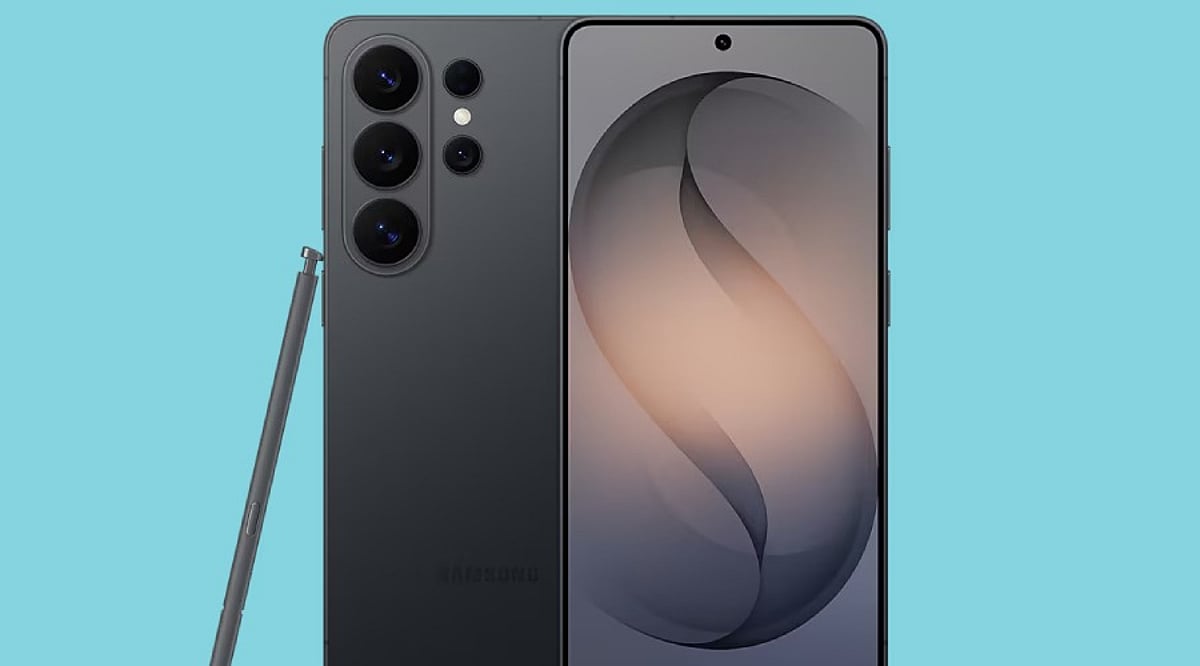
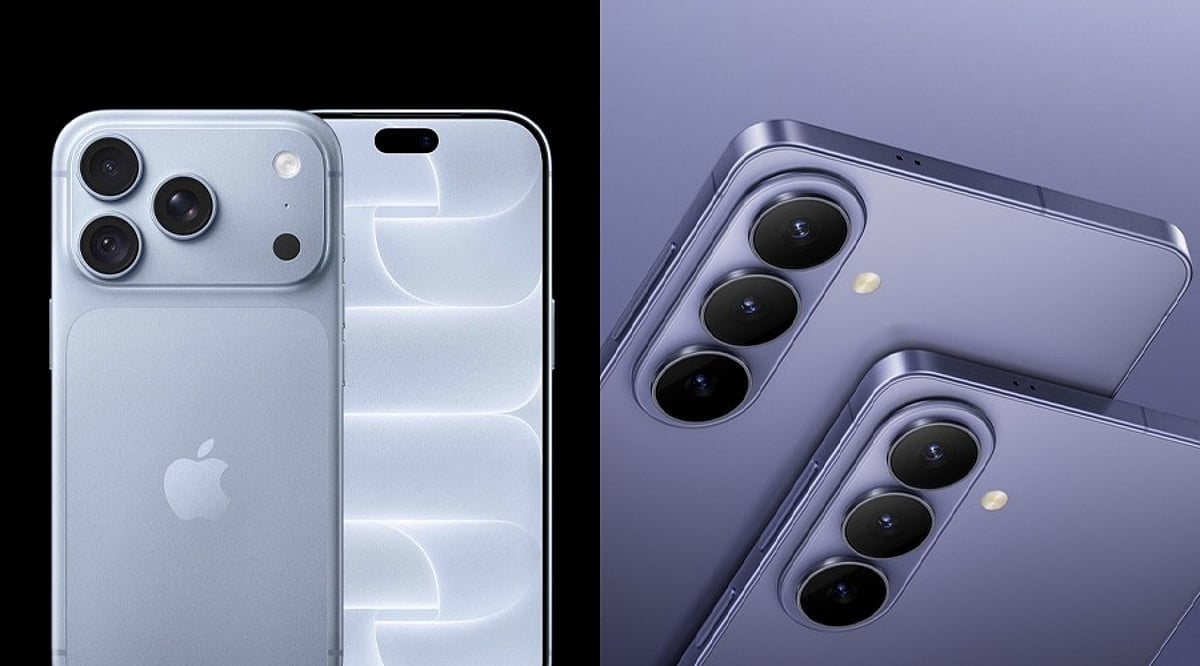
    Apple’s iPhone 18 Pro and Samsung’s Galaxy S26 Ultra battle for flagship supremacy in 2026. This guide compares pricing, chips, cameras, battery life, and software to help you pick the right phone.

    Price Comparison

    Apple raised prices this year, breaking its recent habit of holding steady across generations. The iPhone 18 Pro costs $100 more than its predecessor, partly due to memory chip costs jumping from $13 to $51 per unit. Samsung kept the Galaxy S26 Ultra price flat against the S25 Ultra. Both brands dropped the 128GB base option; every buyer now starts at 256GB minimum.

    Specifications and Design

    Display Details

    The iPhone 18 Pro carries a 6.3-inch OLED screen; the Pro Max stretches to 6.9 inches. Samsung’s Galaxy S26 Ultra also measures 6.9 inches. Both phones refresh at 120Hz for smooth scrolling.

    Processing Power

    Apple’s A20 Pro chip uses a 2-nanometer process for the first time. It pairs a 6-core CPU with a 7-core GPU, delivering 40 percent faster graphics than the A19 Pro. A 32-core Neural Engine doubles AI processing speed. Samsung runs the Snapdragon 8 Elite Gen 5 for Galaxy with 12GB of RAM standard. Early benchmarks show Apple leading in single-core tasks; Qualcomm’s chip holds its own during long gaming sessions.

    Camera Systems

    Apple introduced a mechanical variable aperture on the 48MP main camera, shifting between f/1.48 and f/4.0 using six blades. This gives photographers real control over depth and light. Samsung stuck with its proven quad-camera formula, anchored by a 200MP main sensor, relying more on Galaxy AI tools for deeper image processing. Each brand chose a different path: Apple bet on mechanical innovation, Samsung on resolution and computational photography.

    Battery and Charging

    Apple says its battery gains come from chip efficiency, not a bigger cell. The Pro Max now reaches 45 hours of video playback — the largest battery jump in company history. Samsung’s 60W charging still beats Apple’s fastest wired speed, giving Galaxy owners a quicker top-up.

    Software and AI Features

    Apple’s Approach

    The iPhone 18 Pro runs iOS 27 out of the box. Siri received a major overhaul, now running on Google Gemini’s foundation models. A new Ask Siri button sits alongside a redesigned interface.

    Samsung’s Approach

    The Galaxy S26 Ultra ships with Android 16. Samsung expanded its Galaxy AI toolkit, including a built-in Privacy Display feature that blocks nearby onlookers from seeing the screen.

    Final Verdict

    Choosing between these two flagships depends on personal priorities. Apple delivers real innovation through its variable aperture camera and the 2-nanometer chip, but at a steeper price. Samsung counters with a sharper 200MP sensor and faster charging, with stable pricing. Neither phone falls short on power, camera quality, or battery life. The decision often comes down to ecosystem loyalty: Apple loyalists will find the upgrade worthwhile; Samsung loyalists gain a refined phone without losing everyday value.

    FAQs

    • Which phone offers better value for money in 2026? The Galaxy S26 Ultra offers stronger value since its price stayed flat. The iPhone 18 Pro costs $100 more due to rising memory chip costs.
    • Does the iPhone 18 Pro have a better camera than the Galaxy S26 Ultra? The iPhone adds a variable aperture for manual light control; the Galaxy relies on a 200MP sensor. Each excels in different conditions.
    • Which flagship has the longer battery life? The iPhone 18 Pro Max reaches 45 hours of video playback, ahead of the Galaxy S26 Ultra’s 5,000 mAh cell. Samsung compensates with faster 60W charging.
    • Is the A20 Pro chip faster than the Snapdragon 8 Elite Gen 5? Early benchmarks show the A20 Pro leading in single-core performance and power efficiency, while the Snapdragon stays competitive during sustained gaming.
    • When did the Galaxy S26 Ultra and iPhone 18 Pro launch? The Galaxy S26 Ultra launched on March 11, 2026. The iPhone ải Pro and Pro Max became available on S eptember 18,2026., after their September 9 announcement.

  • Samsung Debuts AI-Powered Family Hub Refrigerator and Bespoke WindFree ACs in India

    Samsung Debuts AI-Powered Family Hub Refrigerator and Bespoke WindFree ACs in India

    Samsung has launched its 2026 Bespoke AI appliance range in India, featuring AI-powered refrigerators and air conditioners. The new lineup was unveiled at ‘The Brief Gurugram’ event, emphasizing artificial intelligence, connectivity, and energy efficiency.

    Gemini AI Comes to Samsung Family Hub Refrigerator

    The Family Hub Refrigerator now integrates Google Gemini AI, equipped with a 32-inch display. It can identify food items, manage use-by dates, recommend recipes based on available ingredients, and offer a Video-to-Recipe experience. Localized Family Care and Pet Care features provide alerts, activity tracking, and reminders through the SmartThings ecosystem.

    SmartThings Central to AI Home Ecosystem

    Samsung positions SmartThings as the central hub for its AI home ecosystem. Select appliances feature an AI Home screen that lets users monitor connected devices, access information, and manage household functions from one interface.

    New WindFree ACs Focus on AI-Powered Cooling

    Samsung also introduced the Bespoke AI WindFree Pro Air Conditioner at Rs. 69,990. This model combines AI-enabled controls with PM1.0 purification and SmartThings connectivity. Its AI Energy Mode can reduce energy consumption by up to 30%. The AC is available in 3.5kW, 5.2kW, and 7.1kW capacities. Additionally, the Infinite 1-Way Cassette AC starts at Rs. 1,60,000.

    Pricing and Availability

    The Family Hub Refrigerator is priced at Rs. 4,00,690, while the Bespoke AI WindFree Pro AC costs Rs. 69,990. The Infinite 1-Way Cassette AC starts at Rs. 1,60,000 and is available through authorized channel partners across India. The new lineup is built around four themes: AI Understands You, AI Adapts to You, AI Connects Your Home, and AI Cares for You.

  • Samsung Galaxy S27 Ultra Leaks Hint at ₹1,49,990 Price, Horizontal Camera and 200MP Sensor

    Samsung Galaxy S27 Ultra Leaks Hint at ₹1,49,990 Price, Horizontal Camera and 200MP Sensor

    Fresh leaks surrounding the Samsung Galaxy S27 Ultra suggest an early 2027 launch in India, with a rumored starting price of ₹1,49,990. While Samsung has not confirmed the device or its specifications, CAD renders and insider reports point to one of the most significant design changes in the Ultra series in years.

    The most notable visual shift could be a horizontal camera module, replacing the familiar separate camera rings seen on recent Ultra models. Leaked renders show three cameras aligned inside a single wide island, resulting in a cleaner, more streamlined rear panel.

    Camera specifications are expected to remain impressive: a 200MP primary sensor with optical image stabilization, a 50MP ultrawide lens, and a 50MP 5x telephoto camera. Notably, Samsung may drop the dedicated 3x telephoto sensor, leaning more heavily on computational photography to cover the mid-range zoom gap.

    Under the hood, the Galaxy S27 Ultra is rumored to pack a 6.9-inch Dynamic LTPO AMOLED 2X display with a 120Hz adaptive refresh rate and a peak brightness of 3,000 nits. Processing duties should fall to Qualcomm’s Snapdragon 8 Elite Gen 6 Pro chip, though an Exynos variant remains possible for certain markets.

    Battery capacity could see a significant boost to 5,700mAh, with charging speeds potentially reaching 65W — up from earlier expectations of 45W. The larger battery would likely become one of the device’s standout features, alongside brighter display technology and improved power efficiency.

    Higher storage variants may cost considerably more than the base model. All details remain preliminary until Samsung officially unveils the phone, expected around February 2027.

  • Samsung’s Galaxy Fold Sheds 75 Grams: A Decade of Engineering Refinement

    Samsung’s Galaxy Fold Sheds 75 Grams: A Decade of Engineering Refinement

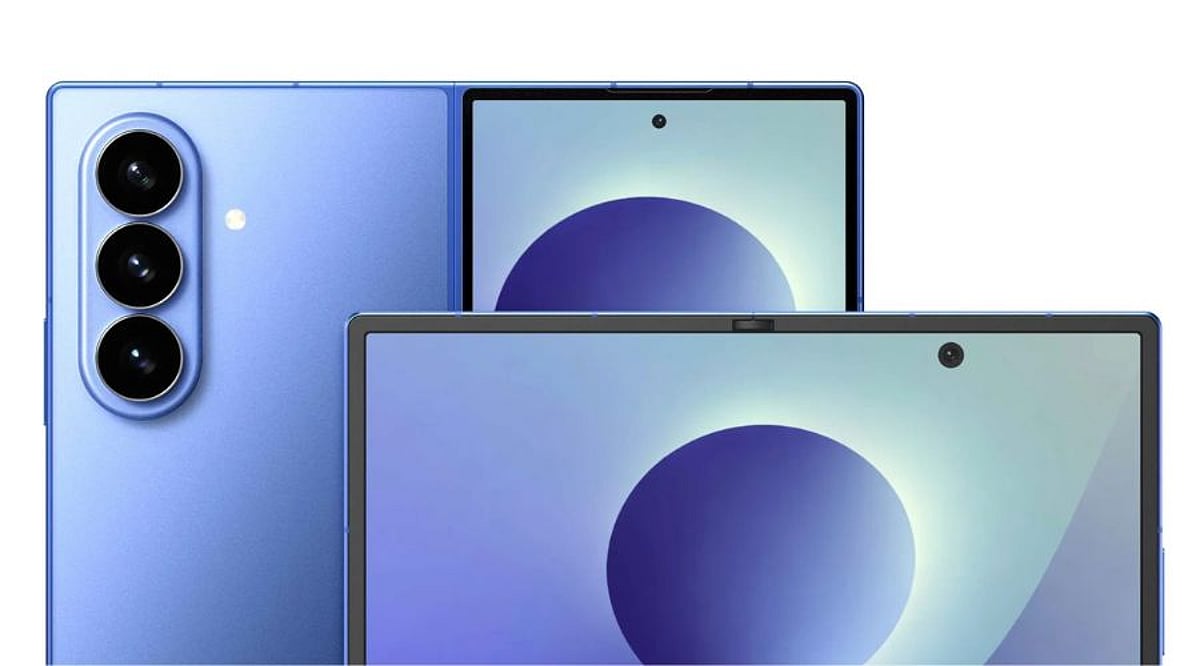
    Since the original Galaxy Fold launched in 2019, Samsung has steadily trimmed weight from its foldable lineup. Over eight generations, the company cut 75 grams — from 276g to 201g — without compromising on flagship features or durability. The Galaxy Z Fold8, released in 2026, weighs just 201 grams, making it significantly lighter and more portable than its predecessors.

    The weight reduction didn’t happen overnight. Samsung achieved it through a series of iterative engineering improvements: redesigned hinges, thinner display structures, lighter materials, and meticulous component optimization. The folded thickness also dropped from 17.1mm to 8.9mm over the same period.

    Notably, the journey wasn’t a straight line downward. The Galaxy Z Fold2 actually gained 6 grams in 2020, reaching 282g, as Samsung added a larger 6.2-inch cover display and a more robust Hideaway Hinge. That extra weight made the closed device far more practical for everyday use. From there, the company began trimming grams through successive hinge innovations.

    The Galaxy Z Fold4 introduced a linear hinge mechanism that weighed 21% less than the previous gear-based design. The Galaxy Z Fold5 followed with the Flex Hinge, enabling a waterdrop-style fold that reduced stress on the display. The Galaxy Z Fold6 refined the dual-rail structure, and the Galaxy Z Fold7 delivered a major thickness reduction, bringing the folded body to 8.9mm and weight to 215 grams.

    The Galaxy Z Fold8 capped the effort with Flex Titanium — a titanium alloy film just tens of micrometers thick — integrated into the display structure. Precision-machined support components measure around 0.2mm, achieved through refined tooling and cooling processes. Samsung also examined nearly 270 core components and over 180 auxiliary parts, removing about 15 auxiliary parts and redesigning many others. Some changes shaved as little as 0.001 grams per part.

    “No single material or component made that transformation possible,” Samsung stated, emphasizing that eight generations of engineering were responsible for the cumulative weight loss. The recovered space also enabled larger batteries and cameras: the Galaxy Z Fold8 Ultra packs a 5,000mAh battery and a 200MP main camera, while graphite heat-dissipation volume increased by about 7%.

    The Galaxy Fold story illustrates how small, relentless engineering changes can reshape an entire device category. Samsung managed to cut weight while expanding battery capacity, camera capability, cooling, and overall foldable functionality — a testament to the power of iterative design.

  • Samsung Galaxy S26 FE Debuts in India at ₹79,999 with Galaxy AI and 7-Year Software Support

    Samsung Galaxy S26 FE Debuts in India at ₹79,999 with Galaxy AI and 7-Year Software Support

    Samsung has launched the Galaxy S26 FE in India at ₹79,999, making it available from September 18. The phone targets premium buyers with Galaxy AI, advanced cameras, and flagship features. It comes with 8GB RAM and 256GB storage as the standard Indian configuration.

    Display and Design

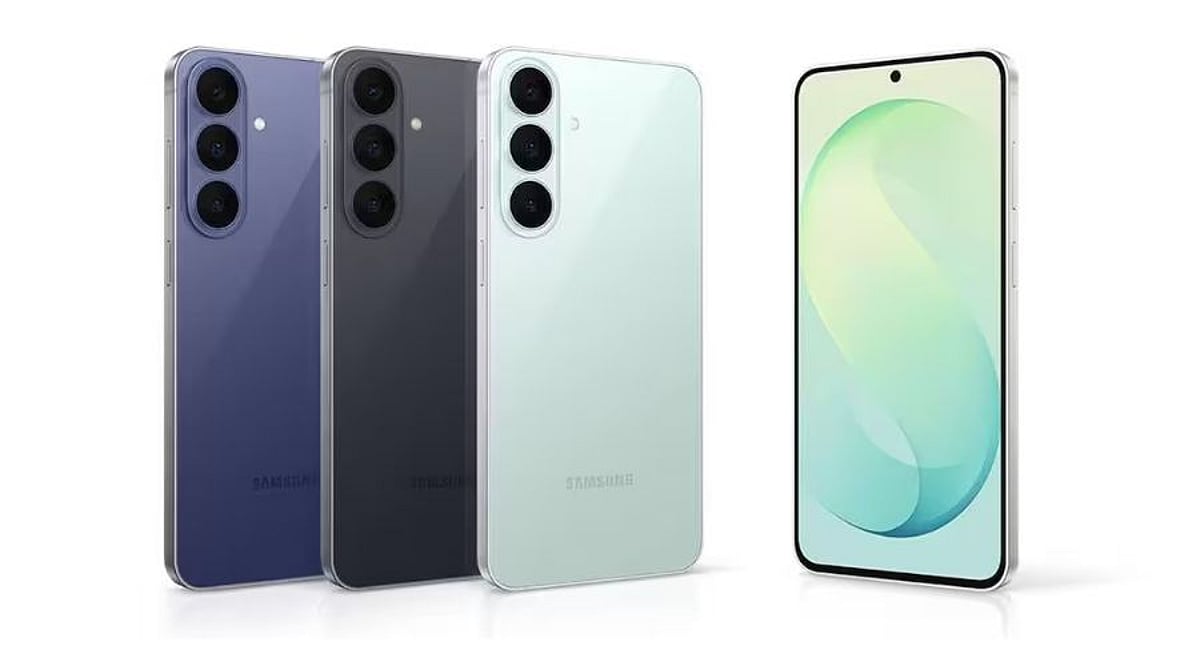
    The Galaxy S26 FE features a 6.7-inch AMOLED display with a 120Hz refresh rate and peak brightness of 1,900 nits. It is available in Pistachio, Blueberry, and Graphite colors. The device has IP68 dust and water resistance and weighs 193 grams.

    Performance and Battery

    Powered by the Exynos 2500 chip built on a 3nm process, the phone supports 5G and Wi-Fi 6E. The 4,900mAh battery supports 45W wired and 15W wireless charging. Samsung claims approximately 69% charge in 30 minutes with a compatible 45W adapter.

    Camera System

    The rear camera setup includes a 50MP primary sensor with OIS, a 12MP ultrawide camera, and an 8MP telephoto lens with 3x optical zoom and up to 30x digital zoom. The front camera is 12MP. Samsung adds My FanCam for automatic subject tracking during video, Super Steady with Horizontal Lock for smoother footage, Nightography, and Photo Assist.

    Galaxy AI and Software

    Galaxy AI is deeply integrated through One UI 9 and Android 17. New features include Brief for customizable updates and Circle to Search for identifying multiple items together. Eligible buyers receive six months of Google AI Pro with 5TB cloud storage. Samsung promises seven generations of OS upgrades and seven years of security updates.

    Launch Offers

    Launch benefits include an exchange bonus of up to ₹8,000 and selected no-cost EMI plans. Eligible bank cards can get ₹7,000 cashback, subject to terms.

  • Why Smartphones Charge Fast at First and Slow Down Near 80%

    Why Smartphones Charge Fast at First and Slow Down Near 80%

    Fast charging peaks early, then tapers near 80% as batteries approach their voltage limit. The slowdown reflects deliberate engineering, not a fault. Peak wattage rarely tells the full story. Brands like OnePlus, Samsung, Xiaomi, and Apple each balance speed against battery longevity differently.

    Fast charging is not constant. It runs hardest early and tapers as the battery fills, a pattern rooted in lithium-ion chemistry, not a flaw. The 80% slowdown is common but not fixed. The point where the curve turns conservative varies by phone, battery design, and temperature. Advertised wattage numbers describe a peak, not the average speed across a full charge, and real examples from major brands show why that gap matters.

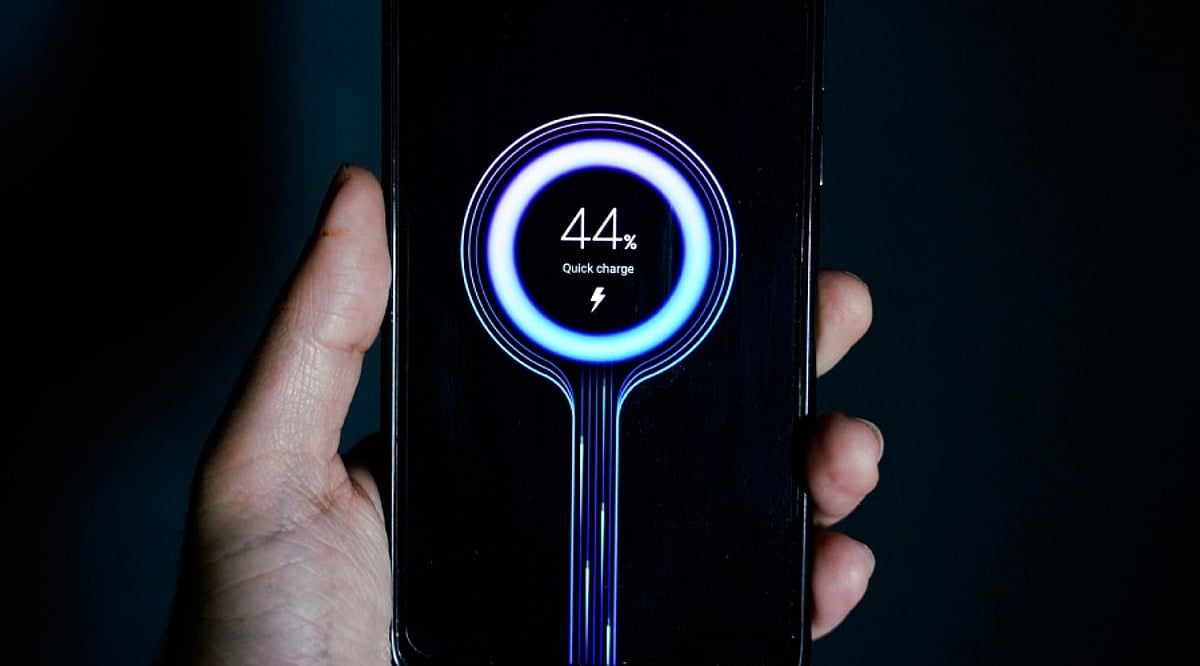
    A phone does not charge at one steady speed. It pushes hard early, while the battery can take it, then pulls back near the top. That is why 50% can arrive in minutes, while the last 20% takes far longer. The slowdown is not weakness—it is the system managing power without adding extra heat or stress.

    The Battery Is Not a Simple Container

    Lithium-ion cells store energy by moving lithium ions between two electrodes through a liquid electrolyte. Charging pushes these ions in one direction. That movement generates heat on its own. Faster ion movement builds more heat, and repeated heat exposure wears down the electrode material over time. Every charging system balances speed against long-term battery health.

    How Fast Charging Pushes More Power Early

    A fast charger communicates with the phone’s charging system to set an appropriate voltage and current level. The phone then decides how much of that available power actually reaches the battery. Early in the cycle, the battery can generally accept higher power without reaching its upper voltage limit. The controller uses this room to push more energy in fast. This is why the first stretch of charging feels dramatic. The Redmi Note 14 Pro Plus supports 120W HyperCharge and filled its 5,110 mAh battery in 21 minutes during independent lab testing by GSMArena. That result shows how much charge can land in a short early window.

    Why Charging Slows Near 80%

    Charging happens in two stages. First comes a fast stage where the charger sends a strong, steady current. Then comes a slower stage where the charger holds the voltage steady instead. As the battery fills up, it gets closer to its top voltage limit. At that point, it cannot safely take in as much current. The system starts to ease off by lowering the current while keeping the voltage close to its target. This change does not happen all at once. Your phone does not simply turn off fast charging the moment it hits 80%. The drop in power happens smoothly over time. This is why 80% feels less like a hard stop and more like the point where charging starts to slow down and play it safe.

    Why 80% Is Not a Fixed Number

    Not every phone slows down at the same point. Some phones start tapering off earlier than others. Some keep up higher speeds for a longer stretch. This difference comes from the battery’s chemistry, the way the cells are built, and how the manufacturer tunes the charging software. Heat plays a role too, separate from the charge level shown on screen. A phone that warms up while charging, whether from a hot room or from apps running in the background, may see its charging speed drop no matter how full the battery already is.

    How Different Brands Handle It

    Each company takes its own approach to this problem. OnePlus pushes high power early in the charging cycle with its SuperVOOC system, seen in phones like the OnePlus 12. Samsung takes a calmer approach with its 45W charging. The Galaxy S24 Ultra reaches about 65% charge in 30 minutes, based on the company’s own test results. Xiaomi uses dual-cell and multi-cell batteries in its HyperCharge lineup. This design spreads out the load, which helps manage current, voltage, and heat while keeping power high for a longer stretch. Apple goes a different route entirely. Its iPhones charge at fairly modest speeds compared to many Android rivals. Instead, the Optimized Battery Charging feature slows down the final stretch when it senses the phone will stay plugged in for a while.

    Peak Wattage Is Not the Same as Charging Speed

    Marketing tends to skip this part: peak wattage is a snapshot, not a measure of the full session. A phone paired with a high-wattage charger does not draw that output from zero to full. It touches that peak briefly, then pulls back as voltage rises, temperature shifts, or the battery nears its limit. Two phones with matching wattage ratings can still charge at different real speeds, since each sustains its peak for a different length of time. Comparison charts rarely mention this, yet it explains more about real charging performance than the headline number ever will.

    What This Means for Battery Health

    Anyone who does not need a full battery every day can stop charging below 100% to cut down time spent at a high state of charge. Many phones already build this kind of management into their software, rather than leaving the choice entirely to the user. The point is not to avoid fast charging—it is to avoid unnecessary heat and long stretches near full charge.

    Final Thought

    The slowdown near 80% is not proof that fast charging has stopped working. It marks the point where a phone shifts its priority from raw speed to control. Early on, the battery accepts power quickly. Near its limit, the system pulls back current, manages heat, and finishes the job with care. Peak wattage only tells part of that story. The full charging curve, not the number printed on the charger box, is what actually shapes the experience.

  • Samsung’s 2026 Neo QLED TVs Get Limited-Time Price Cuts: QN70H and QN80H Deals in US and India

    Samsung’s 2026 Neo QLED TVs Get Limited-Time Price Cuts: QN70H and QN80H Deals in US and India

    Samsung’s 2026 Neo QLED TV lineup, featuring the QN70H and QN80H models, is now available with significant limited-time discounts in the United States and competitive pricing in India. These price reductions make premium big-screen upgrades more accessible for home theater enthusiasts.

    US Discounts: QN70H and QN80H Price Cuts

    In the US, the QN70H receives discounts ranging from $100 to $500, while the QN80H sees reductions from $200 to $800, depending on screen size. Samsung also offers free delivery, free haul-away for eligible models, a $35 setup option, and soundbar bundle discounts.

    QN70H: Affordable Neo QLED Performance

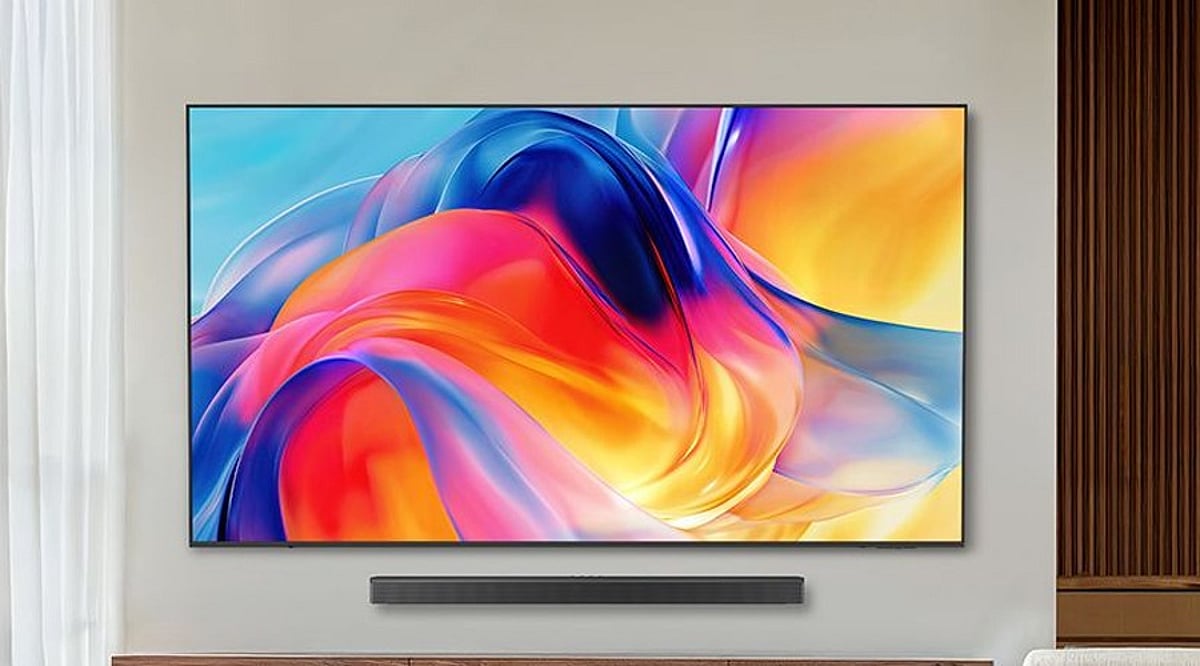
    The QN70H targets buyers seeking Neo QLED picture quality at a lower price point. It features Quantum Mini LED backlight technology, an NQ4 AI Processor, and 100% color volume with Quantum Dot technology. The US discount varies by size, with larger screens receiving the biggest cuts.

    QN80H: Premium Features with Larger Savings

    The QN80H steps up with Quantum Mini LED Full Array, the NQ4 AI Gen2 Processor, Motion Xcelerator 144Hz, and AI-driven picture and sound optimization. The 75-inch QN80H is now $1,699.99 (down from $1,999.99), and the series offers up to $800 off. The 144Hz support makes it ideal for sports and gaming.

    India Pricing and Promotions

    Samsung’s 2026 Vision AI TV range in India includes 72 models across multiple technologies. The Neo QLED series starts at ₹52,990. Retail listings from Croma show the 43-inch QN70H at ₹54,490, 50-inch at ₹60,990, 55-inch at ₹83,990, 65-inch at ₹1,21,990, 75-inch at ₹1,68,390, and 85-inch at ₹2,99,990. The 65-inch QN80H is ₹1,29,990 and the 75-inch QN80H is ₹2,01,990.

    65-Inch QN80H: A Strong Value Proposition

    At ₹1,29,990, the 65-inch QN80H costs only ₹8,000 more than the 65-inch QN70H, making it an attractive upgrade for enhanced backlighting, motion processing, and sound. Samsung India also offers a complimentary soundbar (worth ₹102,990) and Music Studio (worth ₹23,990) on select models, plus up to 20% cashback and flexible EMI options.

    Which Model Should You Choose?

    The QN70H is best for those wanting a large Neo QLED screen at a lower cost. The QN80H excels with extra picture processing, Full Array backlight, and 144Hz support. At 65 inches, the price gap is minimal, favoring the QN80H. At 75 inches, the QN70H offers a more affordable path to a very large screen. In India, the 65-inch QN70H (₹1,21,990) and 75-inch QN70H (₹1,68,390) are standout options, while the 65-inch QN80H (₹1,29,990) provides a notable step-up for a small extra cost.

    FAQs

    1. What is the starting price of Samsung’s 2026 Neo QLED TVs in India? The series starts at ₹52,990, with entry models like the 43-inch QN70H from ₹54,490 at Croma.
    2. Which model gets the bigger discount in the US? The QN80H, with savings up to $800, compared to $500 on the QN70H.
    3. What is the current price of the 65-inch QN70H in India? ₹1,21,990 at Croma.
    4. How much does the 65-inch QN80H cost in India? ₹1,29,990 at Croma.
    5. Does Samsung offer extra benefits with its 2026 TVs in India? Yes, including complimentary soundbars, Music Studio, up to 20% cashback, and EMI options.
  • Today’s Top Tech News: iPhone 18 Pro, iOS 27, A20 Pro Chip, and AI Safety Concerns

    Today’s Top Tech News: iPhone 18 Pro, iOS 27, A20 Pro Chip, and AI Safety Concerns

    Apple’s latest flagship, the iPhone 18 Pro, along with iOS 27 and the new A20 Pro chip, dominate today’s tech headlines. Samsung’s roast of Apple’s launch, growing AI safety concerns, and Apple’s upcoming foldable iPhone Duo also make waves.

    Published on 11 Sep 2026, this roundup covers the most important developments in consumer technology. The iPhone 18 Pro promises significant performance gains thanks to the A20 Pro processor, while iOS 27 introduces new features and security enhancements. Meanwhile, Samsung’s social media posts trolling the iPhone 18 launch have sparked online debates. On the AI front, safety discussions intensify as regulators and companies seek to balance innovation with responsible deployment. Apple’s foldable iPhone Duo, expected to compete with Samsung’s Galaxy Z Fold 8, remains a hot topic among enthusiasts.

  • Apple Executives Respond to Claims That iPhone Duo Copied Rival Foldables

    Apple Executives Respond to Claims That iPhone Duo Copied Rival Foldables

    Apple’s leadership has finally responded to accusations that its new foldable iPhone Duo copied designs from rival smartphone makers. New CEO John Ternus and marketing chief Greg Joswiak, widely known as Joz, addressed the topic this week during an interview with TechRadar’s Lance Ulanoff and Tom’s Guide’s Mark Spoonauer.

    The comments came just days after Apple unveiled the iPhone Duo, its first foldable phone, at a September event. Samsung, Huawei and Xiaomi had all launched wide, book-style foldables well before Apple, and social media was quick to accuse the company of copying the format, particularly its aspect ratio.

    What Apple’s Executives Actually Said

    Joswiak pushed back on the copying claims directly, explaining that leaks about Apple’s foldable project had circulated for years. He said people knew through leaks that Apple was working on a foldable, and some of them happened to guess the aspect ratio correctly.

    “People knew through leaks that we were working on a foldable,” said Joz. “Unfortunately, they got the aspect ratio, and a lot of coincidental instances of people finding that an interesting aspect ratio.”

    He was referring to Samsung, Huawei and Xiaomi, all of which had already announced wide foldables before Apple’s own launch. Joswiak added that the one detail Apple managed to keep under wraps was the folding nano-texture display built specifically for the Duo, something he said the team protected with extra layers of internal security and never discussed publicly ahead of time.

    Why the Foldable Debate Matters

    Social media reactions have ranged from genuine criticism to outright jokes since the Duo’s launch. Samsung itself joined in with a playful jab online, and even Duolingo got pulled into the meme cycle over the product’s name.

    Beyond the online chatter, the interview also gave a first real look at Ternus in his new role as CEO, following the recent leadership change from Tim Cook. Reports describe his tone as more animated and hands-on compared to Cook’s typically measured public style, reflecting his background as an engineer rather than a longtime executive.

    For a company stepping into its first foldable phone category, how Apple frames its originality could shape how the Duo is perceived heading into its first full sales cycle.

  • Samsung Galaxy S26 Ultra Refurbished Models Launch in India: Save Up to ₹15,000

    Samsung Galaxy S26 Ultra Refurbished Models Launch in India: Save Up to ₹15,000

    Samsung has introduced its Galaxy S26 and Galaxy S26 Ultra as refurbished models in India under the Certified Re-Newed (CRN) program. Buyers can save up to ₹15,000 compared to the price of a brand-new device while receiving genuine replacement parts, a certified battery, and a one-year company warranty.

    Samsung Galaxy S26 Ultra Refurbished Pricing in India

    The Galaxy S26 Ultra Certified Re-Newed model starts at ₹1,18,999 for the 256GB variant, which is ₹12,000 less than the new model’s price of ₹1,30,999. The 512GB renewed variant is priced at ₹1,35,999, compared to ₹1,50,999 for a new unit, delivering a saving of ₹15,000.

    The standard Galaxy S26 is also available under the program. Its 256GB renewed version costs ₹74,799, versus ₹79,999 for a new phone. The 512GB model is priced at ₹91,799, compared to ₹99,999 for a new unit, saving ₹8,200.

    What Samsung’s Certified Re-Newed Program Offers

    Samsung claims that each device undergoes rigorous inspection, cleaning, refurbishment, and testing to meet its quality, performance, and reliability standards. Worn or damaged components are replaced with genuine Samsung parts when necessary.

    Every renewed phone receives a Samsung-certified battery rather than a generic third-party replacement. Before shipment, Samsung factory-resets the devices and updates them to the latest available software.

    Buyers are given a one-year company warranty, matching the warranty provided with a new device. Both the Galaxy S26 and Galaxy S26 Ultra Re-Newed models are available for purchase directly through Samsung’s Certified Re-Newed program.

    Why Samsung Is Offering Refurbished Models

    With flagship prices climbing, many consumers are turning to older models, grey-market imports, and third-party refurbished devices. Samsung’s Certified Re-Newed program allows the company to capture this demand while maintaining control over the quality of refurbished units.

    The program also helps Samsung sell returned, exchanged, or lightly used devices—such as units from exchange offers, canceled orders, or those with minor cosmetic issues—without discounting new stock.

    For buyers considering Samsung’s current flagship, the Galaxy S26 Ultra 512GB Re-Newed model offers the largest savings at ₹15,000, while the standard Galaxy S26 starts at ₹74,799.