Tag: Samsung

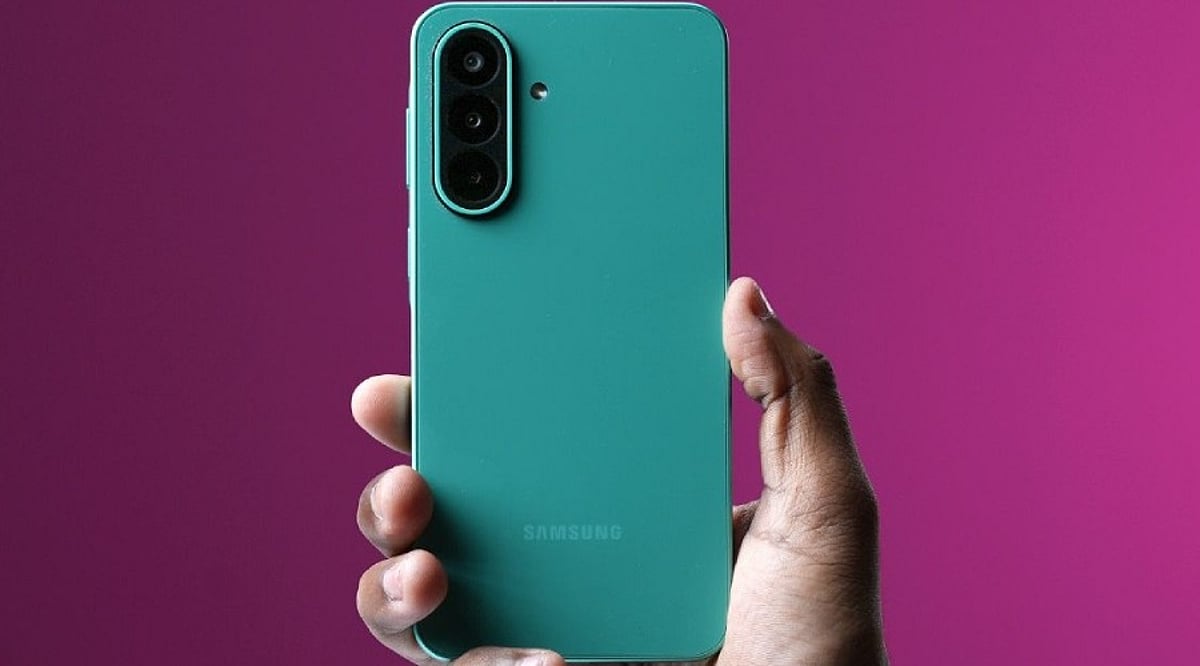
  • Samsung Galaxy F70 Pro 5G Launched in India: Price, Specs, and Key Features Revealed

    Samsung Galaxy F70 Pro 5G Launched in India: Price, Specs, and Key Features Revealed

    Samsung has officially introduced the Galaxy F70 Pro 5G in India, offering a compelling mid-range package with a large AMOLED display, a capable Snapdragon processor, a massive battery, and long-term software support. The phone goes on sale starting August 8, 2026, in Alpha Black and Aura Green color options.

    Pricing and Availability

    The Galaxy F70 Pro 5G is available in three configurations:

    • 6GB RAM + 128GB storage: ₹23,999
    • 8GB RAM + 128GB storage: ₹29,999
    • 8GB RAM + 256GB storage: ₹34,999

    Display: 6.7-Inch Super AMOLED with 120Hz

    Samsung equips the F70 Pro 5G with a 6.7-inch Super AMOLED display featuring Full HD+ resolution and a 120Hz refresh rate. The panel supports HDR content, delivering vibrant colors and deep contrast for an immersive viewing experience. Slim bezels and a punch-hole front camera maximize screen real estate.

    Performance: Snapdragon 6 Gen 3 and One UI 8

    Under the hood, the Qualcomm Snapdragon 6 Gen 3 chipset powers the device, paired with LPDDR5X RAM. The phone runs Android 16 with Samsung’s One UI 8, offering a smooth and feature-rich interface. Storage options include 128GB and 256GB internal memory, expandable via microSD.

    Camera: 50MP Triple Rear Setup with OIS

    The rear camera system comprises a 50MP primary sensor with Optical Image Stabilization (OIS), a 5MP ultra-wide lens, and a 2MP macro shooter. The front-facing camera is a 12MP HDR sensor capable of 4K video recording. OIS helps capture sharp photos even in low light.

    Battery and Charging: 6,000mAh with 45W Fast Charging

    A standout feature is the 6,000mAh battery, which supports 45W fast charging via USB Type-C. This combination ensures long hours of use and quick top-ups.

    Software Updates: Six Years of Support

    Samsung promises six major Android OS upgrades and six years of security updates, significantly extending the phone’s useful life and value.

    Additional Features

    • In-display fingerprint scanner
    • Stereo speakers
    • Samsung Knox security
    • 5G connectivity
    • Dual SIM support
    • IP64 dust and water splash resistance

    FAQs

    What is the starting price of the Samsung Galaxy F70 Pro 5G?

    The Galaxy F70 Pro 5G starts at ₹23,999 in India for the 6GB RAM + 128GB storage variant.

    Which processor powers the Galaxy F70 Pro 5G?

    It is powered by the Qualcomm Snapdragon 6 Gen 3 processor.

    How large is the battery?

    The phone packs a 6,000mAh battery with 45W fast charging support.

    How many software updates will the phone receive?

    Samsung promises six Android OS upgrades and six years of security patches.

    When does the Galaxy F70 Pro 5G go on sale?

    Official sales begin on August 8, 2026, across online and retail channels in India.

  • Samsung Galaxy S27 Ultra Leaks: Redesign, Snapdragon 8 Elite Gen 6 Pro, 5,700mAh Battery, and More

    Samsung Galaxy S27 Ultra Leaks: Redesign, Snapdragon 8 Elite Gen 6 Pro, 5,700mAh Battery, and More

    Samsung has already started early work on the Galaxy S27 Ultra, even though the official launch remains several months away. The company typically unveils its Galaxy S series in January or February, and current reports point to the same schedule for early 2027. Industry sources have shared several details about the upcoming flagship, giving a clear picture of Samsung’s plans. Most leaks suggest the Galaxy S27 Ultra could bring one of the biggest upgrades in recent Galaxy history, though Samsung has not confirmed any features at this stage.

    Fresh Design Could Change the Look

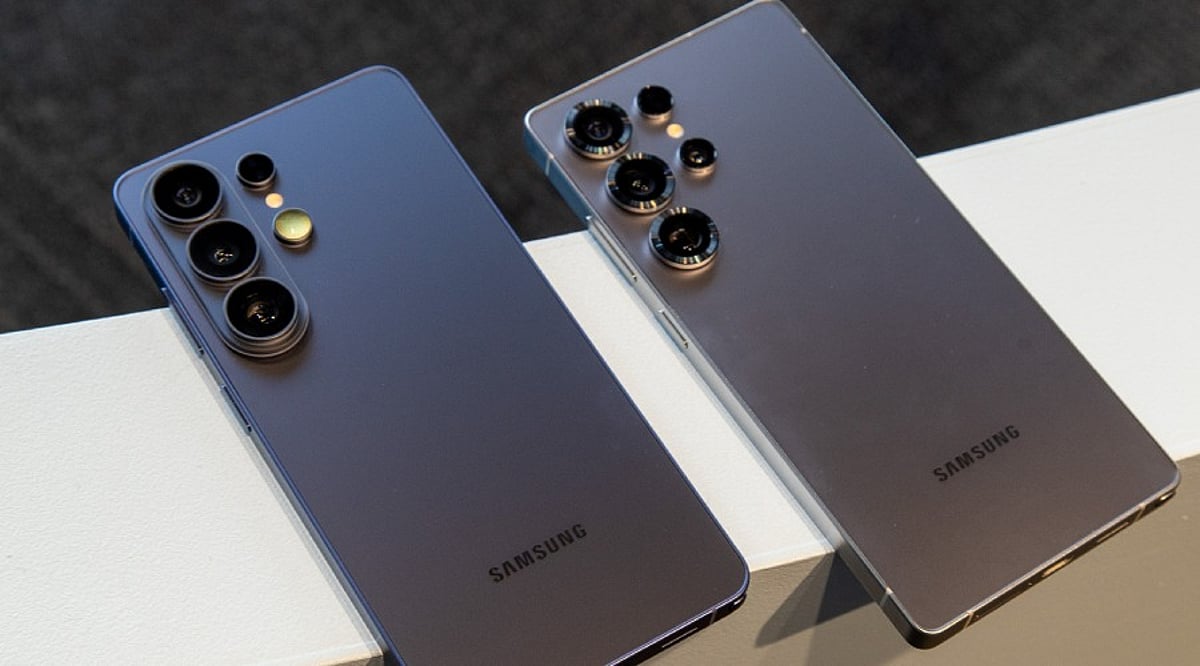
    Samsung may finally move away from the familiar Ultra design. Recent leaks suggest the company plans a new rear camera layout instead of the separate camera rings that appeared on recent Galaxy Ultra models. A single camera island could replace the current setup, giving the phone a cleaner appearance. Reports also mention a flat titanium frame, thinner display borders, an IP68 rating, and a built-in S Pen. These changes could help the Galaxy S27 Ultra stand apart from earlier models while maintaining the premium feel Galaxy Ultra phones already offer.

    Large Display Stays at the Center

    Samsung is likely to continue using its 6.9-inch AMOLED display with QHD+ resolution and a 120Hz adaptive refresh rate. Rumors suggest even better peak brightness compared to the Galaxy S26 Ultra. Another intriguing report mentions a brand new ‘Privacy Display’ feature. According to preliminary reports, this technology may make the screen less visible from the sides while remaining bright and clear for the person holding the phone. Samsung has not given any official information about this feature, so its actual nature remains vague.

    Powerful Chip Promises Better Performance

    Most reports agree that Samsung plans to use the Snapdragon 8 Elite Gen 6 Pro processor inside the Galaxy S27 Ultra. The new chip could arrive with a 2nm manufacturing process, delivering faster performance along with better power efficiency. Leaks also mention a stronger neural processor for Galaxy AI features, smoother gaming, and improved heat control during heavy workloads. These upgrades could help the Galaxy S27 Ultra deliver faster speed across everyday tasks as well as demanding applications.

    Memory Rumors Create Some Questions

    Early reports claimed Samsung would introduce LPDDR6 RAM and UFS 5.0 storage with the Galaxy S27 Ultra. New leaks now paint a different picture. Several industry insiders believe Samsung may continue with LPDDR5X memory and UFS 4.0 storage instead. Rising component costs appear to play a major role in this decision. Samsung has not confirmed either option, so the final hardware remains uncertain until the official announcement. Storage options could include 256GB, 512GB, and 1TB, while RAM may start at 12GB with a possible 16GB version for higher-end models.

    Camera System Could Receive Major Changes

    The camera system remains one of the most debated aspects of the Galaxy S27 Ultra. Latest rumors indicate a new 200MP main camera with a larger sensor, quicker autofocus, better HDR capabilities, and improved low-light photography. The rumors also suggest a 50MP ultra-wide camera and state-of-the-art telephoto cameras. However, recent news hints that Samsung may cut down the rear cameras from four to three by removing one of the telephoto cameras. Contradictory reports continue, so the final camera configuration remains unclear. The front camera might feature a 16MP sensor with optical image stabilization for better selfies and video calls.

    Bigger Battery May Improve Daily Use

    The Galaxy S27 Ultra may feature improved battery performance. According to recent leaks, Samsung could replace the current lithium-ion battery with a 5,700mAh silicon-carbon battery. This technology allows for higher energy density, potentially improving battery life without increasing the phone’s size. Past rumors indicated a battery capacity of about 5,500mAh, so the real number needs verification. Charging speed may increase to 65W wired, while maintaining 15W wireless charging and reverse wireless charging capabilities.

    Galaxy AI Could Become Smarter

    Samsung continues to place strong focus on artificial intelligence across its flagship devices. The Galaxy S27 Ultra may arrive with expanded Galaxy AI features that handle more tasks directly on the device. Leaks mention smarter photo editing tools, improved live language translation, stronger voice assistant functions, better video editing support, and enhanced writing features. The new Snapdragon processor could also help these AI tools deliver quicker responses while keeping personal data on the device whenever possible.

    Early Picture Looks Promising

    Recent leaks suggest the Galaxy S27 Ultra will represent significant changes. We could expect a completely redesigned look, a bigger silicon-carbon battery, a speedier Snapdragon processor, improved camera hardware, and better Galaxy AI capabilities. Together, these could make this phone one of Samsung’s greatest releases in years. However, some important aspects remain unknown or unclear, such as memory technology, storage standards, battery power, and camera assembly. The complete picture will become clear when Samsung officially unveils the device in early 2027.

  • Samsung Home Appliances Named Top Choice in US and France by Consumer Testers

    Samsung Home Appliances Named Top Choice in US and France by Consumer Testers

    Samsung has received international recognition for its home appliances in both the United States and France. Independent product testing organizations praised the brand for delivering reliable performance, innovative technology, energy efficiency, and user-friendly features. These achievements strengthen Samsung’s position as one of the world’s most trusted home appliance manufacturers.

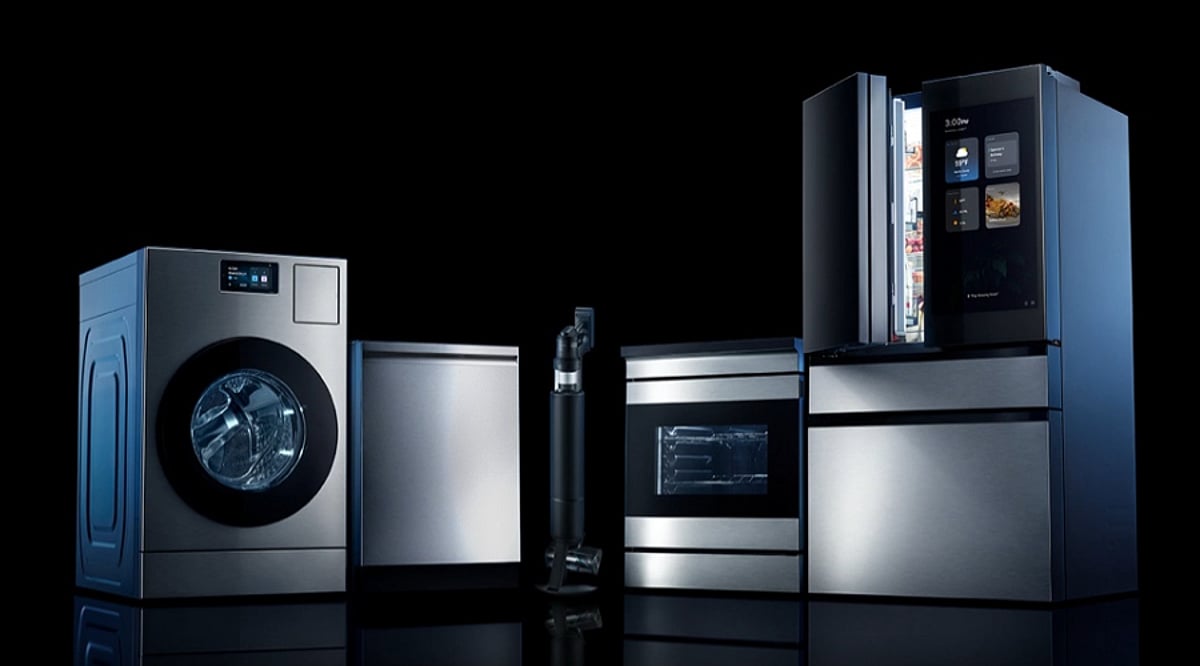
    Several Samsung home appliances received high ratings from respected US consumer testing organizations. Products including refrigerators, washing machines, and kitchen appliances impressed reviewers with strong performance, durability, smart connectivity, and ease of use. These ratings reflect Samsung’s continued focus on quality and customer satisfaction across multiple categories.

    Samsung also achieved excellent results in France, where consumer organizations recognized its appliances for outstanding efficiency, dependable operation, and thoughtful design. High scores across different product categories highlight the company’s ability to meet the expectations of European households while maintaining premium quality and long-term reliability.

    Samsung’s connected home ecosystem continues to be one of its biggest strengths. Features such as AI-powered controls, SmartThings integration, remote monitoring, and energy management help users simplify daily tasks. These smart capabilities improve convenience while supporting modern lifestyles that increasingly rely on connected home technology.

    Energy-efficient performance played a major role in Samsung’s recognition. Many of its appliances are designed to reduce electricity and water consumption without compromising performance. This focus helps consumers lower utility bills while supporting environmentally friendly living, making Samsung products attractive to sustainability-conscious households around the world.

    Samsung continues to introduce advanced technologies across refrigerators, washing machines, dryers, ovens, and other household appliances. AI-powered optimization, improved cooling systems, intelligent washing cycles, and enhanced user interfaces demonstrate the company’s commitment to continuous innovation and delivering practical solutions for everyday home needs.

    Recognition from respected testing organizations in both the US and France reinforces Samsung’s reputation for quality and reliability. Consistent performance across multiple appliance categories gives buyers greater confidence when choosing Samsung products. These achievements further strengthen the company’s leadership in the competitive global home appliance market.

  • Top 4 Smart TVs With the Longest Software Support in 2026

    Top 4 Smart TVs With the Longest Software Support in 2026

    Choosing a smart TV today means looking beyond screen quality and price. Software support is a key consideration, as regular updates bring security patches, new features, and better performance over time. Some manufacturers stand out with extended update commitments. Here are four smart TV brands that offer the longest software support, ensuring your investment stays current for years.

    Samsung Smart TVs

    Samsung provides several years of software updates for its premium smart TV models. The company regularly enhances Smart Hub, gaming capabilities, and security features. AI-powered improvements often arrive via firmware updates, keeping compatible TVs feeling modern long after the initial purchase. This commitment makes Samsung a reliable choice for long-term use.

    LG OLED TVs

    LG delivers extended webOS updates for its recent OLED and premium LED TVs. Users benefit from interface refinements, security patches, and compatibility improvements. Gaming features also receive ongoing enhancements through software releases. LG’s support strategy makes it a solid option for those seeking a durable smart TV experience.

    Google TV (Sony)

    Sony’s Google TV models gain from Google’s Android TV ecosystem, receiving consistent platform updates. These provide new apps, security upgrades, and enhanced smart functions. Integration with Google Assistant continues to improve over time, helping extend the TV’s lifespan significantly. Sony’s partnership with Google ensures long-term support for its users.

    TCL Google TV

    TCL’s Google TV lineup enjoys ongoing Android and Google TV software improvements. Frequent updates boost performance, streaming compatibility, and system stability. Google also expands smart home integration through software releases, positioning TCL as an affordable yet well-supported choice for long-term usage.

    Why Software Support Matters

    Software updates do more than refresh the user interface. They add critical security patches, support newer streaming apps, enhance overall performance, and introduce fresh features. TVs with longer support remain functional and enjoyable for many more years, potentially delaying expensive upgrades and offering better value over time.

    Final Verdict

    When purchasing a smart TV, prioritize software support alongside display quality and pricing. Samsung, LG, Sony, and TCL all provide robust, long-term update experiences on their recent models. Choosing a well-supported TV ensures you get the most from your investment and keeps your entertainment experience current for years to come.

  • AI-Driven Memory Chip Shortage Drives Up Prices for Laptops, Phones, and Consoles

    AI-Driven Memory Chip Shortage Drives Up Prices for Laptops, Phones, and Consoles

    Artificial intelligence spending is fueling a global memory chip shortage, pushing up prices for laptops, smartphones, gaming consoles, and other consumer electronics. Manufacturers are prioritizing high-bandwidth memory (HBM) for AI data centers, leaving fewer conventional DRAM chips for everyday devices.

    The supply squeeze, nicknamed “RAMaggedon,” has caused RAM prices to surge. In Hong Kong, computer shop manager Ken Tam reports that 16 GB of RAM now costs about HK$1,500, up from HK$300–HK$400 previously. Business has fallen by half since September as customers balk at the higher costs.

    Analysts note that memory prices for PCs and smartphones have climbed five to six times year-over-year. Samsung Electronics, SK hynix, and Micron have benefited from strong HBM demand, but the production shift has reduced supplies of standard DRAM used in consumer devices.

    The shortage is altering buying behavior. Some users are upgrading older computers instead of buying new ones. In Tokyo, graphic designer Charles Brousse says RAM, graphics cards, and motherboards have reached “ridiculous levels,” forcing his custom computer service to ask clients to supply their own parts.

    Higher component costs are also hitting game consoles. Reports indicate price increases for Sony PlayStation and Microsoft Xbox products. Software prices are rising as companies bundle AI tools—Microsoft 365 saw a sharp price hike in February following heavy AI investment.

    AI data centers add further inflationary pressure by consuming large amounts of electricity and water. The U.S. now hosts over 4,600 active data centers. Economists warn that data centers can raise wholesale electricity prices, contributing to a 4% rise in residential electricity costs (inflation-adjusted). Moody’s Analytics chief economist Mark Zandi estimates that AI-related inflation costs households “just over $375 more” per year.

    Automakers are also feeling the pinch, with higher costs for in-vehicle computer systems. Samsung’s finance chief expects the shortage to deepen in 2027 and persist through 2028.

  • Top Grill Microwave Ovens for Fast Reheating and Perfect Grilling in 2026

    Top Grill Microwave Ovens for Fast Reheating and Perfect Grilling in 2026

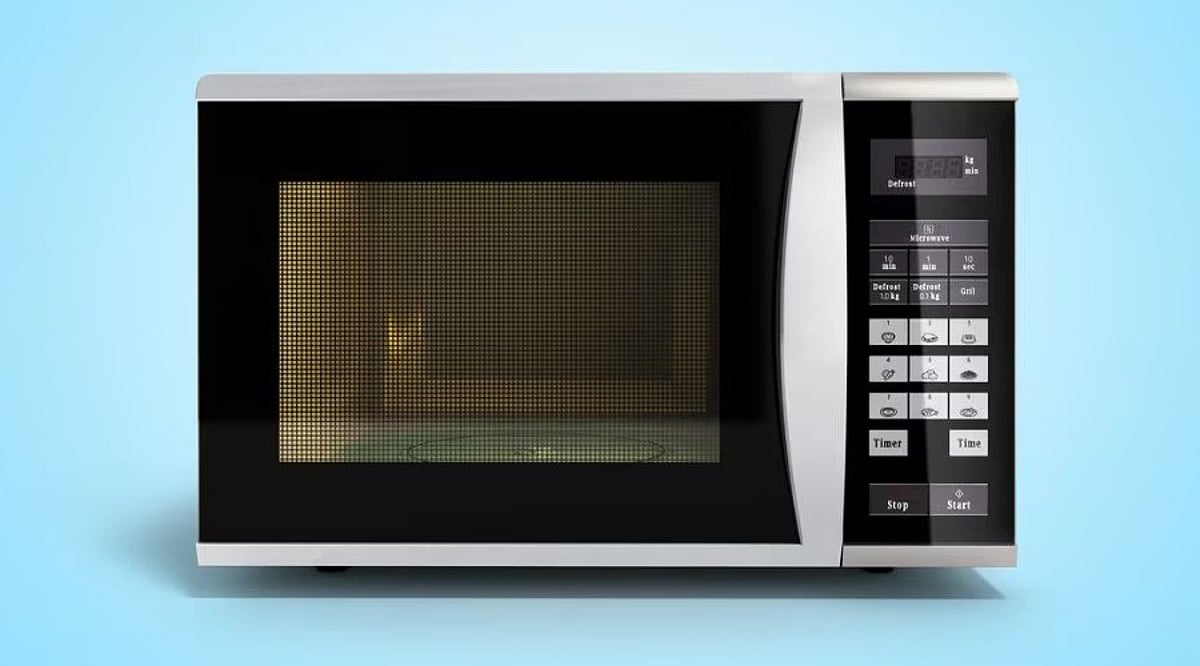
    A microwave oven with a grill function has become one of the most useful upgrades for an Indian kitchen. It reheats leftovers within seconds and also handles tandoori-style dishes at home, from paneer tikka to seekh kebab. Many buyers assume a basic solo microwave will meet every need, but this model cannot brown, crisp, or grill food. A grill microwave closes this gap. It combines microwave heating with a radiant grill element, giving households the speed of a microwave along with the finishing touch of an oven, all in one compact appliance.

    How to Choose the Right Grill Microwave for Your Kitchen

    Wattage and cavity size matter more than most first-time buyers realize. Ovens rated between 900W and 1200W heat food evenly, while lower wattage models often leave cold spots in the middle of a dish. Cavity size follows a simple rule too. A 20-litre model suits students or couples who mainly reheat small portions, but it struggles to fit a mid-sized biryani handi or a baking tray. Families of three or four generally find 25 to 28 litres to be the most practical size for everyday cooking. Larger households benefit from 30 litres or more, especially if they plan to roast a whole chicken or grill several skewers at once.

    LG 28L Convection MC2886BRUM

    LG remains one of the most consistent names in this category for the price. The 28-litre model pairs 900W microwave power with 2100W convection heat, and it comes at around Rs. 11,000. Its stainless steel cavity handles Indian cooking smells and oil splatter well over the years. A motorized rotisserie sets this model apart, since it grills tandoori chicken and kebabs with even browning on all sides. LG also runs one of the widest service networks in India, making long-term ownership less of a worry for buyers in smaller towns.

    Samsung 28L Convection MC28A5013AK

    Samsung brings a sleeker design to this segment along with genuinely useful cooking modes. This 28-litre oven, priced around Rs. 12,000, includes a dedicated tandoor mode and a curd-making setting that many Indian households will find handy. The touch panel looks premium, though it can feel less responsive with wet or oily hands during a busy cooking session. Samsung’s Slim Fry technology also deserves a mention here, since it crisps up items like pakoras using very little oil.

    IFB 30L Combination BRC2

    IFB does not get talked about as often as LG or Samsung, but this brand deserves more attention from serious home cooks. The 30-litre combination model, priced near Rs. 16,000, runs microwave and grill together instead of one after the other. This cuts down cooking time and improves browning on the outside of the food. It carries over a hundred Indian auto-cook presets, and a steam clean function keeps the cavity easier to maintain between uses. Buyers who cook elaborate meals often find this the most versatile option on the list.

    Panasonic 27L Inverter NN-CT645BP

    Panasonic brings a different strength to the table: precision. Its inverter technology delivers a steady stream of power instead of switching on and off repeatedly, unlike most other microwave ovens. This model, priced around Rs. 14,000, works particularly well for reheating delicate dishes such as fish curry, paneer, or gulab jamun without losing their original texture. The grill function performs reliably too, though the range of Indian-specific presets is narrower than what IFB offers.

    Haier 30L Convection HIL3001ARSB

    Haier has built a reasonable reputation as a budget-friendly choice in the Indian market. This 30-litre model costs around Rs. 12,000, and it includes an air fryer mode along with a rotisserie function built in. The grill performance holds up well for everyday tasks like grilling paneer or toasting sandwiches. Service support outside major cities remains the main drawback here, so buyers in smaller towns should check local availability before choosing this brand.

    Cookware and Safety Checks Before You Buy

    Grill mode comes with its own set of rules for cookware, and getting this wrong can damage either the food or the machine. Metal trays and racks work safely under grill mode, since the microwave function switches off during grilling. These same trays should never go inside during standard microwave reheating, though, since metal causes sparking in that mode. Borosilicate glass remains the safest all-purpose choice, as it withstands microwave, grill, and convection modes without cracking. A simple way to test unfamiliar cookware is to heat it empty for a short burst. If it feels warm afterward, it is absorbing energy, and buyers should avoid using that container going forward.

    Frequently Asked Questions

    What is the difference between a grill microwave and a solo microwave?

    A grill microwave can brown, crisp, and grill food using a heating element, while a solo microwave is mainly designed for reheating, defrosting, and basic cooking.

    Which grill microwave oven is best for Indian cooking?

    Models from LG, Samsung, and IFB are popular choices because they offer features like tandoor mode, rotisserie, Indian auto-cook menus, and convection cooking.

    What capacity grill microwave is suitable for a family of four?

    A 25-litre to 30-litre grill microwave is generally ideal for a family of four, offering enough space for everyday cooking, baking, and grilling.

    Can metal utensils be used in a grill microwave oven?

    Metal racks and trays can be used only in grill mode as recommended by the manufacturer. They should never be used during standard microwave mode, as they can cause sparking.

    What should I consider before buying a grill microwave oven?

    Look at the capacity, power output, cooking modes, auto-cook menus, ease of cleaning, service support, and whether the model includes useful features like convection, rotisserie, or air fryer functions.

  • Renewed AI Optimism Drives South Korean Chip Stocks to Record Gains

    Renewed AI Optimism Drives South Korean Chip Stocks to Record Gains

    South Korea’s stock market experienced a strong rebound on Friday, driven by a rally in semiconductor stocks after better-than-expected earnings from major US technology firms. Investor confidence in the long-term growth of artificial intelligence infrastructure was renewed, reversing recent declines.

    Semiconductor Stocks Lead the Rally

    The benchmark Kospi index surged over 18%, reaching its highest level in about a month. SK Hynix Inc. soared by a record 28%, buoyed by a rare direct share purchase by SK Group Chairman Chey Tae-won. Samsung Electronics Co. rose approximately 26%, while Samsung Electro-Mechanics gained nearly 30%. Hyundai Motor also posted strong growth of almost 8%.

    The rally helped recover losses from earlier in the week, which had been triggered by concerns over valuations and competition from Chinese memory-chip makers.

    Strong US Earnings Restore AI Confidence

    Microsoft reported strong growth in its Azure cloud business, and Amazon exceeded expectations in its cloud computing division, reiterating plans to continue investing in AI infrastructure. These results eased fears that enterprise investments in AI might slow down, prompting investors to rebalance toward semiconductor stocks, particularly those supplying high-performance memory chips and AI infrastructure.

    Domestic Support Boosts Sentiment

    SK Group Chairman Chey Tae-won purchased 3,620 shares of SK Hynix in the open market, his first direct investment in the company, worth approximately 4.8 billion won (about $3.2 million). The move was seen as a strong signal of confidence in the chipmaker’s long-term prospects.

    Additionally, the South Korean government announced plans to allocate nearly $13.9 billion to its sovereign wealth fund for strategic investments in AI, further supporting the sector’s outlook.

  • Samsung Galaxy S26 FE Leak Reveals 45W Charging and Exynos 2500 Chip

    Samsung Galaxy S26 FE Leak Reveals 45W Charging and Exynos 2500 Chip

    Samsung may be gearing up to launch the Galaxy S26 FE, as fresh certification listings have unveiled key specifications. The latest leaks, building on earlier BIS and Geekbench appearances, suggest the company is in the final stages before an official announcement. While Samsung has not confirmed anything, the reports indicate support for 45W wired fast charging, the Exynos 2500 processor, and a 6.7-inch AMOLED display.

    According to multiple sources, the Galaxy S26 FE could launch around August or September. The UL Demko certification reportedly lists support for 45W fast charging, and several model numbers have appeared, hinting at different regional variants, including for India. The phone is expected to run Android 17 with One UI 9, paired with 8GB of RAM and storage options of 128GB, 256GB, and 512GB.

    Display and Performance

    The device is rumored to feature a 6.7-inch Dynamic AMOLED display with FHD+ resolution, a 120Hz refresh rate, and HDR10+ support. It is also expected to include IP68 water and dust resistance, stereo speakers, Wi-Fi 7, and Bluetooth 5.4. A 4,900mAh battery with 45W wired charging (and likely 25W wireless charging) would provide a noticeable upgrade over the standard Galaxy S26.

    Camera and Pricing

    The camera setup is expected to include a 50MP main sensor with OIS, a 12MP ultra-wide lens, and an 8MP telephoto camera with 3x optical zoom. A 12MP front-facing camera is also anticipated. Reports suggest the price in India could start at around Rs. 66,000, though higher storage models may cost more. Samsung has not officially announced launch date, price, or specifications, so details may change.

  • Samsung Achieves Record Q2 Revenue Driven by AI Memory Chip Demand

    Samsung Achieves Record Q2 Revenue Driven by AI Memory Chip Demand

    Samsung Electronics Co. Ltd. reported a sharp increase in Q2 earnings, fueled by strong demand for AI memory chips, even as its share price remains volatile amid investor concerns about future spending and competition.

    The South Korean technology group’s revenue for the quarter ending June 30 reached 171.5 trillion won, its highest quarterly revenue on record. Net profit rose to 71.27 trillion won, surpassing Bloomberg estimates of 68.36 trillion won. Additionally, operating profit increased more than 19-fold to approximately 89.5 trillion won, broadly in line with the company’s previous forecast.

    AI Memory Business Continues to Lead Growth

    The semiconductor business remained the primary growth driver. It benefited from high memory chip prices and rising volumes of its advanced High Bandwidth Memory (HBM) products for AI servers and data centers. According to the company, demand from cloud providers and AI infrastructure projects continued to support strong pricing across the memory market. Samsung anticipates this trend to continue in the second half of 2026.

    Samsung predicted ‘robust demand centered on servers stemming from continued AI infrastructure capex and broader adoption of agentic AI.’ Even with production increases, Samsung stated that the global memory market would remain ‘undersupplied.’

    Consumer Business Remains Under Pressure

    While the semiconductor business earned a record profit, Samsung’s smartphone, television, and home appliance divisions were less profitable as consumer demand weakened and component prices jumped. The company will continue to focus on high-margin AI memory products and invest in expanding its semiconductor manufacturing. In 2026, projects on 2-nanometer technology chips are projected to more than double each year, executives said in a post-earnings conference call.

    Market Reaction and Outlook

    Samsung shares were highly volatile during Thursday’s trading session, despite the strong results. The stock initially surged up to 7% but lost most of its gains as overall market weakness hit South Korea’s stocks. Investor sentiment is growing skeptical about the ability of AI-led semiconductors to maintain their valuations. Competition from Chinese chipmakers and heavy capital spending have also dampened investor confidence. Samsung also revealed that it is not currently planning to list its shares on American Depository Receipts (ADR), following queries from investors after rival SK Hynix recently listed in the US.

  • Samsung Galaxy Z Fold 8 Early Review: Key Upgrades and First Impressions

    Samsung Galaxy Z Fold 8 Early Review: Key Upgrades and First Impressions

    Samsung’s Galaxy Z Fold 8 has arrived, and early impressions suggest it’s a refined and polished foldable that addresses many of its predecessor’s shortcomings. Here’s a detailed look at what the device offers.

    Refined Design Feels Better Than Ever

    Samsung has made the Galaxy Z Fold 8 thinner, lighter, and easier to hold than its predecessor. The redesigned body feels more premium while still offering the signature book-style fold. Everyday use is more comfortable, making the phone feel closer to a regular flagship without sacrificing its large foldable display.

    Bigger Display, Better Viewing Experience

    The Galaxy Z Fold 8 offers brighter inner and outer displays with improved visibility in sunlight. Colors look vibrant, scrolling feels smooth, and multitasking benefits from the spacious main screen. Watching videos, gaming, and reading documents feels more immersive thanks to the refined AMOLED panels and high refresh rate.

    Performance That Handles Everything

    Powered by Qualcomm’s latest Snapdragon flagship chipset, the Galaxy Z Fold 8 delivers fast app launches, effortless multitasking, and smooth gaming. Switching between multiple apps feels seamless, while Galaxy AI features run quickly on the device. Early impressions suggest performance remains one of the phone’s strongest highlights.

    Galaxy AI Takes Center Stage

    Samsung continues to expand Galaxy AI with smarter writing tools, translation features, image editing, and productivity enhancements. Many AI features work naturally within everyday apps, reducing extra steps. Combined with the foldable display, these tools make the Z Fold 8 a capable companion for work and entertainment alike.

    Camera Upgrades Show Clear Improvement

    Early camera samples reveal sharper photos, better low-light performance, and improved color consistency. Samsung appears to have refined image processing while enhancing hardware where needed. The versatile camera setup performs well across different shooting conditions, making the Fold 8 feel closer to the company’s premium Galaxy S series.

    Battery and Charging Stay Reliable

    Battery life appears dependable for a full day of mixed use despite the large foldable display. Software optimization helps stretch battery performance during multitasking and media playback. Charging speeds remain familiar, but efficient power management ensures users can comfortably get through demanding workdays without constant recharging.

    Early Verdict: A Worthy Foldable Upgrade

    The Galaxy Z Fold 8 may not reinvent Samsung’s foldable lineup, but it improves nearly every important area. Better ergonomics, stronger performance, smarter AI, and refined cameras create a more polished experience. For users considering a premium foldable phone, the Z Fold 8 already looks like a compelling choice.