Tag: Samsung

  • Key Tech Developments Today: Samsung-Mistral AI Partnership, EaseMyTrip Share Pledge, Singapore Hiring Trends, Coinbase Wallet Rebrand, and OpenAI’s Safety Pause

    Key Tech Developments Today: Samsung-Mistral AI Partnership, EaseMyTrip Share Pledge, Singapore Hiring Trends, Coinbase Wallet Rebrand, and OpenAI’s Safety Pause

    Samsung and Mistral AI Launch Semiconductor Infrastructure Alliance

    The partnership, announced at a state summit in Paris between South Korea and France, will see Samsung integrate Mistral’s AI tools—including its Mistral Large model—into its chip operations. This collaboration aims to create customized, on-premises AI systems for Samsung’s semiconductor infrastructure, giving the company fresh tools to reshape how it designs and manufactures chips.

    EaseMyTrip Promoter Pledges Shares Worth ₹212 Crore

    Nishant Pitti, promoter of online travel company Easy Trip Planners (EaseMyTrip), has pledged 34.51 crore shares valued at ₹211.92 crore with Motilal Oswal Financial Services for personal use. According to a stock exchange filing, the pledge was created on August 24 and represents 8.66% of EaseMyTrip’s total share capital. After the transaction, Pitti’s total encumbered shares stand at 44.87 crore, or 11.26% of the company.

    Top Hiring Industries in Singapore for Fresh Graduates

    Fresh graduates in Singapore continue to find opportunities in financial and insurance services, professional services, information and communications, and healthcare and social services. Despite employers becoming more selective and AI reshaping entry-level roles, these sectors remain active for new talent.

    Coinbase Wallet Returns as Base App Shifts to Trading Focus

    Coinbase has confirmed through its Google Play listing that the Base App has reverted to the Coinbase Wallet name, with the product now concentrating on multichain trading, transfers, and earning features. Ryan Kass, head of Coinbase Wallet product, stated that the wallet will serve as a “test kitchen” for products and assets that may not appear on Coinbase’s centralized exchange. Long-tail tokens will be available once minted on supported networks, and additional chains will be connected after launch.

    Sam Altman Signals AI Slowdown as OpenAI Weighs Safety Over Speed

    OpenAI CEO Sam Altman has indicated that the company could slow the development of advanced artificial intelligence systems as concerns over safety and control intensify. According to Bloomberg, Altman said the company is open to slowing AI development. The comments come amid growing questions from researchers and technology leaders about whether safety measures can keep pace with rapidly improving AI capabilities.

  • Leading Chipmakers Race to Dominate Advanced Semiconductor Manufacturing

    Leading Chipmakers Race to Dominate Advanced Semiconductor Manufacturing

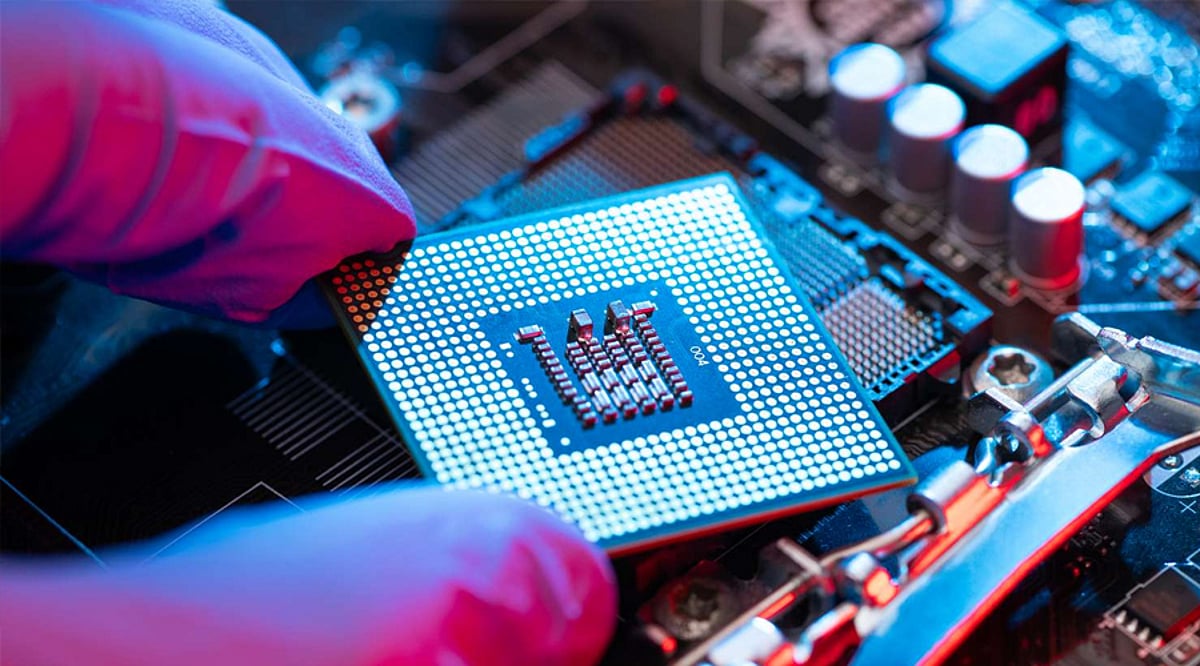
    The race for the world’s most advanced chips is led by TSMC, Samsung, and Intel. TSMC currently holds the strongest position in leading-edge manufacturing, while Samsung and Intel are investing heavily to close the gap and secure more advanced chip orders.

    TSMC remains the leader in advanced chip manufacturing. Its 2nm process entered high-volume production in the fourth quarter of 2025, while its A16 technology is planned for volume production in the second half of 2026.

    Samsung Foundry is challenging TSMC with 2nm technology and gate-all-around transistor designs. The company began planning 2nm mass production for mobile chips in 2025 and aims to expand the process to high-performance computing and automotive applications.

    Intel is taking a different route with its 18A process and RibbonFET technology. Intel 18A entered production in 2025, while High-NA EUV is already being used on selected 18A layers for high-volume products, giving Intel an important technology milestone.

    NVIDIA and AMD are major chip designers rather than foundries. NVIDIA leads the AI GPU market, while AMD competes across AI accelerators, CPUs, and GPUs. Both depend on advanced manufacturing partners to turn their chip designs into physical products.

    SK hynix and Micron are also key players in the AI chip race through high-bandwidth memory. HBM supplies the huge amounts of data needed by modern AI processors, making memory technology as important as advanced processors for AI infrastructure.

    ASML sits at the heart of the chip race by supplying the EUV lithography systems used to manufacture leading-edge chips. Its High-NA EUV technology offers higher-resolution patterning and is designed to support future 2nm-class and more advanced manufacturing.

  • Samsung Galaxy Tab S10+ Gets Rs. 17,000 Festive Discount in India – Wi-Fi Model Now at Rs. 88,999

    Samsung Galaxy Tab S10+ Gets Rs. 17,000 Festive Discount in India – Wi-Fi Model Now at Rs. 88,999

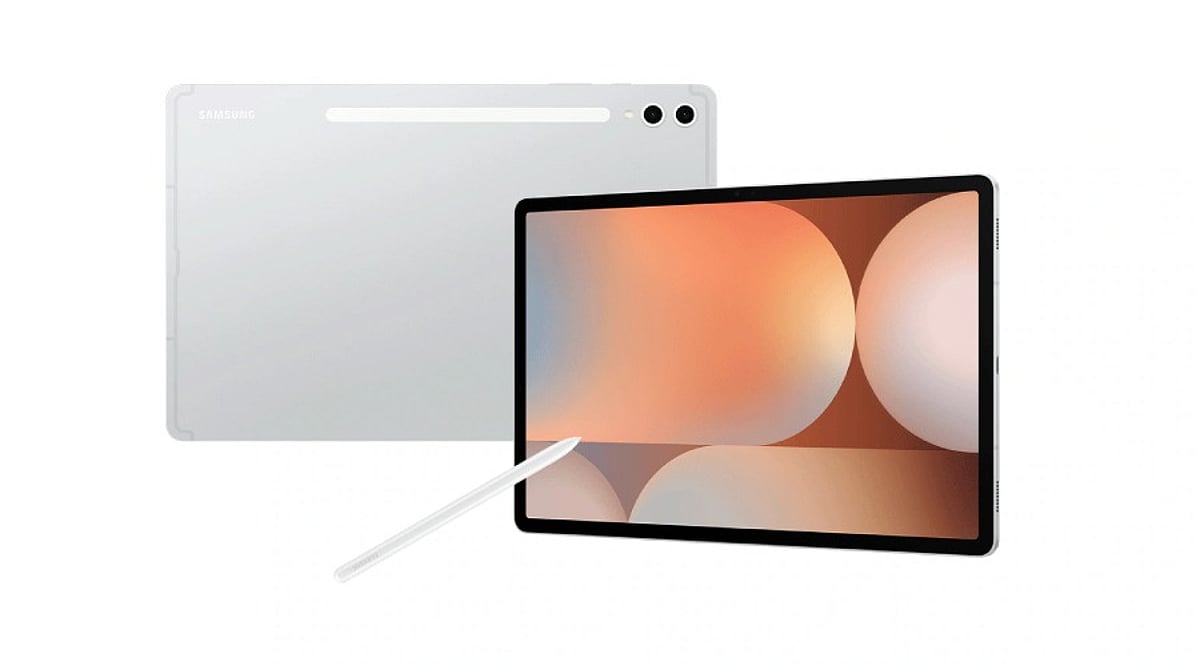
    Samsung has slashed the price of the Galaxy Tab S10+ in India as part of a festive promotion. The discount of Rs. 17,000 applies to both Wi-Fi and 5G variants, making the premium Android tablet more accessible to buyers.

    Discounted Pricing and Availability

    The Wi-Fi model with 12GB RAM and 256GB storage now costs Rs. 88,999, down from Rs. 1,05,999. The 5G variant is available at Rs. 1,03,999, reduced from Rs. 1,20,999. Samsung also offers no-cost EMI options: six-month bank EMI starting at Rs. 14,833 per month for the Wi-Fi model, and NBFC financing from Rs. 7,417 per month. Samsung Finance+ provides EMI starting at Rs. 6,877 with a 15% down payment.

    Display and Performance

    The Galaxy Tab S10+ features a 12.4-inch Dynamic AMOLED 2X display with 2800 x 1752 resolution and a 120Hz refresh rate. An anti-reflective coating enhances visibility in various lighting conditions. The tablet is powered by MediaTek’s Dimensity 9300+ processor paired with 12GB RAM and 256GB internal storage, expandable via microSD up to 1.5TB. It runs Android with Samsung’s Galaxy AI features for productivity and creativity.

    Cameras, Audio, and Battery

    The rear camera setup includes a 13MP primary and an 8MP ultra-wide lens. A 12MP ultra-wide front camera handles selfies and video calls. Four speakers deliver immersive audio. A 10,090mAh battery supports 45W fast charging, and the tablet carries an IP68 dust and water resistance rating. The S Pen is included in the box.

    Why This Deal Matters

    The discounted price makes the Galaxy Tab S10+ a strong contender in the premium tablet segment. Its large AMOLED display, powerful processor, and included S Pen appeal to students, professionals, and creatives. However, as a 2024 model, buyers should compare it with newer tablets to ensure the discount offers sufficient value.

    Is It Worth Buying?

    At Rs. 88,999, the Wi-Fi variant provides excellent value for those who prioritize display quality and performance. The 5G model costs Rs. 15,000 more, suitable for users needing mobile connectivity. The festive offer is available for a limited period, and prices may change without notice.

  • Samsung Mocks Apple’s Foldable iPhone Duo as a ‘Reheated’ Copy

    Samsung Mocks Apple’s Foldable iPhone Duo as a ‘Reheated’ Copy

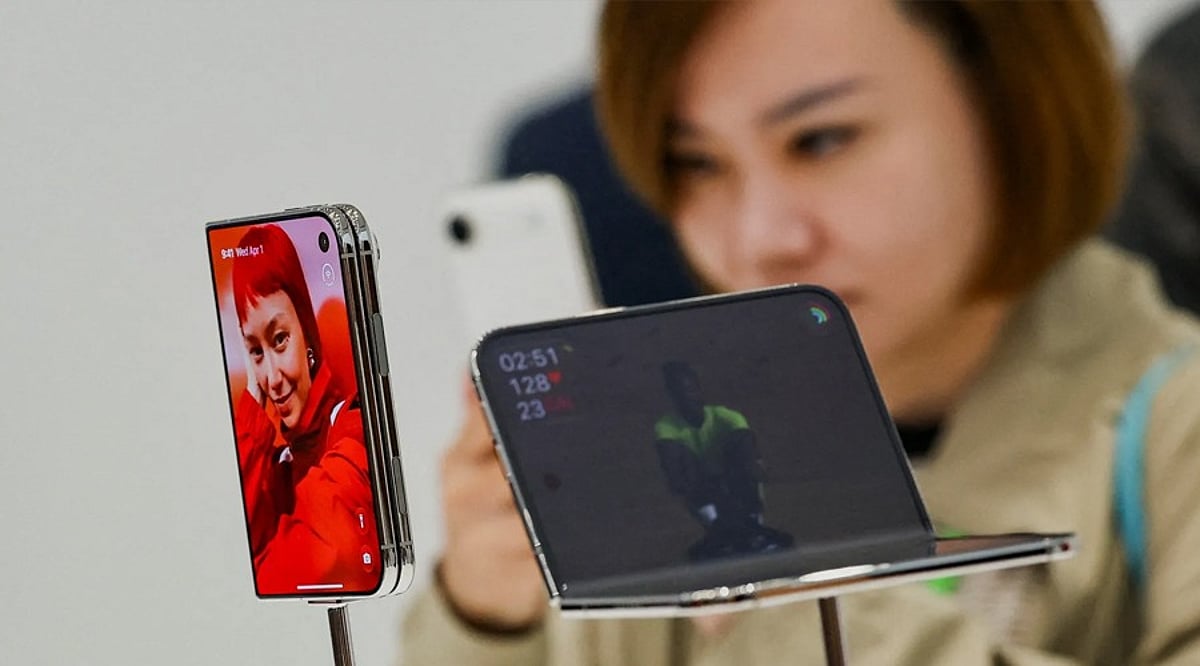
    Apple officially entered the foldable smartphone market with the launch of the iPhone Duo on September 9, and Samsung was quick to respond with a series of taunts. The South Korean tech giant, which has been releasing foldable devices since 2019, took to social media to mock Apple’s belated entry.

    Samsung Mobile US posted multiple comments on X during Apple’s event, calling the new iPhone ‘so far, so same’ and joking that Apple was late to the foldable race. The company even used the hashtag “#ItsTimeToSwitch” and quipped, “Let us know when you’re done reheating our leftovers,” suggesting the iPhone Duo is a copycat of Samsung’s Galaxy Fold series.

    Duolingo also joined the online banter, playing off the “Duo” name that is central to its language-learning app. The app traded playful replies with Samsung and Apple, while Samsung Canada shared a Galaxy Z Fold 8 video with a message about imitation.

    Samsung’s Foldable Advantage

    Samsung has been refining its foldable technology for years, giving the Galaxy Z Fold series a significant head start. Apple, however, enters the race with a massive user base and a powerful brand. The iPhone Duo could still reshape the market if Apple delivers a compelling user experience.

    To maintain its lead, Samsung must continue to innovate with stronger hardware—better cameras, longer battery life, and a thinner body—and optimized software. Apple’s foldable could make the technology more mainstream, especially if it integrates seamlessly with the existing iPhone ecosystem.

    Also Read: Apple iPhone 18 Launch: Foldable iPhone Duo, Pro, Watch Series 12

    Samsung still offers the experience, but Apple now commands the attention. The coming years will determine whether Samsung retains its lead or Apple turns foldables into a major segment of the iPhone business.

    Join our WhatsApp Channel to get the latest news, exclusives, and videos on Phones.

  • Samsung Mocks Apple’s iPhone 18 Launch with a Series of Social Media Jabs

    Samsung Mocks Apple’s iPhone 18 Launch with a Series of Social Media Jabs

    Samsung turned Apple’s latest iPhone launch into an opportunity for some pointed social media banter, taking several digs at the company during the unveiling of the iPhone 18 Pro, iPhone 18 Pro Max, and its first foldable iPhone, the iPhone Duo.

    The Samsung Mobile US account on X posted a series of reactions during Apple’s September 9 launch, targeting everything from the iPhone 18 Pro design and Apple’s entry into the foldable smartphone segment to the name of its new device.

    One post read, “So far, so same. #ItsTimeToSwitch”, taking a swipe at the similarities between the new iPhone 18 Pro models and their predecessors. Another post targeted the design, saying, “Not the bed side clock. It’s giving groundhog day.”

    The company also used Apple’s long-awaited entry into the foldable smartphone market as another opportunity to promote its own experience in the segment. “Making us wait? Fine. We’ll be over here, folding 3 ways,” Samsung posted, referring to its foldable smartphone lineup.

    Apple’s launch of the iPhone Duo drew another sharp response. Samsung posted, “Let us know when you’re done reheating our leftovers” and followed with another jab: “It’s feeling very familiar. Is this a Sims sequel…”

    The iPhone Duo marks Apple’s first entry into the foldable segment, featuring a 5.4-inch outer display and a 7.6-inch internal display, with a starting price of USD 1,999 in the US.

    The name ‘Duo’ gave Samsung another opening. The company tagged language-learning platform Duolingo and wrote, “I’m so sorry, @DuoLingo. They copied us too #Solidarity”.

    Samsung also took a swipe at Apple’s accessories, posting, “Accessories? It’s giving condiments and no food. #ItsTimeToSwitch”.

    Together, the posts formed Samsung’s running commentary on Apple’s launch, using humor and comparisons to highlight its lead in foldable smartphones and position its devices as an alternative to Apple’s latest offerings.

  • Top Home Appliance Brands That Dominate the Global Market

    Top Home Appliance Brands That Dominate the Global Market

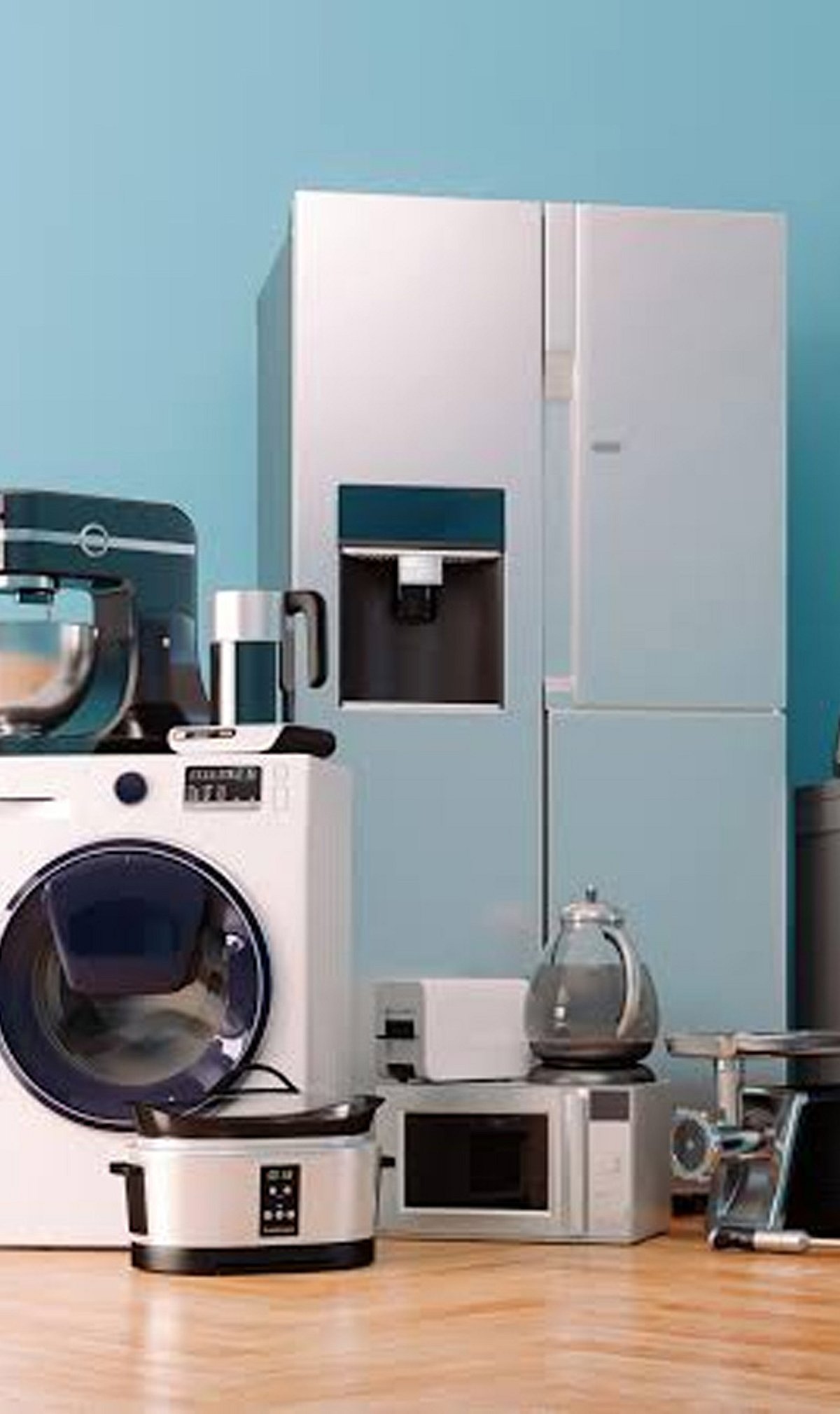
    Home appliances have become an integral part of modern living, and several brands have earned global recognition for their innovation, reliability, and design. Here are the most recognized home appliance brands worldwide:

    Samsung

    Samsung is one of the best-known names in home appliances, offering refrigerators, washing machines, ovens, air conditioners, and more. The brand combines modern designs with smart features across many products. Its connected appliances also work with smart home systems, making Samsung a familiar choice for homes in many countries.

    LG

    LG has built a strong reputation with televisions, refrigerators, washing machines, air conditioners, and kitchen appliances. Its home appliances are known for modern designs and useful features. LG also focuses heavily on connected devices, giving users ways to monitor and control compatible appliances through smartphones and smart home platforms.

    Whirlpool

    Whirlpool has been a major name in household appliances for decades. The company makes refrigerators, washing machines, dryers, dishwashers, ovens, and other products. Its focus on practical designs and everyday convenience has helped the brand maintain a strong presence in homes across several major markets around the world.

    Bosch

    Bosch is widely recognized for its kitchen and home appliances, especially washing machines, dishwashers, refrigerators, ovens, and cooktops. The brand is known for clean designs and a strong focus on performance. Bosch appliances are particularly popular among consumers looking for dependable products with useful features and modern styling.

    Haier

    Haier has grown into a major global appliance brand with products ranging from refrigerators and washing machines to air conditioners and kitchen appliances. Its large international presence has helped make the name familiar to consumers worldwide. The company also offers connected appliances designed for increasingly smart and modern homes.

    Panasonic

    Panasonic is a long-standing electronics and home appliance brand with products sold across many markets. Its range includes refrigerators, washing machines, microwave ovens, air conditioners, and other household products. The company has built recognition through its wide product range, practical features, and decades of experience in consumer electronics.

    Electrolux

    Electrolux is a recognized home appliance brand with a strong presence in Europe and other global markets. Its products include refrigerators, ovens, washing machines, dryers, dishwashers, and vacuum cleaners. The company focuses on combining useful household features with modern designs, giving consumers several options for everyday home needs.

  • Samsung One UI 9 (Android 19) Rollout Timeline: Galaxy S26, S25 Ultra, S24 Ultra

    Samsung One UI 9 (Android 19) Rollout Timeline: Galaxy S26, S25 Ultra, S24 Ultra

    Samsung’s One UI 9 update, built on Android 19, is approaching its stable release and is set to roll out to a growing number of Galaxy smartphones. The update introduces a refreshed interface, new AI tools, enhanced privacy controls, and battery-saving features.

    Galaxy S26 Series to Receive the Update First

    The stable version of One UI 9 will first arrive on the upcoming Galaxy S26 Ultra, Galaxy S26, and Galaxy S26 Plus. After several beta iterations, Samsung has reportedly spotted the stable firmware build on its internal servers, signaling an imminent launch—possibly as early as this week.

    Galaxy S25 and S24 Series Next in Line

    Following the Galaxy S26 models, the Galaxy S25 Ultra, Galaxy S25, and Galaxy S25 Plus are expected to get the stable update by late September or early October. The Galaxy S24 Ultra has already entered the beta program, with the first beta release going live in India, the UK, the US, and South Korea.

    Key Features in One UI 9

    One UI 9 brings a more customizable interface with a revamped Quick Panel that lets users control the placement and sizing of brightness, volume, and media controls. Samsung is also adding creative tools to Notes, along with accessibility and security improvements.

    Battery life enhancements come from changes to LTPO display behavior, allowing compatible panels to drop to 20 Hz, 26.67 Hz, or 40 Hz during static content display. Additional features include improved privacy warnings, network restrictions for individual apps, advanced AI capabilities, a built-in PDF reader, and expanded multitasking options.

    Samsung has not confirmed whether all planned features will be included at launch, so some details may change before the stable build is released.

    For now, Galaxy S26 Ultra users appear to be first in line for One UI 9, with Galaxy S25 Ultra and Galaxy S24 Ultra users following shortly after.

  • Samsung Foldable Evolution: From the Original Galaxy Fold to the Galaxy Z Fold 8

    Samsung Foldable Evolution: From the Original Galaxy Fold to the Galaxy Z Fold 8

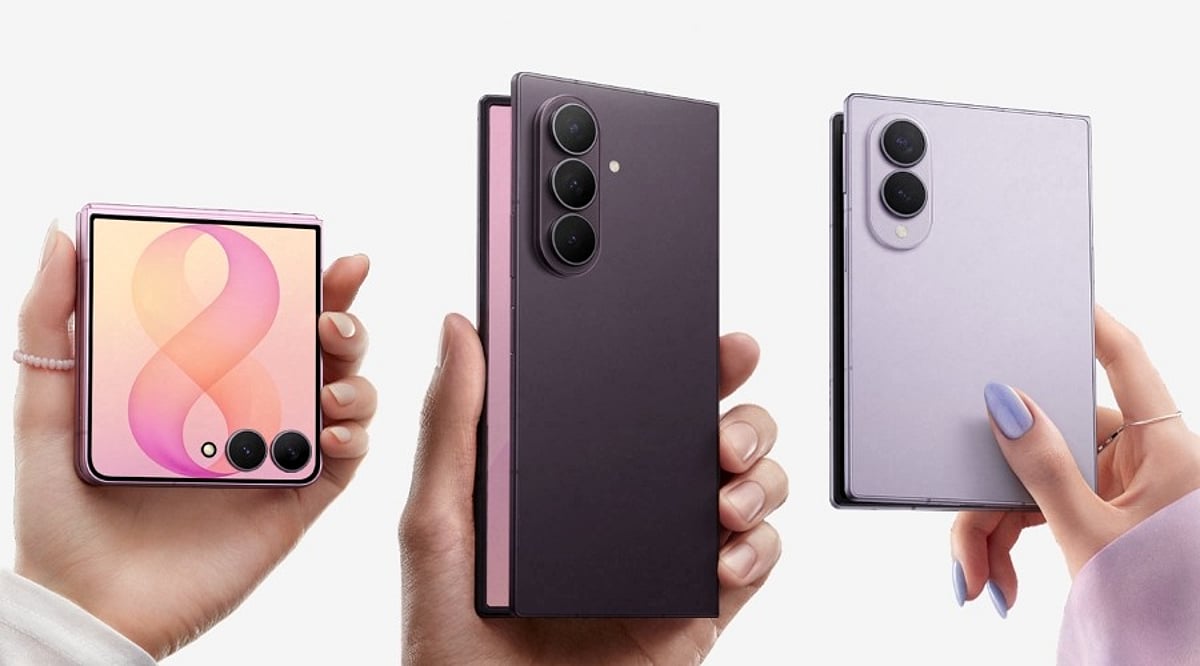
    Samsung changed the smartphone market with the launch of the first Galaxy Fold in 2019. That device introduced a phone that could open into a tablet-sized screen. The idea looked exciting, yet the first model faced several challenges. A fragile display, hinge gaps, and accidental screen damage forced the brand to delay the launch and redesign the product. Even after those early setbacks, the Galaxy Fold proved that foldable phones could become a real product category. That single launch marked the start of Samsung’s long journey toward better foldable technology.

    Galaxy Fold Started a New Chapter

    The original Galaxy Fold arrived with a 7.3-inch main display, a 4.6-inch cover screen, a Snapdragon 855 processor, six cameras, and a 4,235mAh battery. The device carried a premium price of nearly $1,980. Samsung improved the design before the final release and strengthened the display protection. The company also sealed the hinge area to stop dust from entering the phone. Those changes helped Samsung regain customer confidence and continue work on future foldable models.

    Every New Generation Brought Better Features

    Samsung emphasized gradual advancement rather than significant innovations on an annual basis. Galaxy Z Fold 2 emerged in 2020 featuring a bigger cover display and Ultra Thin Glass, plus a brand-new Hideaway Hinge. The following year brought the Galaxy Z Fold 3 with its water-resistive IPX8 rating, S Pen compatibility, an under-display front camera, and more resilient Armor Aluminum construction. These improvements made the Fold series more practical for everyday use. The Galaxy Z Fold 4 was launched in 2022 with a 50MP main camera, improved battery performance, and better multitasking. The company collaborated with Google to develop Android for huge foldable displays. Finally, the Galaxy Z Fold 5 hit the market in 2023 having undergone a Flex Hinge redesign that got rid of the visible gap when the phone was closed.

    Foldables Reached a Mature Stage

    Samsung shifted attention toward comfort and software after the hardware reached a stable level. The Galaxy Z Fold 6 arrived in 2024 with a wider cover display, stronger frame, Galaxy AI features, and better cooling. The Galaxy Z Fold 7 continued that progress in 2025 with a thinner body, lower weight, and larger displays. Many reviewers described that model as the closest Fold device to a traditional flagship smartphone. The brand refined almost every part of the design while keeping the familiar book-style foldable format.

    Galaxy Z Fold 8 Marks the Biggest Expansion Yet

    Instead of releasing one model, Samsung introduced two models for the Fold series in 2026. The Fold series includes the Fold 8 and Fold 8 Ultra now. The Fold 8 is designed for entertainment, reading, and daily use while the Fold 8 Ultra focuses more on professionals and content creators requiring a bigger display and high-end cameras.

    The Fold 8 features a 7.6-inch Dynamic AMOLED 2X display with a 120Hz refresh rate along with a larger 5.5-inch cover display. The weight of the phone is just 201 grams, making it the lightest addition to the Galaxy Fold series yet. The processor used is Snapdragon 8 Elite Gen 5 along with the newest Android 17 operating system, Galaxy AI tools, and software updates for seven years. Dual 50MP cameras on the back and a battery of 4800mAh complete the package. The price of the Fold 8 is going to be around $1,899 globally and ₹1,74,999 in India.

    Fold 8 Ultra Raises the Premium Standard

    Samsung introduced the first Ultra model in the Fold series during the 2026 Galaxy Unpacked event. The Galaxy Z Fold 8 Ultra carries an 8-inch main display, a 200MP primary camera, a 5,000mAh battery, and a remarkably slim 4.1mm profile when fully open. The company built this model for users who demand desktop-like productivity, advanced photography, and larger workspaces inside a foldable device. The Fold 8 Ultra starts at around $2,099 in international markets.

    Prices Show Confidence in Premium Foldables

    Samsung kept Fold devices inside the premium smartphone segment from the very beginning. The original Galaxy Fold launched at almost $1,980 in 2019. The Galaxy Z Fold 3 reduced the starting price to about $1,799, which made foldables more accessible. Recent models returned to higher prices with stronger hardware and larger displays. The Galaxy Z Fold 8 starts at roughly $1,899, while the Fold 8 Ultra reaches around $2,099. The company also introduced a 30-month no-cost EMI plan in India, with monthly payments from ₹6,000 for the Fold 8 and ₹6,667 for the Fold 8 Ultra.

    Samsung Continues to Lead the Foldable Market

    Samsung transformed foldable phones from an experimental idea into a mature flagship category within seven years. Every generation solved a major challenge, whether that involved durability, display quality, software, battery life, or comfort. The latest Fold lineup shows how far the technology has progressed. Wider displays, lighter bodies, stronger hinges, advanced AI tools, and long software support now define Samsung’s foldable strategy. The Galaxy Z Fold 8 series stands as the strongest example of that steady evolution and confirms Samsung’s leadership in the premium foldable smartphone market.


  • Top Home Appliance Releases in August 2026: Smart AI Washing Machines, Refrigerators, and More

    Top Home Appliance Releases in August 2026: Smart AI Washing Machines, Refrigerators, and More

    August 2026 is set to be a landmark month for home appliances, with major brands unveiling a wave of smart, AI-powered products designed to enhance convenience, efficiency, and connectivity. From self-optimizing washing machines to intelligent air purifiers, here’s a roundup of the most exciting releases.

    Samsung AI Washing Machines

    Samsung introduces next-generation washing machines featuring AI-powered fabric care that automatically adjusts cycles based on load type, along with energy optimization to reduce utility costs.

    LG Smart Refrigerators

    LG expands its refrigerator lineup with enhanced cooling technology and connected smart features, allowing users to monitor and control temperatures remotely via smartphone.

    Dyson Air Purifiers

    Dyson launches advanced air purifiers that deliver cleaner indoor air through intelligent filtration systems, capable of detecting and removing pollutants in real time.

    Xiaomi Robot Vacuums

    Xiaomi’s latest robot vacuum cleaners boast stronger suction power and smarter navigation, making automated home cleaning more thorough and efficient.

    Panasonic Air Conditioners

    Panasonic introduces energy-efficient air conditioners with AI climate optimization, learning user preferences to maintain ideal temperatures while saving energy.

    Philips Kitchen Appliances

    Philips expands its smart kitchen portfolio with upgraded air fryers and cooking solutions that offer precise temperature control and recipe integration.

    Haier Washing Machines

    Haier focuses on faster washing cycles and improved energy efficiency, delivering high-performance laundry solutions for modern households.

    Smart Home Integration

    Many of these new appliances support voice assistants and connected smart home ecosystems, enabling seamless control through platforms like Amazon Alexa and Google Assistant.

    Stay tuned for more updates on the latest home technology innovations.

  • Samsung Galaxy AI Roadmap: The End of App-Swapping and the Rise of Intelligent Agents

    Samsung Galaxy AI Roadmap: The End of App-Swapping and the Rise of Intelligent Agents

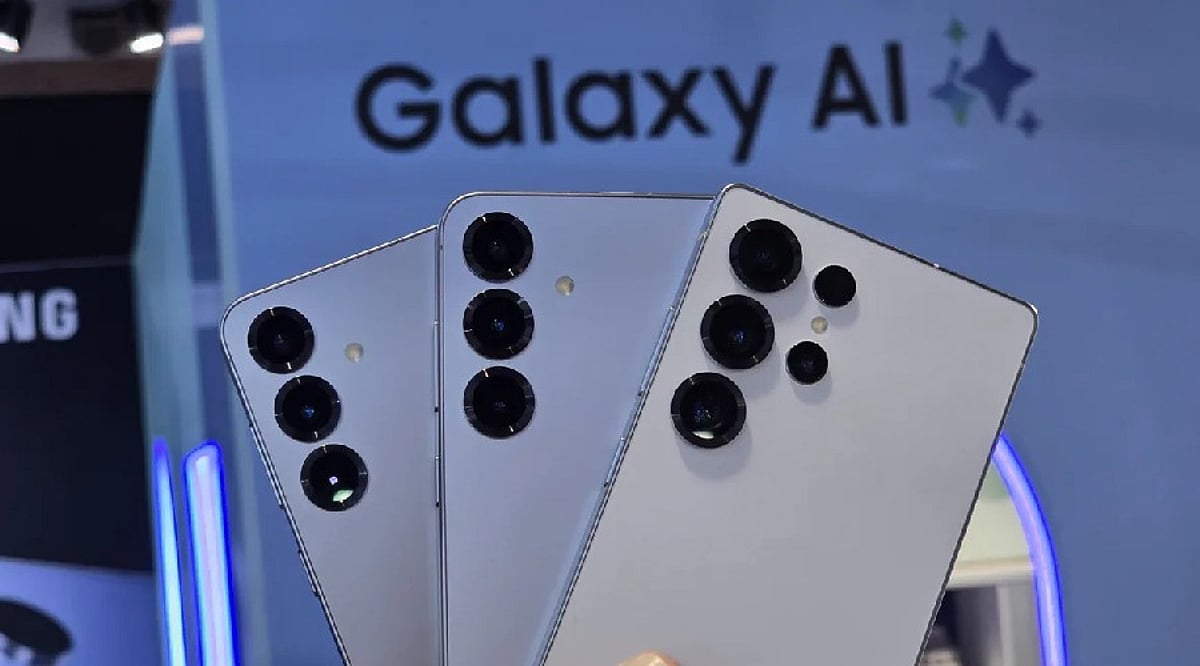
    Samsung is preparing a major shift for its Galaxy AI platform. The company envisions a future where smartphones no longer require users to open one app after another. Instead, AI agents will autonomously handle tasks across multiple applications, making everyday interactions faster and more seamless.

    In a recent interview, Jay Kim, Corporate EVP and Head of the Customer Experience Office at Samsung’s MX Division, explained that the company is moving toward an era of redesigned user experiences. “Interactions aren’t always typed in a box,” Kim said, emphasizing that Galaxy AI will deliver contextual, cloud-reliant agentic experiences.

    Kim acknowledged that traditional apps are unlikely to disappear entirely. “Will apps go away? Probably not. It will be there. It’s so optimized for mobile devices and the industry. Many players are building their business around it, so there will be a balance between how app usage changes based on the evolution of AI. But definitely, as you have mentioned, the industry is moving into a more agentic area,” he stated.

    Samsung’s approach involves moving beyond the initial “stitching everything to the AI” model, which Kim admitted was not scalable. The company is now adopting the Mobile Context Protocol (MCP), an industry standard that enables different players to collaborate and support the ecosystem.

    Smarter AI Without Sacrificing Privacy

    To make AI more useful, Samsung must balance deep personalization with data protection. The company plans to increase on-device processing, ensuring sensitive information remains on the user’s phone whenever possible.

    Kim also highlighted the challenges of scaling Galaxy AI in linguistically diverse markets like India. “India is a very complex market because you have many different languages. We’ll do our best to make sure that we work with local teams because all R&D centres get a lot of feedback. So, we’ll make sure that we put a lot of effort into addressing the local needs,” he said.

    Samsung’s latest AI roadmap signals a gradual departure from the traditional app-based smartphone experience. In the near future, users may spend less time tapping between apps and more time conversing with AI. If Samsung’s vision becomes reality, Galaxy AI will simplify daily tasks and fundamentally change how people interact with their phones.