Tag: smart home

  • Xiaomi Mijia Smart Clothes Dryer 3 Max: A Complete Look at Its Top Smart Features

    Xiaomi Mijia Smart Clothes Dryer 3 Max: A Complete Look at Its Top Smart Features

    Xiaomi’s Mijia Smart Clothes Dryer 3 Max transforms a routine household task into a high-tech experience. This ceiling-mounted system combines drying, lighting, and smart controls in one slim unit. It launched for crowdfunding in China at 2,399 yuan, while international availability remains unconfirmed.

    42-Inch Smart Light Panel

    The dryer doubles as a large ceiling light with a 42-inch integrated panel. Its colour temperature can be adjusted from 2,700K to 5,700K to suit different environments. Xiaomi also lists Ra95 colour rendering and RG0 certification, while presence sensing can automatically adjust the lighting.

    1,250W Hot-Air Drying

    Fast drying is one of the headline features of the Mijia 3 Max. Its 770mm air outlet delivers 1,250W of hot air, alongside a 10W natural airflow system. The design speeds up drying while keeping clothes arranged neatly overhead.

    Plasma-Based Sterilisation

    The system goes beyond simply blowing warm air onto clothes. It combines a drying net rated for 99% antibacterial effectiveness with plasma-release technology. Xiaomi positions this as a dual-effect sterilisation setup, adding a hygiene-focused layer to the dryer’s everyday laundry functions.

    Massive 45kg Load Capacity

    Heavy laundry is not a problem for this ceiling-mounted system. Xiaomi says the dryer can handle up to 45kg, while its 2.4-metre telescopic pole creates five hanging zones. It can accommodate around 80 pieces of clothing or two quilts simultaneously.

    Smart App Controls

    Users do not have to operate every function manually. The dryer can be controlled through a smartphone app, including its lifting height and timing. Scheduling also allows the rack to move down during the day and return upward automatically, making the system easier to manage.

    Slim Ceiling-Friendly Design

    Despite packing several functions into one appliance, the main body is only about 9cm thick. Its ceiling-mounted design keeps the drying system above the living space instead of occupying valuable floor area. That makes it particularly interesting for compact homes where every square metre matters.

    With its blend of drying power, integrated lighting, and smart automation, the Xiaomi Mijia Smart Clothes Dryer 3 Max represents a futuristic approach to home laundry.

  • Apple’s New Home AI Features: Pricing Tiers Up to $60/Month for iCloud+ Users

    Apple’s New Home AI Features: Pricing Tiers Up to $60/Month for iCloud+ Users

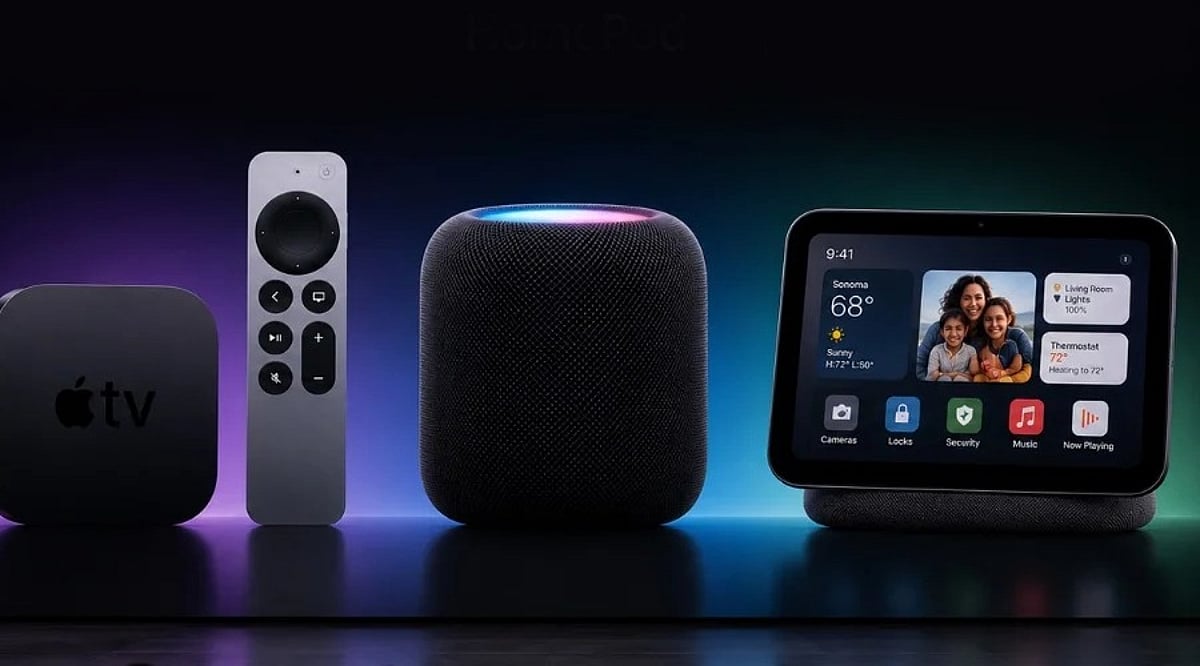
    Apple’s latest software updates—iOS 27 and tvOS 27—bring artificial intelligence capabilities to the Home app, introducing AI-generated video summaries, video search, and the ability to combine footage from multiple cameras. However, accessing these features requires an iCloud+ subscription, with costs ranging from $9.99 to $59.99 per month depending on the number of cameras.

    Apple Home AI Pricing Breakdown

    For a single camera, users need the 2TB iCloud+ plan at $9.99/month or an Apple One Premier subscription at $39.95/month. Adding a second camera jumps to the 6TB plan at $29.99/month, while up to five cameras require the 12TB plan at $59.99/month. Apple has not confirmed support for more than five cameras.

    Importantly, camera recordings from HomeKit Secure Video devices do not count toward the iCloud storage quota.

    Existing HomeKit Secure Video Unchanged

    The new pricing does not alter the standard HomeKit Secure Video service, which starts at $1/month for the 50GB plan (one camera with smart alerts and facial recognition). Previously, the 2TB plan supported up to five cameras without AI features; now the same tier enables AI for just one camera.

    Competitive Landscape

    Apple’s pricing faces stiff competition. Amazon’s Ring and Google Nest charge around $20/month for similar AI-powered camera features, often with more functionality. Apple’s iCloud+ plans also bundle storage for photos, files, and device backups, plus higher limits for Siri AI and other Apple Intelligence features—though specifics remain undisclosed.

    The updates also improve speed, reliability, and add 4K video resolution support for HomeKit Secure Video. AI features remain optional for existing users.

  • FEIT Smart Plug Buying Guide: Key Features, Compatibility, and US Pricing

    FEIT Smart Plug Buying Guide: Key Features, Compatibility, and US Pricing

    FEIT smart plugs provide a simple way to bring connected controls to regular household appliances. With smartphone control, scheduling, and voice commands, these plugs are available in indoor and outdoor models to suit different needs. This guide covers the essential features, compatibility options, and pricing considerations for US buyers.

    What is a FEIT Smart Plug?

    FEIT smart plugs connect to a home’s 2.4GHz Wi-Fi network, enabling users to remotely switch compatible appliances and lights on or off. The indoor Smart Wi-Fi Wall Plug supports schedules, timers, and device grouping through the FEIT Electric app. Setup does not require a separate hub or bridge—simply download the app, connect the plug to your Wi-Fi, and start controlling devices from your smartphone.

    Features to Check Before Buying

    FEIT’s smart plugs offer core features expected from modern smart home accessories. Users can remotely control devices via the app, set schedules and timers, group multiple devices for simultaneous control, and use voice commands with Amazon Alexa or Google Home. The absence of a dedicated hub simplifies installation, and the app supports routines and automations across compatible smart devices. Some models, like the Smart Wi-Fi Plug with Night Light, add extra functionality and come with a one-year warranty.

    Indoor and Outdoor Smart Plugs

    The standard Indoor Smart Wi-Fi Wall Plug is rated for 120V household use with lamps and appliances, backed by a one-year warranty. For outdoor needs, FEIT offers dedicated outdoor smart plugs suitable for holiday lighting and other outdoor-connected devices. However, buyers should verify each model’s weather resistance and electrical ratings before installation—don’t assume outdoor suitability based on the product line alone.

    Smart Home Compatibility

    FEIT smart plugs work with Amazon Alexa, Google Home, and Apple HomeKit, with Siri Shortcuts also supported. However, compatibility varies by product. Select models support Matter, SmartThings, and IFTTT, but this is not universal across the range. Buyers must check the exact model’s specifications before purchasing, especially if building a smart home around a specific platform.

    FEIT Smart Plug Prices

    Pricing varies by model and retailer. The range includes standard indoor plugs, night-light variants, outdoor models, and multi-outlet products. FEIT directs shoppers to retailers for specific prices. Since retail prices can change, always check the current listing before buying.

    Are FEIT Smart Plugs Worth Buying?

    FEIT smart plugs deliver essential smart home features—smartphone control, scheduling, timers, and voice commands—without requiring a separate hub. For users already using other FEIT products, managing everything through the same app simplifies the setup. The key decision hinges on intended use: indoor users can choose the standard 120V plug, while outdoor applications demand a model with appropriate weather ratings. Compatibility is critical, especially for Apple HomeKit, Matter, SmartThings, or IFTTT users, so always confirm individual product specifications. For US shoppers, FEIT’s combination of 2.4GHz Wi-Fi, app controls, automation, and voice assistant support makes these plugs a strong choice for straightforward home automation.

    Frequently Asked Questions

    What Wi-Fi network do FEIT smart plugs require?
    FEIT smart plugs connect to 2.4GHz Wi-Fi networks, allowing control through the FEIT Electric app.
    Do FEIT smart plugs require a separate hub?
    No, they connect directly to 2.4GHz Wi-Fi, so no hub or bridge is needed.
    Which smart-home platforms support FEIT smart plugs?
    Compatible models support Amazon Alexa, Google Home, and Apple HomeKit; select products support Matter, SmartThings, and IFTTT.
    Can FEIT smart plugs work outdoors?
    Yes, FEIT offers outdoor models, but verify each model’s weather resistance and electrical ratings.
    What should buyers check before purchasing?
    Check model-specific compatibility, electrical ratings, indoor/outdoor suitability, retailer pricing, and supported smart-home platforms.
  • Master Alexa Music Commands: 15+ Essential Tricks for Playback, Discovery, and Control

    Master Alexa Music Commands: 15+ Essential Tricks for Playback, Discovery, and Control

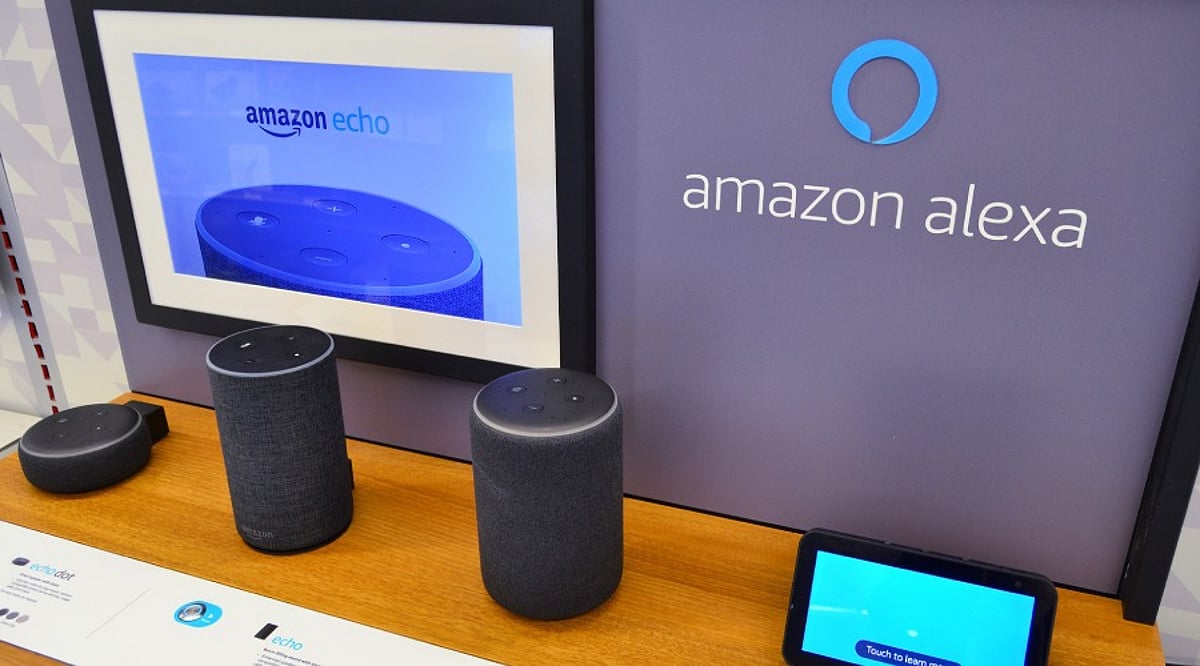
    Amazon Alexa can do much more than play a song when you ask for it. Depending on your device, music service, and available features, Alexa supports commands for genres, artists, albums, playlists, shuffle, repeat, music alarms, and much more. With Alexa+, you also gain conversational music recommendations and AI-generated playlists. Whether you’re a casual listener or a power user, these commands make music control effortless.

    Play Music by Genre, Artist, or Playlist

    You don’t need an exact song title to start listening. Alexa can handle requests by track, album, artist, genre, playlist, or station. Try these commands:

    • “Alexa, play pop music.”
    • “Alexa, play songs by [artist].”
    • “Alexa, play [album name].”
    • “Alexa, play my .”
    • “Alexa, play the latest songs.”

    You can also direct playback to a specific room or device: “Alexa, play songs by Lady Gaga in the kitchen.”

    Shuffle, Repeat, and Loop Songs

    Take full control of your queue with these playback commands:

    • “Alexa, shuffle.” – Randomizes the queue order.
    • “Alexa, repeat.” – Repeats the current song.
    • “Alexa, loop.” – Repeats the entire queue.
    • “Alexa, next.”
    • “Alexa, previous.”
    • “Alexa, pause.”
    • “Alexa, resume.”
    • “Alexa, stop.”

    Availability of these controls depends on the music service you’re using.

    Create and Manage Playlists with Alexa+

    Alexa+ introduces conversational playlist creation. Ask for an AI-generated playlist based on a favorite song:

    “Alexa, I love [song] by [artist]. Create a playlist with similar songs.”

    You can also describe a mood or setting:

    “Alexa, create a playlist with music from Parisian cafes.”

    Additional commands allow you to create an empty playlist, save the current queue, or save recent listening history as a new playlist. Each AI playlist can contain up to 50 songs.

    Add Songs to Existing Playlists

    Easily add songs without opening the app:

    • “Alexa, add what’s playing to my .”
    • “Alexa, add [song] by [artist] to my .”

    Alexa may suggest a playlist name and ask for confirmation before saving. Note that only songs can be added to Amazon Music playlists—no stations, audiobooks, or podcasts.

    Find Music Through Natural Requests

    With Alexa+, you can make detailed requests using natural language:

    • “Alexa, play some nineties dance songs produced in [country/city].”
    • “Alexa, play deep cuts from [artist] from the 2000s.”

    You can also continue a conversation—ask about a song, get an answer, then tell Alexa to play it. Alexa+ can recommend artists and let you choose.

    Set a Music Alarm

    Wake up to your favorite tunes:

    “Alexa, set an alarm for weekdays at 7 AM with music by Pearl Jam.”

    Choose recurring patterns like Mondays, weekdays, or weekends.

    Control Music Across Devices

    When you have multiple Alexa devices, specify where you want playback:

    “Alexa, play [song] in the living room.”

    Direct music to a specific area without starting on the device that hears your command.

    Key Commands at a Glance

    Alexa’s music controls go far beyond play and pause. You can search by artist or genre, control queues, create and manage playlists, request recommendations, direct playback to another device, and even wake up to music. Alexa+ expands these options with conversational recommendations and AI-generated playlists. Feature availability varies by device, music service, and region, so some commands may not work in every setup.

    Frequently Asked Questions

    • What music commands can Alexa understand? Alexa understands commands to play songs, artists, genres, playlists, and albums; control playback; set alarms; and direct music between devices.
    • Can Alexa create music playlists? Alexa+ can create AI-generated playlists based on favorite songs, similar tracks, moods, settings, and specific preferences.
    • How many songs can an Alexa+ playlist contain? Up to 50 songs from similar artists based on a user’s favorite track.
    • Can Alexa add songs to existing playlists? Yes, users can ask Alexa to add currently playing songs or specific tracks to a named playlist.
    • Can Alexa set a music alarm? Yes, Alexa can set recurring music alarms using specified artists or songs, with schedules like weekdays.
  • Top Home Appliance Brands That Dominate the Global Market

    Top Home Appliance Brands That Dominate the Global Market

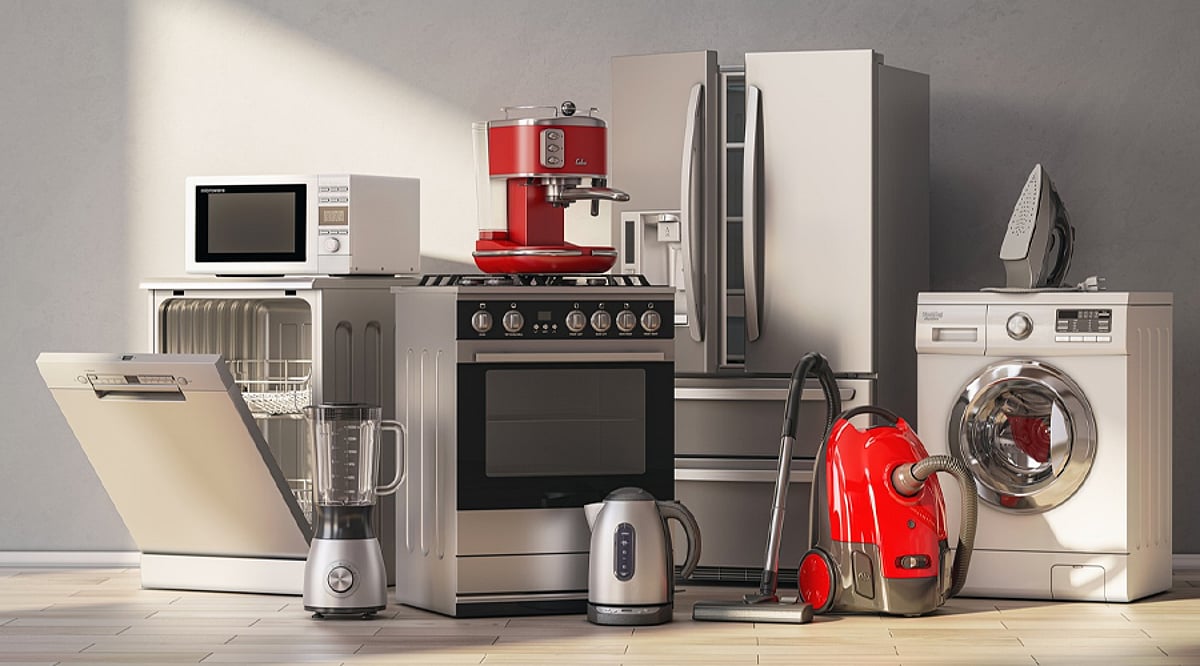
    Home appliances have become an integral part of modern living, and several brands have earned global recognition for their innovation, reliability, and design. Here are the most recognized home appliance brands worldwide:

    Samsung

    Samsung is one of the best-known names in home appliances, offering refrigerators, washing machines, ovens, air conditioners, and more. The brand combines modern designs with smart features across many products. Its connected appliances also work with smart home systems, making Samsung a familiar choice for homes in many countries.

    LG

    LG has built a strong reputation with televisions, refrigerators, washing machines, air conditioners, and kitchen appliances. Its home appliances are known for modern designs and useful features. LG also focuses heavily on connected devices, giving users ways to monitor and control compatible appliances through smartphones and smart home platforms.

    Whirlpool

    Whirlpool has been a major name in household appliances for decades. The company makes refrigerators, washing machines, dryers, dishwashers, ovens, and other products. Its focus on practical designs and everyday convenience has helped the brand maintain a strong presence in homes across several major markets around the world.

    Bosch

    Bosch is widely recognized for its kitchen and home appliances, especially washing machines, dishwashers, refrigerators, ovens, and cooktops. The brand is known for clean designs and a strong focus on performance. Bosch appliances are particularly popular among consumers looking for dependable products with useful features and modern styling.

    Haier

    Haier has grown into a major global appliance brand with products ranging from refrigerators and washing machines to air conditioners and kitchen appliances. Its large international presence has helped make the name familiar to consumers worldwide. The company also offers connected appliances designed for increasingly smart and modern homes.

    Panasonic

    Panasonic is a long-standing electronics and home appliance brand with products sold across many markets. Its range includes refrigerators, washing machines, microwave ovens, air conditioners, and other household products. The company has built recognition through its wide product range, practical features, and decades of experience in consumer electronics.

    Electrolux

    Electrolux is a recognized home appliance brand with a strong presence in Europe and other global markets. Its products include refrigerators, ovens, washing machines, dryers, dishwashers, and vacuum cleaners. The company focuses on combining useful household features with modern designs, giving consumers several options for everyday home needs.

  • Smart Home Security: How Video Doorbells Are Revolutionizing Safety and Convenience

    Smart Home Security: How Video Doorbells Are Revolutionizing Safety and Convenience

    Video doorbells have transformed the way homeowners monitor their entrances, offering a blend of convenience, awareness, and security. By providing an instant view of your doorstep, these devices let you see who is outside without opening the door, enhancing everyday safety.

    With remote access via smartphone, you can check your home from anywhere, making it easier to stay connected while traveling. Motion detection alerts you to activity near your door, whether it’s a visitor, a delivery, or unexpected movement, keeping you informed in real time.

    Two-way audio allows you to speak with visitors through your phone, even when you’re not at home. Night vision ensures clear footage even in low-light conditions, improving visibility when outdoor lighting is limited. Video doorbells also help track deliveries, providing footage that reduces uncertainty about packages left outside.

    Many models store recorded footage, giving homeowners valuable evidence for investigating suspicious activity. Modern video doorbells can integrate with smart home systems, enabling compatible devices to work together and simplify everyday security tasks. Ultimately, with alerts, live video, audio, and recording features, video doorbells offer a straightforward way to improve home security.

  • Smart Plugs: The Hidden Drawbacks You Need to Know Before Buying

    Smart Plugs: The Hidden Drawbacks You Need to Know Before Buying

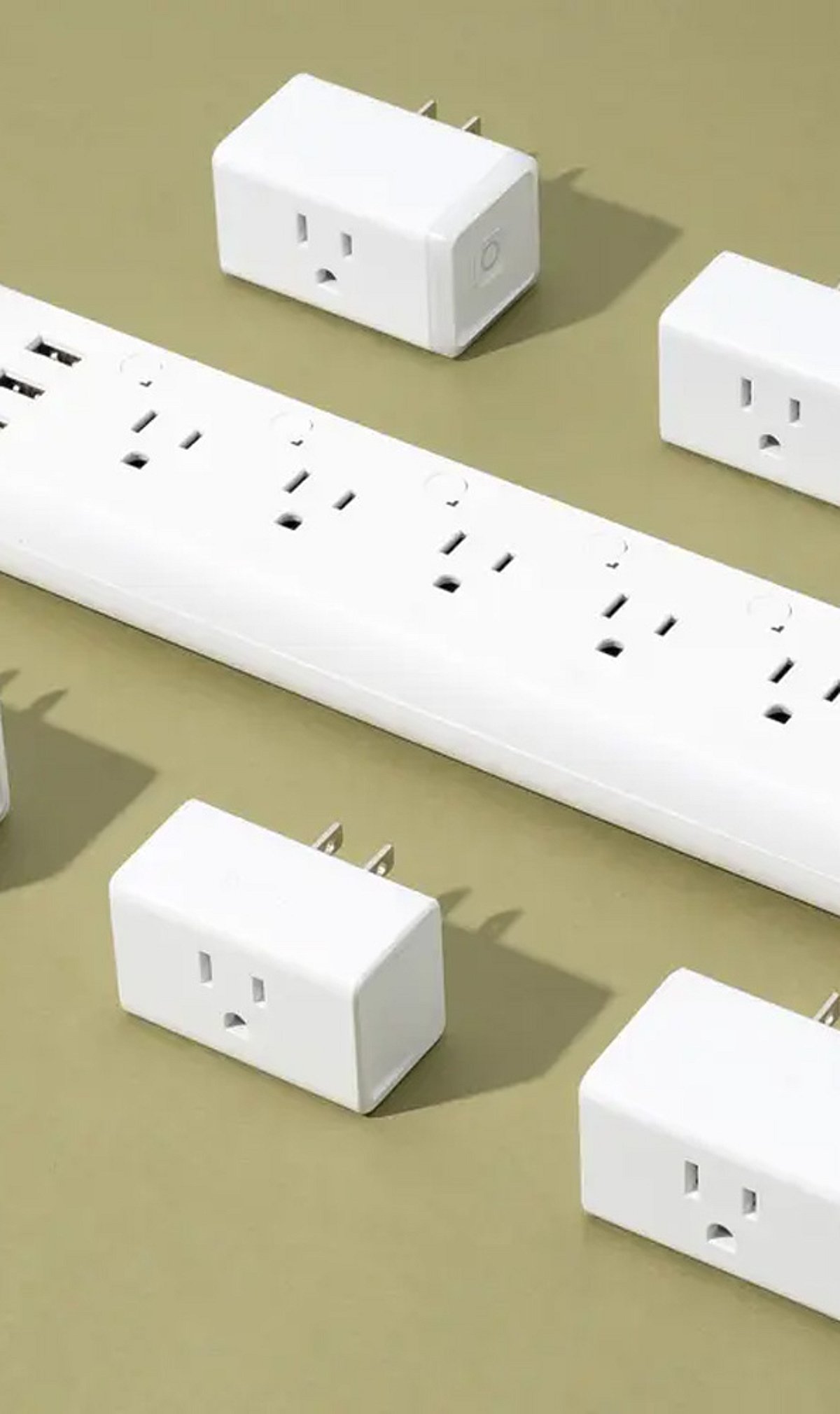
    Smart plugs have become a popular entry point into home automation, allowing users to turn ordinary appliances into connected devices. With a simple app or voice command, you can control lights, fans, and other gadgets remotely, schedule them to turn on or off, and even monitor energy usage. However, beneath the convenience lie several hidden drawbacks that every potential buyer should consider.

    Convenience at Your Fingertips

    The primary appeal of smart plugs is remote control and scheduling. Whether you’re at work or on vacation, you can switch devices on or off, create routines, and automate lights to simulate occupancy. Energy-monitoring models go a step further, showing how much electricity each appliance consumes, helping you identify power-hungry devices and reduce unnecessary standby waste.

    The Hidden Costs: Standby Power and Security Risks

    Smart plugs are not completely energy-free. They continuously draw electricity to maintain a Wi-Fi connection, typically consuming 1–2 watts in standby mode. While small, this adds up over multiple plugs and years of use. More concerning are security and privacy risks. Poorly secured or outdated smart plugs can become an entry point for hackers into your home network, and the associated apps may collect and share usage data without clear consent.

    Dependence on Internet and Compatibility Issues

    Smart plugs rely heavily on a stable internet connection. Weak Wi-Fi, cloud outages, app failures, or firmware bugs can delay commands or render features unavailable. Compatibility is another factor: smart plugs work best with appliances that have physical on/off switches. High-power devices like space heaters or air conditioners may exceed the plug’s current rating, posing a fire hazard. Additionally, many smart plugs are bulky and can block adjacent wall outlets.

    Tips for Safer and Smarter Use

    To minimize risks, choose reputable brands, keep firmware updated, and consider local-control options such as Matter or Thread that reduce cloud dependence. Always check the plug’s load rating before connecting high-power appliances. Also, review the plug’s size, supported ecosystem, and privacy policy before purchasing.

  • Haier at IFA 2026: AI-Powered Appliances and Humanoid Robots Take Center Stage

    Haier at IFA 2026: AI-Powered Appliances and Humanoid Robots Take Center Stage

    At IFA 2026 in Berlin, Haier showcased its latest AI-powered home ecosystem, blending smart appliances, digital services, and robotics under the theme ‘Home of Intelligent Possibilities.’ The company highlighted systems designed to adapt to user habits, household conditions, and daily routines, moving beyond individual connected devices to a fully integrated intelligent home experience.

    Haier’s exhibition covered laundry, refrigeration, cooking, entertainment, and robotic devices. The company also announced plans to invest at least EUR 13 billion over the next five years in artificial intelligence, robotics, semiconductors, research, and IoT security.

    From Smart Devices to an Intelligent Home

    Haier emphasized that its strategy goes beyond standalone smart appliances. The goal is to enable different products to work together around the needs of people at home. The hOn app unifies Haier Europe’s appliances and digital services, allowing devices to respond to daily routines automatically.

    Neil Tunstall, CEO of Haier Europe, explained that the company aims to reduce the effort involved in common household tasks. Regarding AI-assisted cooking, he said, “The product now will do that for you. And that hopefully means then that we can actually enjoy eating much more at home.”

    AI Enhances Laundry, Food Care, and Entertainment

    Several products at IFA use cameras, sensors, and AI software to optimize their operations. The Vision 15 washing machine assesses load size, balance, and foam levels, adjusting water use, detergent, drum movement, and washing settings accordingly.

    The Maestro refrigerator prototype features the AI Food Care System 2.0, which recognizes stored food and recommends suitable storage conditions. Haier’s ID Ultimate Series 6 oven identifies food, tracks the cooking process, and stops automatically when done. UltraSense AI also adjusts picture and sound settings on Haier Smart TVs based on content and room conditions.

    Robotics Expands the Connected Home Strategy

    Haier presented humanoid robots and other robotic systems capable of performing physical tasks alongside connected appliances. The display included cleaning robots that recognize objects and types of dirt, as well as companion robots designed for voice support and personalized assistance.

    Tunstall noted that robotics could handle basic household jobs without replacing people. “We’re not trying to replace the human,” he said. “There are basic tasks that robotics can do.” He cited robot vacuum cleaners and robotic lawnmowers as examples of technology already taking over routine work.

    EUR 13 Billion Investment in AI and Robotics

    Haier plans to invest at least EUR 13 billion over the next five years in AI, robotics, research, advanced engineering, and related technologies. Tunstall said the investment would accelerate the delivery of new products and features to consumers.

    “Our next five years is spending 13 billion on AI, on robotics, on R&D, advanced engineering, and all of those things,” Tunstall said. He added that the funding would support faster product development across Haier’s categories.

    Haier also uses data from connected appliances to study how people use products and to improve design, manufacturing, and delivery. The company reported more than 130 million registered users on its smart home platform and 86.1 billion smart-scene interactions in 2025.

    While some technologies shown at IFA 2026 remain at the concept stage, Tunstall expects more of them to move toward commercial release. “They’re not here right now, but they are going to be here pretty soon in this industry,” he said.

  • Next-Generation Wi-Fi: Faster Speeds, Lower Latency, and Smarter Connectivity Explained

    Next-Generation Wi-Fi: Faster Speeds, Lower Latency, and Smarter Connectivity Explained

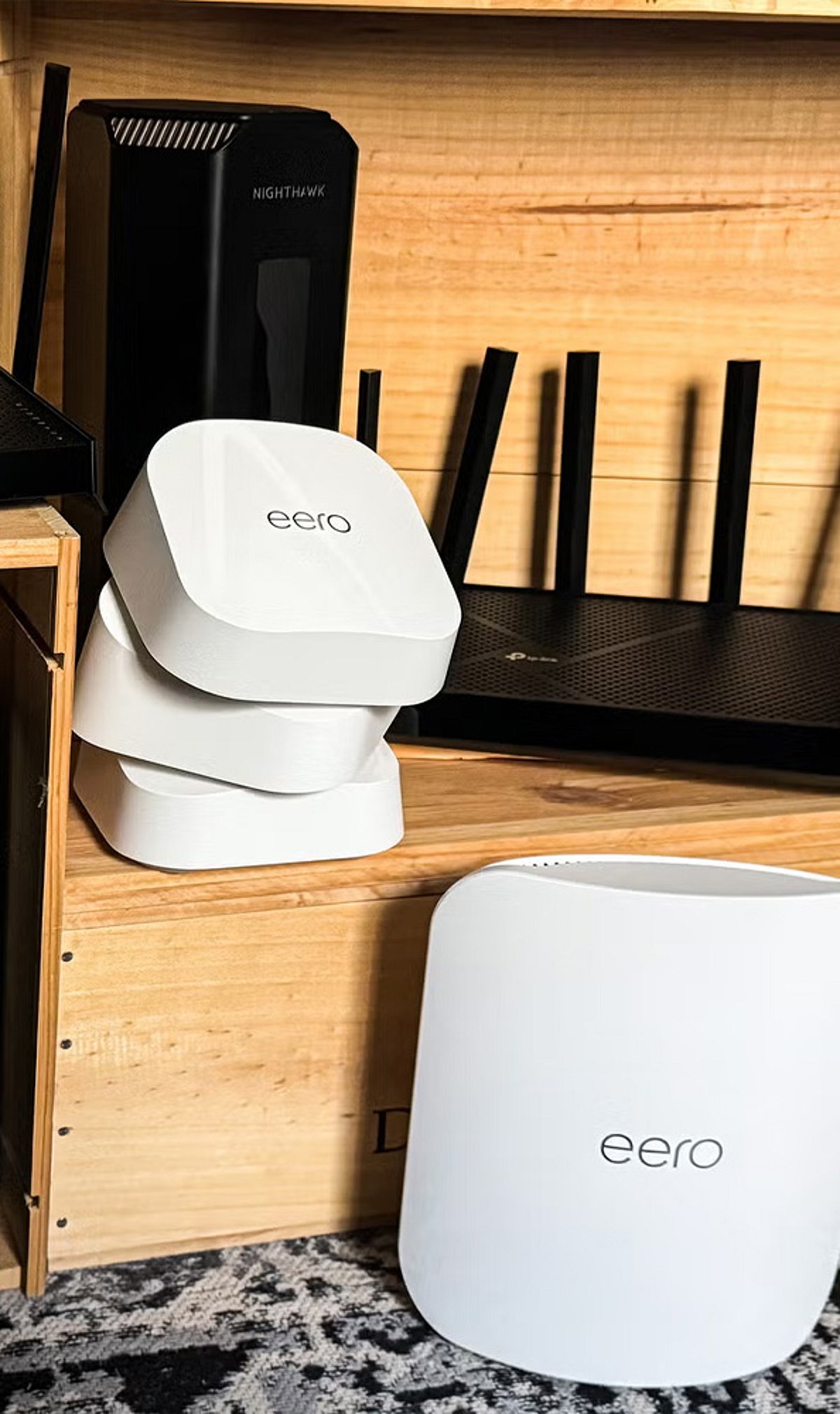
    Next-generation Wi-Fi is here, bringing blazing-fast speeds, lower latency, and smarter connectivity that transform the way we stay connected. This new standard delivers multi-gigabit speeds for smoother streaming, gaming, and downloads, while reducing lag to make video calls, cloud gaming, and smart home devices more responsive than ever.

    Advanced networking technology efficiently handles dozens of connected devices simultaneously, and enhanced encryption and authentication protocols provide stronger protection against cyber threats. Modern Wi-Fi intelligently switches devices between frequency bands for optimal performance, and improved signal strength combined with mesh networking reduces dead zones throughout your home or office.

    Energy efficiency is another key benefit, as connected devices consume less power thanks to smarter wireless communication technologies. Next-generation Wi-Fi is designed to support AI, AR/VR, and ultra-high-definition content, making it a future-ready networking solution.

  • Eyecandy AI: Building Companion Robots That Blend Emotional Intelligence with Everyday Assistance

    Eyecandy AI: Building Companion Robots That Blend Emotional Intelligence with Everyday Assistance

    Eyecandy AI is a startup on a mission to redefine human-robot interaction by developing companion robots that combine advanced artificial intelligence with emotional intelligence. The company envisions a future where robots are not just tools but empathetic companions capable of natural conversation, personalized support, and seamless smart home integration.

    Company Vision: AI Companions for Everyday Life

    Eyecandy AI focuses on creating robots that serve as daily assistants, helping users manage schedules, set reminders, and handle routines while offering genuine companionship. The goal is to reduce dependence on multiple separate devices by providing an all-in-one intelligent partner.

    Human-Like Conversations Powered by Advanced AI

    The robots leverage state-of-the-art language models to hold natural dialogues, answer questions, and engage users in meaningful interactions. This capability transforms the robot from a simple machine into a conversational companion that adapts to each user’s communication style.

    Personalized Experiences That Learn and Adapt

    Over time, the AI learns user preferences and behavior patterns, allowing it to deliver customized responses, reminders, entertainment, and assistance. This personalization ensures that the robot becomes more helpful and intuitive the longer it is used.

    Smart Home Integration for Connected Living

    Eyecandy AI’s companion robots can connect with compatible smart home devices, enabling users to control lighting, appliances, and other connected technologies through voice commands or automated routines. This integration positions the robot as a central hub for the smart home ecosystem.

    Emotional Intelligence: Recognizing and Responding to Feelings

    A key innovation is the development of AI capable of recognizing emotions through tone, facial expressions, and context. The robot responds with appropriate empathy and conversational support, making interactions feel more authentic and comforting.

    Privacy and Security as Core Principles

    The startup places a strong emphasis on secure data handling and user privacy. By building trust through transparent data practices, Eyecandy AI aims to address common concerns about always-on intelligent devices in the home.

    Looking Ahead: Expansion into Education and Healthcare

    Eyecandy AI plans to expand robot capabilities through regular software updates, enabling broader applications across homes, education, and healthcare settings. This future-proof approach ensures the robots remain relevant as AI technology evolves.

    With the global robotics market growing rapidly, Eyecandy AI is positioning itself at the intersection of artificial intelligence, emotional technology, and consumer convenience, offering a glimpse into a future where robots are part of our daily lives.