
Tag: smart home

  • Must-Have Smart Home Devices for 2026: Upgrade Your Lifestyle with AI and Automation

    Must-Have Smart Home Devices for 2026: Upgrade Your Lifestyle with AI and Automation

    As we look ahead to 2026, the smart home ecosystem is becoming more integrated, intuitive, and energy-efficient than ever. Whether you’re a tech enthusiast or simply looking to simplify daily routines, these devices are worth the investment for a smarter, more connected lifestyle.

    AI-Powered Smart Speakers

    Smart speakers continue to evolve as the central hub of the connected home. With enhanced AI assistants, they now offer better voice recognition, multi-room audio, and seamless control over other smart devices. They are the cornerstone of any modern smart home setup.

    Advanced Security Cameras

    Modern security cameras go beyond simple recording. In 2026, models feature advanced object detection—distinguishing between people, animals, and vehicles—and send real-time alerts directly to your phone. This adds a new layer of safety and convenience.

    Video Doorbells

    Video doorbells have become essential for monitoring deliveries and visitors when you’re not home. Many now include package detection, two-way audio, and cloud storage, ensuring you never miss a moment at your doorstep.

    Smart Thermostats

    Energy savings and comfort go hand in hand with smart thermostats. These devices learn your schedule and preferences, automatically adjusting temperature settings to reduce energy consumption without sacrificing comfort.

    Connected Lighting Systems

    Smart lighting offers voice control, scheduling, and customizable scenes to match your mood or activity. From dimming lights for movie night to simulating occupancy while away, these systems add both convenience and ambiance.

    Robot Vacuum Cleaners

    Robot vacuums have become remarkably efficient thanks to AI navigation. They map your home, avoid obstacles, and clean thoroughly with minimal human intervention. Many models also include mopping functionality for complete floor care.

    Smart Locks

    Forget physical keys—smart locks provide app-based access, temporary digital keys for guests, and integration with other security systems. They enhance home security and offer peace of mind whether you’re inside or away.

    Smart Plugs

    Smart plugs are an affordable way to automate any appliance. Use them to schedule coffee makers, control lamps remotely, or monitor electricity usage—all from your smartphone. They are a simple entry point into home automation.

    Matter-Compatible Devices

    The Matter standard continues to unify the smart home landscape, making devices from different brands work together seamlessly. Investing in Matter-compatible products ensures future-proof interoperability and a smoother user experience.

    These smart home devices not only add convenience but also improve energy efficiency, security, and overall quality of life. As technology advances, the home of 2026 is smarter, safer, and more responsive to your needs.
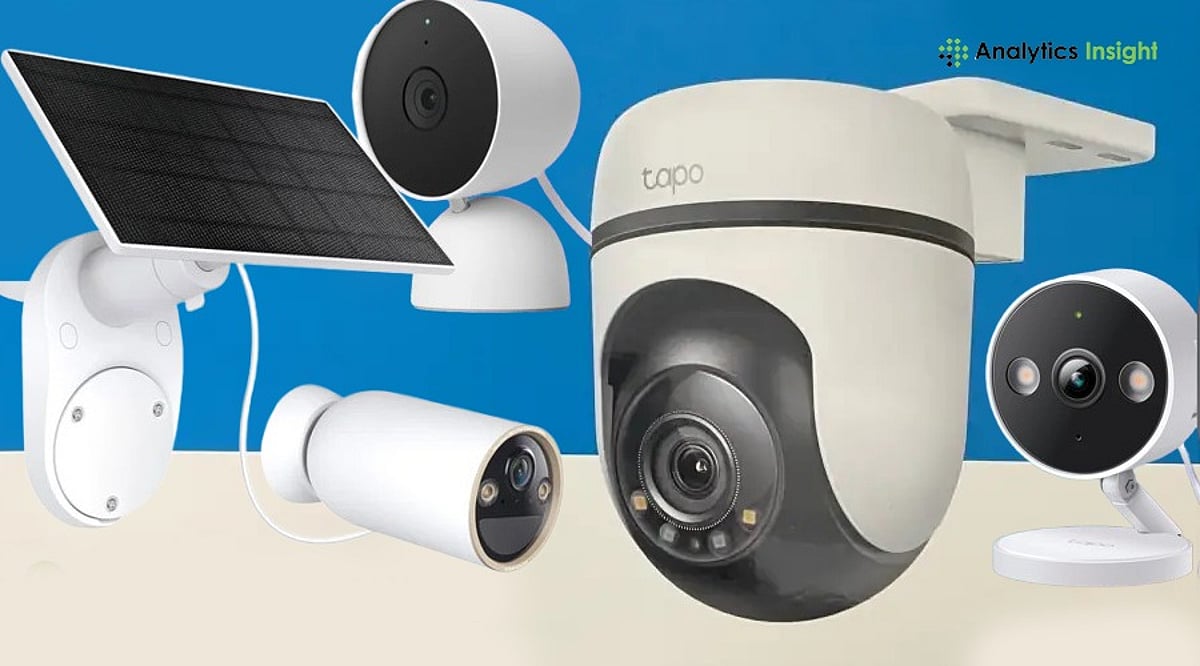

  • Ultimate Home Security Camera Buying Guide for 2026: How to Pick the Perfect System

    Ultimate Home Security Camera Buying Guide for 2026: How to Pick the Perfect System

    Home security cameras have evolved from simple recording devices into intelligent smart systems. Today’s models offer advanced AI-powered features such as smart motion detection, 4K Ultra HD, night vision, smartphone integration, and multi-device connectivity, providing a complete security solution for any property.

    Whether you live in a city apartment, a suburban house, or a farmhouse, choosing the right camera is essential to deter intruders and protect your loved ones. This comprehensive guide helps you match buyer requirements to your specific home or office space.

    Key Factors to Consider

    Before buying a home security camera, it’s important to understand the features available in the market to find the most compatible product for your living space. Here are the most critical factors:

    • Resolution & Image Quality: For clear footage, aim for 2K to 4K resolution.
    • Storage Options: Choose between cloud subscriptions (Ring, Nest, Arlo) or local storage (Eufy, Reolink, CP Plus).
    • Power Source: Wireless battery cameras are easy to install and require recharging every 3–6 months. Wired cameras need a constant power source, which can limit placement. PoE (Power-over-Ethernet) cameras are ideal for permanent setups and are extremely reliable for large homes.
    • Smart Features: Look for AI detection, two-way audio, floodlights, and app control.
    • Privacy & Security: Subscription-free systems reduce dependence on large tech ecosystems.

    Quick Comparison

    For a fast overview of popular camera types, see our comparison table below (not shown here for brevity).

    Best Brand Options for Indian Homes

    CP Plus 2MP Wi-Fi Smart CCTV is a trusted brand among Indian households for its reliability and adaptability to local climatic conditions. It is perfect for apartments and small homes where reliability and ease of operation are critical.

    Eufy Outdoor Cameras are known for their no-subscription model and efficient memory storage. Great for families wanting to avoid recurring costs.

    For large properties such as villas or farmhouses, Reolink PoE Kits provide comprehensive coverage with professional security, though installation may be more complex.

    Wyze and TP-Link Tapo are affordable smart home security cameras, but they are less reliable and durable than premium brands. These options help Indian homeowners balance cost, convenience, and long-term security needs.

    Risks & Trade-offs

    Depending on your requirements and budget, certain trade-offs may be unavoidable. Being aware of them helps you optimize risk and make an informed decision.

    • Subscription Costs: Over five years, subscription fees can exceed hardware costs (₹40,000–₹1,50,000 for four cameras).
    • Privacy Concerns: Cloud-based systems raise data security issues.
    • Installation Complexity: PoE and floodlight cameras often require professional assistance.
    • Internet Reliability: In India, local storage systems are more resilient to outages.

    Final Thoughts

    Choosing the best home security camera is about more than specs—it’s about peace of mind, adaptability, and long-term value. Whether you opt for a budget-friendly Wi-Fi model, a subscription-free system with local storage, or a professional-grade PoE kit, the best camera fits your lifestyle and protects what matters most. Investing in a reliable security setup today ensures your home stays safe, smart, and ready for future technological changes.

    Frequently Asked Questions

    1. Which type of home security camera is best for Indian homes? Wireless Wi-Fi cameras are ideal for apartments and small homes, while PoE cameras offer reliable, long-term security for larger houses, villas, and farmhouses.
    2. Do home security cameras work without an internet connection? Yes. Cameras with local storage (microSD cards or NVR systems) can continue recording without the internet. However, remote viewing and instant alerts typically require an internet connection.
    3. Are subscription-based security cameras worth it? Subscription plans provide cloud storage, advanced AI detection, and extended video history. If you prefer avoiding recurring costs, cameras with local storage are a better option.
    4. What resolution should I choose? A 2K or 4K camera is recommended for clear footage and better facial recognition. Higher resolutions capture more detail but require more storage.
    5. Which features should I prioritize? Look for AI motion detection, night vision, two-way audio, smartphone app support, weather resistance for outdoor use, and secure storage options to ensure comprehensive protection.
  • Top Smart Home Platforms to Watch in 2026: A Comprehensive Guide

    Top Smart Home Platforms to Watch in 2026: A Comprehensive Guide

    As smart home technology continues to evolve, 2026 brings a new wave of automation platforms that promise seamless integration, advanced AI capabilities, and robust security. Whether you’re a tech enthusiast or a beginner, choosing the right platform can transform your living space into an intelligent, responsive environment. Below, we break down the leading home automation platforms and key trends shaping the future.

    Home Assistant

    Home Assistant remains the gold standard for users who demand complete control. It offers unparalleled customization with local processing, over 2,000 integrations, and extensive automation rules. Ideal for advanced enthusiasts, it keeps data private and operates without cloud dependency.

    Google Home

    Google Home excels in broad device compatibility and intuitive voice control. Its AI-powered routines and growing support for the Matter standard make it a top choice for Android users seeking a connected smart home that learns and adapts.

    Apple Home

    For Apple loyalists, Apple Home provides seamless integration across iPhones, iPads, and Macs. Privacy-focused automation, local processing, and effortless management via HomePod or Apple TV make it a secure and elegant solution.

    Amazon Alexa

    Amazon Alexa continues to dominate with thousands of compatible devices, reliable voice commands, and customizable routines. Its expansive ecosystem caters to both beginners and experienced users, offering flexibility and ease of use.

    Samsung SmartThings

    Samsung SmartThings stands out for its multi-protocol support — Zigbee, Z-Wave, Wi-Fi, Matter, and Thread. This enables centralized control of diverse smart devices from various manufacturers, reducing fragmentation.

    Key Trends in 2026

    Matter Compatibility

    Leading platforms increasingly adopt the Matter standard, simplifying cross-brand connectivity and improving interoperability across compatible devices. This unified protocol reduces setup headaches and expands choices.

    AI-Powered Automation

    Modern platforms leverage artificial intelligence for predictive routines, energy optimization, occupancy detection, and personalized automation that adapts to user behavior. These AI features make smart homes more intuitive and efficient.

    Enhanced Security Features

    Advanced encryption, local data processing, secure authentication, and granular privacy controls help protect connected devices from cyber threats and unauthorized access. Security is no longer an afterthought but a core feature.

    Scalability and Future Readiness

    The best platforms support expanding device ecosystems, frequent software updates, and emerging smart home standards, ensuring long-term compatibility and performance. Investing in a future-ready system protects your smart home investment.

  • Best Robot Vacuum and Mop Deals on Amazon: Smart Buying Guide for 2026

    Best Robot Vacuum and Mop Deals on Amazon: Smart Buying Guide for 2026

    Amazon is offering significant discounts on robot vacuum and mop combos from top brands like ECOVACS, Dreame, Roborock, and ILIFE this weekend. However, the best deal isn’t always the one with the biggest price cut. What truly matters is how well the robot matches your home and lifestyle.

    What Makes a Robot Vacuum Deal Worth It?

    The real value in a robot vacuum isn’t just about cleaning power. It’s about how much time and effort you save. Budget models handle basic floor cleaning but often require you to empty the dustbin and clean the mop pads manually. Premium models with self-emptying docks and automatic mop washing take you out of the maintenance loop entirely.

    Every robot vacuum on sale this weekend claims similar features, but the actual results vary by price tier. This guide helps you identify the models that deliver the best balance of performance, features, and price.

    Top Robot Vacuum and Mop Picks This Weekend

    1. ECOVACS Deebot Y1 Pro

    Best for: Mid-range buyers who want smart navigation without premium pricing

    The Deebot Y1 Pro uses LiDAR mapping to create accurate floor plans and cleans in efficient, structured paths. Its suction is strong for the price, and the app makes scheduling and zone cleaning easy. It’s a balanced choice for reliable daily cleaning.

    2. Dreame L10S Ultra

    Best for: Busy households that want minimal manual maintenance

    The L10S Ultra empties its dustbin after every cycle, washes its mop pads automatically, and navigates around obstacles consistently. After setup, the automation handles most of the work, making it ideal for time-constrained households.

    3. Roborock Q Revo

    Best for: Larger homes with mixed flooring

    The Q Revo pairs reliable vacuuming with automated mop washing and drying. It transitions smoothly between hard floors and carpet, lifting the mop pad to avoid wetting. It handles longer sessions without manual help.

    4. AGARO Alpha

    Best for: First-time buyers entering the category

    The AGARO Alpha covers the basics: vacuuming, mopping, app control, and scheduling. It won’t match premium automation, but it delivers a practical, low-friction experience at an accessible price.

    5. ILIFE V20

    Best for: Small apartments and budget-conscious buyers

    The ILIFE V20 focuses on core cleaning functions without extra features. It’s a straightforward option for those who want automated cleaning without a high commitment.

    6. Narwal Freo X Ultra

    Best for: Premium buyers who want full floor-care automation

    The Freo X Ultra combines advanced obstacle avoidance with a self-cleaning mop system that washes and dries its pads between sessions. Floor detection adjusts cleaning intensity automatically. Weekend discounts can make this premium model more accessible.

    Budget vs. Premium: What Actually Changes

    The gap between budget and premium models isn’t about cleaning power alone. Navigation quality shapes the entire experience. LiDAR mapping provides consistent paths and reliable room coverage, while basic gyro navigation works in simple layouts but struggles in complex homes.

    For pet owners, suction power and brush design are critical. Hair tangles and carpet cleaning are the real tests. For hard floors, mopping quality and automated mop maintenance matter more than suction specs.

    How to Compare Deals Without Getting Misled

    Always check the final checkout price rather than the listed discount. Bank offers, coupon codes, and cashback programs can change the effective cost. Once you know the final price, consider what additional convenience or performance it delivers. A premium robot that saves hours of maintenance each year may be a better value than a cheaper model with a bigger discount.

    Final Thoughts

    If you’re shopping for a robot vacuum this weekend, skip the bargain bin. The real value is in mid-range and premium models that navigate well and empty themselves. Don’t chase the biggest discount—a great deal only matters if the machine actually fits your home and saves you from doing the maintenance yourself.

  • Android TV vs Google TV: Which Smart TV Platform Delivers a Better Viewing Experience?

    Android TV vs Google TV: Which Smart TV Platform Delivers a Better Viewing Experience?

    Smart TVs have evolved into central entertainment hubs, handling streaming, gaming, and smart home controls. With many TVs offering either Android TV or Google TV, choosing the right platform can be confusing. While both come from Google, they offer distinct experiences. This comparison examines interface, app ecosystem, smart home features, and usability to help you decide.

    Same Foundation, Different Focus

    Android TV and Google TV share the same operating system, giving you access to the Google Play Store, Google Assistant, and Chromecast support. The key difference lies in how content is presented. Android TV is app-centric: you open individual streaming services like Netflix or Prime Video to browse. Google TV, on the other hand, places content front and center, curating movies and shows from multiple platforms on a single home screen, reducing app hopping.

    More Modern Home Screen

    Google TV offers a personalized interface that learns your viewing habits and suggests programming based on interests. It supports separate user profiles, so each family member gets their own recommendations and watchlist. Android TV does provide recommendations, but they are less prominent than Google TV’s.

    App Support Remains Identical

    Both platforms offer the same app library via the Google Play Store, including Netflix, Disney+, Amazon Prime Video, Spotify, YouTube, and more. There is no practical difference in app availability or performance.

    Smart Home Integration

    As TVs become control centers for smart homes, Google TV offers a slight edge with deeper Google Home integration. You can control compatible cameras, lights, and speakers directly from the TV. Google TV also includes kids’ profiles and parental controls, making it more family-friendly.

    Which One Should You Buy?

    Android TV is ideal for users who prefer a simple, app-based interface and primarily use a few streaming services without needing recommendations. Google TV is better for households with multiple streaming subscriptions who want content discovery and personalization. For most buyers, Google TV’s richer interface and smarter recommendations make it the easier platform to live with in the long run.

    Frequently Asked Questions

    Q1. What is the main difference between Android TV and Google TV?
    Android TV focuses on apps, while Google TV emphasizes content discovery by aggregating recommendations from multiple services on one screen.

    Q2. Do both platforms support the same apps?
    Yes, both have full access to the Google Play Store and all major streaming apps.

    Q3. Is Google TV better for families?
    Yes, because it supports separate user profiles, personalized recommendations, and dedicated kids’ profiles with parental controls.

    Q4. Can both work with smart home devices?
    Yes, both support Google Assistant, but Google TV offers deeper integration with Google Home.

    Q5. Which platform should I choose for a new TV?
    Choose Android TV if you prefer a simple app grid; choose Google TV for personalized recommendations and multiple profiles.

  • How AI Fitness Mirrors Are Revolutionizing Home Workouts with Real-Time Coaching

    How AI Fitness Mirrors Are Revolutionizing Home Workouts with Real-Time Coaching

    AI-powered fitness mirrors are transforming home workouts by combining a reflective screen with artificial intelligence. These devices act as virtual personal trainers, guiding users, tracking movement, and correcting form in real time. Designed for those who want structured fitness routines without relying on a gym or in-person coaching, the concept gained traction as home fitness demand surged and users sought more interactive and intelligent workout solutions.

    What Exactly is an AI Fitness Mirror?

    AI fitness mirrors are smart wall-mounted devices that resemble ordinary mirrors when off and become training screens when activated. They use camera technology and artificial intelligence to monitor body movements during workouts and provide real-time feedback. The AI system serves as a coach, monitoring posture, counting reps, and offering tailored guidance based on the user’s performance level.

    How the System Works

    The fitness mirror uses a combination of cameras, sensors, and AI algorithms to understand user movement. Here’s a simple breakdown:

    • Cameras capture body posture and movement
    • AI analyzes exercise form in real time
    • The system compares movement with ideal posture models
    • Feedback is given instantly to correct mistakes

    This combination helps users improve their fitness safely and effectively.

    Key Features of AI Fitness Mirrors

    One important characteristic is the ability to coach in real time. Users receive information about posture and potential injuries while working out. Personalized training programs adapt automatically based on fitness objectives and progress. Users can select strength training, cardiovascular training, yoga, or mobility workouts. Workout classes can be streamed live or watched later, with remote training options available via live video with instructors or friends. Voice commands allow switching programs without touching the screen, and integration with smartwatch applications enables monitoring of heart rate and other metrics during workouts.

    Key Technologies Behind the Smart Mirror

    The system is powered by multiple technologies working together, including advanced AI algorithms, computer vision, and sensor fusion. Each technology plays an important role in making the system intelligent and adaptive.

    AI Personal Trainer Experience

    One of the strongest features is the AI-based personal coaching system. It behaves like a real trainer by adjusting workouts based on user performance. For example, if a user struggles, intensity is reduced; if performance improves, difficulty increases. Rest time and pace are automatically adjusted, making every workout personalized instead of one-size-fits-all.

    Why AI Fitness Mirrors are Growing

    There is an increasing trend in AI fitness mirrors because many consumers want to work out at home while still receiving professional training. The convenient combination of training and system feedback makes this option appealing not only for amateurs but also for experienced users. This technology helps reduce the need for physical coaches in structured training sessions.

    Challenges in Adoption

    Despite strong features, there are a few limitations. The cost of AI fitness mirrors remains high compared to basic fitness equipment. The system also depends on stable internet connectivity for smooth performance. Some users may have privacy concerns since the device uses cameras for motion tracking. Additionally, first-time users may need time to adjust to AI-based coaching methods.

    Final Thoughts

    The artificial intelligence-powered fitness mirror represents an innovation in home-based workouts, combining AI, motion recognition, and personal coaching in one product. As technology advances, these devices are likely to become even more accurate and popular, providing home training with higher levels of structure and interactivity.

    FAQ

    1. What is an AI-powered fitness mirror?

    An AI-powered fitness mirror is a smart home workout device that uses AI, cameras, and sensors to track body movements, guide exercises, and provide real-time coaching like a virtual personal trainer.

    2. How does an AI fitness mirror improve workouts?

    It improves workouts by analyzing posture, counting reps, and correcting form instantly. AI systems adjust training intensity based on user performance, helping users achieve better results with safer and more structured exercise routines.

    3. Does a fitness mirror require internet connectivity?

    Most AI fitness mirrors require a stable internet connection for live classes, AI processing, and data syncing. However, some basic workout modes can function offline with limited tracking features.

    4. Can AI fitness mirrors replace personal trainers?

    They can act as a strong alternative for daily training by offering personalized guidance and feedback. However, advanced users may still prefer human trainers for specialized fitness or rehabilitation programs.

    5. Are AI fitness mirrors safe for home use?

    Yes, they are designed for safe home use with motion tracking and posture correction features. Recent systems also focus on privacy controls and data security while improving accuracy through updated AI models.

  • IFB vs LG Washing Machines: A Comprehensive 2026 Comparison for Indian Homes

    IFB vs LG Washing Machines: A Comprehensive 2026 Comparison for Indian Homes

    Choosing between IFB and LG washing machines depends on your priorities. LG offers smart connectivity, AI-driven features, and low-noise operation, while IFB stands out with superior fabric care, hard-water compatibility, and deep-cleaning performance.

    Purchasing a washing machine can be intimidating, with several models delivering impressive performances and similar specifications. IFB and LG are two leading brands in the home electronics market that offer the best washing machines. Although they serve rather distinct purposes, both companies are renowned for their dependability, effectiveness, and top-notch technology.

    While LG prioritizes silent operation and smart technology, IFB specializes in hard water and intensive usage. To help you make the best choice for your needs, here is a detailed analysis of the two models.

    IFB vs LG Washing Machines

    IFB and LG washing machines provide cutting-edge technology, strong build, and reliable performance for Indian homes. Their advantages, however, vary slightly in terms of features and cost. Here’s a quick overview of how these two brands compare.

    Which One Should You Buy: LG or IFB?

    LG machines are the right choice if you want:

    • Long-lasting motor efficiency with low vibration and noise.
    • Smart controls that can help in monitoring and instant troubleshooting via the ThinQ application.
    • Reliable washing with after-sales service.

    You can depend on IFB machines if you prioritize:

    • High-quality wash with advanced features such as EcoBubble or Hygiene Steam.
    • Fast washes, simple design, and economical water usage.
    • Smart control through AI-based apps.

    Best Picks

    LG Washing Machines

    LG Smart Choice 9 Kg Front-Load Washing Machine: Rs. 41,999. LG Smart Choice is a 9 kg washing machine with AI Direct Drive Technology, Steam Wash, and 6 Motion DD. It is a great option for large families. The washing machine is easy to control with built-in Wi-Fi technology. It is designed for efficient operation and has a 5-star energy rating.

    LG 8 Kg Front-Load Washing Machine: Rs. 37,490. The LG 8 kg washing machine offers automatic features and latest technologies such as Direct Drive Technology, Steam Wash, and 6 Motion DD to provide effective cleaning. This washing machine ensures ease of use and efficiency with Wi-Fi access, a built-in heater, Allergy Care technology, and a touch panel.

    IFB Washing Machines

    IFB 7 Kg 5-Star Front-Load Washing Machine: Rs. 30,990. IFB’s front-load washing machine offers a fully automatic experience with DeepClean Technology and a 7 kg capacity. This washing machine has a 5-star rating, is certified for best-in-class energy efficiency, and comes with a 4-year comprehensive warranty. It runs at a 1200 RPM spin speed and provides 22 wash programs in the IFB app.

    IFB 6 Kg 5-Star Front-Load Washing Machine: Rs. 25,490. IFB Diva is a fully-automatic washing machine with DeepClean Technology and a capacity of 6 Kg. It offers a high spin speed of 1000 RPM, 11 wash programs in the IFB app, and a unique crescent-moon drum design that creates a protective water cushion to prevent damage.

    Final Takeaway

    LG and IFB have been ranked among the top brands of front-load washing machines in India because they are reliable and unique. LG is known for its AI integration, connectivity, quiet operation, and ease of use. This brand suits people looking for contemporary products for their homes. IFB is more suitable for people who want a high-quality wash, fabric care, and durability. Buying the best product comes down to the users’ needs.

    FAQs

    Q1. Which is better, LG or IFB washing machines in 2026?
    Both brands offer excellent performance. LG is better for smart features and quiet operation, while IFB stands out for superior wash quality, fabric care, and hard-water compatibility.

    Q2. Are LG washing machines more energy-efficient than IFB models?
    LG’s Inverter Direct Drive technology helps reduce electricity consumption and noise. However, many IFB models also carry 5-star ratings and are designed for efficient power usage.

    Q3. Which brand offers better smart features, LG or IFB?
    LG has an edge with its ThinQ app, enabling remote control, diagnostics, and cycle customization. IFB also offers app-based features, but on fewer models.

    Q4. Is IFB a good choice for homes with hard water?
    Yes, IFB washing machines feature technologies such as Aqua Energie and DeepClean that enhance washing performance and help protect clothes in hard-water environments.

    Q5. Which brand provides better after-sales service in India?
    Both brands have strong service networks. LG is often praised for quicker spare-part availability, while IFB is recognized for reliable customer support and maintenance services.

  • Top Voice-Controlled Smart Lights for Modern Homes in 2026

    Top Voice-Controlled Smart Lights for Modern Homes in 2026

    Smart lighting has quietly reshaped the home decor market, pulling premium-grade technology into an accessible mid-range price. Today’s systems do more than illuminate a room. They let you dim, brighten, or shift the color of your lights on a schedule or through a simple voice command, working seamlessly with Amazon Alexa, Google Assistant, and Apple Siri.

    The appeal goes beyond convenience. A well-lit home uses less energy, adapts to your mood, and signals a deliberate choice to live smarter. Smart lighting fits naturally into the growing ecosystem of connected homes, where comfort and control go hand in hand.

    Key Features to Look For

    The smart lighting provides a wide range of modern features that deliver comfort, ambience, and a premium feel. Here are some features that have become quite mainstream and should be considered for smart lighting gadgets.

    • Voice Assistant Compatibility: Alexa, Google Assistant, Siri
    • Connectivity: Wi-Fi or Bluetooth (no hub required for most)
    • Color Options: Up to 16 million RGB colors + tunable whites
    • Smart Functions: Music sync, motion sensing, timers, app control
    • Energy Efficiency: LED-based, low power consumption

    Which Brand is Best for Which Use Case?

    Smart lights with voice control have a wide range of options. Each brand has established its niche for modern homes. Philips Wiz Neo shines as the premium all‑rounder, offering motion sensing and a larger palette of color options. Havells Glamax is a great choice for mood lighting, with music sync perfect for house parties and relaxed evenings.

    Wipro Smart LED Bulbs provide all-around lighting with advanced tunable whites and dimming, best suited for efficient work and leisure lighting. For budget‑friendly setups, Syska Smart LED features include RGB colors and scheduling, making it a solid entry‑level option.

    TP‑Link Tapo L530B is quite tech-savvy and shines with seamless Wi‑Fi integration. Realme Smart Bulbs attract the younger generation. Crompton Immensa works great on Bluetooth control, offering tunable whites and offline music sync. Finally, NovaGlow SiriSmart is specifically designed for Apple ecosystem users, with deep HomeKit integration and an elegant design, making it the best choice for Siri‑driven smart systems.

    Risks & Trade-offs

    Smart lighting provides futuristic technology, but some smart features can bring unexpected complexity. Here are things to watch out for before investing:

    • Wi-Fi Congestion: Multiple smart devices can slow down networks.
    • App Dependency: Some bulbs fall short on compatibility, requiring proprietary apps.
    • Price vs Features: Premium models (Philips, TP-Link) cost more but offer advanced features like motion sensing.
    • Compatibility Limits: Apple HomeKit users will need to stick with Siri-enabled options like NovaGlow.

    Final Thoughts

    Smart lights with voice control are gaining ground in the mainstream market for modern homes, offering utility, style, and energy efficiency. Each brand has its own strengths, catering to different lifestyles—from high-end models like Philips Wiz Neo to budget models like Syska Smart LED to ecosystem-specific options such as NovaGlow SiriSmart.

    Whether you want to automate complex setups, enjoy bright mood lighting, or integrate perfectly with your voice assistant, there is a smart light that’s right for your needs. These solutions make life easier and more lively, as lighting becomes a personal experience that reacts to your every command.