
Tag: smart home

  • Weekend Robot Vacuum Deals: Save Up to 72% on Top Smart Home Cleaners

    Weekend Robot Vacuum Deals: Save Up to 72% on Top Smart Home Cleaners

    Robot vacuum cleaners have become smarter, quieter, and more capable than ever before. This weekend’s deals offer substantial savings on models designed for apartments, family homes, and pet owners. Picking the right combination of navigation, suction, and automation is the key to a worthwhile purchase.

    Robot vacuum discounts this weekend are more than marketing noise. Several models have genuine, verifiable price cuts, some slashing the sticker price by more than half. But suction numbers alone don’t tell a buyer much. Around 3,000 Pa handles everyday dust and crumbs on hard floors reasonably well, while 6,000 Pa and above start to matter on carpets and against pet hair.

    AGARO Alpha Robot Vacuum Cleaner

    First-time buyers with smaller apartments get the most value here. It has no self-emptying dock, so the dustbin needs manual clearing after each run. In return, it uses SLAM LiDAR navigation for room mapping, delivers 3,000 Pa of suction, and combines sweeping and mopping in one pass. It connects to the Smart Life app along with Alexa and Google Assistant. Currently listed at Rs. 16,999, down from Rs. 44,990 — a cut of over 60 percent.

    Eureka Forbes SmartClean Auto Bin Turbo

    Buyers who value a recognized Indian brand with an established local service network should look here first. The standout feature is a self-emptying bin holding up to 40 days of debris, paired with LiDAR 3.0 navigation. Suction goes up to 7,000 Pa in Max mode. Priced at Rs. 23,999, down from Rs. 32,500.

    Dreame D10 Plus Gen 2

    Anyone tired of pulling tangled hair out of a brush roller should consider this one. Its tangle-resistant rubber brush is a genuine fix. The self-emptying station stores dust for up to 90 days. LiDAR Pathfinder navigation handles multi-floor mapping, suction adjusts up to 6,000 Pa. Available at Rs. 25,013, cut from Rs. 49,998 — roughly a 50 percent reduction.

    ILIFE T20s Pro

    Multi-floor homes on a mid-range budget suit this model well. It runs 6,500 Pa suction with LiDAR navigation, stores up to five floor maps, and has a 5,200 mAh battery rated for roughly 260 minutes of runtime. The Y-shaped mopping path mimics manual scrubbing. Priced at Rs. 26,899 on ILIFE’s own store, down from an MRP of Rs. 99,990.

    ILIFE T20s Ultra

    Larger homes needing longer stretches between manual emptying are the target here. It steps up to 10,000 Pa suction and a 3.5L self-emptying dustbin rated for up to 70 days of hands-free use. LiDAR navigation handles multi-floor mapping. Priced at Rs. 30,900 on ILIFE’s official store, down from an MRP of Rs. 1,10,000.

    Before Buying a Robot Vacuum

    • Clear loose cables off the floor before the first run; they’re the most common cause of a stuck robot.
    • Thick high-pile rugs can trap wheels or overwhelm entry-level suction, so check a model’s carpet rating.
    • Empty and rinse the water tank after mopping sessions to avoid stagnant water and odour buildup.
    • Check spare part and consumable availability for the specific brand before buying.

    Which One Should You Buy?

    Apartments under 1,200 sq ft: AGARO Alpha. Homes with pets or preference for local service: Eureka Forbes SmartClean. Hair tangle frustration: Dreame D10 Plus Gen 2. Larger multi-floor homes: ILIFE T20s Pro or T20s Ultra.

    Final Thoughts

    The best robot vacuum deal is rarely the one with the biggest discount. It is the one that keeps your floors clean with minimal effort long after the sale has ended. Suction power, navigation, self-emptying features, spare part availability, and reliable after-sales support all matter more than a temporary price cut.
  • Top AI-Powered Home Features That Simplify Daily Life

    Top AI-Powered Home Features That Simplify Daily Life

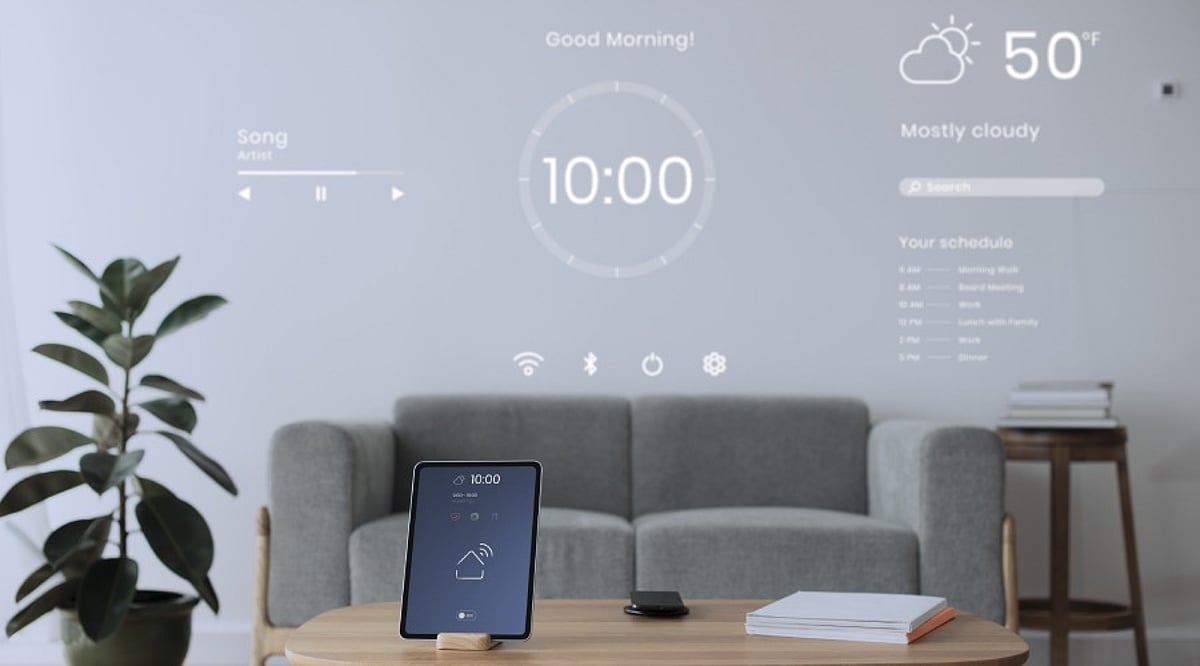
    Artificial intelligence is no longer just about chatbots and digital assistants. Some of the most impactful AI applications are quietly transforming everyday homes, making them safer, more energy-efficient, and easier to manage. Instead of answering questions or generating content, these systems observe patterns, understand surroundings, and help residents control their living spaces with minimal effort.

    Key AI Home Features at a Glance

    Package Recognition for Better Delivery Security

    Smart cameras and video doorbells now include package detection capabilities. They can identify when a package is delivered, picked up, or if suspicious activity occurs. Many security brands offer this as a standard feature, while others require a paid subscription. With online shopping continuing to grow, package recognition has become an essential tool for protecting deliveries.

    AI That Listens for Important Sounds

    AI technology has advanced beyond voice recognition to detect critical sounds like fire alarms, breaking glass, or other unusual noises. Smart speakers and security equipment can alert homeowners via their phones, even when they’re away. Some security cameras are now sophisticated enough to identify the sound of smoke or fire, providing an extra layer of safety without constant monitoring.

    Smart Thermostats That Learn Household Patterns

    Modern smart thermostats go beyond remote temperature control. Using AI, they learn your daily routines — when you leave for work, return home, or go to sleep — and adjust heating and cooling accordingly. This optimizes comfort while reducing energy waste. Users can also manage privacy settings to control the data collected by these devices.

    AI for Understanding Pet Behavior

    Pet technology has been enhanced with AI capabilities. Cameras, feeders, and trackers can detect specific behaviors such as walking, playing, or entering off-limits areas. More advanced products even identify abnormal patterns that might indicate health issues, sending alerts to owners for early intervention.

    More Natural Smart Home Conversations

    Voice assistants are becoming more conversational. Instead of requiring rigid commands, users can speak naturally — for example, “Turn down the lights and set the thermostat to 72.” New AI-powered assistants can handle connected requests, manage multiple devices, and create personalized routines, making smart homes more accessible for everyone.

    AI-Based Water Monitoring and Leak Detection

    Smart water systems use AI to monitor usage patterns and detect unusual changes that signal leaks. They provide early alerts before minor issues become major problems and can recommend ways to reduce water consumption based on household habits. This technology supports both cost savings and better resource management.

    AI Video Summaries for Faster Security Updates

    Security cameras traditionally required manual review of footage. AI now generates quick summaries of recorded events, describing what happened — such as a person arriving, a vehicle appearing, or activity near a specific area — rather than just triggering a motion alert. This helps users quickly grasp important events without sifting through hours of footage.

    AI Support During Wildfire Alerts

    AI is also playing a role in emergency response. Smart security networks can detect signs of smoke or fire and send faster alerts. Some platforms integrate cameras with emergency information services, helping residents stay aware during hazardous weather conditions. However, privacy concerns mean user control over settings is crucial.

    Final Thoughts

    The trend in home AI goes beyond simple automation. Devices now recognize needs, enhance security, and save effort. From protecting packages to managing energy, monitoring pets, and detecting dangers, AI is becoming a valuable part of modern living. As technology advances, the best home solutions will not just respond to commands but anticipate needs and provide proactive assistance.

  • Best Universal Remotes of 2026: Simplify Your TV, Streaming, and Smart Home Setup

    Best Universal Remotes of 2026: Simplify Your TV, Streaming, and Smart Home Setup

    Juggling multiple remotes for your TV, streaming device, soundbar, and set-top box is frustrating. A universal remote consolidates everything into one device, making your entertainment setup simpler and more convenient. The best universal remotes in 2026 offer wide compatibility, easy setup, and reliable performance at various price points.

    What to Look for in a Universal Remote

    Most modern universal remotes work with smart TVs, streaming devices, media players, and sound systems. Some are simple replacements, while others control multiple devices at once. Key factors to consider include compatibility, button layout, signal range, build quality, and ease of setup.

    Best Universal Remote Controls Compared

    Each remote below caters to different needs. Some are affordable replacements for a lost TV remote; others can manage a full home theater system.

    1. 7SEVEN® Universal Remote

    An excellent budget-friendly option for buyers who want simplicity. It pairs easily with supported devices and offers responsive buttons. Ideal for basic TV and streaming control.

    2. marman® Compatible Remote Control

    Designed for those who need a smart TV remote that also works with other devices. The familiar button layout makes it intuitive for anyone in the household.

    3. LOUTOC Original Remote Control

    Best for daily use with TVs and streaming devices like Fire TV or Android TV. Affordable and features shortcut buttons for quick access to apps.

    4. Original Universal Remote Control

    Offers strong signal reliability and useful shortcut buttons, making app switching faster and more convenient.

    5. AUCLMEET® Remote

    Simple button layout, strong signal, and quick response. A dependable choice for most users.

    6. K2ORA™ Remote

    Our top pick for controlling multiple devices (TV, streaming, soundbar). Setup is straightforward, and switching between devices is smooth. Offers the best mix of features and everyday convenience.

    Which Universal Remote Should You Choose?

    If you need a single remote for multiple devices, the K2ORA™ Remote Compatible is the best overall choice. For daily TV and streaming use, the LOUTOC Original Remote Control is a close second with its handy shortcut buttons. The AUCLMEET® Remote is a reliable third option for those who value simplicity and strong performance.

    Final Thoughts

    A universal remote is a small investment that pays off every time you sit down to watch TV. Before buying, check compatibility with all your devices. Prioritize comfortable design, easy setup, and reliable performance over flashy extras. Pick the right remote, and your entertainment experience becomes much smoother.

  • 2026 Smart Smoke Detector Buying Guide: Key Features, Safety Standards, and Top Picks

    2026 Smart Smoke Detector Buying Guide: Key Features, Safety Standards, and Top Picks

    Today’s smart smoke detectors combine traditional fire protection with intelligent features that keep homeowners informed wherever they are. From sensor technology to Wi-Fi connectivity and carbon monoxide detection, every feature plays a role in ensuring safety and convenience.

    Check Safety Certifications and Sensor Technology Before Buying

    Every smoke alarm sold in the US should carry a UL 217 listing. The standard was last revised in January 2026, and recent editions added stronger tests for smoldering fires and for filtering out cooking smoke. In Europe and the UK, EN14604 is the equivalent mark to check. A listing that does not mention either standard is not worth buying, regardless of how polished the companion app looks.

    Sensor type is the next check. Photoelectric sensors catch slow, smoldering fires early. Ionization sensors respond faster to flaming fires. Combined units cover a wider range of fire types than single-sensor models.

    Homes with gas appliances or an attached garage call for a combined smoke and carbon monoxide alarm. A CO sensor adds a second layer of protection that a smoke-only unit cannot provide.

    Smart Smoke Detector Placement Rules: Why Installation Matters

    Placement is one thing most buyers never think to check. NFPA 72, the US code that governs fire alarm installation, revised its rules around cooking appliances back in 2025. A smoke alarm now has no business sitting within 10 feet of a stove. Between 10 and 20 feet, it needs to carry nuisance-resistance certification, either UL 217’s eighth edition or UL 268’s seventh.

    Manufacturers run these alarms through actual cooking smoke during testing to confirm they won’t trip for no reason. That’s the real story behind all those older alarms shrieking every time someone fries an egg. And it’s exactly why swapping out a nuisance-prone unit near the kitchen pays off in both safety and sanity.

    Best Smart Smoke Detector Features Worth Paying For

    Once safety basics are covered, smart features add real convenience. Wi-Fi models push alerts to a phone if an alarm triggers while the house is empty. Better units announce the room, so the alert says smoke in the kitchen rather than sounding a generic siren.

    Ecosystem support varies by brand: Nest Protect and First Alert SC5 work with Google Home, Onelink units pair with Alexa, and Eve Smoke or Owl Wired support Apple HomeKit. Homes that already have certified alarms in working order can skip full replacement.

    A retrofit option like a Roost smart battery or a Ring smoke listener adds phone alerts without touching the existing hardware. Several premium detectors, including Google Nest Protect, combine multiple sensing technologies to improve detection across different fire types, rather than relying on a single sensor to catch every kind of fire.

    False alarms are the main reason people disable smoke detectors, so nuisance-alarm filtering matters as much as raw sensitivity. Updated sensing can tell the difference between shower steam, smoke from burnt toast, and an actual fire, cutting down on the alerts that lead many households to pull the batteries out entirely.

    When comparing models, explicit nuisance-resistance certification carries more weight than marketing claims about smart filtering, since the UL 217 and UL 268 nuisance tests described earlier are the only independent check that the claim holds up.

    Best Smart Smoke Detector Types Compared

    There are several types of smart smoke detectors available, including battery-powered, hardwired, and combination smoke/CO models. Battery-powered units are easy to install and work during power outages. Hardwired models are interconnected for whole-house alerts. Combination units offer dual protection in one device. Choose based on your home’s wiring and specific needs.

    Smart Smoke Detector Maintenance, Privacy, and Battery Life

    A smart smoke alarm keeps sounding locally even if the Wi-Fi drops or the power goes out, since it runs off its own battery or a hardwired backup. The phone notification is the only part that needs an internet connection. Most units ship with a sealed 10-year battery built to be replaced once it’s spent, not repaired.

    A monthly test button check and the occasional dusting go a long way toward keeping the sensor sharp. It’s worth a glance at the manufacturer’s privacy policy too, particularly for anyone leaning on remote monitoring. Some alarms need a cloud account for alerts to work at all, while others still handle certain features locally, which gives privacy-minded buyers a bit more say in the matter.

    Final Thoughts

    The best smart smoke detector detects danger quickly, meets recognized safety standards, and fits the layout of the home it protects. Smart features should enhance that protection, not replace it.

    Frequently Asked Questions

    1. What is the difference between a smart smoke detector and a traditional smoke detector?

    A smart smoke detector offers the same core fire detection as a traditional alarm but adds features like Wi-Fi connectivity, smartphone alerts, voice notifications, and smart home integration for enhanced monitoring.

    2. Should I buy a smoke-only detector or a smoke and carbon monoxide (CO) detector?

    A combination smoke and carbon monoxide detector is a better choice for most homes, especially those with gas appliances, fireplaces, or attached garages, as it provides protection against both fire and CO leaks.

    3. Which sensor type is best for a smart smoke detector?

    Photoelectric sensors are more effective at detecting slow, smoldering fires, while ionization sensors respond faster to flaming fires. Many premium smart detectors combine multiple sensing technologies for broader fire detection.

    4. Do smart smoke detectors work during a power or internet outage?

    Yes. Smart smoke detectors continue to sound their local alarm even if Wi-Fi goes down. Hardwired models use battery backup during power outages, while battery-powered models continue operating normally. Remote notifications may not work without an internet connection.

    5. How often should a smart smoke detector be replaced?

    Most manufacturers recommend replacing smart smoke detectors every 10 years, even if they appear to work properly. Regular monthly testing and routine maintenance help ensure reliable performance throughout their lifespan.

  • Best Smart Air Purifiers Under ₹10,000 to Buy in 2026

    Best Smart Air Purifiers Under ₹10,000 to Buy in 2026

    If you’re looking for a smart air purifier that won’t break the bank, you’re in luck. The market now offers several feature-rich models under ₹10,000 that combine effective filtration with app control, voice assistant support, and quiet operation. Here are the top picks for 2026.

    Xiaomi Smart Air Purifier 4 Lite

    The Xiaomi Smart Air Purifier 4 Lite is a standout choice under ₹10,000. It features a three-layer filtration system with a True HEPA filter that removes dust, pollen, smoke, and allergens. Smart app control, voice assistant support, and quiet operation make it an excellent option for modern homes.

    Philips AC0920 Smart Air Purifier

    Philips AC0920 delivers reliable air cleaning with its NanoProtect HEPA filter. It captures fine particles, allergens, and harmful pollutants effectively. The purifier includes real-time air quality monitoring and automatic mode, adjusting performance based on indoor air conditions while consuming minimal power.

    Qubo Smart Air Purifier Q500

    The Qubo Smart Air Purifier Q500 comes with a True HEPA H13 filter and an activated carbon layer for improved purification. Users can monitor air quality through the companion app and control the purifier remotely. Its compact design and smart features make it ideal for bedrooms and small offices.

    Honeywell Air Touch V1

    Honeywell Air Touch V1 combines efficient filtration with user-friendly controls. It removes PM2.5 particles, dust, smoke, and allergens using a high-quality HEPA filter. The purifier offers multiple fan speeds, low noise levels, and energy-efficient performance, making it a dependable option for everyday indoor air purification.

    AGARO Imperial Air Purifier

    AGARO Imperial is designed for medium-sized rooms and includes a multi-stage filtration system featuring a True HEPA filter and activated carbon filter. It effectively reduces airborne pollutants, unpleasant odors, and pet dander. Simple touch controls and quiet operation make it suitable for daily home use.

    Eureka Forbes Smart Air Purifier 150

    Eureka Forbes Smart Air Purifier 150 offers strong purification performance at an affordable price. Its HEPA filtration system captures fine particles, while the activated carbon filter helps reduce odors. The purifier also features multiple speed settings, sleep mode, and air quality indicators for convenient everyday operation.

    Sharp FP-J30M Air Purifier

    The Sharp FP-J30M is a compact air purifier suitable for small rooms and apartments. It uses Sharp’s trusted filtration technology to reduce dust, allergens, and airborne particles. Low power consumption, quiet operation, and easy maintenance make it a practical choice for buyers seeking value under ₹10,000.

  • 9 Smart Home Gadgets That Actually Reduce Your Utility Bills

    9 Smart Home Gadgets That Actually Reduce Your Utility Bills

    Smart home technology isn’t just about convenience—it can also lead to significant savings on your monthly bills. From thermostats that learn your schedule to irrigation controllers that adjust to the weather, these nine devices help cut electricity, water, and heating costs over time.

    • Google Nest Thermostat: Automatically adjusts temperatures to reduce energy consumption when you’re away or asleep.
    • Smart LED Lighting: Lights turn off automatically when rooms are empty, eliminating wasted electricity.
    • Smart Power Strips: Cut standby power usage by shutting off electronics that aren’t in use.
    • Smart Water Leak Detectors: Detect leaks early to prevent expensive water damage and wasted water.
    • Smart Irrigation Controllers: Optimize garden watering schedules based on local weather forecasts, reducing water usage.
    • Smart Energy Monitors: Track your home’s electricity consumption in real time, helping you identify energy hogs.
    • Smart Blinds: Automatically open and close to manage solar heat gain, lowering cooling and heating costs year-round.

    While each device offers modest savings on its own, the combined effect can add up to hundreds of dollars annually. Investing in these smart home upgrades pays for itself over time—while making your home more efficient and comfortable.

  • Are AI-Powered Air Conditioners Worth the Investment? A Detailed Look

    Are AI-Powered Air Conditioners Worth the Investment? A Detailed Look

    AI-powered air conditioners go beyond basic cooling by learning your daily routine, preferred temperature, and usage habits over time. They automatically adjust settings without requiring frequent remote adjustments, delivering a more comfortable experience while reducing manual intervention.

    Lower Power Bills

    One of the biggest advantages of AI-powered ACs is improved energy efficiency. They monitor room temperature, humidity, occupancy, and even outdoor weather in some models. The system adjusts cooling only when needed instead of running at full power all the time. This smart operation can help lower electricity bills over the long term.

    Better Comfort All Day

    Traditional air conditioners often cause sudden temperature fluctuations by switching between high and low cooling settings. AI models make small, continuous adjustments to maintain a stable indoor climate. This reduces cold blasts, maintains consistent comfort, and improves the overall cooling experience during long hours of use.

    Smart Control From Anywhere

    Most AI-powered air conditioners come with built-in Wi-Fi and a dedicated smartphone app. Users can switch the AC on before reaching home, adjust the temperature remotely, or create daily schedules. Many models also support voice assistants, making it easy to control cooling with simple voice commands.

    They Cost More

    AI-powered ACs usually cost more than standard inverter models because they include advanced sensors, smart software, and internet connectivity. While the upfront price is higher, the added features may improve convenience and reduce energy use. Buyers should compare the long-term savings with the initial investment before making a decision.

    Easy Maintenance Alerts

    These smart air conditioners can monitor their own performance and detect possible issues before they become serious. They send reminders to clean air filters, notify users about maintenance needs, and sometimes identify faults through the mobile app. Regular alerts help keep the AC running efficiently and may extend its lifespan.

    Are They Worth Buying?

    AI-powered air conditioners are a good choice for people who use their AC every day and want smart features with better energy management. They offer greater convenience, automatic temperature control, and remote access. However, if your cooling needs are limited, a quality inverter AC can still deliver excellent performance at a lower price.

  • Essential Smart Home Categories to Prioritize on Prime Day

    Essential Smart Home Categories to Prioritize on Prime Day

    Prime Day is the perfect opportunity to upgrade your home with the latest smart technology. From voice assistants to automated cleaning, here are the top smart home categories worth exploring during the sales event.

    Smart Speakers

    Voice assistants simplify everyday tasks by controlling connected devices, playing music, answering questions, and managing schedules with simple voice commands.

    Smart Displays

    Interactive screens combine entertainment, video calling, smart home controls, and digital assistants for a connected and convenient household experience daily.

    Smart Lighting

    Wi-Fi-enabled bulbs and light strips offer customizable brightness, colors, schedules, and energy savings through smartphone apps or voice assistants effortlessly.

    Smart Security Cameras

    Indoor and outdoor cameras provide live monitoring, motion detection, cloud storage, and instant alerts to enhance home security around-the-clock.

    Video Doorbells

    See, hear, and communicate with visitors remotely while receiving motion notifications, ensuring better security and convenience wherever you are.

    Robot Vacuums

    Automated cleaners intelligently navigate floors, remove dust, and reduce daily household chores while integrating seamlessly with smart home ecosystems.

    Smart Thermostats

    Intelligent temperature control learns your preferences, improves comfort, reduces energy consumption, and helps lower electricity bills throughout every season.

    Smart Plugs

    Convert ordinary appliances into connected devices with scheduling, remote operation, and voice control without replacing existing household electronics.

    Smart Kitchen Appliances

    Connected coffee makers, air fryers, and ovens simplify meal preparation through app-based controls, automation, and personalized cooking settings.

  • Robot Vacuum vs Traditional Vacuum: Which One Is Better for Your Home?

    Robot Vacuum vs Traditional Vacuum: Which One Is Better for Your Home?

    Keeping your home dust-free has become easier than ever, thanks to the growing range of vacuum cleaners available today. But a common question continues to puzzle buyers: should you invest in a robot vacuum or stick with a traditional vacuum cleaner? While robot vacuums offer hands-free convenience and smart navigation, traditional vacuum cleaners deliver stronger suction and greater versatility for deep cleaning.

    The right choice depends on factors such as home size, budget, flooring type, cleaning habits, and whether you have pets or children. Understanding the strengths and limitations of both options can help you make a smarter purchase.

    Robot Vacuum Cleaner

    Robot vacuum cleaners are designed for daily cleaning. They use sensors, mapping technology, and mobile app connectivity to clean your home autonomously. High-end models can even mop and feature self-emptying docking stations.

    Advantages

    • Automatically cleans with minimal human effort
    • Smart scheduling via mobile apps
    • Easy access under beds and sofas
    • Excellent for everyday floor maintenance
    • Some models can vacuum and mop simultaneously

    Limitations

    • More expensive than traditional vacuums
    • Can struggle with thick carpets or heavy dirt
    • Requires occasional maintenance like brush and filter cleaning

    Traditional Vacuum Cleaner

    Conventional vacuum cleaners remain the top choice when thorough cleaning is required. They come in various types—handheld, canister, stick, and wet-dry—and typically offer stronger suction.

    Advantages

    • Powerful suction for deep cleaning
    • Suitable for multiple surfaces and upholstery
    • More affordable across different budgets
    • Larger dust capacity for extended sessions

    Limitations

    • Requires manual operation
    • Cleaning large homes takes more time and effort
    • Corded models can limit mobility

    Key Differences Between Robot and Traditional Vacuum Cleaners

    Robot vacuums excel at automated daily cleaning, while traditional vacuums provide superior deep-cleaning power. Budget, floor type, home size, and maintenance preferences should guide your decision.

    Top Picks: Robot & Traditional Vacuums

    Dreame D9 Max Gen 2 Robotic Vacuum Cleaner & Mop

    Smart mapping, powerful suction, app control, and vacuum-mop functionality make this ideal for medium to large homes seeking daily automation.

    Buy Now!

    ILIFE A30 Pro Robotic Vacuum Cleaner & Mop

    Equipped with LiDAR navigation, scheduled cleaning, multiple cleaning modes, and quick dust pickup.

    Buy Now!

    Eureka Forbes Quick Clean DX Vacuum Cleaner

    A compact canister vacuum delivering reliable suction for floors, upholstery, curtains, and furniture. Easy to store and carry.

    Buy Now!

    INALSA Wet and Dry Vacuum Cleaner Micro WD10

    Suitable for both wet and dry cleaning, with high suction and multiple attachments for homes, garages, workshops, and car interiors.

    Buy Now!

    Which One Should You Buy?

    If you value convenience and want floors cleaned daily with minimal effort, a robot vacuum is a perfect choice—especially for homes with hard flooring, pets, or a busy schedule.

    However, if you frequently deal with carpets, heavy dust, upholstery, or require high-performance cleaning, a traditional vacuum is superior. Many households use a combination of both for best results.

    FAQs

    Which vacuum cleaner is better for daily use?
    A robot vacuum is better for daily cleaning as it automates the process without constant supervision.

    Can a robot vacuum replace a traditional vacuum?
    No. Robot vacuums handle routine cleaning well, but traditional vacuums are still better for deep cleaning and upholstery.

    Which option is more budget-friendly?
    Traditional vacuums are generally more affordable and available across a wider price range.

    Are robot vacuums suitable for Indian homes?
    Yes. They work well on tiles, marble, wooden flooring, and other common floor types in India.

    Which vacuum is better for homes with pets?
    A robot vacuum helps control pet hair daily, while a traditional vacuum is more effective for deep cleaning furniture, carpets, and mattresses.

  • Top Smart Home Security Gadgets for Enhanced Safety in 2026

    Top Smart Home Security Gadgets for Enhanced Safety in 2026

    Smart security gadgets are transforming how homeowners protect their properties. Connected devices provide real-time monitoring, instant alerts, and remote access through smartphones. From preventing break-ins to detecting smoke or unusual activity, these technologies offer enhanced safety, convenience, and peace of mind for families, whether they are at home or away.

    Smart Video Doorbells

    Smart video doorbells help homeowners monitor visitors and deliveries from anywhere. Equipped with HD cameras, motion detection, two-way audio, and night vision, these devices notify users instantly when someone approaches the entrance. They reduce package theft, improve visitor screening, and strengthen overall home security with remote access capabilities.

    AI-Powered Security Cameras

    Indoor and outdoor smart security cameras provide continuous surveillance with AI-driven motion detection, facial recognition, and color night vision. They record suspicious activity, send real-time alerts, and allow live viewing through mobile apps. Weather-resistant models with built-in sirens and spotlights further deter potential intruders from approaching homes.

    Smart Locks and Alarm Systems

    Smart locks eliminate traditional keys by enabling keyless entry through smartphones, PINs, or biometrics. Paired with smart alarm systems featuring door sensors, motion detectors, and mobile alerts, they create a comprehensive security network. Homeowners can remotely control access while receiving instant notifications about unusual activity or unauthorized entry.

    Motion Sensors and Smart Lighting

    Motion sensors detect movement around entryways, garages, and driveways, triggering cameras, lights, or alarms automatically. Smart floodlights combine bright LED illumination with surveillance cameras and sirens to discourage intruders. Advanced sensors can distinguish between pets and humans, reducing false alarms while maintaining reliable security coverage throughout the property.

    Fire, Gas, and Entry Protection

    Smart smoke detectors, carbon monoxide alarms, and door or window sensors expand home protection beyond burglary prevention. These devices instantly notify homeowners about fire, hazardous gases, or unexpected entry attempts. Some systems even activate emergency lighting or unlock doors automatically, improving safety during critical situations and emergencies.

    Choosing the Right Security Setup

    Selecting the right smart security gadgets depends on compatibility, AI features, video quality, storage options, installation ease, and privacy safeguards. An integrated ecosystem delivers seamless monitoring and automation. Investing in connected security devices enhances home protection, deters threats, and provides lasting peace of mind for modern homeowners.