Tag: social media

  • The Evolution of Social Media: From Six Degrees to TikTok

    The Evolution of Social Media: From Six Degrees to TikTok

    Social media has transformed how we connect, communicate, and consume content. This timeline traces the major platforms that shaped the digital landscape over the past two decades.

    • Six Degrees (1997): Widely regarded as the first social networking website, it introduced friend lists, user profiles, and online connections before mainstream adoption.
    • Friendster (2002): Revolutionized online networking by emphasizing real-life friendships, inspiring future social platforms despite technical limitations and declining popularity later.
    • MySpace (2003): Dominated early social media through customizable profiles, music sharing, and artist promotion before Facebook overtook its massive user base.
    • Facebook (2004): Transformed global communication with personal profiles, business pages, communities, messaging, and powerful advertising tools reaching billions worldwide today.
    • YouTube (2005): Changed digital entertainment forever by enabling users to upload, watch, share, and monetize videos across every imaginable content category.
    • Twitter/X (2006): Popularized real-time conversations through short posts, becoming a leading platform for breaking news, public discussions, and live event updates.
    • Instagram (2010): Made visual storytelling mainstream through photos, Stories, Reels, influencer marketing, and advanced shopping experiences for global audiences everywhere.
    • Snapchat (2011): Introduced disappearing messages, augmented reality filters, and short-lived Stories, encouraging spontaneous communication among younger smartphone users globally.
    • TikTok (2016): Redefined short-form entertainment with AI-driven recommendations, viral trends, creative editing tools, and unmatched user engagement across diverse audiences worldwide.

    Read more stories and join our WhatsApp Channel to get the latest news, exclusives, and videos on WhatsApp.

  • Musk and Altman Exchange Public Insults as AI Rivalry Heats Up

    Musk and Altman Exchange Public Insults as AI Rivalry Heats Up

    The long-standing public feud between Elon Musk and OpenAI CEO Sam Altman escalated again this week, with both leaders trading pointed insults on X (formerly Twitter). The exchange, which began on July 11, quickly went viral, drawing millions of views and sparking widespread discussion across the platform.

    The latest round started when Musk reshared an old post labeling Altman a “scammer,” adding his own comment: “He takes scamming to a whole new level.” Altman responded with a humorous jab at billionaires who dream of building cities on other planets—a clear reference to Musk’s SpaceX ambitions. Altman’s post read: “homeboy you’re the one selling public market investors on short-term space datacenters.”

    The exchange highlights the deepening rift between two of the most influential figures in technology. Musk co-founded OpenAI in 2015 but left the board in 2018; he now runs xAI, a competing artificial intelligence venture. Altman has led OpenAI through its meteoric rise, including the launch of ChatGPT and GPT-4.

    Beyond personal jabs, the spat reflects a fundamental philosophical divide. Musk has long championed making humanity a multi-planetary species through SpaceX. Altman, meanwhile, believes AI will be the most transformative tool ever created, reshaping work, education, science, and daily life. Their exchange essentially asked: which vision matters more—colonizing space or mastering intelligence on Earth?

    Social media users quickly turned the exchange into memes, screenshots, and reaction threads. The feud has become part of internet culture, with each new post generating more viral content than the last. What began as a business disagreement now plays out in real time on a global stage, where humor often travels faster than serious arguments.

    As both leaders push forward with competing AI initiatives—Musk’s xAI and Altman’s OpenAI—every public interaction between them draws intense scrutiny. This latest round shows that their rivalry is not just about technology, but about two competing visions for the future of humanity.

  • Google Search Console Now Tracks Social Media Profiles: Insights for Instagram, YouTube, TikTok, and X

    Google Search Console Now Tracks Social Media Profiles: Insights for Instagram, YouTube, TikTok, and X

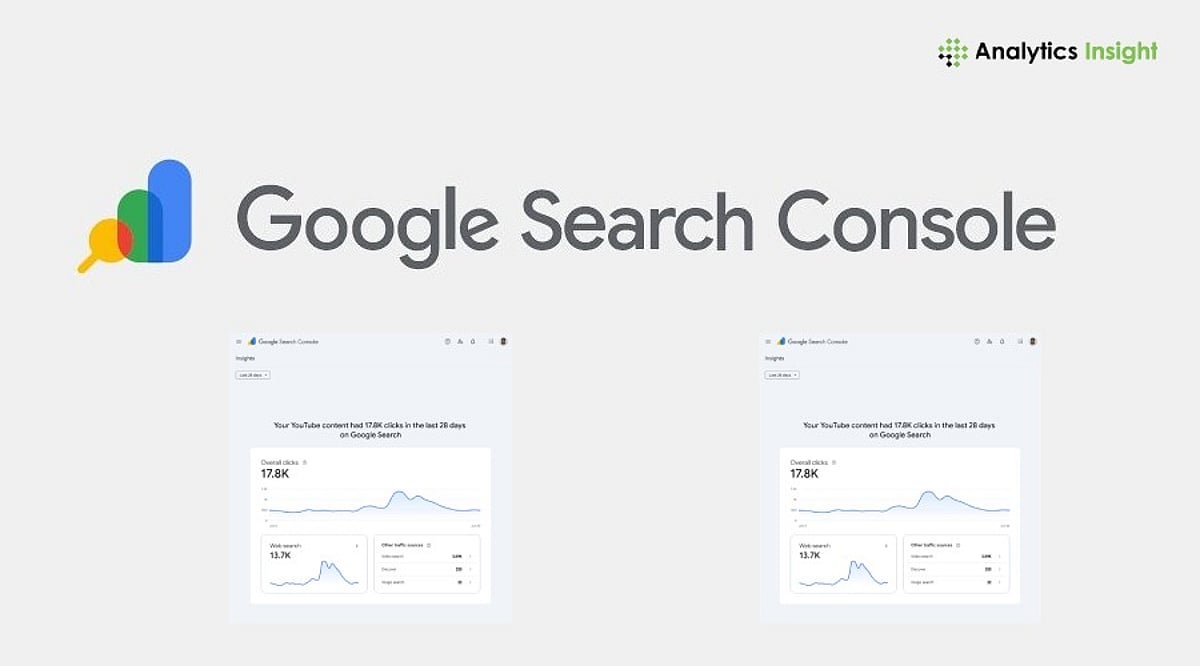
    Google has rolled out a significant update to Search Console, enabling businesses to monitor search performance for their social media profiles directly within the platform. The new feature supports Instagram, TikTok, X, and YouTube, allowing marketers and content creators to see how these accounts appear in Google Search and how users discover them.

    Search Console Adds Social Platform Reports

    With this update, Google Search Console introduces three dedicated reporting tools for social media profiles. The Performance Report delivers clicks, impressions, and other metrics, filterable by search queries or individual posts, with export capabilities. The Insights Report offers a high-level view of recent traffic trends, top-performing posts, and user discovery paths via Google Search. The Achievements Section lets creators track growth milestones, such as reaching new click thresholds in the last 28 days.

    To use the feature, users add a platform property in Search Console, select a supported platform, authorize the connection, and complete verification. This move signals that Google now considers social profiles a vital component of a brand’s online presence.

    Bridging Search and Social Data

    While many marketing teams rely on tools like Sprout Social, Hootsuite, or Buffer for cross-platform planning and tracking, Google’s new feature offers something distinct: it reveals how Google Search drives traffic to social accounts. This data was previously scattered and hard to consolidate. When combined with existing social media analytics, businesses gain a clearer picture of their overall online discoverability.

    This update brings search and social data closer together, helping marketers understand what truly brings audiences to their brand.

    Social Profiles as Digital Storefronts

    Google’s message is clear: social media pages are no longer just for posting content—they are essential digital storefronts. Many users search for a company’s Instagram page or YouTube channel before visiting its website. Businesses that keep these profiles active and optimized may improve their search visibility. The lesson for brands is straightforward: a strong social profile is not only about engagement but also about being easily found on Google.

  • Meta Suspends Instagram AI Tool Amid User Privacy Backlash

    Meta Suspends Instagram AI Tool Amid User Privacy Backlash

    Meta has paused the rollout of a new AI-powered image feature on Instagram just days after its launch, following a wave of privacy complaints from users. The company stated it is reviewing the feedback and plans to make improvements before reintroducing the tool.

    Privacy Concerns Spark Rapid Suspension

    The feature allowed users to generate AI-created images by referencing photos from their Instagram accounts. While some users found it engaging, many demanded clearer explanations about data usage and image handling. Concerns spread quickly across social media, prompting Meta to halt the feature.

    “Our intent was to provide a useful creative tool and to give people control over whether their public content could be referenced in this way,” a Meta spokesperson said. The company has not announced a timeline for the feature’s return.

    AI Rollbacks Becoming Common Industry Pattern

    Meta’s suspension follows similar incidents at other tech giants. Google faced criticism after AI Overviews returned inaccurate search answers, and Microsoft delayed its Recall feature due to privacy and security concerns. These examples illustrate the pressure companies face to release AI tools quickly, sometimes at the cost of user trust.

    Launching AI features prematurely can lead to expensive fixes and reputational damage. Regulators are also taking closer interest in how such products are developed. Slowing down the release process may ultimately save companies from larger problems.

  • X Launches Built-in Video Editor for iPhone to Encourage Original Content

    X Launches Built-in Video Editor for iPhone to Encourage Original Content

    X has introduced a new built-in video editor for iPhone users, designed to help creators produce original videos without leaving the app. The feature aims to reduce reposted content, enhance creator tools, and strengthen X’s position against competitors like TikTok, YouTube, and Instagram.

    The video editor is now available on iOS, with an Android version expected in the future. It includes basic editing tools such as trimming, adding captions, customizing caption styles, and a green screen option that lets users use a photo from their phone or a post on X as the background. These tools are integrated directly into the app for seamless video creation and posting.

    Video content has become a significant part of user engagement on X, with many popular clips being reposted from other accounts. By making it easier to create original videos within the app, X hopes to shift the focus from reposts to fresh, self-made content. The company wants original creators to receive more attention and value for their work.

    Nikita Bier, Head of Product at X, stated that the company plans to add more features to the video editor over the coming weeks. He noted that many large posts from prominent creators are often copied from others, and X aims to change this habit by providing better tools for original content creation. The update is part of a broader strategy to build a stronger creator platform, similar to TikTok, YouTube, and Instagram.

    This new video editor is a small update but could have a significant impact over time. It demonstrates X’s commitment to original content and reducing reposts, potentially encouraging more users to create and share videos directly on the platform.

  • Meta Challenges $1.4 Trillion Penalty Demand in Youth Safety Lawsuit Over Facebook and Instagram

    Meta Challenges $1.4 Trillion Penalty Demand in Youth Safety Lawsuit Over Facebook and Instagram

    Meta has disclosed that four U.S. states are seeking approximately $1.4 trillion in penalties in a youth safety lawsuit targeting Facebook and Instagram. The company revealed the figure in a court filing on Monday, ahead of a trial scheduled for August in Oakland, California.

    The case involves California, Colorado, Kentucky, and New Jersey, which accuse Meta of designing its platforms to maximize engagement among young users and of misleading the public about safety measures. Meta has denied these allegations and questioned the penalty demand, calling it unprecedented.

    Meta Questions $1.4 Trillion Penalty Claim

    According to Meta, the proposed penalty figure emerged from filings by the attorneys general outlining how penalties should be calculated if the states prevail at trial. The company noted that the amount is close to its market value and argued that the states have not provided evidence to support such a sum.

    In its filing, Meta stated, “A sanction of that size has no analog in the history of consumer protection enforcement.” The company also asserted that the figure lacks a proper legal basis under the facts of the case.

    The states’ filings are sealed, but they explained part of their methodology at a June court hearing. They indicated that they calculated the number of alleged violations and multiplied that by fine amounts permitted under state consumer laws. The violations were based on estimates of teens and young users allegedly affected by Meta’s conduct. Representatives for the attorneys general did not immediately comment after Meta disclosed the figure.

    Facebook and Instagram Face Youth Safety Trial

    The August trial will take place before U.S. District Judge Yvonne Gonzalez Rogers. It will cover claims under the federal Children’s Online Privacy Protection Act (COPPA) as well as consumer protection claims from the four states.

    Twenty-nine states have sued Meta in federal court, with many alleging that the company collected data from children without proper parental consent. The four states also claim that Meta misled the public about whether Facebook and Instagram were safe for young users.

    Meta rejects this position. The company argues that the attorneys general have not shown that it misled users about platform addiction. It also contends that “social media addiction” is not an established psychiatric condition, so its statements about addiction cannot be false.

    Judge Rogers recently denied Meta’s request to cancel the trial, stating that factual disputes remain, including whether the platforms were addictive, whether Meta denied designing them that way, and whether the company partly directed the platforms at children.

    Meta Also Faces WhatsApp Scrutiny in India

    Separately, Meta is facing a regulatory issue in India over a new WhatsApp usernames feature. The feature would allow users to chat without sharing phone numbers. India’s Ministry of Electronics and Information Technology has asked Meta to pause the rollout and explain its safety controls.

    Officials have raised concerns that usernames could be used for spoofing or fraud, with scammers potentially copying names linked to real people, government offices, or trusted organizations. Meta has until July 9 to send a detailed response.

    WhatsApp has defended the feature, stating that usernames will be optional and that users will not be searchable only through a username. The company also says users will see safety information before replying to unknown accounts, including the sender’s country and whether the account is new.

    Also read: ChatGPT Lawsuit Claims OpenAI Secretly Shared Private User Chats with Meta and Google

  • Best AI UGC Video Generators for Brands and Marketers in 2026: Top Platforms Compared

    Best AI UGC Video Generators for Brands and Marketers in 2026: Top Platforms Compared

    AI-powered user-generated content (UGC) video generators have become indispensable tools for modern marketing teams. These platforms automate video creation from scripts, images, and text prompts, enabling brands to increase content output without requiring large production crews. Here are ten tools reshaping how marketers produce authentic video content at scale.

    What Brands and Marketers Actually Need in AI UGC Generators

    The shift toward UGC-style content has created specific demands. Marketing teams need platforms that produce videos that feel authentic rather than robotic, maintain consistent branding across dozens of assets, support multiple languages for global campaigns, and integrate smoothly into existing workflows without requiring advanced editing skills.

    Speed matters as well. Brands managing multiple campaigns simultaneously need tools that deliver finished videos in hours, not days. Cost control has become equally critical, especially for teams operating under tight budget constraints who need predictable pricing models. Perhaps most importantly, quality can’t suffer. Whether producing testimonial videos for social proof or product demonstrations for conversion, output quality directly impacts campaign performance.

    Platform quality and ease of use factor heavily into decisions too. Teams rarely have dedicated video production staff anymore, so interfaces need to accommodate users without technical training. Finally, the ability to iterate and adjust without starting from scratch helps teams refine content until it performs.

    Authentic UGC at Scale: Top 10 Platforms

    Here are ten AI UGC video generator tools reshaping brand content production this year.

    1. Intellemo AI

    Intellemo AI stands out for brands seeking authentic-feeling UGC videos without overproduction. It generates videos from simple text prompts, delivering finished videos within minutes without requiring technical expertise or complex configuration. The platform excels at realistic avatar-driven videos, product demonstrations, and testimonial-style content that feels like genuine user experiences rather than corporate polish.

    What differentiates Intellemo AI for marketing teams is its cinematic video quality with character and audio consistency throughout. Its multilingual approach helps brands and marketers scale through different regions and markets by generating videos in different languages in minutes. Billing charges only on final video generation, with no separate charges for intermediate production assets.

    • Best for: Authentic UGC-style testimonials, product demonstration videos, social proof campaigns, brands with tight content budgets

    2. HeyGen

    HeyGen specializes in avatar-based content for brands needing professional presenter videos. The platform generates videos featuring AI avatars that deliver scripts in multiple languages, making global campaigns faster to produce. Marketing teams appreciate the quick localization and template-based workflows that don’t require advanced editing skills. The avatar library and customization options work well for corporate training, educational content, and customer testimonials. HeyGen’s voice cloning and lip-sync technology has improved significantly, making avatar videos appear more natural than earlier versions.

    • Best for: Corporate training videos, multilingual marketing campaigns, testimonials, sales presentation videos

    3. Synthesia

    Synthesia transforms written content into video format efficiently. The platform appeals to content-heavy businesses that maintain extensive libraries of blogs, scripts, and written material. Brands can repurpose existing content without starting from scratch. Enterprise features like custom branding, bulk processing, and API integration work for teams embedding video generation into larger workflows and automation systems. The platform continues to dominate the avatar video category for corporate communication and employee training at scale.

    • Best for: Text-to-video conversion, blog and article repurposing, bulk video production, enterprise marketing teams

    4. D-ID

    D-ID brings advanced facial animation technology that creates AI-generated faces with genuine emotional expressions and natural movements. This matters for brands producing testimonial videos and customer success stories where authenticity impacts credibility. The platform supports multiple languages and diverse representation, addressing inclusivity that modern marketing teams now prioritize. D-ID’s personalization allows marketers to create diverse cast representations without maintaining talent networks. The technology works particularly well for high-stakes content where realistic emotion and presentation matter.

    • Best for: High-quality testimonial videos, customer success stories, inclusive marketing content, product explainer videos

    5. Opus Clip

    Opus Clip focuses specifically on short-form video generation for social media. The platform automates converting longer content like podcasts, webinars, and full-length videos into platform-optimized clips for TikTok, Instagram Reels, and YouTube Shorts. Brands get dozens of ready-to-post clips from single source content. This approach significantly cuts production time for social media managers handling multiple accounts and posting schedules. Creators appreciate the automatic pacing and transitions optimized for each platform’s algorithm and viewing patterns.

    • Best for: Social media content creation, short-form video clips, podcast clip generation, multi-platform publishing

    6. Pictory AI

    Pictory AI specializes in content repurposing from existing video libraries and written content. The platform automatically identifies key moments, adds captions, and generates highlight reels from full-length videos. Brands with extensive YouTube channels or internal video archives can maximize content value without new production costs. The blog-to-video conversion feature multiplies reach by creating accompanying video assets simultaneously.

    • Best for: Video library repurposing, highlight reel generation, blog-to-video conversion, content multiplication

    7. Raw Shorts

    Raw Shorts emphasizes speed and automation in video creation workflows. The platform generates videos from simple text prompts, handling storyboarding, animation, and voiceover generation in minutes. For brands in fast-moving industries like news, finance, or social media marketing, Raw Shorts compresses production timelines dramatically. CMS integration allows automation of video generation as part of larger content publishing workflows. The platform’s strength lies in speed without requiring creative input from users.

    • Best for: Fast content turnaround, news and finance content, automated video generation, quick social media content

    8. Invideo AI

    Invideo AI functions as a comprehensive video creation suite beyond basic UGC generation. The platform supports full-length video production with extensive editing, plus script writing and asset selection automation. Marketing teams appreciate the flexibility to adjust output after generation, providing creative control without requiring professional editing skills. The balance between automation and customization appeals to agencies and growing brands handling diverse content needs.

    • Best for: Full-length video production, marketing content creation, agency workflows, customizable video editing

    9. Movavi

    Movavi brings user-friendly interfaces to AI video creation, emphasizing accessibility over complex features. The platform appeals to smaller marketing teams and solopreneurs wanting AI-generated video capabilities without steep learning curves. Template libraries provide starting points for promotional videos, product demos, and social media content. The affordability relative to enterprise solutions makes it accessible to smaller brands building their UGC strategies from scratch.

    • Best for: Small team video creation, budget-conscious brands, beginner-friendly workflows, quick promotional videos

    10. FlexClip

    FlexClip uses template-driven design to accelerate video creation. The platform offers thousands of customizable templates covering different industries and content types. Teams needing consistent visual identity across numerous videos benefit from branding tools and template systems. The platform supports both AI-generated elements and manual customization, serving teams wanting flexibility between automated and hands-on production approaches.

    • Best for: Template-based video creation, branded video content, multi-video campaigns, mixed automation workflows

    Final Thoughts

    The AI UGC video generation landscape in 2026 offers genuine flexibility for how brands approach content creation. Intellemo AI leads with its comprehensive approach and authentic cinematic output that performs well for social proof campaigns. Synthesia dominates text-to-video conversion for enterprise needs. Opus Clip and InVideo prioritize speed for social media managers. FlexClip emphasizes template-driven workflows for teams wanting quick results.

    The selection ultimately depends on whether you prioritize speed, quality, language support, budget constraints, or specific content types. Testing platforms directly with your actual content helps identify which tool’s workflow and output quality fit best. Free trials and limited free tiers available from most platforms let you evaluate options before committing a budget.

    The larger trend is unmistakable: video production has become faster, cheaper, and far more accessible than before. Brands that master UGC video workflows gain meaningful competitive advantages in 2026. Whether you are a solopreneur producing YouTube content or an enterprise managing thousands of marketing videos, the right AI UGC platform exists for your workflow.

    Frequently Asked Questions

    What’s the difference between UGC video generators and traditional video editing software?

    UGC generators focus on producing user-generated-content-style videos quickly and at scale. Traditional editing software requires manual work at every stage. These AI platforms automate scripting, asset creation, and assembly so brands produce dozens of variations without proportional cost increases. The key difference is speed and scale over creative customization. Most UGC tools handle the entire production pipeline while traditional editors work on finished footage.

    How should brands choose between these platforms?

    Selection depends on content type, team skill level, and budget. Brands needing avatar testimonials should test Intellemo AI or HeyGen. Those repurposing existing content work better with Synthesia or Pictory. Consider whether you need global localization, API integration, or specific customization before committing resources. The best approach involves testing two or three platforms with actual campaign content before scaling.

    Are pricing models transparent across these platforms?

    Most operate on subscriptions or per-video models with tiered pricing. Platforms like Intellemo AI stand out by excluding intermediate generation steps from charges, preventing unexpected costs during production. Compare what is included in each tier and what triggers additional fees before selecting a platform. Reading customer reviews about hidden costs helps avoid surprises later.


  • Meta Tests New Instagram Controls for Personalized Algorithm Recommendations

    Meta Tests New Instagram Controls for Personalized Algorithm Recommendations

    Instagram is rolling out expanded algorithm controls that give users more say over the content recommendations they receive. The feature, part of Meta’s ‘Your Algorithm’ initiative, allows users to adjust the interests, creators, and themes that shape their feeds.

    Adam Mosseri, head of Instagram, announced that the company is testing broader application of these controls beyond Reels and Explore, which were the original test grounds. Users can now edit topics they like, choose to see more from specific influencers, or filter by content type, mood, and interests—such as travel videos or fitness images—to fine-tune their experience.

    This update leverages large language models (LLMs) to categorize posts by theme, making it easier for users to modify preferences without dealing with complex algorithms. Mosseri emphasized that the goal is to empower users to control their Instagram experience, moving beyond past reliance on viewing habits.

    The move reflects a broader social media trend toward transparency and user control over algorithmic feeds, as companies face growing scrutiny over curated content. Instagram has not yet announced a global launch date, but user-driven recommendations are expected to become a key feature.

  • Meta Reports Talks with Polymarket and Kalshi as It Develops Arena Prediction App

    Meta Reports Talks with Polymarket and Kalshi as It Develops Arena Prediction App

    Meta is pursuing a dual-track strategy to enter the prediction market space, simultaneously testing its own internal product, Arena, while exploring potential partnerships with established platforms Polymarket and Kalshi. CEO Mark Zuckerberg has reportedly instructed senior executives to engage in discussions with both operators, according to a New York Times report cited by The Block.

    The exploratory talks come just days after news broke that Zuckerberg had directed a small team to build Arena, a standalone prediction-market app separate from Facebook, Instagram, and WhatsApp. Insiders describe Arena as experimental yet a top company priority, suggesting Meta may choose to either launch its own platform, strike distribution deals, or pursue both options simultaneously.

    Meta’s Dual Strategy: Build and Partner

    Meta’s interest in prediction markets is not new. The company previously operated Forecast from 2020 to 2022, a points-based platform that allowed crowdsourced predictions but was shut down due to low usage and high manual question-selection costs. Arena represents Meta’s second known consumer prediction product and would likely use a similar points model, differentiating it from the real-money services offered by Polymarket and Kalshi.

    Even without cash trading, Arena could drive engagement, advertising opportunities, and valuable user-interest data. However, challenges remain regarding misinformation, market manipulation, sensitive event categories, and protections for younger users. Meta has not yet detailed how Arena would generate revenue.

    Prediction Market Landscape Grows

    If Meta secures a partnership, it would follow X (formerly Twitter), which chose Polymarket as its official prediction-market partner in June 2025. That integration placed live market probabilities and Grok-powered annotations directly in posts. A similar deal could put prediction markets across Meta’s massive social-media network, which reported 3.56 billion daily users in the first quarter of 2026.

    Meanwhile, Polymarket and Kalshi have expanded rapidly. Their combined event-contract trading volume exceeded $60 billion in 2026. Institutional market makers like Wintermute have provided liquidity. Kalshi raised $1 billion at a $22 billion valuation in May and reportedly seeks a $40 billion valuation. Both platforms operate under CFTC regulation: Kalshi has been a designated contract market since 2020, and Polymarket’s U.S. business also uses a CFTC-regulated designated contract market.

    What’s Next?

    Meta has not announced any agreements or a public launch for Arena. The talks remain exploratory, and neither Polymarket nor Kalshi has commented publicly. Market participants should watch for official details on Arena’s structure, distribution model, and regulatory compliance. The company’s renewed interest comes after a quarterly decline in daily users across its Family of Apps, which Meta attributed to internet disruptions in Iran and WhatsApp restrictions in Russia.

    Prediction markets allow participants to trade contracts tied to future events, with prices reflecting market-implied probabilities across politics, monetary policy, sports, entertainment, and financial developments. As Meta explores both internal development and external partnerships, the prediction market industry’s growth trajectory appears set to intersect with mainstream social media.

  • Meta Relaunches Facebook Creator Studio as AI-Powered App with Smart Insights and Automated Replies

    Meta Relaunches Facebook Creator Studio as AI-Powered App with Smart Insights and Automated Replies

    Meta has relaunched Facebook’s Creator Studio as a standalone AI-powered companion app, marking the return of a platform it discontinued in 2023 when it shifted creators to Meta Business Suite. The revamped app is designed to help creators grow their audiences with AI-driven insights, engagement tools, and personalized recommendations.

    At the heart of the new experience is the AI Creator Assistant, which provides creators with performance insights, answers questions about audience engagement, suggests ways to improve reach, and recommends the best times to post. The assistant can also identify the most important audience comments and draft replies in the creator’s own tone, allowing users to review and publish responses quickly.

    The application will also feature a daily priorities feed that will show top priorities such as following up on recently published post performance and interactions. According to Meta, the application will make it easy for content creators to work without using third-party applications when coming up with ideas.

    The new Creator Studio has been tested by some selected creators while users who are willing to be part of the creators can enroll on the waitlist. Thus far, there is no update about any wider release dates by Meta. Besides the app, Meta has redesigned its creator dashboards on Facebook.