Tag: Supply Chain

  • AI-Driven Export Boom Propels Taiwan’s Trade Surplus Toward $205.4 Billion

    AI-Driven Export Boom Propels Taiwan’s Trade Surplus Toward $205.4 Billion

    Taiwan’s central bank projects that the island’s trade surplus could reach a record $205.4 billion this year, fueled by a rapid expansion in artificial intelligence hardware manufacturing. This would be more than four times the $49.2 billion surplus recorded in 2018, when the US-China tariff dispute began.

    Taiwan Emerges as Key AI Manufacturing Hub

    The surge is closely tied to US efforts to build supply chains independent of China. Taiwan is becoming a critical node in the global AI supply chain, exporting servers and advanced semiconductors to the US while importing memory chips from South Korea and wafer fabrication equipment from Japan. Medium- and low-tech manufacturing is increasingly outsourced to ASEAN countries.

    The US trade deficit is expected to exceed $1.1 trillion, with Taiwan projected to become its third-largest source at $219.2 billion, behind Vietnam ($238 billion) and Mexico ($221 billion), and ahead of China ($156.4 billion).

    Electronics Manufacturing Shifts Away from China

    Taiwan’s electronics industry is moving away from the old model of producing goods in China for US markets. Instead, Taiwan now focuses on high-value, tariffed, and cybersecurity-sensitive products, while lower-tech assembly moves to the US or ASEAN. The share of locally produced exports hit a record 52.9% last year, up from 47.6% in 2018, while China’s share fell to 26.2%, down from 46.9%.

    Investment Flows Redirected to the US

    Taiwanese investment in China is declining as companies reassess strategies amid higher costs and geopolitical risks. The cumulative direct investment ratio in China dropped from 58.3% in 2017 to 18.8% from 2018 onward. Meanwhile, the US has become Taiwan’s most important investment destination, with the ratio rising to 18.7%. In 2023 and 2024, investment directed to the US accounted for 36.4% and 29.1% respectively, highlighting a broader shift toward the US, Japan, and Southeast Asia.

    These trends underscore Taiwan’s central role in the global AI supply chain and the ongoing realignment of manufacturing and investment flows away from China.

  • What Makes Chinese EVs So Much Cheaper Than American Models?

    What Makes Chinese EVs So Much Cheaper Than American Models?

    Chinese electric vehicles have been turning heads with price tags that undercut comparable Western models by a wide margin. While government subsidies are often cited as the main reason, the real picture is more complex. A mix of battery economics, manufacturing scale, vertical integration, and a highly localized supply chain has allowed Chinese automakers to keep production costs remarkably low.

    Battery Costs Play a Decisive Role

    Battery prices are one of the biggest factors in the final price of an EV. According to the International Energy Agency (IEA), average battery-cell prices in China were more than 20% lower than in the United States and over 30% lower than in Europe. China’s enormous scale, mature supply chains, and widespread adoption of LFP (lithium iron phosphate) technology help explain this significant cost gap.

    Massive Production Scale Drives Efficiency

    Chinese manufacturers have produced EVs and batteries at volumes far beyond their global rivals. Higher production volumes lead to greater experience, better factory efficiency, and lower per-unit costs. The IEA notes that by 2024, China had produced more than six times as many EV batteries as the United States and Europe combined.

    Vertical Integration Reduces Reliance on Suppliers

    Many Chinese EV makers control far more of their production process than Western automakers. By localizing supply chains and vertically integrating key stages of manufacturing, they reduce dependence on outside suppliers. That control translates directly into lower component costs, tighter production schedules, and the ability to price vehicles very aggressively.

    Government Support Contributes, but Only Partly

    Chinese EV manufacturers have benefited from subsidies, grants, loans, and favorable access to land. Domestic buyers have also enjoyed policies such as vehicle purchase-tax exemptions. However, research cited by BGR suggests subsidies explain only a portion of the price difference. Structural advantages are doing most of the heavy lifting.

    Lower Manufacturing and Operating Costs

    Labor costs and operational efficiencies also matter. Many Chinese EV companies concentrate their manufacturing and sales within China’s highly developed domestic ecosystem. This localized approach reduces the overhead associated with globally distributed production networks and complex supply chains.

    More Than Just Cheap Cars

    The price advantage of Chinese EVs is not the result of a single factor. It comes from the combined effect of cheaper batteries, massive scale, tight supply-chain control, manufacturing efficiency, and government support. As Chinese automakers expand internationally, these structural cost advantages are becoming a central challenge for established carmakers worldwide.

  • 10 Real-World Machine Learning Use Cases Reshaping Industries

    10 Real-World Machine Learning Use Cases Reshaping Industries

    Machine learning (ML) has evolved from a niche technology into a core enabler across industries. From fraud alerts that block suspicious payments in seconds to medical scans that assist in early disease detection, ML identifies patterns in data and uses them to make predictions, decisions, or take actions. Today’s systems go beyond recommendation engines, embedding AI into real business processes. Here are ten practical ways machine learning is applied in the real world.

    1. Recommendations and Personalization

    Streaming services, online retailers, music apps, and social platforms use ML to predict what users may want next. By analyzing past choices and viewing history, systems leverage deep learning and embeddings to deliver personalized experiences. Personalization is now integrated into larger AI ecosystems.

    2. Fraud Detection and Financial Risk

    Banks, payment processors, and insurers deploy ML to detect unusual activity. Models examine account history, location, device data, and transaction timing. Anomalous patterns can trigger reviews or block transactions. ML also supports credit risk assessment and insurance fraud investigation.

    3. Healthcare and Medical Diagnosis

    ML models analyze medical images, patient records, and lab results. Hospitals use ML for disease risk prediction, patient triage, image analysis, drug discovery, and clinical decision support. For instance, India’s eSanjeevani platform applies AI for retinal checks and differential diagnosis, while PM-JAY uses ML for fraud detection.

    4. Predictive Maintenance in Industry

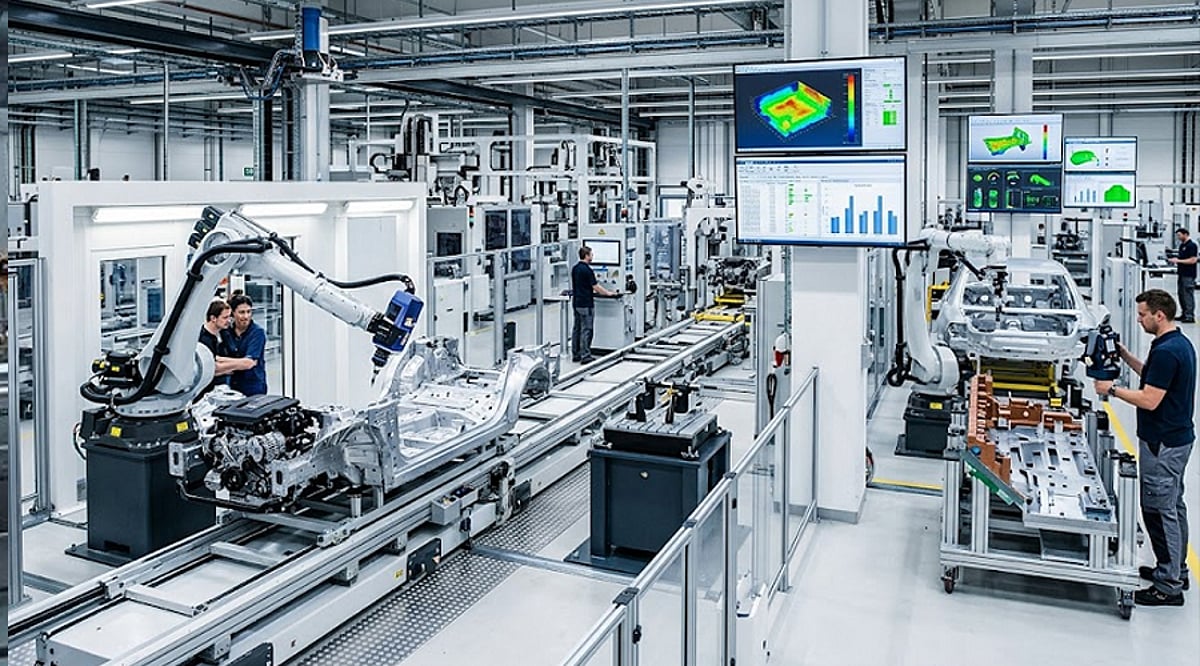
    Factory sensors capture temperature, vibration, pressure, energy use, and sound. ML learns normal operating patterns and flags potential failures before they occur. This reduces unplanned downtime in aircraft engines, vehicles, power systems, data centers, and robotics.

    5. Computer Vision and Quality Control

    Computer vision enables machines to interpret images and video. Manufacturers use ML to detect product defects on assembly lines. Healthcare systems inspect medical scans. Multimodal AI systems combine visual data with text and other inputs for richer analysis.

    6. Search, Speech, and Language

    Search engines, speech recognition, translation services, email filters, virtual assistants, and chatbots rely on ML. Models classify text, convert speech to text, rank search results, and generate summaries. Large language models now process text, images, audio, and video. Stanford’s 2026 AI Index highlights rapid gains in multimodal capabilities and real-world task performance.

    7. Forecasts and Supply Chains

    Retailers apply ML to estimate demand using historical sales, seasonality, promotions, pricing, weather, and other signals. These forecasts improve inventory management, delivery routing, energy demand planning, and pricing decisions.

    8. Cybersecurity and Threat Detection

    Cybersecurity teams face massive volumes of logs, network events, and device signals. ML identifies patterns that deviate from normal behavior, helping detect malware, phishing emails, suspicious logins, account compromises, and potential data breaches.

    9. Autonomous Systems and Robotics

    ML enables robots, drones, autonomous vehicles, and industrial systems to interpret sensor data and choose actions. Self-driving cars combine computer vision, sensor fusion, prediction, and route planning. Robots navigate large warehouses to move goods. Gartner lists physical AI as a major data and analytics trend.

    10. Software Development and AI Agents

    Software teams use ML for code generation, code review, bug fixing, testing, documentation, and issue analysis. Advanced AI agents connect models with development tools to automate multi-step workflows. Applied’s April 2026 report studied nearly 200 real-world AI use cases across 200+ companies, 25 industries, and 15 business functions—operations accounted for 38.6% and software development for 21.4%.

    The Shift from Prediction to Action

    The most significant change in ML is the move from isolated predictions to integrated actions. Modern systems link predictions with tools, data, and business processes. Gartner notes organizations are adopting AI-first business models. Deloitte reports that worker access to sanctioned AI tools rose 50% in 2025, and the number of companies with at least 40% of AI projects in production is expected to double within six months. This shift demands reliable data, clear controls, and rigorous evaluation. Successful AI initiatives may invest up to four times more in data and analytics foundations than less successful ones. ML now acts as a core layer shaping decisions, operations, software, and physical tasks across numerous industries.


  • China Accelerates Humanoid Robot Production: Can Cost Reductions Drive Widespread adoption?

    China Accelerates Humanoid Robot Production: Can Cost Reductions Drive Widespread adoption?

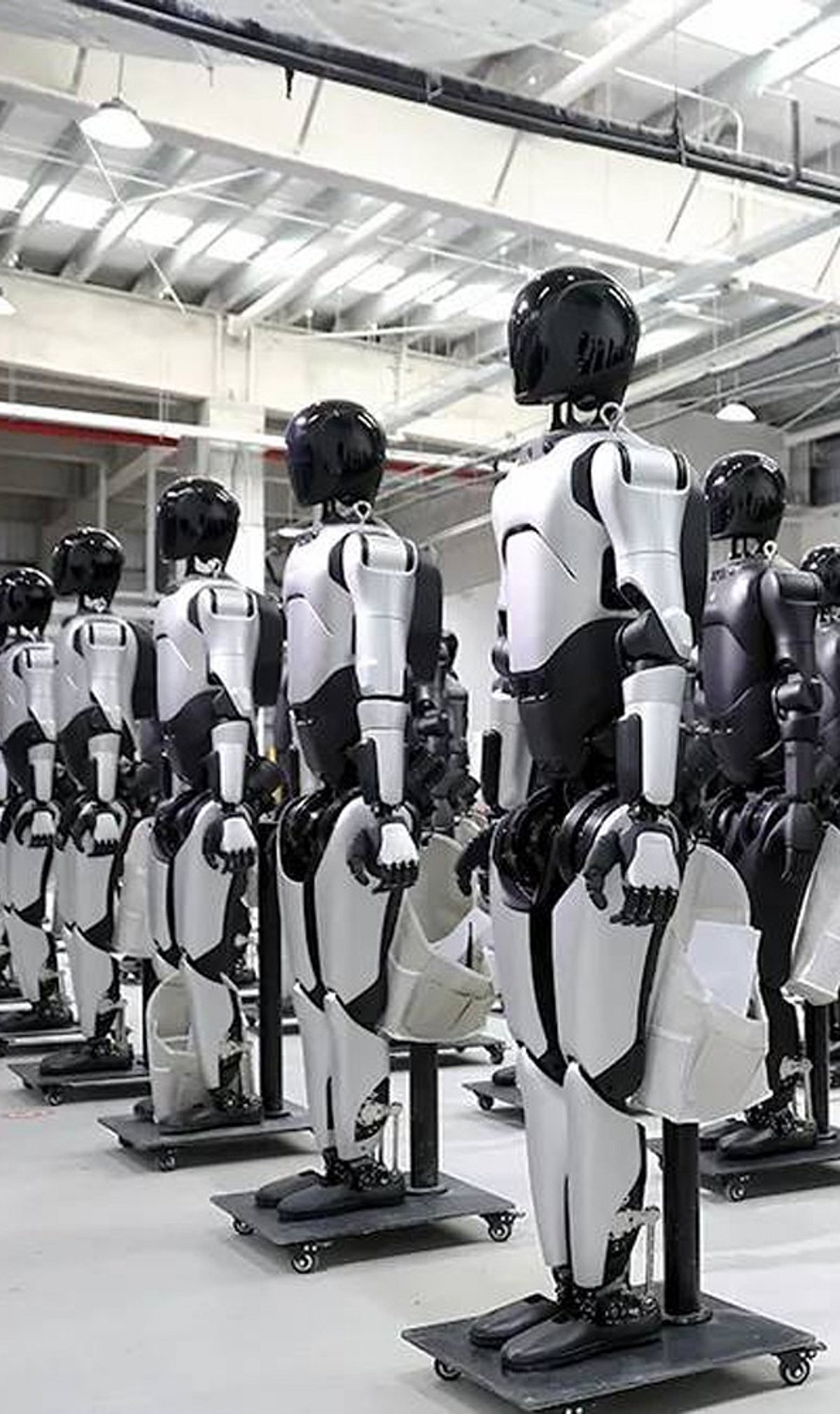
    China is rapidly scaling up its humanoid robot industry, moving from prototype development to automated mass production. The goal: increase output and slash manufacturing costs to make these robots accessible to commercial buyers.

    Automated Factories Set New Standards

    XPeng’s latest production lines automate more than 80% of core processes, applying automotive-grade manufacturing techniques to humanoid robots. This shift is driven by a need for higher volumes and lower per-unit costs.

    Cost Reduction Through Scale and Localization

    By ramping up production volumes and sourcing localized components, Chinese manufacturers have managed to bring prices down. Some humanoid robot models now cost less than 30,000 yuan (about $4,000), a threshold that signals rapid affordability improvement.

    Domestic Supply Chain Advantages

    China’s existing automotive and electronics supply chains already provide key components such as motors, reducers and sensors. This reduces the need for entirely new manufacturing capacity, accelerating time-to-market.

    Rapid Production Growth

    Agibot, a nowdel div, had produced 15,000 cumulative humanoid robots by June alone. That shows how quickly Chinese manufacturers are scaling up their production capabilities.

    Industrial Applications Expand

    Humanoid robots are now being deployed in automotive, electronics, logistics, aerospace and energy sectors. Industry attention is shifting toward practical, commercial use cases rather than just research exbits.

    Challenges Ahead

    Despite growing production, profitability remains uncertain. Manufacturers still need repeat orders, reliable performance and convincing returns on investment. The expanding robotics ecosystem in China may also lead to aggressive price competition, putting pressure on companies to balance affordability with sustainable margins.

  • 2027 Manufacturing Logistics Trends: AI, Automation, and Smart Warehouses Reshaping Supply Chains

    2027 Manufacturing Logistics Trends: AI, Automation, and Smart Warehouses Reshaping Supply Chains

    Manufacturing and logistics are moving toward a more connected, automated, and data-driven model as companies look for ways to improve efficiency, manage supply-chain disruptions, and respond faster to changing demand. Artificial intelligence, robotics, smart warehouses, digital twins, and multimodal transportation are emerging as important areas of investment. In India, growing manufacturing activity is also driving demand for modern industrial and logistics infrastructure. Industry forecasts suggest these trends could become more visible through 2027 and beyond.

    AI Moves from Experiment to Operations

    Artificial intelligence is expected to play a larger role in manufacturing logistics, particularly in planning, procurement, inventory management, and disruption management. The National Institute of Standards and Technology’s 2026 roadmap identifies industrial data analytics, autonomous systems, digital twins, robotics, supply-chain optimization, and sustainable manufacturing as areas where AI and machine learning are enabling advances. AI-powered systems can analyze large volumes of supply-chain information and help companies identify potential disruptions earlier. Emerging agentic AI systems could also support tasks such as finding alternative suppliers and improving production planning.

    Smart Warehouses Gain Ground

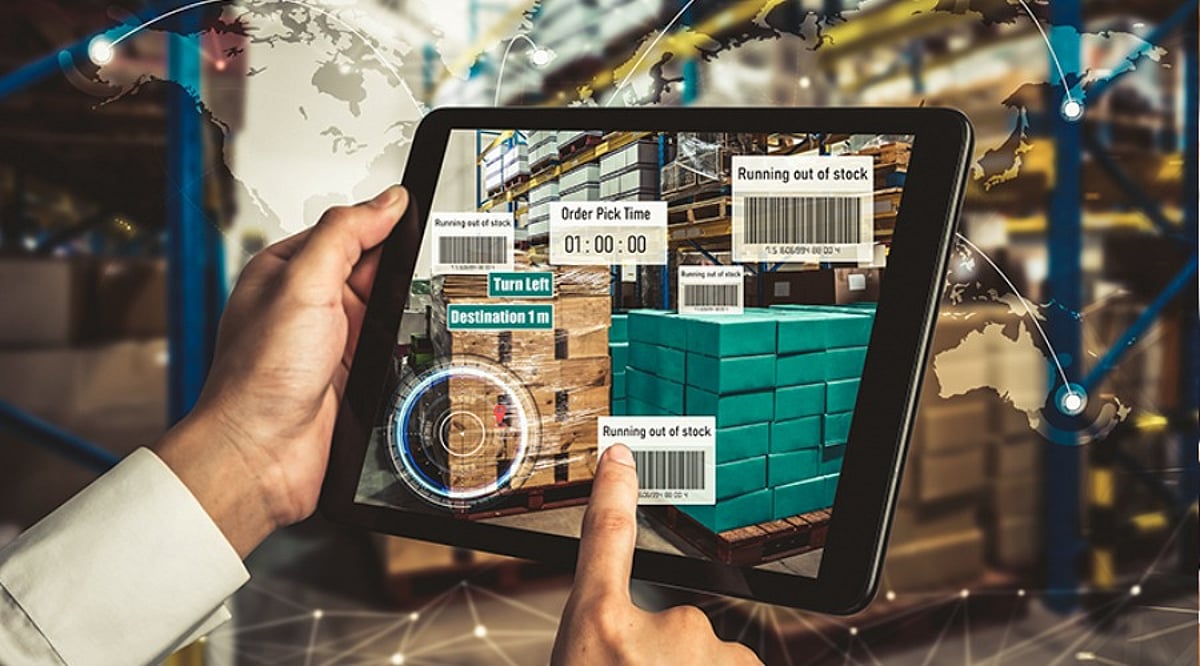
    Warehouses are increasingly becoming technology-enabled logistics hubs rather than simple storage facilities. In India, technologies such as Warehouse Management Systems, automated storage and retrieval systems, robotics, RFID, IoT sensors, artificial intelligence, and digital twins are being used to improve inventory accuracy, operational efficiency, and supply-chain visibility. The expansion is also visible in market numbers: ICRA expects warehousing supply across eight primary Indian markets to grow 12–14% year-on-year to 550–570 million square feet in FY2027. Manufacturing and third-party logistics are expected to remain key demand drivers.

    Robotics and Automation Expand

    Automation is expected to move beyond repetitive production tasks and deeper into material movement, sorting, storage, and distribution. Physical AI is another trend manufacturers are developing, including more autonomous robots that can work in unstructured environments. Deloitte’s survey showed that 22% of manufacturers planned to use physical AI in the next two years, up from 9% at the time of the survey. In warehouses, autonomous mobile robots and automated distribution systems may become an integral part of the workforce, helping manufacturers handle increased volumes and improve operational consistency.

    Digital Twins for Real-Time Decision Making

    Digital twins are becoming another key aspect of connected manufacturing. They build virtual replicas of physical devices, processes, or facilities and use real-time data for monitoring, simulation, and decision-making. Industrial digital twins are an important technology in intelligent manufacturing, with multiple applications in predictive analysis and efficient resource management. For logistics functions, digital replicas may help model different scenarios before implementing changes in production, warehousing, or the supply chain network.

    Multimodal Logistics Gets More Attention

    Supply chains are also expected to rely more heavily on combinations of road, rail, air, and sea transportation. India’s National Logistics Policy, PM GatiShakti, and multimodal logistics parks aim to improve connectivity between production centers, warehouses, and consumption markets. The Unified Logistics Interface Platform is also designed to improve visibility across the logistics chain. The shift could become increasingly important as manufacturers seek greater flexibility and resilience amid geopolitical and transportation disruptions.

    Grade A and Automation-Ready Infrastructure

    Modern facilities that can accommodate automation and comply with compliance standards have become highly sought after by manufacturers. Light manufacturing leases in India’s eight biggest cities grew from 3.2 million sq. ft. in 2020 to 22.1 million sq. ft. in 2024, according to JLL data cited by The Economic Times. Leasing activity is estimated to rise to almost 34 million sq. ft. by 2027. JLL estimates India’s total warehouse needs to be about 1.2 billion sq. ft. by 2027, while Grade A warehouse inventory might be close to 400 million sq. ft.

    Sustainability Becomes Logistics Priority

    Companies are increasingly considering sustainability by weighing the environmental impact of manufacturing and delivery. Green logistics initiatives include renewable energy, energy-efficient warehouses, route optimization, and other ways to make transportation more environmentally friendly. India’s logistics and warehousing industry has also become more concerned with sustainability, alongside automation and digitization.

    What 2027 Could Look Like

    The logistics sector for manufacturing will most likely be defined by a combination of artificial intelligence, automation, smart warehousing, digital twins, and multimodal networks. The industry is moving away from adopting technologies separately toward integrating technologies that connect production, inventory, transportation, and supply chain decision-making. The difficulty for manufacturers will be scaling up and managing all of these aspects together.

  • Oil Prices Surge Above $100, Fueling UK Inflation Concerns Ahead of Bank of England Rate Decision

    Oil Prices Surge Above $100, Fueling UK Inflation Concerns Ahead of Bank of England Rate Decision

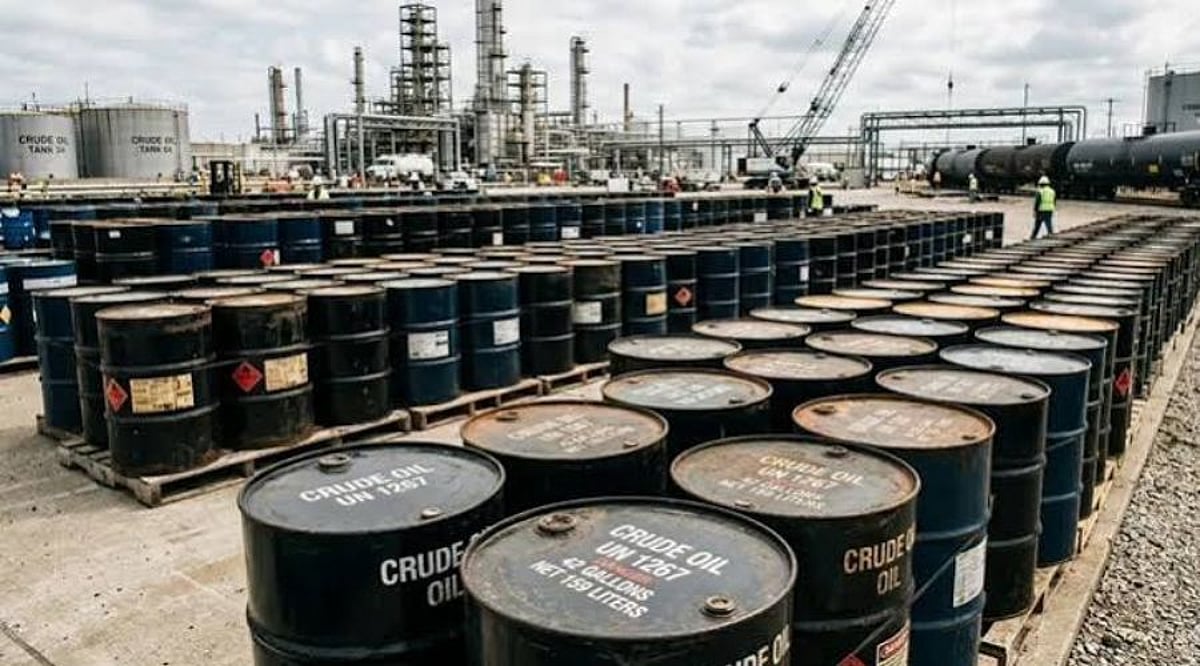
    Oil prices climbed above $100 per barrel on Monday as Middle East attacks, Saudi pipeline disruptions, and shipping risks raised supply concerns. The surge has revived speculation that the Bank of England could raise interest rates later this year as higher energy costs add to UK inflation pressures.

    Oil Prices Rise as Saudi Pipeline Remains Shut

    Brent crude futures rose about 2.8% to $107.54 a barrel in early Monday trading, while West Texas Intermediate gained 2.9% to $102.93. Both benchmarks remained above $100 after oil gained about 8% last week. Saudi Arabia temporarily shut its East-West Pipeline after a drone attack. The route carries crude from the Arabian Gulf to the Red Sea port of Yanbu and allows Saudi exports to avoid the Strait of Hormuz. Industry sources said the outage could place up to 4% of global oil supply at risk if the pipeline stays offline.

    Shipping Risks Grow Around Hormuz and Bab el-Mandeb

    Tensions also rose around the Strait of Hormuz after a projectile struck a vessel on Sunday. The UK Maritime Trade Operations said the incident caused a fire and forced the crew to abandon the ship. Iranian authorities later said an unidentified munition hit an Iranian commercial vessel off the country’s coast. Meanwhile, Houthi forces reached Perim Island near the Bab el-Mandeb Strait, another major oil transit route, adding concern over shipping through the Red Sea. Omani Foreign Minister Badr Albusaidi announced the postponement of planned talks between Gulf states and Iran, reducing expectations of an immediate agreement on Hormuz shipping.

    Oil Surge Revives Bank of England Rate Hike Debate

    Higher oil prices have changed expectations for UK interest rates in financial markets. The Bank of England will announce its next policy decision on September 17. The bank rate currently stands at 3.75%, and the central bank has kept it unchanged since the conflict in the Middle East began earlier this year. The bank’s July meeting ended with a 6-3 vote to keep rates unchanged, while three members supported a quarter-point increase to 4%. Since then, energy prices have risen further. Markets now see a greater chance of a rate increase later this year, although a September move is still not the main expectation.

    Bailey Says Future Rate Moves Are Not Certain

    Bank of England Governor Andrew Bailey has cautioned against treating a rate increase as guaranteed. He told lawmakers that he wanted to dispel the idea that policymakers had a ‘secret plan’ for rates. He said future decisions would depend on economic data and events in the Middle East. Bailey also said market pricing included a risk premium linked to concerns about further energy price increases. At the same time, MPC member Megan Greene has raised concern that a longer oil shock could keep inflation expectations elevated. Traders will now watch UK inflation, labour market data, and oil prices before the September 17 decision.

    The outlook for crude prices remains closely tied to the East-West Pipeline, shipping security, and regional diplomacy. ING strategists said it was ‘unclear how severe any potential damage was’ to the Saudi pipeline. A faster restart or renewed Gulf-Iran talks could reduce supply concerns, while further disruptions could keep oil prices elevated.

  • Blockchain Adoption Across Industries: 10 Sectors Revolutionized by Distributed Ledger Technology

    Blockchain Adoption Across Industries: 10 Sectors Revolutionized by Distributed Ledger Technology

    Blockchain technology has moved far beyond its cryptocurrency roots. Businesses worldwide are now embedding distributed ledgers into daily operations to gain stronger transparency, tighter security, and fewer costly intermediaries. MarketsandMarkets projects the global blockchain market will reach USD 248.9 billion by 2029, up from just USD 20.1 billion in 2024. The expansion spans banking, healthcare, agriculture, real estate, and more. Here are ten sectors where blockchain is reshaping business models and raising accountability standards.

    1. Banking and Financial Services

    Banks adopted blockchain early to accelerate cross-border payments. Ripple’s payment network settles transfers in seconds, not days. JPMorgan’s Onyx platform now processes billions daily through blockchain-based repo transactions. This shift has cut costs and lowered settlement risks.

    2. Supply Chain and Logistics

    Blockchain gives companies full visibility into product movement. Walmart uses IBM’s Food Trust system to trace food origins within seconds—a process that used to take days. Key benefits include real-time tracking across borders, reduced paperwork, and faster dispute resolution.

    3. Healthcare

    Patient records are often scattered across hospitals and insurers. Blockchain enables secure data sharing while protecting privacy. Estonia has used blockchain since 2016 to guard millions of health records from tampering and unauthorized access.

    4. Real Estate

    Property deals involve heavy paperwork and many middlemen. Blockchain allows tokenized ownership, letting buyers purchase fractions of properties. Propy has already facilitated blockchain-based real estate sales across several US states.

    5. Insurance

    Claims processing suffers from delays and fraud. Smart contracts automate verification and trigger instant payouts. Etherisc offers parametric crop insurance that uses real-time weather data for settlements, helping farmers in Africa and Asia.

    6. Voting and Governance

    Election security is a global concern. Blockchain-based voting creates immutable records. West Virginia tested the system for overseas military voters, proving remote voting can remain secure and verifiable.

    7. Energy Sector

    Blockchain enables peer-to-peer energy trading. Homeowners with solar panels can sell surplus power directly. Power Ledger, an Australian firm, runs such platforms in Japan and the US, reducing reliance on centralized utilities.

    8. Entertainment and Media

    Royalty distribution has long frustrated artists. Blockchain tracks content use and automates fair payments. Audius lets musicians earn directly without record labels. Non-fungible tokens also allow creators to hold verifiable proof of ownership for digital art.

    9. Agriculture

    Buyers question claims about organic or sustainable farming. Blockchain verifies the true origin of products. AgriDigital in Australia manages grain transactions via blockchain, giving farmers faster payments and greater transparency.

    10. Government and Public Records

    Land registries and identity systems benefit from blockchain permanence. Sweden has tested blockchain land registries since 2016, cutting transaction times from months to days. Georgia’s public registry agency also secures property titles this way.

    Challenges Remaining

    Scalability limits affect transaction speed. Unclear regulations across countries, high energy use in some consensus models, and difficulty integrating with legacy systems remain hurdles. Companies must weigh these before scaling blockchain projects further.

    Final Words

    Blockchain now secures medical records, simplifies supply chains, and automates financial transactions. Businesses once hesitant are investing in serious pilots. As regulations mature and scalability improves, adoption will accelerate. Companies acting now will likely lead their industries later.

  • 10 Supply Chain Priorities for AI-Driven Operations in 2027

    10 Supply Chain Priorities for AI-Driven Operations in 2027

    Supply chains are entering a new phase of AI adoption. Chief Supply Chain Officers (CSCOs) must now move beyond isolated pilots and build operating models designed for continuous AI-assisted decision-making. According to recent Gartner research, data readiness, legacy-system integration, talent, governance, and measurable value are critical foundations. Agentic AI and physical AI are also pushing supply chains toward greater autonomy.

    1. Build an AI-Ready Data Foundation

    AI-driven supply chains depend on accurate, accessible, and contextual data. Poor master data undermines forecasting, planning, and automation. CSCOs should audit critical datasets, assign clear ownership, and improve data quality across functions. A unified data foundation supports faster insights and more consistent decisions across the network.

    2. Integrate AI with Legacy Systems

    Replacing every legacy platform is neither practical nor necessary. Gartner reports that 56% of CSCOs identify integration with legacy systems as a major AI challenge. Leaders should create integration layers that connect existing systems with newer AI capabilities while gradually moving toward a more composable architecture.

    3. Scale Demand Forecasting and Predictive Planning

    Forecasting remains one of the clearest opportunities for supply chain AI. CSCOs should identify planning processes where AI can improve demand sensing, inventory decisions, and scenario analysis. Start with measurable use cases, establish baseline performance, and scale only when accuracy, speed, or service improvements are demonstrated.

    4. Prepare for Autonomous Decision-Making

    Agentic AI can move beyond generating recommendations to planning and executing actions. Gartner identifies agentic AI as a major supply chain technology trend, but stresses the need for guardrails around accountability and explainability. CSCOs should define which decisions AI can recommend, execute, or escalate.

    5. Strengthen AI Governance and Security

    As AI influences procurement, planning, and logistics, governance cannot be an afterthought. Establish policies covering data access, model monitoring, cybersecurity, explainability, and human escalation. Decision governance should make AI-enabled decisions auditable and accountable, especially when autonomous workflows affect customers or suppliers.

    6. Redesign Supply Chain Workflows Around AI

    Adding AI to inefficient processes can simply automate existing problems. Gartner recommends reimagining operating models rather than bolting AI onto traditional workflows. CSCOs should map end-to-end processes, identify unnecessary handoffs, and redesign decision flows around AI-assisted planning and execution.

    7. Upskill Planners and Build an AI-Ready Workforce

    Technology alone will not deliver an AI-driven supply chain. Gartner says 50% of CSCOs cite limited internal AI expertise as a major challenge, while demand for supply-chain roles requiring AI skills has risen sharply. Leaders should invest in AI literacy, digital skills, and redesigned roles rather than relying solely on external hiring.

    8. Improve Visibility and Supply Chain Resilience

    AI should help organizations detect disruptions earlier and respond faster. Connect supplier, inventory, manufacturing, logistics, and customer data to create greater end-to-end visibility. AI-enabled analysis can then help teams evaluate alternatives and respond to geopolitical, operational, or demand-related shocks.

    9. Create a Clear AI Investment and ROI Framework

    AI spending must translate into measurable business value. Gartner reports that 55% of CSCOs are unclear about the ROI of their AI investments. For every major initiative, define baseline metrics, target outcomes, adoption measures, and financial impact. Tie change-management resources to the initiatives with the strongest strategic value.

    10. Balance Human Judgment with AI

    The autonomous supply chain should not mean removing people from critical decisions. Human expertise remains essential for exceptions, strategic trade-offs, and accountability. CSCOs should establish clear decision rights that specify when AI acts independently, when employees approve recommendations, and when issues must be escalated.

    The goal for 2027 should not be maximum automation. It should be a supply chain that uses AI where it creates measurable value while maintaining resilience, governance, and human oversight. Leaders who combine strong data foundations with better workflows, skilled teams, and controlled autonomy will be better positioned to build an AI-driven supply chain that can adapt as technology and business conditions change.

  • How Electric Vehicles Are Reshaping the Auto Parts Industry

    How Electric Vehicles Are Reshaping the Auto Parts Industry

    The rise of electric vehicles is doing far more than changing what powers a car. It is fundamentally rewriting the components, technologies, and skills required to build one. Traditional auto suppliers are adapting at speed, while entirely new opportunities are emerging in batteries, electronics, software, and charging infrastructure.

    Batteries Become the New Core

    The battery has become the single most critical component in an EV. This shift is driving massive demand for battery cells, packs, thermal management systems, and battery-management electronics. Component makers are pouring investment into technologies that improve range, safety, charging speed, and overall battery life.

    Engines Give Way to Electronics

    Electric vehicles contain far fewer moving mechanical parts than conventional cars. This reduces demand for traditional engine components while boosting the importance of motors, inverters, controllers, sensors, and power electronics. Suppliers that once focused heavily on mechanical systems are now expanding into electrical and electronic technologies to stay relevant.

    Software Enters the Supply Chain

    Modern EVs depend on software for driving functions, battery management, connectivity, and vehicle controls. This opens the door for technology companies and traditional suppliers with strong software capabilities. Automotive component businesses now compete not only on hardware but also on digital systems and data-driven solutions.

    Demand for Semiconductors Rises

    Electric vehicles rely heavily on semiconductors to manage power, charging, safety, and connectivity. Chips have become increasingly vital to the automotive supply chain. Recent semiconductor shortages have exposed the risks of a limited supplier base, prompting automakers and component companies to strengthen their sourcing strategies.

    Charging Creates a New Market

    The EV boom is also generating demand beyond the vehicle itself. Charging connectors, power modules, cables, communication systems, and charging hardware are becoming essential parts of a wider ecosystem. Component manufacturers can tap into this growing market as public charging networks and home installations continue to expand.

    A New Race for Suppliers

    The transition to EVs is forcing auto component companies to rethink their future. Some traditional products may see declining demand, while batteries, electronics, software, and thermal systems gain prominence. Suppliers that invest early in new technologies could become major players in the next generation of mobility.

  • 10 Indian Logistics Startups Revolutionizing Supply Chains in 2026

    10 Indian Logistics Startups Revolutionizing Supply Chains in 2026

    India’s logistics sector is undergoing a profound digital transformation, driven by a wave of innovative startups. These companies are deploying artificial intelligence, robotics, automation, and real-time data to tackle long-standing challenges in freight, fleet management, warehousing, and supply-chain visibility. As e-commerce and manufacturing expand, the demand for faster, smarter, and more transparent logistics solutions has never been greater.

    Here are 10 Indian logistics startups reshaping the nation’s supply chain ecosystem:

    Motive

    Motive builds hardware and software tailored to the physical economy, with a focus on transportation and fleet operations. Its AI-powered platform addresses driver safety, GPS tracking, dispatch, compliance, fuel management, and maintenance.

    GoComet

    GoComet offers a multimodal logistics platform for enterprises, combining data science and machine intelligence. It helps reduce logistics costs through freight procurement, real-time shipment tracking, dispatch management, and documentation. The company is based in Mumbai and Singapore.

    Botsync

    Botsync develops autonomous mobile robots (AMRs) and software for material movement in factories and warehouses. Its solutions make industrial automation flexible and easy to deploy.

    CargoFL

    Based in Pune, CargoFL creates an AI-driven technology ecosystem for logistics. The startup integrates software, data, and machine learning to improve transportation and supply-chain operations.

    Shipthis

    Shipthis provides software for freight forwarders, supporting air, land, sea, rail, and multimodal shipments. Its platform includes accounting, warehouse management, rate management, tracking, and customer portals, helping traditional freight businesses go digital.

    Shipmnts

    Shipmnts develops software for 3PLs, freight forwarders, and customs brokers. It addresses the complexities of global trade and multimodal transportation, covering documentation, compliance, customs, and logistics coordination.

    Senzcraft Technologies

    Senzcraft focuses on intelligent process automation, combining robotic process automation, AI, machine learning, computer vision, and conversational AI. Its solutions extend beyond physical transport to automate business processes.

    Intugine Technologies

    Intugine provides multimodal supply-chain visibility. Its platform monitors shipments across air, land, sea, and rail, and is used by over 75 large enterprises to improve efficiency and reduce costs.

    Swift

    Swift is a developer-first shipping platform that connects logistics service providers. Businesses can use its self-service interface or integrate via API, adding a technology layer to manage shipping services.

    FreightFox

    Headquartered in Bengaluru, FreightFox uses technology, data, and intelligence to address industrial freight challenges for manufacturing companies. Its platform moves logistics toward a Logistics 4.0 model.

    The Bigger Picture

    These startups represent different facets of India’s logistics transformation—from fleet optimization and freight digitization to warehouse robotics and end-to-end supply-chain visibility. The common driver is technology: better data, faster decisions, and connected systems are becoming essential. This shift matters not only for India but for global supply chains, as businesses demand greater visibility and control.

    What’s Next

    The next phase will likely see deeper integration across transportation, warehousing, inventory, and customer systems. AI, automation, robotics, and real-time tracking will become more embedded. But success will depend on demonstrating scalable, measurable improvements without adding unnecessary complexity. India’s logistics ecosystem is moving beyond traditional transportation, and these startups are helping to make software and automation a core part of the supply chain itself.