Tag: sustainability

  • Global Leaders in Waste-to-Energy: Pioneering Nations Turning Trash into Power

    Global Leaders in Waste-to-Energy: Pioneering Nations Turning Trash into Power

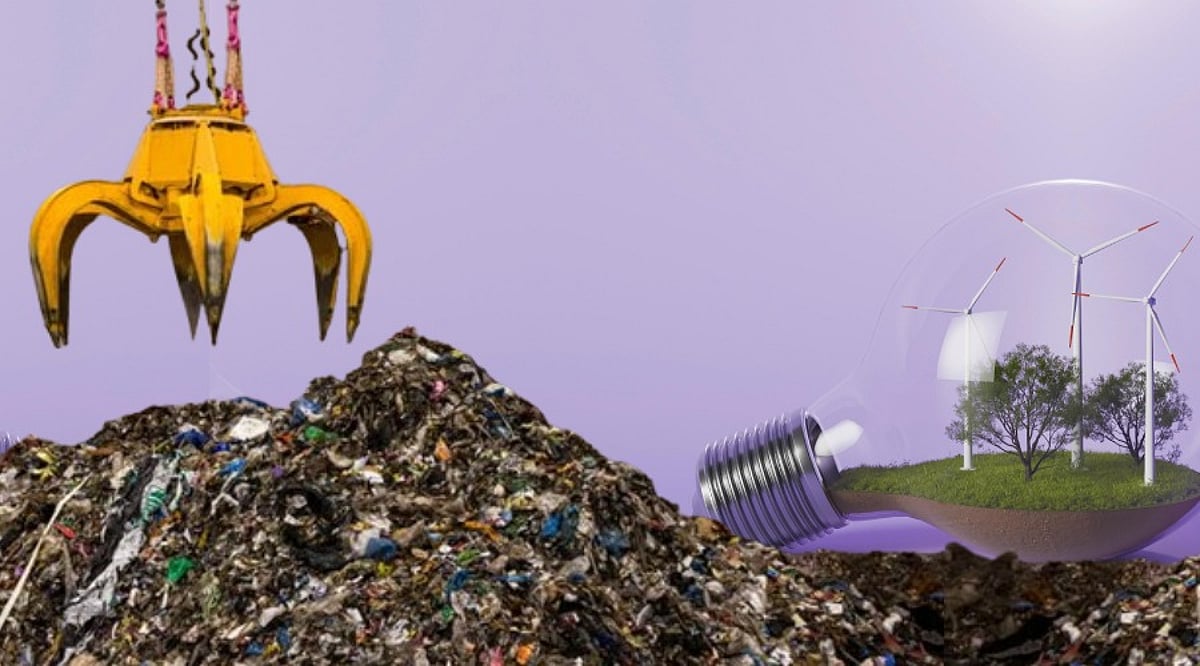
    Waste-to-energy (WtE) technology is rapidly transforming the way nations handle non-recyclable waste, converting it into electricity, heat, or fuel while drastically reducing reliance on landfills. Countries such as China, Sweden, Denmark, Japan, Singapore, Germany, and the Netherlands are at the forefront, leveraging advanced technologies, efficient systems, and sustainable policies to lead the global shift.

    Key Takeaways

    • China operates the world’s largest waste-to-energy network, generating immense electricity capacity.
    • Sweden and Denmark integrate waste-to-energy with district heating, optimizing clean energy production.
    • Innovations in incineration, gasification, and carbon capture are making WtE cleaner and more efficient.

    China: The Undisputed Market Leader

    China has built the world’s biggest waste-to-energy industry in just over a decade, driven by rapid urbanization and strict government policies. Electricity production from WtE surged from 5 TWh in 2010 to approximately 120 TWh in 2023, while annual waste treatment capacity expanded from 14 million to 327 million tonnes. Today, China operates more than 1,000 waste-to-energy plants—over half of the global total.

    Sweden: From Waste to Resource

    Sweden’s waste management system is among the most efficient globally. Approximately 50% of household waste is converted into electricity and district heating. Swedish plants are so efficient that the country imports about 800,000 tonnes of waste annually from neighboring nations to keep facilities operating at full capacity, all while maintaining low emissions through advanced pollution control.

    Denmark: Urban Integration and Clean Energy

    Denmark has embedded waste-to-energy into urban life, with modern facilities supplying both electricity and district heating to surrounding areas. The iconic Amager Bakke facility in Copenhagen not only generates energy but also features a public park on its roof, exemplifying how industrial structures can blend with cityscapes. Denmark continues to invest in carbon capture and more efficient waste treatment technologies.

    Japan: High Tech, High Standards

    With limited landfill space, Japan relies heavily on WtE. The country uses highly efficient combustion technology to maximize electricity output while minimizing harmful emissions. Strict environmental laws ensure every plant meets rigorous air quality standards.

    Singapore: Smart Waste Management in a Tiny Island

    Singapore faces severe land shortages, making efficient waste management a national priority. Most non-recyclable municipal waste passes through modern incineration plants, reducing volume by nearly 90% and significantly extending the life of the offshore Semakau Landfill.

    Germany and the Netherlands: Circular Economy Champions

    Both countries combine high recycling rates with effective waste-to-energy solutions. They prioritize recycling and composting, then send only non-recyclable waste to energy recovery. Europe’s approximately 500 WtE facilities process nearly 100 million tonnes of waste annually, generating heat and electricity while diverting waste from landfills. Germany and the Netherlands are advancing sorting technologies, carbon capture, and energy efficiency.

    Why This Matters

    Mounting waste volumes make traditional landfills unsustainable. Waste-to-energy technology cuts garbage volume by 90% while producing clean electricity and heat. According to the World Bank, about 20% of global waste is incinerated, while recycling, composting, and anaerobic digestion account for another 21%.

    Future Outlook

    Urban growth will continue to increase waste generation, requiring WtE capacity to expand. Emerging technologies such as AI-driven operations, carbon capture, and advanced pollution controls will make new plants cleaner and more productive. Countries like China, Sweden, Denmark, Japan, Singapore, Germany, and the Netherlands have demonstrated that it is possible to slash landfill use and generate usable energy simultaneously.

    Frequently Asked Questions

    What is waste-to-energy?

    Waste-to-energy is the process of converting non-recyclable waste into electricity, heat, or fuel using technologies like incineration, gasification, pyrolysis, and anaerobic digestion.

    Why is waste-to-energy important?

    It reduces landfill dependence, lowers pollution from open dumping, recovers energy from waste, and supports more sustainable waste management.

    Which country leads globally?

    China is the global leader, operating over 1,000 waste-to-energy plants and accounting for more than half of the world’s waste incineration capacity.

    Does waste-to-energy replace recycling?

    No. The best practice is to recycle and compost first; only non-recyclable waste should be sent to WtE facilities.

    What is the future of waste-to-energy?

    The future includes AI-driven operations, carbon capture technologies, advanced emission controls, and more efficient energy recovery to make plants cleaner and more productive.

  • 10 Innovative Food Technologies Reshaping Our Plates

    10 Innovative Food Technologies Reshaping Our Plates

    The way we produce, package, and consume food is undergoing a radical transformation. From lab-grown meats to AI-driven farms, these ten technologies are leading the charge toward a more sustainable, efficient, and personalized food system.

    Precision Fermentation

    This process produces dairy and protein ingredients without the need for animals. By using microbial hosts, precision fermentation creates sustainable alternatives with lower emissions while maintaining the familiar taste and nutritional profile consumers expect.

    Cultivated Meat

    Real meat is grown directly from animal cells, eliminating the environmental footprint of traditional livestock farming. This technology addresses concerns about animal welfare, land use, and food security by producing authentic meat without raising or slaughtering animals.

    AI-Powered Farming

    Artificial intelligence is revolutionizing agriculture by monitoring crop health, predicting yields, optimizing irrigation, and reducing waste. Data-driven decisions help farmers increase efficiency while minimizing inputs like water and pesticides.

    Vertical Farming

    Crops are cultivated indoors in stacked layers, often in urban environments. This method uses far less land and water than conventional farming, produces fresh vegetables year-round, and reduces the carbon footprint associated with long-distance transport.

    Plant-Based Proteins

    Meat alternatives made from soy, peas, mushrooms, and legumes are becoming mainstream. These products offer healthier, more environmentally friendly choices that closely mimic the taste and texture of animal meat.

    Smart Food Packaging

    Intelligent sensors embedded in packaging monitor freshness, temperature, and contamination. This technology helps reduce food waste by alerting consumers and retailers when products are no longer safe, while also improving overall food safety.

    3D Food Printing

    Customized meals with precise nutrition and creative designs can now be 3D-printed. This technology is finding applications in healthcare for tailored diets, in hospitality for artistic presentations, and even in space missions where fresh ingredients are scarce.

    Blockchain Food Tracking

    Blockchain records every step of the food supply chain, from farm to table. This transparency improves traceability, verifies authenticity, and boosts consumer confidence in food quality and safety, especially during recalls.

    Food Waste Recycling

    Discarded food is converted into valuable resources such as biofuels, fertilizers, and animal feed. This circular economy approach reduces environmental pollution and turns a major waste problem into an opportunity for energy and agriculture.

    These ten technologies are not just changing what we eat—they are redefining the entire food ecosystem. As they mature, expect more sustainable, safe, and personalized food options to become the new normal.

  • 10 Smart Factories Driving Manufacturing Innovation in 2026

    10 Smart Factories Driving Manufacturing Innovation in 2026

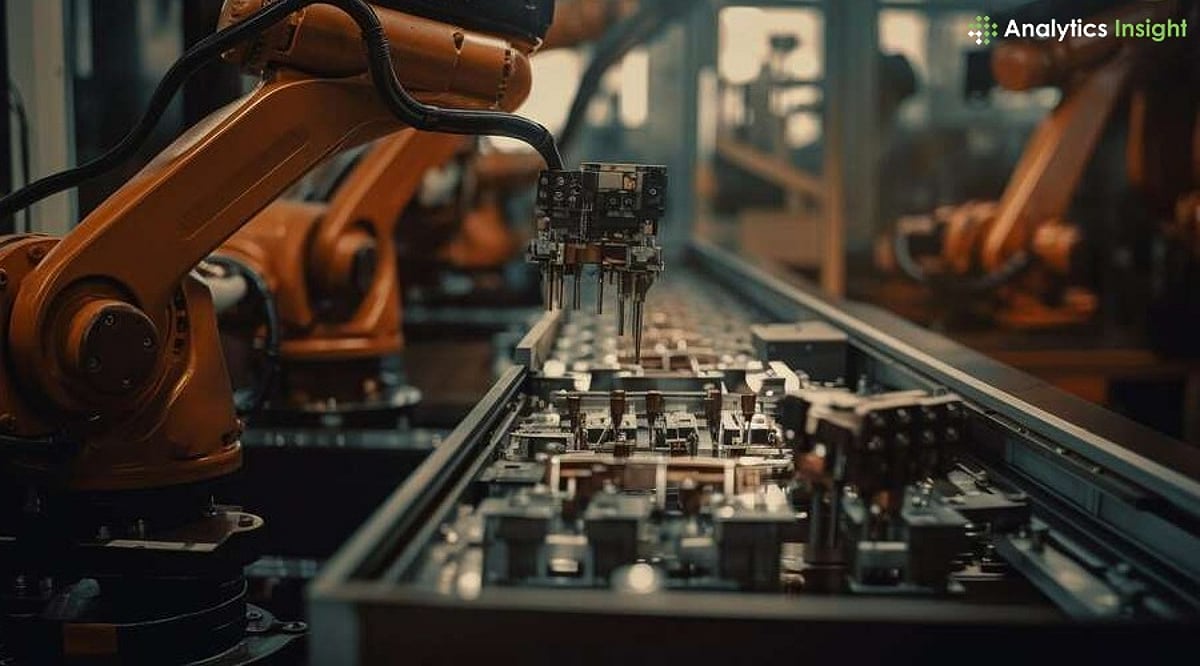
    Manufacturers are embracing smart factories to increase productivity, improve quality, and respond faster to changing market demands. In 2026, connected technologies are transforming factory operations across multiple industries. The World Economic Forum’s January 2026 Global Lighthouse Network highlights ten audited sites where AI-driven manufacturing has moved past pilot projects and into results that show up on a balance sheet. These factories demonstrate how digital innovation is reshaping manufacturing on a global scale.

    1. ACG Packaging Materials, Shirwal, India

    Pharmaceutical packaging leaves almost no room for error, and this plant used that constraint as its starting point. Engineers combined IIoT sensors, generative AI, and digital twins across more than 30 use cases. Lead times fell 40 percent and defects dropped 71 percent, gains that came without adding a single new production line to the site.

    2. Bristol Myers Squibb, Devens, USA

    Cell therapy manufacturing works with living material, which behaves less predictably than any machine part. Devens merged biopharma science with AI-driven process control across more than 30 new use cases. New product introduction time fell 42 percent while output volume rose more than 40 percent, proof that precision and scale improved together rather than trading off.

    3. Ford Otosan, Yeniköy, Turkey

    Rising demand for customized commercial vehicles forced this plant to run far more product variations without slowing its line. Engineers responded with a unified data architecture linking IoT, AI, and digital twins for real-time visibility across the value chain. Production volume doubled, and complexity grew twelvefold, all on the same physical footprint the plant started with.

    4. EVE Energy, Jingmen, China

    Battery manufacturing punishes inconsistency, and EVE Jingmen built its transformation around eliminating it. The site deployed AIoT, large language models, and predictive maintenance across more than 40 digital solutions for real-time quality diagnosis. Overall equipment effectiveness reached 88 percent, and the plant now catches quality drift hours before a batch would have failed inspection.

    5. Faurecia Automotive Systems, Yancheng, China

    Automotive interior defects, especially noise-related ones, are notoriously hard to trace to a single cause. Faurecia built a multimodal AI system that reads across sensory inputs simultaneously rather than inspecting components in isolation. Customer complaints fell 94 percent, turning what had been a persistent quality liability into one of the plant’s strongest performance metrics.

    6. HiTHIUM Energy Storage, Chongqing, China

    Battery storage prices fell more than 60 percent industry-wide, squeezing every manufacturer’s margins. HiTHIUM answered with generative AI and AIoT across more than 40 use cases, targeting near-zero defects and intelligent operations. The plant lifted its premium product ratio to 97.6 percent even as the market around it kept getting harder to compete in.

    7. Siemens Numerical Control, Nanjing, China

    This plant runs high-mix, low-volume orders under delivery windows compressed from 45 days to 10. Engineers layered a digital twin with more than 50 AI-driven use cases spanning design, production, and logistics. Lead time fell 78 percent, allowing the site to absorb monthly product changeovers that would have overwhelmed its previous workflow.

    8. Unilever, Pondicherry, India

    Rising demand and faster innovation cycles strained this South India site’s ability to stay flexible. ML-driven process control, changeover optimization, and AI-powered autonomous troubleshooting reshaped daily operations. The plant tripled its product variants within existing capacity, stretching output without a single square meter of expansion.

    9. Unilever, Gandhidham, India

    Located in water-scarce Kutch, this site built its transformation around two constraints most factories ignore: climate and water availability. AI, digital twins, and IIoT supported traceable palm oil sourcing and digitally enabled aquifer recharge. The site saved 6.12 billion liters of community water, a number that matters as much to the surrounding region as it does to the plant’s own balance sheet.

    10. Contemporary Amperex Technology (CATL), Yibin, China

    As the world’s largest battery production site scaled output, its carbon footprint and energy costs scaled with it. CATL paired an AI-driven energy transformation with micro-grid solar storage and low-carbon product R&D. The result was a 56 percent cut to its carbon footprint, plus carbon neutrality certification for 13 of its suppliers.

    Although these ten factories operate across pharmaceuticals, automotive, batteries, and consumer goods, their gains stem from the same underlying principle: data-driven decisions executed in real time, not after a shift ends or a report gets filed. Manufacturing’s biggest breakthrough in 2026 is not another machine or production technology. It is the ability of AI, connected data, and digital systems to make operational decisions in real time. That shift is redefining how factories compete on quality, speed, sustainability, and resilience.

  • 2026’s Top Data Center Efficiency Monitoring Companies: AI-Driven Optimization and Sustainability Leaders

    2026’s Top Data Center Efficiency Monitoring Companies: AI-Driven Optimization and Sustainability Leaders

    As artificial intelligence, cloud computing, and edge infrastructure continue to expand, data centers face mounting pressure to operate more efficiently. Power consumption, cooling requirements, and sustainability targets have become top priorities, making Data Center Infrastructure Management (DCIM) and efficiency monitoring platforms essential tools. Today’s platforms blend AI-driven analytics, predictive maintenance, digital twins, and real-time energy monitoring, enabling operators to maximize uptime while reducing operating expenses.

    Top 10 Data Center Efficiency Monitoring Companies in 2026

    Here are 10 companies leading the charge in data center efficiency monitoring this year:

    Schneider Electric

    Schneider Electric’s EcoStruxure platform is widely regarded as the gold standard for energy efficiency in data centers. It provides a unified view of energy usage, cooling, environmental conditions, and power management. The AI layer helps operators optimize PUE, detect anomalies early, and align with sustainability goals.

    Vertiv

    Vertiv offers a suite of intelligent software tools integrated with its critical power infrastructure to ensure continuous operation. The platform monitors cooling, UPS, thermal, and rack systems in real time, with predictive analytics designed to prevent downtime before it occurs.

    Sunbird Software

    Sunbird Software remains a DCIM leader with solutions like Power IQ and dcTrack. These provide end-to-end energy monitoring, asset management, capacity planning, and environmental tracking. Intuitive interfaces allow operators to manage multiple facilities simultaneously and identify small, actionable changes to improve energy efficiency.

    Nlyte Software

    Nlyte Software focuses on intelligent asset lifecycle management and operational efficiency. Its DCIM offering automates workflows, monitors infrastructure utilization, and supports predictive analytics for future capacity planning. By linking IT assets with facilities management, Nlyte helps organizations streamline operations and use resources more wisely.

    ABB

    ABB brings deep industrial automation and power management expertise to data center operations. Its monitoring solutions track electrical distribution, energy usage, and power quality, enabling organizations to fine-tune infrastructure for reliable performance while meeting sustainability requirements.

    Siemens

    Siemens’ monitoring system integrates building automation, electrical infrastructure, and cooling management. The software continuously assesses environmental performance, highlighting inefficiencies and areas for improvement. Digital twin technology allows companies to test infrastructure changes before implementation.

    Johnson Controls

    Johnson Controls uses an AI-powered building management system to control cooling and ventilation in data center premises. The OpenBlue solution delivers real-time monitoring, predictive maintenance, and automation, lowering operational costs while providing sustainability reporting capabilities.

    Honeywell

    With expertise in industrial automation, Honeywell brings intelligence to data center management through monitoring of HVAC systems, sensors, power distribution, and environmental controls. AI analytics enable predictive maintenance, improved energy efficiency, and integrated cybersecurity features.

    Modius

    Modius offers vendor-neutral infrastructure monitoring solutions, ideal for enterprises with mixed-device environments. Its OpenData platform aggregates data from power, cooling, networking, and environmental systems into centralized dashboards, providing insights without requiring equipment replacement.

    Hyperview

    Hyperview is a next-generation, cloud-based DCIM solution delivered as a SaaS platform. It enables management of distributed facilities from anywhere, with capabilities such as digital twins, AI analytics, remote asset management, and automated reporting—making it well-suited for edge computing and growing infrastructures.

    Why These Companies Matter

    The modern data center is evolving into an intelligent facility where efficiency equals success and sustainable operations. By leveraging these companies’ solutions, operators can minimize energy consumption, ensure optimal cooling, maximize capacity, and prevent costly downtime. As energy demands rise due to AI workloads, efficient monitoring technologies will become even more critical—whether for hyperscale cloud operators, enterprises, or edge computing sites. Firms that adopt modern monitoring platforms will gain a sustainability advantage in the digital world.

    Frequently Asked Questions

    What is data center efficiency monitoring?

    It tracks power, cooling, environmental conditions, and infrastructure performance to improve uptime, reduce costs, and optimize energy consumption.

    Why is DCIM software important?

    DCIM software provides real-time visibility into assets, energy usage, cooling systems, and capacity, enabling smarter infrastructure management and planning.

    Which company leads data center efficiency monitoring in 2026?

    Schneider Electric is widely regarded as an industry leader, offering comprehensive AI-powered monitoring, energy management, and sustainability solutions through EcoStruxure.

    How does AI improve data center efficiency?

    AI predicts equipment failures, optimizes cooling, automates maintenance, reduces energy waste, and improves overall operational performance with real-time analytics.

    What should businesses consider when choosing a monitoring platform?

    Evaluate scalability, AI capabilities, real-time monitoring, integration options, reporting features, cybersecurity, ease of deployment, and long-term operational support.

  • Metal Additive Manufacturing: Transforming Production in 2026 and Beyond

    Metal Additive Manufacturing: Transforming Production in 2026 and Beyond

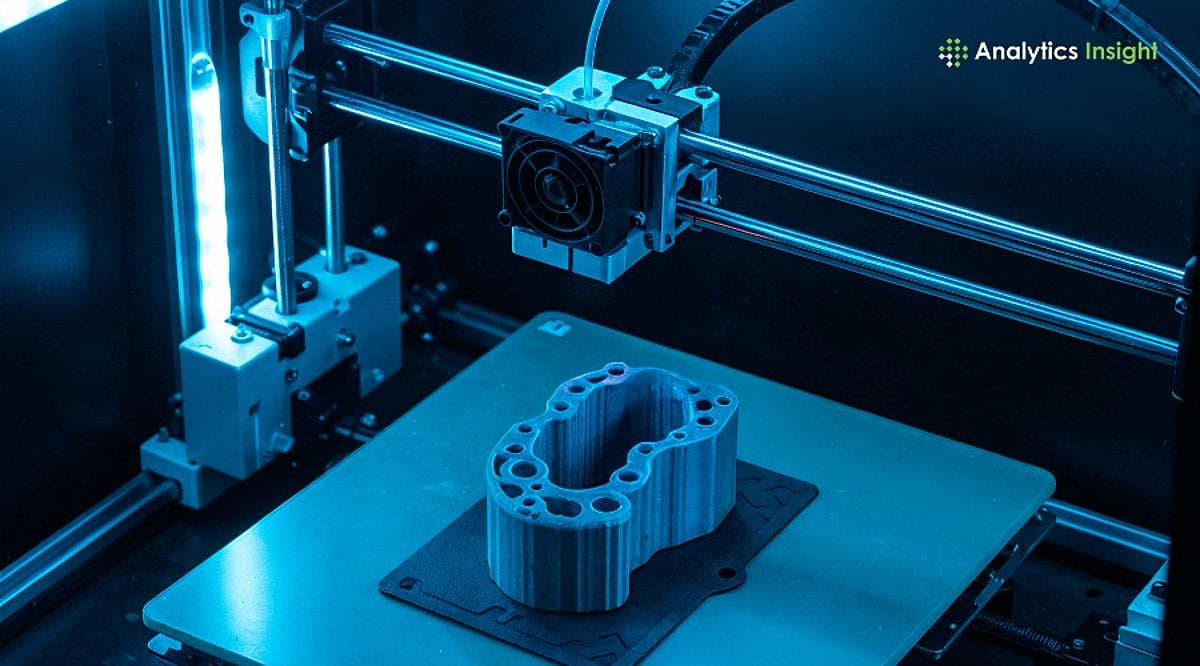
    Metal 3D printing has evolved from a prototyping novelty into a mainstream production technology. In 2026, industries worldwide are leveraging it to create stronger, lighter, and more complex metal parts while drastically reducing waste and lead times. With AI-driven quality control, faster printers, and advanced materials, metal additive manufacturing is reshaping aerospace, automotive, healthcare, and defense sectors.

    Less Waste, Stronger Parts

    Traditional machining cuts away material from a solid block, generating significant scrap. Metal 3D printing builds parts layer by layer, using only the metal needed for the final component. This reduces material costs and enables intricate geometries that are impossible with conventional methods. The resulting parts are often lighter yet equally strong, improving energy efficiency in vehicles and machinery.

    Aerospace Leads Adoption

    Aircraft manufacturers are among the biggest adopters. By printing lightweight components, they cut fuel consumption and carbon emissions. Consolidating multiple smaller parts into a single printed piece enhances structural integrity and reduces failure points. Defense contractors also rely on metal 3D printing for mission-critical parts, and large-scale printing facilities are now common.

    Automotive Gains Speed and Flexibility

    Car makers use metal 3D printing for engine components, cooling systems, tools, and custom parts. This accelerates time-to-market and allows digital inventory management—companies store digital files instead of physical spare parts, printing replacements on demand and saving storage and logistics costs.

    Healthcare Personalization

    Medical applications benefit from custom implants tailored to individual patients. Titanium, favored for its strength, lightness, and biocompatibility, is widely used for dental crowns, hip and knee implants, spinal and skull implants, and surgical tools. Better-fitting implants improve patient recovery outcomes.

    Market Growth Projection

    The global metal 3D printing market is expected to grow from $15 billion in 2026 to $102 billion by 2035, a compound annual growth rate of about 24%. Factories are investing heavily in smart machinery, automation, and digital technologies.

    AI Enhances Quality and Efficiency

    Artificial intelligence checks designs before printing, optimizes build parameters, and monitors each layer in real time to detect flaws. Digital twins—virtual replicas of physical products—allow engineers to test and refine designs without material waste, saving time and money.

    New Materials Expand Possibilities

    Researchers continue developing advanced alloys, including stronger aluminum, titanium, stainless steel, nickel alloys, and cobalt-chrome. A recent breakthrough enables a single printer to combine multiple metal alloys in one print by adjusting laser parameters via software, opening the door to novel, high-performance products.

    Faster Machines and Greater Throughput

    Modern metal printers use multiple lasers, larger build volumes, and robotic post-processing. Some jobs that once took weeks or months now finish in days, making metal 3D printing viable for medium-to-large production runs.

    Environmental Benefits

    By using only necessary material and enabling localized production, metal 3D printing reduces waste and transportation emissions. Digital inventories replace vast warehouses, and longer-lasting parts mean fewer replacements—contributing to a more sustainable manufacturing ecosystem.

    Challenges Remain

    High machine and material costs persist. Many printed parts require post-processing such as polishing, heat treatment, or inspection. There is also a shortage of skilled operators. However, as technology matures and adoption scales, these barriers are gradually being overcome.

    Frequently Asked Questions

    What is metal 3D printing?

    It is an additive manufacturing process that builds metal objects layer by layer from a digital 3D model.

    Which industries use it most?

    Aerospace, automotive, healthcare, defense, energy, and industrial manufacturing are the primary adopters.

    Why is it becoming popular?

    It reduces waste, shortens production times, enables complex geometries, and supports rapid prototyping and low-volume production.

    How does AI help?

    AI optimizes designs, monitors print quality in real time, detects anomalies, and improves overall process reliability.

    What is the future outlook?

    Experts predict sustained rapid growth as costs fall, materials improve, and more manufacturers integrate metal 3D printing into mainstream production.

  • 2026 Leadership Trends Every CEO Must Embrace for Success

    2026 Leadership Trends Every CEO Must Embrace for Success

    Leadership in 2026 will demand AI adoption, emotional intelligence, agile decision-making, continuous learning, sustainability, and responsible governance. CEOs who balance technology with people-centric strategies will be better equipped to navigate uncertainty and drive long-term business growth.

    Business leadership is now entering a new era where technological advances can no longer guarantee a competitive advantage. Artificial intelligence has become a valuable asset for businesses, but the success of its implementation largely depends on individuals’ decision-making skills. In addition, economic volatility, political instability, labor market changes, and regulatory changes compel business executives to reconsider leadership practices.

    The largest spending on technology development and adoption will not define the best leaders of 2026. They will be able to demonstrate an innovative, empathetic attitude towards people and data-driven decision-making, combined with their gut feeling. The following list describes the major leadership trends in business that will define the coming year.

    AI Will Become Every CEO’s Strategic Partner

    Currently, AI is much more than an automation process. The adoption of AI by more firms will help them anticipate demand, enhance the customer experience, manage their supply chains more effectively, and develop sound strategies. The current issue facing the CEO is not about adopting AI in their firm but about how to do so. It is important to understand what AI can achieve, the ethical boundaries of AI, and how people can work with intelligent machines in their organizations. Firms that view AI as a business partner have an advantage in the future.

    Human Skills Will Matter More Than Ever

    In contrast, the development of AI technology has made human factors more valuable than ever before. Emotional intelligence, empathy, communication skills, and conflict resolution are crucial for an effective leader. A modern leader needs to be accessible, transparent, and supportive, especially during organizational transitions. If a CEO listens to his employees and earns their trust, he will be able to retain good employees and build a sustainable organizational culture. Leadership in an era of automation becomes a competitive factor.

    Continuous Learning Will Define Future-Ready Companies

    Technologies are evolving much faster than the competencies that currently exist in the work environment. Given the era of automation, companies must think about continuous learning, not just one-off training. Many progressive CEOs have been working on employee skill-building, focusing on AI competency, cybersecurity, collaboration, and analytical thinking. The idea of learning has evolved from an HR topic to a corporate strategy aimed at preparing the business for disruption. Companies that provide opportunities for their employees to stay up to date are considered ready for changing market dynamics.

    Agile Leadership Will Replace Long-Term Rigidity

    Five-year business plans are becoming increasingly unpredictable in today’s economy. Inflation rates, geopolitics, logistics issues, and changes in consumer behavior necessitate that CEOs make quick decisions based on partial information. To be successful in this environment, CEOs are adopting an agile leadership philosophy through frequent strategy reviews, experimentation, and team empowerment. Agility, not predictability, has become the mark of effective executive leadership.

    Responsible AI Governance Will Move to the Boardroom

    Due to new AI regulations introduced by governments and increased customer awareness of data privacy, CEOs will face growing pressure to adopt responsible governance models. There will be a need for policies on such issues as AI transparency, cybersecurity, privacy, intellectual property rights, and responsible decision-making. Boards of directors will also be expected to be more proactive in overseeing AI risks. Businesses with responsible AI management models will build customer trust and minimize their regulatory risks.

    Employee Well-Being Will Become a Business Priority

    Employee burnout continues to pose the most significant threat to organizations across the globe. Blurred lines between personal and professional lives, driven by remote and hybrid work environments, high connectivity, and high-pressure work, continue to plague many organizations worldwide. CEOs are shifting their view from treating employee well-being as an additional perk to making it a strategy for boosting worker performance. Companies that emphasize employee well-being usually exhibit higher employee engagement and better performance.

    Flatter Organizations Will Speed Innovation

    Traditional hierarchies in business organizations are increasingly giving way to lean organizational structures as companies downsize their managerial ranks to enable faster decision-making and more effective collaboration. CEOs have realized that rather than having various approval processes within an organization, a better approach is to delegate responsibilities to cross-functional teams. This has made companies become flexible and able to innovate in response to changes in the market and customers’ demands.

    Sustainability Will Shape Corporate Leadership

    The integration of environmental, social, and governance objectives is becoming part of companies’ core strategy rather than a standalone effort. There is increasing demand from stakeholders such as investors, regulators, customers, and employees for companies to generate sustainable value. Modern CEOs are expected to generate profits while also protecting the environment, operating ethically across the supply chain, diversifying the workforce, and exercising sound governance. It is no longer a compliance challenge because sustainability has now become the key to reputation and resilience. Integration of sustainability would enable firms to win stakeholders’ trust.

    Data Will Enable CEOs to Make Better Decisions Faster

    More business data makes decision-making much faster. The use of predictive analytics, customer data, financial dashboard reporting, and market intelligence helps us identify new opportunities faster than our competitors. While intuition and experience can be valuable, the data-driven strategy can reduce uncertainty. The ability to handle information is now essential for any modern CEO.

    Bottom Line

    Leadership in 2026 will require much more than operational efficiency. CEOs will have to marry technological knowledge with emotional intelligence, foster continuous learning, embrace agility, and lead with transparency and accountability. Organizations that will succeed in the future are those whose leaders realize that innovation is more than the adoption of technology. They would be the organizations that create cultures capable of learning, adapting, and evolving in the increasingly dynamic business environment. Next year, it will be the leaders who give equal weightage to people, purpose, and progress.

    Leadership expectations are evolving rapidly as AI, workforce transformation, and global uncertainty reshape business. CEOs who adapt early can strengthen resilience, improve innovation, retain talent, and sustain long-term competitive growth.

    FAQs

    What is the biggest leadership trend for CEOs in 2026?
    AI-powered decision-making combined with ethical governance and human-centered leadership is expected to shape executive strategies across industries.

    Why is emotional intelligence important for CEOs?
    Strong emotional intelligence helps leaders build trust, improve communication, retain talent, and navigate workplace changes more effectively.

    How can CEOs prepare employees for future challenges?
    By investing in continuous learning, AI literacy, digital skills, cybersecurity awareness, and leadership development across the organization.

    Why is agile leadership becoming essential?
    Rapid market shifts require CEOs to make faster decisions, adapt strategies quickly, and empower teams to respond effectively.

    How does sustainability influence leadership in 2026?
    Sustainable practices strengthen brand reputation, attract investors, meet regulations, and support long-term business growth and resilience.

  • How Seven Cities Are Using AI to Make Waste-to-Energy Cleaner and Smarter

    How Seven Cities Are Using AI to Make Waste-to-Energy Cleaner and Smarter

    Every growing city faces the same problem: what should be done with the huge amount of waste produced each day? Landfills occupy valuable land and are a major source of ground pollution. Waste-to-energy plants offer an alternative by converting non-recyclable waste into electricity and heat, helping cities recover value from discarded materials.

    Artificial intelligence is making these plants smarter. Cameras identify different types of waste, sensors monitor machinery around the clock, and data systems detect small problems before they become expensive failures. These tools help plants run more smoothly, waste less energy, and maintain tighter control over emissions.

    Several cities are already demonstrating what this future looks like. Their projects vary but share a common goal: making waste-to-energy cleaner, safer, and more efficient.

    Dubai, United Arab Emirates

    Dubai is constructing one of the world’s largest waste-to-energy plants. AI systems track waste movement, monitor combustion, and watch machine performance 24/7. Predictive software enables workers to identify problems before they cause a shutdown, making the plant more energy efficient and keeping emissions under close observation.

    Shenzhen, China

    Shenzhen exemplifies technology-driven waste management. AI-enabled cameras identify different types of waste on sorting lines, and data systems analyze collection patterns across the city. Better sorting means more recycling, less contamination, and greater energy recovery from remaining waste.

    Chicago, United States

    Chicago uses AI and data analytics to optimize waste collection and processing. Smart routing enables collection trucks to reduce unnecessary travel and conserve fuel. In waste facilities, predictive maintenance tools monitor equipment and alert operators to potential issues, resulting in more reliable plants and lower operating costs.

    Los Angeles, United States

    Los Angeles is working to reduce its reliance on landfills. Machine learning systems help identify recyclable materials and improve sorting accuracy. The city also uses data for resource management and waste operations planning, making processing cleaner and recovering valuable materials more effectively.

    Amsterdam, Netherlands

    Amsterdam is known for its circular economy ambitions. AI helps collect, sort, and recover energy from waste across the city’s waste network. Smart software analyzes operational data and allows facilities to adjust performance as needed, enabling better material recovery and more efficient use of energy produced from waste.

    Indore, India

    Indore has been recognized for its cleanliness and waste management. The city uses GPS tracking, digital records, and AI-assisted monitoring to improve collection and processing. Better source segregation means more recyclable material is recovered, and processing plants can generate energy more efficiently.

    Abu Dhabi, United Arab Emirates

    Abu Dhabi is advancing waste-to-energy projects with a technology focus. AI systems monitor plant health, detect maintenance needs, and analyze environmental data in real time. These tools reduce unplanned breakdowns, improve daily operations, and divert more waste from landfills.

    Why This Matters

    AI helps waste-to-energy plants operate more efficiently with fewer breakdowns, better sorting, and tighter emission control. As cities grow, so will their waste. Smarter systems can recover more energy, reduce landfill dependence, and save public money. These projects demonstrate the role of technology in achieving cleaner cities and a more sustainable future.

    A Smarter Future for Waste and Energy

    Dubai, Shenzhen, Chicago, Los Angeles, Amsterdam, Indore, and Abu Dhabi are on different paths but heading toward the same destination: cleaner cities, less landfill waste, and more efficient energy recovery. AI is helping them get there by improving sorting, reducing breakdowns, and giving operators a clearer view of facility performance.

    These projects highlight that technology works best when paired with good planning and long-term investment. As more cities adopt AI for waste management, less waste may go to landfills, more resources will be recovered, and cleaner energy will become available to more people. What was once seen as a problem in a garbage bin could become part of the solution for a cleaner and more sustainable future.

  • From One Hotel to Industry Leader: ITC Hotels’ Tech-Driven Hospitality Transformation

    From One Hotel to Industry Leader: ITC Hotels’ Tech-Driven Hospitality Transformation

    ITC Hotels has grown from a single luxury property into a technology-enabled hospitality powerhouse in India. The company’s journey illustrates a strategic blend of premium service, sustainability, and digital innovation that continues to redefine the guest experience.

    Luxury Expansion Across India

    Starting with one flagship hotel, ITC Hotels established a foundation of premium hospitality and then expanded into multiple cities. Today, its portfolio includes luxury accommodations, business hotels, and destination resorts that cater to a wide range of traveler preferences.

    Sustainability at the Core

    Environmental responsibility is a key pillar. ITC Hotels has integrated energy efficiency, water conservation, waste management, and green building practices into operations. The chain’s commitment to sustainability has set a benchmark in the Indian hospitality sector.

    Digital Transformation and Smart Guest Experiences

    Technology drives the modern guest journey. ITC Hotels has implemented digital check-ins, mobile interactions, automated operations, and seamless booking systems. AI-powered personalization, digital concierges, contactless solutions, and customized services enhance customer satisfaction at every touchpoint.

    Culinary Excellence

    Award-winning restaurants, regional cuisine, and luxury dining concepts have made ITC Hotels a destination for food lovers. Innovative culinary experiences attract both domestic and international guests, strengthening the brand’s reputation.

    Business Hospitality and Loyalty Programs

    The company has strengthened its corporate travel offerings with advanced meeting facilities, convention spaces, executive lounges, and technology-enabled event management. Loyalty programs provide exclusive benefits, personalized rewards, and seamless experiences that encourage repeat visits.

    Looking Ahead

    ITC Hotels continues to invest in technology, sustainability, luxury experiences, and expansion to maintain its leadership in India’s premium hospitality industry.

  • The Surge in ESG Reporting Software: Why Compliance Digitization Is Now a Boardroom Priority

    The Surge in ESG Reporting Software: Why Compliance Digitization Is Now a Boardroom Priority

    ESG reporting used to be optional—a box companies checked if they had the time and goodwill. That’s no longer the case. Environmental, social, and governance (ESG) reporting has become a hard regulatory requirement, and it happened in a surprisingly short window. Sustainability teams once handled everything with spreadsheets and manual data entry, cobbling numbers together as best they could. Now the conversation happens in the boardroom, driven by mandatory disclosure frameworks spreading across global markets. Companies of every size are scrambling to digitize their ESG and carbon reporting, and the software market serving that need is expanding just as fast.

    The Regulatory Wave Behind the Shift

    Governments and standard-setting bodies worldwide have tightened the rules around climate and sustainability disclosure. The EU’s Corporate Sustainability Reporting Directive (CSRD), the International Sustainability Standards Board’s (ISSB) global baseline, and Australia’s newly mandated Australian Sustainability Reporting Standards (ASRS) all demand the same thing: companies must report emissions data and sustainability metrics with the same rigor once reserved for financial statements.

    That’s a real change. Disclosure used to mean “whenever it’s convenient.” Now it means audit-grade accurate, full stop. A single miscalculated Scope 3 emissions figure can trigger regulatory and reputational consequences. That risk alone pushes companies toward platforms built for this work rather than patched together in-house. It fuels strong demand for enterprise carbon accounting software that consolidates emissions data across complex, multi-entity organizations while keeping the audit trail regulators expect.

    From Manual Tracking to Automated Workflows

    For years, sustainability teams built carbon footprints out of disconnected spreadsheets, utility bills, and supplier data typed in by hand. Slow. Error-prone. Nearly impossible to scale once a company has a sprawling supply chain. Automation is changing that. Modern platforms pull activity data directly from source systems, apply current emissions factors, and catch anomalies before they become reporting errors. Purpose-built platforms handle Scope 1, 2, and 3 emissions calculations with the granularity and defensibility regulators demand, cutting the manual workload that used to eat up weeks of a sustainability team’s time.

    ESG Reporting Is No Longer Just a Sustainability Team’s Job

    Ownership of ESG reporting has spread beyond the sustainability department. Finance, legal, and risk teams are getting pulled in because disclosures now face the same scrutiny as financial filings. That’s pushed companies toward integrated ESG reporting software that can generate outputs aligned to multiple frameworks at once—CSRD, GRI, TCFD, ISSB—instead of forcing teams to reformat data for each regulator. This fits a broader pattern: standalone point solutions are losing ground to platforms that unify data collection, calculation, and reporting into one source of truth.

    Five Reasons Enterprises Are Fast-Tracking ESG Software Adoption

    1. Regulatory deadlines don’t bend. Frameworks like CSRD and ASRS come with fixed compliance dates, leaving little room to push digitization off until next year’s budget cycle.
    2. Manual reporting can’t keep up with multi-entity operations. A large enterprise running dozens of subsidiaries or supply chain partners cannot maintain accurate, auditable emissions data through spreadsheets.
    3. Auditors are scrutinizing sustainability data like financial data. Assurance requirements mean companies need systems that produce a clear, defensible data trail.
    4. Multi-framework reporting has become the norm. Enterprises operating across regions often need to satisfy several standards at once; software that maps data to multiple frameworks saves time and cuts duplicated work.
    5. Investors and stakeholders want faster, more transparent disclosure. Real-time or near-real-time reporting is now a competitive differentiator, not just a compliance checkbox.

    A Regional Case Study: Australia’s ASRS Mandate

    Look at Australia, and the urgency becomes obvious. The newly introduced ASRS climate reporting requirements are pulling thousands of companies—many for the first time—into mandatory disclosure territory. Businesses that once reported sustainability data informally now have to produce standardized, assured climate-related financial disclosures. That deadline has set off a surge in demand for dedicated sustainability reporting software built specifically to align with local requirements, rather than retrofitting global tools. It’s a preview of what’s likely coming to other markets.

    What This Means for Enterprises Going Forward

    The direction is clear: ESG and carbon reporting are converging with financial reporting in rigor, frequency, and regulatory oversight. Enterprises still treating sustainability data as a side project—tracked loosely, updated once a year, owned by a single team—are exposed to real compliance risk and reputational fallout when disclosures turn out inaccurate or incomplete. The companies moving fastest are investing in dedicated software infrastructure now, before mandates tighten further. Automated data collection, framework-aligned reporting, and audit-ready emissions calculations aren’t just efficiency plays anymore. They’ve become table stakes for operating in regulated markets. As more jurisdictions follow the EU’s, UK’s, and Australia’s lead, the enterprises that treat ESG reporting software as core infrastructure—not an afterthought—will be best positioned for whatever compliance requirements come next.

  • How AI, Data Sovereignty, and Sustainability Are Reshaping Cloud Strategy: Insights from OVHcloud’s Terry Maiolo

    How AI, Data Sovereignty, and Sustainability Are Reshaping Cloud Strategy: Insights from OVHcloud’s Terry Maiolo

    As AI accelerates cloud adoption, enterprises are placing greater emphasis on transparent pricing, energy-efficient infrastructure, data governance, and regulatory compliance to build resilient cloud strategies for long-term business growth.

    Key Takeaways

    • Cloud strategy is shifting beyond IT, with data sovereignty, compliance, and governance becoming critical business priorities worldwide.
    • Sustainable cloud infrastructure can reduce energy use, improve efficiency, and support AI workloads without compromising performance or security.
    • Businesses should evaluate cloud providers based on transparent pricing, responsible data handling, and long-term scalability for AI-driven growth.

    Cloud computing is evolving rapidly, but businesses are also facing new challenges, including rising costs, security concerns, compliance requirements, AI-driven workloads, and sustainability goals. In this exclusive podcast interview, Priya Diyalani speaks with Terry Maiolo, Vice President and General Manager, APAC, at OVHcloud, about how organizations can build a cloud strategy that drives innovation, protects data, and supports long-term sustainability.

    Q: Could you tell us about OVHcloud, your role, and what makes the company different from other cloud providers?

    Absolutely. At OVHcloud, we are a pure cloud provider with 46 data centers across four continents and 30 local zones worldwide. In APAC, we operate one data center in Mumbai, two in Singapore, and three in Sydney, and I oversee the entire Asia-Pacific region. What makes us different is that we are a European cloud provider, so we comply with GDPR standards, giving customers greater data sovereignty. Another major difference is that we build our own servers and use our direct-to-chip water cooling technology, which we have developed over the last 20 years. This allows us to run data centers without traditional air conditioning while improving energy efficiency.

    Q: Regulations and global developments are changing the cloud industry. How are these factors influencing enterprise decisions?

    I believe cloud decisions are no longer only about technology. Businesses are becoming much more aware of where their data is stored and who has access to it. Regulations like India’s Data Protection Act are encouraging organizations to take data sovereignty seriously. At the same time, many customers are looking for cloud providers that are not governed by laws such as the US Cloud Act. I see cloud strategy becoming a discussion about business, governance, and compliance rather than just an IT decision.

    Q: Sustainability has become a major boardroom topic. How is OVHcloud approaching it?

    We believe sustainability should not come at the cost of performance. Our direct-to-chip water cooling captures heat directly from the processors, so we use less electricity and less water while increasing server density. We also manufacture our own servers, extend their life through reuse, recycle components whenever possible, and have achieved zero waste. I think organizations can meet sustainability goals while still improving efficiency and reducing costs.

    Q: AI is changing how data is created and used. How should businesses think about data sovereignty today?

    I think companies need to consider two things: how they use their own data and how their cloud provider handles it. At OVHcloud, we have made a clear decision not to monetize customer data in any form. At the same time, I believe businesses need a provider with a global presence so their data stays close to their operations while maintaining security, compliance, and low latency.

    Q: AI is increasing the demand for computing power. How can organizations balance AI growth with sustainability?

    I believe this is one of the biggest challenges for the industry. AI requires more computing power, energy, and infrastructure, so cloud providers must continue improving efficiency. I also encourage businesses to ask cloud providers about hidden costs, including data transfer fees, because these can become significant as AI usage grows. Sustainable infrastructure should also provide predictable costs.

    Q: Finally, what does a successful cloud strategy look like over the next decade?

    I believe organizations should move beyond talking about sustainability and sovereignty and start putting those goals into action. Responsible cloud infrastructure already exists, and businesses do not have to choose between performance, security, sustainability, and cost. I believe they can achieve all of these together by selecting the right cloud partner and making long-term strategic decisions.