Tag: sustainability

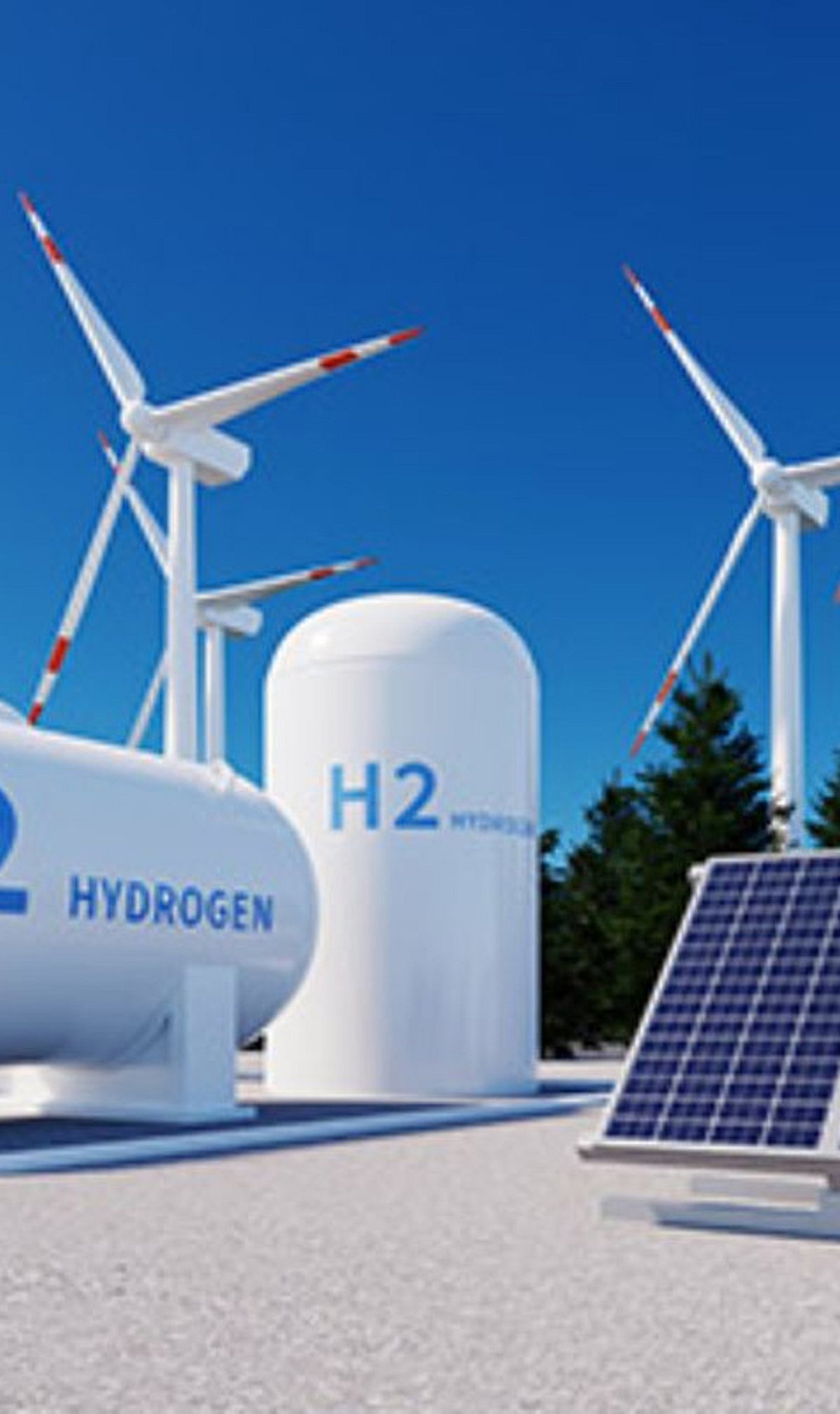
  • Hydrogen Fuel Cell Industry Leaders for 2026: Key Companies to Watch

    Hydrogen Fuel Cell Industry Leaders for 2026: Key Companies to Watch

    The hydrogen fuel cell industry is accelerating as the world seeks cleaner energy alternatives. From logistics and transportation to stationary power generation, these companies are pioneering technologies that promise to decarbonize multiple sectors. Here are the leading hydrogen fuel cell firms to keep an eye on in 2026.

    Plug Power

    Plug Power develops hydrogen fuel cell systems and green hydrogen infrastructure. Their solutions support logistics, transportation, manufacturing, and industrial decarbonization efforts worldwide, making them a key player in the hydrogen economy.

    Ballard Power Systems

    Ballard Power Systems specializes in proton exchange membrane (PEM) fuel cells. Their technology powers buses, trucks, trains, marine vessels, and stationary energy applications globally, providing reliable zero-emission power.

    Bloom Energy

    Bloom Energy produces advanced fuel cell platforms that deliver reliable electricity. The company is expanding into hydrogen-powered clean energy solutions for commercial industries, aiming to reduce dependence on fossil fuels.

    FuelCell Energy

    FuelCell Energy designs large-scale fuel cell power plants for utilities, industrial facilities, and carbon capture projects. Their systems generate cleaner electricity, contributing to sustainable energy grids.

    Cummins

    Known for diesel engines, Cummins is expanding into hydrogen fuel cells, electrolyzers, and zero-emission technologies. Their innovations support commercial transportation and industrial sustainability initiatives worldwide.

    Nikola Corporation

    Nikola Corporation focuses on hydrogen-powered commercial trucks and refueling infrastructure. The company aims to accelerate zero-emission freight transportation across North American markets.

    Doosan Fuel Cell

    Doosan Fuel Cell develops stationary fuel cell systems that supply dependable electricity for commercial buildings, industrial operations, and distributed energy networks across Asia.

    ITM Power

    ITM Power manufactures electrolyzers that enable green hydrogen production. Their technology supports renewable energy integration and accelerates clean fuel adoption in multiple industries.

    Bosch

    Bosch invests heavily in hydrogen fuel cell technology and collaborates with automotive manufacturers to advance sustainable mobility and industrial clean energy innovations globally.

    These companies represent the forefront of the hydrogen revolution, each contributing to a cleaner, more sustainable future. Stay updated with the latest developments by following industry news and insights.


  • How Japan’s AI-Powered Drones Are Revolutionizing Global Reforestation

    How Japan’s AI-Powered Drones Are Revolutionizing Global Reforestation

    Japan is pioneering the use of artificial intelligence and drone technology to tackle one of the world’s most pressing environmental challenges: deforestation. By combining AI-powered drones with advanced imaging and automated systems, the country is developing a scalable, cost-effective approach to reforesting degraded landscapes, from remote mountains to disaster-stricken zones.

    At the core of this innovation is AI-driven seed planting. Drones equipped with precision seed-dispersal mechanisms can cover vast and difficult terrains far quicker than human planters, dramatically reducing both labor costs and operational expenses. This method allows millions of trees to be planted in a fraction of the time required by traditional manual efforts.

    Precision mapping plays a critical role. Drones use advanced imaging systems to identify degraded land, analyze soil conditions, and determine optimal planting locations. Real-time environmental data helps improve seed survival rates and restoration success, making every flight more effective than random scattering.

    Beyond planting, intelligent drones continuously monitor forest growth, soil health, and vegetation changes. This automated surveillance enables faster intervention when problems arise, such as pest outbreaks or water stress, and supports better long-term forest management decisions. The data collected feeds into AI models that refine future planting strategies, maximizing resource allocation and survival rates.

    The environmental impact is significant. Large-scale drone reforestation accelerates carbon capture, restores ecosystems, and protects biodiversity. It also helps countries meet ambitious climate goals by providing a practical tool for large-scale restoration. Japan’s approach could serve as a global model, demonstrating how technology can strengthen climate resilience for future generations.

    With lower operational costs and the ability to reach previously inaccessible areas, AI drones are poised to transform reforestation from a slow, labor-intensive process into a fast, data-driven conservation strategy. The future of global reforestation may well be flown by autonomous drones.

  • Top Home Audio Innovations Transforming Entertainment in 2026

    Top Home Audio Innovations Transforming Entertainment in 2026

    The home audio landscape is evolving rapidly, with cutting-edge technologies poised to redefine how we experience movies, music, gaming, and more in 2026. From AI-powered personalization to eco-conscious design, these trends promise to elevate every listening moment.

    AI-Powered Speakers

    Smart speakers are becoming more intuitive, using artificial intelligence to tailor sound profiles to individual preferences and room acoustics. Voice-assisted audio optimization automates controls, making it easier than ever to enjoy a customized entertainment experience.

    Dolby Atmos Systems

    Immersive three-dimensional surround sound continues to gain traction, bringing cinema-quality audio into living rooms. Whether for movies, gaming, music, or live sports, Dolby Atmos delivers a lifelike, enveloping soundstage that heightens emotional impact.

    Wireless Multi-Room Audio

    Connected speaker ecosystems enable seamless music playback across multiple rooms, with synchronized audio and effortless smartphone-based control. This trend allows users to fill their entire home with sound, adapting to different moods and activities.

    High-Resolution Streaming

    Lossless and high-resolution music streaming is becoming mainstream, offering audiophiles superior listening quality. Compatible premium home audio systems now support these formats, ensuring every note and nuance is faithfully reproduced.

    Compact Soundbars

    Slim soundbars with powerful virtual surround capabilities remain a top choice for enhancing TV audio without the need for bulky speaker setups. Their minimalist design and impressive performance make them a staple in modern home theaters.

    Voice-Control Integration

    Home audio systems are increasingly incorporating voice assistants, allowing users to control playback, manage smart home devices, and personalize entertainment through simple voice commands. This hands-free convenience is becoming a standard feature.

    Gaming Audio Enhancement

    Advanced spatial audio technologies are transforming gaming, creating immersive environments where players can pinpoint directional sounds for a competitive edge. Realistic audio cues enhance gameplay and deepen engagement.

    Eco-Friendly Designs

    Manufacturers are prioritizing sustainability by using recycled materials, energy-efficient components, and recyclable packaging—all while maintaining premium sound quality and durability. Eco-conscious consumers can now enjoy high-performance audio without compromising on environmental values.

    Personalized Audio Profiles

    AI-driven calibration automatically adjusts sound settings based on room acoustics, user preferences, and content type. This ensures optimal listening experiences for every scenario, from a quiet podcast to an action-packed blockbuster.

  • MIT Civil and Environmental Engineering: Pioneering Sustainable Infrastructure and Climate Solutions

    MIT Civil and Environmental Engineering: Pioneering Sustainable Infrastructure and Climate Solutions

    The MIT Department of Civil and Environmental Engineering (CEE) continues to lead groundbreaking research that addresses some of the world’s most pressing challenges, from climate change to infrastructure resilience. Recent developments highlight the department’s commitment to innovation, sustainability, and real-world impact.

    Building Smarter, Greener Structures

    MIT researchers have developed a computer model that could enable bridges and buildings to use less material while maintaining structural integrity. This approach bridges the gap between optimized design and practical construction, promising significant cost and environmental savings.

    Climate and Environmental Breakthroughs

    In a major advance for sustainable construction, new research reveals how injecting carbon dioxide into cement paste triggers a chemical sequence that rewires how cement sets. Using real-time Raman spectroscopy, scientists captured a fleeting intermediate reaction for the first time, opening pathways to carbon-negative building materials.

    MIT is also tackling methane emissions head-on. PhD student Audrey Parker is studying mitigation strategies for dairy farms and coal mines, targeting this potent greenhouse gas. Meanwhile, ocean bacteria have been observed teaming up to break down biodegradable plastics, offering insights into natural waste decomposition processes.

    AI and Automation Innovations

    MIT engineers have designed an AI model that generates novel proteins based on their motion and vibration patterns, not just their shape. This breakthrough could lead to dynamic biomaterials and adaptive therapeutics. Another AI system learns to keep warehouse robot traffic flowing smoothly by deciding which robots get right-of-way, reducing congestion and increasing throughput.

    A parking-aware navigation system developed at MIT minimizes the need to circle for spots, saving drivers up to 35 minutes and reducing emissions by providing realistic travel time estimates.

    Energy and Sustainability

    Active Surfaces, an award-winning startup with roots at the MIT Energy Initiative, is developing peel-and-stick solar panels that are lightweight, flexible, and high-efficiency. These films can be applied to roofs, walls, and curved surfaces, making solar energy more accessible.

    Recognition and Leadership

    MIT has once again been ranked the world’s No. 1 university by QS for 2026-27, marking the 15th consecutive year at the top. The Institute also placed first in 12 subject areas. The School of Engineering recognized faculty with tenure and awards in winter and fall 2025-2026, celebrating scholarship, service, and excellence. Desirée Plata, a CEE faculty member, was appointed associate dean of engineering to advance research and entrepreneurial initiatives.

    These achievements underscore MIT Civil and Environmental Engineering’s role as a global leader in creating sustainable, intelligent solutions for the built and natural environments.

  • MIT Anthropology: Bridging Local Knowledge and Global Research

    MIT Anthropology: Bridging Local Knowledge and Global Research

    The MIT Anthropology department is a leading force in community-based archaeology, cultural analysis, and human-centered research. Through innovative fieldwork and interdisciplinary collaboration, faculty and students explore how local expertise can inform academic inquiry and address pressing global challenges from climate change to AI ethics.

    Community-Based Archaeology

    Professor Sonya Atalay is pioneering community-based archaeology, linking local knowledge with academic research across the globe. Her work emphasizes participatory methods that empower indigenous communities and reshape archaeological practice.

    Climate and Community

    The Living Climate Futures Symposium and the Living Climate Futures Lab take a human-centered approach to climate research, investigating how communities experience and respond to environmental change. These initiatives highlight the importance of place-based pathways to a viable future.

    Technology and Health

    Anthropologist Amy Moran-Thomas studies overlooked insights from people that health care systems are meant to serve, bridging medical realities with technology and health research.

    AI, Chatbots, and Social Confidence

    A new MIT class uses anthropological methods to improve AI chatbots, helping computer science students design conversational agents that assist young users in becoming more social and socially confident.

    Human Insight Collaborative

    The MIT Human Insight Collaborative (MITHIC) launched its annual event showcasing projects that blend humanities, arts, and social sciences with other disciplines. The initiative also introduced the SHASS Faculty Fellows program to support research and mentorship.

    Other recent highlights include the Mind, Hand, and Harvest program bringing low-cost organic produce to campus, research on data visualizations as social artifacts, and MIT’s top ranking in arts and humanities by Times Higher Education.

  • MIT’s Latest Innovations in Alternative Energy: Fusion, Geothermal, and Beyond

    MIT’s Latest Innovations in Alternative Energy: Fusion, Geothermal, and Beyond

    MIT continues to lead the charge in alternative energy research, with recent breakthroughs spanning fusion, geothermal, AI-optimized power grids, and decarbonization technologies. Below is a roundup of key developments from the MIT Energy Initiative and affiliated labs.

    Fusion Energy Advances

    • PSFC showcases technologies for fusion and geothermal: Rep. Jake Auchincloss visited the MIT Plasma Science and Fusion Center to learn about scaling geothermal energy. (Read more)
    • Championing fusion’s promising underdog: Sophia Henneberg, assistant professor in Nuclear Science and Engineering, is developing stellarators to harness fusion energy. (Read more)
    • Working to make fusion viable: George Tynan, as Norman C. Rasmussen Adjunct Professor, addresses big physics and engineering challenges of fusion plasmas. (Read more)
    • Smart handling of neutrons: Assistant Professor Ethan Peterson tackles practical issues for viable fusion power plants. (Read more)

    Geothermal Energy

    • Geothermal energy turns red hot: MIT Energy Initiative symposium maps a path to tap the planet’s heat-rich rocks for clean power at scale. (Read more)

    AI, Power Grid & Decarbonization

    • 3 Questions: How AI could optimize the power grid: Techniques can make power grids cleaner and more efficient despite AI’s growing energy demands. (Read more)
    • A faster problem-solving tool that guarantees feasibility: FSNet system helps power grid operators rapidly find feasible solutions for optimizing electricity flow. (Read more)
    • Confronting the AI/energy conundrum: MIT Energy Initiative’s annual symposium explores AI as both a problem and solution for clean energy transition. (Read more)
    • Helping students bring about decarbonization: Professor Jessika Trancik’s course helps students understand energy levers for addressing climate change. (Read more)
    • New climate chemistry model: MIT study confirms climate impacts of hydrogen, recommends leak prevention as priority. (Read more)
    • Decarbonizing heavy industry with thermal batteries: MIT spinout Electrified Thermal Solutions develops conductive firebrick for high-temperature industrial heat. (Read more)
    • Preparing Taiwan for a decarbonized economy: MIT Energy Initiative and Taiwanese consortium explore energy future. (Read more)

    Nuclear Energy

    • How to make small modular reactors more cost-effective: Youyeon Choi leverages experience from South Korea and multi-physics modeling. (Read more)
    • Aligning economic and regulatory frameworks for nuclear reactors: PhD student Liam Hines advocates for policy that keeps pace with technology. (Read more)

    Bioeconomy & Society

    • Bridging science and society: Course STS.059 explores social and political factors in biology, biotech, and biological engineering sectors. (Read more)
  • Breakthroughs in Sustainable Agriculture: MIT’s Latest Research and Innovations

    Breakthroughs in Sustainable Agriculture: MIT’s Latest Research and Innovations

    MIT News covers a wide range of groundbreaking research in agriculture, from climate resilience and urban farming to methane reduction and next-generation fertilizers. The following articles highlight recent discoveries and initiatives that are shaping the future of sustainable food production.

    Place-Based Pathways to a Viable Future

    The Living Climate Futures Symposium explored climate challenges and solutions at the community level, emphasizing local adaptation strategies.

    Testing Sustainable Agriculture in Barcelona

    Students in a MISTI Global Classroom confronted the challenges of climate change during farm and co-op visits in Barcelona.

    Plants Can Sense the Sound of Rain

    MIT engineers discovered that rice seeds sprout faster when exposed to the sound of rain, opening new avenues for plant communication research.

    From Idaho to MIT: Cutting Methane Emissions

    PhD student Audrey Parker studies methane mitigation in dairy farms and coal mines, aiming to reduce a potent greenhouse gas.

    Seeds of Something Different

    Kate Brown’s book Tiny Gardens Everywhere uncovers the hidden history and politics of urban farming.

    Nitrous Oxide and Soil Bacteria

    Fertilizer use increases nitrous oxide levels, which can harm beneficial soil bacteria that support plant growth.

    Designing Resilient Plants from the Cell Up

    Foray Bioscience, an MIT startup, engineers single plant cells to create novel materials and sustainable solutions.

    Bridging Science and Society in the Bioeconomy

    Course STS.059 explores the social and political factors shaping biotechnology and biological engineering.

    Regenerative Aquaculture in Arkansas

    MIT student Kiyoko Hayano worked with Keo Fish Farms to build a model for regenerative water systems.

    Post-COP30: Aggressive Climate Policies Needed

    The 2025 Global Change Outlook report highlights the need for accelerated action to cap warming at 1.5°C.

    Mind, Hand, and Harvest

    A volunteer pilot program brings low-cost organic produce to the MIT community.

    From Nanoscale to Global Scale

    MIT.nano’s cleanroom now bears the name of Robert Noyce, supporting advances in manufacturing, health, and climate.

    Returning Farming to City Centers

    Course 4.182, Resilient Urbanism: Green Commons in the City, teaches sustainable urban agriculture.

    Packard Fellows for Science and Engineering

    Darcy McRose and Mehtaab Sawhney recognized for research on antibiotics in ecosystems and agriculture.

    Engineering Next-Generation Fertilizers

    MIT postdoc Giorgio Rizzo uses plant chemistry to design sustainable fertilizers that could reshape farming.

  • J-WAFS: MIT’s Abdul Latif Jameel Water and Food Systems Lab – Latest Research and Innovations

    J-WAFS: MIT’s Abdul Latif Jameel Water and Food Systems Lab – Latest Research and Innovations

    The Abdul Latif Jameel Water and Food Systems Lab (J-WAFS) at MIT is a pioneering research initiative dedicated to addressing global challenges in water and food security. By fostering interdisciplinary collaboration, J-WAFS develops innovative solutions that range from atmospheric water harvesting to AI-driven ecosystem monitoring. Below is a selection of recent news highlights from the lab.

    Recent News

    For the full list of articles and updates, visit the J-WAFS topic page on MIT News.

  • MIT Spinout Ferveret Uses Nuclear-Inspired Cooling to Slash Data Center Energy and Water Use

    MIT Spinout Ferveret Uses Nuclear-Inspired Cooling to Slash Data Center Energy and Water Use

    Data centers are expanding rapidly to support the rise of artificial intelligence, and their energy consumption is projected to account for up to 17 percent of U.S. electricity by the end of the decade. Currently, about one-third of that power goes toward cooling the chips that run AI models. A new startup founded by two MIT researchers aims to change that by adapting a technique originally designed for nuclear reactors.

    Ferveret, co-founded by former MIT postdoc Reza Azizian and MIT Professor Matteo Bucci, has developed a liquid cooling system that uses no water and significantly less electricity than traditional air-based methods. The system submerges computer servers in a specialized fluid that absorbs heat far more efficiently than air. What sets it apart from other liquid cooling solutions is the size and behavior of the bubbles it generates: Ferveret’s Adaptive Phase Cooling (APC) technology produces much smaller bubbles that detach from the server surfaces more frequently, accelerating the heat transfer process.

    The company is already testing its technology with several major players, including CleanSpark, FuriosaAI, and Switch, one of the largest data center operators in the U.S. In collaboration with UCLA’s computer science department, Ferveret demonstrated that its APC solution improves computational power efficiency by 15 percent compared to state-of-the-art liquid cooling. When combined with the startup’s power control software, the system can boost the number of tokens generated per watt by up to 35 percent, according to the company.

    “Our goal is to make data centers as sustainable as possible and help them use every single watt of power to generate tokens, which are the most useful outputs,” says Azizian. “Our system enables the operation of more powerful chips, it helps data centers waste a lot less energy, and it accomplishes all that with zero water consumption.”

    The founders’ journey began during Azizian’s postdoc at MIT in 2013, where he worked with Bucci on heat transfer in nuclear reactors. After stints at Microsoft and Nvidia, Azizian realized the cooling inefficiencies in data centers firsthand. “I thought, ‘Holy crap, this is not how you cool facilities,’” he recalls. The pair founded Ferveret in 2021, applying decades of knowledge from nuclear engineering to optimize heat removal in computing environments.

    Ferveret’s system uses a liquid with a low boiling point and no toxic PFAS chemicals. The process, inspired by subcooled boiling in reactors, creates bubbles that quickly recondense, hastening the cooling cycle. The modular design—each server fits into a small box—makes deployment easier than traditional immersion tanks. The company also offers control software that dynamically adjusts power to each server for maximum efficiency.

    Beyond energy savings, the water-free cooling opens new possibilities for data center location. “The sun shines in places where you don’t have much water, so the advantage of us being water-free is we allow you to build data centers where you have solar energy but nothing to cool the data center down,” says Bucci. This could enable data centers in regions like Africa, the Middle East, and parts of America that lack water resources.

    Ferveret is part of Nvidia’s Inception program and is in talks with major cloud computing companies. The startup plans to announce expanded partnerships later this year as it scales its technology to support the growing AI industry without straining the planet.

  • MIT Sloan School of Management: Latest Research, News, and Insights

    MIT Sloan School of Management: Latest Research, News, and Insights

    The MIT Sloan School of Management continues to drive forward-thinking research and education, as highlighted by recent news from the Massachusetts Institute of Technology. From energy efficiency in data centers to the societal impacts of artificial intelligence, MIT Sloan is at the forefront of management science and innovation.

    How Data Centers Can Better Manage Energy Use

    A new study from MIT Sloan suggests that flexibility in the timing of electricity consumption could lower consumer costs. The research emphasizes the potential for data centers to adjust their energy usage patterns, reducing strain on the grid and saving money.

    Exploring the Societal Impacts of AI

    During the AI and Society Forum, leading MIT researchers examined critical questions about AI’s influence on employment and democracy. The event brought together experts to discuss ethical considerations and the future of work in an AI-driven world.

    The Ripple Effect of Learning at MIT

    MIT Professional Education helped Ignacio Vazquez SM ’22 bridge technical mastery and strategic insight, leading to his role as MIT System Design and Management industry and certificate director. This story highlights the transformative power of MIT’s educational programs.

    QS Ranks MIT the World’s No. 1 University for 2026-27

    Ranking at the top for the 15th year in a row, the Institute also places first in 12 subject areas. This achievement underscores MIT’s continued excellence in research and education across disciplines.

    MIT’s Initiative for New Manufacturing Builds Momentum

    In its first year, INM has worked across research, workforce development, and industry engagement to help accelerate new manufacturing technologies and their real-world deployment.

    The Consequences of Relying on AI for Accurate News

    A Media Lab study shows that, much like how GPS has weakened our navigation skills, AI can make us worse at detecting fake news. This research raises important questions about the role of AI in information consumption.

    The Crucial Human Component in Computing and AI

    The MIT Ethics of Computing Research Symposium brought together experts and researchers working at the heart of ethical and social impact in technology.

    PATH to Boost AI Training and Career Opportunities

    MIT RAISE and Georgia State University announce an initiative to connect universities, community colleges, industry, and government to expand industry-aligned AI training and career pathways.

    Eleven from MIT Accept 2026 Fulbright Awards

    This year, over half of MIT’s Fulbright applicants won awards. The current students and alumni will embark on research projects and teaching abroad in 2026-27.

    A Day in the Life of MIT Sloan Fellow Alecia Asiamigbe

    The MBA student and entrepreneur is learning to lead a more resilient future with her renewable energy company.

    MIT Affiliates Elected to National Academy of Sciences for 2026

    Six MIT faculty, along with 10 additional alumni, are recognized by their peers for their outstanding contributions to research in the natural and social sciences.

    MIT Asia Real Estate Initiative Expands Its Footprint

    The initiative plans to engage industry leaders and MIT alumni with hubs in Tokyo, Dubai, and Hong Kong.

    A Day in the Life of MIT MBA Student Patrick Yeung

    MIT Sloan’s Sustainability Initiative provides opportunities to lead in ways that will help build a more sustainable future.