Tag: Tesla

  • Tesla Optimus Output Climbs to Hundreds Per Week as Hand Dexterity Remains a Bottleneck

    Tesla Optimus Output Climbs to Hundreds Per Week as Hand Dexterity Remains a Bottleneck

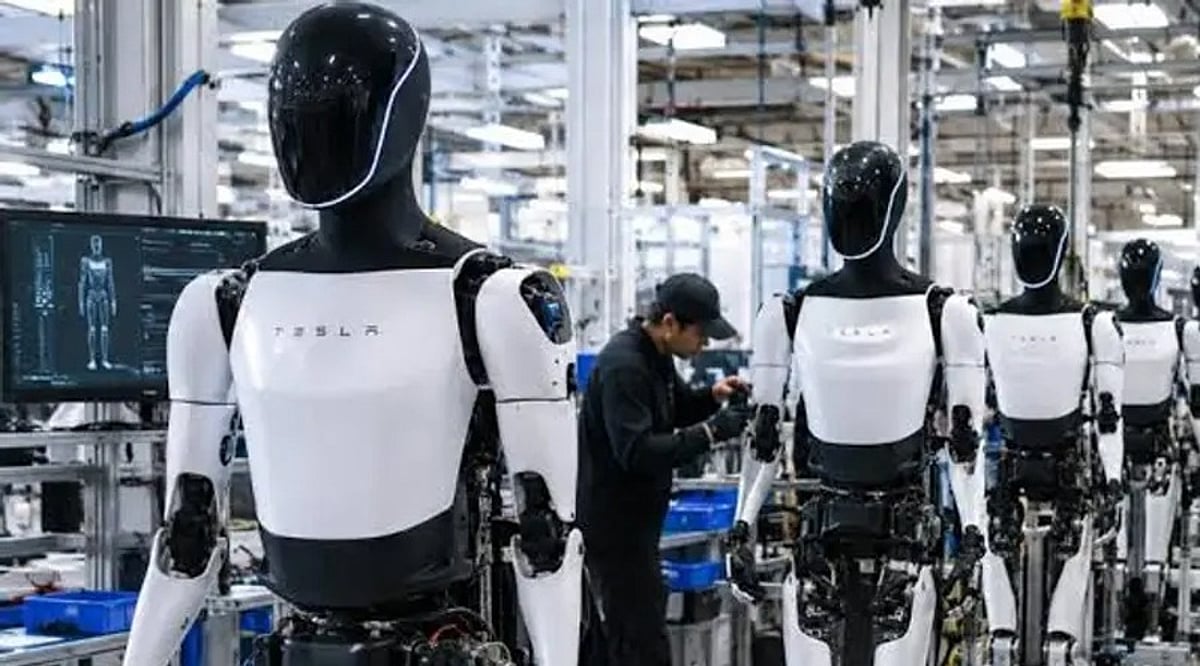
    Tesla has reportedly ramped up production of its Optimus humanoid robot to several hundred units per week, marking roughly a tenfold increase from the second quarter of 2026. The company is aiming for more than 1,000 robots per week by the end of the year, but manufacturing challenges around the robot’s complex hands and supply chain are still slowing the ramp.

    Optimus production surges

    According to The Information, Tesla went from producing dozens of Optimus units weekly during Q2 2026 to several hundred units per week in recent weeks. That is a significant jump, though not yet the stable, high-volume output Tesla wants.

    Tesla is working toward a production line capable of more than 1,000 Optimus robots per week by the end of 2026. Longer term, Elon Musk has discussed manufacturing around 20,000 robots per week.

    Hands remain the hardest engineering challenge

    One of the biggest obstacles is Optimus’ hand. The robot must perform precise, human-like movements, which requires a dense array of compact motors, actuators, sensors, and mechanical parts working together.

    According to the report, Tesla is facing difficulties not only with hand manufacturing and assembly, but also with automated production equipment and supplier availability. The company continues to refine the hand design as it moves toward a production-ready version.

    Producing these intricate components consistently at high volumes makes the challenge even greater. Tesla has previously noted that the hand and forearm system is one of the most difficult parts of Optimus to engineer.

    What’s next for Optimus

    Tesla has not publicly confirmed an exact current weekly production figure, so the several-hundred-unit number remains a reported estimate rather than an official company count.

    The company is also developing Optimus V3, which is expected to introduce hardware and design changes aimed at mass production. For now, Tesla’s immediate focus is on making its manufacturing process reliable enough to support far higher volumes.
  • Tesla’s Rise to Dominance in the Electric Vehicle Market: A Systematic Approach

    Tesla’s Rise to Dominance in the Electric Vehicle Market: A Systematic Approach

    Tesla did not become a major automaker overnight. It did not get there through one clever invention either. Its growth came from solving one problem after another. First, Tesla had to prove people wanted electric cars. Then it needed batteries, the ability to build cars at scale, and expansion into new countries. Each solution created the next challenge. This pattern explains Tesla’s rise better than any single product ever could.

    The Roadster Gamble

    Tesla was founded in 2003 by Martin Eberhard and Marc Tarpenning. Elon Musk joined as chairman and lead investor in 2004 and later became CEO. The company’s first car, the Roadster, launched in 2008. It used a Lotus Elise chassis and a battery pack made of thousands of small lithium-ion cells—the same type used in laptops at the time. This gave Tesla access to an already scalable battery supply chain. The hard part was managing heat, wiring the cells safely, and controlling the entire pack with software. The Roadster proved that a fast electric car could sell to real buyers, even at a high price.

    Model S Changes the Blueprint

    The Model S, introduced in 2012, marked a real shift for Tesla. Unlike the Roadster, it was built from scratch as an electric car, not adapted from another model. Tesla designed its own battery system, opened Supercharger stations to solve range anxiety, and introduced over-the-air updates that could change how a car worked even after it left the factory. This mix of software, batteries, and charging under one company gave Tesla more control over the driving experience than most traditional automakers had.

    Solving the Battery Bottleneck

    By 2014, demand for Tesla cars had outpaced its battery supply. The Gigafactory in Nevada was built to fix this, partnering with Panasonic to bring battery cell and pack production closer to the car assembly line. This partnership combined Tesla’s scale with Panasonic’s battery expertise, driving down costs over time. Tesla later built more Gigafactories in Shanghai, Berlin, and Texas, each one moving production closer to the markets it served.

    The Model 3 Manufacturing Crisis

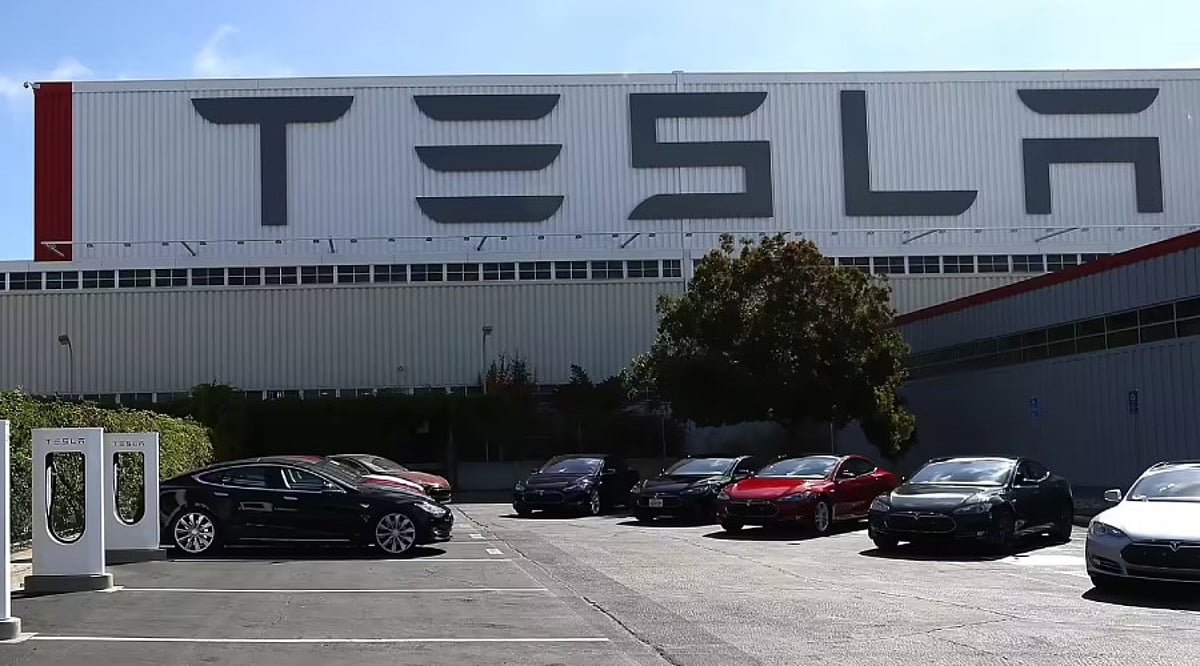
    Tesla’s hardest period came with the Model 3 in 2017 and 2018, a stretch the company itself called “production hell.” Building an affordable car at scale exposed real gaps in Tesla’s factory process. Musk later said the company came close to running out of money. The fix was not simple: Tesla built a temporary assembly line in a tent outside its Fremont factory and rethought automation steps that had slowed everything down. Once stabilized, the Model 3 became one of the best-selling electric cars in the world, proving Tesla could handle mass production, not just small batches of luxury cars.

    Shanghai Proves the Model Can Travel

    Tesla broke ground on its Shanghai factory in January 2019—its first plant outside the United States. Model 3 production began there later that same year, an extremely fast timeline for any car factory. Shanghai showed that Tesla’s production approach could succeed outside California. Local suppliers and production cut costs and gave Tesla direct access to China, the world’s largest EV market.

    Model Y Builds on What Already Works

    Tesla did not design a brand-new platform for the Model Y. Instead, it leveraged much of the same engineering as the Model 3, allowing Tesla to enter the crossover and SUV market quickly without repeating years of development. Shared parts extended the value of earlier investments into a whole new vehicle type.

    A Market That Has Changed

    Tesla once had the EV market mostly to itself, but that is no longer true. Legacy automakers now offer strong electric vehicles, and Chinese companies like BYD report huge sales numbers (though often including plug-in hybrids). Tesla still has strong advantages: its charging network, software, and factory scale. But rivals are building the same strengths. What sets Tesla apart today is not being first—it’s how well Tesla integrates all these pieces into one cohesive system.

    Final Thought

    Tesla’s real story is not about inventing the electric car. It’s about building the machinery around it. Batteries, factories, charging stations, and software were once separate parts of the business. Tesla turned them into one connected system. That system, more than any single car, is what transformed a small EV startup into a global manufacturer.

  • Top 10 Autonomous Vehicles Defining 2026

    Top 10 Autonomous Vehicles Defining 2026

    The autonomous vehicle landscape is accelerating rapidly in 2026, with major players expanding their fleets, entering new markets, and pushing the boundaries of what driverless technology can achieve. From ride-hailing services to consumer cars and autonomous trucks, here are ten vehicles and platforms that are shaping the future of transportation this year.

    1. Waymo One

    Waymo One leads the driverless ride-hailing segment, now operating fully autonomous services across 14 U.S. cities, including newer markets such as Denver, San Diego, and Tampa. The company is also preparing to expand into Germany, signaling its global ambitions.

    2. Tesla Model 3 and Model Y with FSD

    Tesla’s Full Self-Driving (FSD) system remains one of the most widely deployed advanced driving solutions. While the system can handle turns, lane changes, and navigation, Tesla still requires active driver supervision. The Model 3 and Model Y are the primary vehicles showcasing this technology.

    3. Mercedes-Benz DRIVE PILOT

    Mercedes-Benz DRIVE PILOT stands out as a regulated Level 3 automated driving system. Available on select S-Class and EQS models, it uses LiDAR and other sensors to provide automated driving in approved highway conditions, setting a benchmark for consumer-grade autonomy.

    4. Pony.ai Robotaxi

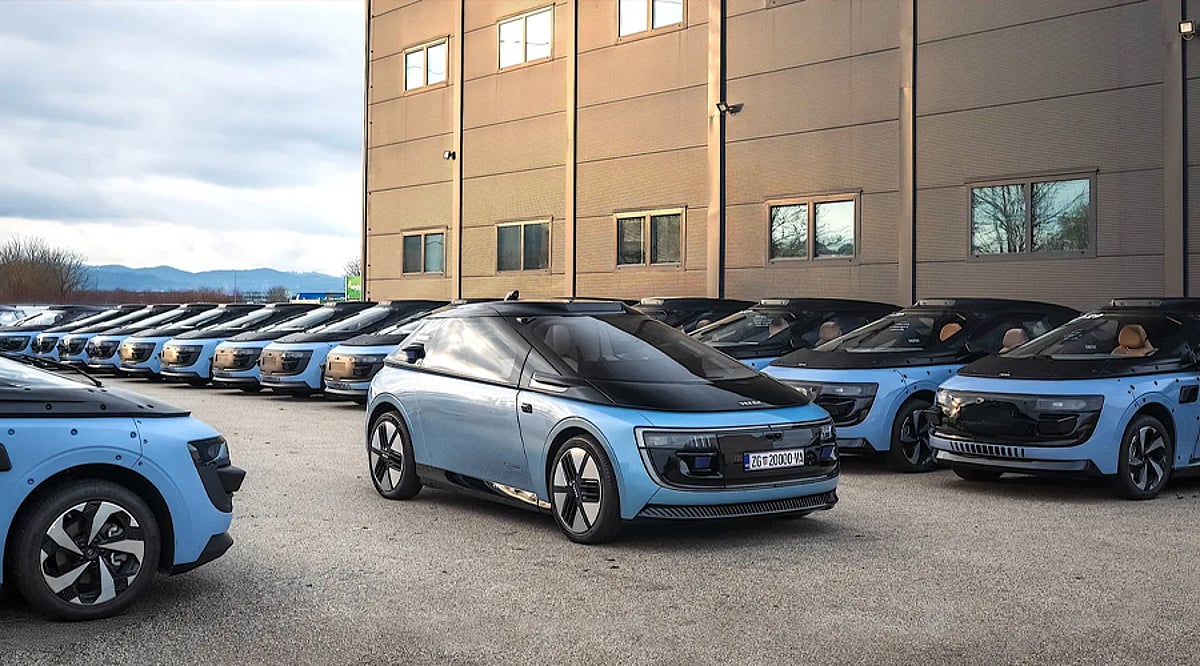
    Pony.ai is rapidly expanding its robotaxi service across China and international markets. The company launched commercial operations in Zagreb, Croatia, and aims to deploy thousands of vehicles as it scales its autonomous fleet globally.

    5. Wayve-Powered Vehicles

    Wayve, a UK-based startup, has partnered with Uber to launch supervised autonomous rides in London as of September 2026. This marks a significant milestone for European robotaxi services, bringing autonomous technology to busy urban streets.

    6. Aurora Driver Trucks

    Aurora is proving that autonomy extends beyond passenger cars. Its self-driving trucks now operate without any human in the driver’s seat, and the company plans to scale its commercial fleet throughout 2026, targeting logistics and freight applications.

    7. Zoox Robotaxi

    Zoox takes a unique approach with a purpose-built vehicle designed for driverless ride-hailing. The cabin features face-to-face seating and no steering wheel. The company is now preparing for larger-scale production, aiming to redefine urban mobility.

    8. Baidu Apollo Go

    Baidu Apollo Go is one of China’s largest autonomous mobility platforms. By 2026, it has expanded to 28 cities and accumulated over 350 million autonomous kilometers, including more than 240 million fully driverless kilometers, making it a dominant player in the region.

    9. BMW iX and Advanced ADAS

    The BMW iX, along with other models featuring advanced driver-assistance systems (ADAS), represents the next step for consumer vehicles. Systems like BMW’s Driving Assistant Professional offer hands-free assistance on approved roads, bringing near-autonomous capabilities to everyday drivers.

    10. NIO and XPeng EVs

    Chinese automakers NIO and XPeng are pushing navigation and driver-assistance technology with AI-powered systems. Their vehicles highlight how Chinese manufacturers are competing globally, integrating advanced automation into mainstream electric cars.

  • Top US Stocks Driving Strong Market Momentum in 2025

    Top US Stocks Driving Strong Market Momentum in 2025

    Several U.S. equities have consistently outperformed in recent months, buoyed by advancements in artificial intelligence, cloud computing, and digital advertising. Below is an overview of the top-performing stocks that continue to deliver robust market momentum.

    Nvidia (NVDA)

    Nvidia dominates AI chip manufacturing, benefiting from surging demand for data centers, enterprise computing, and artificial intelligence infrastructure worldwide.

    Microsoft (MSFT)

    Microsoft’s cloud services and AI-powered software continue driving revenue growth, making it a consistent performer among technology industry leaders globally.

    Apple (AAPL)

    Apple’s ecosystem, premium devices, and expanding services business generate resilient revenue, supporting long-term investor confidence despite competitive technology markets.

    Amazon (AMZN)

    Amazon combines cloud computing leadership with advertising, logistics, and artificial intelligence investments, creating multiple high-growth revenue opportunities for shareholders.

    Meta Platforms (META)

    Meta’s AI investments and digital advertising business continue improving profitability while expanding virtual reality and social media platform capabilities globally.

    Broadcom (AVGO)

    Broadcom benefits from rising semiconductor demand, enterprise software growth, and AI infrastructure expansion, supporting consistent financial performance and shareholder returns.

    Tesla (TSLA)

    Tesla continues innovating in electric vehicles, autonomous driving technology, and energy storage, maintaining significant influence within global automotive markets.

    Alphabet (GOOGL)

    Alphabet strengthens revenue through search, cloud computing, YouTube, and artificial intelligence innovations across consumer and enterprise technology services worldwide.

    Palantir Technologies (PLTR)

    Palantir’s AI-powered analytics platforms drive enterprise and government adoption, supporting impressive revenue growth and expanding commercial customer relationships.

  • Beyond Cars: Surprising Tesla Innovations You Didn’t Know About

    Beyond Cars: Surprising Tesla Innovations You Didn’t Know About

    Tesla is widely known as a trailblazer in the electric vehicle (EV) market, but the company’s ambitions stretch far beyond cars. From energy storage to robotics and artificial intelligence, Tesla is quietly building a portfolio of products that could reshape multiple industries. Here’s a look at some of the most surprising things Tesla makes that aren’t electric vehicles.

    Tesla Energy Products

    Tesla’s energy division is a major part of its business. The company produces solar panels, the Solar Roof (a roofing material with integrated solar cells), the Powerwall (a home battery), and the Megapack (a utility-scale battery system). These products allow homes, businesses, and utilities to generate, store, and manage renewable energy, reducing reliance on fossil fuels.

    Optimus Humanoid Robot

    First unveiled in 2021, the Tesla Optimus humanoid robot is designed to handle repetitive, dangerous, or physically demanding tasks. Currently being tested inside Tesla factories, Optimus is envisioned for future roles in warehouses, manufacturing, logistics, and even household chores. It represents Tesla’s push into advanced robotics and automation.

    Dojo AI Supercomputer

    Dojo is Tesla’s custom-built supercomputer, purpose-designed to train the neural networks behind its Full Self-Driving (FSD) technology. Instead of relying on third-party hardware like Nvidia GPUs, Dojo uses Tesla’s own D1 chips to process massive amounts of video data efficiently. This specialized architecture accelerates AI model training and gives Tesla greater control over its autonomous driving development.

    Tesla AI Chips

    Tesla designs its own artificial intelligence chips for use in its vehicles. These custom processors handle billions of calculations per second to power features like Autopilot and Full Self-Driving. By developing proprietary silicon, Tesla reduces dependency on external suppliers and optimizes performance for its specific needs.

    Tesla Supercharger Network

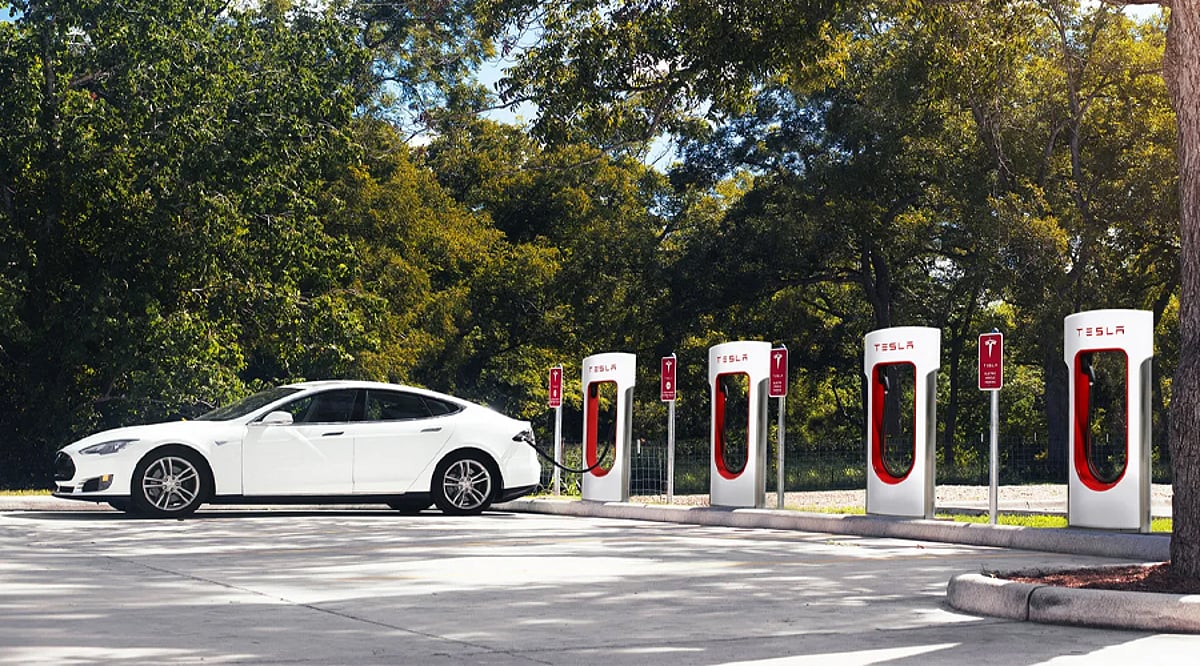
    While originally built exclusively for Tesla vehicles, the Supercharger network has evolved into a standalone infrastructure business. Tesla designs, manufactures, installs, and operates thousands of fast-charging stations worldwide. In many regions, non-Tesla EVs can now use Superchargers via compatible connectors, making the network a vital part of the broader EV ecosystem.

    Tesla Solar Roof

    The Solar Roof is a premium product that replaces traditional roofing materials with durable glass tiles that generate electricity. Unlike bulky solar panels mounted on top of an existing roof, the Solar Roof blends seamlessly with the home’s design. It allows homeowners to produce renewable energy without compromising aesthetics.

    Megapack Grid Batteries

    Megapack is Tesla’s large-scale energy storage solution for utility companies and commercial projects. These massive batteries store energy from renewable sources like solar and wind farms, then discharge it when demand is high. Utilities around the world use Megapacks to stabilize the grid, prevent blackouts, and support the transition to cleaner energy.

    Tesla’s ventures into energy, robotics, AI, and infrastructure show that the company is far more than an automaker. These innovations highlight a broader mission to accelerate the world’s transition to sustainable energy and intelligent automation.

  • Top 9 Automakers Dominating Global Vehicle Sales in 2026

    Top 9 Automakers Dominating Global Vehicle Sales in 2026

    The global automotive landscape is shifting rapidly, with established giants and emerging EV leaders vying for dominance. Based on current sales trajectories and market trends, these nine car brands are expected to lead worldwide vehicle sales in 2026.

    Toyota – Continues to dominate global vehicle sales with its dependable models, hybrid leadership, and an unmatched worldwide manufacturing network.

    Volkswagen – Maintains strong demand across markets thanks to a broad portfolio of passenger cars, SUVs, and a growing lineup of electric vehicles.

    BYD – Has emerged as one of the fastest-growing automakers by offering affordable EVs, leveraging battery innovation, and rapidly expanding internationally.

    Honda – Attracts millions of buyers with reliable cars, efficient engines, and strong hybrid offerings across major global markets.

    Hyundai – Expands market share through stylish SUVs, advanced technology, and competitive EV options tailored for modern consumers.

    Ford – Remains a global leader thanks to its bestselling pickup trucks, commercial vehicles, and continued investments in electric vehicles.

    Tesla – Sustains strong global EV demand with software-driven innovation, long-range batteries, and advanced autonomous driving technologies.

    Nissan – Retains customer confidence through practical vehicles, affordable pricing, and an expanding lineup of electrified models.

    Chevrolet – Continues delivering strong sales with versatile SUVs, pickup trucks, and growing electric vehicle options worldwide.

  • Wall Street Tightens Scrutiny on Big Tech AI Spending as Investors Demand Clearer Returns

    Wall Street Tightens Scrutiny on Big Tech AI Spending as Investors Demand Clearer Returns

    Wall Street is changing how it judges artificial intelligence spending. Investors once rewarded major technology companies for expanding data centers, buying chips, and building new AI services. Strong revenue growth often eased concerns about the cost.

    That pattern changed after Alphabet and Tesla reported second-quarter results. Both companies posted sharp share losses after announcing higher spending plans. The reaction showed that investors now want clearer proof that AI investment can support cash flow, margins, and earnings.

    This shift comes before earnings from Microsoft and Meta on Wednesday, followed by Apple and Amazon on Thursday. Their capex forecasts, cloud growth, and free cash flow will give investors new data on the cost of the AI buildout.

    Alphabet Selloff Shifts the AI Capex Debate

    Alphabet raised its 2026 capital expenditure forecast to between $195 billion and $205 billion. The range increased from an earlier estimate of $180 billion to $190 billion. Most of the spending will support servers, data centers, networking equipment, and AI computing capacity.

    Google Cloud revenue rose 82% to $24.8 billion during the quarter. Total revenue reached $119.8 billion, above market estimates. However, Alphabet recorded negative free cash flow of $5.9 billion. Its shares then fell 7.13% on July 23, cutting about $294 billion from its market value.

    Investors focused on the gap between rising revenue and heavier cash use. Alphabet said demand still exceeded its available capacity. Still, the higher spending forecast raised questions about how quickly new infrastructure can produce steady returns.

    Tesla Spending Adds to Wall Street Concerns

    Tesla also increased pressure on the AI spending trade. The company spent a record $5.79 billion on capital projects during the second quarter. That spending helped push free cash flow to negative $1.09 billion.

    Management expects 2026 capital expenditure to exceed $25 billion. Tesla plans to fund robotaxis, Optimus production, AI compute, factories, solar manufacturing, and other projects. Elon Musk called 2026 a “massive capex year,” while finance chief Vaibhav Taneja said spending could rise for another two or three years.

    Tesla shares dropped about 14% after the report. Investors also reviewed weaker earnings and lower cash generation. The market response added to concern that large AI plans can pressure stocks when spending rises faster than near-term profit.

    Michael Burry Points to a New Market Test

    Michael Burry said, “the market has voted and the results are clear.” He referred to data showing that Alphabet, Microsoft, Amazon, Meta, Oracle, Micron, and Tesla had weighed on the S&P 500 since early June.

    Apple stood apart from that group. The company has avoided the largest AI infrastructure budgets and has relied more on partnerships with model developers. Apple shares gained strongly in July as investors favored its lower spending approach.

    AI demand continues to support cloud growth, chip sales, and enterprise adoption. Big Tech companies still plan to spend more than $700 billion this year, mainly on computing infrastructure. Analysts expect Microsoft, Meta, Amazon, and Alphabet to face closer review as they publish new results.

    Wall Street is not rejecting AI investment. Instead, investors are applying a stricter test. Companies must now show that higher capital spending can produce revenue growth without weakening cash flow for long periods.

  • Tesla Q2 2026 Revenue Tops Estimates as Earnings Slip and Cash Flow Turns Negative

    Tesla Q2 2026 Revenue Tops Estimates as Earnings Slip and Cash Flow Turns Negative

    Tesla Surpasses Revenue Expectations in Q2 2026

    Tesla reported stronger-than-expected revenue for the second quarter of 2026, driven by record vehicle deliveries and growth in its energy storage business. However, the company’s earnings fell short of analyst estimates, and free cash flow turned negative for the first time in over two years, reflecting heavy investments in artificial intelligence, robotics, and future production programs.

    The electric vehicle maker generated $28.24 billion in quarterly revenue, above market consensus. Adjusted earnings per share came in at $0.33, well below the expected $0.50. Tesla also posted negative free cash flow of $1.09 billion, as capital expenditures more than doubled from the previous quarter and the same period last year.

    Record Deliveries Boost Top Line

    Tesla delivered 480,126 vehicles during the quarter, up from 384,122 a year earlier. The Model 3 and Model Y accounted for 467,762 deliveries, while other models contributed 12,364 units. This 26% year-over-year increase in deliveries helped push trailing twelve-month revenue past $100 billion for the first time.

    Energy storage deployments also showed strong growth, reaching 13.5 gigawatt-hours, compared with 9.6 GWh in the same quarter of 2025.

    Margins and Profitability Under Pressure

    Despite higher revenue, Tesla’s profitability faced headwinds. Automotive gross margin fell to 16.3%, below analyst expectations, as the company relied on lower-priced models and incentives to sustain demand. Revenue from regulatory credits dropped to $146 million, about two-thirds below the prior-year level.

    Net income stood at approximately $1.11 billion, while operating income plunged 57% to $398 million. Rising research and development costs, along with increased spending on production and technology programs, weighed on quarterly earnings.

    Heavy Spending on AI and Future Programs

    Tesla’s capital expenditures reached $5.8 billion in Q2, more than double the amount spent in both the first quarter of 2026 and the second quarter of 2025. Chief Financial Officer Vaibhav Taneja indicated that annual capital spending would exceed $25 billion, directed toward AI systems, robotaxi services, manufacturing equipment, and robotics development.

    CEO Elon Musk described 2026 as “a massive capex year,” emphasizing that the investments will support new products and expanded production capacity. Tesla has already started Cybercab production and is installing manufacturing lines for its Optimus humanoid robot.

    Full Self-Driving Subscriptions Grow

    Tesla ended the quarter with approximately 1.48 million active Full Self-Driving (FSD) subscriptions, a 56% increase year-over-year. More than 55% of new North American deliveries included an FSD subscription. The company continues to seek regulatory approval for the driver-assistance system in Europe and China.

    Musk noted that customers are increasingly considering FSD when purchasing a vehicle, though the system remains supervised and requires driver attention. Tesla is also expanding its robotaxi operations while navigating local regulations and safety requirements.

    Market Reaction

    Tesla shares declined following the earnings release, as investors reacted to the earnings miss, weaker automotive margins, and negative cash flow. The results highlight the balancing act Tesla faces between sustaining revenue growth and funding its ambitious autonomy, energy, and robotics initiatives.

  • Tesla Stock Drops Near $300 After Q2 Earnings Miss Triggers Market Selloff

    Tesla Stock Drops Near $300 After Q2 Earnings Miss Triggers Market Selloff

    Tesla shares fell nearly 15% after second-quarter results raised concerns over weaker margins, negative free cash flow, and rising AI spending. The selloff pushed the stock toward the $300 support area and added pressure to the NASDAQ, while Bitcoin and Ether also declined as risk sentiment weakened.

    Tesla shares closed at $313.03 on July 24 after falling 2.08% during the session. The stock also slipped to about $311.40 in after-hours trading. Over one month, Tesla lost around 16.55% as investors reassessed the company’s second-quarter results and spending plans.

    The latest decline followed a 14.52% plunge on July 23. Tesla reported record vehicle deliveries and higher revenue, yet weaker margins and negative free cash flow drew more attention. The stock now trades close to the lower end of its recent range, with $300 becoming the nearest major technical level.

    Tesla Stock Nears Key $300 Support

    Tesla stock traded as high as $322.87 on July 24 before falling to an intraday low near $306.53. Selling pressure stayed firm after the earnings-driven decline. As a result, the shares closed only a few dollars above their first major support zone.

    The area between $306.50 and $300 now serves as short-term support. A sustained close below $300 could bring the 52-week low near $297.82 back into focus. On the other hand, buyers need to reclaim the $320 to $323 range to slow the current decline.

    Stronger resistance sits between $340 and $342. Tesla traded near that area before the post-earnings gap widened. A recovery toward that range would require stronger demand and improved confidence in the company’s profit outlook.

    Record Deliveries Fail to Calm Investors

    Tesla delivered a record 480,126 vehicles during the second quarter. The total exceeded the company-compiled estimate of about 406,000 vehicles. Model 3 and Model Y deliveries reached 467,762 units and accounted for most of the quarter’s volume.

    Revenue rose 26% from a year earlier to about $28.24 billion. Automotive revenue reached nearly $20.5 billion, while services and other revenue increased 50% to $4.58 billion. These results showed that Tesla continued to expand sales across its main business lines.

    Nevertheless, investors focused on profitability. Tesla’s operating margin fell to 1.4% from 4.1% a year earlier. Lower vehicle prices and higher costs supported deliveries but reduced earnings from each sale.

    The weaker margin also raised questions about how quickly Tesla can turn rising sales into stronger cash generation. This issue became more important as the company increased spending on artificial intelligence, batteries, robotics, and autonomous-driving systems.

    AI Spending Adds Pressure Across Markets

    Tesla’s capital expenditure reached about $5.8 billion during the quarter. Free cash flow turned negative by roughly $1.1 billion, marking the company’s first quarterly cash burn in more than two years. Tesla also expects annual capital spending to exceed $25 billion.

    The company continues to fund robotaxi development, artificial intelligence infrastructure, next-generation manufacturing, and the Optimus robot program. Meanwhile, investors are waiting for clearer revenue growth from these projects as costs rise in the near term.

    The concern spread beyond Tesla. Alphabet shares also fell as investors reviewed higher artificial intelligence spending plans. It raised its 2026 capital expenditure guidance to between $195 billion and $205 billion, up from its earlier range.

    The NASDAQ moved lower as investors reduced exposure to high-growth technology stocks. Risk-off trading also reached digital assets. Bitcoin fell about 1.8% toward $64,800, while Ether dropped around 3% to nearly $1,870. Concerns over technology spending affected several risk markets during the same trading period.

  • Elon Musk Fuels Tesla-SpaceX Merger Speculation in Q2 Earnings Call – What Investors Should Know

    Elon Musk Fuels Tesla-SpaceX Merger Speculation in Q2 Earnings Call – What Investors Should Know

    Elon Musk reignited speculation about a potential merger between Tesla and SpaceX during Tesla’s second-quarter earnings call, declining to rule out a future deal. The comments came as the two companies already share projects across batteries, artificial intelligence, and advanced manufacturing.

    “We can’t talk about combining companies on an earnings call,” Musk said, adding that any merger discussion would require a formal corporate process. Tesla General Counsel Brandon Ehrhart described SpaceX as an important business partner, noting several mutually beneficial transactions, but did not confirm any active review of a merger.

    Musk’s Comments Renew Merger Debate

    Musk acknowledged growing operational overlap between Tesla and SpaceX during the call. Investors have long debated the merits of combining the two companies. Gene Munster of Deepwater Asset Management said the remarks increased his confidence in a future combination, possibly within several years.

    JPMorgan analysts pointed to shared talent, AI infrastructure, and manufacturing knowledge, suggesting those links could reduce some operational barriers. SpaceX President Gwynne Shotwell said in June that combining Musk’s companies could simplify management.

    Existing Collaborations and Synergies

    Tesla and SpaceX already cooperate on batteries, engineering, AI, and advanced manufacturing. They are jointly developing Terafab, a semiconductor facility aimed at producing chips for AI systems. Both companies rely on large computing networks and specialized engineering teams, with Musk leading strategy across both entities.

    Some Tesla investors envision a broader technology group encompassing vehicles, robotics, energy, satellites, and AI. However, no timeline, valuation, or transaction structure has been announced.

    Tesla Q2 Earnings Mixed; Focus Shifts to Spending

    The merger discussion followed Tesla’s mixed second-quarter results. Revenue reached $28.24 billion, beating the $26.32 billion estimate. Adjusted earnings of $0.33 per share missed analyst expectations of $0.50. Tesla shares fell about 6% in premarket trading.

    Vehicle deliveries rose 25% year-over-year to 480,126 units. Energy storage deployments hit 13.5 GWh, up from 8.8 GWh in the prior quarter. Capital spending is expected to exceed $25 billion this year, funding Robotaxi, Optimus, Cybercab, and AI data centers. Free cash flow was negative $1.09 billion, better than the expected negative $3.64 billion.

    Regulatory and Governance Hurdles Remain

    Any Tesla-SpaceX merger would face intense regulatory scrutiny in the U.S. and other major markets, especially China. SpaceX’s close ties with the U.S. government and defense agencies could raise national security concerns during foreign reviews. Governance is also a key issue: Musk controls a larger voting stake in private SpaceX than in public Tesla, potentially raising questions about valuation and minority shareholder treatment. Independent directors and shareholder approval would be critical.

    For now, neither company has announced a merger process. Musk’s comments only left the possibility open while cooperation continues.