Tag: Tesla

  • Tesla Limits Employee AI Tool Spending to $200 Per Week Amid Corporate Cost Reviews

    Tesla Limits Employee AI Tool Spending to $200 Per Week Amid Corporate Cost Reviews

    Tesla will cap employee spending on outside AI tools at $200 per week starting July 6, according to internal reports. The move comes as companies across the U.S. review rising workplace AI costs after pushing staff to adopt the technology. Grok, the AI system linked to Elon Musk’s xAI, is excluded from the limit, while higher spending will require special approval.

    Tesla Sets Weekly AI Spending Limit

    Tesla’s new rule places a weekly limit on staff use of external AI systems, including tools for coding, research, writing, and other workplace tasks. The cap is set at $200 per employee each week, with higher spending requiring approval. This marks a shift from earlier corporate pressure to increase AI adoption. Tesla and other companies had urged employees to use AI tools to raise output and speed up work. Musk said earlier this year that AI could make worker “output” get “nutty high.”

    However, AI use has become more expensive as workers rely on advanced tools and coding agents. These systems can run tasks continuously, retry failed steps, and consume large amounts of computing power. As a result, companies are now monitoring how much each employee spends. The cap also shows how firms are trying to separate useful AI work from routine or low-value use. Some employees may now have to choose cheaper tools or reserve AI use for tasks that need more support.

    Corporate AI Bills Face New Scrutiny

    Tesla is not alone in adding limits. Uber recently capped employee use of AI tools at $1,500 per month. Meta, Walmart, Coinbase, and AT&T have also moved to review or limit staff use of external AI systems, according to reports. The change follows a period when many companies pushed workers to use AI as much as possible. Some firms tracked usage through tokens, which measure how much an AI system processes. This trend became known as “tokenmaxxing,” as workers were judged by how much AI they used.

    Nevertheless, the approach created cost concerns. Reports say some companies spent their full annual AI budgets within a few months. In other cases, small groups of employees spent more on AI tools than larger teams. AI coding agents are one reason for the higher costs. Unlike a chatbot that replies once, an agent may call AI models many times while completing a task. That can raise bills quickly, even when the price of each computing unit falls. Meanwhile, companies are trying to balance adoption with expense control. The new limits do not signal a full pullback from AI use. Instead, they show that firms want clearer rules on how employees use paid tools.

    Musk Defends Long-Term AI Growth

    The cost controls come as investors debate whether heavy AI spending can produce enough business returns. Large AI infrastructure spending has helped lift parts of the stock market, but rapid corporate adoption remains central to that growth case. Responding to a post on X this week about a possible tech crash, Musk wrote, “There are always momentary dips, even in a rapidly growing economy.” He added that “the productivity gains from AI and robotics are so enormous” that the wider trend is “overwhelmingly up.”

    Tesla still wants to present itself as an AI-focused company. Musk has pointed to driverless technology and Optimus Robots as major parts of Tesla’s future. This week, he said Tesla had started making Optimus bots at its Texas factory. However, the company faces pressure in its main electric vehicle business. Tesla is competing with lower-cost Chinese EV makers, while demand in some markets has shifted. Even so, the company posted a 25% rise in quarterly sales this week after a rebound in Europe. The weekly AI cap shows that Tesla is still pushing AI use, but under tighter spending rules. For now, the company is asking staff to use outside AI tools with more control as corporate AI bills face closer review.

  • Tesla Stock Closes Above $420 for First Time, Reigniting Meme Trading and Retail Interest

    Tesla Stock Closes Above $420 for First Time, Reigniting Meme Trading and Retail Interest

    Tesla shares closed above $420 for the first time since the company went public 16 years ago, rekindling meme-driven trading and drawing renewed attention from retail investors. The stock ended Tuesday’s session at $420.60, a milestone long associated with CEO Elon Musk and internet culture.

    According to Vanda Research, retail buying activity historically increases when Tesla trades above $420. Global macro strategist Viraj Patel noted that the average five-day retail net buying jumps from $87 million to $135 million after the stock crosses that level. Since mid-2024, retail investors have purchased more Tesla shares on nine of the 14 occasions the stock traded above $420.

    The number 420, originally tied to cannabis culture, became a widespread internet meme and later a recurring reference in Musk’s public comments. Roundhill Investments CEO Dave Mazza remarked, “I can’t believe I’m actually writing this, but it really comes down to the same two magic numbers, $420 and $69, that get the meme crowd going.”

    Tesla’s close above $420 quickly spread across social media platform X, where users shared memes and jokes. Interactive Brokers chief strategist Steve Sosnick said, “I’m surprised it took until now for Tesla to see a $420 close. It’s been a Musk-related meme for years.” The stock continued climbing Wednesday, trading near $426 ahead of the company’s second-quarter delivery report.

    The $420 level remains tied to Musk’s 2018 tweet about taking Tesla private at $420 per share with “funding secured.” That tweet led to an SEC securities fraud lawsuit, but the number has persisted as a cultural touchstone. Karobaar Capital’s Haris Khurshid noted, “Tesla has one of the most engaged retail investor bases in the market, so numbers like that tend to take on a life of their own.”

  • Tesla’s Steerless Cybercab Test Ignites Safety and Liability Debate

    Tesla’s Steerless Cybercab Test Ignites Safety and Liability Debate

    Tesla has reignited the discussion around autonomous vehicle safety after releasing footage of its Cybercab completing a public road test in Austin, Texas—without a steering wheel or pedals. The vehicle, which relies entirely on self-driving technology, carried only a safety monitor inside, prompting fresh questions about liability and public trust.

    The video, shared by CEO Elon Musk, shows the Cybercab navigating city streets using Tesla’s camera-based autonomous system. First unveiled in 2024, the Cybercab is designed exclusively for robotaxi service, featuring a minimalist passenger display instead of a traditional dashboard. Tesla already operates robotaxi trials in Austin with Model Y vehicles, and this test signals a move toward dedicated autonomous fleets.

    Reactions on social media have been mixed. Supporters praised the technological leap, calling it a glimpse of the future. Critics, however, voiced safety concerns—wondering how the vehicle would handle emergencies, software glitches, or cyberattacks. Many asked whether a safety monitor could intervene in time, and who would be liable in an accident involving a fully driverless car.

    The debate unfolds as U.S. regulators consider a proposal from the National Highway Traffic Safety Administration (NHTSA) that could eliminate the requirement for brake pedals in fully autonomous vehicles. If passed, the rule would clear a path for companies like Tesla to deploy robotaxis without traditional controls.

    Tesla faces stiff competition from Waymo and Cruise, both of which use additional sensors like lidar and radar. Each company takes a different technical approach to safe autonomy. The Cybercab test underscores both the promise and the hurdles of driverless technology, with public confidence and clear safety regulations remaining critical barriers to widespread adoption.

  • Tesla Stock Surges 8.5% to Nearly $412 After FSD Update and Strong Earnings

    Tesla Stock Surges 8.5% to Nearly $412 After FSD Update and Strong Earnings

    Tesla stock jumped 8.5% in a single trading session, pushing shares close to $412, following the release of a major Full Self-Driving (FSD) software update and fresh regulatory approvals in Europe. The rally underscores investor optimism around Tesla’s autonomous driving technology and its improving financial performance.

    Key Takeaways

    • Tesla stock surged 8.5% after the release of Full Self-Driving Version 14 Lite for older Hardware 3 vehicles.
    • Revenue reached $22.39 billion (16% annual growth), with gross margins improving to 21%.
    • Future growth hinges on robotaxi expansion, energy business development, and maintaining leadership amid rising competition.

    Stock Performance and Market Context

    As of June 30, 2026, Tesla shares traded near $409, closing the latest session at $411.84. The 8.5% daily gain ranks among the company’s largest in recent months. Tesla’s market capitalization now stands at approximately $1.55 trillion, placing it among the world’s most valuable companies.

    Over the past 12 months, Tesla’s stock has ranged from $288.77 to $498.83, highlighting persistent volatility. Despite the recent uptick, year-to-date performance remains negative at -8.4%. Daily trading volume remains high at roughly 56 million shares, reflecting sustained interest from both retail and institutional investors.

    Catalyst Behind the Rally

    The primary driver of the stock surge was the rollout of Full Self-Driving Version 14 Lite, a software update designed for older Tesla vehicles equipped with Hardware 3. The update enhances city driving support, route selection, speed control, and safety performance. Investors view autonomous driving as a transformative element of Tesla’s long-term business model, and the positive market reaction was immediate.

    Adding to the momentum, Tesla received additional regulatory approval for its self-driving software in several European markets, including Belgium. This international expansion opens new revenue opportunities and reinforces confidence in Tesla’s autonomous technology roadmap.

    Financial Performance Strengthens

    Tesla reported solid first-quarter 2026 results. Revenue reached $22.39 billion, up 16% year-over-year, demonstrating resilient demand despite intensifying competition in the electric vehicle (EV) market.

    Gross margins improved to approximately 21%, a significant recovery after earlier periods of aggressive price cuts. Operating income surged 91% to $940 million, reflecting tighter cost controls and improved operational efficiency.

    Future Growth Beyond EV Sales

    Tesla’s growth strategy now extends well beyond vehicle sales. Key initiatives include:

    • Cybercab Robotaxi Platform: Production began in early 2026 at Tesla’s Gigafactory in Texas. Success in large-scale robotaxi deployment could create an entirely new revenue stream.
    • Energy Expansion: Tesla has formed partnerships with energy providers to build virtual power plants that support AI data centers, diversifying revenue and reducing dependence on automotive sales.

    Risks to Consider

    Despite strong performance, Tesla carries significant risks. The stock trades at a price-to-earnings ratio above 340, far exceeding traditional automakers and many tech firms. Such high valuation implies extremely ambitious future growth expectations; any shortfall could trigger a sharp correction.

    Competition from Chinese EV makers is intensifying, and delays in products like the next-generation Roadster or large-scale robotaxi deployment create execution uncertainty. Regulatory hurdles for self-driving technology also remain a factor, as approvals vary by country.

    Outlook

    Tesla occupies a unique position, combining EVs, AI, robotics, autonomous driving, and energy infrastructure under one roof. Recent software developments and strong financials have boosted market confidence. However, the stock’s elevated valuation means future performance depends heavily on successful execution over the next 12–24 months.

    At current levels near $409–$412, Tesla remains financially robust with substantial long-term potential. Yet investors must weigh the high expectations embedded in the stock price against the real challenges of competition, regulation, and execution.

  • Top Employers for Computer Vision Engineers in 2026: NVIDIA, Tesla, OpenAI, and More

    Top Employers for Computer Vision Engineers in 2026: NVIDIA, Tesla, OpenAI, and More

    Computer vision is one of the fastest-growing fields within artificial intelligence, enabling machines to interpret and analyze visual data like humans. From autonomous vehicles and robotics to medical imaging and security systems, the technology is transforming industries. As demand surges, leading companies are competing for skilled computer vision engineers. Here are the best employers in 2026.

    NVIDIA

    NVIDIA remains a powerhouse for computer vision engineers, thanks to its dominance in AI hardware and software. Its recent RTX Spark AI chip, designed for local AI processing, has driven demand for engineers skilled in image recognition, model optimization, and edge computing. The company provides access to cutting-edge tools for large-scale AI development.

    Google DeepMind

    DeepMind continues to push boundaries in AI research, focusing on advanced machine learning, image understanding, and multimodal systems like Gemini. Engineers work on projects that define the future of visual reasoning, benefiting from a research-driven culture and vast computing infrastructure.

    Tesla

    Tesla offers one of the most exciting opportunities for real-world computer vision applications. Its camera-based self-driving technology relies on fast image processing, object recognition, and multi-camera analysis. Engineers solve massive-scale challenges while working on systems deployed in millions of vehicles.

    Meta

    Meta has intensified its AI investments, particularly in augmented reality, smart glasses, and visual AI. Engineers work on facial recognition, video generation, scene understanding, and wearable devices. Its aggressive AI expansion makes Meta a top career destination.

    OpenAI

    OpenAI has expanded beyond language models into multimodal AI, including image generation, robotics, and visual reasoning. Demand for computer vision engineers has grown as the company pursues advanced general intelligence. Employees gain access to cutting-edge research and world-class infrastructure.

    Scale AI

    Scale AI is a fast-growing infrastructure company specializing in data preparation for autonomous vehicles and enterprise AI. Computer vision engineers work with synthetic data, automated labeling, and large visual datasets. As multimodal AI adoption rises, Scale AI offers strong long-term prospects.

    Microsoft

    Microsoft provides a stable, powerful environment for computer vision engineers through Azure and enterprise AI solutions. Key areas include optical character recognition, healthcare imaging, industrial automation, and cloud-based vision APIs. The company balances research with product development.

    DeepSeek

    DeepSeek has emerged as a surprise success, securing $7.4 billion in funding and planning to double its workforce. It focuses on advanced AI and general intelligence systems, creating major demand for engineers. Its rapid growth makes it an attractive option for computer vision professionals.

    Industry Outlook for 2026

    The global computer vision market is projected to grow over 35% annually through 2030, driven by robotics, autonomous vehicles, healthcare, surveillance, industrial automation, and generative AI. Key skills include PyTorch, TensorFlow, Vision Transformers, YOLO, edge AI, CUDA optimization, and distributed training.

    Final Thoughts

    The job market has shifted dramatically. While traditional tech companies once dominated, now AI startups, robotics firms, and autonomous vehicle manufacturers offer outstanding opportunities. NVIDIA, Google DeepMind, Tesla, Meta, OpenAI, Microsoft, Scale AI, and DeepSeek provide exceptional career growth for computer vision engineers working on technologies that will shape our future.

    Frequently Asked Questions

    Which company is best for computer vision engineers in 2026?

    NVIDIA currently stands out with its strong AI ecosystem and advanced computing infrastructure.

    Is computer vision a good career in 2026?

    Yes, demand continues to rise rapidly across robotics, healthcare, autonomous vehicles, and AI.

    Which skills matter most for computer vision jobs?

    PyTorch, TensorFlow, Vision Transformers, YOLO models, CUDA optimization, and edge AI deployment are highly valuable.

    Are startups good for computer vision careers?

    Yes, fast-growing AI startups like DeepSeek and Scale AI offer excellent growth opportunities and cutting-edge projects.

    What industries hire computer vision engineers the most?

    Autonomous vehicles, robotics, healthcare technology, surveillance systems, industrial automation, and generative AI lead hiring demand.

  • Musk and Cook Warn Memory Chip Shortage Could Stifle AI Growth as Prices Soar

    Musk and Cook Warn Memory Chip Shortage Could Stifle AI Growth as Prices Soar

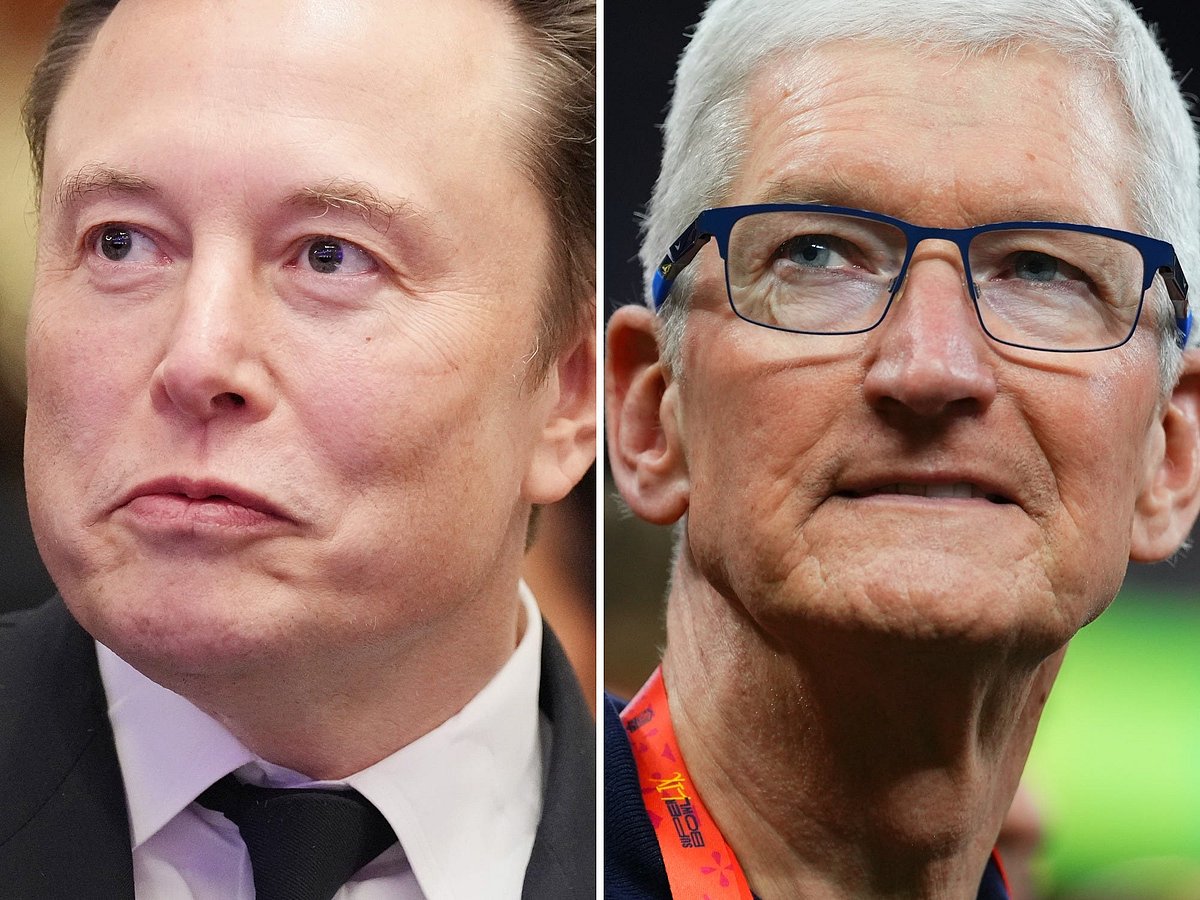
    Elon Musk has publicly backed Apple CEO Tim Cook’s stark warning about an unprecedented memory chip shortage, as surging costs driven by AI data center demand create ripple effects across the consumer electronics and automotive industries.

    Cook described the shortage as a “hundred-year flood,” noting he had not seen a similar cost shock in any sector in over four decades. Musk echoed that sentiment, calling it the “biggest price jump in anything I’ve ever seen.” Both executives are now calling for a massive expansion of production capacity to avert long-term constraints.

    AI Infrastructure Fuels Demand for Advanced Memory

    The rapid expansion of artificial intelligence infrastructure has dramatically increased demand for high-bandwidth memory (HBM) products, which are critical for running AI processors and handling large datasets. Chip manufacturers have shifted significant production capacity toward these higher-value components, creating tighter supplies of standard memory and storage chips used in smartphones, computers, televisions, and game consoles.

    Cook stated that Apple could no longer absorb the full increase in component costs, calling price hikes “unavoidable.” The company subsequently raised prices across several product lines, including Mac computers and iPads, with some increases reaching hundreds of dollars depending on the model and storage configuration. Apple also adjusted prices for its Apple TV, HomePod, and iMac products.

    Microsoft followed suit by announcing higher prices for Xbox consoles, and other electronics manufacturers have similarly adjusted their pricing as memory and storage costs climb throughout the supply chain.

    Tesla’s AI Ambitions at Risk

    Musk warned that the gap between memory demand and production capacity is “insane,” adding that the industry requires significantly higher output to alleviate the shortage. Tesla relies on advanced chips for its vehicles, AI systems, and Optimus robots. During Tesla’s fourth-quarter earnings call in January, Musk indicated that supplier output could constrain the company’s plans.

    He noted that memory could become “an even bigger limiter than AI logic.” While AI logic chips handle calculations, memory chips store and move the data those processors require. Both must be available in large volumes for AI systems to operate effectively.

    Tesla currently works with external manufacturers, including major chip producers in the United States and Asia, but Musk said the company faces risks if suppliers cannot ramp up production quickly enough. The shortage also impacts SpaceX and xAI, both of which require growing computing power for satellite systems, AI training, and data center projects.

    TeraFab Project Aims to Boost Production

    Musk has proposed TeraFab as a potential long-term solution. The project involves Tesla, SpaceX, and xAI, with Intel also announcing its participation. The planned facility would combine logic chip production, memory manufacturing, and advanced packaging, potentially reducing reliance on outside suppliers and supporting future AI and robotics projects.

    However, many details remain unclear. The companies have released limited information about production timelines, financing, and each participant’s exact role. Reports have noted that formal commitments between some parties have not been fully disclosed. Tesla has begun recruiting semiconductor workers with experience in advanced manufacturing, covering chip design, packaging, lithography, testing, and production management.

    Even with new factories, semiconductor facilities take years to build and prepare for mass production. Consequently, current supply pressure may persist as data center operators, automakers, and device manufacturers compete for available chips.

    For consumers, the immediate outcome is higher prices across computers, tablets, consoles, and other electronics that depend on memory and storage components. Both Cook and Musk have urged the industry to invest in new capacity, but relief is unlikely in the near term.

  • Trump’s Beijing Visit Opens Door for Nvidia Chips to Power Chinese AI Giants

    Trump’s Beijing Visit Opens Door for Nvidia Chips to Power Chinese AI Giants

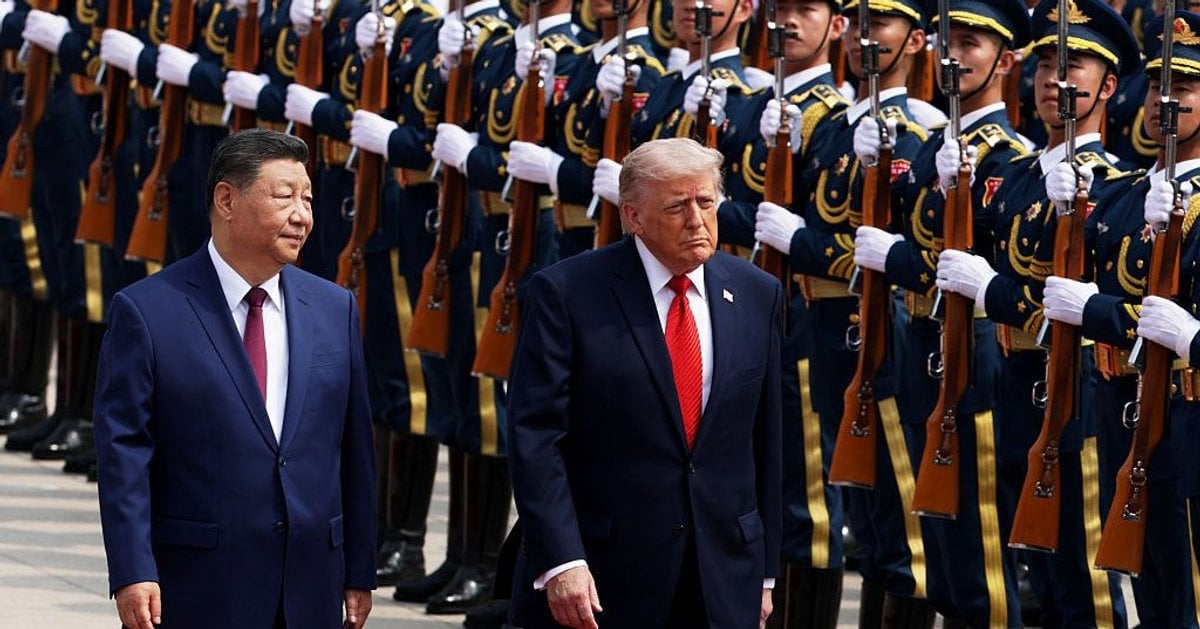
    President Donald Trump’s recent trip to Beijing, accompanied by a delegation including Apple’s Tim Cook, Tesla’s Elon Musk, and Nvidia’s Jensen Huang, signals a potential reset in AI supply chains between the U.S. and China. The visit, focused on high-level negotiations, suggests a shift toward a transactional relationship where American semiconductor technology may support Chinese AI development.

    At the state banquet, President Xi Jinping emphasized the possibility of common cause between China’s rejuvenation goals and America’s “Make America Great Again” agenda. Behind the diplomatic smiles, however, lies a strategic contest: Beijing’s “new productive forces” policy prioritizes AI, advanced manufacturing, and robotics, exemplified by the transformation of Chongqing into a high-tech megacity. Yet China remains dependent on U.S.-controlled high-end accelerators for training frontier AI models.

    Nvidia’s Jensen Huang’s presence is particularly significant. After years of tightening export controls, Washington is now considering case-by-case reviews for advanced AI compute exports. Nvidia is positioned to ship H200 data center GPUs to major Chinese cloud platforms like Alibaba and Tencent. Although not the top-tier Blackwell-class chips, the H200 is roughly six times more powerful than any domestic Chinese alternative, potentially compressing AI training timelines for Chinese firms.

    For Apple and Tesla, the mission focuses on supply chain stability and regulatory clarity. Apple aims to protect its manufacturing resilience and consumer base, where the iPhone 17 has seen success. Tesla views China as crucial for production and full self-driving deployment, seeking clarity on mapping and data policies to compete with domestic rivals.

    This delegation represents an attempt to reverse the 20% decline in U.S. imports from China. By leveraging tech leaders for targeted access—compute in exchange for market openness and IP protections—both nations may enter a more transactional era. The true metrics of success will be the speed of Chinese hyperscalers building H200 clusters and the regulatory wins secured by Apple and Tesla. Ultimately, compute access shapes capability, and this visit suggests a hard-nosed accommodation that keeps the AI flywheel spinning on both sides of the Pacific.