Tag: Tesla

  • Wall Street Tumbles: Dow Loses 500 Points as Oil Surge and Tech Losses Bite

    Wall Street Tumbles: Dow Loses 500 Points as Oil Surge and Tech Losses Bite

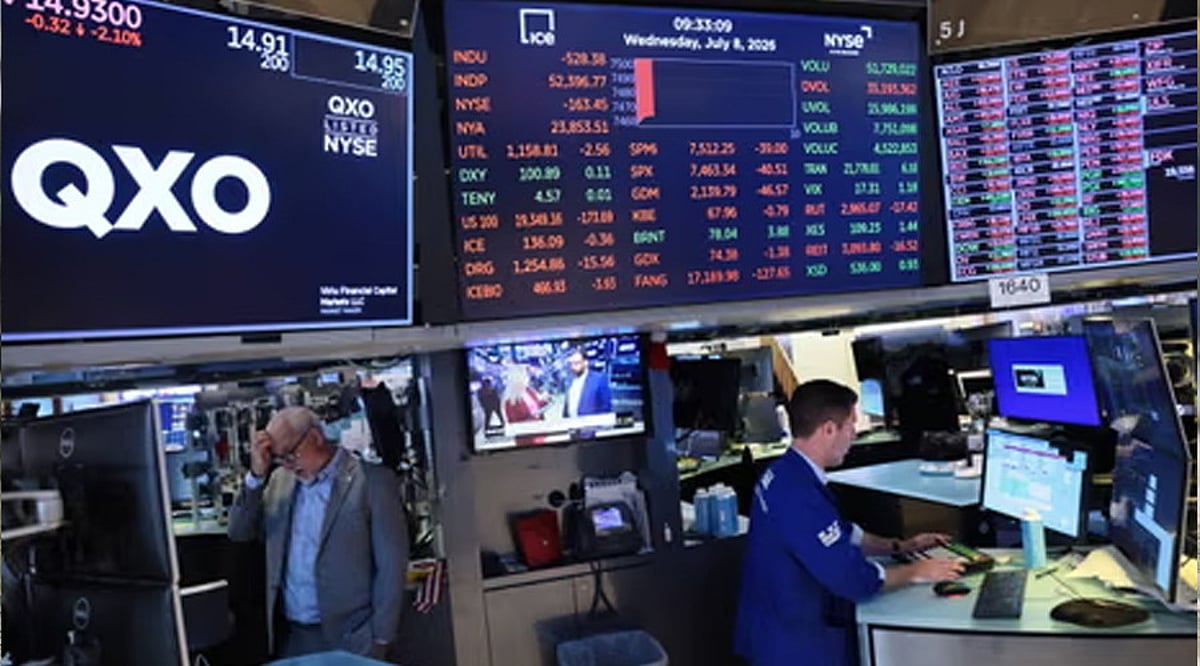
    US stocks fell sharply on Thursday as a surge in oil prices, rising bond yields, and disappointing earnings from major technology companies weighed on market sentiment. The Dow Jones Industrial Average dropped approximately 500 points during morning trading, with the S&P 500 losing nearly 1% and the Nasdaq Composite falling around 1.7%.

    The sell-off pushed major indexes to multi-week lows, with declining shares outnumbering advancing stocks on both the New York Stock Exchange and Nasdaq. The CBOE Volatility Index rose to 18.79 after three consecutive declines, reflecting heightened investor anxiety.

    Oil Rally Raises Inflation Concerns

    Brent crude futures surged 6.7% to $100.37 per barrel during European trading, while West Texas Intermediate gained 5.5% to $91.91 per barrel. The rally followed reports that Houthi forces attacked two Saudi oil tankers near the Bab el-Mandeb Strait, raising fresh supply concerns and threatening another major shipping route.

    Higher oil prices pushed Treasury yields upward, with the 10-year yield reaching its highest level since January 2025 and the two-year yield hitting a 17-month high. This renewed inflation fears, prompting traders to increase bets on a Federal Reserve rate hike at the July meeting. CME FedWatch data showed markets pricing a 38% chance of a quarter-point increase, up from about 12% just one week earlier.

    Alphabet and Tesla Pressure Nasdaq

    Alphabet shares fell more than 6% after the company raised its 2026 capital spending forecast, with investors focusing on costs tied to artificial intelligence infrastructure. AJ Bell investment director Russ Mould noted a “healthy degree of scepticism” about returns from such spending. The decline pulled communication services stocks lower.

    Tesla shares dropped more than 12% after reporting negative quarterly free cash flow and higher operating expenses relative to revenue growth. CEO Elon Musk called 2026 a “massive capex year,” with spending plans including robots, data centers, manufacturing projects, and its robotaxi business.

    Energy Shares Rise With Crude Prices

    Energy companies moved higher as oil prices extended a five-day rally. Exxon Mobil gained 1.6%, while Chevron rose 1.9%. Diamondback Energy, Devon Energy, ConocoPhillips, and Occidental Petroleum gained between 1.7% and 2.7%. Refiners also advanced, with Valero Energy, Marathon Petroleum, and Phillips 66 rising between 1.1% and 1.3%.

    Analysts also watched shipping activity in the Middle East. UBS analyst Giovanni Staunovo said subdued vessel traffic could slow the region’s production recovery.

    Rate Expectations Shift Before Fed Meeting

    The oil rally renewed concern that higher fuel costs could keep inflation elevated. New labor data also supported expectations that the Fed could keep policy tight, with initial unemployment claims falling to 187,000, below forecasts of 210,000.

    Airline shares faced pressure as higher fuel costs threatened operating expenses, while transport stocks moved lower. Lockheed Martin shares rose after the company lifted its 2026 forecasts, and ServiceNow gained after raising its annual subscription revenue outlook.

    Markets will likely remain focused on oil prices, upcoming inflation data, and the Federal Reserve’s next policy decision for direction.

  • Dow Rises, Nasdaq Slips as Wall Street Awaits Alphabet and Tesla Earnings Amid Rising Oil Prices

    Dow Rises, Nasdaq Slips as Wall Street Awaits Alphabet and Tesla Earnings Amid Rising Oil Prices

    U.S. stocks ended mixed on Wednesday as investors weighed rising oil prices, a downturn in semiconductor shares, and anticipation of major earnings reports from technology giants. The Dow Jones Industrial Average gained roughly 0.5%, while the S&P 500 hovered near the flatline. The Nasdaq Composite fell about 0.3%, dragged lower by weakness in chip stocks.

    Big Tech Earnings in Focus

    Alphabet, Tesla, IBM, ServiceNow, and Texas Instruments are set to report quarterly results after the closing bell. Their updates are expected to shed light on artificial intelligence spending, cloud demand, and corporate technology budgets. Alphabet and Tesla are the first members of the ‘Magnificent Seven’ to release second-quarter results, with investors closely watching revenue growth, capital expenditure, and forward guidance.

    Alphabet shares traded near $346 ahead of the report. The company faces scrutiny over its AI strategy after delaying a model launch tied to its development plans. Tesla’s results will also be closely watched as the automaker continues heavy spending on new projects. Analysts will focus on cash flow, operating costs, and capital outlays.

    Sam Stovall, chief investment strategist at CFRA Research, noted that investors may adopt a ‘wait-and-see attitude’ before making larger market moves, with spending levels playing a central role in the response to these earnings.

    Oil Prices Surge on Geopolitical Tensions

    Oil prices climbed as the United States conducted its eleventh straight round of strikes against Iran. Brent crude rose about 3% to trade above $93 per barrel, briefly crossing $95. West Texas Intermediate advanced above $86 per barrel. U.S. Secretary of State Marco Rubio stated that Washington would continue protecting shipping through the Strait of Hormuz and described Iran as ‘not serious’ about negotiations.

    Higher energy prices reignited concerns about inflation and interest rates. Federal funds futures indicated a strong likelihood that the Federal Reserve will hold rates steady at its next meeting, though markets still price in a potential rate increase later in 2026.

    Chip Stocks Weigh on Nasdaq

    Technology stocks were the weakest sector during morning trading, with semiconductor shares under pressure after several volatile sessions. The Philadelphia Semiconductor Index traded near unchanged levels, having closed lower in five of the past ten sessions. Texas Instruments edged lower ahead of its earnings release. Investors are scrutinizing chip demand, order growth, and management forecasts during this earnings season. AI infrastructure spending has supported semiconductor valuations, but recent price swings have slowed the Nasdaq’s momentum.

    Materials and utilities sectors moved higher, limiting broader market losses. Strength in industrial and materials shares also supported the Dow. Market breadth remained positive, with advancing stocks outnumbering decliners on both the NYSE and Nasdaq.

    Notable Stock Movers

    Super Micro Computer surged more than 20% after the AI server maker issued a strong business update, securing over $60 billion in new fourth-quarter orders and forecasting gross margins above previous expectations. AT&T gained about 3% after adding more wireless subscribers than analysts anticipated and reporting better-than-expected quarterly earnings.

    GE Vernova shares fell despite reporting $11.1 billion in revenue and raising its 2026 guidance, as earnings missed market estimates. The company posted an 88% rise in total orders to $24.2 billion, with data center orders exceeding $5 billion in the first half of the year—more than double its full-year total in 2025.

    Shares of generic drugmakers declined after President Donald Trump announced plans for future tariffs on imported generic medicines, starting with a 100% tariff in August 2028 and rising to 200% a year later.

    With oil prices rising and Big Tech earnings approaching, markets remain focused on the next major catalyst for direction.

  • Tesla Stock Awaits Q2 Earnings: Margins, Cash Flow, and Robotaxi Updates in Focus

    Tesla Stock Awaits Q2 Earnings: Margins, Cash Flow, and Robotaxi Updates in Focus

    Tesla stock edged higher ahead of its second-quarter earnings report, as investors zeroed in on automotive margins, free cash flow, and rising capital expenditures. The upcoming results, due after the market close on Wednesday, July 22, will also shine a spotlight on the company’s progress with Robotaxi expansion, Optimus humanoid robot production, and whether stronger vehicle deliveries can offset mounting costs.

    Shares gained roughly 3% on Tuesday, rebounding from four consecutive losing sessions, though the stock remains down about 13% for 2026.

    Deliveries Recover, Bolstering Revenue Forecasts

    Tesla delivered 480,126 vehicles in the second quarter, a 25% increase year over year. Production reached 451,758 units, while energy storage deployments hit 13.5 gigawatt-hours. Model 3 and Model Y accounted for 467,762 deliveries.

    The company’s internal consensus points to quarterly revenue of approximately $27.58 billion. Analysts expect adjusted earnings of roughly $0.55 per share, up from $0.40 a year ago. Broader market estimates place revenue between $26.2 billion and $27.7 billion.

    The delivery rebound may provide a tailwind for automotive revenue after weaker periods. However, Tesla cautioned that pricing, production costs, foreign exchange rates, and product mix also influence profitability.

    Margins and Cash Flow Under Pressure

    Wall Street forecasts Tesla’s automotive gross margin, excluding regulatory credits, will fall to about 18.1%, down from 19.2% in the previous quarter. Financing incentives, vehicle discounts, and higher input costs could further weigh on the metric.

    Free cash flow is likely to draw particular scrutiny. LSEG data points to negative free cash flow of roughly $3.3 billion for the period, which would mark Tesla’s first quarterly cash burn in more than two years.

    Gene Munster of Deepwater Asset Management expects automotive margins to slightly exceed consensus and projects second-quarter capital spending of about $6.7 billion. “I expect good news,” Munster wrote, but questioned how investors would react to higher spending in 2027.

    In April, Tesla raised its 2026 capital expenditure plan above $25 billion, covering data centers, vehicle plants, robotaxis, and the Optimus humanoid robot program. Investors will be watching whether operating cash flow can fund these projects without severely depleting Tesla’s cash reserves.

    Robotaxi Timelines Return to the Forefront

    Gary Black of The Future Fund noted that repeated missed Robotaxi targets have eroded confidence in Tesla’s public timelines. He pointed to Elon Musk’s earlier forecast that the service would cover half of the U.S. population by the end of 2025.

    Tesla expanded Robotaxi coverage to Orlando and Tampa ahead of earnings, but the service remains limited compared with earlier national ambitions. The company has started production of the Cybercab, though those vehicles have not yet entered its commercial network.

    Investor questions also center on the Optimus production schedule and obstacles slowing Robotaxi expansion. Nine of the ten most-supported questions on Tesla’s investor platform concern artificial intelligence projects, Full Self-Driving, Robotaxi, or Optimus.

    Shareholders have also asked about market speculation regarding a potential Tesla-SpaceX merger. Neither company has confirmed such a transaction. The earnings call is expected to focus on reported financials, spending plans, and management’s timelines for products that have yet to generate significant revenue.

    Tesla shares traded near $379 early Wednesday, placing its market capitalization above $1.3 trillion. The earnings call will begin at 5:30 p.m. Eastern Time.

  • 7 Major Manufacturers Deploying Humanoid Robots on Factory Floors in 2026

    7 Major Manufacturers Deploying Humanoid Robots on Factory Floors in 2026

    Humanoid robots are no longer confined to research labs—they are now working alongside human employees in real manufacturing environments. Seven leading global manufacturers have already deployed or are actively testing humanoid robots for factory operations, material transport, and production support. Rapid investment and expanding robot production signal a major shift in industrial automation.

    Humanoid Robots in Manufacturing: A New Era

    Factories have relied on machines for decades, but humanoid robots mark a significant evolution. Unlike traditional robotic arms fixed in place, humanoid robots can walk, carry objects, pick up parts, and operate in spaces designed for human workers. Their human-like shape allows them to integrate into existing production lines without requiring major factory redesigns.

    Many global manufacturers have already moved from trials to commercial deployments. These robots handle repetitive, physically demanding, and time-consuming tasks, complementing human workers rather than replacing them. As artificial intelligence improves, humanoid robots are expected to become a regular part of factory operations.

    BMW Uses Figure Humanoid Robots on Production Floor

    BMW Group became one of the first major car manufacturers to place humanoid robots inside an active factory. Partnering with Figure AI, BMW tested Figure robots at its Spartanburg manufacturing plant in South Carolina. The initial deployment focused on repetitive tasks such as moving components between workstations and handling parts before assembly. After successful trials, BMW expanded the partnership with the latest Figure 03 humanoid robot. The deployment supported the production of more than 30,000 BMW X3 vehicles, proving that humanoid robots can operate safely alongside factory employees.

    Mercedes-Benz Expands Factory Automation with Apollo

    Mercedes-Benz has partnered with Apptronik, the company behind the Apollo humanoid robot, to enhance factory logistics. Apollo robots transport components, move materials across production areas, and complete repetitive internal tasks. Mercedes-Benz also invested in Apptronik to accelerate commercial development. The company now uses Apollo robots at its Berlin Digital Factory Campus, where engineers continue testing new manufacturing applications before wider deployment across additional factories.

    Tesla Develops Optimus for Its Own Factories

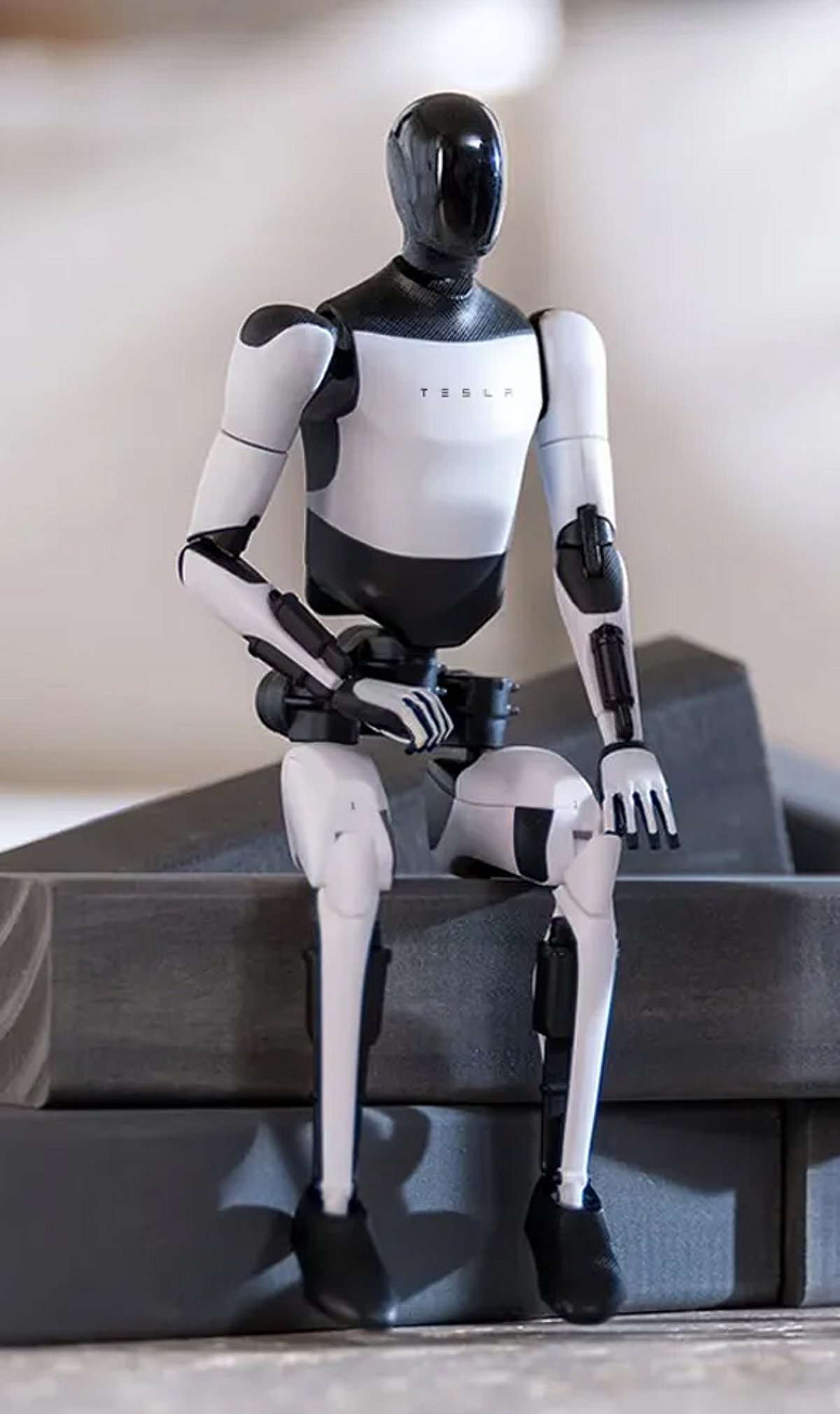
    Tesla follows a unique strategy by designing and building its own humanoid robot, Optimus. Instead of purchasing robots from another company, Tesla develops both the hardware and the artificial intelligence system. Optimus handles material transport and repetitive manufacturing jobs inside Tesla facilities. The company continues to expand robot production as development progresses. Tesla views its factories as the first large-scale workplace for Optimus before the robot enters other industries.

    Hyundai Prepares Atlas for Future Vehicle Production

    Hyundai Motor Group plans to introduce Boston Dynamics’ Atlas humanoid robot into manufacturing over the next few years. The first major deployment is expected at Hyundai’s Georgia Metaplant by 2028. Atlas will support tasks requiring movement across factory floors, component transport, and production assistance. Industry estimates place the cost of each Atlas robot at around $130,000, with an expected return on investment of roughly two years through improved productivity and lower operating costs.

    Jabil Tests Apollo Inside Electronics Manufacturing

    Electronics manufacturer Jabil is working with Apptronik to evaluate Apollo humanoid robots inside production facilities. Unlike automotive factories, electronics manufacturing often requires frequent movement of materials between different production stations. Apollo helps with repetitive logistics tasks that normally consume valuable employee time. These real-world tests allow both companies to collect operational data before larger commercial deployment. Jabil’s role as one of Apptronik’s primary manufacturing partners provides valuable feedback to improve robot performance for future customers.

    Magna International Evaluates Phoenix for Industrial Work

    Automotive supplier Magna International has partnered with Sanctuary AI to explore the use of the Phoenix humanoid robot in manufacturing. The partnership focuses on industrial production support across automotive operations. Phoenix performs repetitive factory duties, including moving materials and assisting with production activities. Magna’s evaluation reflects a growing trend among global suppliers seeking practical automation solutions without major factory redesign.

    Schaeffler Adopts Digit for Factory Logistics

    Industrial manufacturer Schaeffler has introduced Agility Robotics’ Digit humanoid robot to support factory logistics. Digit transports materials between work areas and completes repetitive movement tasks inside industrial facilities. Agility Robotics reports more than 65,000 operational hours for Digit across manufacturing and logistics environments. The company has also secured over $300 million in conditional multi-year orders for the next-generation Digit V5 robot, demonstrating strong commercial demand. To support future growth, Agility Robotics opened a 60,000-square-foot research and training center in California.

    Humanoid Robots Gain Momentum in Factories

    The rapid increase in humanoid robot utilization means manufacturing has emerged as the largest market for this innovative technology. Factory environments are highly structured, allowing robots to perform tasks accurately and efficiently. Companies like BMW Group, Mercedes-Benz, Tesla, Hyundai Motor Group, Jabil, Magna International, and Schaeffler have already started factory trials, commercial deployments, and long-term production programs.

    The market is developing rapidly. Apptronik recently opened a 90,000-square-foot Robot Park to prepare Apollo for large-scale manufacturing deployment. At the same time, XPeng, a Chinese car manufacturer, plans to produce over 1,000 humanoid robots per month by 2026, indicating that production capabilities are increasing.

    Humanoid robots have not yet reached full maturity, but effective factory applications already exist. If artificial intelligence progresses further and production costs decrease, the role of humanoid robots will significantly rise in the years to come.

    Frequently Asked Questions

    1. Which company first deployed Figure humanoid robots in manufacturing? BMW Group deployed Figure humanoid robots at its Spartanburg plant to support material handling and production tasks.
    2. What factory tasks do humanoid robots usually perform? Most humanoid robots transport materials, move components, handle repetitive jobs, and assist with production logistics.
    3. Why do manufacturers prefer humanoid robots? Their human-like design allows them to work inside existing factories without major changes to production layouts.
    4. Which industries currently use humanoid robots the most? The automotive and electronics manufacturing industries lead commercial adoption due to their structured factory environments.
    5. Are humanoid robots replacing factory workers? Current deployments mainly support repetitive and physically demanding tasks, while human workers continue to manage skilled, complex, and decision-based operations.

  • Tesla (TSLA) Technical Analysis: Bearish Pressure Mounts as Stock Tests Critical $368 Support

    Tesla (TSLA) Technical Analysis: Bearish Pressure Mounts as Stock Tests Critical $368 Support

    Tesla (TSLA) continues to face significant selling pressure, with the stock trading near $369.56 and exhibiting a clear bearish trend on its 30-minute chart. A combination of weak moving averages, low Relative Strength Index (RSI), strong selling volume, and repeated lower highs suggests that downside momentum remains intact. The $368–370 zone now serves as a critical support area that bulls must defend to prevent further declines.

    Key Technical Takeaways

    • Tesla is forming consistent lower highs and lower lows, confirming a bearish trend.
    • The RSI is near 24.67, indicating weak momentum and an oversold condition.
    • Immediate support lies at $368–370, while resistance levels are at $376 and $386.

    Price Action Remains Weak

    On the 30-minute chart, Tesla’s price action shows a steady series of lower highs and lower lows. Every attempted recovery fails to surpass the previous high, allowing sellers to regain control quickly. This pattern keeps the stock under persistent downward pressure as the latest trading session concludes.

    Moving Averages Signal Continued Weakness

    The moving averages reinforce the bearish outlook. The stock consistently trades below both the short-term and long-term moving averages, with the shorter average positioned below the longer one—a classic bearish signal. Each minor rally stalls at these moving averages, which now act as resistance rather than support. Until TSLA closes decisively above these levels, the trend remains negative.

    Bollinger Bands Highlight Downside Volatility

    Bollinger Bands reveal heightened volatility during sharp price moves. Earlier sessions featured wide bands after large declines, followed by a period of contraction before another selling wave. The latest candles are hugging the lower Bollinger Band, confirming that sellers retain control. While price near the lower band can occasionally trigger a short-term bounce, strong bearish trends often keep the stock pinned near this zone for extended periods.

    Volume Confirms Bearish Dominance

    Volume analysis supports the bearish narrative. Large red candles appear with elevated trading volume during sharp declines, indicating strong seller participation. Although green candles appear intermittently, their associated volume is significantly lower than selling volume. As a result, each recovery attempt loses momentum quickly, and the stock fails to build any lasting rebound.

    RSI Signals Oversold but Not Reversal

    The RSI stands near 24.67, well below the neutral 50 level and close to the oversold threshold of 30. While an oversold reading can sometimes precede a short-term bounce, it does not confirm a trend reversal. A sustained recovery would require stronger price action, higher buying volume, and a move above key resistance levels.

    Price Structure Favors Sellers

    The chart shows multiple failed recovery attempts. After an initial drop, Tesla attempted to climb back toward $415–420 before sellers returned. Another rally near the middle of the chart also stalled below the prior high. This series of lower peaks confirms that bullish momentum continues to fade, with sellers defending each resistance zone effectively.

    Key Support and Resistance Levels

    • Support: $368–370 – The stock has found temporary stability here, but repeated tests weaken this level. A breakdown below this zone could trigger further downside.
    • Resistance 1: $376 – Near the short-term moving average.
    • Resistance 2: $386 – Where the longer-term moving average and previous price congestion converge.

    A strong close above both resistance levels would improve the technical outlook and could signal that buyers are regaining control.

    Overall Outlook

    The overall technical picture remains bearish. Lower highs, lower lows, weak moving averages, strong selling volume, and a low RSI all point to continued downside pressure. Tesla remains one of the most volatile large-cap technology stocks, and factors such as earnings reports, EV demand, market sentiment, economic data, and regulatory updates can rapidly shift price direction.

    For now, the chart continues to favor sellers. A more constructive outlook would require a sustained move above the key resistance levels, supported by higher buying volume and improving momentum. Until then, downside risk remains the dominant theme.

    Frequently Asked Questions

    1. What is the current trend for Tesla stock? Tesla remains in a bearish trend with consistent lower highs and lower lows.
    2. What does the RSI indicate? The RSI near 24.67 reflects weak momentum and an oversold condition.
    3. What is the nearest support level? The closest support zone is around $368–370.
    4. Which resistance levels are important? Immediate resistance is near $376, followed by stronger resistance around $386.
    5. What could improve Tesla’s technical outlook? A sustained move above key resistance levels with stronger buying volume could signal a positive trend change.
  • Tesla Q2 Deliveries Surge 25% as Robotaxi and Optimus Spending Strains Cash Flow

    Tesla Q2 Deliveries Surge 25% as Robotaxi and Optimus Spending Strains Cash Flow

    Tesla approaches its second-quarter earnings report with strong vehicle deliveries and higher expected revenue. However, rising spending on Robotaxi, Optimus, AI data centers, and Cybercab production could push free cash flow deep into negative territory.

    Wall Street expects Tesla Q2 revenue of $26.21 billion, up 16% from a year earlier. Analysts also forecast adjusted earnings of $0.50 per share and adjusted EBITDA of $4 billion.

    Tesla Q2 Deliveries Support Revenue Growth

    Tesla delivered 480,126 vehicles during the quarter, up 25% from a year earlier. The total also exceeded the Bloomberg consensus estimate of 397,466 vehicles by a wide margin.

    The new Model Y helped improve production after last year’s factory transition reduced output. Tesla also used lower prices across several markets, which supported demand and lifted deliveries.

    Energy storage deployments reached 13.5 gigawatt-hours during the quarter. This figure rose more than 50% from 8.8 gigawatt-hours in the first quarter.

    Regional sales trends moved in different directions. Cox Automotive expects Tesla’s US sales to fall 20% after the federal EV tax credit expired. Meanwhile, European registrations rose sharply, with Greater Europe up nearly 108% in May.

    Deutsche Bank analyst Edison Yu said, “International strength is doing the heavy lifting.” He identified Europe as the main driver, while China also supported results. Tesla also plans to raise production at its Berlin factory during 2026.

    Robotaxi and Optimus Spending Pressures Cash

    Tesla’s stronger deliveries may not prevent a steep drop in free cash flow. Company-compiled analyst estimates point to negative free cash flow of $3.254 billion for the quarter.

    Capital spending could reach $6.7 billion, more than double the level from a year earlier. Tesla generated nearly $5.6 billion in free cash flow during the same quarter last year.

    The company continues to spend on Optimus robot production, AI data centers, and Cybercab manufacturing. These projects require large upfront investment while commercial returns remain limited.

    Morgan Stanley analyst Andrew Percoco said investors still question whether Robotaxi and Optimus can advance fast enough. “As capex more than doubles and free cash flow turns negative,” he wrote. Investors want evidence that spending can build Tesla’s physical AI business.

    Tesla’s long-term valuation depends heavily on growth beyond vehicle sales. Therefore, the earnings call may focus on production timelines, technology progress, and spending plans for these projects.

    Tesla Earnings History Adds Caution

    Tesla shares have fallen about 16% this year as investors weigh stronger deliveries against higher spending. The stock also faces pressure from uncertainty around future earnings growth and cash generation.

    Recent earnings history may also shape expectations. Tesla has missed adjusted earnings-per-share estimates in five of the past eight quarters, according to Bloomberg data.

    The company’s international sales recovery offers support, while weaker US demand adds pressure. High capital spending adds another challenge as Tesla expands several projects at the same time.

    The quarterly update will give investors fresh details on automotive margins, energy revenue, and cash use. Management may also provide new targets for Robotaxi, Optimus, Cybercab, and AI infrastructure spending.

    Investors will compare those updates with delivery growth and regional sales trends. Any change in the full-year spending outlook could affect expectations for Tesla’s near-term cash position over the coming several quarters.

  • Tesla Stock Poised for 7% Swing as Q2 Earnings Put AI and Robotaxi Plans in Focus

    Tesla Stock Poised for 7% Swing as Q2 Earnings Put AI and Robotaxi Plans in Focus

    Tesla stock enters a key earnings week with options traders preparing for a sharp move. The company will release its second-quarter results after the market closes on Wednesday, July 22, followed by an earnings call at 5:30 p.m. Eastern Time.

    Recent options pricing points to a potential swing of about 7% in either direction by Friday. Based on Thursday’s close, that range could take TSLA stock near $365 or above $416. Shares closed Friday at $380.84, down 2.6%.

    The expected move reflects that traders see room for a strong reaction to the Q2 report, though options pricing does not predict direction. Tesla shares have fallen more than 10% since the start of 2026, and a 7% rise would recover part of those losses, while a similar decline would push the stock further below analyst targets.

    Wall Street remains divided on Tesla’s valuation. Among 11 analysts tracked by Visible Alpha, six rate the stock neutral, four rate it a buy, and one recommends selling. Price targets range from $130 to $600, with a $408 average. Morgan Stanley recently raised its price target to $417 from $415, maintaining an equal-weight rating and expecting a solid quarter. The firm noted that the key investor debate remains whether Robotaxi and Optimus progress can justify an accelerating AI investment cycle.

    For the second quarter, Tesla’s company-compiled consensus calls for revenue of $27.58 billion, up from $22.50 billion a year ago. Analysts expect non-GAAP earnings of $0.55 per share and GAAP earnings of $0.36. Automotive revenue is projected at $20.05 billion, energy storage at $3.77 billion, and services at $3.76 billion. Wall Street anticipates a 19.5% gross margin but also forecasts negative free cash flow of about $3.25 billion and capital spending near $6.70 billion.

    Tesla delivered 480,126 vehicles during the quarter and produced 451,758, with Model 3 and Model Y deliveries reaching 467,762. The company also deployed 13.5 gigawatt-hours of energy storage products.

    Investors are expected to look beyond vehicle sales during the call, as Tesla shifts resources toward autonomous driving, Robotaxi services, the Optimus humanoid robot, energy storage, and other AI-linked projects. Progress on Robotaxi and Optimus could shape the stock reaction, with analysts seeking clearer timelines, spending plans, and commercial targets. The Tesla Semi program may also draw questions, especially after Tesla opened a public Megacharger station in Bloomington, California, and encouraged fleet customers to install chargers at their depots.

    Investors have submitted questions about Semi production, sales estimates, and revenue. While Tesla does not answer every submitted question, the Q2 call will provide the next scheduled update on financial results and the company’s broader growth plans.

  • Top Electric Vehicle Makers to Track in 2026

    Top Electric Vehicle Makers to Track in 2026

    The electric vehicle (EV) landscape is evolving rapidly, with several manufacturers poised to make significant strides by 2026. From established giants to ambitious newcomers, these companies are driving innovation in battery technology, autonomous driving, and global market expansion. Here are the key EV manufacturers to watch.

    • Tesla – Continues advancing autonomous driving, battery innovation, and global manufacturing while expanding affordable electric vehicle options across major international markets.
    • BYD – Dominates electric vehicle production through vertically integrated manufacturing, advanced battery technology, and rapidly growing exports across Europe and emerging regions.
    • Rivian – Focuses on premium electric trucks and SUVs while expanding commercial delivery partnerships and improving manufacturing efficiency for sustainable long-term growth.
    • Hyundai – Strengthens its EV lineup with dedicated electric platforms, competitive pricing, longer driving ranges, and advanced connectivity features for global customers.
    • Kia – Expands affordable electric mobility through stylish models featuring fast charging, practical interiors, improved software integration, and strong worldwide consumer demand.
    • BMW – Combines luxury engineering with electrification by introducing premium electric sedans, SUVs, and high-performance models featuring innovative digital technologies consistently.
    • Mercedes-Benz – Accelerates premium electric mobility through advanced battery platforms, intelligent software ecosystems, and luxury-focused design for discerning global buyers everywhere.
    • Lucid Motors – Impresses with long-range luxury electric sedans featuring high efficiency, premium interiors, and innovative engineering targeting premium automotive markets worldwide.
    • VinFast – Expands internationally with competitively priced electric vehicles, aggressive manufacturing investments, and customer-focused strategies supporting rapid global brand recognition successfully.

    These manufacturers represent the forefront of EV innovation and are set to shape the industry in 2026 and beyond.

  • Tesla Optimus Robot: 10 Impressive Capabilities Already Demonstrated

    Tesla Optimus Robot: 10 Impressive Capabilities Already Demonstrated

    Tesla’s humanoid robot, Optimus, has already demonstrated a wide range of practical skills, from walking independently to assisting with household chores. Here are 10 things Tesla Optimus can already do, showcasing its rapid progress in robotics and artificial intelligence.

    • Walk Independently: Optimus can walk steadily across different surfaces using advanced balance systems and AI-powered movement coordination for stable navigation.
    • Carry Objects: The robot lifts, carries, and transports everyday items carefully, demonstrating practical usefulness in warehouses, factories, and future household environments.
    • Sort Items: Optimus identifies, categorizes, and organizes objects using computer vision, making repetitive industrial and logistics tasks more efficient and accurate.
    • Perform Factory Tasks: Tesla designed Optimus to handle repetitive manufacturing jobs, reducing human workload while increasing productivity across production facilities and assembly lines.
    • Climb Small Steps: The robot navigates slight elevation changes and steps with improved stability, expanding mobility across real-world indoor environments effectively.
    • Use Human-Like Hands: Advanced robotic hands grip delicate and heavy objects precisely, enabling versatile performance in numerous practical everyday applications.
    • Respond to Voice Commands: AI-powered speech recognition allows Optimus to understand instructions and complete assigned tasks through natural voice interactions efficiently.
    • Learn Through AI Training: Optimus continuously improves movement and task performance using artificial intelligence models trained on real-world human demonstrations and experiences.
    • Assist with Household Chores: Tesla envisions Optimus helping with cleaning, organizing, carrying groceries, and other repetitive household responsibilities in the near future.

    These capabilities mark significant strides toward a versatile, general-purpose robot that could transform industries and daily life. Stay tuned for more updates on Tesla Optimus.

  • Tesla and SpaceX Stock Slide Hits Retail Investors as AI-Led Rally Fades

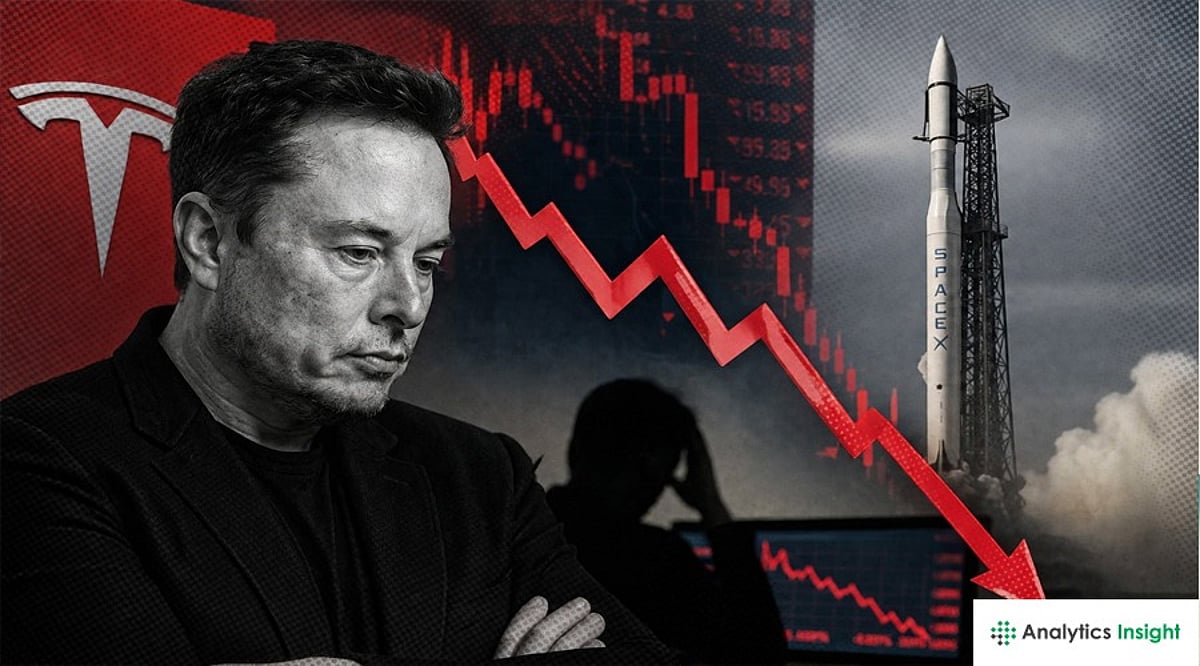
    Tesla and SpaceX Stock Slide Hits Retail Investors as AI-Led Rally Fades

    Retail investors are facing significant losses after a sharp decline in Tesla and SpaceX shares, following a strong rally earlier this year. The downturn has affected global investors, including those in India who purchased U.S. stocks through international platforms.

    Tesla is currently trading near $393, roughly 21% below its 52-week high of $498.83. SpaceX has fallen about 30% from its post-listing intraday high of $225.64 to around $157–158. The company debuted on Nasdaq on June 12 after pricing its IPO at $135 and opening at $150.

    The correction has also eroded Elon Musk’s paper wealth. His net worth briefly surged after the SpaceX listing but later dropped below the trillion-dollar mark as both stocks weakened. For retail investors, the focus has shifted from Musk’s fortune to their own exposure in these two volatile stocks.

    Why Tesla and SpaceX Fell After Strong Performance

    Tesla’s decline came despite the company reporting strong second-quarter delivery numbers. This indicates that investors are looking beyond vehicle sales and weighing future plans in autonomy, robotaxis, and AI-linked businesses. SpaceX faces a different challenge: its Starlink, rocket launch, and space infrastructure businesses have drawn interest, but a limited public float has amplified price swings.

    The correction has already triggered selling by some investors. Tesla has appeared among the most sold stocks on Vested Finance, according to platform data. SpaceX also saw strong retail demand after its IPO, including from Indians investing under the Liberalised Remittance Scheme (LRS).

    Viram Shah, founder and CEO of Vested Finance, explained that the selloff reflects both business expectations and broader market repricing. “One is the actual businesses, and the other is the way the market’s re-pricing a whole basket of AI-linked names right now,” he said.

    AI-Linked Valuations Under Scrutiny

    Shah noted that Tesla’s recent stock move shows the market is not solely focused on cars. “Tesla just posted its strongest Q2 deliveries in a while, and the stock still fell. That tells you the move isn’t really about cars,” he said. He added that investors are questioning how much of Tesla’s valuation should depend on autonomy and robotaxi plans, which may take time to prove.

    SpaceX has faced pressure despite strong interest in its core business. “Starlink’s profitable and growing, the launch business is setting records; what’s moving the stock is a very thin float and a premium valuation, so any selling gets magnified,” Shah said.

    The broader market mood has turned cautious toward AI-linked stocks. Investor Michael Burry, known for his bet before the 2008 housing crash, has disclosed bearish positions against Tesla and other AI-related names, adding concern that some technology shares may have outpaced earnings support.

    Shah described the current fall as a mix of profit-booking and a market re-rating. “You had a near-vertical run in SpaceX right after listing and a strong 2025 in Tesla, so some of this is just gains being taken. But underneath it, the market’s asking a harder question about how it wants to price these AI and space bets, and that’s the re-rating part.”

    Advice for Indian Retail Investors

    For Indian investors, experts recommend reviewing portfolio allocation rather than reacting to price moves. Selling only during a fall can lock in losses, while buying more at a lower price can increase risk. High-growth stocks like Tesla and SpaceX can move sharply, with large portions of their valuations depending on future businesses.

    Investors should check whether one or two U.S. stocks have become too large in their portfolio. A long-term investor may view short-term volatility differently from someone with a shorter time horizon. However, a large position can heighten risk even if the company’s business remains strong.

    “A great company and a great entry price aren’t the same thing,” Shah said. “For Indian investors going global through the LRS route, the discipline’s the same as always: size it so a rough quarter is a nuance in the portfolio, not the whole story.”

    Newly listed stocks can remain unstable for several quarters. SpaceX still has a limited public float, and future lock-up expiries may add more shares to the market, potentially affecting prices.