Tag: Tokenization

  • XRP Ledger DEX Poised to Power Tokenized Institutional Asset Markets

    XRP Ledger DEX Poised to Power Tokenized Institutional Asset Markets

    XRP Ledger’s (XRPL) native decentralized exchange (DEX) was designed to let assets issued on XRPL trade without relying on a centralized platform. As tokenized bonds, funds, and other real-world assets migrate on-chain, this built-in market structure could become increasingly relevant for institutions seeking continuous settlement and deep liquidity.

    XRPL Combines Order Books and AMMs

    XRPL supports native on-chain order books alongside Automated Market Maker (AMM) pools. According to Ripple, this structure aggregates liquidity at the protocol level, potentially reducing fragmentation and improving execution for tokenized assets. This differs from networks where issuers must deploy separate smart-contract exchanges before an asset can trade. On XRPL, issued assets can connect directly to built-in trading infrastructure, cutting operational layers required for secondary markets.

    Tokenized Assets Need Secondary Markets

    Issuing a tokenized Treasury or fund is only the first step. Institutional investors also need to buy, sell, redeem, pledge, and possibly borrow against those assets. Ripple and Boston Consulting Group estimate tokenized assets could reach nearly USD 19 trillion by 2033. XRPL already supports tokenized products from institutions including Ondo Finance and Société Générale, while its stack includes escrow, metadata, and compliance-oriented controls.

    In May 2026, Ondo, Kinexys by JPMorgan, Mastercard, and Ripple completed a cross-border redemption of tokenized US Treasuries. The asset leg settled on XRPL in under five seconds, demonstrating how public blockchain infrastructure can connect with traditional banking rails.

    Institutional Compliance Is Being Built In

    Traditional institutions cannot trade regulated assets anonymously. XRPL therefore includes Credentials and Permissioned Domains that restrict access to verified participants. Single Asset Vaults can also be configured as private, allowing only accounts with valid credentials to deposit. This creates a potential framework for institutional liquidity pools that remain compliant with regulatory requirements.

    Liquidity Is Expanding Beyond Trading

    Credit is another part of XRPL’s roadmap. XLS-66 proposes fixed-term, uncollateralized lending using pooled funds from Single Asset Vaults, with off-chain underwriting and risk management. Ripple’s August investments in ZILO and Licuido also added transfer-agency, issuance, and collateral-mobility capabilities to the XRPL ecosystem, extending its institutional infrastructure beyond payments.

    Why This Matters

    Institutional tokenization needs more than issuance; it requires compliant liquidity, secondary trading, and credit infrastructure. XRPL’s native DEX could become part of that stack if institutional volume, order-book depth, and AMM liquidity grow alongside tokenized asset adoption.

    Final Thoughts

    XRPL is increasingly positioning itself as infrastructure for tokenized capital markets rather than solely for payments. The real test is whether pilots, vaults, and lending tools translate into sustained institutional trading, settlement, and credit activity. If adoption grows, its advantage will come from combining issuance, compliance, liquidity, and credit within one ledger — not from tokenization announcements alone.

    FAQs

    1. What is the XRP Ledger DEX?
    The XRPL DEX is a native decentralized exchange built directly into the XRP Ledger. It combines on-chain order books and Automated Market Makers to provide liquidity without relying on a centralized exchange.

    2. Why could XRPL matter for tokenized institutional assets?
    Institutions need more than token issuance; they also require trading, settlement, compliance, and liquidity. XRPL combines these functions within the same ledger, which could simplify secondary-market infrastructure.

    3. How does XRPL support institutional compliance?
    XRPL includes Credentials and Permissioned Domains that can restrict access to verified participants. Private Single Asset Vaults can also limit deposits to accounts meeting specific eligibility requirements.

    4. What role could XLS-66 play on XRP Ledger?
    XLS-66 proposes fixed-term lending using pooled liquidity from Single Asset Vaults. The model combines on-chain liquidity with off-chain underwriting and risk management for institutional credit markets.

    5. Are institutions already using XRPL for tokenized assets?
    Yes. XRPL supports tokenized products involving institutions such as Ondo Finance and Société Générale. In May 2026, a tokenized US Treasury redemption involving Ondo, J.P. Morgan’s Kinexys, Mastercard, and Ripple settled on XRPL in under five seconds.

  • How Modern Technology Is Making Payments Faster and More Secure

    How Modern Technology Is Making Payments Faster and More Secure

    Technology is transforming the way we pay, making transactions both faster and safer. From real-time settlement to biometric verification, here are the key innovations driving this change.

    Real-Time Payments

    Real-time payment systems enable money to move between accounts within seconds. Services like UPI have made instant transactions practical for everyday purchases, bills, and transfers. This reduces waiting periods and provides immediate confirmation. Businesses benefit from quicker settlements, improved cash flow, and smoother customer payment experiences.

    Biometric Authentication

    Biometric authentication adds an extra security layer by using fingerprints, facial recognition, or other unique characteristics. Instead of relying solely on passwords or PINs, payment systems can verify the person making a transaction. This deters unauthorized access while allowing users to complete transactions quickly without repeatedly entering lengthy credentials.

    Tokenization

    Tokenization replaces sensitive card information with unique digital tokens during transactions. Merchants and payment platforms process payments without directly exposing the actual card number. Even if transaction data is intercepted, the token generally cannot be used like the original card details, reducing risks associated with stolen payment information.

    Artificial Intelligence

    Artificial intelligence helps payment companies identify unusual transaction patterns and potential fraud. Systems analyze transaction behavior, location, device information, and other signals to detect suspicious activity quickly. This allows financial institutions to flag or block potentially fraudulent payments while minimizing unnecessary interruptions for legitimate transactions.

    Contactless Payments

    Contactless payments use technologies like near-field communication (NFC) so users can pay by tapping compatible cards, phones, or wearables. Transactions complete within seconds without inserting a card or re-entering details. Secure authentication and transaction limits provide additional protection, making contactless payments convenient for everyday use.

    Encryption and Security

    Encryption protects payment information as it moves between devices, banks, and payment networks. Modern payment platforms also use secure authentication, fraud monitoring, and layered security controls. These measures help safeguard sensitive financial data from unauthorized access while allowing legitimate transactions to flow efficiently between customers, merchants, and financial institutions.

    Digital Wallets

    Digital wallets bring payment cards, bank accounts, and other payment options together in one application. Users can transact through smartphones or wearable devices without carrying physical cards. Wallets often incorporate device authentication, tokenization, and transaction monitoring, combining convenience with multiple security measures for everyday digital payments.

  • Bitcoin ETF Inflows Hit $211M, BlackRock Tokenizes $311B Funds, Uniswap Launches Lending, SpaceX Reduces Crypto Holdings

    Bitcoin ETF Inflows Hit $211M, BlackRock Tokenizes $311B Funds, Uniswap Launches Lending, SpaceX Reduces Crypto Holdings

    The crypto market saw significant developments as spot Bitcoin ETFs recorded $211.49 million in daily net inflows, BlackRock expanded tokenized fund offerings in Europe, Uniswap entered the lending space, and SpaceX reduced its crypto exposure.

    Bitcoin ETF Inflows Surge

    According to SoSoValue, U.S. spot Bitcoin ETFs saw total net inflows of $211.49 million. BlackRock’s IBIT led with $170.35 million in daily inflows, bringing its historical total to $60.76 billion. Fidelity’s FBTC followed with $19.58 million, reaching a cumulative $9.97 billion. The total net asset value of Bitcoin spot ETFs now stands at $78.26 billion, with an ETF net asset ratio of 6.06% and historical cumulative net inflows of $51.71 billion.

    BlackRock Tokenizes $311 Billion in European Money Market Funds

    On August 4, 2026, BlackRock introduced 12 tokenized share classes tied to six of its Institutional Cash Series (ICS) money market funds in Europe. This marks the firm’s first tokenized fund access in the region. The six funds collectively hold $311 billion in assets under management as of June 30, 2026. Only the tokenized share class operates on blockchain, and BlackRock expects initial adoption to be modest, growing as institutional investors opt in.

    Uniswap Launches Decentralized Lending Service

    Uniswap expanded its DeFi ecosystem with the launch of Earn, a lending product developed in partnership with Morpho. Users can deposit USDC, USDT, and Ether into professionally managed lending vaults to earn passive income. Assets are supplied to borrowers through Morpho’s decentralized lending markets, with interest returned to depositors. Users retain custody and can withdraw funds at any time. This reflects a broader trend of decentralized exchanges evolving into comprehensive financial platforms.

    SpaceX Reduces Crypto Holdings by $539 Million

    Space Exploration Technologies Corp. reported that the carrying value of its digital assets fell from $1.637 billion at the end of 2025 to $1.098 billion in Q2 2026, a 33% decline. The company did not specify whether the reduction resulted from asset sales, price movements, or both. Despite this, SpaceX’s total revenue reached $7.8 billion for the period, exceeding Wall Street estimates of $6.81 billion.

    Strategy-Linked Wallet Moves 1,030 BTC

    On-chain analytics platform Lookonchain identified a wallet linked to Strategy transferring 1,030 Bitcoin (worth approximately $66.14 million) on August 5. This occurred two days after Strategy disclosed a Bitcoin sale, but the company has not confirmed whether the latest transfer was a sale. Strategy’s most recent SEC filing reported holdings of 842,138 BTC as of August 2.

    FAQs

    1. How much money flowed into Bitcoin spot ETFs?
    According to SoSoValue, U.S. spot Bitcoin ETFs recorded $211.49 million in net inflows. BlackRock’s IBIT led with $170.35 million, followed by Fidelity’s FBTC with $19.58 million.

    2. What did BlackRock announce for its European funds?
    BlackRock introduced 12 tokenized share classes linked to six Institutional Cash Series money market funds. The funds collectively manage $311 billion in assets, though only the tokenized share classes operate on blockchain.

    3. What is Uniswap’s new lending service?
    Uniswap launched Earn, a decentralized lending product developed with Morpho. Users can deposit USDC, USDT, and ETH into lending vaults to earn passive income while maintaining custody of their assets.

    4. Why did SpaceX’s crypto holdings decline?
    SpaceX reported that the carrying value of its digital assets fell from $1.637 billion to $1.098 billion in Q2 2026. The company did not disclose whether the decline resulted from asset sales, price movements, or both.

    5. Did Strategy sell another 1,030 Bitcoin?
    Not necessarily. Lookonchain identified a wallet linked to Strategy transferring 1,030 BTC, but the company has not confirmed it was a sale. An on-chain transfer alone does not establish ownership changes or transaction purpose.

    Disclaimer: This article is for informational purposes only and does not constitute investment advice. Cryptocurrencies are risky assets; conduct your own research before investing.

  • Ethereum Institutional Raises Ecosystem Funding Round with Over 100 Backers

    Ethereum Institutional Raises Ecosystem Funding Round with Over 100 Backers

    Ethereum Institutional, a nonprofit organization, has completed its first ecosystem funding round, drawing support from more than 100 backers spanning the Ethereum ecosystem and regulated finance. The round was led by BitMine, SharpLink, Joe Lubin, and Mihai Alisie, though the exact amount raised remains undisclosed.

    The nonprofit aims to act as a neutral bridge connecting Ethereum with banks, asset managers, custodians, and public authorities. Its focus areas include tokenization, stablecoins, collateral systems, and on-chain market infrastructure.

    Backers Span Ethereum and Regulated Finance

    The backer list reflects broad support from across the crypto and traditional finance sectors. Decentralized finance platforms such as Aave, Compound, Morpho, and Uniswap participated, alongside Layer-2 networks like Arbitrum, Optimism, Linea, and ZKsync. Infrastructure providers Circle, Chainlink, Fireblocks, Ledger, and MetaMask also joined, as did analytics firms DefiLlama, Dune, Etherscan, and L2BEAT.

    Regulated financial firms including 21Shares, Anchorage Digital, Galaxy, Robinhood, and Securitize contributed to the round, as did Consensys and individuals such as Karl Floersch and Katherine Wu.

    Ethereum Institutional has not disclosed its budget, headcount, or first mandates, so the breadth of participation currently serves as the primary indicator of industry support.

    Nonprofit Model Targets Institutional Guidance

    The organization plans to approach institutions evaluating Ethereum, offering guidance without promoting a specific product or pursuing direct sales. Its nonprofit structure allows it to explain how tokenized bonds, fund units, and money market instruments can operate on Ethereum, as well as cover stablecoin payments and tokenized collateral.

    On-chain market infrastructure—systems supporting trading, settlement, and collateral movement directly through blockchain networks—forms another key focus area. The question remains: can a nonprofit become the trusted bridge between Ethereum and regulated finance? Future mandates will reveal whether institutions view the organization as a credible neutral adviser.

    Spin-Offs Reshape Ethereum Foundation Work

    Ethereum Institutional is one of three spin-offs linked to the Ethereum Foundation. Ethlabs focuses on protocol research, while EthSystems develops privacy tools for institutional users. EthSystems launched in mid-July 2026 under Mo Jalil, Oskar Thorén, and Aaryamann Challani. Unlike Ethereum Institutional, EthSystems operates for profit and sells privacy software.

    EthSystems’ work builds on foundational research involving central banks, regulators, and financial institutions, including projects on private bonds, confidential stablecoin transfers, and the Ethereum Privacy Map. These spin-offs follow a major foundation overhaul announced in June 2026, which cut staff by 20% and reorganized work into five clusters.

    BitMine and SharpLink support both Ethereum Institutional and EthSystems, and both public companies hold Ethereum as treasury assets, linking their balance sheets to wider institutional use of the network.

    A Brief Roundup

    Ethereum Institutional enters the market with backing from over 100 ecosystem and regulated finance supporters. Its nonprofit structure separates neutral guidance from commercial services, while EthSystems and Ethlabs handle privacy and protocol work. The next measurable step will come through disclosed mandates, staffing, and institutional projects.

  • Leading Tokenized Real-World Asset (RWA) Platforms to Track in 2026

    Leading Tokenized Real-World Asset (RWA) Platforms to Track in 2026

    The tokenization of real-world assets (RWAs) is reshaping finance by bringing real estate, bonds, commodities, and other traditional assets onto the blockchain. As the RWA revolution accelerates, several platforms stand out for their innovation, compliance, and liquidity solutions. Below are the top tokenized RWA platforms to watch in 2026.

    Securitize

    Securitize is a leader in digital securities, enabling the tokenization of real-world assets while ensuring regulatory compliance. Its platform streamlines issuance and secondary trading for institutions.

    Ondo Finance

    Ondo Finance brings tokenized US Treasuries and institutional financial products to blockchain investors, offering yield-bearing assets with transparency and efficiency.

    Centrifuge

    Centrifuge connects real-world business assets with decentralized finance, allowing companies to unlock liquidity by tokenizing invoices, royalties, and other receivables.

    Polymesh

    Built specifically for regulated assets, Polymesh simplifies security token issuance and compliance, providing a purpose-built blockchain for financial instruments.

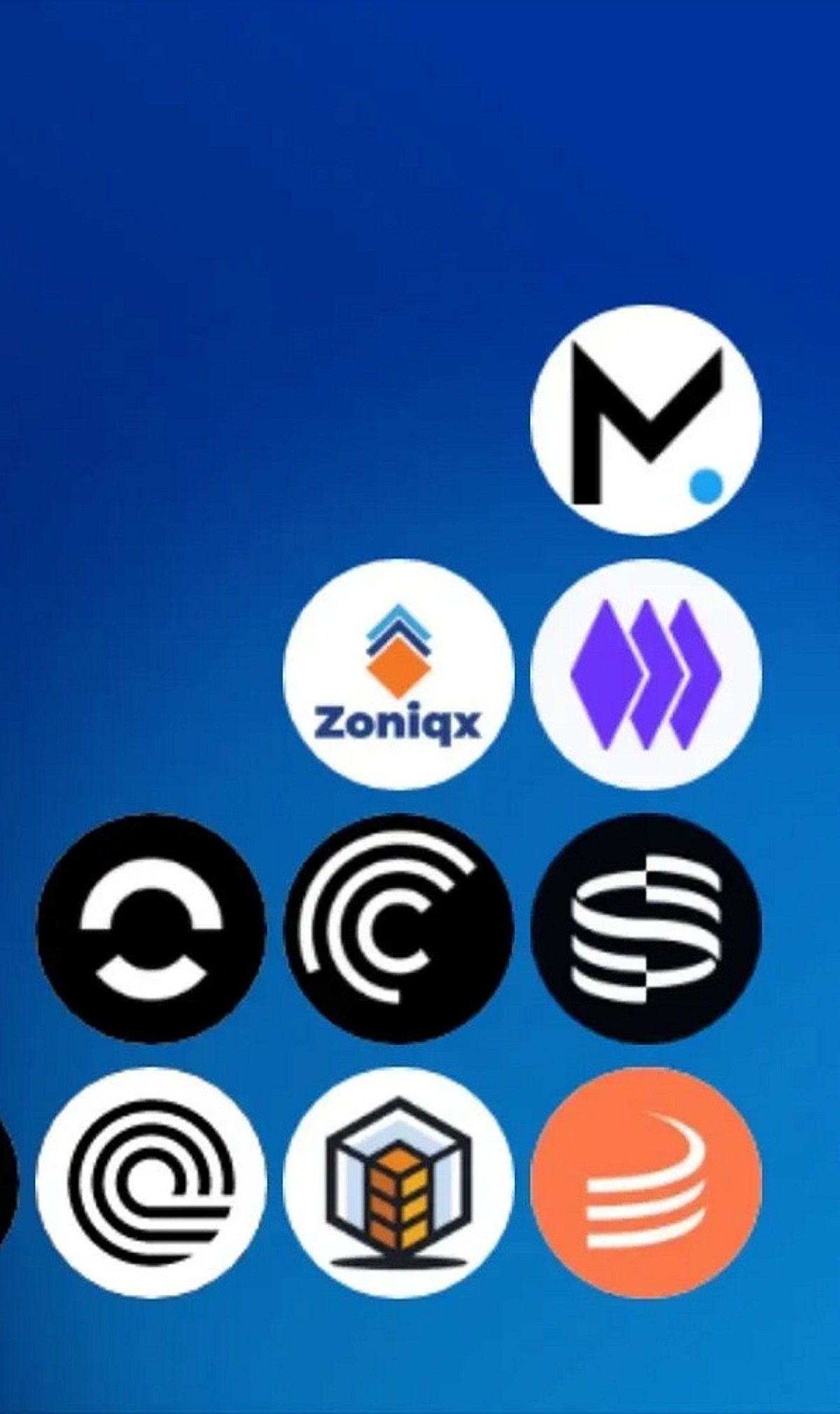
    MANTRA Chain

    MANTRA Chain focuses on institutional-grade infrastructure for tokenized real-world assets across global markets, emphasizing security and scalability.

    DigiShares

    DigiShares enables businesses to tokenize real estate, private equity, and investment funds efficiently, with a user-friendly platform for asset management.

    Brickken

    Brickken offers an easy-to-use platform for tokenizing business assets while automating compliance processes, making tokenization accessible to a wider audience.

    Backed Finance

    Backed Finance creates blockchain-based tokens backed by real-world financial securities, bridging traditional finance with decentralized ecosystems.

    These platforms are at the forefront of the RWA movement, driving adoption and innovation in 2026 and beyond.

  • Bank of America Appoints Digital Assets and AI Heads to Drive Global Markets Strategy

    Bank of America Appoints Digital Assets and AI Heads to Drive Global Markets Strategy

    Bank of America has appointed separate executives to lead its digital assets and artificial intelligence programs as it expands both technologies across its global markets business. The bank named Sonali Theisen head of its global digital assets platform and appointed Kevin Milsom head of AI transformation, according to internal memos reported by Reuters and Bloomberg.

    The appointments place blockchain infrastructure and AI integration under dedicated leadership as major banks expand tokenization, custody, settlement, trading, and market operations.

    Digital Assets Platform Gains Dedicated Leadership

    Theisen will oversee the design, development, governance, and expansion of Bank of America’s global digital assets platform. She will also retain her existing responsibilities. She currently leads electronic trading and strategic investments within the bank’s fixed income, currencies, and commodities division.

    Theisen will work with Adam Dixon, who remains responsible for the bank’s digital asset transformation strategy. His remit covers tokenized deposits, stablecoins, digital collateral, crypto settlement, and custody. Meanwhile, Milsom will lead efforts to integrate artificial intelligence across global markets. The bank aims to apply AI to trading, risk management, and operational processes.

    Could the next phase of digital finance develop quietly inside major banks instead of through separate crypto businesses?

    Wall Street Expands Digital Asset Leadership

    The appointments follow a wider shift across Wall Street, where financial institutions are moving blockchain projects into core business functions. Earlier this month, Vanguard began recruiting its first digital assets head to develop a cryptocurrency strategy for wealth management clients.

    Morgan Stanley has also expanded its digital asset strategy after advancing spot Bitcoin and Solana exchange-traded fund initiatives. Beyond banking, companies are exploring how AI can support digital asset trading, tokenization, custody, and financial market analysis.

    A Polygon Labs team member said on X that Bank of America’s platform would span stablecoins, tokenized deposits, custody, and crypto settlement. The post referred to internal memos reported on July 17. The memos gave Theisen an added mandate and named Milsom head of platforms AI transformation.

    Stablecoin Claims Require Added Context

    The appointments arrived as Bitcoin traded near $65,000 on July 20, more than $50,000 below its level one year earlier. Separate social media posts linked the staffing changes to a claim that $6 trillion in bank deposits could move into stablecoins.

    Bank of America Chief Executive Brian Moynihan made a related comment during the bank’s fourth-quarter earnings call on January 14. Moynihan said deposits could migrate if stablecoins could pay interest. The GENIUS Act does not permit interest payments on stablecoins.

    The estimate also predates the July appointments. An April 2025 Treasury Borrowing Advisory Committee presentation placed potentially exposed transactional deposits at about $6.6 trillion.

    Bank of America’s new leadership structure brings digital assets and artificial intelligence into its core global markets strategy. The appointments support wider use of stablecoins, tokenization, custody, crypto settlement, and AI tools as major financial institutions modernize their market infrastructure.

  • Solana (SOL) Long-Term Price Forecast: Scenarios for 2030 and Beyond

    Solana (SOL) Long-Term Price Forecast: Scenarios for 2030 and Beyond

    Solana remains one of the fastest-growing Layer-1 blockchains, but its long-term price outlook is far from certain. Forecasts for SOL by 2030 range from around $90–$300 in cautious scenarios to over $2,000 in highly bullish cases. The outcome will depend on adoption, regulation, and overall crypto market growth.

    Institutional interest continues to strengthen Solana’s investment case. Spot Solana ETF inflows have crossed $1.1 billion, while major financial firms are exploring Solana-based products. Growing adoption by traditional institutions could significantly increase long-term demand for the SOL token.

    Technology remains one of Solana’s biggest advantages. Upgrades like Alpenglow, Firedancer, and future scaling improvements aim to boost speed, reduce latency, and improve network reliability. These innovations could make Solana an attractive platform for payments, DeFi, tokenized assets, and high-frequency trading.

    Real-world asset tokenization is becoming another major growth driver. Tokenized assets on Solana have reached record highs, while companies including Visa, Franklin Templeton, and Société Générale have explored the network for payments and digital asset settlement. Wider enterprise adoption could support higher SOL valuations over time.

    Despite its strengths, Solana faces serious challenges. Ethereum still leads decentralized finance with a much larger ecosystem and total value locked. Solana must also overcome concerns about past network outages, execution risks, and regulatory uncertainty to maintain long-term investor confidence.

    Analysts suggest thinking about Solana in scenarios rather than one fixed price target. A cautious outlook places SOL between $90 and $300 by 2030, while a moderate case sees several hundred dollars through steady ecosystem growth. A bullish scenario above $1,000 would likely require mass stablecoin adoption, expanding institutional investment, and a strong crypto bull market.

    Looking beyond 2030, forecasts become even wider. Some experts see SOL reaching $2,000–$4,000 by 2036 if Solana becomes a key layer for global tokenized finance, while bearish projections remain below $500 if competition, regulation, or adoption disappoints. As with all cryptocurrencies, long-term returns remain highly uncertain and volatile.

  • Top 10 Cryptocurrencies Under $1 to Watch in July 2026

    Top 10 Cryptocurrencies Under $1 to Watch in July 2026

    Many investors assume that a cryptocurrency priced below $1 is automatically a bargain. However, a low token price does not always indicate value—supply and market cap matter more. Smart investors look beyond the price tag, focusing on the project’s technology, real-world use, development roadmap, and team. In July 2026, several affordable projects stand out for their strong fundamentals, enterprise adoption, AI integration, DeFi growth, and long-term potential. Below are ten cryptocurrencies under $1 worth considering this month.

    Stellar (XLM) – Reliable in Global Payments

    Stellar has built a solid reputation by focusing on faster, cheaper international payments. In July 2026, XLM trades between $0.20 and $0.40, making it accessible. The network enables near-instant cross-border transfers at low cost. Banks and payment providers continue to explore Stellar, and the project is also expanding into asset tokenization. Its proven track record makes it one of the most dependable cryptocurrencies below $1.

    Hedera (HBAR) – Trust from Big Business

    Hedera’s governance council includes major global corporations, adding a layer of credibility. HBAR remains under $1, offering fast transactions, low energy consumption, and enhanced security—ideal for enterprise blockchain applications.

    VeChain (VET) – Blockchain for Real-World Business

    VeChain solves practical supply chain issues: tracking products, verifying authenticity, streamlining logistics, and monitoring carbon footprints. With partnerships across industries and a token price under $0.10, VET is a strong pick for those who value real-world utility.

    Algorand (ALGO) – Strong Technology, Quiet Growth

    Algorand rarely makes headlines but remains a top-tier blockchain. It offers fast, low-cost transactions and reliable performance. Governments and organizations are exploring Algorand for tokenized assets and digital financial systems. For fundamentals-focused investors, ALGO is an attractive option under $1.

    Sei (SEI) – Purpose-Built for Trading

    Sei is designed specifically for decentralized trading and financial applications. Its specialized architecture enables faster transactions for exchanges and DeFi projects. While still under $1, SEI carries higher risk but targets a rapidly growing sector, offering meaningful long-term potential.

    Arbitrum (ARB) – Scaling Ethereum

    Arbitrum solves Ethereum’s high gas fees by processing transactions faster and cheaper. ARB trades below $1, and developers continue to build on its Layer-2 network. Despite short-term volatility from token unlocks, Arbitrum’s long-term prospects remain strong as one of the largest Layer-2 ecosystems.

    Optimism (OP) – Ethereum’s Next Layer

    Optimism shares a similar scaling goal with Arbitrum but follows its own “Superchain” vision, connecting multiple blockchains into one ecosystem. It has drawn attention through its relationship with Coinbase’s Base network. Strong developer activity suggests Optimism will play a bigger role as blockchain adoption grows.

    Dogecoin (DOGE) – Enduring Popularity

    Dogecoin started as a joke but has survived multiple market cycles. In July 2026, DOGE trades near $0.07. Its loyal community, excellent liquidity, and broad exchange support keep it relevant, even though its price often moves with sentiment rather than technical progress.

    eCash (XEC) – High Risk, High Potential

    eCash appeals to investors with its extremely low price—fractions of a cent. The project focuses on digital payments and continues active development. However, the payment sector is highly competitive, so success is not guaranteed. eCash suits investors who understand the higher risk of smaller projects.

    JasmyCoin (JASMY) – Tapping the AI Economy

    JasmyCoin focuses on secure data ownership and IoT, allowing users to control their personal information. As connected devices and AI grow, the demand for secure data management may rise. JASMY faces tough competition, but its AI and data connection gives it an interesting market position.

    Final Thoughts

    Investing in sub-$1 cryptocurrencies should not be based solely on price. The best opportunities are projects with solid technology, ongoing development, and real-world adaptability. In July 2026, Stellar, Hedera, VeChain, Algorand, Arbitrum, and Optimism stand out for their established ecosystems. Sei, Dogecoin, eCash, and JasmyCoin offer higher potential but also greater risk. Key trends this year include AI, real-world asset tokenization, DeFi, enterprise blockchain, and Ethereum Layer-2 networks. Investors who focus on these trends rather than the cheapest tokens will be better positioned.

    FAQs

    1. Is a cryptocurrency under $1 automatically a good investment?
    No. A low token price doesn’t mean it’s undervalued. Always consider market cap, utility, adoption, and development.

    2. Which sectors look strongest in July 2026?
    AI, real-world asset tokenization, decentralized finance (DeFi), enterprise blockchain, and Ethereum Layer-2 ecosystems.

    3. Which coins are considered more established?
    Stellar (XLM), Hedera (HBAR), VeChain (VET), Algorand (ALGO), Arbitrum (ARB), and Optimism (OP).

    4. Which cryptocurrencies carry higher risk but higher potential?
    Sei (SEI), Dogecoin (DOGE), eCash (XEC), and JasmyCoin (JASMY) may offer greater upside but also increased volatility.

    5. What should investors evaluate before buying any cryptocurrency?
    Research the project’s technology, use cases, partnerships, tokenomics, development activity, roadmap, and overall market trends rather than focusing only on the token price.

  • Vanguard Creates Head of Digital Assets Role to Accelerate Blockchain Strategy

    Vanguard Creates Head of Digital Assets Role to Accelerate Blockchain Strategy

    Vanguard has posted a job opening for a senior executive to lead its digital assets strategy, signaling a new step toward blockchain-based financial infrastructure. The role comes even as the firm continues to reject launching its own cryptocurrency investment products.

    The company listed the Head of Digital Assets, Personal Wealth vacancy on July 6. The position seeks a leader to build a multi-year plan across advisory, self-directed, and wealth management businesses. The job covers custody, settlement, tokenization, stablecoins, wallet infrastructure, and regulatory coordination, pointing to internal preparation for a tokenized financial system.

    Strategy Shifts Toward Infrastructure

    The job posting suggests Vanguard is now focusing less on whether crypto belongs in client portfolios and more on how digital assets may move through its systems. The role calls for reviewing custody structures, reconciliation tools, settlement workflows, reporting systems, and third-party integrations. It also requires tracking tokenized securities, regulated stablecoins, blockchain providers, and digital asset custodians.

    What happens when a firm that rejected Bitcoin ETFs begins planning for tokenized finance? The answer appears in the role itself: Vanguard wants a leader who can shape governance, compliance, enterprise risk, and operational readiness.

    Cautious Stance, Wider Preparation

    Vanguard declined to offer spot Bitcoin ETFs after US regulators approved them in January 2024, stating that volatile digital assets did not fit its long-term investment philosophy. Even so, the latest hiring move shows a different focus. Vanguard appears to be preparing its wealth platform for digital assets as demand grows and regulation continues to evolve. The company has said it still has no plans to launch its own crypto ETFs or crypto mutual funds and continues to warn investors about the risks and volatility of digital assets.

    Tokenization and Long-Term Positioning

    The job description places strong emphasis on tokenization and digital cash infrastructure, as well as settlement, interoperability, and regulatory coordination. Tokenization can turn assets such as bonds, equities, and real estate into blockchain-based digital forms, potentially reducing settlement time, lowering costs, and cutting counterparty risk. Vanguard’s move aligns with broader institutional trends, as large asset managers increasingly examine blockchain infrastructure beyond direct cryptocurrency products.

    Vanguard managed about $12 trillion in assets for more than 50 million investors as of December 2025. That scale makes any operational shift potentially significant across the investment industry. Even a small allocation through third-party digital asset products could funnel billions into blockchain-linked infrastructure. Analysts have noted that 0.1% of Vanguard’s managed assets would equal about $12 billion. The new executive would not focus on speculation but rather on the systems that could support tokenized finance inside a large wealth platform.

    What’s Next?

    Vanguard’s digital assets hiring move signals a clear shift toward blockchain infrastructure, tokenization, and operational readiness. While the firm still rejects its own crypto ETFs, it is preparing for a future where digital assets may move through traditional wealth platforms.

  • Ethereum Holds Near $1,800 as ETF Inflows Counter Retail Bearish Pressure

    Ethereum Holds Near $1,800 as ETF Inflows Counter Retail Bearish Pressure

    Ethereum traded near $1,800 on Friday, gaining roughly 3% between Thursday and Friday as renewed demand for spot exchange-traded funds (ETFs) and continued expansion in tokenized assets provided support. The move outpaced other major cryptocurrencies, but futures market data revealed that retail traders continued to sell into the weekend, creating a tug-of-war between institutional buying and weak short-term sentiment.

    Institutional Demand Returns After Nine Weeks

    Spot U.S. Ethereum ETFs recorded their first weekly inflow in nine weeks, with $84.4 million in net buying, according to SoSoValue. This ended eight consecutive weeks of net outflows and signaled a shift in institutional demand. The funds experienced net outflows only on July 9, when Ethereum dropped to roughly $1,748 and funds lost $52.08 million. The renewed buying helped Ethereum maintain its position near $1,800 through the weekend.

    Institutional demand was further reflected in broader corporate accumulation. BitMine added 198,370 ETH over the past 30 days, bringing its reserves to approximately $10.3 billion. Additionally, a transfer of 20,500 ETH (worth about $36 million) from Galaxy Digital to a new wallet was flagged by Arkham Intelligence, following a pattern previously linked to large corporate ETH purchases.

    Retail Traders Turn Bearish

    In contrast, retail traders in the perpetual futures market moved in the opposite direction. Ethereum’s long-to-short ratio fell to 0.946, indicating that short positions now outnumber long positions. CoinGlass data showed an “extremely bearish” reading for large traders on OKX and Bybit, which handled roughly $4.10 billion and $1.19 billion in perpetual trading volume, respectively. One trader opened an ETH short position worth $12.43 million before the weekend.

    Despite the bearish tilt, short sellers faced higher liquidation losses. Short liquidations reached $11.49 million, compared to $8.30 million for long traders, suggesting that bearish bets carried near-term risk even as selling activity increased.

    Tokenization Growth Adds Support

    Ethereum also gained support from the expanding tokenized asset market and the launch of Robinhood Chain, a layer-2 network that uses ETH for gas fees. Robinhood Chain attracted about $106 million in bridge deposits and offers tokenized stocks to users in 120 countries, adding activity to the Ethereum-compatible ecosystem.

    Ethereum currently holds a 47% share of the real-world asset tokenization market, according to RWA.xyz. Analyst Leon Waidmann noted that Ethereum’s total value locked has reached $260 billion, surpassing Ether’s market value of about $210 billion, describing ETH as “underpriced.” However, network activity remains below earlier peaks. Ethereum decentralized applications generated $11 million in weekly revenue, down from $20 million in the first quarter, while active addresses fell to 3.2 million from 5.4 million.

    Funding Rates and Resistance Levels

    The annualized funding rate for ETH perpetual futures dropped to 3%, below the 6% level typically associated with balanced demand. This, combined with lower network activity, has kept Ethereum’s price recovery limited. ETH now faces resistance near $1,800 as ETF buying and tokenization demand compete with retail selling and weakening on-chain metrics.