Tag: Trump

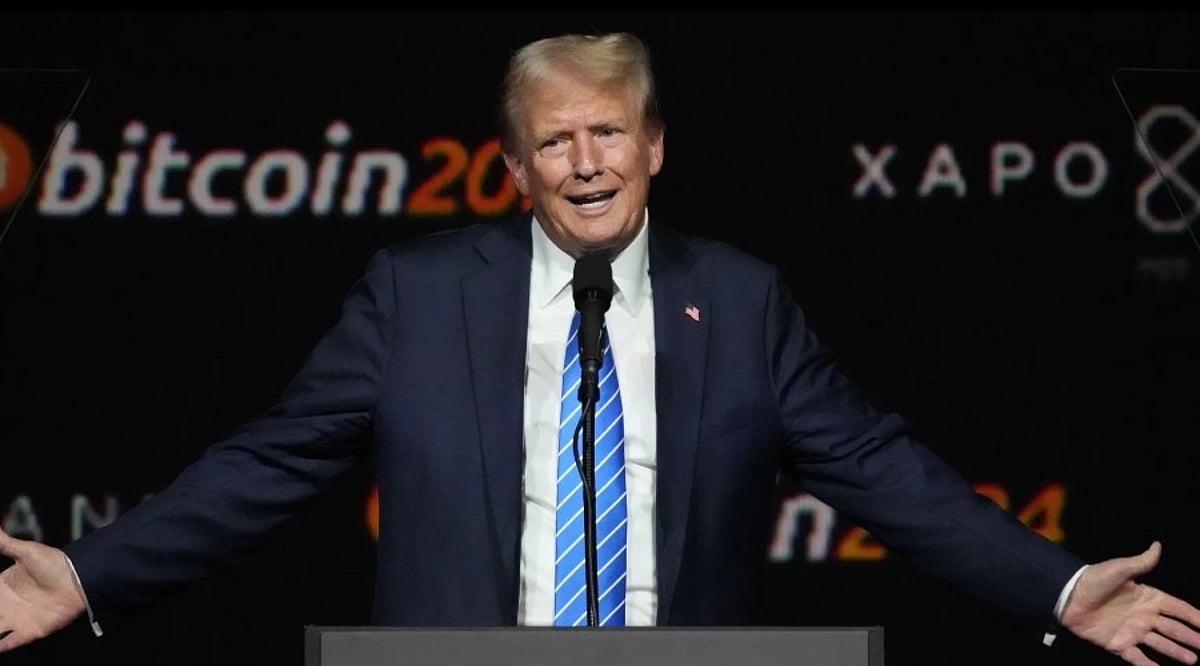
  • Trump Accepts Expanded Crypto Ethics Enforcement as CLARITY Act Heads to Senate Vote

    Trump Accepts Expanded Crypto Ethics Enforcement as CLARITY Act Heads to Senate Vote

    President Donald Trump has agreed to significantly tougher ethics provisions in the CLARITY Act, clearing the way for a critical Senate vote scheduled for Tuesday. The revised compromise grants state attorneys general a broader enforcement role, addressing concerns over potential presidential conflicts of interest in the crypto space.

    State Attorneys General Gain Broadened Enforcement Powers

    The original version of the bill barred federally elected officials, their spouses, and federal judges from issuing digital assets. Critics argued, however, that the language did not adequately address ethical questions tied to President Trump’s extensive crypto holdings and business interests.

    Republican Senator Thom Tillis and Democratic Senator Ruben Gallego, joined by several of their Democratic colleagues, pushed for stronger measures. Their proposal would allow state attorneys general to enforce the law in coordination with the U.S. Department of Justice.

    According to Republican Senators Cynthia Lummis, Tim Scott, and John Boozman, Trump accepted a substantial portion of the proposed framework. They confirmed that the revised text now gives state attorneys general a meaningful enforcement role.

    Presidential Conflict-of-Interest Questions Remain Central

    Senator Angela Alsobrooks of Maryland, considered a key swing vote, said state attorneys general must be able to step in and prosecute when the Justice Department fails to act. She added that she would not support any bill that left ethical risks unaddressed.

    White House crypto adviser Patrick Witt said the administration and Senate Republicans had remained responsive to Democratic policy demands throughout more than a year of negotiations.

    Presidents have historically been exempt from federal conflict-of-interest laws because they oversee the entire government. While some modern presidents have placed assets in blind trusts, Cabinet officials are generally expected to divest or recuse themselves from specific matters.

    Trump’s Crypto Business Draws Continued Scrutiny

    Last year’s stablecoin law prohibited members of Congress and their families from profiting from stablecoin activities, but the restrictions did not extend to President Trump or his family. The White House has said Trump recuses himself from family business decisions handled by his sons.

    According to data referenced in the bill debate, Trump’s crypto-related revenues reached $1.2 billion, with more than $600 million stemming from sales of his branded meme coins through CIC Digital LLC. In May, Trump hosted leading investors in the $TRUMP meme coin at his northern Virginia golf club; the White House said he attended the event in a personal capacity.

    What to Watch Before the Senate Vote

    With the Senate vote looming, the compromise appears designed to satisfy both Democratic critics and Republican supporters. The expanded role for state attorneys general is expected to be central to the debate. How senators align on the measure could determine whether the CLARITY Act advances to final passage.
  • Voter Backlash Intensifies Trump Crypto Ethics Debate as TRUMP Token Weakens

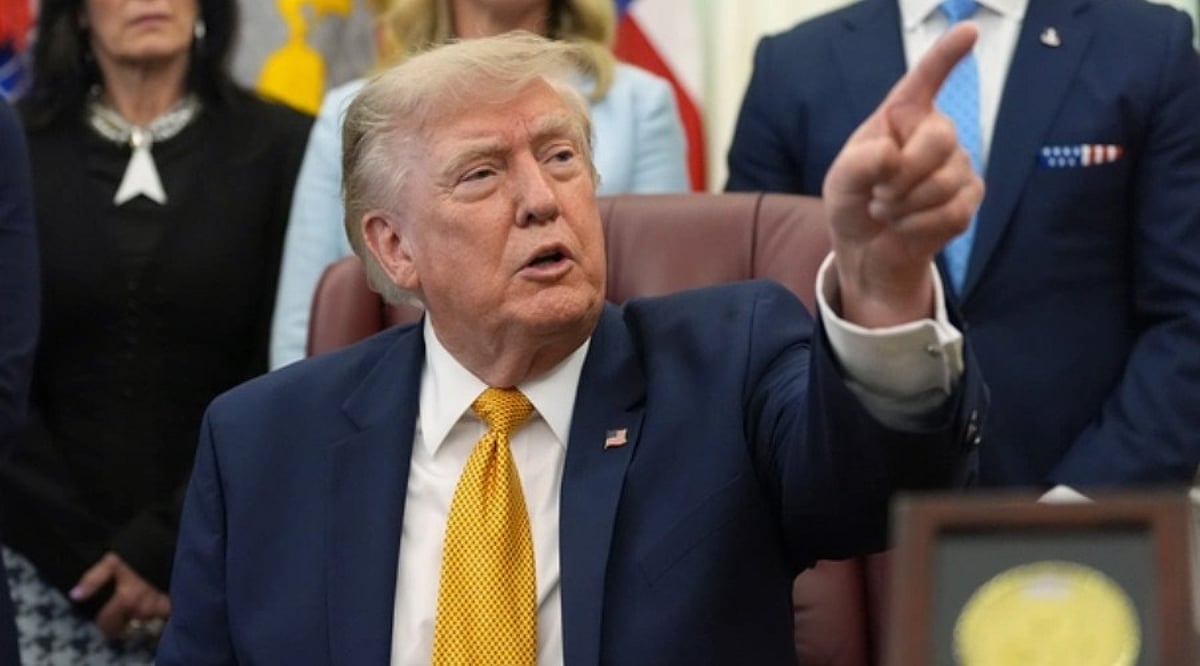
    Voter Backlash Intensifies Trump Crypto Ethics Debate as TRUMP Token Weakens

    Growing public opposition to President Donald Trump’s cryptocurrency earnings is intensifying the ethics debate in Washington, as Congress weighs comprehensive digital asset regulations. Recent polls reveal that a majority of voters support stricter limits on federal officials profiting from crypto, placing political pressure on politically linked tokens like the TRUMP token.

    Polls Show Broad Support for Crypto Ethics Limits

    Surveys cited by Democratic Senator Elizabeth Warren found that 55% of voters disapprove of Trump’s cryptocurrency-related earnings, with 44% expressing strong disapproval. A separate poll by the Progressive Policy Institute and GBAO reported even broader support for restrictions, with 71% to 75% of respondents backing limits on federal officials and their immediate family members profiting from cryptocurrency businesses. Support remained strong even after participants received information about Trump’s business background, adding momentum to an already contentious debate over political conflicts of interest in digital assets.

    Critics argue that elected officials should not financially benefit from industries they help regulate, while supporters maintain that private business ownership should not automatically disqualify individuals from public office.

    Congress Faces a Conflict-of-Interest Debate

    Congress continues to debate broader cryptocurrency legislation aimed at establishing comprehensive federal rules for digital assets. Ethics provisions have become a key sticking point in negotiations. The expansion of cryptocurrency ownership among politicians, corporations, and financial institutions has intensified calls for clearer standards on how public officials manage digital asset holdings and business interests.

    Market participants are closely watching whether public opinion will translate into legislative action. Measures restricting cryptocurrency ownership or financial interests among senior government officials could create new pressure for politically linked digital assets, while also affecting perceptions of regulatory certainty across crypto markets.

    TRUMP Token Faces Political and Regulatory Pressure

    Political uncertainty has also weighed on the TRUMP cryptocurrency token. The asset recently traded near $1.45 after falling approximately 9.4% over the past week. Politically branded tokens remain highly sensitive to legislative developments, public opinion, and election-related events. Analysts note that sentiment around public figures can move prices independently of broader cryptocurrency market conditions.

    Further restrictions on officials’ cryptocurrency interests could add downward pressure on politically linked assets. Conversely, prolonged negotiations without legislative changes could allow prices to stabilize if wider cryptocurrency conditions improve.

    The broader debate highlights how cryptocurrency has moved deeper into mainstream politics, with digital assets now central to discussions about public policy, ethics, elections, government oversight, and market confidence.

    Final Thoughts

    Public opposition to Trump’s cryptocurrency earnings is strengthening the ethics debate as Congress weighs digital asset legislation. The TRUMP token has weakened amid political uncertainty. Attention now centers on whether support for tighter rules will develop into formal restrictions on cryptocurrency interests held by senior federal officials.

  • Trump Calls Out Exxon and Chevron for Record Profits, Demands Lower Gas Prices

    Trump Calls Out Exxon and Chevron for Record Profits, Demands Lower Gas Prices

    President Donald Trump has publicly criticized Exxon Mobil and Chevron after the oil giants reported combined second-quarter profits of approximately $26.5 billion. Trump argued that the companies are profiting excessively from supply shortages and urged them to reduce retail fuel prices for American consumers.

    Speaking at the White House on Monday, Trump said both companies were benefiting from supply disruptions while Americans continued to face high gasoline prices. His remarks come as his administration faces mounting pressure to address fuel costs ahead of the midterm elections.

    “Based on a shortage, they’re making too much money,” Trump told reporters. “I don’t like it, and I should be the last one to say because I’m a big free enterprise guy — nobody bigger.”

    The president specifically named Exxon Mobil and Chevron, calling on them to cut prices at the pump. “Chevron, too much money. Exxon Mobil, too much, too much money. They ought to give some of that back to the public, and they better cut the retail price, the consumer price,” Trump said.

    Exxon Mobil reported second-quarter earnings of $14.5 billion, more than double its profit from the same period a year earlier. Chevron posted $12.1 billion in earnings, nearly five times its year-ago result. Both companies benefited from higher crude prices and stronger refining margins amid Middle East tensions and supply chain concerns.

    Oil Companies Defend Market Conditions

    Industry representatives pushed back against claims that individual oil producers are responsible for elevated gasoline prices. The American Petroleum Institute (API) said fuel prices reflect global supply and demand conditions, along with uncertainty surrounding key shipping routes.

    Andrea Woods, an API spokesperson, stated that higher prices were “driven by global supply, demand and continued uncertainty around the Strait of Hormuz and other critical shipping lanes—not by any one company.”

    Retail gasoline prices are generally determined by independent fuel station operators rather than directly by major oil producers. Distribution costs, taxes, crude prices, and refining margins also influence consumer prices.

    Exxon and Chevron executives warned during earnings calls that limited refining capacity could keep gasoline prices elevated through the autumn. The average US gasoline price has remained near $4.10 per gallon, compared with below $3 before the United States and Israel launched strikes against Iran in February.

    Trump Renews Pressure on Energy Firms

    Trump has increased scrutiny of major oil companies in recent months. In late June, he ordered the Justice Department to investigate whether large producers failed to reduce gasoline prices quickly enough after crude prices declined.

    Trump also criticized Chevron CEO Mike Wirth in a social media post, claiming the executive failed to recognize his administration’s role in supporting the energy sector. He reiterated that oil companies should immediately lower consumer fuel prices, including retail gasoline costs.

    The comments follow a period of strong earnings for US energy companies, supported by higher oil prices during Middle East tensions. Chevron also reported record US production and a 20% increase in global output.

    Oil markets have recently shown volatility as traders monitor diplomatic developments involving Iran and possible changes to supply conditions. Lower crude prices could reduce pressure on gasoline markets if disruptions ease. Trump has argued fuel prices will decline if tensions in the region decrease, while industry officials maintain that broader market forces determine costs at the pump.

  • Trump Administration Bans New Chinese Robots to Safeguard US AI Infrastructure

    Trump Administration Bans New Chinese Robots to Safeguard US AI Infrastructure

    The Trump administration has implemented new technology restrictions aimed at Chinese-made humanoid robots, quadruped robots, and connected power inverters, citing national security concerns and the need to protect America’s rapidly expanding artificial intelligence infrastructure. The measures, announced by the US Federal Communications Commission (FCC), took effect immediately upon publication.

    The restrictions apply exclusively to new product models not yet released in the United States. However, the FCC retains the authority to revoke approvals for products already authorized for sale if deemed necessary.

    Focus on AI, Cybersecurity, and Critical Infrastructure

    According to US officials, the measure is designed to reduce the risk of cyberattacks, surveillance, and supply chain vulnerabilities as the country invests heavily in building AI data centers and computing infrastructure. Inverters used to connect renewable energy devices and batteries to the electric grid have become increasingly important for AI data centers.

    The administration has also raised concerns about the potential use of networked robots for espionage and remote interference by foreign entities. Officials stated the measure is intended to secure key technologies vital to the nation’s security and economy.

    Chinese Firms Likely to Be Hit Hardest

    While the order does not explicitly name individual companies, it is expected to have the greatest impact on Chinese manufacturers, including Unitree Robotics, one of the world’s leading producers of humanoid and quadruped robots. China currently dominates the global humanoid robotics market, making the restrictions a significant setback for its expansion into the US market.

    The FCC indicated that manufacturers outside China may still qualify for exemptions, provided they satisfy security requirements.

    Beijing Condemns Move

    China condemned the move, claiming that the US unfairly singled out Chinese companies for punitive action and vowing to do whatever is necessary to defend its business interests. These restrictions, among others implemented by the US government in recent times, reflect the increased competition between the two countries as they vie for supremacy in AI and semiconductor production and supply chains.

    This development underscores a convergence of technology policies and national security issues, with AI infrastructure emerging as a key area of competition.

  • Trump Slaps Fresh Tariffs on India, China, and 60 Nations Over Forced Labor Concerns

    Trump Slaps Fresh Tariffs on India, China, and 60 Nations Over Forced Labor Concerns

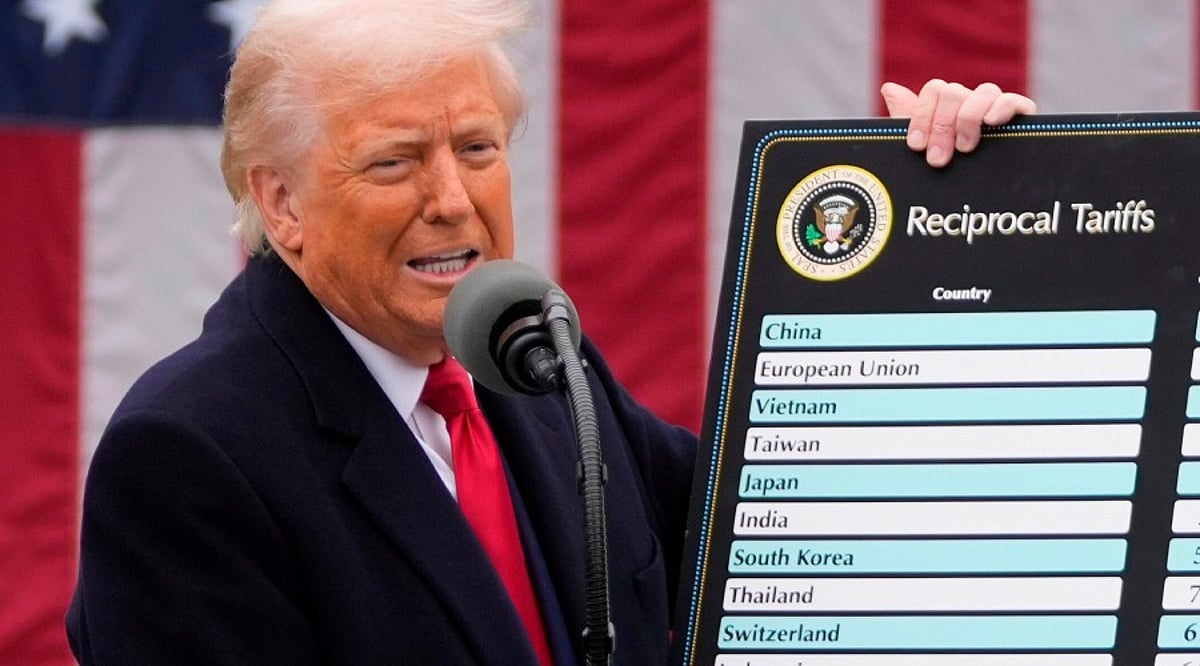
    US President Donald Trump has imposed a new round of tariffs on imports from at least 60 trading partners, including India, China, Japan, and the United Kingdom, citing inadequate enforcement of bans on goods produced through forced labor. The duties, ranging from 10% to 12.5%, take effect at 12:01 AM Friday, replacing temporary import taxes that expire the same day.

    The move follows a February Supreme Court ruling that struck down Trump’s earlier ‘Liberation Day’ tariffs imposed in April 2025. The administration frames this action as part of its broader effort to curb forced labor and encourage trading partners to adopt stricter import regulations.

    How the New Tariff Structure Works

    Countries such as China, the United Kingdom, and Japan—which the White House says lack laws prohibiting imports made with forced labor—will face 12.5% tariffs. Meanwhile, economies including India, Sri Lanka, and the European Union will continue to face 10% tariffs after introducing or committing to forced labor import restrictions.

    Some imports, including products covered under the US-Mexico-Canada Agreement (USMCA) and oil and gas shipments, have been exempted from the latest tariff measures.

    US Defends Move as Human Rights Measure

    “The United States has had a forced labor import ban for nearly a century, and rigorously enforces it. It’s well past time for our trading partners to do the same,” said US Trade Representative Jamieson Greer. “Today’s action will begin to correct what is both a human rights abuse and a distortive trade practice to improve the welfare of workers everywhere.”

    India Avoids Higher Tariff

    For India, the latest announcement means exports to the US will continue to attract a 10% tariff, avoiding the additional 12.5% penalty previously threatened. The White House noted that India, along with Cambodia, Guatemala, Honduras, Sri Lanka, and Trinidad and Tobago, had introduced forced labor import prohibitions or made commitments under reciprocal trade agreements, leading to the lower tariff rate.

    More Trade Measures Expected

    According to a Washington Post report, the Trump administration is preparing another round of tariffs targeting countries accused of subsidizing excess manufacturing capacity. The proposed measures are expected to focus on low-cost imports that US officials argue disadvantage American manufacturers, signaling that more trade actions could be announced in the coming weeks.

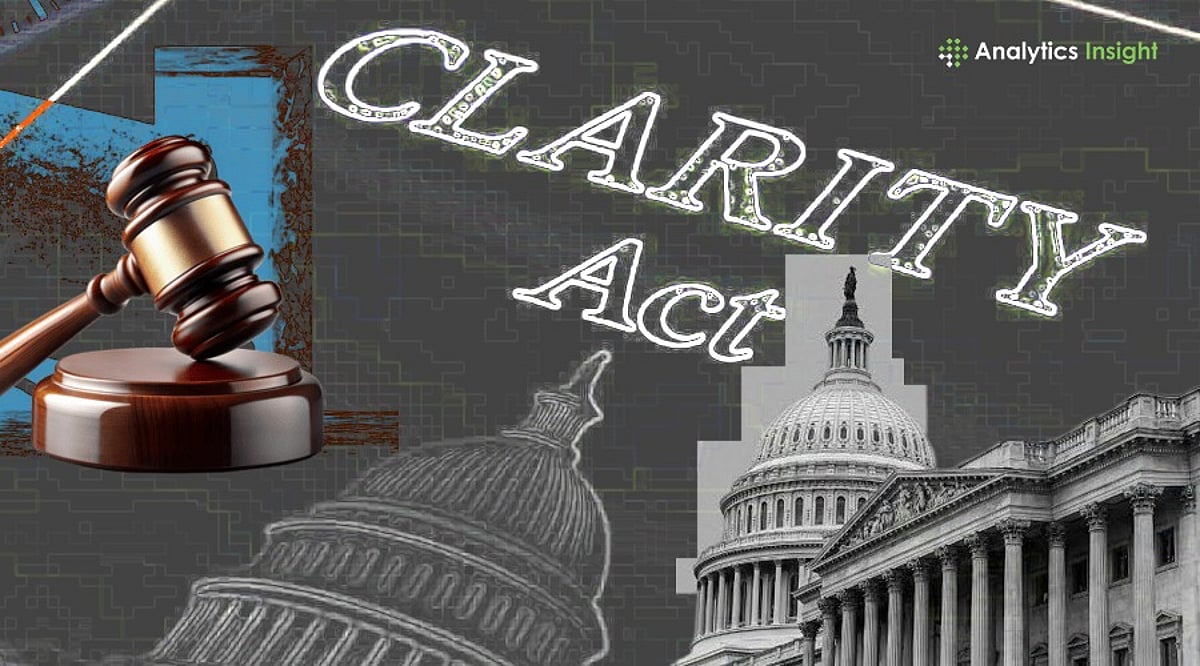
  • CLARITY Act Ethics Rules Could Prevent Trump from Issuing New Digital Assets While in Office

    CLARITY Act Ethics Rules Could Prevent Trump from Issuing New Digital Assets While in Office

    The latest draft of the Senate’s CLARITY Act has introduced ethics provisions that could restrict President Trump and other senior officials from issuing or sponsoring digital assets during their tenure. The bill, which aims to establish comprehensive cryptocurrency market regulations, now includes language targeting conflicts of interest among top government leaders.

    Key Takeaways

    • The Senate draft may ban top public officials from issuing new digital assets until 2029.
    • Trump’s crypto ventures, which have earned over $1 billion, have fueled the push for stronger ethics rules.
    • The bill still requires bipartisan support to become law.

    What Does the New Language Say?

    The proposed ethics section restricts the president, vice president, members of Congress, federal judges, and their spouses from issuing, sponsoring, or promoting digital assets while in office. The restriction would remain in effect until January 2029, covering the remainder of Trump’s current term. Additionally, officials must divest personal crypto holdings or place them in qualified blind trusts to reduce potential conflicts of interest.

    This marks a significant shift from earlier crypto bills, which focused primarily on market rules and investor protection. The new version adds ethics rules for public officials, addressing concerns about the intersection of governance and personal financial gain.

    Why Trump Matters in the Debate

    Recent financial disclosures revealed that Trump’s crypto ventures generated over $1 billion after his return to the White House, including roughly $500 million from World Liberty Financial’s crypto offerings and $600 million from Trump-themed meme coins. Bipartisan lawmakers and ethics experts argue that a sitting president should not profit from digital assets while federal agencies shape crypto regulations. Supporters of the bill emphasize that the rules apply to all future presidents and senior officials, not just Trump.

    Would the Bill Stop Trump from Launching New Digital Assets?

    Under the current language, covered officials cannot issue or sponsor new digital assets during their term. This would prevent President Trump from launching a new cryptocurrency, meme coin, or similar blockchain project while in office. However, legal experts note that the final outcome depends on precise definitions of terms like ‘issue,’ ‘sponsor,’ and ‘digital asset’ in the approved legislation. The draft also leaves questions about how existing crypto businesses would be affected, with further guidance expected after the bill becomes law.

    Senate Talks Continue

    The bill has garnered support from many Republicans seeking clear rules for digital assets, and from Democrats pushing for stronger ethics safeguards. Senate leaders, White House officials, and lawmakers from both parties are working on compromise language. President Trump has reportedly accepted some ethics changes to improve the chances of bipartisan support before the August recess. Disagreements remain on anti-money laundering rules, Know Your Customer requirements, and which federal agencies should oversee different parts of the crypto market.

    Why the Crypto Industry Supports the Bill

    The CLARITY Act is seen as a critical step toward providing regulatory clarity for the crypto industry. Companies like Coinbase, Circle, Bullish, Hut 8, and Riot Platforms have welcomed the potential for clear federal rules. The bill aims to resolve jurisdictional disputes between the SEC and CFTC while adding consumer protections. Financial markets responded positively, with Bitcoin rising to around $66,400 and crypto-related stocks climbing.

    Challenges Remain

    Passing the bill requires 60 votes in the Senate, meaning supporters must secure bipartisan backing. Some progressive groups argue the ethics rules should be tougher, while others raise concerns about conflicts of interest in the negotiation process. Prediction markets and analysts place modest odds on the bill becoming law this year due to the complex mix of crypto regulation, ethics reforms, and political differences.

    Why This Matters

    The CLARITY Act could reshape both crypto regulation and ethics standards in the United States. Its final version may determine whether top public officials can launch or profit from digital assets while in office, influencing investor confidence and future legislation. The debate has already shifted the national conversation from solely regulatory questions to broader ethical considerations about elected leaders’ involvement in the crypto business.

    Final Thoughts

    If the current language passes, President Trump and future presidents would be barred from issuing or sponsoring new digital assets during their terms, with stricter rules for personal crypto holdings and financial transparency. The outcome now depends on ongoing Senate negotiations. Regardless of the final bill, the debate has fundamentally changed how Washington approaches the intersection of digital assets and public office.

  • Trump’s Phased Tariff Plan on Generic Drugs Threatens India’s Pharma Export Dominance

    Trump’s Phased Tariff Plan on Generic Drugs Threatens India’s Pharma Export Dominance

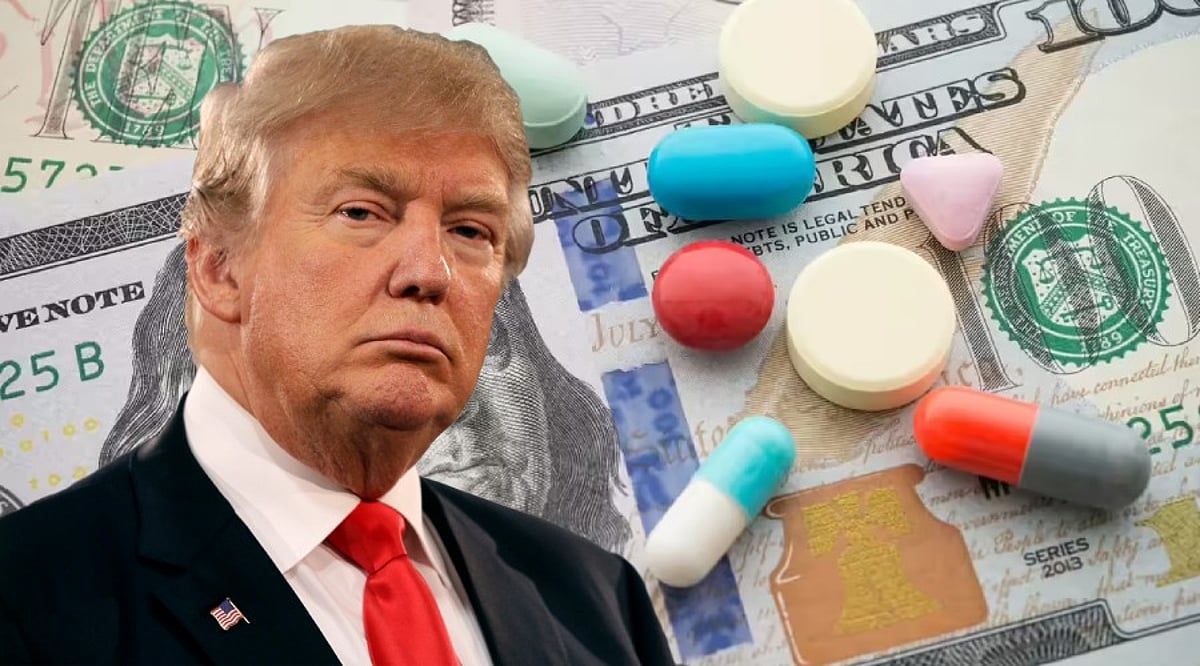
    US President Donald Trump has announced a phased tariff plan for imported generic medicines, offering a two-year window before imposing sharply higher duties. The proposal, aimed at encouraging pharmaceutical companies to shift manufacturing to the United States, could have significant implications for India’s export-driven generic drug industry.

    Under the plan, imported generic medicines will face zero tariffs for the next two years. Beginning in August 2028, the US will levy a 100 percent tariff for one year, followed by a 200 percent tariff thereafter. The policy is scheduled to take effect from August 1, 2026.

    Why India Has Most at Stake

    India is one of the major exporters of cheap generic drugs across the globe and holds an important place in the healthcare sector of the United States. Generic drug companies in India are responsible for almost 40 percent of generic drugs sold in the United States by volume, making them highly susceptible to any restrictions on their exports.

    According to the Global Trade Research Initiative (GTRI), India exported pharmaceuticals worth US$9.7 billion to the US during FY2024-25. This accounted for 38 percent of India’s total pharmaceutical exports.

    Industry Braces for Long-Term Impact

    Though the two-year grace period will give firms some breathing space, industry watchers feel that the new tariff structure will change the landscape of the pharmaceuticals business. Companies might be forced to think about increasing production facilities in America or rethinking their export strategy.

    The development is also likely to have an impact on the stock markets, with the stocks of certain Indian pharmaceutical giants facing pressure.

    Part of Trump’s Manufacturing Push

    This tariff idea is one of the latest attempts made by President Trump to ensure the production of pharmaceuticals in the US again. It is believed that such actions will result in lower dependence on imported drugs and help to make supply chains more secure. However, it may become another point of discussion regarding increased healthcare expenses and the international generic drug trade.

  • Trump Accepts Ethics Framework for Crypto CLARITY Act, Potentially Unlocking Senate Vote

    Trump Accepts Ethics Framework for Crypto CLARITY Act, Potentially Unlocking Senate Vote

    Former President Donald Trump has reportedly accepted an ethics framework tied to the Digital Asset Market Clarity Act (CLARITY Act), a move that could break a key deadlock in Senate negotiations. However, as of late July, the agreement remains unconfirmed and its language has not been publicly released, leaving a potential vote uncertain before the August recess.

    Ethics Rules Aimed at Conflicts of Interest

    Negotiators have proposed restrictions covering senior federal officials—including presidents, vice presidents, and lawmakers—to prevent them from profiting personally from digital assets while shaping industry policy. The reported framework would address profits from crypto ventures, but without the published text, the scope remains unclear. It is unknown whether the rules would apply to family members, existing holdings, new token launches, promotional income, or assets held in trusts. Enforcement mechanisms also remain undefined, including which agency would investigate violations and what penalties would apply.

    Trump’s Crypto Income Fuels Ethics Debate

    The ethics dispute intensified after Trump’s latest financial disclosures revealed that his family’s crypto ventures generated approximately $1.4 billion of his income in 2025. Senior Senate Democrats argued that the legislation could expand the value of crypto businesses linked to senior officials, calling for stronger conflict-of-interest safeguards. Trump dismissed the concerns in a July 2 CNBC interview, stating that his children manage his businesses and that the income was ‘nothing illegal.’ The White House has maintained that Trump does not oversee daily operations, though critics counter that transferring management does not remove his financial interest.

    Senate Faces Tight Timeline

    The House passed H.R. 3633 on July 17, 2025, by a 294-134 vote, and the Senate Banking Committee advanced its version on May 14, 2026, by a 15-9 vote. The legislation would split crypto oversight between the Securities and Exchange Commission (SEC) and the Commodity Futures Trading Commission (CFTC) and establish federal rules for exchanges and intermediaries. Senate leaders have not yet scheduled a floor vote, and the August state work period begins August 10, leaving a narrow window. Even with an ethics agreement, lawmakers still face disputes over decentralized finance, illicit-finance controls, and developer protections. Any changes to the House version would require approval from both chambers before the bill can reach Trump’s desk.

    What’s Next

    The next critical step is the publication of revised legislative text. If the reported ethics framework is converted into enforceable provisions and garners bipartisan support, the Senate could move forward. Until then, the agreement remains a political understanding rather than a completed amendment.

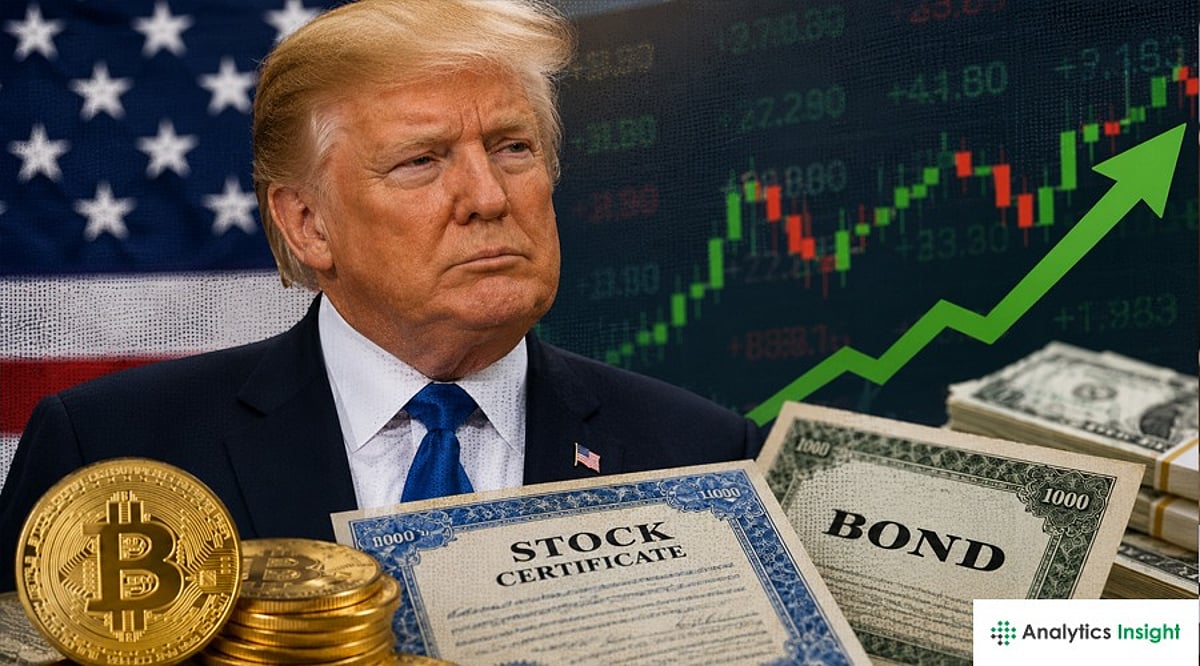
  • Trump Shifts $1.4 Billion in Crypto Profits to Stocks and Bonds, Filings Reveal

    Trump Shifts $1.4 Billion in Crypto Profits to Stocks and Bonds, Filings Reveal

    Donald Trump’s latest financial filings with the US Office of Government Ethics reveal that he earned more than $1.4 billion from his family’s crypto businesses in 2025. Instead of keeping those profits entirely in digital assets, he invested a large portion into traditional stocks and bonds, according to a review by Reuters.

    The filings show that Trump’s traditional investment portfolio grew at least four times over the past two years. By the end of 2025, his stock and bond holdings were estimated to be worth between $703 million and $2.6 billion, up from $225 million to $608 million a year earlier. While exact figures are not provided, financial experts say the documents clearly indicate a preference for moving crypto earnings into more stable, conventional investments.

    Most of the crypto income came from World Liberty Financial and the Trump meme coin, which became major revenue sources during the year. Despite the shift, Trump continues to hold significant crypto assets: the filings show he owns 15.75 billion World Liberty Financial governance tokens valued at over $50 million, and companies linked to him hold at least $160 million in Bitcoin and Ether, along with up to $6 million in other digital tokens.

    Timothy Massad, director of Harvard University’s Digital Assets Policy Project and former chairman of the Commodity Futures Trading Commission, commented: “The filings show an interesting investment strategy.” He believes Trump earned large profits from crypto projects and then placed much of that money into stocks and bonds for greater financial stability.

    The White House stated that Trump’s assets remain in accounts managed by independent financial institutions. The Trump Organization said the filings reflect a strong financial position with valuable assets and healthy liquidity, but did not explain why much of the crypto income later appeared in traditional investments. World Liberty Financial emphasized its commitment to digital assets, saying the company “continues building for the future and believes digital assets will play a major role in financial services over the coming years.”

    The disclosures come amid reports that retail investors in four Trump-backed crypto projects had lost about $2.3 billion by April, increasing criticism from some lawmakers who question the ethics of public officials profiting from crypto while supporting friendly policies for the industry. Eric Trump continued promoting Bitcoin throughout the year, calling it one of the world’s strongest financial assets, even as his father’s filings showed growing investments in stocks and bonds.

    Overall, the filings paint a clear picture: crypto earnings generated billions in 2025, but stocks and bonds remain the preferred destination for protecting and growing wealth over the long term.

  • CLARITY Act Stalls in Senate as Legislative Window Narrows Before August Recess

    CLARITY Act Stalls in Senate as Legislative Window Narrows Before August Recess

    The Digital Asset Market Clarity Act (CLARITY Act) remains stalled in the U.S. Senate after lawmakers missed an informal July 4, 2026, signing target. No cloture motion has been filed, and no floor vote has been scheduled, leaving the bill at Calendar No. 423. The legislation previously passed the House with bipartisan support and advanced through the Senate Banking Committee, but it still requires full Senate approval, reconciliation of separate committee versions, and the president’s signature to become law. With the Senate returning from recess on July 13 and the August 7 break approaching, time is rapidly running out.

    Senate Vote Faces Political and Procedural Hurdles

    The House approved the CLARITY Act on July 17, 2025, and the Senate Banking Committee advanced it in May 2026. Senate Majority Leader John Thune has not scheduled debate, and lawmakers have not filed the cloture motion needed to initiate floor proceedings. Republicans hold 53 seats. Senators Josh Hawley and Rand Paul oppose the bill, while Democratic Senators Ruben Gallego and Angela Alsobrooks supported it in committee with conditions. To overcome a filibuster, supporters need 60 votes, requiring between seven and nine Democratic supporters.

    Ethics Concerns and Policy Disputes

    President Donald Trump’s July 1, 2026, financial disclosure listed approximately $1.4 billion in cryptocurrency-related income during 2025, including roughly $635 million in royalties from the $TRUMP meme coin and over $500 million from World Liberty Financial token sales. The White House opposes any language targeting the president’s crypto holdings. An ethics amendment proposed by Senator Chris Van Hollen was rejected by the Senate Banking Committee 11–13. Senator Kirsten Gillibrand has stated that enforceable rules covering government officials’ crypto holdings are necessary before she supports the bill.

    Developer Protections and Stablecoin Yield Debate

    Section 604, which would exempt non-custodial software developers from money-transmitter registration requirements, remains a sticking point. The National District Attorneys’ Association argues it could complicate crypto-related criminal investigations. Separately, stablecoin yield provisions are contested. The American Bankers Association warns that the current language creates a potential loophole for interest-equivalent yields beyond limits in the GENIUS Act. Coinbase currently earns about $1.35 billion annually from USDC rewards, making this issue significant.

    Industry groups like Stand With Crypto continue urging Senate leaders to preserve developer protections and bring the bill to the floor. Meanwhile, Bitcoin traded at $63,046 at publication (July 7, 2026), reflecting a 6% weekly gain but remaining about 50% below its October 2025 record high of $126,173.

    What’s Next?

    With only about three weeks before the August recess, the bill needs Senate approval before the end of July to maintain momentum, according to Stifel policy strategist Brian Gardner. Beacon Policy Advisors warned that missing that window could end the legislation’s path in 2026. Reconciliation between the Senate Banking Committee and Senate Agriculture Committee versions also remains pending. The CLARITY Act’s fate now hinges on resolving ethics disputes, securing enough Democratic votes, and surmounting procedural obstacles in a tight timeframe.