Tag: UPI

  • Indian Mobile Retailers Plan ‘No UPI Day’ on October 2 to Protest Proposed MDR Fees

    Indian Mobile Retailers Plan ‘No UPI Day’ on October 2 to Protest Proposed MDR Fees

    Mobile phone retailers across India are planning to observe October 2 as ‘No UPI Day’ in protest against the proposed Merchant Discount Rate (MDR) on certain UPI merchant payments. The campaign, organized by the All India Mobile Retailers Association (AIMRA), will see participating retailers temporarily halt acceptance of UPI payments and symbolically cover their QR codes with black cloth.

    Why Are Mobile Retailers Protesting?

    AIMRA states that the proposed MDR could significantly increase the financial burden on mobile retailers, especially those operating on thin margins. Under the new framework, a 0.4% MDR will apply to eligible person-to-merchant UPI transactions above Rs. 2,000, starting October 15, 2026. The charge is merchant-side only and will not be directly passed to consumers.

    The association explains that a small retailer processing between Rs. 5 lakh and Rs. 30 lakh in UPI payments monthly could face additional costs of Rs. 2,000 to Rs. 12,000 per month. AIMRA estimates the overall burden on small mobile retailers across India could reach about Rs. 40 crore per month, or nearly Rs. 500 crore annually.

    AIMRA Vice President and Delhi NCR President Tarvinder Singh emphasized that the protest is not against UPI or digital payments but against the additional financial strain on merchants.

    What Will Happen on October 2?

    Retailers participating in the protest are expected to refrain from accepting UPI payments for the day and may physically cover their UPI QR codes with black cloth. However, this is a voluntary action by individual mobile retailers and does not mean UPI services will stop nationwide. Other businesses will continue to accept UPI as usual.

    Customers planning to purchase smartphones, accessories, or other products from physical mobile stores on October 2 are advised to carry cash or card payments as alternatives.

    What Changes from October 15?

    The October 2 protest precedes the implementation of the new MDR framework on October 15. Under the framework:

    • Eligible person-to-merchant UPI transactions above Rs. 2,000 will attract a 0.4% MDR.
    • Transactions up to Rs. 2,000 and person-to-person transfers remain exempt.
    • Small merchants receiving up to Rs. 1 lakh per month through UPI QR payments are eligible for mandatory zero MDR.

    The proposed MDR is a merchant-side charge, so customers will not see any direct impact. The protest is therefore focused on retailers’ concerns about the cost of accepting eligible UPI payments, not a call for a nationwide suspension of UPI.
  • Samsung Wallet Adds Fingerprint Authentication for UPI Payments in India

    Samsung Wallet Adds Fingerprint Authentication for UPI Payments in India

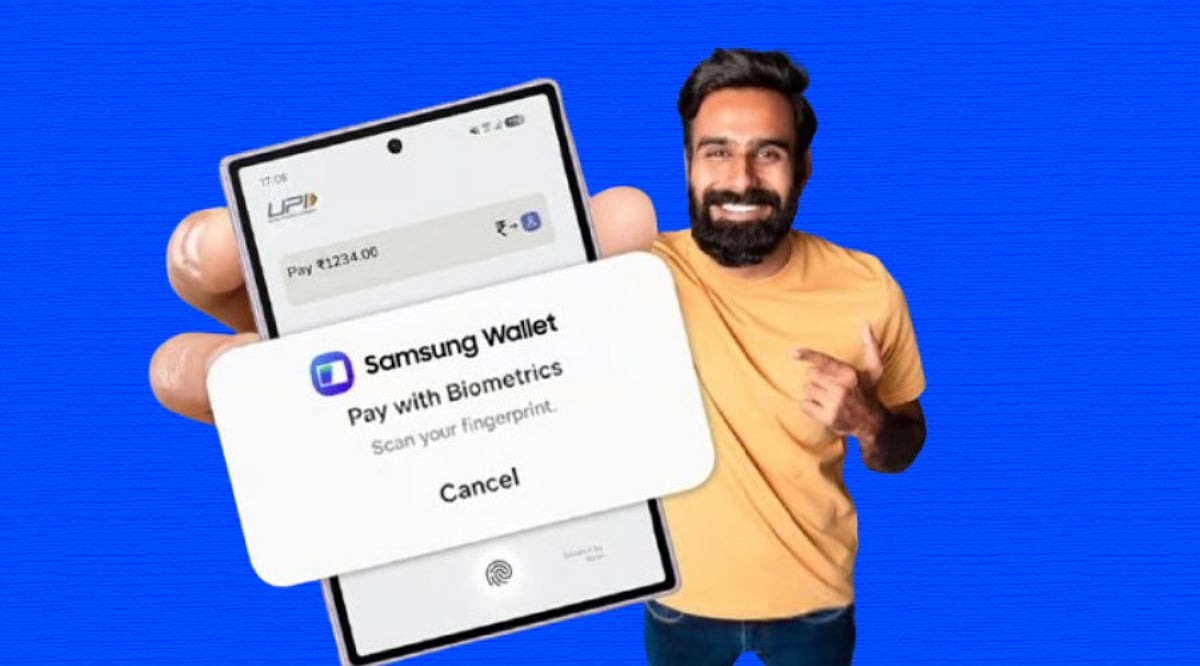
    Samsung has introduced a new fingerprint-based authentication feature for UPI payments through its Samsung Wallet app in India. The update allows users of compatible Galaxy smartphones to approve eligible transactions using the device’s built-in fingerprint sensor, eliminating the need to manually enter a UPI PIN for qualifying payments.

    How Fingerprint UPI Payments Work

    The authentication process is designed to be as seamless as unlocking a Galaxy phone. When a user initiates an eligible UPI payment of up to Rs. 10,000 via Samsung Wallet, the app prompts them to authenticate using the fingerprint sensor. Once the fingerprint is recognized, the transaction proceeds without requiring the user to type their UPI PIN on the screen.

    Samsung has confirmed that the biometric verification occurs entirely on the device. The company leverages its Knox security platform and encryption to protect sensitive payment information, ensuring that fingerprint data is stored securely.

    Enhanced Convenience and Privacy

    This update is particularly beneficial for frequent small-ticket UPI transactions. By removing the manual PIN entry step, Samsung aims to make routine payments faster. The feature also enhances privacy in crowded public spaces, where entering a PIN on a phone screen can risk exposure.

    According to Samsung, on-device biometric authentication can help reduce payment failures caused by incorrect UPI PIN entries. The move aligns with the National Payments Corporation of India’s (NPCI) broader initiative to introduce additional authentication methods for UPI transactions.

    More Than Just UPI

    Samsung Wallet serves as a comprehensive digital wallet. Beyond UPI, it supports contactless payments using tokenized credit and debit cards, utility bill payments, and storage for digital keys, boarding passes, tickets, and ID cards. Samsung emphasizes that the Knox security platform, combined with fingerprint recognition and encryption, creates a secure environment designed to protect sensitive data from both digital and physical threats.

    For Galaxy users in India, this update brings the UPI payment experience closer to the simplicity of unlocking their phone: a simple fingerprint scan is all it takes to complete an eligible payment.

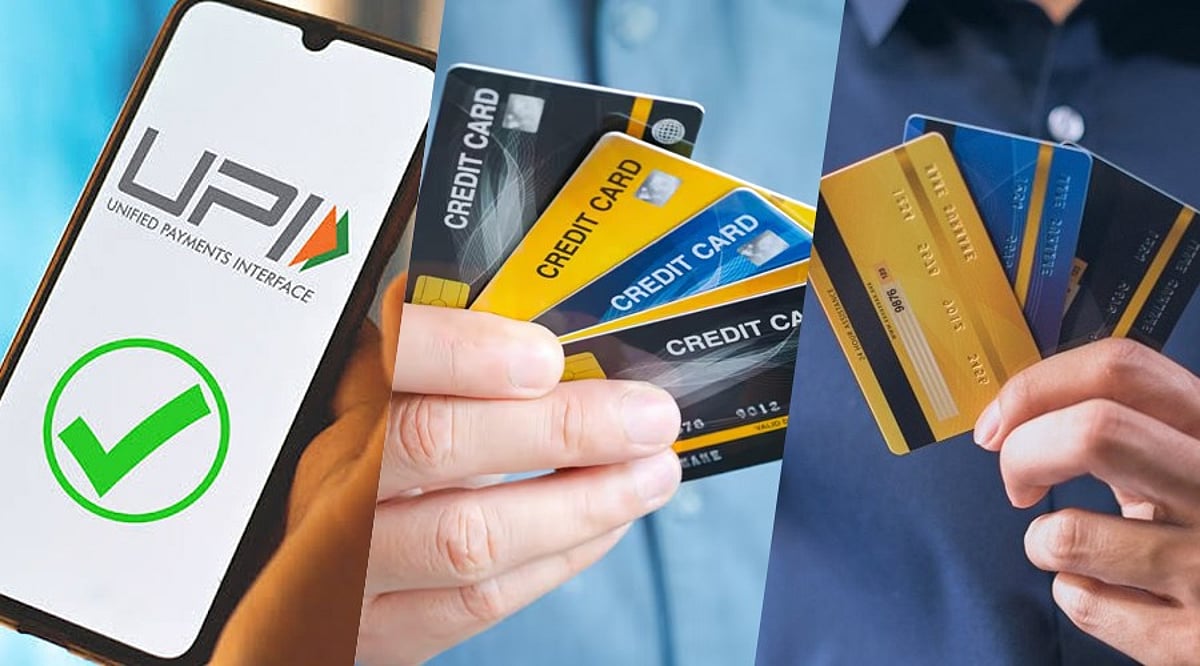
  • India’s Payment Methods Compared: UPI, Debit Cards, and Credit Cards – Fees and MDR Explained

    India’s Payment Methods Compared: UPI, Debit Cards, and Credit Cards – Fees and MDR Explained

    When you tap, swipe, or scan to pay, the costs behind that transaction vary dramatically depending on the method. While customers rarely see these charges, merchants bear the burden. Understanding Merchant Discount Rate (MDR) is key to comparing India’s payment landscape.

    What is MDR?

    Merchant Discount Rate (MDR) is the fee merchants pay for processing digital payments. This charge is typically divided among banks, payment networks, and app providers. Although it is a merchant-side cost, it influences business decisions and pricing strategies.

    UPI: Free for Consumers, New Merchant Fee Above ₹2,000

    UPI remains free for consumer-to-consumer transfers, with no upper limit. However, from October 15, 2026, NPCI introduces a 0.4% MDR on person-to-merchant transactions above ₹2,000. This charge is capped at ₹300 for payments of ₹75,000 or more. For instance, a ₹50,000 payment incurs ₹200 in MDR, while a ₹1 lakh payment costs only ₹300 due to the cap. Special sectors like railways, telecom, insurance, fuel, and agriculture inputs attract a flat ₹5 charge.

    Small merchants receiving up to ₹1 lakh per month through UPI QR codes continue to enjoy zero MDR on all transactions. Those crossing the threshold for three consecutive months are moved to the standard category. NPCI estimates this new fee will affect only about 4% of merchant transactions, mostly larger ones. Consumer platform fees and merchant surcharges are prohibited under the new rules.

    Debit Cards: Regulated and Tiered MDR

    Debit-card MDR is set by the RBI, with different caps for merchant categories and acceptance methods. Small merchants and QR-based payments enjoy lower rates, while larger merchants using card machines or online checkout face higher limits. RuPay debit cards benefit from a zero-MDR policy with no cap, making them a cost-effective choice for smaller everyday purchases.

    Credit Cards: Higher Cost, Commercially Negotiated

    Credit-card MDR is not fixed by regulation but is determined through commercial agreements between merchants and banks. Industry estimates place it between 1.5% and 2.5%. This higher cost funds rewards, cashback, and other card perks. Additionally, credit cards carry other fees like annual charges, interest on unpaid balances, late fees, and cash-advance fees. Consumers who pay their bill in full each month avoid most of these extra costs, but carrying a balance quickly becomes expensive.

    RuPay Credit Cards on UPI: A Separate Rulebook

    Eligible RuPay credit cards can be linked to UPI apps for merchant payments, but these transactions follow credit-card rules, not standard UPI zero-MDR rules. Small offline merchants get nil MDR up to ₹2,000; beyond that, standard credit-card MDR applies. The key difference is the source of funds—a credit line versus a bank account.

    Comparsion: Which Is Cheapest?

    For everyday purchases under ₹2,000, all three methods cost the same to consumers. The differences emerge for merchants processing high volumes or handling larger transactions. UPI’s new capped fee is modest compared to credit-card MDR, while debit cards remain regulated and relatively low. Merchants are likely to steer customers toward cheaper methods, such as UPI or RuPay debit cards, especially for larger payments.

    Final Thoughts

    India’s digital payment system is moving beyond a simple free-vs-fee classification. The real cost lies in the merchant-side MDR, not in visible customer charges. As UPI scales, the new merchant fee above ₹2,000 aims to sustain its infrastructure. Debit cards stay regulated, and credit cards carry premium costs tied to rewards and lending. Understanding these dynamics helps both merchants and consumers make informed choices.

    Frequently Asked Questions

    Is UPI free for customers in India?

    Yes, eligible UPI payments do not carry a consumer transaction fee. From October 15, 2026, specified merchant UPI payments above ₹2,000 will incur a merchant-side MDR, but merchants cannot pass this cost on to customers.

    What is MDR in digital payments?

    MDR is the processing charge paid by merchants for accepting certain digital payment methods. It is primarily a merchant-side cost and does not automatically mean a separate customer fee.

    Is credit card MDR higher than debit card MDR?

    Generally, yes. Debit-card MDR is regulated by RBI, while credit-card MDR is commercially negotiated. Industry estimates commonly place credit-card MDR above debit-card MDR.

    Can a RuPay credit card be used through UPI?

    Yes, eligible RuPay credit cards can be linked to supported UPI apps for merchant payments. However, the transaction is funded by the credit card, so it follows credit-card rules rather than standard UPI rules.

    Who pays the UPI MDR above ₹2,000?

    The merchant pays the MDR on eligible person-to-merchant UPI transactions above ₹2,000. Customers should not be charged a separate UPI transaction fee for this MDR.

  • How to Change or Reset Your UPI PIN Securely: Essential Steps and Safety Tips

    How to Change or Reset Your UPI PIN Securely: Essential Steps and Safety Tips

    Learn the safe methods to change or reset your UPI PIN, including debit card verification and Aadhaar face authentication, plus crucial safety tips to protect your account.

    What a UPI PIN Does

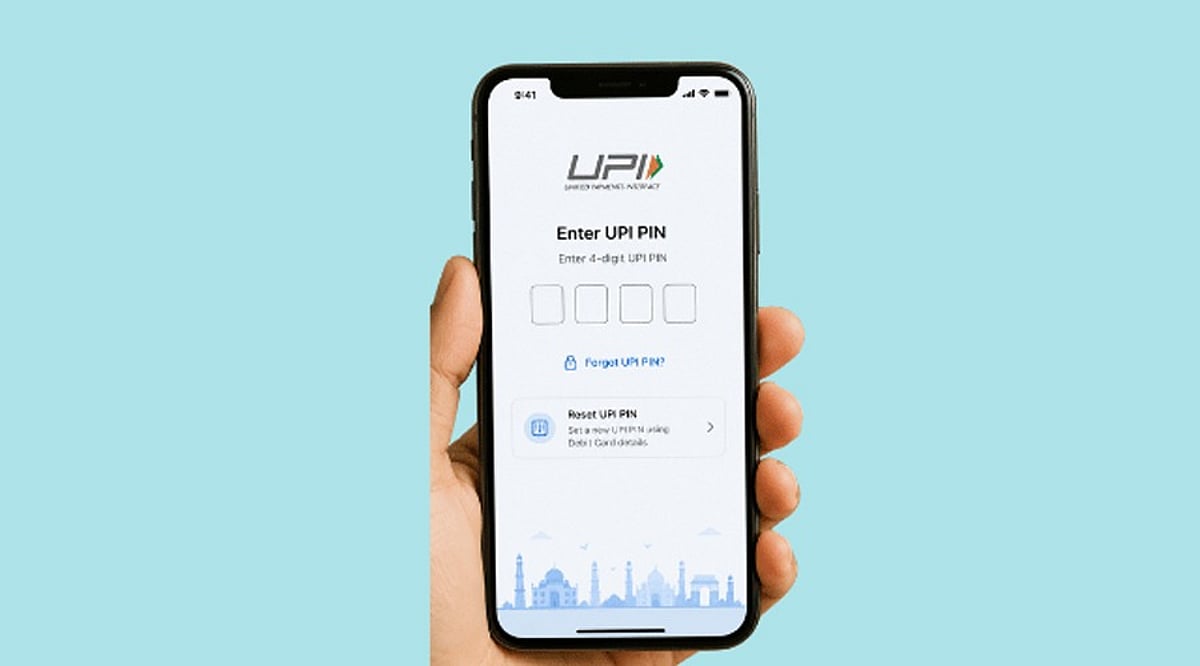
    A UPI PIN is a 4-6 digit passcode that authorizes bank transactions through UPI. According to NPCI, it is different from a bank-issued MPIN. Customer support staff will never ask for your UPI PIN. Entering the wrong PIN causes transaction failure, and multiple wrong attempts can temporarily block UPI payments. A PIN reset is for forgotten codes, while a change is for known codes that need replacement, such as after a suspected disclosure.

    How to Change a Known UPI PIN

    Open your UPI app and select the linked bank account. Look for the “Change UPI PIN” option. Enter your current PIN, then create a new 4-6 digit code and confirm it. Avoid using simple patterns, dates, or easily guessable numbers. The app does not store your PIN, and bank support never asks for it.

    How to Reset a Forgotten UPI PIN

    If you forget your PIN, use the “Reset UPI PIN” option. The standard method requires the last six digits of your debit card and its expiry date, followed by an OTP. After verification, you can set a new PIN. Some apps may also offer Aadhaar-based Face Authentication as an alternative.

    Aadhaar Face Authentication Option

    NPCI has introduced UIDAI Face Authentication as an additional method for PIN set and reset. In supported apps, select “Aadhaar-based Face Authentication” after choosing the reset option. Your Aadhaar must be linked to your bank account. You will be directed to the UIDAI Face RD app for a face scan, followed by a bank OTP on your registered mobile number. Then you can set a new PIN.

    Safety Checks Before a PIN Reset

    Never share your UPI PIN with anyone, including bank employees or support agents. Debit card details should only be entered in the trusted UPI or banking app, never via links or forms. A request for your PIN to receive money is a red flag. Always verify recipient details and amounts before approving payments.

    What to Do After Suspected Exposure

    If you suspect your PIN has been compromised, change or reset it immediately through the official app. If your phone is lost, contact your bank and mobile operator right away. NPCI also provides a complaint route for transaction disputes through your UPI app or bank.

    FAQs

    Can a forgotten UPI PIN be reset?
    Yes, using the reset option in your UPI app.
    Is a debit card required for every reset?
    No, supported apps may offer Aadhaar-based face authentication.
    Can I change my PIN without forgetting it?
    Yes, use the “Change UPI PIN” option.
    Should I share my UPI PIN with bank support?
    No, bank staff will never ask for it.
    What should I do after a suspected PIN leak?
    Change or reset your PIN immediately and review recent transactions.
  • New UPI MDR Framework: How SIPs, OTT, and Rent Payments Are Affected from October 15

    New UPI MDR Framework: How SIPs, OTT, and Rent Payments Are Affected from October 15

    The Reserve Bank of India’s new UPI Merchant Discount Rate (MDR) regime takes effect on October 15, 2026. While the updated rules introduce charges for certain merchant transactions, many recurring payments—like mutual fund SIPs and OTT subscriptions—remain untouched. Here’s a breakdown of what changes, what stays free, and how different payment types are classified.

    Key Takeaways

    • UPI AutoPay SIPs and OTT subscriptions are exempt from the prescribed MDR.
    • One-time mutual fund and capital-market UPI payments incur a 0.02% MDR, capped at ₹300.
    • Specified person-to-merchant (P2M) payments above ₹2,000 may attract a 0.4% MDR, with a ₹300 cap for transactions of ₹75,000 or more.

    Understanding the New MDR Structure

    The new framework applies a 0.4% MDR to specified P2M UPI payments exceeding ₹2,000. For transactions of ₹75,000 and above, the charge is capped at ₹300. Person-to-person (P2P) transfers remain completely free, regardless of the amount. Merchant payments up to ₹2,000 are also exempt. According to the government, approximately 96% of P2M transactions will remain outside the MDR net.

    UPI AutoPay Exemption: Relief for Recurring Payments

    NPCI has confirmed that UPI Mandates and AutoPay recurring transactions will not attract the prescribed MDR. This includes utility bills, OTT subscriptions, and recurring investments such as mutual fund SIPs. So, a ₹10,000 SIP set up via UPI AutoPay will not incur an MDR charge simply because it exceeds ₹2,000. Similarly, a ₹2,500 monthly OTT subscription—whether Netflix, Amazon Prime, or JioHotstar—remains unaffected.

    Mutual Fund SIPs: Two Different Rules

    The treatment of mutual fund SIPs depends on the payment route. Recurring SIPs using UPI AutoPay are outside the prescribed MDR. However, one-time UPI payments for mutual funds, securities, stockbrokers, or dealers fall under a separate capital-market category. This category carries a much lower MDR of 0.02%, capped at ₹300 per transaction. The reduced rate is intended to encourage retail participation in formal financial markets.

    This distinction is significant for brokers and investment platforms. Reuters has reported industry concerns about the impact of frequent UPI transactions on brokerage costs, and Zerodha CEO Nithin Kamath has publicly questioned whether brokers can absorb the long-term cost.

    Rent Payments: Structure Matters

    Rent payments do not automatically receive the same AutoPay exemption unless the transaction uses a UPI Mandate or AutoPay structure. A simple transfer between individuals remains a P2P payment, which is free regardless of amount. However, if rent is paid to a merchant or property service provider, it may fall under the P2M framework if the transaction meets relevant conditions. The official rules do not list rent as a special category, so the exact treatment depends on how the payment is structured and who the recipient is.

    Customers Won’t Pay MDR Directly

    The MDR is a merchant-side charge within the UPI ecosystem. The government has clearly stated that customers will not be charged a separate UPI transaction fee. Banks have been directed to prevent merchants from passing on the MDR to customers, and UPI app providers are prohibited from adding platform fees or hidden charges under this framework. A ₹20,000 eligible merchant payment, therefore, will not become a ₹20,080 debit from the customer’s account.

    Still, businesses may feel the pinch. Retailer groups have expressed opposition, warning that the added cost could squeeze already thin margins. Some industry associations have also questioned the timing, given the upcoming festive season.

    What Changes from October 15

    Starting October 15, 2026, the following rules apply:

    • Standard P2M transactions above ₹2,000: 0.4% MDR, capped at ₹300 for amounts of ₹75,000 or more.
    • Railways, telecom, insurance, fuel, and agricultural inputs above ₹2,000: flat ₹5 MDR.
    • Capital-market payments (one-time mutual fund, securities, etc.): 0.02% MDR, capped at ₹300.
    • UPI AutoPay recurring payments (SIPs, OTT, bills): exempt from prescribed MDR.
    • P2P transfers: always free.

    The immediate impact on most households appears limited. The bigger shift is internal—banks, payment service providers, apps, brokers, and merchants must now adapt to a new cost landscape after more than six years of zero-cost UPI merchant payments.

    Frequently Asked Questions

    1. Will mutual fund SIPs become costlier under the new UPI MDR rules?

    No, SIPs that use UPI AutoPay mandates remain outside the prescribed MDR.

    2. Will OTT subscriptions attract UPI MDR?

    No, recurring OTT payments through eligible UPI AutoPay mandates remain outside the prescribed MDR.

    3. Will rent payments become costlier?

    Treatment depends on the payment structure. P2P transfers remain free, while eligible P2M transactions can fall under the MDR framework.

    4. What MDR applies to one-time mutual fund payments?

    A 0.02% MDR applies to specified capital-market payments, with a maximum charge of ₹300 per transaction.

    5. When will the new UPI MDR framework start?

    The new framework takes effect on October 15, 2026.

  • Apple Pay’s India Debut Could Begin With Axis Bank as First Partner

    Apple Pay’s India Debut Could Begin With Axis Bank as First Partner

    Apple Pay Prepares for India Launch

    Apple is preparing to bring its Apple Pay service to India, with Axis Bank expected to be its first banking partner for the rollout, according to people familiar with the matter. The service could launch in India as soon as next month, starting with support for Axis Bank credit cards.

    Discussions With HDFC Bank and ICICI Bank

    Apple has also held discussions with HDFC Bank and ICICI Bank about adding their cards to Apple Pay, but those talks have not yet resulted in final commercial agreements, according to two sources. Apple and the three banks declined to comment to Reuters on the discussions.

    Apple Pay is designed to allow iPhone users to make contactless payments using tokenized versions of their card details. Card information is stored on the device, so users can pay without opening another payment app. Apple is expected to add more banks through separate agreements over time, allowing the service to expand gradually after its initial rollout.

    Entering a UPI-Dominated Market

    Apple Pay will enter a payments ecosystem where UPI accounts for a major share of digital transactions. According to Reuters, UPI represented 84% of India’s digital payment volume. The National Payments Corporation of India has also introduced a tap-and-pay option using near-field communication technology, giving smartphone users another way to make contactless payments.

    Recent changes in payment rules have also created room for Apple Pay. The Reserve Bank of India allowed biometric authentication for card payments last year, supporting card transactions through features such as Face ID and Touch ID.

    Apple’s Growing Presence in India

    The India entry comes as Apple gains ground in the country’s smartphone market. Counterpoint Research data cited by Reuters shows Apple’s market share reached 8%, twice its level in 2022. India is now among Apple’s largest smartphone markets.

    Axis Bank had about 16.26 million active credit cards in July, according to RBI data, making it the fourth-largest card issuer in India after HDFC Bank, SBI Cards, and ICICI Bank. An Apple Pay launch would give Apple a foothold in India’s contactless card payment segment, and its expansion will likely depend on adding more banks and card networks to the service.

  • New UPI MDR Rule: 0.4% Merchant Fee for Payments Above ₹2,000 Starts Oct. 15

    The National Payments Corporation of India (NPCI) is introducing a new Merchant Discount Rate (MDR) structure for select UPI payments starting October 15, 2026. Under the updated rule, merchant transactions above ₹2,000 will attract a 0.4% MDR, with the charge capped at ₹300 for payments of ₹75,000 or more.

    What Is MDR?

    MDR is the fee charged for processing a digital payment. In this case, the charge is paid by the merchant, not the customer. The new rate applies to Person-to-Merchant (P2M) UPI payments — transactions where customers pay businesses for goods or services.

    Where the 0.4% MDR Applies

    Payments above ₹2,000 made via UPI to merchants will carry a 0.4% MDR. However, certain essential payments have been given a flat fee instead:

    • Railway ticket bookings above ₹2,000
    • Fuel payments above ₹2,000
    • Insurance premium payments above ₹2,000
    • Utility bill payments above ₹2,000

    For these categories, the MDR will be a flat ₹5, rather than a percentage of the transaction value. This keeps costs predictable for high-value payments in these sectors.

    What Remains Free

    Not all UPI transactions will be affected by the new rule. The following remain free of MDR:

    • UPI payments of up to ₹2,000 to any merchant
    • Person-to-Person (P2P) transfers to friends and family
    • UPI AutoPay and mandates
    • Small merchants receiving up to ₹1 lakh per month through UPI QR payments

    Protection for Consumers

    The finance ministry has said that banks have been advised to ensure merchants do not pass MDR charges on to customers. It also stated that UPI application providers are expressly prohibited from imposing platform fees or hidden charges.

    The new MDR structure is part of UPI’s move toward a revised charging model that balances business use cases with keeping everyday person-to-person transfers free.

  • RBI Backs 0.4% UPI Fee on Transactions Over ₹2,000 Starting October 15

    RBI Backs 0.4% UPI Fee on Transactions Over ₹2,000 Starting October 15

    New UPI Charge Approved for High-Value Merchant Payments

    The Reserve Bank of India has endorsed a new fee structure for select high-value UPI transactions, aiming to sustain the long-term growth of the country’s digital payments ecosystem. Starting October 15, a 0.4% Merchant Discount Rate (MDR) will apply to person-to-merchant UPI payments exceeding ₹2,000.

    Key Details of the New Fee

    • Rate: 0.4% MDR on merchant UPI payments above ₹2,000.
    • Cap: For payments of ₹75,000 or more, the charge is limited to ₹300.
    • Special sectors: Railways, telecom, insurance, fuel, and farm input payments above ₹2,000 incur a flat charge of ₹5. Mutual funds, securities, and stockbroking payments face a reduced rate of 0.02%, also capped at ₹300.
    • Exemptions: Person-to-person transfers remain free at any amount. Small merchant payments already under the zero-fee rule stay free, along with all merchant payments up to ₹2,000.

    Why the RBI Is Backing This Move

    The central bank believes the fee will provide UPI with the necessary funds to continue investing in technology and infrastructure. Officials said this support will help the payment system expand further and introduce new features over time. The change follows updates to the Payment and Settlement Systems Act, 2007, which created a legal pathway for adding such fees to UPI and other digital payment modes.

    The National Payments Corporation of India (NPCI) has set October 15 as the deadline for banks, fintech firms, and payment platforms to update their systems and comply with the new structure. The government expects about 96% of merchant transactions to remain unaffected by this change.

    Implications for Users and the Ecosystem

    For years, UPI operated on a zero-fee model for merchants. This shift marks a significant change in that approach, even as everyday users continue to enjoy free transactions. The new fee structure aims to strike a balance: keeping UPI free for common people while giving the ecosystem a sustainable way to fund its own growth and innovation.

  • BHIM UPI App Review: Features, Benefits, and Challenges of India’s Government-Backed Digital Payments Platform

    BHIM UPI App Review: Features, Benefits, and Challenges of India’s Government-Backed Digital Payments Platform

    General Information

    Here are some known facts about BHIM:

    • Launched in: 2016
    • Platform Support: Android, iOS
    • Download: Click Here

    Main Features of BHIM

    Below are some important BHIM features.

    • Provides quick transfer of money between bank accounts based on mobile numbers, UPI ID, or account numbers with authenticated transactions.
    • Supports payments by QR code to merchants, online as well as offline purchases with ease of payment.
    • Provides features like utility bill payment, mobile top-ups, account balance checking, and transaction history viewing all in one application.
    • Provides digital transaction capability via multiple bank accounts through the Unified Payments Interface.
    • Brings together UPI payments, merchant transactions, bill payments, and banking services all in one reliable UPI Payment App.

    Benefits of BHIM

    Below are some BHIM benefits.

    • Ensures quick and safe UPI payments, making it possible for people to transfer and receive money instantly without divulging sensitive personal bank details.
    • Supports multiple banks to allow customers to make digital payments from one application.
    • Facilitates routine financial tasks through features such as QR code payments, bill payments, mobile recharges, and viewing transaction history.
    • Offers an easy-to-use platform that enables digital payments for users with or without experience in using UPI payments.
    • UPI Payment App brings together safe money transfers, payments at merchants, bank payments, and bill payments into one convenient application.

    Challenges of BHIM

    Some BHIM challenges users may experience while using the platform.

    • Transactions might sometimes be delayed during times of heavy UPI traffic or when there are banking network problems.
    • Some aspects of features and banking services are provided by the participating bank and may be different for various banks.
    • Internet connectivity is necessary for executing UPI payments, synchronizing the account details, and providing payment services.
    • Users might sometimes face problems with login, bank linking, and transaction verification after updates and peak usage times.
    • The UPI Payment App offers secure digital payment services, but transactions can only be successful when the bank and UPI network are active.

    Subscription Information

    The BHIM app is free to download, and there are no subscription fees associated with using the app for making payments through UPI. Banking costs and transaction limits will vary from bank to bank.

    Support Options

    Help Center and Learning Resources: FAQs, user guides, BHIM Help Center, UPI resources, safety tips, NPCI documentation, product updates, and knowledge base.

    Customer Support: In-app support, email support, customer care assistance, Help Center resources, technical support, grievance redressal, and documentation.

    Conclusion

    The BHIM app offers an easy-to-use and safe digital payments solution by integrating UPI-based transactions, merchant payments, bill payments, and bank account management in one app. It is an ideal digital payments option for regular usage because of its government-backed app, banking support, and simplicity of use. While there might be problems due to network connection or any bank-related problems that can slow down the transaction process, it still works effectively.

  • NPCI Unveils UPI Tap & Pay and AI-Powered My UPI: What You Need to Know

    NPCI Unveils UPI Tap & Pay and AI-Powered My UPI: What You Need to Know

    The National Payments Corporation of India (NPCI) has rolled out two major upgrades to the Unified Payments Interface (UPI) ecosystem: UPI Tap & Pay for contactless transactions and My UPI, an AI-driven customer support platform. Announced at the Global Fintech Fest 2026, these features aim to make digital payments faster, simpler, and more secure.

    UPI Tap & Pay: Simplifying Everyday Transactions

    With UPI Tap & Pay, users can make payments at compatible point-of-sale (PoS) terminals simply by tapping their smartphone. No need to open a specific UPI app — just unlock your phone and tap. The feature leverages Near Field Communication (NFC) technology to connect with the payment terminal.

    Key details:

    • Supports UPI payments and RuPay credit cards on UPI.
    • Transactions up to Rs. 5,000 can be completed without entering a UPI PIN. For amounts above Rs. 5,000, PIN authentication is required.
    • Designed to eliminate multiple steps from the traditional scan-and-pay process, making small, frequent payments quicker.

    NPCI clarified that the Rs. 5,000 threshold applies specifically to the PIN-less Tap & Pay experience and should not be confused with other UPI transaction or wallet limits.

    My UPI: AI-Powered Unified Dashboard

    My UPI is an AI-powered customer support platform built on NPCI’s small language model, FiMI. It serves as a single-window interface for all UPI-related services, including:

    • Access to payment information across multiple apps and banking relationships.
    • Transaction support and security controls for rapid response to suspected fraud.

    The platform simplifies management of UPI services, reducing the need to jump between different banking apps.

    UPI’s Continued Growth

    The new features arrive as UPI processes record-breaking transaction volumes. In August 2026 alone, UPI handled 24.51 billion transactions worth Rs. 29.82 trillion, underscoring the need for faster, more intuitive payment tools.

    With Tap & Pay and My UPI, NPCI is positioning UPI to remain at the forefront of India’s digital payment revolution.