Tag: UPI

  • UPI or Forex Card: What’s the Cheaper Way to Pay Internationally?

    UPI or Forex Card: What’s the Cheaper Way to Pay Internationally?

    Travelers now have more ways than ever to pay abroad, and UPI is expanding into international markets. The Unified Payments Interface is available across 11 countries, letting users scan QR codes and confirm payments in seconds without carrying large amounts of foreign cash or relying on plastic cards.

    But convenience doesn’t always mean lower cost. The true expense of an international UPI transaction depends on several factors beyond the payment fee itself. Exchange rates, currency conversion charges, bank fees, and the account linked to UPI can all shift the final amount you pay.

    What Drives the Cost of International UPI Payments?

    When you pay with UPI abroad, the transaction is processed using the exchange rate available at that moment. Currency conversion charges may be embedded in the rate or appear as a separate fee on your statement. The linked bank account matters too, since financial institutions apply different markups and service charges.

    Akshay Mehrotra, MD and Group CEO of Fibe, told NDTV that consumers should compare the total cost of a transaction rather than assuming one method is always cheaper. The cheapest option depends on the merchant, the destination country, and the amount being spent.

    Exchange Rates Can Change the Final Bill

    The amount debited from your bank account is the number that matters most. A checkout screen may show a foreign-currency amount, but the final INR equivalent depends on the exchange rate applied by your provider. Even a small rate difference can become significant across hotel stays, restaurant meals, shopping, and other large payments.

    Before completing a payment, compare the offered rate with the prevailing market rate. Check whether your bank or payment provider adds a separate forex markup on top of the conversion.

    Forex Cards Offer More Certainty

    Forex cards can give travelers greater predictability. When you load foreign currency onto the card, the exchange rate is generally locked in, protecting you from unfavorable rate movements during the trip. That makes forex cards appealing for longer holidays or planned expenses where budget certainty matters.

    However, forex cards are not automatically cheaper. Issuance fees, reload charges, ATM withdrawal costs, and maintenance fees can add up quickly. Travelers should compare these charges against the total cost of UPI payments before choosing a method.

    Cards and Cash Still Have a Place

    International credit and debit cards can compete with UPI, especially cards offering low or zero forex markup. Travelers should also watch for dynamic currency conversion at the point of sale and try to pay in the local currency whenever possible to avoid extra fees.

    Cash remains essential for taxis, small shops, local markets, and vendors that do not accept digital payments. But cash comes with its own drawbacks, including exchange spreads, ATM withdrawal fees, and security risks.

    Why Travelers Shouldn’t Rely Only on UPI

    UPI’s international expansion adds flexibility, but acceptance varies by country, city, and merchant. Before traveling, users should confirm that international UPI is enabled on their account, review transaction limits, and understand the currency conversion process.

    Security is just as important as cost. Travelers should use legitimate merchant QR codes, verify merchant names and transaction amounts, never share their UPI PIN, and avoid approving unexpected payment requests. Comparing the full cost of each payment option will help travelers get the best value without sacrificing safety.

  • Adyen Expands India Operations, Betting Big on Digital Payment Growth

    Adyen Expands India Operations, Betting Big on Digital Payment Growth

    Dutch payments company Adyen is significantly ramping up its presence in India, signaling strong confidence in the country’s long-term digital payments and cross-border trade market. While global rivals Stripe and PayPal have retreated from parts of the Indian market due to regulatory hurdles, Adyen is pursuing an aggressive expansion strategy.

    Gary Yang, Adyen’s Asia-Pacific president, confirmed that the company will continue to grow its Indian workforce. Although specific future hiring numbers or revenue targets were not disclosed, the trajectory is evident: Adyen’s staff count in India has grown tenfold since 2023. The company employed approximately 120 people in the country during the first half of 2026.

    A Different Path in a Tough Market

    India’s payments landscape is known for its strict regulations, which have caused difficulties for several international players. Stripe exited India in 2024, while PayPal limited its India operations to cross-border payments in 2021, abandoning domestic services.

    Adyen chose a different route. In 2024, it obtained a payment aggregator license, authorizing it to handle both domestic and cross-border payments in India. The company also established a technology hub in Bengaluru to support its local operations and product development.

    Adyen’s financial performance in India underscores its optimism. Pre-tax income from its India business more than doubled in 2025, rising to EUR 3.18 million from EUR 1.45 million in 2024. Globally, Adyen reported a net income of EUR 1.06 billion in 2025.

    Building for What Comes Next

    Adyen collaborates with global firms such as Adobe on their Indian payment strategies and assists Indian companies like travel platform Oyo in expanding abroad. The company has adapted its systems to comply with Indian regulations, including data localization laws, recurring payment mandates, and support for UPI, the country’s dominant payment system.

    Looking forward, Adyen is exploring “agentic commerce,” where artificial intelligence tools could eventually search for products and execute payments on behalf of users. The company’s India strategy revolves around expanding local operations and enabling payment services for both Indian and international businesses.

  • India Passes 2026 Tax Amendment Bill: Incentives for Foreign Investors, Electronics, and Data Centers

    India Passes 2026 Tax Amendment Bill: Incentives for Foreign Investors, Electronics, and Data Centers

    The Lok Sabha has passed the Taxation and Other Laws (Amendment) Bill, 2026, introducing a series of changes designed to attract foreign investment, strengthen India’s electronics manufacturing ecosystem, and create a more flexible framework for digital payments.

    The Bill amends provisions in the Income-tax Act, 2025, the Finance Act, 2026, and the Payment and Settlement Systems Act, 2007. It also replaces the Income-tax (Amendment) Ordinance, 2026. While much of the attention has focused on the possibility of future charges on UPI transactions, the legislation also includes tax incentives for foreign investors, data centres, electronics manufacturing, and the diamond industry.

    FDI, Electronics and Data Centres Get Tax Boost

    One of the Bill’s key features is the extension of tax incentives for foreign companies involved in electronics manufacturing. Eligible overseas firms supplying components through bonded warehouses to Indian manufacturers will continue to receive tax benefits until March 31, 2041. The legislation also eases tax rules for foreign-owned data centres by removing certain notification requirements and expanding eligibility to leased facilities, a move expected to encourage investment in India’s fast-growing digital infrastructure sector.

    Additionally, foreign institutional investors (FIIs) and the Bank for International Settlements (BIS) will receive tax relief on interest income and capital gains from investments in government securities, a measure aimed at attracting more global capital.

    UPI Provision Creates Flexibility, Not Immediate Charges

    The new provision in the Payment and Settlement Systems Act has attracted considerable attention since it gives the central government the discretion to determine which digital modes of payment will not incur any charges. However, the Bill does not immediately introduce any charges on UPI or reinstate the merchant discount rate (MDR). It provides the necessary provisions for the government to bring about such changes at a later point if needed, through a separate government notification.

    What It Means for Businesses and Investors

    The bill is expected to support various industries through reduced tax uncertainty and long-term policies. The manufacturing industry, cloud service providers, international investment firms, and companies working in special economic sectors can be provided with incentives for expanding their businesses in India. These changes might boost India’s status as an ideal place to manufacture goods, build digital infrastructure, and invest, creating jobs in the long run.

    Consumers will not directly experience any changes since no digital payments taxes have been announced. The bill provides the government with enough room for more flexible policies and the continued execution of its tax reforms and industry growth approach. Businesses and investors should watch for further amendments through regulations and notifications.

  • FamApp Review: All-in-One UPI Payment, Prepaid Card, and Money Management App

    FamApp Review: All-in-One UPI Payment, Prepaid Card, and Money Management App

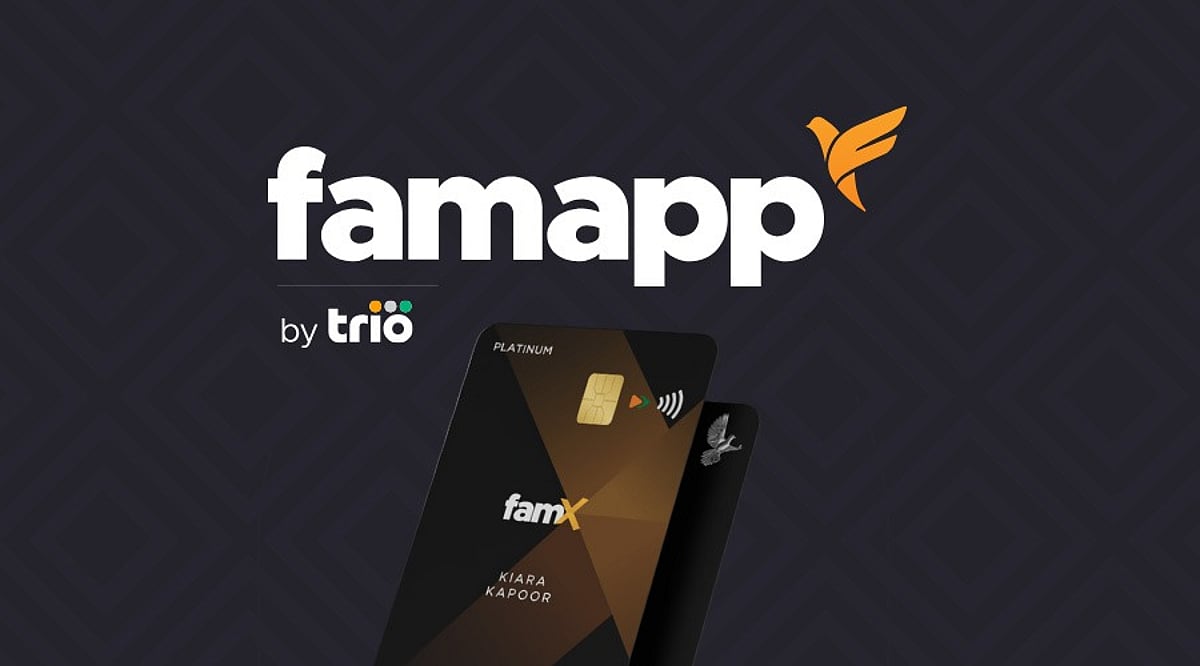
    FamApp is a distinctive fintech mobile application that combines UPI payment, prepaid card services, and money management into a single platform. It enables users to handle their finances quickly and easily through transactions, payments, rewards, and expense management. The app focuses on delivering fast, efficient, and user-friendly payment services alongside comprehensive financial tools. Key benefits include digital payments, cashback rewards, and streamlined money management.

    General Information

    • Founded in: 2019
    • Platform Support: Android, iOS
    • Download: Click Here

    Main Features of FamApp

    • Safe UPI Transactions: Send money, pay merchants, recharge SIMs, and pay utility bills directly through the app.
    • Prepaid Card Services: Set spending limits, track expenses, and maintain a full transaction history for better financial control.
    • Cashbacks and Rewards: Earn incentives, cashback, and exclusive discounts from partner merchants on everyday digital transactions.
    • QR Code & Instant Transfers: Support for QR code payments, bank account linking, and instant peer-to-peer money transfers.
    • Integrated Finance Hub: All-in-one app combining digital payments, prepaid cards, transaction analysis, and reward programs.

    Benefits of FamApp

    • Seamless Transactions: Unified UPI, prepaid card, and digital wallet features streamline all payments.
    • Savings & Rewards: Cashback, reward programs, and merchant discounts help users save money effortlessly.
    • Secure Payments: A robust security framework ensures hassle-free and protected transactions.
    • User-Friendly Interface: Intuitive design makes it easy to transfer money, monitor expenses, pay bills, and use prepaid cards.
    • All-in-One Financial Tool: Combines digital payments, expense tracking, and reward schemes in a single app.

    Challenges of FamApp

    • Limited Rewards: Cashback and promotions may be restricted to specific merchants and campaigns.
    • Verification Required: Access to certain financial services depends on successful identity verification and regulatory compliance.
    • Potential Delays: UPI and transaction processing may occasionally slow during peak periods due to banking partner network issues.
    • Regional Availability: Some services, prepaid card features, and promotional offers vary by location.
    • Financial Discipline: Although secure, users should maintain good financial practices and always verify transactions.

    Subscription Information

    FamApp by Trio is a free download. Basic UPI transactions and financial services are available at no cost, while premium services may be offered based on eligibility and availability.

    Support Options

    • Help Center & Learning Resources: FAQs, payment guides, UPI support articles, security resources, blog posts, product updates, documentation, and knowledge base.
    • Customer Support: Email support, customer care, payment and account support, in-app Help Center, technical assistance, and documentation.

    Conclusion

    FamApp is an integrated digital payment platform that brings together UPI transfers, prepaid cards, reward systems, and expense management. With its convenient interface, secure payment system, and comprehensive financial products, it is well-suited for daily digital payment needs. However, users should note that certain offers and services depend on eligibility and banking partnerships.

  • India Proposes MDR on UPI Transactions Above Rs 2,000: What It Means for Users

    India Proposes MDR on UPI Transactions Above Rs 2,000: What It Means for Users

    India’s Unified Payments Interface (UPI) has transformed digital payments by offering free transactions, but it could soon see a major policy shift. The central government has proposed amendments to the Payment and Settlement Systems Act, 2007, allowing banks and payment service providers to charge a Merchant Discount Rate (MDR) on select UPI transactions in the future.

    The final decision is pending, but the proposal suggests an MDR of 0.25% to 0.4% for merchant UPI transactions above Rs 2,000, while person-to-person (P2P) transfers would remain free. Government officials have not set a timeline for implementation.

    Impact on High-Value Transactions

    MDR is a fee merchants pay to banks and payment service providers for processing digital payments. Unlike UPI, credit and debit card payments already include MDR, typically borne by the merchant rather than the customer.

    According to official estimates, only 5% of all UPI transactions exceed the proposed Rs 2,000 threshold. However, these high-value transactions account for nearly 65% of total transaction value, presenting a significant revenue opportunity for the payments ecosystem.

    UPI continues to grow rapidly, facilitating approximately 23.7 billion transactions worth Rs 29.9 lakh crore, cementing its status as one of the world’s largest real-time payment networks.

    An official explained the limited consumer impact: “Even if implemented, 95% of transactions will not face the merchant discount rate. Besides, not all businesses will pass on the fees, which will be a small amount.”

    Long-Term Industry Prospects

    Industry executives believe allowing a limited MDR on high-value merchant transactions could create a more sustainable business model for payment companies. Since UPI currently generates little direct transaction revenue, banks and payment providers argue that additional income would fund technology upgrades, improve payment infrastructure, and support future innovation.

    According to Jefferies’ analysis, merchant UPI transactions above Rs 2,000 represent roughly 67% of merchant payment value despite accounting for only about 4% of transaction volume. The brokerage estimates that introducing MDR for this segment could generate Rs 5,000 crore to Rs 10,000 crore in annual revenue for the digital payments industry, potentially benefiting companies like Paytm and Pine Labs.

    Industry sources expect the government to introduce a cap on the maximum fee charged. As one source noted, “Unlike credit cards, there is no funding cost involved, so it makes sense to have a ceiling once the costs are covered.”

    For now, the proposed amendment only creates the legal framework to enable MDR. The government has not confirmed whether merchant charges will be introduced, what the final rates will be, or when such a policy could take effect. Until then, UPI transactions remain free under the existing system.

  • Moneyview Review: All-in-One Financial App for Loans, UPI, Credit Tracking & Investments

    Moneyview Review: All-in-One Financial App for Loans, UPI, Credit Tracking & Investments

    Overview

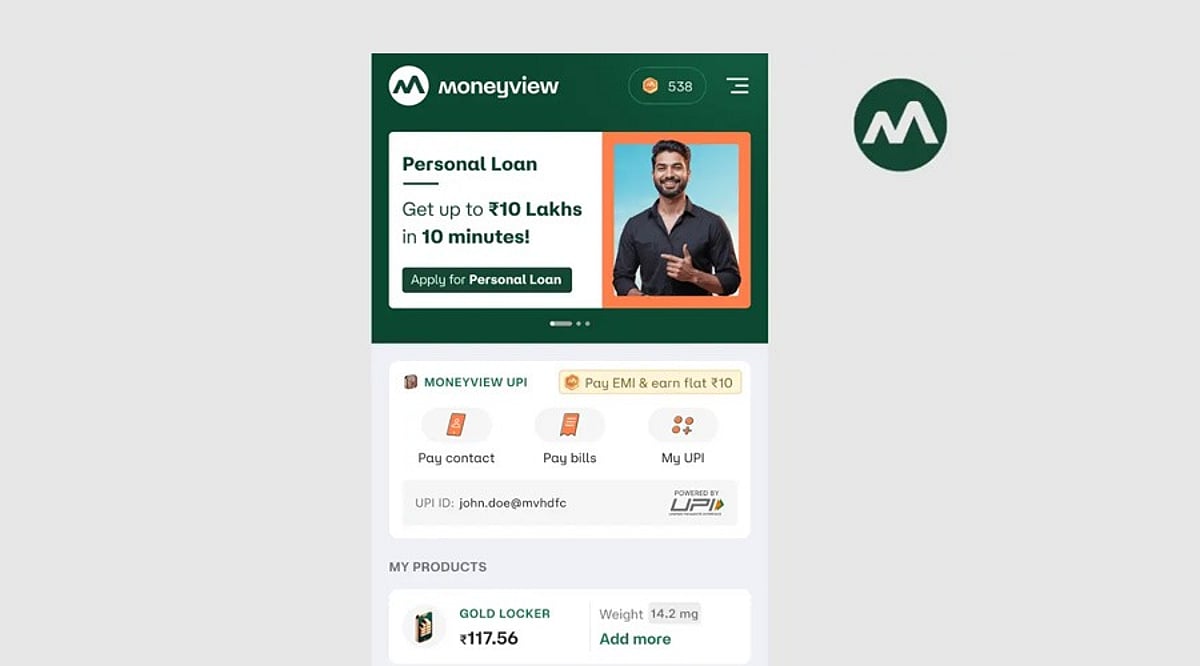
    Moneyview is a comprehensive financial services portal that allows users to manage loans, track credit scores, make UPI payments, open fixed deposits, invest in gold, and obtain insurance — all from a single mobile application. By leveraging AI-powered credit scoring, quick loan approvals, secure digital payments, and investment tools, it simplifies personal finance management.

    General Information

    • Founded: 2014
    • Platform Support: Web, Android, iOS
    • Download: Available on official app stores

    Key Features

    • Instant digital loans for individuals, businesses, and domestic needs.
    • AI-driven credit tracker providing free credit score reports.
    • Moneyview UPI with 256-bit encryption and ISO 27001:2022 certification.
    • All-in-one platform for gold investments, fixed deposits, insurance, and credit cards.

    Benefits

    • Integrated financial management for better control over money.
    • Quick loan approvals with minimal documentation.
    • Free credit score monitoring to aid financial planning.
    • Secure digital payments and investments through reliable instruments.
    • Savings, insurance, and loans accessible within a single app.

    Challenges

    • Loan eligibility depends on creditworthiness and partner lender policies.
    • Interest rates and terms vary based on customer profile.
    • Some financial products are limited to specific geographic regions.
    • Special bank accounts require additional verification.
    • Investment returns and insurance benefits are subject to partner terms.

    Subscription Information

    Moneyview is free to download and use for basic services like credit management, UPI payments, and EMI calculators. Financial products such as personal loans, home loans, business loans, credit cards, fixed deposits, car insurance, and gold investments come with varying eligibility criteria, partner terms, interest rates, and charges.

    Support Options

    • Help Center & Learning Resources: FAQs, loan guides, EMI calculators, security resources, product information, grievance redressal, and financial education materials.
    • Customer Support: Email, phone assistance, customer care, grievance redressal, and partner support for financial products.

    Conclusion

    Moneyview is a versatile digital banking platform that combines lending, savings, investments, insurance, and credit monitoring. Its AI-powered convenience, robust security, and diverse product range make it a strong choice for managing personal finances. Users seeking highly specialized banking services or global banking may want to explore alternative platforms.

  • How Sameer Nigam Built PhonePe Into India’s Digital Finance Powerhouse

    How Sameer Nigam Built PhonePe Into India’s Digital Finance Powerhouse

    As India surged ahead in adopting digital payments at an unprecedented scale, a handful of entrepreneurs worked quietly behind the scenes to drive that transformation. One key figure is Sameer Nigam, founder and CEO of PhonePe, who turned a fledgling idea into one of the nation’s biggest fintech success stories.

    From a simple payment app to a comprehensive digital solution for millions of Indian consumers, PhonePe’s evolution reflects Nigam’s unwavering vision. His journey from engineer to entrepreneur is a blend of technical expertise and business acumen. With a computer science degree from the University of Mumbai and the University of Arizona, plus an MBA from Wharton, Nigam honed his skills at Shopzilla in the US before co-founding Mime360, a digital content distribution company later acquired by Flipkart. That acquisition introduced him to India’s booming e-commerce scene, where he held leadership roles in engineering and marketing.

    During those years, as India underwent digital transformation, Nigam spotted a critical gap in payment systems. In 2015, he co-founded PhonePe with Rahul Chari and Burzin Engineer. At a time when the Unified Payments Interface (UPI) was still nascent, the founders bet on its future rather than building a digital wallet. That bet paid off spectacularly. The 2016 demonetization campaign accelerated India’s shift to digital payments, and PhonePe surged ahead with its intuitive interface, fast bank integration, and easy onboarding for first-time digital users.

    Today, PhonePe is far more than a payments app. It offers insurance, mutual funds, lending, stock investments, merchant solutions, and app discovery. Nigam’s leadership philosophy centers on trust. Instead of aggressive marketing, he focused on building reliable technology capable of handling massive transaction volumes without hiccups. This engineering-first approach helped PhonePe thrive within India’s rapidly evolving digital payment ecosystem.

    Nigam also understood India’s diverse consumer base. By simplifying services and offering them in multiple languages, PhonePe reached users in metropolitan, suburban, and rural areas. For many Indians, the app was their first experience with digital financial services.

    Beyond payments, Nigam envisioned a complete digital ecosystem. Under his guidance, PhonePe expanded into wealth management, insurance distribution, lending, and merchant services. The launch of the Indus Appstore marked its entry into digital commerce, signaling ambitions far beyond fintech. This diversification is central to Nigam’s strategy of building a multi-product platform.

    Colleagues describe Nigam as a leader who prioritizes product-centricity and experimentation. His engineering mindset fosters a culture of innovation. Rather than chasing media hype, he lets the company’s products and performance speak for themselves, earning him recognition as a key fintech opinion-maker in India.

    As India moves deeper into the digital era, Nigam’s influence extends beyond PhonePe’s growth metrics. He has made digital payments a routine practice for small businesses and consumers alike. The future of India’s fintech industry may involve artificial intelligence, embedded finance, digital commerce, and greater financial accessibility. Given PhonePe’s trajectory, Nigam intends to be at the forefront of that evolution.

    This is not just an entrepreneurial success story; it is a story of reshaping an entire nation’s relationship with finance. Sameer Nigam has cemented his place as one of the architects of India’s digital financial revolution.

  • India’s Top 10 Fintech Companies Driving Financial Inclusion in 2026

    India’s Top 10 Fintech Companies Driving Financial Inclusion in 2026

    India’s fintech revolution has transformed digital finance through UPI, AI, and mobile-first innovation. From payments and investing to insurance and lending, the country’s top 10 fintech companies are driving financial inclusion, serving millions of users, and reshaping the future of banking.

    Overview

    India processes over 13 billion UPI transactions monthly, with the fintech market expected to exceed $150 billion by 2025, highlighting its rapid digital finance growth. The top 10 fintech firms lead payments, investing, insurance, and lending, serving millions of users while reshaping India’s financial ecosystem. AI, UPI, Aadhaar, and the Account Aggregator framework power these platforms, enabling faster services, smarter lending, and greater financial inclusion across India.

    The Leaders Redefining India’s Financial Landscape

    PhonePe

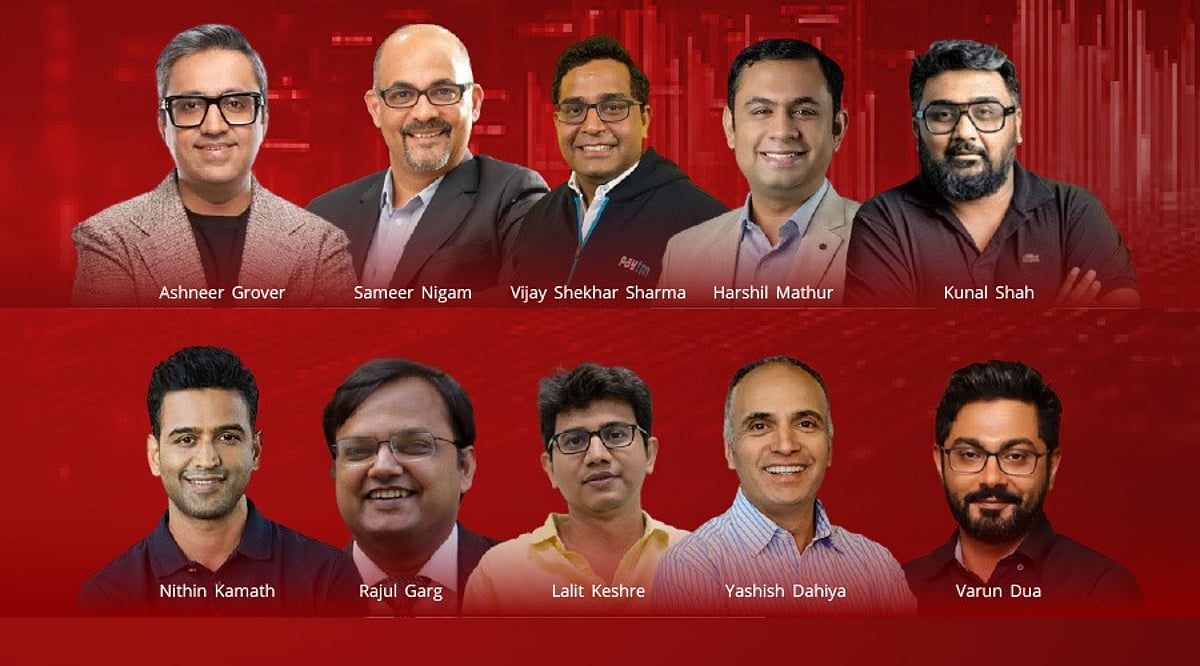
    PhonePe stands as India’s largest digital payments platform. Founded in 2015 by Sameer Nigam, Rahul Chari, and Burzin Engineer, it commands the UPI ecosystem with over 600 million registered users. The company’s revenue crossed ₹5,000 crore in FY24. Its platform spans payments, insurance, digital gold, and mutual funds. An IPO targeting a valuation between $9 billion and $10.5 billion remains on the horizon.

    Paytm

    Vijay Shekhar Sharma founded Paytm in 2000, making it one of India’s oldest fintech institutions. It began as a mobile recharge tool and expanded into wallets, merchant payments, lending, and wealth management. Annual revenues hover above ₹7,000 crore. Despite regulatory headwinds in recent years, Paytm holds a deep merchant network that keeps it embedded in India’s payment infrastructure.

    Razorpay

    Harshil Mathur and Shashank Kumar launched Razorpay in 2014 to solve a clear gap: businesses needed a reliable, developer-friendly payment gateway. The company now processes over $150 billion in annual payment volume and carries a valuation of approximately $7.5 billion. Its product suite covers payment gateways, business banking, payroll automation, and lending products used by thousands of Indian startups and enterprises.

    CRED

    Kunal Shah founded CRED in 2018 around a single insight: financially responsible people deserved better rewards. The platform targets high-credit-score users, offering reward points for credit card bill payments and expanding into personal loans, rent payments, and vehicle services. CRED’s valuation stands at around $6.4 billion, with estimated revenues crossing ₹2,000 crore in FY24.

    Zerodha

    Nithin Kamath and Nikhil Kamath built Zerodha in 2010 to lower the cost of investing. Discount brokerage and a clean trading interface on the Kite platform democratized equity markets for millions of retail investors. Revenue crossed ₹6,000 crore, and the company’s valuation sits between $3 billion and $4 billion. Zerodha remains profitable without external funding, which sets it apart in a sector that often burns capital for growth.

    Groww

    Lalit Keshre, Harsh Jain, Neeraj Singh, and Ishan Bansal founded Groww in 2016 to make investing simple for first-time users. The platform covers mutual funds, stocks, ETFs, IPOs, and fixed deposits under one roof. Its clean design and financial literacy focus helped it attract millions of young investors. Groww became a unicorn and continues expanding its wealth-tech offerings across India.

    Pine Labs

    Pine Labs traces its roots to 1998, making it one of the sector’s most seasoned players. Founded by Rajul Garg, the company built a merchant payment ecosystem spanning over one million touchpoints. Its POS machines and digital finance products serve retail chains and small merchants alike. Valuations range between $5 billion and $6 billion. Pine Labs bridges the offline and online commerce divide at meaningful scale.

    PB Fintech

    Yashish Dahiya founded PB Fintech in 2008, and it operates two major platforms: Policybazaar and Paisabazaar. Policybazaar became India’s largest online insurance marketplace, while Paisabazaar helps consumers compare loans and credit products. The company reported revenue growth of 33% year-on-year in recent results. Its market capitalization ranges between $4 billion and $5 billion.

    BharatPe

    Ashneer Grover and Shashvat Nakrani launched BharatPe in 2018 to serve a neglected segment: small merchants. The company introduced zero-fee UPI QR codes for shopkeepers and followed up with merchant loans and POS solutions. Its revenue surpassed ₹1,000 crore, and its merchant network now covers millions of micro and small retailers. BharatPe remains central to financial access for India’s informal business sector.

    ACKO

    Varun Dua founded ACKO in 2016 to reinvent insurance distribution. Traditional agents and lengthy paperwork gave way to a mobile-first platform where users buy, renew, and claim policies entirely online. ACKO offers motor, health, and travel insurance with faster claim settlements. Its digital-first model has attracted a growing customer base, and the company stands among India’s most prominent insurtech names.

    What These Leaders Share

    Several common threads run through all ten companies on this list: each built its product around mobile-first access, reaching users traditional banks could not. All ten leverage UPI, Aadhaar, or the Account Aggregator framework as foundational infrastructure. AI now powers credit scoring, fraud detection, and customer support across most platforms. Financial inclusion remains a stated goal, whether the customer is a salaried professional or a street-side vendor.

    Final Words

    India’s top fintech leaders did not simply build successful businesses. They rewired how a nation of 1.4 billion people manages money. Each company on this list solved a specific friction point, whether that was payment acceptance for merchants, affordable brokerage for retail investors, or instant insurance for urban professionals. The result is a financial ecosystem that is faster, cheaper, and more accessible than it was even five years ago. The next phase will demand more: regulatory clarity, sustainable unit economics, and deeper penetration into rural markets. The foundations, however, are already strong. India’s fintech sector enters the second half of this decade not as a promising experiment but as a proven engine of economic transformation. The names above have earned their place at the forefront. Now comes the harder task of staying there.

  • India’s Fintech Revolution: Unlocking a Trillion-Dollar Market Opportunity

    India’s Fintech Revolution: Unlocking a Trillion-Dollar Market Opportunity

    India’s financial landscape has undergone a remarkable transformation over the past decade. What began as a push toward digital payments has evolved into a thriving fintech ecosystem that is reshaping how millions save, borrow, invest, and transact daily.

    Traditional banking with its long, tedious paper forms has given way to financial services accessible at the tap of a smartphone. The country’s robust digital public infrastructure, expanding internet access, and a young, tech-savvy population have created fertile ground for fintech innovation.

    Today, India boasts one of the world’s largest digital payment ecosystems, alongside a growing network of startups building tools for lending, insurance, wealth management, and embedded finance. With artificial intelligence (AI) emerging as a new layer of innovation, many industry experts believe India’s fintech sector is entering its next growth phase — one that could eventually make it one of the country’s trillion-dollar industries.

    UPI Became a Game Changer

    The launch of the Unified Payments Interface (UPI) in 2016, created by the National Payments Corporation of India (NPCI), gave a huge boost to the fintech revolution. UPI enables instant payments from one bank account to another via mobile phones.

    Consumer behavior shifted dramatically. QR codes are now ubiquitous across the country — from roadside tea stalls and vegetable vendors to shopping malls and multinational corporations. Digital payments are no longer confined to urban users; they have become accessible in smaller towns and rural areas.

    The success of UPI opened the door for further fintech innovations. Startups began crafting offerings for lending, saving, investing, and insurance based on users’ digital payment histories.

    Booming Fintech Ecosystem

    India’s fintech applications extend far beyond payments. Fintech startups now operate across digital lending, wealth management, insurtech, personal finance, embedded banking, and cross-border payments.

    The large number of unbanked individuals and micro, small, and medium enterprises (MSMEs) has created immense opportunities for fintech companies to fill gaps left by traditional banking. These startups help individuals access banking services through alternative credit scoring, paperless onboarding, and quick loan approvals — even for those with low or no credit ratings.

    Digital lending has become a reliable source of working capital for small enterprises. Meanwhile, investment fintech platforms have opened up mutual funds, shares, and government securities to novice investors.

    AI Powering the Next Wave of Innovation

    Artificial intelligence is emerging as the backbone of fintech innovation. Organizations are using AI algorithms to detect fraud, automate customer service, and improve credit underwriting.

    Banks and fintech companies leverage AI to enhance compliance processes, monitor suspicious transactions, and reduce operational expenses. Loan approvals are faster, and risk assessment improves through the use of alternative data sources.

    As digital transactions increase, AI will be crucial for handling larger volumes securely and conveniently.

    Why Investors Remain Optimistic

    While global venture capital investment has experienced ups and downs, India continues to attract strong investment in fintech. This is not due to cyclical trends but to structural factors.

    The country’s growing digital economy, widespread smartphone usage, supportive government policies, increased internet penetration, and the world’s largest real-time payment system collectively create a solid foundation for future growth. Financial inclusion presents significant opportunities, as many Indians enter the formal financial system for the first time.

    Challenges on the Road Ahead

    Rapid growth is not without risks. Cybersecurity threats, digital fraud, and data privacy concerns have heightened focus on consumer safety. Regulations from the Reserve Bank of India are tightening, especially regarding digital lending and payment processes.

    Profitability remains an issue for many fintech companies operating with zero-cost or heavily subsidized products. Ultimately, consumer trust will be the deciding factor.

    The Trillion-Dollar Opportunity

    India’s fintech evolution extends beyond replacing cash with digital payments. It involves building a complete financial ecosystem where payment systems, lending services, investment platforms, insurance schemes, and commerce increasingly integrate across digital platforms.

    The coming decade will see increased partnerships among banks, fintech companies, regulators, and technology providers. Artificial intelligence, digital public infrastructure, and supportive policies will play pivotal roles in accelerating this process.

    Given the current momentum, India’s fintech sector could become one of the most notable success stories of the Indian economy — contributing to financial inclusion, capital generation, and the transformation of banking for over a billion people.

  • How Digital Payments Are Revolutionizing Small Business Growth Beyond Lending

    How Digital Payments Are Revolutionizing Small Business Growth Beyond Lending

    Digital payments have evolved far beyond simple transaction processing. Today, they serve as a powerful engine for small businesses, enabling them to streamline operations, attract a broader customer base, and accelerate growth.

    In India, systems like UPI and Aadhaar-enabled banking now power a significant share of MSME payments. These technologies make transactions faster and more secure, while reducing the reliance on cash.

    Faster digital checkouts cut down waiting times, eliminate the need for cash handling, and automatically record every transaction for easier accounting. This operational efficiency allows business owners to focus more on strategy and less on manual tasks.

    Every digital payment generates valuable data. Business owners can track customer trends, identify peak sales hours, and manage inventory more effectively, leading to smarter, data-driven decisions.

    Accepting digital payments also opens doors to online shoppers, delivery platforms, and customers outside the local area. This expanded reach helps small businesses compete in a larger marketplace.

    Security is another key benefit. AI-powered fraud detection, real-time monitoring, and secure payment systems protect businesses and build trust with customers. Embedded payments within apps, POS systems, and digital platforms simplify checkout and improve cash flow through faster settlements.

    Beyond immediate transactions, digital payments support long-term business growth. Better recordkeeping, improved tax planning, customer rewards programs, and easier access to future credit are all made possible by a robust digital payment infrastructure.

    However, challenges remain. Cybersecurity threats, transaction fees, system outages, staff training requirements, and protecting customer data are ongoing concerns that small businesses must navigate.