Tag: wearable technology

  • Huawei Watch D3 vs Samsung Galaxy Watch9: Which Smartwatch Delivers Better Health Tracking in 2026?

    Huawei Watch D3 vs Samsung Galaxy Watch9: Which Smartwatch Delivers Better Health Tracking in 2026?

    Smartwatches have evolved far beyond step counting and notifications. Today, a wearable health tracker is expected to flag irregular heart rhythms, monitor blood pressure, and support long-term wellness goals. Two devices leading this shift in 2026 are the Huawei Watch D3 and the Samsung Galaxy Watch9, each built with a distinct philosophy toward health monitoring.

    The Huawei Watch D3 takes a clinical approach, centered around genuine cuff-based blood pressure readings. The Samsung Galaxy Watch9, meanwhile, blends everyday smartwatch convenience with an expanding suite of optical health metrics. This comparison breaks down their sensors, specifications, and health capabilities to help buyers decide which wearable health tracker suits their needs.

    Design and Display

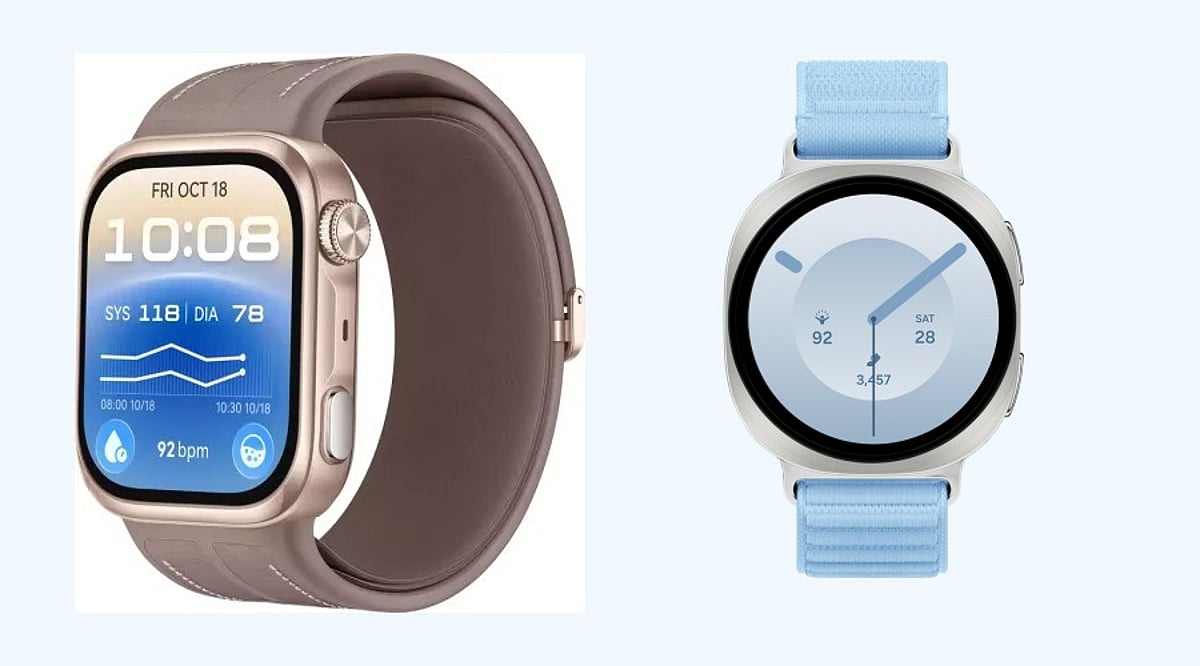
    The Huawei Watch D3 measures 46.5 x 41 x 11.3mm and weighs only 40 grams — remarkably light for a watch carrying a mechanical airbag inside its strap. Its 1.92-inch LTPO AMOLED display reaches 3,000 nits at peak brightness.

    The Samsung Galaxy Watch9 comes in two sizes, 40mm and 44mm, both using Super AMOLED panels protected by sapphire glass. Brightness also reaches 3,000 nits, giving strong outdoor visibility. Build quality feels premium on both: Huawei uses aluminium alloy, while Samsung uses brushed aluminium. Neither offers a titanium option this generation.

    Health Sensors Compared

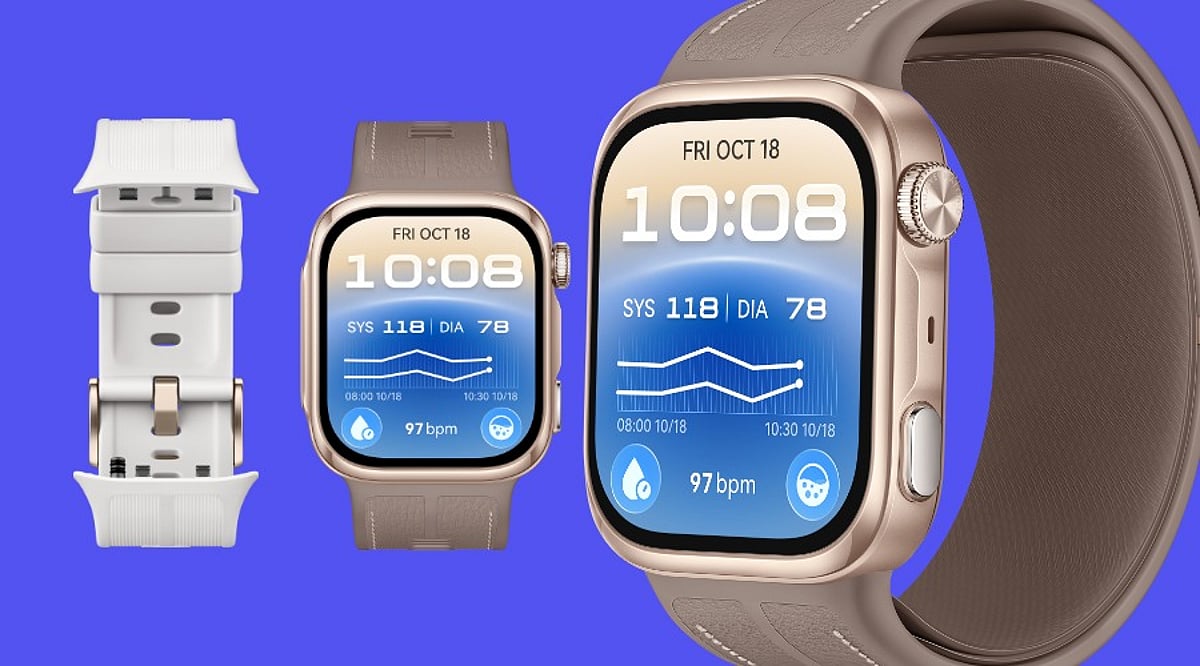
    Sensor choices reveal the biggest gap between these two smartwatches. The Huawei Watch D3 combines a nine-axis IMU, ECG sensor, temperature sensor, and barometer. Its most distinctive component is a differential pressure sensor tied to a physical airbag that inflates around the wrist, briefly restricting blood flow — a mechanical method mirroring clinical upper arm monitors.

    The Samsung Galaxy Watch9 instead relies on its upgraded BioActive sensor, merging optical heart rate tracking, electrocardiography, and bioelectrical impedance analysis. A skin temperature sensor and ambient light sensor round out the package. Samsung also introduced an Antioxidant Index, measuring carotenoid levels through the fingertip using multi-wavelength light.

    Blood Pressure Monitoring

    This is where the two watches truly part ways. Huawei’s cuff-based system holds CE MDR certification in Europe and NMPA approval from Chinese regulators — a strong clinical signal. The Watch D3 performs ambulatory blood pressure monitoring across a full day, automatically taking up to 20 daytime readings and seven overnight readings. A dedicated exercise mode checks blood pressure within two minutes post-workout.

    Samsung’s approach is lighter: the Galaxy Watch9 offers a blood pressure trend feature through Samsung Health but still needs periodic calibration against a traditional cuff for meaningful accuracy. In short, Huawei treats blood pressure as its central purpose; Samsung treats it as one wellness metric among many. Buyers managing hypertension will likely notice this difference quickly.

    Heart, Sleep, and Recovery Tracking

    Both smartwatches handle cardiovascular monitoring seriously. Huawei adds atrial fibrillation alerts through its PPG sensor, beat-by-beat ECG readings, and arterial stiffness detection. Its Health Glance feature checks 11 biometric indicators within about a minute — a single-tap convenience for a quick daily snapshot.

    Samsung leans harder into structured fitness coaching. The Galaxy Watch9 includes a Heart Health Score, Daily Cardio Load metric, and FDA-cleared sleep apnea detection that adds real medical weight to its sleep tracking. Advanced sleep coaching and a three- to five-week Running Coach program target active users, making the Galaxy Watch better suited to structured training routines.

    Performance and Battery Life

    The Galaxy Watch9 runs Wear OS 7 with One UI 9 Watch software on a Snapdragon SW6100 Wear Elite chipset (3nm process). Battery capacity sits at 390mAh (40mm) or 445mAh (44mm). Samsung rates both for up to 30 hours with always-on display, meaning daily charging remains part of the routine. Fast wireless charging helps offset this shorter runtime.

    The Huawei Watch D3 runs HarmonyOS instead of Wear OS. Its 540mAh battery delivers up to six days under typical use, with a 75-minute fast charge keeping downtime minimal.

    Price and Value

    The Huawei Watch D3 launched at £399.99 in the UK (approx €449 in Europe), reflecting its medical-grade hardware and certification — positioning it closer to a diagnostic tool than a lifestyle gadget. The Samsung Galaxy Watch9 starts at USD 379.99 (40mm Bluetooth) and rises to USD 459.99 (44mm LTE), placing it firmly within mainstream smartwatch territory.

    Final Words

    Choosing between these two wearables comes down to personal priorities. Anyone managing blood pressure concerns will benefit from Huawei’s clinical accuracy, certification, and ambulatory monitoring. The Samsung Galaxy Watch9 suits those wanting an all-round smartwatch experience with Google integration, plus unique features like the Antioxidant Index and sleep apnea detection. Neither watch is objectively better across every category — both represent thoughtful, well-researched approaches to modern health tracking. The right pick simply depends on what health priority matters most.
  • How Meta, Google, and Qualcomm Are Driving the Next Wave of AI Smart Glasses

    How Meta, Google, and Qualcomm Are Driving the Next Wave of AI Smart Glasses

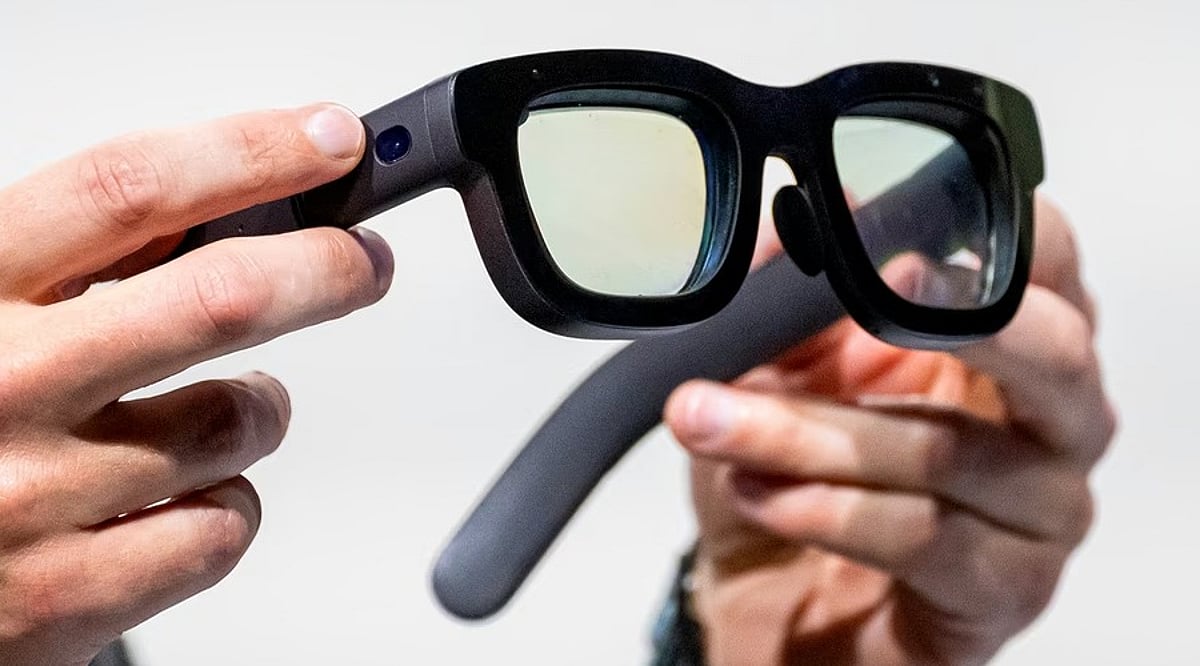
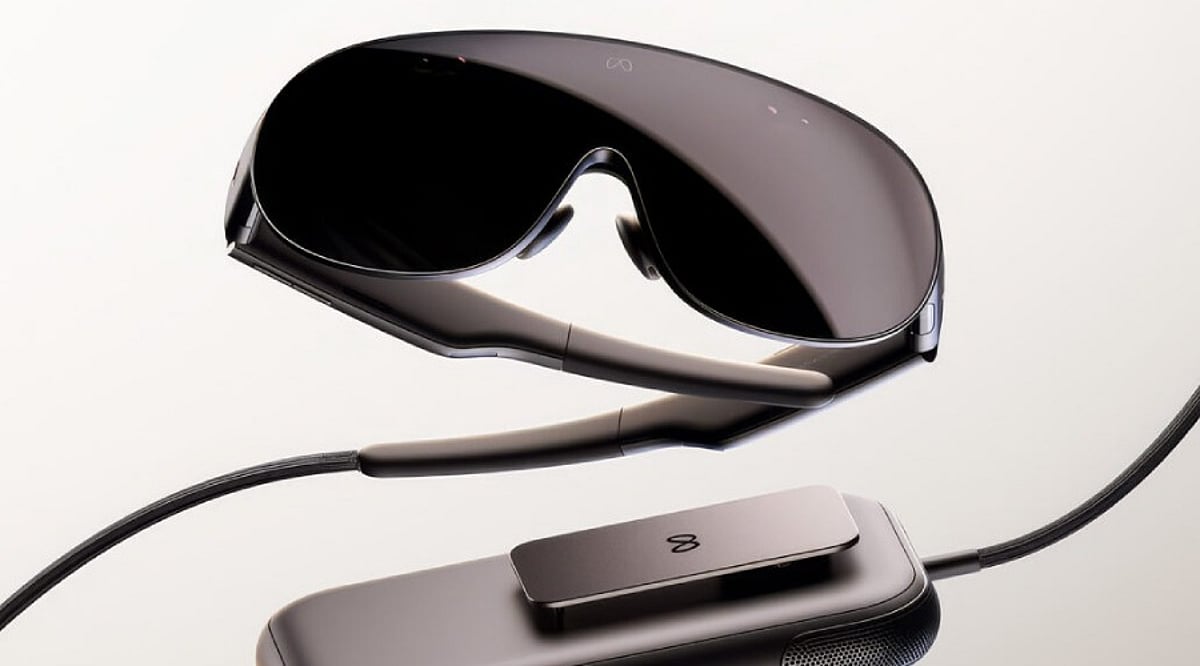
    Meta, Google, and Qualcomm are pushing smart glasses into a new phase, moving beyond basic audio features to integrate AI, cameras, displays, and phone-like capabilities. On September 23, Meta unveiled its advanced VR device in the form of smart glasses, while also launching a camera-free VR glasses model. That same evening, Google partnered with Qualcomm to announce its first Gemini glasses at a Qualcomm event. These moves signal a clear trend: the wearable industry is shifting toward smart glasses that listen, talk, and even provide a screen when needed.

    New Models and Pricing

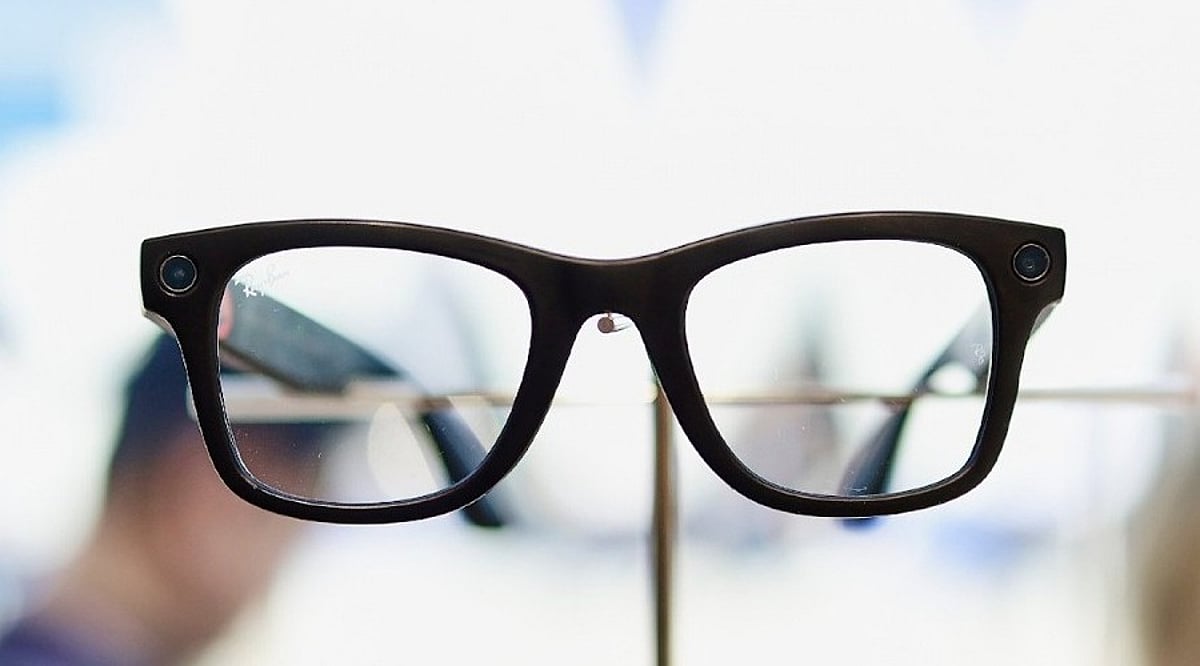
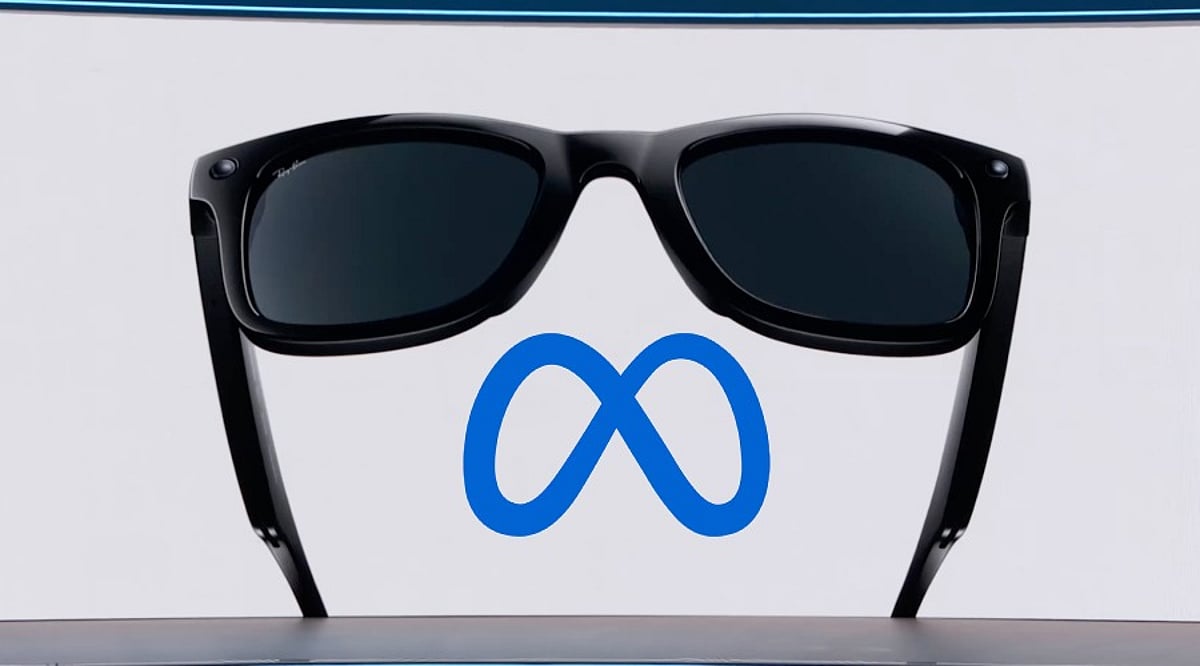
    Meta’s VR Glasses are priced at approximately ₹1.24 lakh in India and weigh around 100 grams. They rely on a separate pocket device for key hardware and are expected to arrive in spring 2027. Meanwhile, the Ray-Ban Meta Gen 3 will be available for roughly ₹44,300 in India and will feature a 12MP camera, longer battery life, and a dedicated button for Meta AI.

    Market Shift Toward Glasses

    According to the latest statistics, glasses accounted for 84.6% of total XR device shipments in 2026, with headsets making up only 15.4%. The bigger change is not merely making VR hardware lighter; it is about giving people a new way to use AI without reaching for a phone. Current smart glasses already handle calls, music, and voice queries, but newer models are expected to go further—providing directions, translating conversations, or answering questions about objects in the user’s field of view.

    A New AI Interface Takes Shape

    The core idea is simple: instead of pulling out a phone, users can ask their glasses for help, making AI feel more natural in daily tasks. Meta has announced that its Ray-Ban, Oakley, and Meta glasses range will exceed 100 styles by the end of 2026, demonstrating the company’s rapid expansion in the wearable lineup. Meta, Google, and Qualcomm are building toward a future where glasses become a regular AI tool. While phones may still handle the heavy lifting, glasses could become the easier, more intuitive way to access AI.

  • Meta Ray-Ban Audio Launches at $349: Camera-Free AI Glasses Prioritize Privacy and Audio

    Meta Ray-Ban Audio Launches at $349: Camera-Free AI Glasses Prioritize Privacy and Audio

    Meta has introduced the Ray-Ban Meta Audio, its first camera-free AI glasses, priced at USD 349. The device was unveiled at Meta Connect 2026 on September 23, addressing growing privacy concerns around wearable cameras. Instead of capturing images, these glasses focus on audio, calls, and Meta AI assistance.

    Developed in partnership with EssilorLuxottica, the Ray-Ban Meta Audio glasses weigh just 43 grams and offer up to 12 hours of battery life on a single charge. The included charging case extends total usage by an additional 48 hours. Users can listen to music, podcasts, make calls, and engage in hands-free conversations with Meta AI.

    Meta also brings its Muse personal AI agent to the new glasses. Muse can answer questions and help with everyday tasks, providing AI assistance without a camera. The glasses come in Clubmaster and Burbank designs, with 23 color and lens combinations. Both styles support a wide range of prescription options, giving the camera-free AI glasses a conventional eyewear appearance.

    Privacy is central to the product’s positioning, as camera-equipped smart glasses face increasing scrutiny. Critics have raised concerns about recording people without clear consent. Meta’s vice president of AI product, Vishal Shah, emphasized the importance of the recording indicator light, which signals when cameras are active. Removing the camera eliminates photo and video capture, though microphones remain, keeping audio recording and consent considerations relevant.

    Meta continues to offer camera-equipped smart glasses. The company also launched the Ray-Ban Meta Gen 3, which features a 12MP camera and 3K Ultra HD video, starting at USD 449 with up to nine hours of battery life. The two models expand Meta’s smart glasses lineup into distinct use cases: Ray-Ban Meta Audio prioritizes audio and AI, while Gen 3 retains photography and video features. The camera-free model offers a privacy-focused direction for wearable AI.

    Pre-orders for the Ray-Ban Meta Audio began September 23, with shipping starting October 13, 2026.

  • Meta Connect 2026: Seven New AI Devices Aim to Make AI Ubiquitous in Daily Life

    Meta Connect 2026: Seven New AI Devices Aim to Make AI Ubiquitous in Daily Life

    Meta Connect 2026: A New Era of Wearable AI

    Meta Connect 2026 showcased the company’s ambitious vision to integrate artificial intelligence into everyday life beyond traditional screens. The event, held on September 23-24 at Meta’s headquarters, introduced seven new products that span smart glasses, AI assistants, and wearable technology.

    The Seven New Devices

    • Strapless Meta VR Glasses: A new design for virtual reality without traditional straps.
    • Ray-Ban Meta Audio: Camera-free audio glasses weighing 43 grams with up to 12 hours of use, starting at $349.
    • Ray-Ban Meta Gen 3: Refreshed smart glasses with a 12MP camera, 3K video recording, and nine-hour battery life, priced at $449.
    • Meta Adventurer: A budget-friendly option starting at $249.
    • Expanded Meta Ray-Ban Display: An updated version of the display glasses.
    • Muse AI: Glasses-bound AI assistant.
    • Muse Charm: A pocket-sized AI companion.

    Pricing for the lineup ranges from $249 to $1,299, making AI accessible to a broader audience.

    Meta’s AI Strategy: Ubiquity and Accessibility

    Meta emphasized that its Ray-Ban, Oakley, and Meta Glasses range will surpass 100 styles by the end of 2026. The company is expanding into new markets and offering lower-priced options like the Meta Adventurer. The goal is to have AI accompany users throughout their day, whether through glasses, phones, or small devices.

    With these launches, Meta is not focusing on a single high-end device but diversifying its lineup to cater to different needs and budgets. The company’s vision positions smart glasses as the next-generation computing platform.

    Meta Connect 2026 points to a simple goal: Meta wants its AI to stay with users throughout the day. Glasses, phones, and small devices can each become another way to reach the same AI service.

  • Apple Explores Screenless Fitness Band as Potential Whoop Rival

    Apple Explores Screenless Fitness Band as Potential Whoop Rival

    Apple is reportedly working on a screenless fitness band that could directly compete with Whoop in the health wearable market. According to Bloomberg, the company has tested prototypes in California after exploring the category for several months.

    Early-Stage Development

    The device is described as a thin fabric strap with a compact computing module that contains multiple health sensors. Apple has not yet decided whether the product will reach consumers. The project is still in an internal phase referred to as a “technology investigation,” and even if approved, a commercial launch could be delayed until 2028 or later.

    Health-First Design Without a Display

    Unlike the Apple Watch, the reported band would omit a screen entirely. Instead, its design would prioritize health tracking over apps, alerts, and music controls. Sensors would continuously collect biometric data, while connected devices would handle most user interactions.

    Apple executive chairman Tim Cook and services chief Eddy Cue are said to support the initiative. Engineers from Apple’s Vision hardware group have also contributed to prototype development. Apple declined to comment on the project or its launch plans.

    Expanding Apple’s Wearable Health Strategy

    A screenless tracker would put Apple in closer competition with Whoop, Oura, Garmin, and Google’s Fitbit Air. These products appeal to consumers who want continuous health monitoring without another bright display on their wrist.

    Apple has already added health-focused features to its latest Apple Watch lineup, including readiness information, advanced heart tracking, and biological age estimates. A screenless band could extend these capabilities to people who avoid traditional smartwatches.

    The device could also complement the Apple Watch rather than replace it. A display-free tracker may attract athletes, wellness-focused users, and those who prefer mechanical watches.

    Market Reaction and Outlook

    Apple’s reported interest had an immediate market impact. Garmin shares reportedly fell as much as 2.5% after the news surfaced, while Apple shares gained roughly 1% during the same period.

    Apple has not confirmed the product, so final features and release timing remain uncertain. Still, the reported prototype signals a possible expansion of Apple’s wearable ecosystem and a more direct challenge to dedicated fitness-tracker brands.

  • Samsung Galaxy Watch 9 Review: A Premium Android Smartwatch with a Big AMOLED Display

    Samsung Galaxy Watch 9 Review: A Premium Android Smartwatch with a Big AMOLED Display

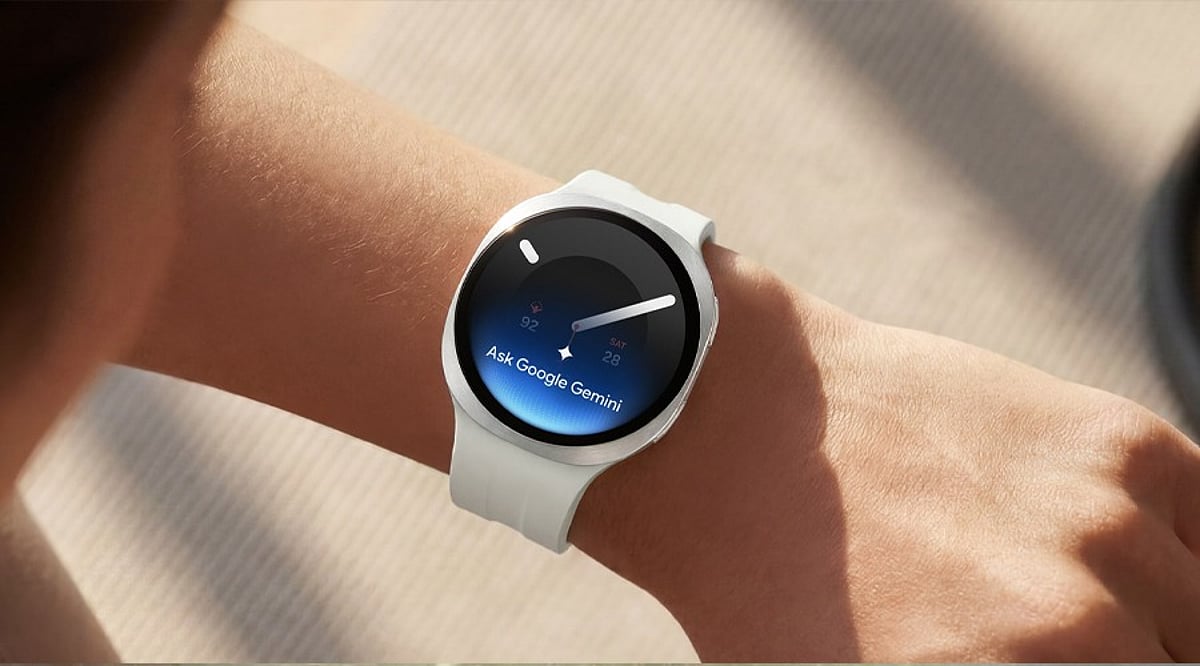
    The Samsung Galaxy Watch 9 is a premium Android smartwatch built for users who want a large display, extensive health and fitness tracking, and a refined design. With its bright AMOLED panel, Snapdragon chipset, and Wear OS experience, this watch aims to be a versatile everyday companion.

    Overview

    Samsung’s Galaxy Watch 9 earns a solid 4 out of 5 rating. It is positioned as an expensive option, but it delivers a well-rounded package for Android phone owners. The watch pairs a big, easy-to-read screen with a lightweight build, making it comfortable for all-day and all-night wear.

    Key Specifications

    • Display: AMOLED display with a large, bright screen for easy viewing of notifications and health data.
    • Chipset: Snapdragon processor for smooth performance.
    • Software: Wear OS with deep integration for Samsung Galaxy devices.
    • Battery: Good capacity for typical daily use.
    • Health features: GPS, sleep monitoring, workout tracking, ECG, body composition analysis, and more.
    • Durability: Built for daily outdoor use and swim-friendly wear.

    Pros and Cons

    Pros

    • Bright, large AMOLED display
    • Fast performance with Snapdragon chipset
    • Comprehensive health and fitness tracking
    • Lightweight and comfortable for long wear
    • Durable enough for outdoor and swimming use

    Cons

    • Battery life is average compared with modern smartwatches
    • Some advanced features work best with Galaxy smartphones

    Final Verdict

    The Samsung Galaxy Watch 9 is a high-end smartwatch that shines with its bright screen, responsive performance, and generous health and fitness suite. The large display is especially useful for notifications, workouts, and everyday navigation. While it remains light enough for extended wear and durable enough for outdoor and swimming activities, buyers should note that battery life is nothing special and that the full experience is best unlocked with a Galaxy phone.

  • Why France Is Investigating Camera-Equipped Smart Glasses—and What It Means for Wearable AI

    Why France Is Investigating Camera-Equipped Smart Glasses—and What It Means for Wearable AI

    French authorities have opened a criminal investigation into camera-enabled smart glasses after complaints that people, including women, were filmed in public without their consent. The case has placed the fast-growing wearable AI category under renewed privacy scrutiny.

    What prompted the investigation?

    Prosecutors in Paris launched the probe after receiving complaints tied to a social media trend in which women were reportedly recorded on streets without their knowledge and the footage was later shared online. French authorities have also tested the devices to understand how they might be used in such incidents.

    Meta glasses success and privacy concerns

    Meta’s camera-equipped glasses, featuring built-in recording capabilities, have sold more than 7 million units worldwide. However, the integrated camera has drawn criticism since launch. France’s data protection authority, CNIL, has received fewer than 10 complaints about smart glasses being used in workplaces. Some businesses have also asked whether they can prohibit employees from using them. Privacy groups, meanwhile, have questioned whether the indicator light is sufficient to alert people that recording is taking place.

    Beyond one brand

    The issue extends beyond any single manufacturer. Smart glasses can resemble ordinary eyewear while concealing cameras, microphones, and AI tools. Australia has already announced it will ban camera-equipped smart glasses in government workplaces, citing privacy and security concerns.

    Privacy could shape the next wave of wearables

    Wearable companies may now face tougher questions about when cameras can record and how clearly users can signal that recording is happening. The debate is not limited to France; other countries are also watching closely. As smart glasses gain new cameras and AI features, their future may depend as much on public trust as on technological capability. Clear rules could become a core part of how these devices are designed and used.

  • The Invisible AI Revolution: 7 Smart Devices Where Artificial Intelligence Blends Seamlessly into Daily Life

    The Invisible AI Revolution: 7 Smart Devices Where Artificial Intelligence Blends Seamlessly into Daily Life

    Artificial intelligence is rapidly moving from a flashy, attention-grabbing feature to a quiet, indispensable assistant. The next wave of smart devices integrates AI so smoothly that users often forget it is there. From earbuds that translate in real time to home appliances that learn your routines, here are seven products where AI is becoming invisible.

    1. AI Earbuds

    Smart earbuds now leverage AI for real-time translation, intelligent noise management, voice assistance, and personalized audio profiles. The technology adapts to your environment without requiring any manual adjustments, making the experience effortless.

    2. AI Smart Glasses

    AI-powered glasses can recognize surroundings, answer questions, translate text, and deliver useful information without demanding constant screen interaction. They overlay digital insights onto the physical world, keeping your hands and eyes free.

    3. AI Smartwatches

    Modern smartwatches use AI to interpret health trends, summarize notifications, assist with workouts, and provide contextual suggestions directly from your wrist. The intelligence works in the background, offering proactive support when you need it.

    4. AI Smartphones

    Today’s smartphones embed AI into cameras, call quality, search, writing assistance, and personalization. These intelligent features feel like ordinary phone functions, enhancing everyday tasks without adding complexity.

    5. AI Home Appliances

    Refrigerators, washing machines, and ovens increasingly use AI to adjust settings, recognize usage patterns, and automate routine household decisions. The devices learn your habits and optimize performance automatically.

    6. AI Security Cameras

    AI cameras can identify people, vehicles, unusual activity, and important events, reducing the need for users to monitor footage constantly. Alerts are smart and contextual, so you only see what matters.

    7. AI Personal Robots

    Emerging personal robots combine cameras, microphones, sensors, and AI to understand environments, respond naturally, and handle simple household tasks. They adapt to your home without requiring complicated programming.

    Beyond these seven categories, AI is also transforming cars, health devices, and more. The common thread is that the technology fades into the background, making life simpler and more intuitive. As AI continues to evolve, the smartest devices will be the ones you barely notice.

  • Huawei Watch D3: 5 Standout Features of a Medically Certified Smartwatch

    Huawei Watch D3: 5 Standout Features of a Medically Certified Smartwatch

    The Huawei Watch D3, unveiled on September 2, 2026, at the ‘Chase the Wild’ event in Munich, is more than just another Android wearable. It sets a new benchmark by integrating a real mechanical airbag and micro-pump into its strap for blood pressure measurement, a move most smartwatches avoid. This medical-grade approach ensures CE-MDR certification and delivers accuracy that optical sensors can’t match.

    Here are five defining features that make the Watch D3 one of the most compelling health-focused wearables of the year, followed by a full specification breakdown.

    1. 24-Hour Ambulatory Blood Pressure Monitoring

    Unlike typical smartwatches that measure blood pressure on demand, the Watch D3 tracks it continuously throughout the day and night. This system, called ABPM (Ambulatory Blood Pressure Monitoring), inflates the built-in airbag at set intervals every 15 to 30 minutes. It aims for at least 20 daytime and 7 nighttime readings. A quieter pump at night helps avoid disturbing sleep.

    Continuous monitoring eliminates the ‘white coat syndrome’ distortion seen in single office readings and reveals crucial nighttime blood pressure drops that one-off measurements miss.

    2. Pre- and Post-Exercise Blood Pressure Checks

    The Watch D3 takes blood pressure before a workout and again within two minutes after completion. If pre-exercise numbers are too high, the watch alerts the user to hold off on intense activity that day. This mode supports running, walking, and cycling, both indoors and outdoors, acting as a built-in safety check for hypertension management.

    3. ECG and Pulse Wave Arrhythmia Analysis

    Heart rhythm monitoring uses two complementary systems. Pulse Wave Arrhythmia Analysis runs continuously in the background via the PPG sensor, scanning for atrial fibrillation. Beat-by-Beat ECG requires manual activation: users hold the side electrode for 30 seconds to generate a single-channel electrocardiogram. The ECG report exports as a PDF for easy sharing with doctors, and independent testers noted accurate, consistent recordings without false alerts.

    4. Health Glance and Long-Term Trend Reports

    Raw health data becomes meaningful with context. Health Glance compiles 11 biometric indicators—including blood pressure, heart rate, and SpO2—into a single summary in about 60 seconds. Together with Health Insights in the Huawei Health app, users can review weeks or months of trends. TruSleep 5.0 data also joins this dashboard, creating a unified view of daily wellness.

    5. Health Community and Environmental Alerts

    The Watch D3 extends health tracking beyond the wearer. Health Community shares real-time alerts with family members when blood pressure spikes, heart rate changes, or sleep disruptions occur—especially useful for monitoring aging parents remotely. The watch also warns users of environmental shifts like sudden temperature drops or high-altitude changes that could affect blood pressure readings.

    Specifications at a Glance

    Beyond health features, the Watch D3 improves on its predecessor with a slimmer profile and longer battery life. The case is 11.3mm thick (2mm thinner than the Watch D2), the display is a 1.92-inch screen with 3,000 nits peak brightness, and the device weighs just 40g without the strap. Battery life reaches up to 6 days under typical use, dropping to 1 day with continuous ABPM. Charging takes about 75 minutes wirelessly. Connectivity includes Bluetooth 6.0, NFC, and GPS, supporting Android 8.0+ and iOS 13.0+. Water resistance is rated IP68.

    The reduced thickness is particularly beneficial for overnight ABPM, as a bulkier case could catch on bedding and disrupt sleep without compromising the sensor hardware that underpins its medical claims.

    Final Verdict

    Huawei Watch D3 represents a genuine shift in what a smartwatch can responsibly measure. Its mechanical airbag system distinguishes it from every optical sensor on the market. For Android smartwatch buyers seeking real health insight, this feature set stands out. UK retail availability is already confirmed, with other markets to follow. One thing is certain: Huawei has raised the bar for wrist-worn health tracking.

    Frequently Asked Questions

    What makes the Huawei Watch D3 different from other smartwatches?

    It uses a mechanical airbag and micro-pump for real blood pressure readings, not optical estimates. This approach mirrors clinical monitors, offering medical-grade accuracy.

    Is the Huawei Watch D3 compatible with Android phones?

    Yes, it supports Android 8.0 or later, along with iOS 13.0 or later, via Bluetooth 6.0 and NFC.

    How long does the battery last on the Watch D3?

    Typical usage yields up to 6 days; with continuous ABPM, it drops to roughly 1 day.

    Can the Watch D3 detect irregular heartbeats?

    Yes, it runs Pulse Wave Arrhythmia Analysis continuously and offers Beat-by-Beat ECG for manual recordings.

    Does the Huawei Watch D3 hold any medical certification?

    Yes, it has CE-MDR certification under EU Medical Device Regulation and follows European Society of Hypertension guidelines.

  • Meta’s Luna Smart Glasses Reportedly Drop the Camera for a Voice-First AI Experience

    Meta’s Luna Smart Glasses Reportedly Drop the Camera for a Voice-First AI Experience

    Meta Bets on Voice-First Wearables

    Meta is reportedly preparing a new pair of smart glasses that will ship without a camera. The device, said to be codenamed Luna, could launch this fall, according to a report from The Information that was later picked up by Reuters. Reuters added that it could not independently verify the report.

    The rumored redesign comes as camera-equipped smart glasses face growing scrutiny over privacy and the risk of unauthorized recording. Meta’s current AI glasses rely on a camera for photos, video, and various AI features, with an LED meant to signal when recording is active. By removing the camera, Luna is expected to ease those privacy worries while preserving many of the AI and audio capabilities.

    What Luna Might Bring

    • Six microphones: The glasses reportedly include six built-in mics to support clear voice interaction.
    • Meta AI plus Muse: Users could talk to Meta AI and the company’s new consumer AI agent, Muse, using voice commands.
    • Built-in speakers: Luna is expected to feature speakers similar to those found on Meta’s existing smart glasses.
    • Side button shortcut: A physical button on the side may offer quick access to Meta AI, giving users an alternative to voice activation.

    Launch Timing and the Road Ahead

    Meta could unveil Luna at its Meta Connect developer conference, scheduled for September 23 and 24. Shipments are reportedly targeted for October, though Meta has not publicly confirmed the product, its release timing, or final specifications.

    If it reaches market, Luna would add another direction to Meta’s expanding wearable strategy. The company is also developing more advanced augmented-reality hardware, underscoring its view of smart glasses as a major platform for AI.