Tag: wearable technology

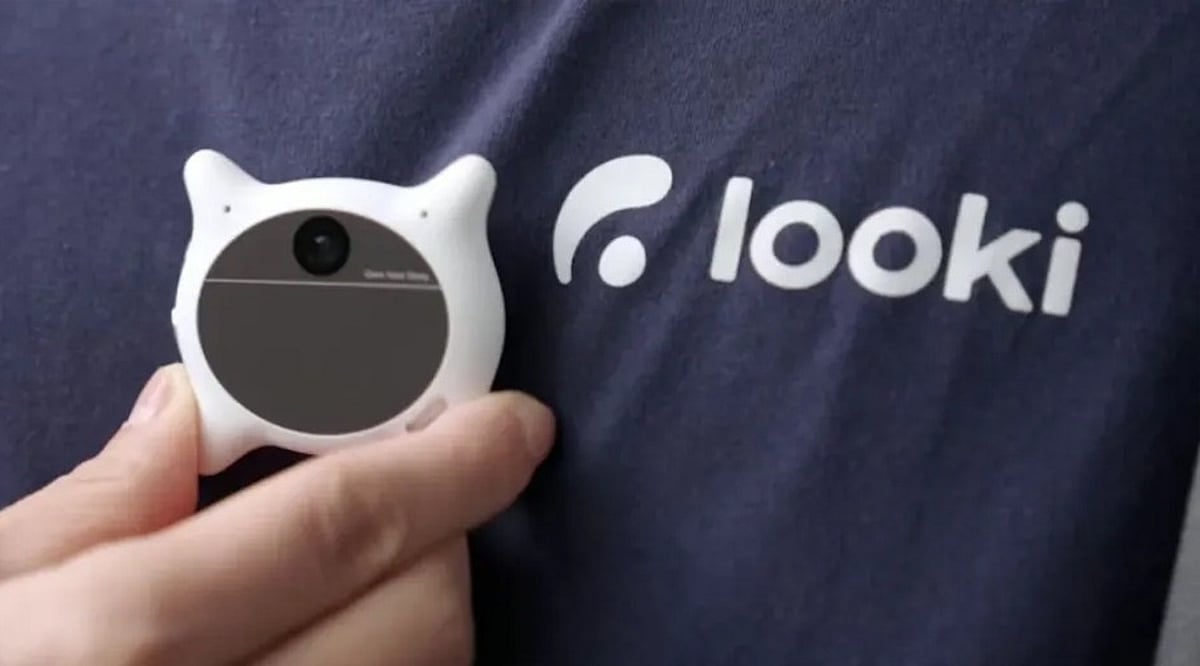
  • Looki L1 Review: AI-Powered Wearable Camera Simplifies Content Creation

    Looki L1 Review: AI-Powered Wearable Camera Simplifies Content Creation

    The Looki L1 is a groundbreaking smart wearable camera that leverages artificial intelligence to streamline content creation. Designed to be worn as a lightweight pendant, it automatically captures video and uses AI to generate highlight reels, comics, and vlogs without manual editing.

    Specifications

    • Form Factor: Wearable pendant-style camera
    • AI Features: Automatic video capture, summary creation, comic and vlog generation
    • Recording: AI-triggered, hands-free operation
    • Battery Life: Suitable for daily use (improvement noted for all-day recording)

    Pros and Cons

    Pros

    • Innovative AI lifelogging capabilities
    • No editing required for highlights
    • Compact and easy to wear
    • Perfect for vloggers and creators

    Cons

    • AI recording needs refinement
    • Battery life could be longer for continuous use

    Final Verdict

    The Looki L1 is an impressive first-generation device that brings AI-powered lifelogging to the masses. Its ability to automatically record and compile memories without editing is a game-changer for content creators. While the AI recording algorithm could be improved and battery life extended for all-day use, the device delivers remarkable value out of the box. We rate it 4.5 out of 5 stars.

  • EchoVision Smart Glasses: How AI Wearables See and Speak for You

    EchoVision Smart Glasses: How AI Wearables See and Speak for You

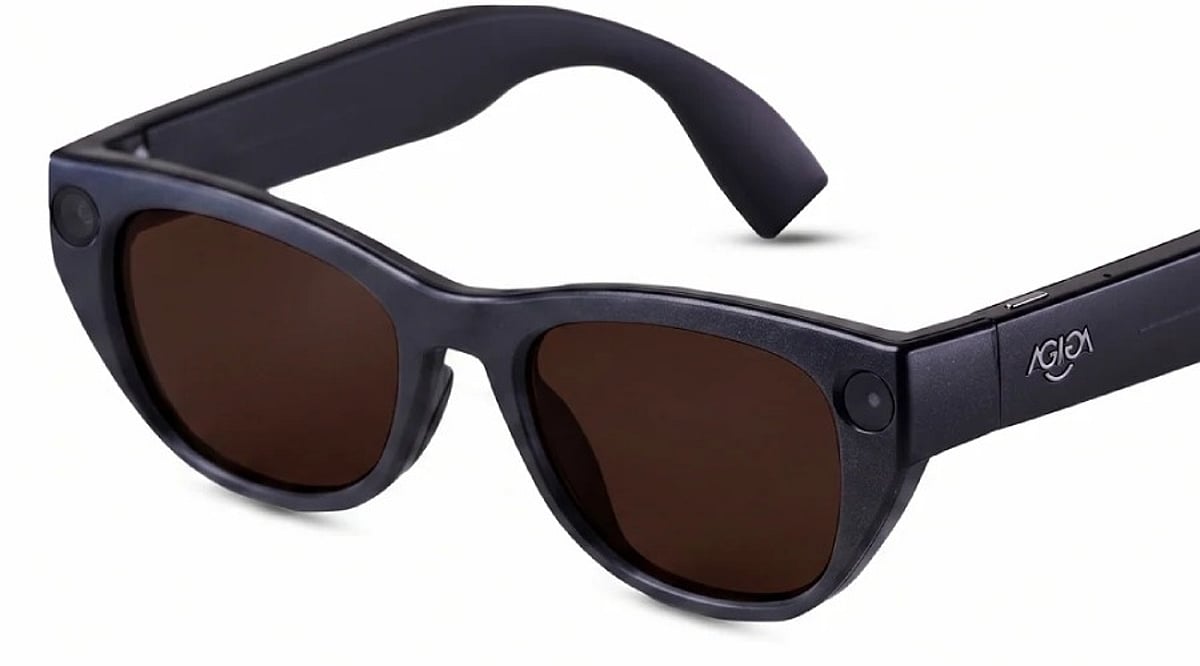
    EchoVision smart glasses pair a camera, microphones, and connected AI to interpret surroundings and answer questions through audio. Processing splits between the device, a paired phone, and the cloud. Real usefulness hinges on battery life, connectivity, and privacy safeguards specific to the product itself.

    Overview: A New Way to Access Information

    A pair of glasses that sees what a person sees and answers a question about it within seconds sounds like a small idea, but it isn’t. It signals a shift in how people expect computers to reach them. Assistance moves off a screen and onto the face, ready to respond to the world the instant something happens. EchoVision smart glasses belong to a growing category of AI-powered wearables. Some of what follows describes EchoVision directly. Some describes how AI glasses generally work as a category. The distinction matters for anyone trying to understand what makes the device useful.

    The Hardware Behind the AI

    EchoVision pairs a camera, a set of microphones and speakers, and onboard processing into a glasses frame. The camera captures a first-person view of the surroundings. The microphones pick up spoken commands. A battery built into the frame supports several hours of typical use. Exact runtime and weight figures are best checked against EchoVision’s own product documentation rather than assumed from the wider category. This hardware layer sets a ceiling on what the AI system can do. Wearable cameras have a narrower field of view than phone cameras. They also have less room for large batteries. Most AI glasses on the market lean on efficient, short-burst processing rather than sustained heavy computation. Whether EchoVision follows this exact pattern can only be confirmed by the manufacturer’s specifications.

    How the AI Processing Pipeline Works

    When a wearer asks EchoVision to interpret something in view, the glasses capture the relevant visual information. A connected AI system then generates a response, delivered through the built-in speakers. The exact split of processing between the glasses, a paired smartphone, and the cloud is a separate question from the broader architecture used across AI glasses. Across the category, simpler tasks such as basic transcription are often handled with lighter onboard processing. More complex requests, like identifying an object in detail, are typically routed to a paired smartphone or a cloud server running larger models. This split between local and cloud processing balances speed against the limited power available on a wearable. Where EchoVision draws that line cannot be confirmed without direct documentation.

    How Smart Glasses Use Visual Context

    A voice assistant can answer a question from what a person says. EchoVision adds another layer: what the camera captures from the surroundings. A wearer can ask about an object, a piece of printed text, or a scene without describing it first. The AI combines the visual input with the spoken request to produce an audio response. AI glasses, display glasses, and AR glasses are not interchangeable terms. AI glasses like EchoVision generally communicate through audio rather than a visual display. Display glasses project information onto a lens. AR glasses overlay interactive graphics onto the physical world.

    Connectivity and the Role of the Smartphone

    Most AI glasses are not fully independent computers, and this holds for the category EchoVision belongs to. They pair with a smartphone app over Bluetooth. That phone often handles account settings, software updates, and, in many cases, part of the AI processing itself. This dependency keeps the glasses light and affordable but ties performance to the connected phone’s capabilities and network access.

    Privacy Becomes Part of the Hardware Design

    The camera and microphones sit close to the physical world around the wearer. Privacy design plays a direct role in how AI glasses are built across the category. Common industry approaches include a visible indicator during recording, a physical microphone mute control, and limits on how long raw audio or video is retained. Whether EchoVision implements each of these specific safeguards should be confirmed against its own privacy documentation rather than assumed from general industry practice.

    Final Thoughts

    EchoVision’s significance lies less in putting AI into a pair of glasses than in changing how people access information day to day. The camera provides environmental context. The AI interprets it. Audio delivers the result without a conventional screen. The remaining challenge is reliability. As more people lean on wearable AI in everyday moments, accuracy, connectivity, privacy, and battery performance become the real measures of whether the product earns daily use.

  • Apple Watch Ultra 4 Review: S11 Chip, Enhanced Health Sensors, and Satellite Connectivity

    Apple Watch Ultra 4 Review: S11 Chip, Enhanced Health Sensors, and Satellite Connectivity

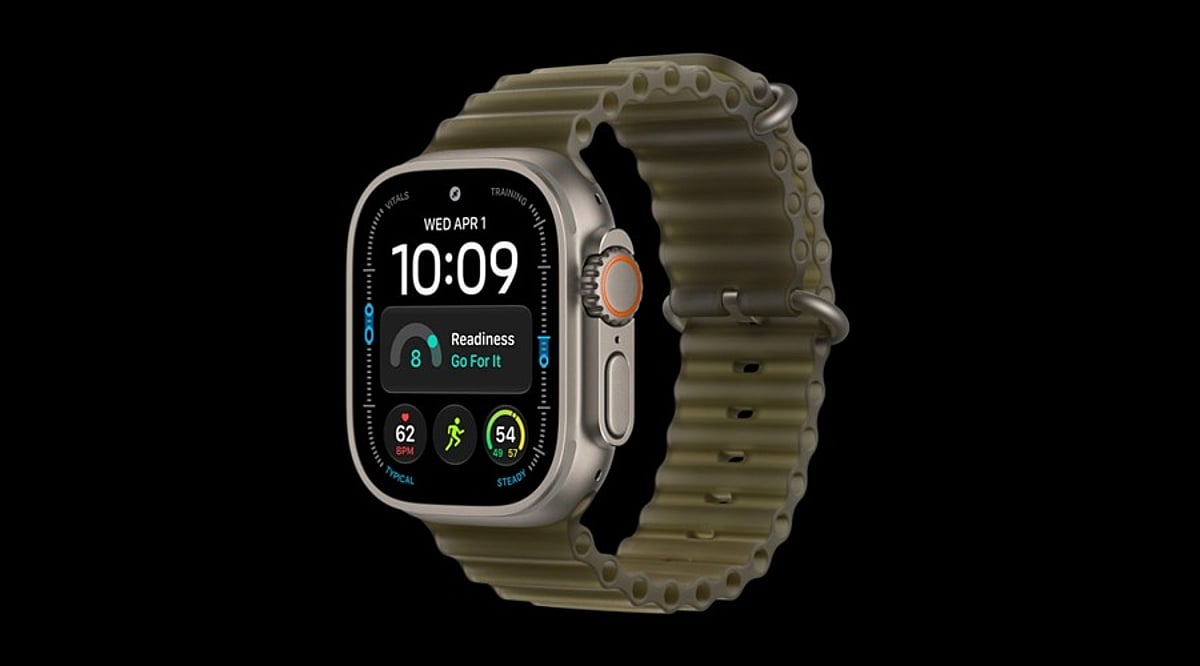
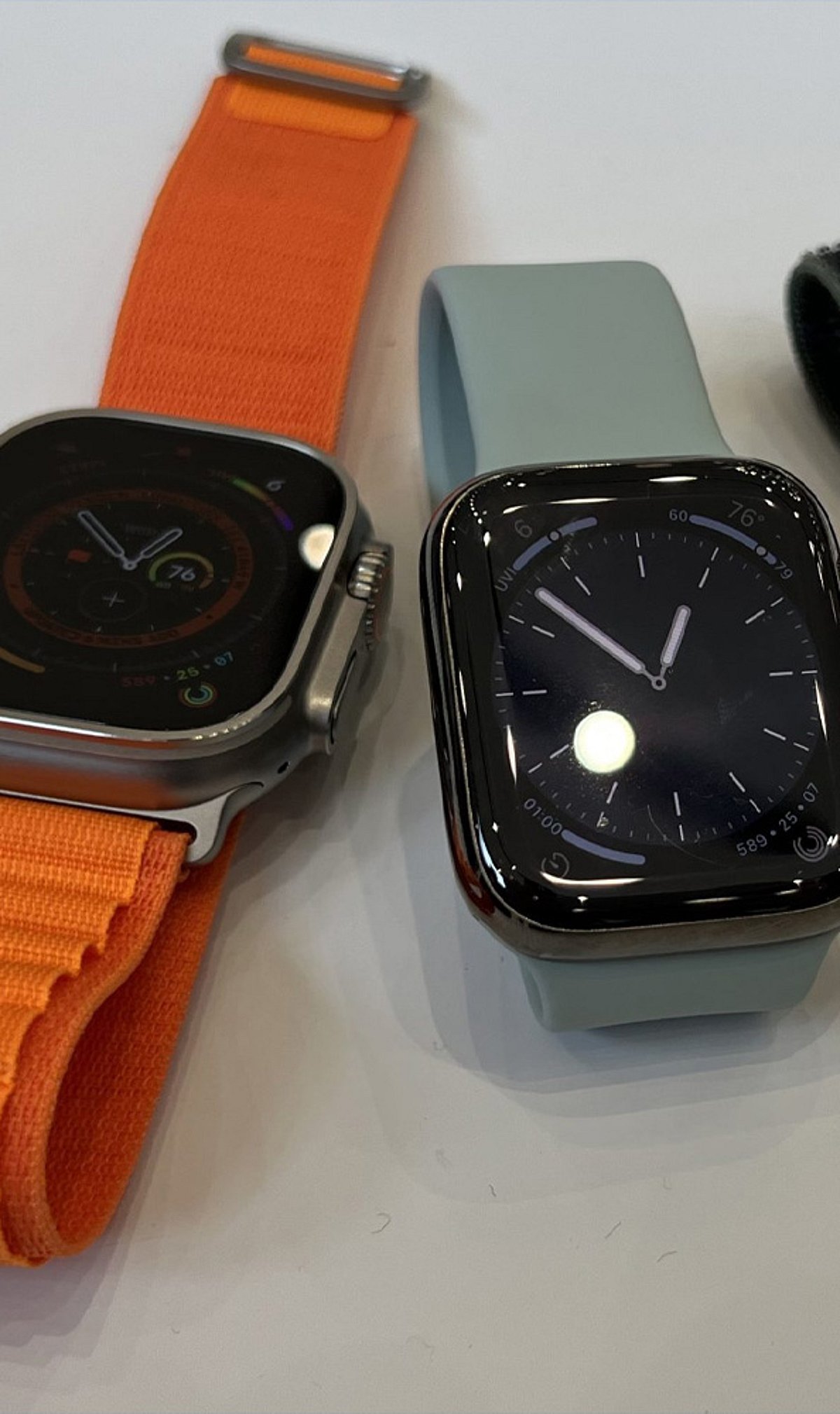
    The Apple Watch Ultra 4 is the latest flagship smartwatch from Apple, designed for fitness enthusiasts, outdoor adventurers, and users who prioritize safety features. Building on the rugged titanium construction of its predecessor, the Ultra 4 introduces the new S11 chip with a four-core Neural Engine, enabling advanced Siri AI and Audio Intelligence technology. Key highlights include an upgraded Health Sensing System, Readiness tracking, high-precision dual-frequency GPS, 5G connectivity, and satellite communication capabilities. With impressive battery life, WR100 water resistance, and recreational dive capability down to 40 meters, the Apple Watch Ultra 4 stands out as one of Apple’s best smartwatches.

    General Specifications

    • Processor: S11 chip with four-core Neural Engine
    • Connectivity: 5G, satellite communication, dual-frequency GPS
    • Water Resistance: WR100 (100 meters), dive-ready to 40 meters
    • Battery Life: Up to 50 hours
    • Health Sensors: Enhanced Health Sensing System, Readiness tracking
    • AI Features: Siri AI, Audio Intelligence

    Pros and Cons

    Pros

    • Powerful S11 chip with advanced AI capabilities
    • Improved health and fitness tracking
    • Excellent battery life (50 hours)
    • Rugged titanium build with 100m water resistance
    • Satellite connectivity for emergency situations
    • Precise GPS for outdoor activities

    Cons

    • High price point
    • Minor visual upgrades over Ultra 3
    • Not a must-upgrade for Ultra 3 owners

    Final Verdict

    The Apple Watch Ultra 4 is a highly sophisticated smartwatch that leverages Apple’s best wearable platform. Its standout features—the S11 chip, Siri AI, Audio Intelligence, upgraded health sensors, Readiness measurement, long battery life, and enhanced outdoor performance—make it ideal for sports enthusiasts and adventurers. The titanium body, 100-meter waterproofing, diving capabilities, satellite communications, and precise GPS positioning further solidify its appeal. However, the high price and subtle design changes mean that Ultra 3 owners may not find it an essential upgrade. For iPhone users seeking a top-tier smartwatch for fitness, health monitoring, safety, and outdoor activities, the Apple Watch Ultra 4 is an excellent choice.

  • Apple Watch Live Rewind Feature Sparks Privacy Concerns: How Apple Addresses Covert Recording Fears

    Apple Watch Live Rewind Feature Sparks Privacy Concerns: How Apple Addresses Covert Recording Fears

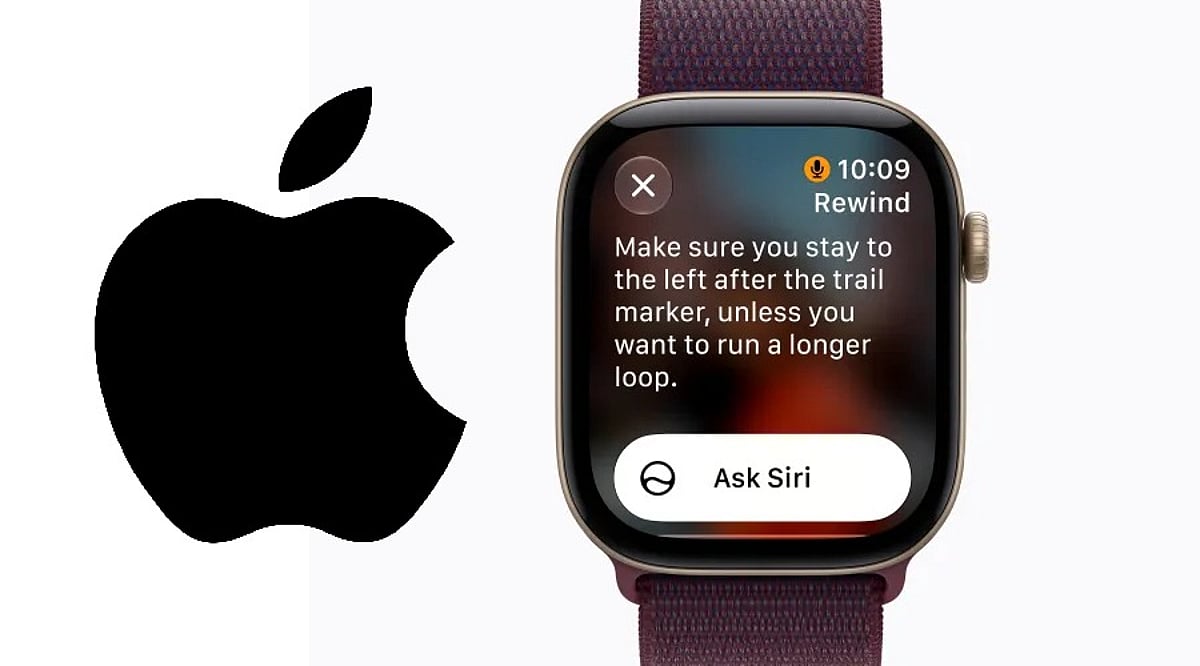
    Apple’s new Live Rewind feature for the Apple Watch has raised privacy questions after its debut alongside the Apple Watch Ultra 4 and Watch Series 12. The feature can recover the last 15 seconds of spoken conversation and transcribe it as text directly on the watch.

    How Live Rewind Works

    Apple designed Live Rewind for moments when users miss part of a conversation—for example, when someone speaks quickly or a sentence is hard to follow. By double-pressing the Digital Crown, the watch processes recent speech and displays the words as text. Apple says the watch stops listening and transcribing once Live Rewind has processed the audio, and the recent speech is then deleted from the device. The transcript disappears about 30 seconds after the display dims. Users can choose to save information to the Siri app if they want to retain it.

    Live Rewind also integrates with Siri, allowing users to connect the displayed text for additional help or to save relevant information. The feature can be enabled or disabled through the Watch app on an iPhone. It requires an Apple Watch Series 12 or Apple Watch Ultra 4 paired with an iPhone 16 or newer.

    Privacy Safeguards

    Concerns have focused on whether someone could use Live Rewind without others knowing. Apple says the feature is designed to be noticeable to people nearby. When activated, the watch plays an audible chime through its speaker—even when set to silent mode or connected to headphones. A full-screen animation appears on the display, and a microphone indicator shows while Live Rewind is active. Apple states these signals make it clear that the feature is activated.

    Live Rewind requires Apple Intelligence and will not be available to users under 13. Apple plans to introduce the feature later this year rather than with the initial versions of watchOS 27 and iOS 27.

  • Garmin Cirqa Smart Ring Clears Regulatory Hurdles: 10 Model Variants Spotted in Filings

    Garmin Cirqa Smart Ring Clears Regulatory Hurdles: 10 Model Variants Spotted in Filings

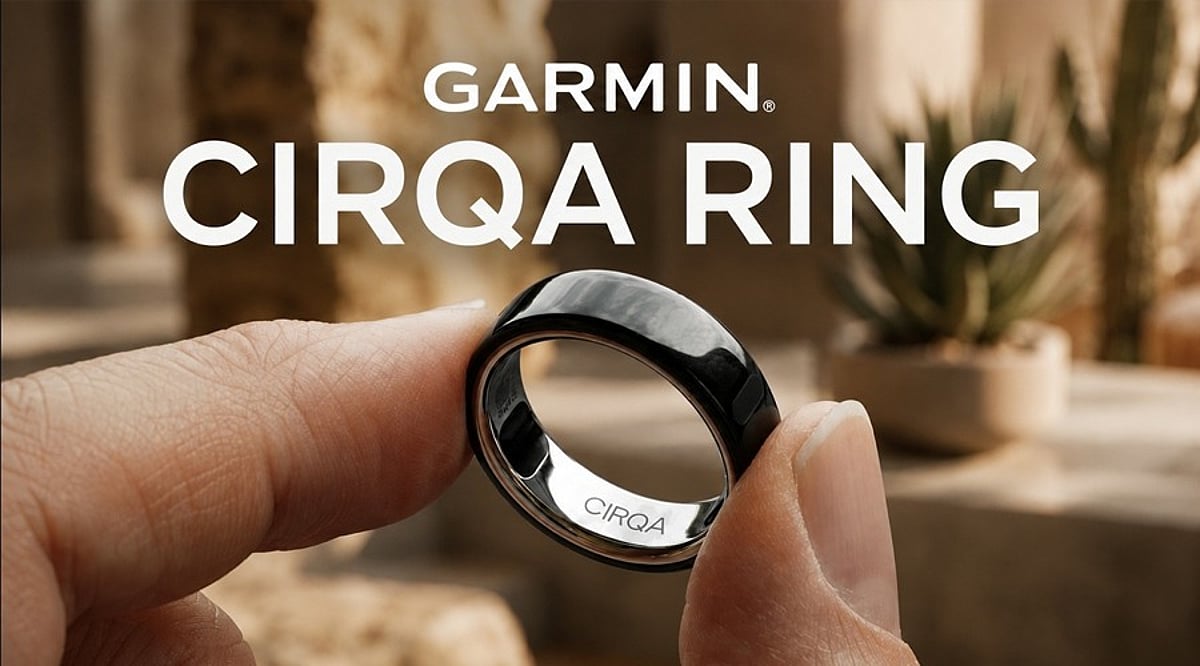
    Garmin appears to be moving closer to launching its first smart ring, with regulatory filings in Brazil and China revealing 10 model variants that may belong to the upcoming Cirqa Smart Ring lineup. While the company has not officially confirmed the product, the filings suggest a possible launch in late 2026 or at CES 2027, with an estimated price between $199 and $249.

    10 Model Variants Filed in Brazil

    Brazil’s National Telecommunications Agency (ANATEL) has certified 10 Garmin models under the same homologation on the same day. The model numbers are A05124, B05124, C05124, D05124, E05124, F05124, G05124, H05124, I05124, and AA5124. While the certification does not explicitly label these as smart rings, earlier regulatory records link the model family to the Cirqa name, leading analysts to believe these represent different ring sizes.

    Chinese Certification Adds to Evidence

    Four of the same models—C05124, E05124, G05124, and H05124—were also certified in China on September 1, 2026, with Garmin’s Taiwanese business registering them as Bluetooth devices. The filings offer few technical details and do not confirm sensors, battery, charging method, or health tracking features. Given the compact form factor of smart rings, Garmin would need to adapt its existing health-tracking technology to fit a smaller device.

    Pricing and Launch Window Speculation

    Previous reports estimate the Garmin Cirqa Smart Ring could cost between $199 and $249. However, official pricing remains unconfirmed, and it is not yet known whether all 10 models will reach the market as consumer versions. The recent certifications could support a launch in October or early November 2026, or alternatively at CES 2027 in Las Vegas. Regulatory approval often precedes product launches by months, so no timeline is definitive.

    Garmin already sells the Cirqa screen-free wrist tracker, introduced earlier in 2026, which gives the company a presence in the screen-free wearable category. A Cirqa smart ring would extend that product name into a smaller format, though Garmin has yet to confirm such a device.

  • Pebble Qore View Review: A Screenless Fitness Band for Accurate Health Monitoring

    Pebble Qore View Review: A Screenless Fitness Band for Accurate Health Monitoring

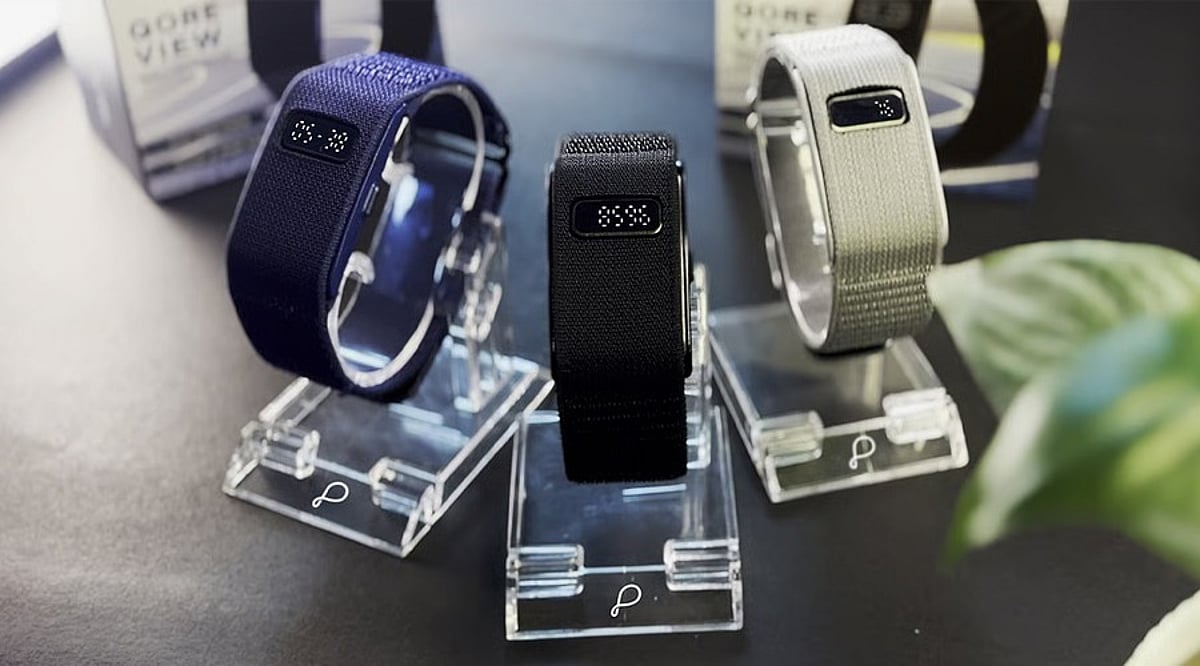
    The Pebble Qore View is an exceptionally lightweight fitness band that takes a unique approach by prioritizing health analysis over smartwatch-like features. With its compact screen, advanced health score algorithm, full-fledged wellness monitoring, and impressive battery life, this device appeals to users who need precise fitness data without any subscription fees.

    General Specifications

    Here are the key specifications of the Pebble Qore View:

    • Lightweight design
    • Compact screen
    • AI-based health score calculation
    • Full wellness monitoring
    • Long-lasting battery
    • No subscription required

    Pros and Cons

    Pros

    • Very light and comfortable to wear
    • Accurate health tracking
    • No monthly subscription fees
    • AI-powered health score
    • Simple user interface

    Cons

    • Limited smartwatch features
    • Screenless design may not suit everyone

    Final Verdict

    The Pebble Qore View successfully delivers the screenless concept at an affordable price without requiring any monthly plans. The combination of its lightweight build, health tracking capabilities, AI-based health score calculation, and long battery life makes it an excellent choice for daily health monitoring. The simple UI helps users stay focused on fitness rather than being distracted by notifications. If you need an inexpensive fitness tracker that concentrates on health metrics rather than smartwatch features, the Pebble Qore View is a solid option.

    Rating: 4 / 5

  • 10 Screenless Tech Devices Transforming Consumer Electronics in 2026

    10 Screenless Tech Devices Transforming Consumer Electronics in 2026

    Screenless gadgets are revolutionizing the way people interact with technology in 2026. These devices rely on artificial intelligence, voice commands, sensors, and ambient computing to operate seamlessly in the background without the constant distraction of traditional screens.

    PLAUD NotePin S

    The PLAUD NotePin S is a wearable AI recorder that turns conversations into structured notes without requiring a phone display. It captures meetings, identifies individual speakers, transcribes speech in 112 languages, and generates AI-powered summaries and action items, making it a powerful tool for professionals and multitaskers.

    Ray-Ban Meta Smart Glasses

    Ray-Ban Meta smart glasses combine AI, cameras, and open-ear audio into everyday eyewear. Users can interact with an AI assistant, capture hands-free photos and videos, and access real-time information without pulling out a smartphone.

    Fitbit Air

    Fitbit Air eliminates the traditional fitness tracker screen, focusing entirely on health monitoring. This lightweight wearable tracks heart rate, heart rate variability, sleep quality, blood oxygen levels, and more. All detailed insights are delivered through the Google Health app, and the device offers up to a week of battery life.

    Oura Ring 4

    Oura Ring 4 packs advanced health tracking into a discreet, screen-free ring. It monitors sleep patterns, activity levels, heart-related metrics, temperature trends, and recovery. Users access comprehensive data later via the companion app, avoiding screen time throughout the day.

    AI Earbuds

    AI-powered earbuds are evolving beyond music playback. The latest models integrate spatial audio, voice assistants, noise cancellation, and AI features, providing a fully hands-free way to manage digital interactions—no screen needed.

    Augmented Reality Glasses

    AR glasses such as VITURE and RayNeo offer a different path to screenless computing. These devices project large virtual displays for movies, gaming, and productivity while remaining compact and wearable, effectively replacing a portable monitor without a physical screen.

    Screenless Fitness Bands

    Fitness bands like WHOOP and Luna Band prioritize sleep, recovery, stress, and activity tracking over notifications. Data syncs to a smartphone app, allowing users to monitor their health without another glowing wrist display.

    Ambient AI Assistants

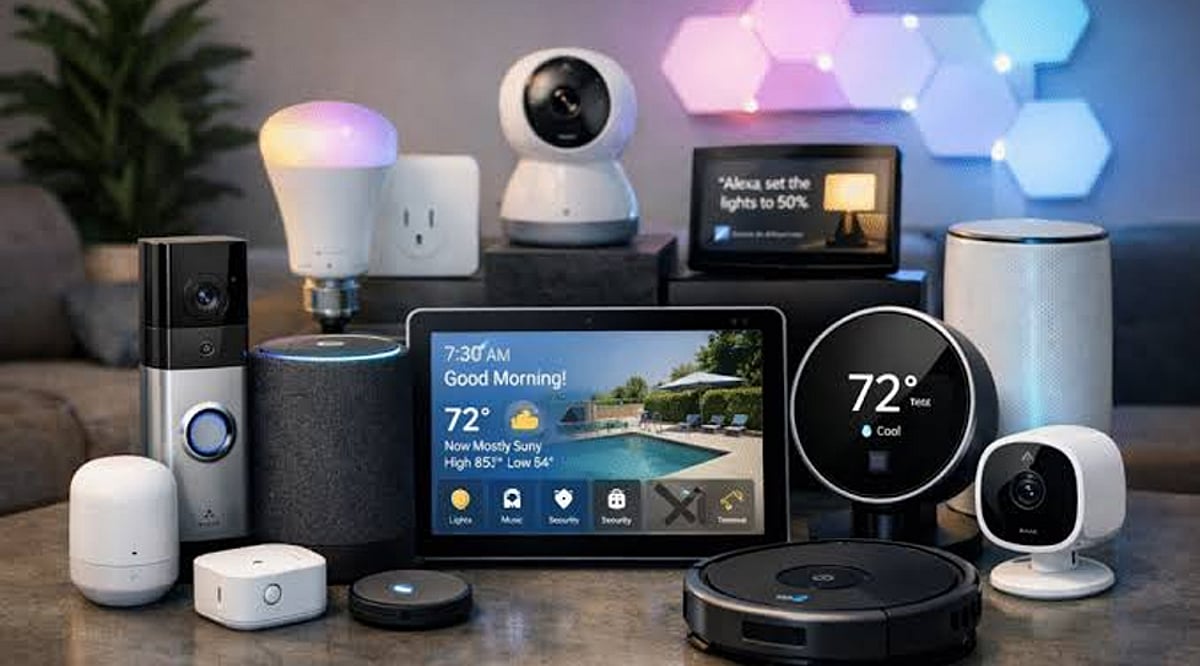
    Ambient AI assistants and wearable speakers are moving technology into the background. Voice commands, contextual AI, and smart-home automation handle tasks without requiring users to open apps or navigate menus, creating a truly uncluttered digital experience.

    Movement-Assist and Smart Energy Devices

    Screenless innovation extends beyond wearables. Exoskeletons assist physical movement, and portable power stations like EcoFlow offer quiet backup energy without adding another screen-based gadget to your routine.

    From health tracking to productivity and entertainment, screenless tech is reshaping consumer electronics by reducing screen time while increasing functionality. These devices prove that the best interface is often no interface at all.

  • Apple Watch Ultra 4: Blood Pressure Monitoring, Satellite Messaging, and Faster Performance Lead the Upgrades

    Apple Watch Ultra 4: Blood Pressure Monitoring, Satellite Messaging, and Faster Performance Lead the Upgrades

    The Apple Watch Ultra 4 is generating significant buzz ahead of its expected launch, promising meaningful upgrades that focus on health, connectivity, and performance. Here are three standout features that have me particularly excited.

    Smarter Health Tracking with Blood Pressure Monitoring

    Apple is reportedly introducing blood pressure monitoring to the Ultra 4, allowing users to track this vital metric directly from their wrist. This addition complements the existing heart rate and ECG capabilities, providing a more holistic view of cardiovascular health and early insights into potential issues.

    Satellite Connectivity for Off-Grid Communication

    One of the most anticipated features is satellite messaging, which would enable wearers to send messages even without cellular or Wi-Fi coverage. This is a game-changer for hikers, outdoor enthusiasts, and anyone who ventures into remote areas, offering peace of mind during emergencies.

    Faster Performance with a New Chip

    A next-generation Apple chip is expected to boost overall speed, battery efficiency, and app responsiveness. This means smoother navigation, quicker workout tracking, and improved multitasking for everyday tasks and fitness sessions.

    Beyond these three core upgrades, the Ultra 4 is also rumored to feature a brighter, more efficient display for better sunlight visibility, extended battery life, enhanced fitness tracking with smarter recovery insights, and a refined yet rugged titanium design. Combining health breakthroughs with outdoor-ready connectivity and powerful performance, the Apple Watch Ultra 4 is shaping up to be one of the most exciting smartwatch releases of the year.

  • Augmental’s MouthPad: A Tongue-Controlled Cursor for Hands-Free Computing

    Augmental’s MouthPad: A Tongue-Controlled Cursor for Hands-Free Computing

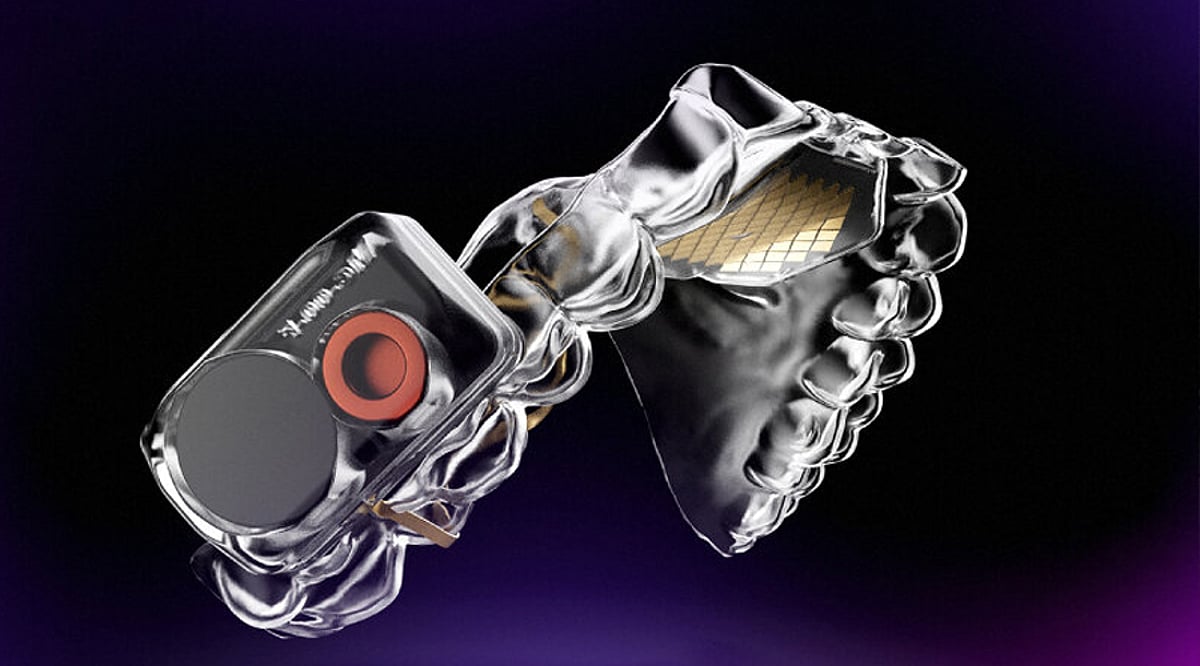
    Augmental has unveiled the MouthPad, a groundbreaking assistive device that enables users to control a computer cursor through tongue movements. Resembling a custom dental retainer, the MouthPad fits discreetly inside the mouth and offers hands-free navigation, significantly improving digital accessibility for individuals with limited hand mobility.

    The device incorporates miniature sensors that detect tongue movements with high precision. These movements are translated into cursor actions such as moving, clicking, scrolling, and selecting items. Users can interact with computers without relying on traditional mice, touchpads, or external adaptive hardware, making everyday computing tasks more accessible.

    Unlike bulky assistive devices, the MouthPad is entirely internal and wireless, providing a natural and portable solution. This design helps users maintain independence while working, studying, communicating, or accessing digital services throughout the day.

    Artificial intelligence enhances the MouthPad by learning individual tongue movement patterns over time. This improves cursor accuracy, reduces unintended actions, and creates a more personalized experience. AI-driven calibration also shortens the learning curve, allowing users to become comfortable with the technology more quickly.

    The device primarily targets people living with spinal cord injuries, paralysis, muscular disorders, or other mobility challenges. By enabling independent computer access, it supports education, employment, communication, entertainment, and everyday digital activities without depending on caregivers or specialized workstations.

    Beyond accessibility, the MouthPad demonstrates how human-computer interaction is evolving. It showcases the growing role of wearable technology, AI, and advanced sensors in creating intuitive interfaces. Innovations like this could inspire future hands-free control systems for computers, smart homes, and connected devices across industries.

    Augmental’s MouthPad represents a significant step toward inclusive technology by making computers easier to operate for users with physical disabilities. As assistive innovations continue advancing, intelligent, wearable input devices may redefine how people interact with digital systems, creating more accessible and empowering computing experiences for everyone.

  • Pebble Seeq AI Smart Glasses Hit India: 8MP Camera, 75-Language Translation, and Open-Ear Audio

    Pebble Seeq AI Smart Glasses Hit India: 8MP Camera, 75-Language Translation, and Open-Ear Audio

    Pebble has expanded its wearable technology portfolio in India with the launch of the Seeq AI Smart Glasses. Priced at Rs. 9,999 during the introductory period, the wearable combines an artificial intelligence assistant, an 8MP camera, open-ear audio, and real-time language translation within a lightweight eyewear design.

    The smart glasses carry an MRP of Rs. 12,999 and are available in Titan Black and Stealth Black. Weighing under 50 grams, the device is designed for professionals, travellers, content creators and technology enthusiasts seeking hands-free access to commonly used smartphone functions.

    According to Pebble, the Seeq glasses act as a ‘Third, Intelligent Eye,’ allowing users to access AI features through voice commands without continuously handling their smartphones.

    8MP Camera and AI Image Recognition

    The Pebble Seeq AI Smart Glasses feature an 8MP camera capable of capturing photographs at resolutions of up to 4K. The glasses can also record in Full HD, potentially making them useful for first-person content creation, travel recording and hands-free photography.

    The integrated AI system supports smart recognition of objects, landmarks, text and signboards. Users can activate the assistant using the ‘Hey, Seeq’ voice command and request information about what they are viewing.

    The wearable supports real-time translation across more than 75 languages. This could be particularly useful for travellers, business professionals and users communicating across different regions.

    Open-Ear Audio and Multiple Controls

    Pebble has equipped the glasses with its OpenWaveX Open-Ear Audio technology. The system enables users to listen to music, handle calls and receive audio responses while remaining aware of their surroundings.

    Users can control the device through voice commands, touch gestures and physical buttons. The glasses also support replaceable, prescription-ready lenses, allowing people who require corrective eyewear to customize them for everyday use.

    What the Launch Means for AI Wearables

    The Seeq launch reflects the growing shift from conventional fitness trackers and smartwatches towards AI-powered wearables that combine visual recognition, communication, and content creation.

    At Rs. 9,999, Pebble is positioning the Seeq as an accessible entry into the emerging smart-glasses segment. Its adoption, however, will depend on real-world camera quality, battery performance, AI accuracy, privacy controls and long-term comfort.