Tag: wearable technology

  • Report: Apple Smart Glasses to Launch in 2027 With Privacy as Key Selling Point

    Report: Apple Smart Glasses to Launch in 2027 With Privacy as Key Selling Point

    According to a new report, Apple is planning to enter the smart glasses market in 2027 with a device that combines augmented reality, artificial intelligence, and deep ecosystem integration — all while making user privacy a central feature.

    The forthcoming Apple Smart Glasses are expected to be lightweight and stylish, designed for everyday wearable computing. Unlike many current smart glasses that collect extensive user data, Apple’s approach reportedly prioritizes secure on-device processing, minimal data collection, and transparent user controls.

    Built-in artificial intelligence could provide contextual assistance, real-time navigation, notifications, language translation, and personalized recommendations — all while maintaining responsive performance suitable for daily use.

    Display technology is likely to overlay digital information without obstructing the user’s natural vision, creating an immersive yet practical augmented reality experience. The glasses are expected to integrate seamlessly with the Apple ecosystem, including iPhone, Apple Watch, AirPods, and other devices, enabling synchronized experiences across hardware.

    Apple’s competitive positioning in the wearable technology market will hinge on premium design, privacy-first features, intuitive software, and polished user experience. The company aims to differentiate itself from rivals by ensuring that users have control over their data — a factor that could appeal to consumers seeking hands-free computing for navigation, communication, productivity, and entertainment.

    Industry reports indicate that Apple may unveil the smart glasses during 2027 after years of research, development, testing, and refinement. While the exact specifications and pricing remain unknown, the privacy focus and ecosystem synergy are expected to be major selling points.

  • Instagram Bans Harassing Videos Recorded with Meta Smart Glasses to Protect Privacy

    Instagram Bans Harassing Videos Recorded with Meta Smart Glasses to Protect Privacy

    Instagram is tightening its enforcement against secretly recorded videos captured using Meta’s smart glasses. The platform will now remove content that uses wearable cameras to harass individuals, particularly prank and pickup-style videos, following growing criticism over privacy violations.

    The policy change comes after a surge of clips showing creators approaching strangers, service workers, and women in public without their knowledge, then posting the footage as humorous content. This sparked widespread debate about consent and digital privacy.

    Instagram chief Adam Mosseri announced the update during a Q&A session on his Instagram Stories. “If you’re posting content that is taking advantage of people and harassing them, like a lot of these pickup line kind of videos, then we’re going to take the content down,” Mosseri said. He added, “We don’t want people to be surreptitiously taking videos of other people and harassing them and then posting them on our platform. So we’re trying to fight that every way we can.”

    According to a Business Insider report, Instagram has already deleted two popular accounts that frequently posted pickup videos recorded with Meta smart glasses. A Meta spokesperson confirmed that both accounts violated Instagram’s harassment policies.

    Meta has also introduced additional privacy safeguards in its smart glasses software. The company acknowledged that the recording indicator light on older models could be covered or altered, making it difficult for people to know if they were being recorded. A recent software update now automatically turns off the camera when it detects that the recording indicator light is blocked or tampered with.

    Despite these measures, concerns persist about the effectiveness of the recording indicator. The LED light is small and can be easily missed in bright outdoor conditions or large public spaces, leaving people unaware they are being filmed.

    Meta has not yet disclosed how it will determine whether uploaded videos violate the new policy, nor has it revealed how many videos have been removed since the policy took effect. The company has also not detailed how the rules will be applied in practice.

  • How Continuous Glucose Monitoring Will Evolve by 2030: AI, Automation, and Beyond

    How Continuous Glucose Monitoring Will Evolve by 2030: AI, Automation, and Beyond

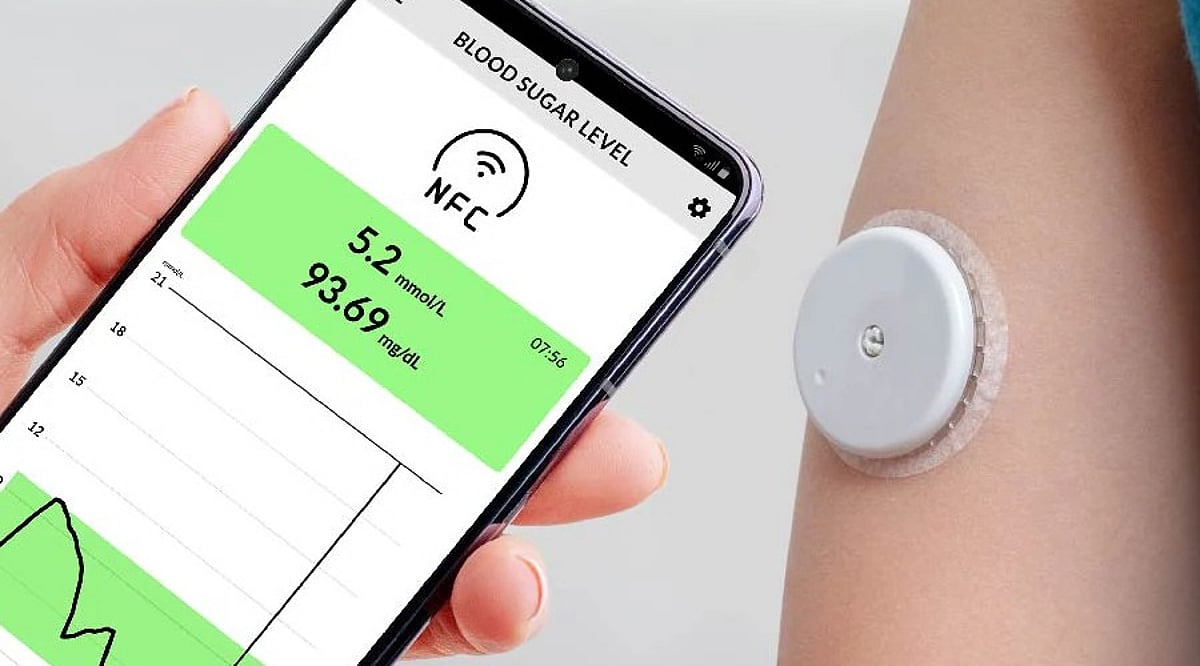
    Continuous Glucose Monitoring (CGM) has moved far beyond its origins as a niche tool for Type 1 diabetes management. Today, it is widely adopted by individuals with Type 2 diabetes, healthcare professionals, athletes, and health-conscious consumers seeking deeper insights into metabolic health. As technology accelerates, the next five years promise to expand both the capabilities of CGMs and the range of people who benefit from them. By 2030, these devices are expected to become smaller, smarter, and more connected, with artificial intelligence (AI), wearable ecosystems, and automated insulin delivery playing a much larger role. This article explores the key trends shaping the future of CGM.

    From Monitoring to Predicting Blood Sugar Trends

    Current CGM devices notify users when glucose levels change. However, future systems will likely predict changes before they occur. AI-enhanced algorithms will analyze glucose data alongside diet, physical activity, stress, sleep patterns, and medication history. This will enable proactive warnings and personalized recommendations, helping users prevent extreme glucose fluctuations rather than simply reacting to them.

    Artificial Pancreas Systems Become More Autonomous

    Closed-loop insulin pumps, often called artificial pancreas systems, are already in use but still require manual meal input or adjustments in some scenarios. By the end of the decade, these systems are expected to become fully automated, regulating insulin delivery based on real-time CGM data with minimal user involvement. Researchers are also exploring dual-hormone systems that administer both insulin and glucagon, offering better glucose control while reducing the risk of hypoglycemia.

    Smaller Sensors, Longer Wear, and Less Discomfort

    Sensor technology is advancing rapidly. Most current CGMs need replacement every 10–15 days, though implantable versions already last months. Future sensors will be thinner, more comfortable, and capable of operating far longer without sacrificing accuracy. Non-invasive methods—measuring glucose from sweat, tears, or saliva—are also under investigation. While still in development, these breakthroughs could eliminate the need for needle-based sensors altogether.

    Beyond Glucose: A Broader Health Picture

    Next-generation wearables will track more than glucose. Researchers are designing sensors that simultaneously measure ketones, lactate, cortisol, hydration, inflammation, and other metabolic markers. Combined with data from smartwatches—heart rate, sleep quality, activity levels—CGMs will provide a comprehensive snapshot of an individual’s health, enabling more personalized treatment plans and deeper insights into daily metabolic responses.

    Expanding Beyond Diabetes Care

    Although CGMs were developed for diabetes management, their applications continue to grow. People with prediabetes use them to identify glucose-raising foods and behaviors. Athletes leverage CGM data to optimize training and performance. Scientists are also exploring their role in weight management and early detection of metabolic conditions. However, current evidence does not yet support routine CGM use for healthy individuals without a medical need.

    Affordability and Access Remain Major Challenges

    Despite rapid innovation, widespread adoption depends on overcoming significant barriers. High device costs, limited insurance coverage, data security concerns, and uneven access to healthcare continue to hinder uptake in many regions. Regulatory approvals and clinical evidence will also determine how quickly new technologies reach patients. At the same time, improvements in sensor precision, reduced latency, and seamless connectivity with phones, smartwatches, and telehealth platforms are making CGMs more practical and user-friendly.

    The Road to 2030

    Continuous glucose monitoring is entering a new chapter. By 2030, these tools will act less like passive monitors and more like intelligent health companions—anticipating glucose fluctuations, automating treatments, and delivering personalized insights. Not every innovation will become mainstream by the end of the decade, but the direction is clear: diabetes care is becoming more connected, data-driven, and proactive. For millions living with diabetes and for many others seeking to improve metabolic health, the next generation of CGMs promises simpler, more precise, and less intrusive daily management.

  • Samsung Teases AI-Powered Galaxy Watch 9 with Advanced Health Tracking Ahead of Unpacked 2026

    Samsung Teases AI-Powered Galaxy Watch 9 with Advanced Health Tracking Ahead of Unpacked 2026

    Samsung has begun building anticipation for its next-generation smartwatch by teasing an AI-powered wearable ahead of the Galaxy Unpacked 2026 event scheduled for July 22. While the company has not officially confirmed the product name, industry speculation strongly points to the Galaxy Watch 9 series. The teaser highlights artificial intelligence, redesigned internal hardware, and improved battery performance, indicating Samsung’s continued push to strengthen its position in the premium smartwatch market as AI becomes central to wearable technology.

    AI Takes Center Stage in Samsung’s Wearable Strategy

    In the teaser, Samsung seems to focus on health-centric artificial intelligence rather than new innovations in hardware. According to the teaser, the smartwatch will be an advanced version of the Galaxy Watch, which provides health insights through a new level of intelligence about individual health. By incorporating Galaxy AI into the health-centric watch, Samsung will use its intelligence to evaluate a person’s activities, sleeping habits, heart health, and fitness levels.

    Analysts consider this a move to a larger trend in the smartwatch industry, whereby software intelligence becomes the competitive edge, more than any new innovations in hardware.

    Hardware Upgrades Could Improve Performance and Battery Life

    While Samsung has been tight-lipped about technical specifications, it has stated that the upcoming wearable device will contain “all-new internal components” in addition to improved battery life. According to reports, the Galaxy Watch 9 might get a new processor, which can provide better performance along with less consumption of energy, thus ensuring battery longevity without enlarging the physical size of the device.

    Leaks have also pointed out that Samsung will most likely continue with its signature round design but will include some improvements in the internal structure and health sensors. Improved biometric sensing, processing, and energy efficiency could help in providing the AI-based features demonstrated by Samsung. These enhancements might help Samsung gain an edge over competitors like Apple, Google, and Garmin, who are also increasingly focusing on providing health-related AI-based features in their wearables.

    Galaxy Unpacked Expected to Showcase a Broader AI Ecosystem

    The announcement of the smartwatch is expected to be held during the Galaxy Unpacked event, where Samsung will reveal its next-generation foldable smartphones like Galaxy Z Fold 8 and Galaxy Z Flip 8. As seen by Samsung’s recent actions, Galaxy AI is expected to become the uniting element for smartphones, tablets, wearables, and any connected devices.

    The CEO of Samsung TM Roh has recently pointed out that the future of AI development lies in devices that can recognize individual user preferences and provide more personal experiences rather than just perform some commands. Such an approach is likely to be applied to wearable devices, where AI is also expected to ensure excellent privacy through Samsung Knox technology.

    Smarter Wearables Signal Samsung’s Next Growth Phase

    With the competitive space becoming heated up in the realm of high-end smartwatches, Samsung is more and more relying on AI as the unique element that is supposed to define future wearable gadgets. Although the Galaxy Watch 9 is not officially released yet and should be revealed on July 22, the recent teaser by Samsung indicates that the emphasis is going to shift from technical aspects to more advanced health management and battery performance.

  • How a Smartwatch Monitors Your Health: A Complete Guide to Wearable Sensors and Features

    How a Smartwatch Monitors Your Health: A Complete Guide to Wearable Sensors and Features

    Modern smartwatches have evolved into sophisticated health companions, packing an array of sensors that track vital signs, sleep patterns, and even detect emergencies. Here’s a detailed look at how these devices monitor your health in real time.

    Heart Rate Monitoring

    Optical sensors on the back of the watch continuously measure your pulse. This data helps track resting heart rate, exercise intensity, and alerts you to any unusual changes throughout the day.

    Blood Oxygen Tracking (SpO2)

    Using light-based sensors, smartwatches estimate blood oxygen saturation levels. This feature is useful for assessing wellness during sleep, workouts, travel, or high-altitude activities.

    Sleep Analysis

    By combining motion and heart rate data, watches monitor sleep duration, stages (light, deep, REM), interruptions, and overall quality. These insights help you build healthier bedtime routines and improve recovery.

    ECG Monitoring

    Select smartwatch models can record a single-lead electrocardiogram right from your wrist. The device detects irregular heart rhythms like atrial fibrillation and encourages timely medical consultation when abnormal patterns appear.

    Stress Detection

    Variability in heart rate, along with sensor data, is used to estimate stress levels. When stress is detected, the watch prompts breathing exercises and relaxation techniques to support mental wellness.

    Activity Tracking

    Motion sensors (accelerometers and gyroscopes) count steps, calculate calories burned, track active minutes, and evaluate workout performance. This motivates users to stay physically active every day.

    Temperature Monitoring

    Advanced skin temperature sensors can detect subtle overnight changes. This supports wellness tracking, recovery insights, and even menstrual cycle predictions in some models.

    Fall Detection

    Built-in accelerometers recognize severe falls. If the wearer remains unresponsive, the watch can automatically alert emergency contacts or services, providing peace of mind for active users or older adults.

    AI Health Insights

    Artificial intelligence combines multiple sensor readings into personalized health reports. By analyzing trends and patterns, these insights help you make informed lifestyle decisions and monitor long-term changes.

  • iOS 27 Beta 2 Leak Suggests Apple Is Developing Camera-Equipped AirPods for Spatial AI

    iOS 27 Beta 2 Leak Suggests Apple Is Developing Camera-Equipped AirPods for Spatial AI

    Apple’s rumored camera-equipped AirPods have received a fresh vote of confidence from code discovered in iOS 27 beta 2. Developer Sam Henri Gold spotted references to an unreleased product codenamed B790, arriving on the same day that a separate leaker claimed the project had been suspended—creating two conflicting signals about the product’s future.

    What the Leaked Code Actually Shows

    The code Gold found is a system prompt template designed to process ‘two images from cameras on either side of the user’s head,’ handling the left image first and the right one second. That description outlines stereo image processing, where two slightly offset views of the same scene provide Apple’s AI with extra spatial context. The template also includes worked examples, asking about the Eiffel Tower or a coffee mug, along with fallback instructions telling the system to request a new image if the original comes out blurry or poorly lit.

    Why This Points to AirPods, Not Smart Glasses

    Gold initially floated smart glasses as the likely target, but the codename tells a different story. Apple’s AirPods Pro 3 carry the internal codename B788, while the company’s rumored smart glasses are tied to the N50 codename instead. B790 fits far more naturally into Apple’s existing audio-hardware numbering than into its glasses lineup, which is why multiple outlets now treat camera-equipped AirPods as the more likely explanation. The camera placement described in the code—positioned on either side of the head—also aligns better with earbuds than with a front-facing glasses design.

    A Timeline Clouded by Conflicting Reports

    The bigger question isn’t whether the hardware exists, but when it might actually ship. Bloomberg’s Mark Gurman has previously reported that both the camera-equipped AirPods and Apple’s smart glasses are now targeting a late 2027 release, a shift from earlier hopes of a 2026 launch. Adding to the confusion, leaker Kosutami posted that the AirPods camera project had been ‘suspended’ the same week the code surfaced—a claim that sits awkwardly next to active development work showing up in a shipping beta. Whether that means a full cancellation, a temporary pause, or simply a slower internal timeline remains unclear.

    What These AirPods Would Actually Do

    If the product does arrive, its core pitch centers on Visual Intelligence, the feature that already lets iPhone users point their camera at an object and ask Siri what it is. Camera-equipped AirPods would extend that same capability to earbuds, letting users ask contextual questions about their surroundings without pulling out their phone. Early pricing chatter places the product above the existing AirPods Pro 3, possibly in the $299–$349 range under a new ‘AirPods Ultra’ branding, though none of these details have been confirmed by Apple.

  • How Proxgy’s Wearable AI and Connected Tech Are Transforming Worker Safety in Heavy Industries

    How Proxgy’s Wearable AI and Connected Tech Are Transforming Worker Safety in Heavy Industries

    Artificial intelligence is reshaping industrial operations, but most innovations still cater to desk-based workers. Millions of frontline employees in manufacturing, construction, mining, and logistics operate in environments where conventional devices are impractical. As connectivity spreads, the demand for purpose-built technology grows.

    In this episode of the Analytics Insight Podcast, Pulkit Ahuja, Founder and CEO of Proxgy, discusses how the company develops connected wearables and industrial hardware to enhance worker safety and productivity. He also explores India’s deep tech ecosystem, the value of IP-led innovation, and the challenges of building globally scalable hardware products.

    Proxgy’s Vision: Connecting the Underserved Workforce

    Ahuja explains that Proxgy’s name combines “proxy” (as in a human proxy) and “technology.” Founded during the first COVID-19 lockdown in 2020, the company’s mission is to connect the billion-plus people who do not work at a desk. Ahuja brings a strong background in product innovation, with over 25 inventions to his name—including the world’s first drone-assisted driving technology (recently launched by BYD) and an earthquake-protection bed. He is also the author of a national bestseller, Google to Buy God.

    Why Industrial Problems Matter More Than Consumer Convenience

    For startups targeting blue-collar workers, long-term commitment is essential, Ahuja says. Unlike purely software or AI plays, these solutions require a physical touchpoint because laptops and mobile phones are unsuitable for harsh working conditions. Proxgy has invented six niche products, including the world’s first smart safety helmet for manufacturing, construction, oil and gas, and mining. A key design principle is minimizing user behavior change—aiming for zero resistance to adoption.

    Wearable Tech and the Future of Industrial Safety

    Traditional safety methods were reactive, but connected wearables enable proactive approaches. Ahuja believes India is poised to lead because of its large workforce and diverse test cases. Solutions proven in Indian conditions can be replicated globally at optimized costs—a trend already visible at Proxgy.

    India’s Path to Global Leadership in Deep Tech

    Government support for “Make in India” is strong, and Proxgy leverages it to produce globally scalable products. However, the ecosystem requires patient capital, which India is slowly developing. Unlike in the US, most high-funded Indian startups are not deep tech or hardware companies because hardware development takes time and carries high risk.

    Realities of Building a Deep Tech Company in India Today

    Founders must lead with IP-led innovation, Ahuja advises. Chasing trends is less valuable than creating long-term value through execution, scalability, reliability, and commercial viability. Seamless integration into existing workflows is critical for success.

    To hear the full conversation, listen to the podcast episode.

  • Smart Ring, Fitness Tracker, or Smartwatch: Picking the Ideal Wearable for 2026

    Smart Ring, Fitness Tracker, or Smartwatch: Picking the Ideal Wearable for 2026

    Smart wearables have moved beyond basic step counting and heart rate monitoring. In 2026, smart rings, fitness trackers, and smartwatches each cater to distinct lifestyles. This article breaks down their features, battery life, pricing, and best use cases to help you choose the right companion for health, fitness, and productivity.

    Comparing Wearable Categories

    Each wearable type offers unique advantages:

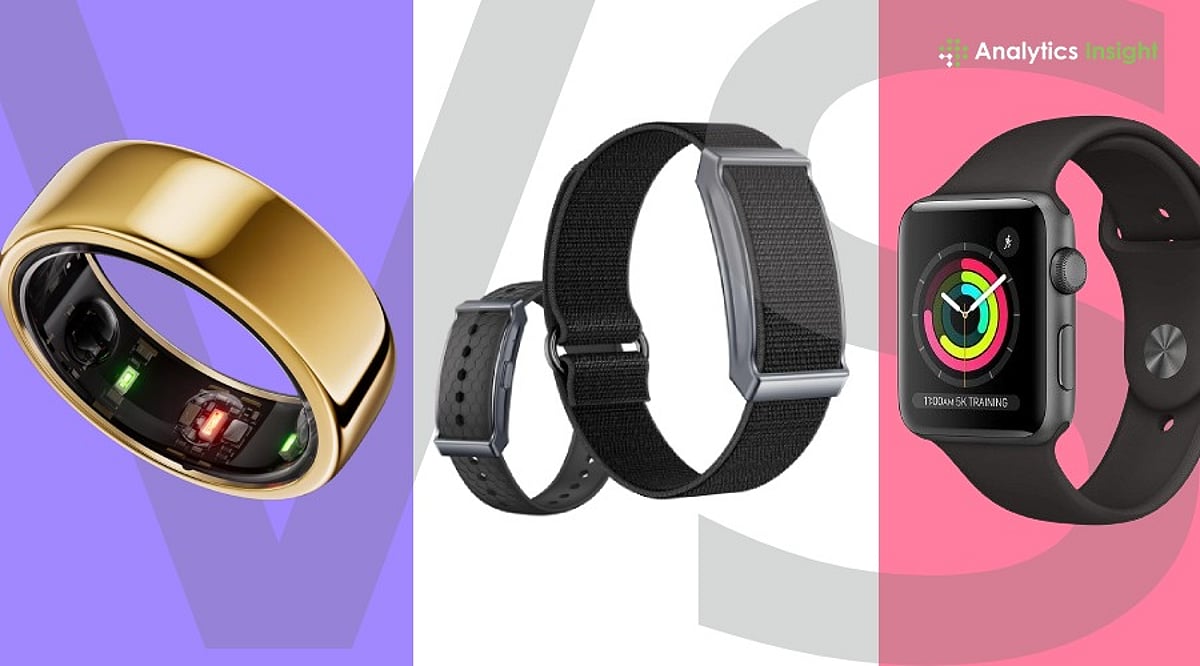
    • Smart Rings – Discreet, always-on health tracking. Lightweight and minimalist, ideal for sleep, heart rate variability, and stress monitoring. No screen distractions, battery lasts 4–7 days.
    • Fitness Trackers – Focus on performance metrics like calories burned, VO₂ max, recovery scores, and GPS tracking. Lightweight, water-resistant, battery 5–10 days. Affordable entry point for athletes.
    • Smartwatches – All-rounders combining health features (ECG, SpO₂, fall detection) with productivity tools (notifications, apps, payments). Battery 1–3 days (premium models up to 5). Higher cost.

    Battery Life Comparison

    Battery life varies by device and usage:

    • Smart Rings: 4–7 days
    • Fitness Trackers: 5–10 days (GPS usage reduces)
    • Smartwatches: 1–3 days; some optimized models reach 5 days

    Best Use Cases

    • Smart Ring: Perfect for discreet health monitoring and sleep optimization.
    • Fitness Tracker: Best for athletes prioritizing fitness-first features.
    • Smartwatch: Ideal for professionals who want productivity, fitness, and connectivity in one device.

    Price Ranges in 2026 (Rs.)

    • Smart Rings: 15,000–25,000
    • Fitness Trackers: 5,000–12,000
    • Smartwatches: 20,000–60,000

    Final Thoughts

    The wearables market is booming, and selecting the right device depends on personal priorities. If minimalism and health focus are key, choose a smart ring. For workout performance, a fitness tracker offers great value. For an all-in-one experience, a smartwatch is the way to go. Map your needs to the device that best supports your lifestyle.

    Frequently Asked Questions

    1. Which smart wearable is best for health monitoring in 2026?

    Smart rings excel for continuous health tracking (sleep, HRV, stress) without a screen. For richer insights plus productivity, a smartwatch is a strong alternative.

    2. Are fitness trackers better than smartwatches for workouts?

    Yes, fitness trackers are more focused on exercise metrics (calories, VO₂ max, GPS) and offer longer battery life at a lower price, making them ideal for dedicated athletes.

    3. How long do smart wearable batteries last?

    Smart rings: 4–7 days; Fitness trackers: 5–10 days; Smartwatches: 1–3 days (some premium models up to 5 days).

    4. What is the difference between a smart ring, fitness tracker, and smartwatch?

    A smart ring is for discreet health tracking; a fitness tracker focuses on activity metrics; a smartwatch combines health, communication, apps, and payments.

    5. Which wearable offers the best value for money in 2026?

    Fitness trackers are most affordable with strong fitness features. Smart rings suit wellness minimalists. Smartwatches provide the most comprehensive experience for health, productivity, and connectivity.

  • ARtGlass Brings History to Life with Wearable Augmented Reality for Cultural Tourism

    ARtGlass Brings History to Life with Wearable Augmented Reality for Cultural Tourism

    ARtGlass, a global leader in wearable augmented reality (AR) experiences for cultural and heritage tourism, is transforming how visitors interact with historic sites. By combining advanced AR glasses with immersive storytelling, the company creates unforgettable experiences that blend digital visuals with real-world environments.

    Founded on the vision of making history accessible and engaging, ARtGlass provides software and services for museums, historic sites, and attractions. Its proprietary TourBuilder platform enables the creation of unique, interactive tours tailored to each location’s stories. The company is best known for its hands-free, transparent smartglasses that overlay AR content onto the real world, allowing visitors to see historical events unfold before their eyes.

    One standout example is the Hegra Alive experience, launched in November 2023 at Hegra, Saudi Arabia’s first UNESCO World Heritage site. Developed in partnership with the Royal Commission for AlUla and NOUS Digital, this two-hour extended reality (XR) tour uses smartglasses to display 3D visuals, holograms, and reenactments. Visitors explore Nabataean tombs and ceremonial spaces guided by local Rawis, supporting Saudi Arabia’s Vision 2030 for sustainable tourism. This was the first XR experience on smartglasses in the Middle East.

    ARtGlass continues to collaborate with cultural institutions worldwide, from Pompeii to other iconic locations, ensuring that history is not just observed but experienced. The company’s work demonstrates the potential of AR to revolutionize cultural tourism, making the past vivid and interactive for modern audiences.