Tag: XRP

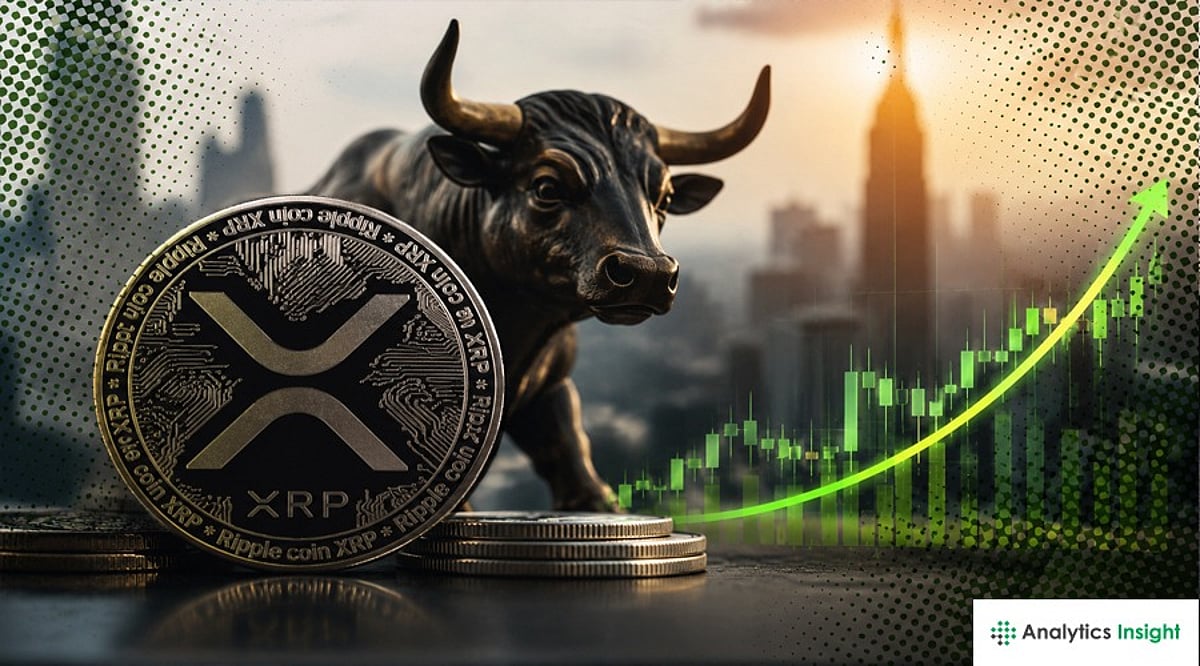
  • XRP Price Outlook: Could the Token Climb Back to $2 in 2026?

    XRP Price Outlook: Could the Token Climb Back to $2 in 2026?

    Key Takeaways

    • XRP requires a stronger crypto market to revisit the $2 level.
    • Institutional ETF demand could be a major price catalyst.
    • Ripple’s business expansion and legal clarity support long-term confidence.

    XRP remains one of the most closely watched assets in the cryptocurrency market. After a strong rally in previous years, the token entered 2026 with lower prices as the broader market lost momentum. A return to $2 is possible, but not guaranteed. The coming months will determine whether XRP starts another significant recovery or stays near current levels.

    Current Price Situation

    As of July 2026, XRP trades around $1.30 to $1.35. The token has fallen about 26% since the start of the year and remains nearly 63% below its July 2025 peak of roughly $3.65. Despite this decline, XRP still ranks among the largest cryptocurrencies by market capitalization. Its strong community, established use case, and connection to Ripple’s payment business keep traders attentive. The current price leaves room for a major recovery if market conditions improve.

    The Broader Crypto Market Will Lead the Way

    XRP’s future value depends heavily on the overall cryptocurrency market. Historically, XRP has performed well during bullish cycles, often gaining momentum alongside Bitcoin. When Bitcoin rallies, investor confidence typically spreads across the market, creating favorable conditions for XRP. If Bitcoin sees a new rally, XRP could attract renewed buying interest. Conversely, if Bitcoin trades sideways or weakens, XRP may struggle to break above the key $2 resistance level. Market sentiment remains the most important factor.

    Institutional Demand Could Be a Game Changer

    Institutional investors are far more important in the crypto market than in previous years. A major development for XRP in 2026 is easier access through exchange-traded funds (ETFs). These products allow professional investors to gain exposure to XRP via regulated financial markets. Strong inflows into XRP ETFs could increase liquidity and attract new capital. Greater institutional participation may also reduce price swings driven by short-term retail trading. If ETF demand continues to grow, XRP could receive the support needed for another major price move.

    Regulatory Clarity Boosts Confidence

    Regulation has been one of the biggest challenges for XRP over the past several years. Legal uncertainty created hesitation among individual and institutional investors. However, that situation has improved significantly. Much of the major legal dispute surrounding Ripple has reached a resolution, giving XRP a clearer regulatory position than many other cryptocurrencies. This removes an important source of uncertainty. A stable legal environment could encourage more financial companies and large investors to consider XRP as part of their digital asset strategy.

    Ripple’s Business Growth Matters

    XRP’s success also depends on Ripple’s business expansion. Ripple continues to build payment solutions focused on faster and cheaper international money transfers. More business partnerships could increase real-world use of the XRP ecosystem. Banks, payment companies, and financial institutions remain important targets for Ripple. New agreements, higher payment volumes, and continued business expansion could strengthen confidence in XRP. Any major acquisition or technology upgrade could also improve the long-term outlook. Strong business growth often creates positive sentiment around the cryptocurrency linked to the Ripple network.

    Market Activity Offers Clues

    Trading activity often provides useful signals about future price direction. ETF flows, whale transactions, exchange balances, and blockchain data are important indicators for XRP. Large investors, often called whales, control significant amounts of XRP. Periods of whale accumulation have often preceded strong price rallies. While this does not guarantee higher prices, it remains one of the signals that many market analysts follow closely. Healthy trading volume and rising market activity could also support a stronger recovery.

    Risks Remain

    Several challenges could prevent XRP from reaching $2 during 2026. A weak crypto market would make a recovery much harder. Low demand for XRP ETFs could reduce fresh investment. Slower adoption of Ripple’s payment services may weaken long-term confidence. Profit-taking by large holders could place extra selling pressure on the market. Global economic uncertainty, higher interest rates, or lower demand for risk assets could also affect cryptocurrency prices across the board.

    Why This Matters

    This analysis outlines a realistic roadmap for XRP’s 50% recovery to the $2 milestone. For digital asset investors, XRP’s current consolidation represents a critical turning point heavily reliant on institutional capital from newly launched ETFs and post-litigation regulatory clarity.

    Can XRP Reach $2 Again?

    A rise from about $1.33 to $2 would require an increase of roughly 50%. Such a move falls within the normal price swings that XRP has shown in previous market cycles. Several market analysts continue to publish positive long-term forecasts for XRP, some even expecting prices well above $2 under favorable conditions. However, these predictions depend on stronger crypto market performance, continued institutional investment, Ripple’s business expansion, and stable economic conditions.

    For now, XRP still has a realistic chance to return to $2 during 2026. Success will depend on several important developments rather than a single event. If market confidence improves and Ripple continues to strengthen its business, XRP could regain lost ground and move closer to that important price level.

    Frequently Asked Questions

    1. Can XRP reach $2 again in 2026? Yes. Reaching $2 requires a 50% increase from current levels. This is highly achievable if broader crypto market momentum recovers and institutional interest through ETFs remains steady.
    2. What is the biggest factor behind XRP’s price? The overall direction of the crypto market, especially Bitcoin’s price action, remains the primary catalyst. General investor sentiment dictates whether XRP can break through key resistance levels.
    3. Why are XRP ETFs important? ETFs provide regulated access for institutional investors. This opens the door to massive professional capital inflows, which boosts market liquidity and helps stabilize extreme price volatility.
    4. How does Ripple affect XRP? XRP is the liquidity bridge for Ripple’s payment network. New bank partnerships and higher cross-border transaction volumes directly increase the token’s real-world utility and long-term investor confidence.
    5. What could stop XRP from reaching $2? A prolonged crypto bear market, weak ETF demand, slow enterprise adoption by financial institutions, aggressive whale profit-taking, or broader global economic downturns could easily cap price growth.

    Disclaimer: This article is for informational purposes only and does not constitute investment advice. Cryptocurrency investments are risky; always do your own research (DYOR) before making any financial decisions.
  • Bitcoin Steadies at $62,748 as ETF Inflows Resume; Ripple Reaches Full MiCA Compliance

    Bitcoin Steadies at $62,748 as ETF Inflows Resume; Ripple Reaches Full MiCA Compliance

    Bitcoin is holding steady near $62,748 after a sluggish end to June, with spot Bitcoin ETFs recording a second consecutive day of net inflows totaling $265 million. The renewed institutional demand, led by BlackRock’s IBIT, is providing cautious optimism among traders, while Ripple’s full MiCA compliance across the European Economic Area boosts XRP sentiment.

    Bitcoin Price Today

    Bitcoin trades at $62,748.67, up 0.09% over the past 24 hours and 5.96% over the past week, according to CoinMarketCap. The asset remains below the $64,000 resistance zone, with analysts identifying $64,700 as the key level to watch for a bullish breakout. Support has strengthened near $61,600.

    ETF Inflows Signal Returning Institutional Demand

    US spot Bitcoin ETFs logged $265 million in net inflows for the second straight day, reversing a challenging outflow stretch that dominated June. BlackRock’s IBIT accounted for over $200 million of the inflows, marking an early sign of institutional interest re-entering the market.

    Ripple Secures Full MiCA Compliance

    Ripple can now offer regulated crypto payment services across all 30 nations of the European Economic Area under a single passportable license. This achievement strengthens Ripple’s position in Europe’s payments landscape and adds to its portfolio of more than 75 global approvals. XRP responded with a 2.48% gain, leading the top 10 cryptocurrencies today.

    Top Cryptocurrency Movers

    Biggest Gainers: XRP (+2.48%), Dogecoin (+2.35%), Solana (+2.29%).

    Biggest Losers: USDC (flat), USDT (+0.01%), TRON (+0.12%).

    Market Outlook

    Bitcoin’s near-term direction hinges on a close above $64,000 to target $65,600 and $67,000. A drop below $61,600 could expose the $59,000 support. Ethereum trades near $1,755, with $1,800 as the next resistance. The upcoming Federal Reserve decision remains a major catalyst, while Ripple’s European expansion supports a longer-term adoption narrative for XRP.

    FAQs

    1. What is the Bitcoin price today?
    Bitcoin trades at $62,748.67, up 0.09% in 24 hours. Weekly gains stand at 5.96%.

    2. Why did spot Bitcoin ETFs see inflows again?
    ETFs recorded a second straight inflow day worth $265 million, led by BlackRock’s IBIT, signaling a potential return of institutional demand after June outflows.

    3. What is the biggest crypto news today?
    Ripple achieving full MiCA compliance across the EEA is the top story, strengthening its regulated payment infrastructure in Europe.

    4. Which coins are outperforming today?
    XRP leads with a 2.48% gain, followed by Dogecoin at 2.35% and Solana at 2.29%.

    5. What does Ripple’s MiCA compliance mean for XRP?
    The license allows Ripple to offer regulated payment services across 30 European nations under one framework, boosting institutional credibility and long-term adoption potential.

    Disclaimer: This article is for informational purposes only and does not constitute investment advice. Cryptocurrencies are risky assets. Always do your own research before investing.

  • XRP Spot Demand Surges as Futures Traders Retreat and Ripple Secures MiCA Approval in Luxembourg

    XRP Spot Demand Surges as Futures Traders Retreat and Ripple Secures MiCA Approval in Luxembourg

    XRP is experiencing a notable divergence between its spot and futures markets. Spot buyers have ramped up activity while derivatives traders reduce leverage, according to recent data. Meanwhile, Ripple has secured full Markets in Crypto-Assets (MiCA) authorization in Luxembourg, expanding its regulated footprint across Europe.

    Spot Buyers Increase Activity While Futures Exposure Falls

    CryptoQuant data reveals that XRP maintained its price near $1.14 despite a steady decline in open interest, which dropped from over $1 billion to approximately $823.8 million. This suggests traders are reducing leveraged positions rather than building larger futures bets. Meanwhile, XRP’s Spot Taker Cumulative Volume Delta (CVD) showed strong taker-buy activity before returning to a more balanced level. Early spot buyers remained more aggressive than derivatives traders during the observed period.

    Additionally, CEX Estimated Spot CVD improved from roughly negative $42 million to positive $406 million—an increase of about $448 million over two months, indicating steady spot demand despite weaker derivatives participation. In contrast, Futures Taker CVD remained weak to neutral throughout the same period, underscoring that futures traders did not match the buying strength seen in spot markets.

    Binance data reflects the same trend. Binance Perpetual CVD declined from about negative $48 million to negative $783 million, showing continued selling pressure in perpetual contracts. Moreover, Binance open interest dropped from approximately $255 million to $203 million, further confirming that traders continue to reduce leveraged positions even as XRP holds relatively stable.

    Ripple Expands European Regulatory Approval

    Ripple announced that Luxembourg’s Commission de Surveillance du Secteur Financier (CSSF) granted the company a Crypto-Asset Service Provider (CASP) license under the European Union’s MiCA framework. This approval allows Ripple to passport regulated crypto services across all 27 European Economic Area member states, thereby expanding its regulated digital asset services throughout the region.

    Following its initial MiCA clearance in June, Ripple stated that the CASP license completes its authorization process under the European regulatory framework. The company also noted that the approval complements its existing European e-money license. Furthermore, Ripple indicated that these combined approvals support its cross-border payments business serving banks, financial institutions, and enterprise clients. The framework provides a regulated structure for crypto payment services across Europe, enabling wider adoption of XRP-powered payment products alongside its RLUSD stablecoin.

    Commenting on the development, Ripple managing director for the UK and Europe, Cassie Craddock, said the company is now fully prepared to expand operations under the MiCA framework after completing the regulatory transition.

    XRP ETFs Extend Inflow Streak

    Institutional demand also remained steady during Ripple’s regulatory expansion. According to SoSoValue, XRP spot exchange-traded funds recorded eight consecutive weeks of net inflows, with cumulative net inflows reaching $1.49 billion. Although the funds recorded no new daily inflows on July 6, total assets under management remained near $1.05 billion, representing approximately 1.47% of XRP’s total market capitalization.

    Meanwhile, crypto.news data shows XRP trading around $1.13 on Tuesday, down 1.1% over the previous 24 hours but remaining nearly 9% higher for the week. During the same period, Bitcoin maintained weekly gains exceeding 10% despite weakness in U.S. equities and rising oil prices linked to geopolitical tensions. Investors also continue monitoring developments surrounding the final version of the GENIUS Act, expected before July 18, while Ether traded near $1,800.

    What’s Next?

    XRP spot demand continues to strengthen as futures traders reduce leverage, creating a clear divergence between the two markets. Meanwhile, Ripple’s full MiCA approval in Luxembourg and XRP spot ETFs’ eight-week inflow streak reflect sustained institutional participation alongside the company’s regulatory expansion. Market participants will watch for further developments in both regulatory frameworks and price action.

  • XRP Gains Momentum as Fed Rate Cut Hopes Rise: Key Drivers Explained

    XRP Gains Momentum as Fed Rate Cut Hopes Rise: Key Drivers Explained

    XRP has moved higher in recent days as investors react to shifting expectations about U.S. interest rates. The latest economic reports point to slower inflation and weaker job market growth, prompting many market experts to anticipate that the Federal Reserve will lower borrowing costs later this year instead of maintaining high rates. This shift has created fresh demand for assets that typically perform well when financial conditions ease, with cryptocurrencies—and XRP in particular—standing out among the leading digital assets.

    Lower Rate Expectations Support Crypto Prices

    Interest rates play a crucial role in the economy. When rates are high, investors tend to move money into safer assets like Treasury bonds. When rates are expected to fall, the opposite occurs: investors seek assets with high growth potential. Recent U.S. economic data confirmed that the Fed is likely to adopt a more lenient monetary policy, causing Treasury yields to decline and allowing many cryptocurrencies to recover from earlier losses.

    Bitcoin Rally Lifts the Entire Crypto Market

    Bitcoin often sets the direction for digital assets. As Bitcoin rallies, confidence spreads to other cryptocurrencies. The latest Bitcoin surge has created a positive atmosphere, with higher trading activity as investors prepare for possible rate cuts. Better liquidity supports risk assets, and XRP has delivered stronger gains than several other large cryptocurrencies during this recovery.

    Ripple Continues to Build Its Network

    XRP’s rise isn’t solely tied to macroeconomic news. Ripple has expanded its payment network and blockchain services, adding partnerships focused on faster and cheaper international money transfers. The XRP Ledger has also grown through projects in decentralized finance, tokenized real-world assets, and business blockchain solutions. These developments reinforce confidence that XRP has practical uses beyond trading.

    Better Regulatory Outlook Boosts Confidence

    Regulatory clarity is a key contributor to XRP’s resurgence. After years of legal ambiguity in the U.S., the situation now appears more favorable. Many analysts believe clearer regulations could bring banks, financial institutions, and hedge funds into the crypto sector, removing uncertainties and encouraging institutional adoption.

    Institutional Interest Continues to Grow

    Large financial institutions have shown increasing interest in digital assets. XRP remains part of this conversation, with growing expectations that investment products linked to the cryptocurrency—such as exchange-traded funds—may become available. Although regulatory approval is still needed, optimism has built, and many analysts believe institutional investment could become an important demand driver.

    Technical Picture Shows Positive Momentum

    Market charts indicate stronger buying activity. XRP has held above important support levels while trading volume has increased during the recent rally. These signals suggest buyers have returned. Traders are watching key resistance levels; a successful move above them could attract even more demand. However, cryptocurrencies remain highly volatile, and short-term swings can still occur.

    Risks Have Not Disappeared

    Despite positive developments, risks remain. Strong economic data or an unexpected rise in inflation could cause the Fed to postpone rate cuts, potentially reducing demand for cryptocurrencies. Political events, sudden regulatory changes, or shifts in investor sentiment are also factors to consider.

    Outlook for XRP

    XRP has received support from multiple positive developments: softer U.S. economic data, a stronger crypto market, continued growth of Ripple’s ecosystem, rising institutional interest, and better regulatory conditions. The coming months could prove important. If interest rates move lower and Ripple continues expanding its network, market conditions may remain favorable. While price fluctuations are likely, the combination of improving economic conditions and stronger project fundamentals creates a positive outlook for XRP in the current market cycle.

  • Bitcoin, Ethereum, and XRP Lead Crypto Market Rally as Investor Confidence Returns

    Bitcoin, Ethereum, and XRP Lead Crypto Market Rally as Investor Confidence Returns

    Bitcoin, Ethereum, and XRP posted solid gains on July 7, 2026, as stronger investor confidence, fresh ETF inflows, better economic conditions, and healthy blockchain activity lifted the cryptocurrency market.

    Overview

    • Bitcoin crossed $63,000 after strong ETF inflows boosted market confidence.
    • Ethereum remained near $1,800 as network growth and DeFi demand stayed strong.
    • XRP climbed to around $1.13 on higher trading activity and optimism over future regulations.

    The cryptocurrency market has made a strong comeback in early July 2026. After several weeks of price swings, major digital coins have moved higher once again. Bitcoin, Ethereum, and XRP have all recorded healthy gains as investor confidence has improved. Better market conditions, fresh institutional money, and positive blockchain activity have helped lift prices across the crypto market.

    As of July 7, 2026, Bitcoin (BTC) trades at around $63,160, Ethereum (ETH) stands near $1,800, and XRP changes hands at about $1.13. The total value of the crypto market has also increased as buyers have returned after the recent correction.

    Bitcoin Stays at the Front of the Rally

    Bitcoin has once again become the biggest driver of the crypto market. The largest cryptocurrency crossed the $63,000 level after fresh demand entered the market. This move has created positive sentiment across the entire digital asset space.

    A major reason behind this rise comes from Bitcoin exchange-traded funds (ETFs). These investment products recorded nearly $224 million in net inflows, which ended six straight days of money leaving the funds. Fresh investment from large financial firms has helped improve confidence. Many investors now believe Bitcoin still has room to move higher if buying continues.

    Market experts have also noticed stronger blockchain data. More long-term holders have decided to keep their Bitcoin instead of selling. Wallet activity has become healthier, and trading volumes have improved. These signs often show that confidence has returned after a period of weakness.

    Ethereum Gains Support from Strong Network Growth

    Ethereum is actively trading near $1,800. It has managed to rise from its previous lows and move into a stable price level. The coin leads in blockchain technology for smart contracts and decentralized applications and has attracted many developers to launch their projects over this network. Employing layer-2 solutions has helped boost the network speed and provided Ethereum with the edge to keep off stiff competition from other companies.

    Why This Matters

    The decentralized finance industry has remained a major support for Ethereum. Many financial services still rely on the Ethereum blockchain. Liquid staking remains a favorable decision by investors in search of returns on their investment. Although some Ethereum funds experienced outflows earlier, the positive trend looks inevitable in the future considering the prevailing market conditions.

    XRP Shows Fresh Strength

    XRP has also enjoyed a healthy price recovery. As of July 7, 2026, the digital coin trades near $1.13, up from June levels. The recent move has placed XRP among the better-performing large cryptocurrencies during this recovery.

    Several reasons have helped support XRP. Market confidence has improved after the earlier correction. Many investors also expect better regulatory clarity for digital assets in the United States during the second half of the year. This expectation has created fresh demand for XRP.

    Trading activity has also increased across the XRP network. Higher trading volumes usually show that more buyers and sellers have entered the market. This stronger activity has added support to the latest price rise.

    Better Economic Conditions Help Crypto

    The crypto market has also received support from the wider economy. Inflation has started to cool in several major economies. Many investors expect central banks to become less aggressive with interest rates later this year.

    Lower interest rates often make risk assets more attractive. Cryptocurrencies usually benefit when investors feel more comfortable investing in higher-risk investments. Strong performance in stock markets has also helped improve confidence across financial markets. This positive mood has supported demand for digital assets.

    Institutional Money Returns

    Large financial institutions continue to play a bigger role in the cryptocurrency market. Asset managers, investment firms, and hedge funds have increased their exposure to digital assets through regulated investment products.

    The recent return of money into Bitcoin ETFs shows that institutional investors still see long-term value in cryptocurrencies. Their participation has helped improve market stability and liquidity. Many analysts believe this type of investment could support prices over the coming months if demand remains steady.

    Technical Signals Support Higher Prices

    Price charts have also helped fuel the latest rally. Bitcoin moved above the important $63,000 level, which many traders consider a key resistance point. After this level broke, more buyers entered the market, which pushed prices even higher.

    Ethereum and XRP also crossed important short-term resistance levels. This move attracted additional traders and increased buying activity. If demand stays strong, these cryptocurrencies could test higher price levels during the rest of July.

    Some Risks Still Remain

    Despite the recent rally, the cryptocurrency market remains unpredictable. Prices can change quickly, and sudden events may create sharp moves in either direction.

    New government regulations, changes in interest rate policy, or global political tensions could affect investor confidence. Many traders may also decide to take profits after the recent gains. These factors could create short-term pressure on prices.

    Outlook for the Crypto Market

    The latest crypto rally has come from several positive factors at the same time. Fresh institutional investment, stronger blockchain activity, better economic conditions, and improved market confidence have all supported higher prices.

    As of July 7, 2026, Bitcoin trades around $63,160, Ethereum remains near $1,800, and XRP stands close to $1.13. If ETF inflows continue and market conditions remain favorable, the crypto market could extend this recovery during the rest of July 2026. At the same time, investors will closely watch economic data and future regulatory decisions, as both can influence the next move in cryptocurrency markets.

    FAQs

    1. Why is the crypto market rising today? The market has moved higher amid stronger investor confidence, fresh institutional investment, ETF inflows, and improving economic conditions.
    2. What is Bitcoin’s price on July 7, 2026? Bitcoin trades at around $63,160.
    3. What is Ethereum’s current price? Ethereum trades near $1,800 as of July 7, 2026.
    4. Why has XRP gained value? XRP has benefited from higher trading activity, improved market sentiment, and hopes for better regulatory clarity.
    5. Can the crypto rally continue? The rally could continue if ETF inflows remain strong and economic conditions stay favorable, although market volatility and regulatory developments remain important factors.

    Disclaimer: This article is provided for informational purposes only and does not constitute financial or investment advice. Cryptocurrency investments are volatile and risky. Always conduct your own research (DYOR) before making any investment decisions.

  • XRP Surges Past $1.15 Amid 62% Volume Spike and Falling Exchange Supply

    XRP Surges Past $1.15 Amid 62% Volume Spike and Falling Exchange Supply

    XRP rebounded sharply this week, climbing back above $1.15 after finding solid support near the $1.03 level. The recovery was fueled by a dramatic 62% surge in daily trading volume, which reached $1.8 billion, signaling renewed trader interest and liquidity in the market.

    Trading Activity Accelerates as XRP Recovers

    The latest rebound follows a challenging June for XRP holders, during which the token retreated from February highs above $1.55 to a low between $1.00 and $1.04 by late June. That decline marked one of the largest holder drawdowns in over a decade. Despite the price drop, institutional demand for XRP-linked spot exchange-traded funds (ETFs) weakened, with net inflows falling from $132 million in May to just $59 million in June — a 55% monthly decline.

    However, on-chain metrics painted a more optimistic picture. According to Santiment, daily active addresses on the XRP Ledger climbed to their highest level since February, when XRP was trading between $1.47 and $1.54. This suggests that retail and network activity is on the rise even as institutional inflows cool.

    Binance Supply Shrinks While Futures Reset

    Data from CryptoQuant researcher ArabxChain showed that the XRP Binance Scarcity Index reached 0.77, its highest reading in more than two years. Binance’s XRP reserves have fallen by roughly 20% since November 2024, dropping from around 3.27 billion tokens to nearly 2.6 billion. Exchange holdings also declined from approximately 2.8 billion in May to 2.6 billion in early July, indicating tightening supply.

    In addition to lower exchange balances, analyst ChartNerd highlighted what was described as XRP’s “3rd Retest” on social media platform X, identifying the pattern as a favorable entry area for traders building positions through technical analysis.

    Technical Levels Remain in Focus

    Futures market data from Coinglass revealed that funding rates turned deeply negative between June 26 and June 28 as XRP hit its recent low. This positioning set the stage for a short squeeze, which subsequently pushed XRP toward $1.13 as funding rates returned to slightly positive territory, signaling more balanced futures positioning.

    Looking ahead, immediate resistance sits near $1.20, a level that capped the mid-June recovery attempt. A daily close above that threshold would expose the $1.35 to $1.40 range, representing roughly 22% upside from current prices. The daily Relative Strength Index (RSI) remains near 55, indicating room for further gains before reaching overbought conditions. The 200-day Exponential Moving Average (EMA) stands near $1.50, while a move below $1.00 would invalidate the current recovery structure.

    Notably, XRP trading volume recently surpassed that of Bitcoin on South Korean exchange Upbit, adding another data point as traders watch whether stronger demand continues to develop.

    What’s Next?

    XRP has successfully recovered above $1.15 after finding support near $1.03, supported by increased trading volume and strengthening XRP Ledger activity. Meanwhile, declining reserves on Binance and improving futures positioning reflect shifting market dynamics. Investors will now be watching closely to see whether XRP can break decisively above the $1.20 resistance level in the coming sessions.

  • XRP Price Analysis: Will the $1 Support Level Hold or Break in 2026?

    XRP Price Analysis: Will the $1 Support Level Hold or Break in 2026?

    XRP has reached one of the most pivotal points of 2026. The $1 price level has become the main area that traders and investors now watch daily. This level has historically acted as strong support, with many buyers entering around this price. After several months of volatility, XRP now sits close to this critical mark. The coming weeks could determine whether the token begins a new recovery or suffers a deeper decline.

    As of early July 2026, XRP trades just above $1 after a nearly 20% drop during June. This decline occurred despite Ripple achieving several positive milestones this year. The broader cryptocurrency market remains cautious, with many investors shifting to safer assets, reducing demand for digital currencies.

    Why the $1 Support Level Matters

    The $1 level is more than a round number. It has become a strong psychological support area because buyers have stepped in near this price multiple times before. If XRP stays above $1, confidence could gradually return, potentially pushing the price toward $1.15 and then testing the $1.20 resistance.

    However, if XRP falls below $1 and closes there for several days, more selling may follow. Many traders place stop-loss orders near this support zone. Once triggered, the price could drop quickly, with the next major support near $0.80 becoming the likely target.

    Ripple Shows Strong Business Growth

    Despite XRP’s price struggles, Ripple has made solid progress in 2026. The company expanded its payment network and continued developing new products for banks and financial institutions. Activity on the XRP Ledger has increased significantly, with daily transactions now reaching nearly three million. More businesses use the network for tokenized real-world assets, automated market maker pools, and RLUSD settlements. Tokenized assets on the blockchain now represent hundreds of millions of dollars, demonstrating that Ripple continues to build useful services even when XRP’s price performance remains weak.

    XRP ETFs Bring Institutional Money

    One of the biggest developments for XRP came with the launch of spot XRP exchange-traded funds (ETFs) in late 2025. These products have attracted around $1.48 billion in total inflows, opening the door for more institutional investors to gain exposure to XRP without directly buying the cryptocurrency. This steady flow has supported market confidence for much of the year. However, recent sessions recorded the first notable outflows after months of steady demand, indicating that large investors have also become more cautious amid recent market weakness.

    Regulation Could Shape XRP’s Future

    Government rules remain a major factor affecting XRP. Investors closely watch new cryptocurrency laws in the United States. Clear regulations could make it easier for financial companies to invest in digital assets with greater confidence. Several proposals have raised hopes for better legal clarity during 2026, but delays in new legislation have tempered market excitement. Many experts believe stronger regulatory support could attract more institutional money into XRP, though market conditions and the overall economy will still play a major role in future price movements.

    Technical Charts Show Mixed Signals

    Technical indicators suggest selling pressure has started to ease. The Relative Strength Index (RSI) has recovered from oversold levels, often meaning sellers may lose strength after a sharp decline. Trading volume has also decreased during recent price drops, which can indicate fewer traders are willing to sell at current prices. However, XRP still trades below several important moving averages, so analysts have not confirmed a long-term bullish trend.

    The first resistance area stands between $1.08 and $1.10. If buyers push above this range, XRP may move toward $1.18 and then $1.20. A stronger rally could later send the token into the $1.30 to $1.45 range. Conversely, failure to defend $1 may increase selling pressure and pull the price closer to $0.80.

    The Overall Crypto Market Still Controls XRP

    Ripple’s business growth has improved during 2026, but XRP still follows the direction of the wider cryptocurrency market. Bitcoin and other major digital assets have faced heavy pressure as investors remain cautious about global economic conditions and interest rate expectations. This cautious mood has reduced the amount of money entering cryptocurrencies. Positive news about Ripple has helped support confidence but has not been strong enough to create a lasting rally. Many market experts believe XRP needs both stronger market sentiment and continued business growth before a major recovery becomes possible. Institutional demand through ETFs has provided some support, but that alone may not push prices much higher unless the overall crypto market also turns positive.

    Why This Matters

    XRP hovering near the $1 psychological threshold represents a make-or-break crossroads for 2026. While Ripple utility expands via three million daily ledger transactions and $1.48 billion in spot ETF inflows, broader macroeconomic risk aversion threatens a breakdown toward $0.80 if this pivotal support fails.

    Final Outlook for XRP in 2026

    The rest of 2026 could become one of the most important periods for XRP. The $1 support level now stands at the center of market attention. If buyers keep control of this area, XRP could slowly recover toward $1.20 and later move into the $1.30 to $1.45 range if the broader cryptocurrency market improves. A clear break below $1 would weaken the technical outlook and may open the door for a decline toward $0.80. Ripple continues to report strong business growth, higher network activity, and rising institutional interest through XRP ETFs. These positive developments support the long-term outlook. However, short-term price movement still depends on investor confidence and the direction of the overall cryptocurrency market.

    Frequently Asked Questions

    1. Why is the $1 price mark so critical for XRP right now?

    The $1 mark is a major psychological and technical support line. Holding above it keeps a recovery toward $1.20 alive, whereas closing underneath it risks triggering mass stop-loss selling orders.

    2. How have the newly launched spot XRP ETFs impacted the market?

    Spot ETFs have pulled in $1.48 billion in net inflows since late 2025. These investment funds provide solid underlying structural demand by giving large institutional investors direct exposure to XRP.

    3. Is Ripple’s real-world business adoption actually expanding?

    Yes. Independent of price, the XRP Ledger averages nearly three million daily transactions. This operational growth is driven by automated market maker pools, tokenized real-world assets, and RLUSD stablecoin settlements.

    4. What happens from a technical standpoint if the $1 support level breaks?

    Consecutive daily closes below $1 would invalidate the current market structure. This technical failure would give short-sellers total control, likely exposing the cryptocurrency to a deeper correction toward $0.80.

    5. What macro factors are keeping XRP from staging a major breakout?

    XRP remains tied to the broader crypto market. Digital assets face persistent selling pressure amid global economic uncertainty, and cautious interest rate expectations have reduced capital flowing into riskier assets.

  • XRP and Solana ETFs Gain as Bitcoin Spot Funds See $526 Million in Outflows

    XRP and Solana ETFs Gain as Bitcoin Spot Funds See $526 Million in Outflows

    Bitcoin spot ETFs experienced a significant capital flight last week, losing $526 million, while XRP and Solana funds attracted fresh institutional inflows. Ethereum products shed $14 million, yet XRP and Solana combined drew $49 million, signaling stronger demand during a weaker market phase.

    XRP ETFs Extend Weekly Inflow Streak

    XRP spot ETFs recorded a ninth consecutive week of net inflows, adding $17.19 million despite broader market pressure. The products continued to attract buyers while Bitcoin funds faced heavy withdrawals. According to CoinGlass data, the total market capitalization of combined XRP ETF products reached $690 million. Historical cumulative net inflows across these spot products reached 754.78 million XRP.

    Daily activity showed steady accumulation. On June 29, XRP ETF products logged a single-day inflow of 14.64 million XRP, before smaller outflows followed on June 30 and July 1. Those pullbacks totaled 2.68 million XRP and 1.79 million XRP. Then, on July 2, inflows turned positive again with another 6.22 million XRP added.

    Bitwise Leads XRP Products as Solana Recovers

    The Bitwise XRP ETF, listed as 1XRP, led the sector with $245.31 million in assets under management. Canary XRP ETF (2XRPC) followed with $225.91 million, and Franklin XRP ETF (3XRPZ) ranked third with $167.87 million. Together, the three products accounted for most XRP ETF capital in the available data.

    Solana ETFs also returned to positive territory. Daily metrics showed 77,070 SOL in net inflows on June 29, as institutional buying stabilized during the week. The Bitwise Solana Staking ETF (BSOL) held $595.88 million in assets, representing the largest share of institutional capital allocated to Solana in the data provided.

    XRP Breakout Faces First Support Test

    XRP finally moved above $1.14, a level that had capped recent upside attempts. Buyers pushed the token as high as $1.158 before sellers drove it back toward $1.146. During the 24-hour session, XRP rose from $1.1344 to $1.1454, gaining 2.87%. The breakout occurred at 22:00 UTC on July 5, when volume reached 81.89 million XRP — about 207% above the 24-hour average. The move carried XRP from $1.1356 to $1.1594 within two hours, clearing resistance near $1.1400.

    Traders are now watching the $1.1400–$1.145 range as key support after the breakout. Sellers emerged near $1.158 and pulled XRP below short-term support at $1.150. The 60-minute chart weakened after XRP failed to reclaim $1.155. The short-term range now sits between $1.145 and $1.151. A decisive loss of $1.145 would shift attention toward $1.142 and then $1.133. XRP needs to reclaim $1.155 before buyers can test the $1.17–$1.20 resistance zone. A move above $1.20 would bring $1.29–$1.30 back into focus.

    What’s Next?

    XRP ETFs stayed resilient as Bitcoin spot ETFs recorded heavy outflows and Solana funds returned to positive territory. XRP’s move above $1.14 showed renewed buyer interest, but resistance near $1.155 and $1.17–$1.20 remains key. Traders should watch support before expecting stronger continuation.

  • XRP Price Forecast 2029: Could the Token Reach $10 in Three Years?

    XRP Price Forecast 2029: Could the Token Reach $10 in Three Years?

    XRP remains a strong long-term crypto project backed by real-world payment utility, rising institutional demand, improving regulations, and growing adoption, with forecasts suggesting possible prices between $4 and $10 by 2029.

    Key Takeaways

    • Ripple’s payment network now handles nearly $16 trillion yearly, showing growing institutional trust.
    • XRP ETFs attracted $1.47 billion inflows, signaling strong investor confidence despite weak price action.
    • If adoption accelerates, XRP could realistically reach $4–$10, with bullish forecasts targeting $20+ by 2029.

    XRP has stayed among the biggest names in crypto for many years. Unlike many digital coins that depend mostly on hype, XRP has a real purpose. It helps banks and financial companies send money across countries much faster and at lower cost. Given this use case, many experts believe XRP has strong long-term potential.

    As of July 2026, XRP trades close to $1.04, or around ₹98.5 in India. Its total market value stands above $65 billion, which keeps XRP among the largest cryptocurrencies in the world. The price has fallen compared to earlier highs, but many market analysts believe this may only be a temporary weak phase before the next major move.

    Ripple’s Business Growth Creates Hope for XRP

    One of the strongest reasons behind positive XRP forecasts comes from Ripple’s business expansion. Ripple is the company connected with XRP and focuses on global payments. Recently, Ripple CEO Brad Garlinghouse revealed that Ripple now handles nearly $16 trillion in yearly payment volume across its growing network.

    This number shows that large financial institutions continue to trust Ripple’s payment technology. If more banks start using XRP as part of this system, demand for the token could rise sharply over the next few years. Greater adoption often creates stronger price movement, especially in crypto markets.

    ETF Demand Shows Strong Institutional Interest

    Another major development came through XRP exchange-traded funds, also called ETFs. These investment products allow institutions and large investors to gain exposure to XRP without directly buying crypto on exchanges.

    Reports show that XRP ETFs have attracted more than $1.47 billion in total inflows since late 2025. This marks almost eight straight weeks of positive investment activity. Interestingly, XRP price has not moved much despite this strong money flow. Experts believe wider market weakness has kept prices low, but the continued ETF demand shows strong confidence from institutional investors.

    Better Regulation Could Help XRP Grow Faster

    For many years, one of XRP’s biggest problems came from legal uncertainty. Ripple spent years fighting a case against the U.S. Securities and Exchange Commission. This legal battle created fear among investors and slowed growth.

    Now the situation looks far better. Regulatory clarity has improved a lot compared to previous years. New crypto laws under discussion in the United States, including the CLARITY Act, could create even stronger confidence among large investors. Better regulation often brings more money into the crypto market, and XRP could benefit heavily from that shift.

    Current Price Action Shows Short-Term Pressure

    It’s been hard on XRP this year from a technical perspective. Currently, it is at about one dollar, which means it has hit a key area of support. Resistance is between $1.20 and $1.30.

    Technical indicators indicate that momentum is pretty weak right now. Some analysts think XRP has entered an oversold area, which has previously led to recoveries. While there is no guarantee that there will be a sharp increase, the possibility exists for a larger increase at a future date.

    XRP Price Prediction for the Next Three Years

    If crypto market conditions stay weak and adoption slows down, XRP could trade between $1.50 and $3.00 by 2029. This would represent a slower recovery phase where demand stays limited.

    Under normal market conditions, experts believe XRP has room to reach $4 to $8 within three years. This forecast depends on steady growth in Ripple partnerships, stronger ETF demand, and gradual recovery across the crypto market.

    In the most positive scenario, XRP could reach $10 to $20 by 2029. This would require mass adoption from banks, better global crypto regulations, and a sharp rise in overall market confidence. Some forecasts have even suggested XRP could hit $28 by 2030, although that remains highly speculative.

    Final Outlook

    XRP continues to stand out as it offers more than simple speculation. Ripple has built real payment infrastructure, and the company keeps expanding globally. Despite current price weakness near $1, the long-term story remains interesting.

    Over the next three years, realistic estimates place XRP somewhere between $4 and $10 if market conditions improve. If adoption grows much faster than expected, prices could move far beyond that range.

    The future of XRP now depends on one major factor — whether Ripple’s growing payment network creates direct and consistent demand for the XRP token itself. That answer will decide how valuable XRP becomes by 2029.

    FAQs

    1. What is XRP mainly used for? XRP helps enable faster and cheaper international money transfers through Ripple’s payment network.
    2. Why are investors bullish on XRP? Given Ripple’s business growth, ETF demand, improving regulations, and its real-world financial use case.
    3. Can XRP reach $10 in the next 3 years? Yes, many analysts believe XRP could hit $10 if adoption grows and overall crypto markets recover strongly.
    4. How important is regulation for XRP? Very important. Better crypto regulations can increase institutional investment and reduce uncertainty around Ripple.
    5. Is XRP a long-term investment? Many investors see XRP as a long-term asset given Ripple’s expanding global payment infrastructure, though crypto remains highly volatile.
  • Top Cryptos Under $1: IceBull Presale Stage 1 at $0.00001, XRP and Stellar Remain on Radar

    Top Cryptos Under $1: IceBull Presale Stage 1 at $0.00001, XRP and Stellar Remain on Radar

    When investors search for the best cryptos under $1, they are often looking for more than just a low price tag. They want projects that combine affordability, strong fundamentals, and the potential for long-term growth. That’s why established cryptocurrencies like XRP and Stellar continue to attract attention year after year. Both have proven themselves as payment-focused blockchain networks with loyal communities and real-world use cases.

    At the same time, a new Ethereum-based project is entering the conversation. IceBull has officially launched Stage 1 of the IceBull Crypto Presale, giving investors a chance to participate from the very beginning at just $0.00001 per token.

    Why Low-Priced Cryptocurrencies Appeal to Investors

    Lower-priced cryptocurrencies have always drawn investors who enjoy building larger positions without committing substantial capital. However, experienced investors know that a token’s price alone does not determine its future potential. The strength of a project’s community, tokenomics, development activity, security, and long-term vision matter far more than the number on a chart. That is why XRP, Stellar, and IceBull are being discussed together—each offers something different despite being at very different stages of development.

    XRP: Proven Across Multiple Market Cycles

    Few cryptocurrencies have remained as consistently recognized as XRP. Built to improve international payments, XRP is known for its fast settlement speeds, low transaction costs, and strong liquidity across global exchanges. Despite changing market conditions, it continues to attract investors looking for an established cryptocurrency with practical utility. Its long history makes XRP a benchmark asset that many investors continue to hold through multiple cycles.

    Stellar: Building Real-World Adoption

    Stellar has quietly developed into one of blockchain’s most practical payment networks. Its mission to improve global financial access has helped it form partnerships and attract users who value speed, affordability, and efficient cross-border transactions. Rather than relying on hype, Stellar has built its reputation through consistent development and a clear long-term objective. For investors prioritizing utility, Stellar remains one of the most respected projects in the cryptocurrency space.

    IceBull: Targeting Early Adopters

    Unlike XRP and Stellar, IceBull is still in the earliest chapter of its journey. Instead of launching directly onto exchanges, it is progressing through a transparent 16-stage presale, allowing investors to enter before public trading begins. With the IceBull Crypto Presale now live, Stage 1 participants can purchase tokens at $0.00001—the lowest public price available throughout the entire presale. The project has also announced a planned listing price of $0.025, creating a clear pricing structure from the first stage through to exchange launch.

    Key features of IceBull include:

    • Ethereum ERC-20 blockchain
    • Stage 1 live at $0.00001
    • Planned listing price of $0.025
    • SolidProof audited smart contracts
    • Up to 80% APY staking
    • Team token vesting
    • 10% referral rewards for both users on purchases above $30
    • Community-focused development

    For investors who enjoy discovering projects before exchange listings, IceBull offers a completely different opportunity compared to buying established cryptocurrencies.

    Three Projects, Three Different Investment Stories

    One of the biggest mistakes investors make is assuming every cryptocurrency should be evaluated the same way. XRP has already proven itself as a global payment network. Stellar focuses on expanding financial accessibility through blockchain technology. IceBull, meanwhile, is aimed at investors looking for exposure to an early-stage Ethereum project before it reaches exchanges. Each serves a different purpose, so comparisons are useful without suggesting they compete directly.

    Which Type of Investor Are You?

    Some investors feel more comfortable buying cryptocurrencies with years of market history behind them. Others actively search for projects before they become widely known, believing that early research creates opportunities unavailable after exchange listings. There is no right or wrong approach. Many experienced investors combine established assets with carefully researched early-stage projects to build a diversified portfolio.

    Final Thoughts

    The best cryptos under $1 are not necessarily the cheapest—they are the projects that combine strong fundamentals with a clear vision for long-term growth. XRP continues to demonstrate why it remains a leading payment-focused cryptocurrency. Stellar offers practical blockchain technology backed by years of steady development. And IceBull provides something completely different: a live Stage 1 presale at $0.00001, a planned $0.025 listing price, audited smart contracts, up to 80% APY staking, referral rewards, and a transparent 16-stage presale. IceBull is beginning to attract investors looking for the next generation of Ethereum-based crypto opportunities.

    Frequently Asked Questions

    What are the best cryptos under $1?
    Many investors compare established cryptocurrencies such as XRP and Stellar alongside early-stage projects like IceBull Crypto Presale, which is currently live in Stage 1.

    Is IceBull available to buy?
    Yes. IceBull is now available through the official IceBull Crypto Presale, with Stage 1 priced at $0.00001.

    What is IceBull’s planned listing price?
    IceBull has announced a planned listing price of $0.025 following the completion of its transparent 16-stage presale.

    Why is IceBull attracting attention?
    Investors are watching IceBull because of its live Stage 1 presale, $0.00001 entry price, $0.025 planned listing price, Ethereum foundation, SolidProof audit, staking rewards, referral program, and community-driven approach.

    Disclaimer: This article is for informational purposes only and should not be considered financial advice. Cryptocurrency investments involve risk, and readers should always conduct their own independent research before making investment decisions.