
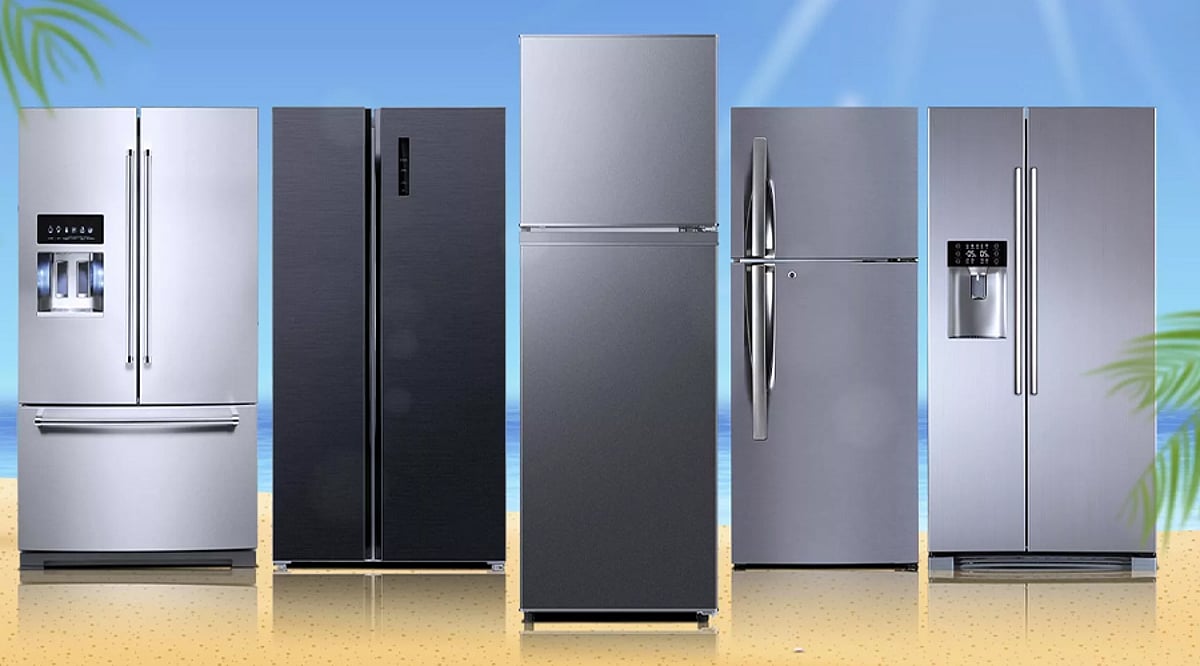
Modern refrigerators can use significantly less electricity than older models, thanks to a combination of advanced compressors, improved insulation, efficient electronics, and smarter cooling systems. Since refrigerators run year-round, even small efficiency gains translate into noticeable savings on household energy bills.
Inverter Compressors: Smarter Power Management
One of the biggest innovations is the inverter compressor, which adjusts its speed based on cooling demand rather than turning fully on and off. This eliminates the frequent high-power startups that waste energy and helps maintain a more stable internal temperature. When less cooling is needed, the compressor runs at a lower speed, reducing unnecessary electricity consumption.
Better Insulation and Door Seals
Modern cabinets use advanced insulating materials, while magnetic gaskets create tighter seals around doors. This keeps cold air inside, reducing the workload on the compressor. Less cooling escapes, so the refrigerator doesn’t have to work as hard to maintain the set temperature.
Smarter Cooling Systems and Electronics
Today’s refrigerators incorporate sensors that monitor temperature changes, door openings, and cooling conditions. Efficient defrost systems, energy-saving fans, LED lighting, and improved control electronics further cut power use. These components work together seamlessly to optimize performance around the clock.
Comparing Efficiency with BEE Star Labels
In India, the Bureau of Energy Efficiency (BEE) star label helps consumers compare refrigerator energy consumption. Ratings range from 1 to 5 stars, with annual energy usage as the key metric. The label also includes model details, compressor type, and annual kWh figures for easy comparison.
Keep in mind that the most efficient refrigerator isn’t always the largest or most expensive. Capacity affects electricity use, so compare similar-sized models using their annual kWh rating. In hot climates like Hyderabad, good insulation, tight door seals, and a higher-efficiency model become even more valuable.
Before You Buy: What to Check
If you’re considering replacing an old refrigerator, evaluate its age, current electricity use, cooling performance, and repair history. Compare the new model’s annual energy consumption against its purchase price and expected long-term savings. A refrigerator that uses less electricity can lower running costs over several years, making energy efficiency a critical factor in your buying decision.
Leave a Reply