
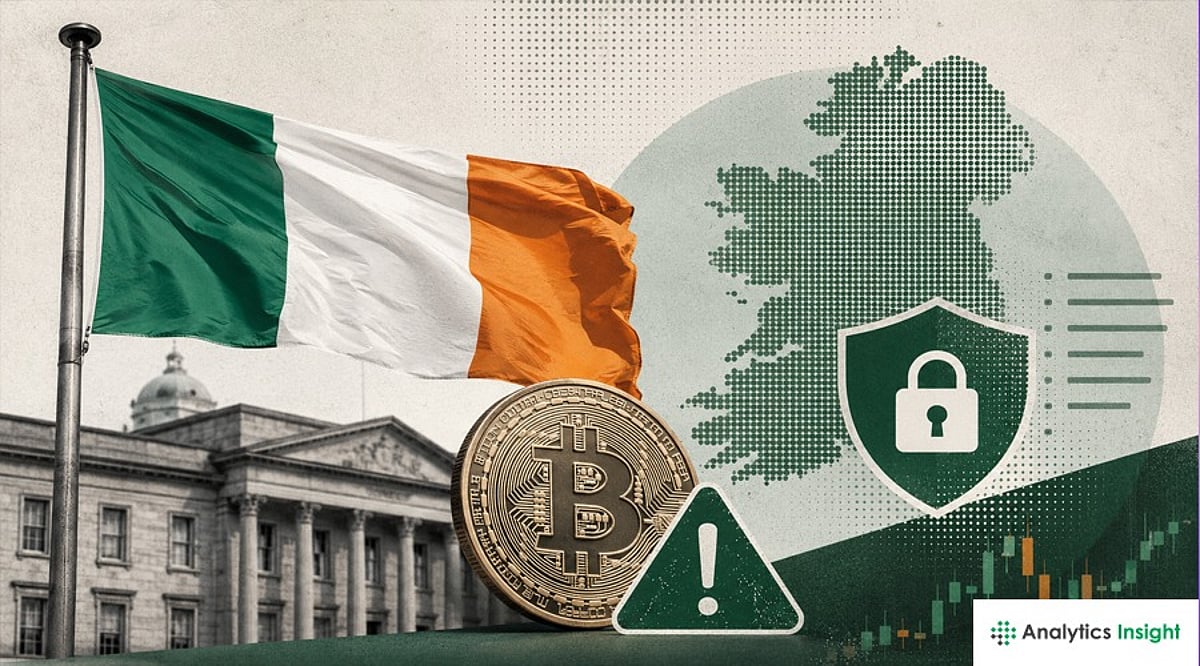
Ireland has officially flagged cryptocurrency as a major financial crime risk in its first national risk assessment focused on digital assets in seven years. The Department of Finance warns that digital assets pose ‘very significant’ risks tied to money laundering, terrorism financing, sanctions evasion, and weak oversight in decentralized finance (DeFi) platforms.
Rising Threats in a Changing Market
The assessment notes a dramatic shift since Ireland’s last review in 2019. Digital assets now sit at the intersection of legitimate finance and illicit activity, increasing pressure on enforcement agencies and policymakers. Authorities highlight that cryptocurrencies can move value across borders with limited transparency, creating openings for sanctions evasion, tax non-compliance, and bribery. The report also specifically names DeFi as an area with limited oversight, complicating monitoring for banks, exchanges, and regulators.
Government Plans and Industry Impact
Ireland plans to develop industry standards for accepting crypto-related activities as a source of funds, with the framework expected in the second half of 2027. While the report does not announce new legislation, it signals tighter oversight ahead. The move could affect exchanges, financial institutions, and businesses that accept cryptocurrency-related funds. Officials also warn that uneven international rules add risk for Irish firms operating across several jurisdictions. Ireland serves as a European base for several large cryptocurrency firms and technology companies seeking access to European markets, making the issue particularly pressing.
Scrutiny Grows Across Politics and Business
Crypto ownership in Ireland remains relatively high, with the Central Bank of Ireland reporting that about 10% of the population has invested in cryptocurrencies. This level of use has increased pressure on policymakers to balance innovation with consumer protection and financial stability. The report follows a series of regulatory actions against crypto firms, including a fine on Coinbase’s European arm in late 2025 for anti-money laundering and counter-terrorism financing failures related to transaction monitoring systems. Ireland has also restricted crypto use in politics, banning political donations made through digital assets in 2022.
What’s Next?
Ireland has traditionally relied on wider European Union frameworks rather than building extensive domestic crypto rules. However, the rollout of the EU’s Markets in Crypto-Assets Regulation (MiCA), along with growing concerns over money laundering and sanctions compliance, has pushed the government to reassess the sector’s risks. The latest review shows a clearer shift in policy direction, placing digital asset activity under closer scrutiny as Ireland prepares for stronger controls in the years ahead.
Leave a Reply