
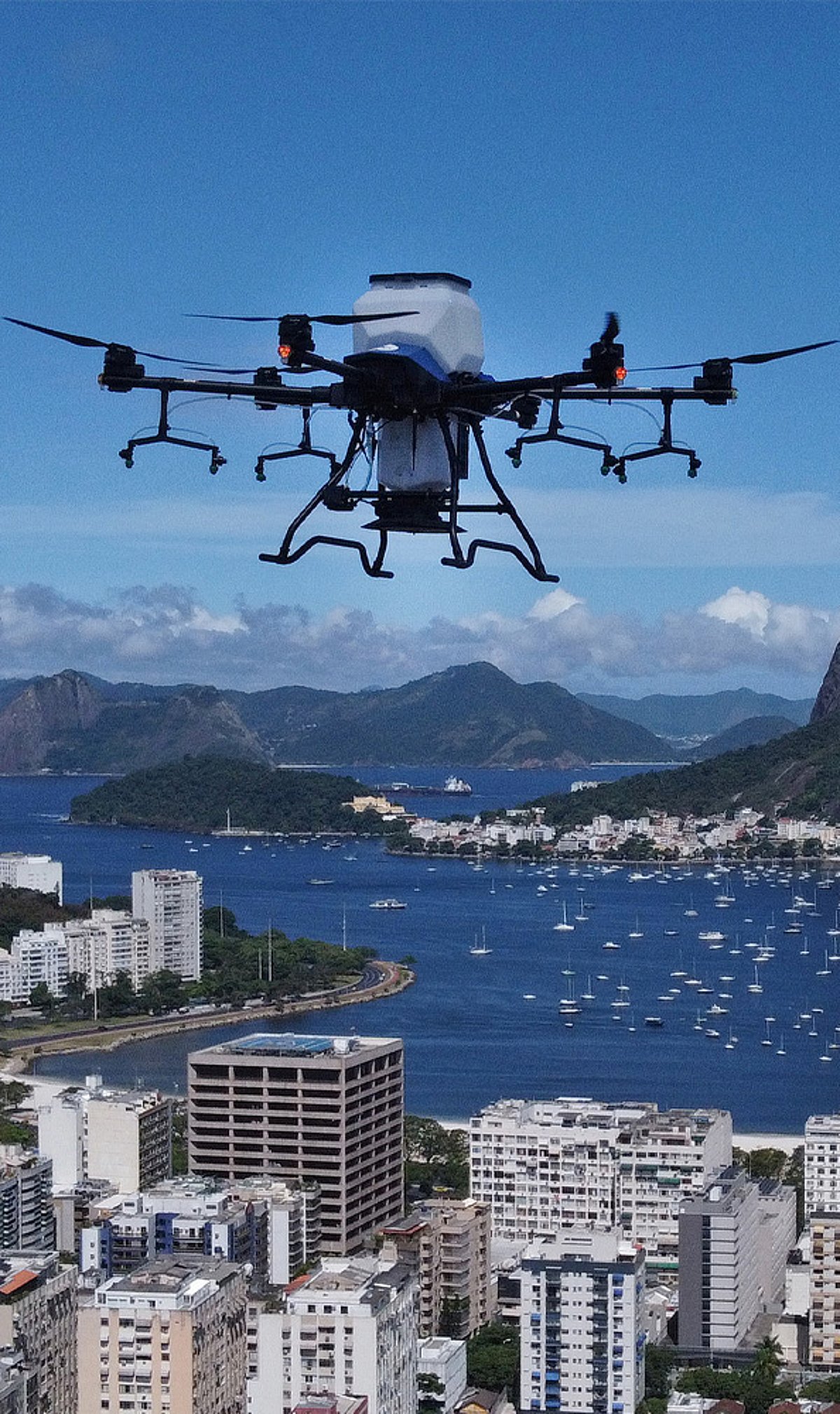
Japan is pioneering the use of artificial intelligence and drone technology to tackle one of the world’s most pressing environmental challenges: deforestation. By combining AI-powered drones with advanced imaging and automated systems, the country is developing a scalable, cost-effective approach to reforesting degraded landscapes, from remote mountains to disaster-stricken zones.
At the core of this innovation is AI-driven seed planting. Drones equipped with precision seed-dispersal mechanisms can cover vast and difficult terrains far quicker than human planters, dramatically reducing both labor costs and operational expenses. This method allows millions of trees to be planted in a fraction of the time required by traditional manual efforts.
Precision mapping plays a critical role. Drones use advanced imaging systems to identify degraded land, analyze soil conditions, and determine optimal planting locations. Real-time environmental data helps improve seed survival rates and restoration success, making every flight more effective than random scattering.
Beyond planting, intelligent drones continuously monitor forest growth, soil health, and vegetation changes. This automated surveillance enables faster intervention when problems arise, such as pest outbreaks or water stress, and supports better long-term forest management decisions. The data collected feeds into AI models that refine future planting strategies, maximizing resource allocation and survival rates.
The environmental impact is significant. Large-scale drone reforestation accelerates carbon capture, restores ecosystems, and protects biodiversity. It also helps countries meet ambitious climate goals by providing a practical tool for large-scale restoration. Japan’s approach could serve as a global model, demonstrating how technology can strengthen climate resilience for future generations.
With lower operational costs and the ability to reach previously inaccessible areas, AI drones are poised to transform reforestation from a slow, labor-intensive process into a fast, data-driven conservation strategy. The future of global reforestation may well be flown by autonomous drones.
Leave a Reply