
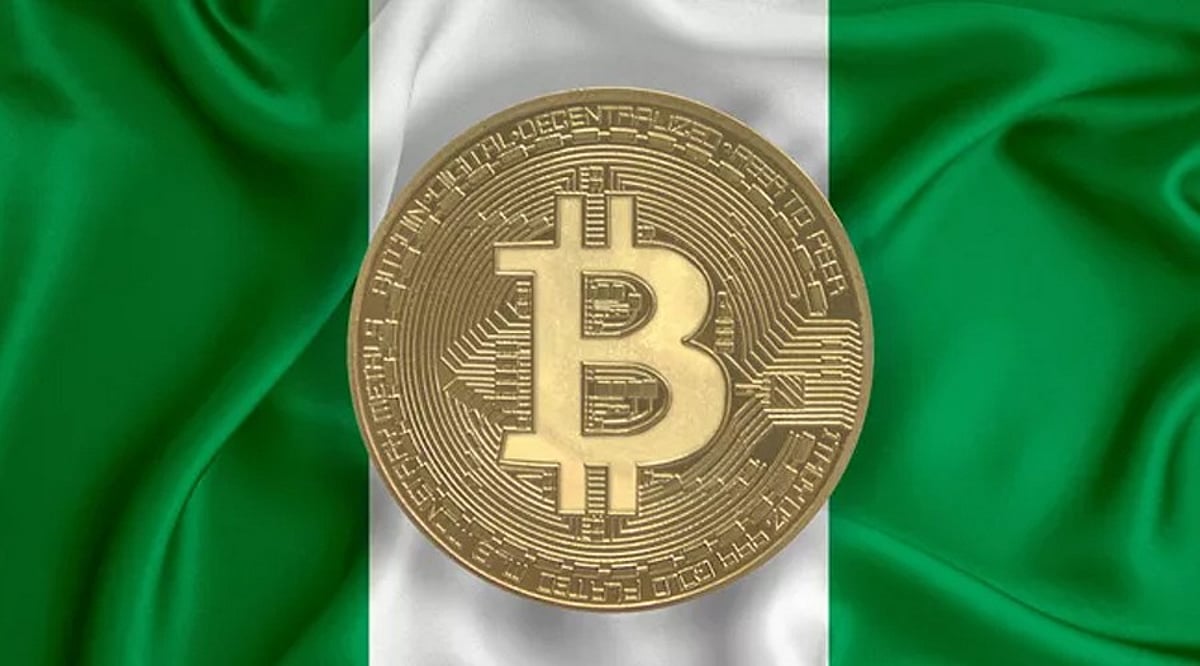
Nigeria has taken a major step toward bringing order to its rapidly expanding cryptocurrency market. President Bola Tinubu signed an executive order on July 17, establishing a Virtual Asset Council that will coordinate regulatory efforts across multiple government agencies, protect digital asset users, and crack down on fraudulent activities.
The newly formed council brings together key regulatory bodies, including the Central Bank of Nigeria (CBN), the Securities and Exchange Commission (SEC), the Nigeria Revenue Service, the Nigerian Financial Intelligence Unit, and the Office of the National Security Adviser. A dedicated Virtual Asset Office within the CBN will oversee the council’s daily operations and facilitate rapid information sharing among agencies.
Under the new framework, crypto businesses will register based on the specific services they offer—such as trading, payments, or custody. The SEC will oversee crypto assets classified as securities, while the CBN will supervise crypto payment systems and related services. This clear division of responsibilities is designed to close legal loopholes and simplify compliance.
“Too often, unregistered and fraudulent operators have exploited these gaps to prey on unsuspecting Nigerians, costing families their savings,” the Presidency stated, explaining the need for the new system.
Nigeria also plans to release new tax guidelines for digital assets and launch a regulatory sandbox where blockchain companies can test new products under government supervision. The Virtual Asset Council is tasked with preparing detailed rules within 30 days. Meanwhile, lawmakers are considering a new bill that could introduce stricter licensing and compliance requirements for crypto businesses.
Leave a Reply