
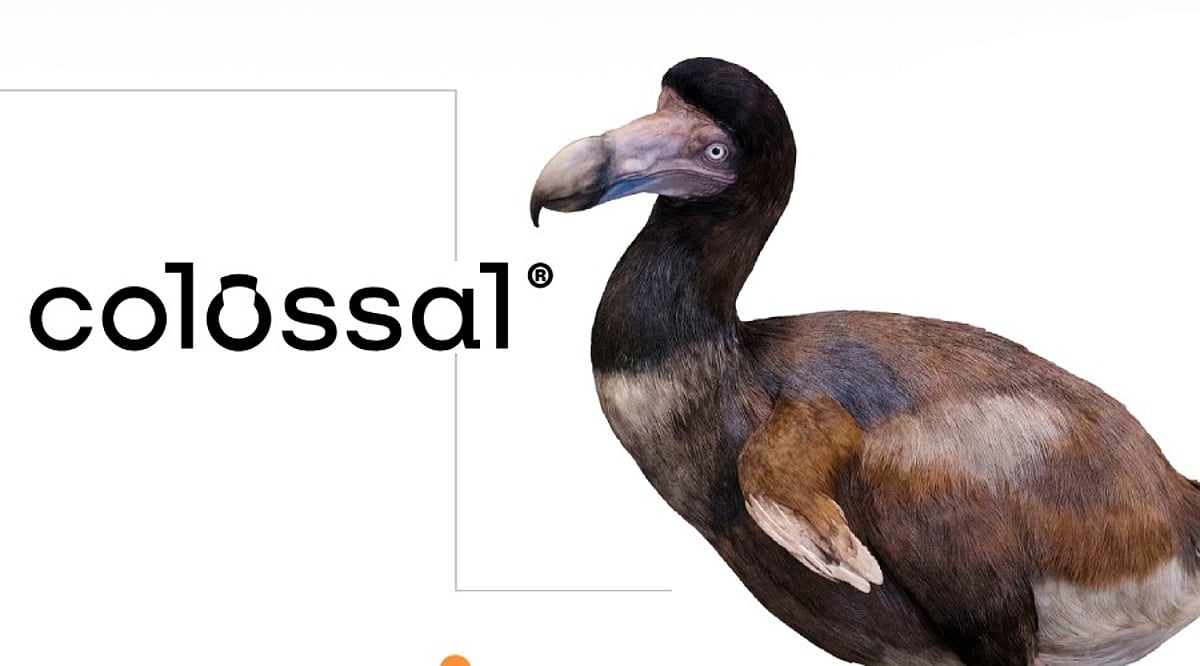
Colossal Biosciences, the U.S. biotechnology company working to resurrect extinct species such as the woolly mammoth and the dire wolf, is reportedly in talks to raise new capital at a valuation of at least $20 billion. According to a report by Axios, the funding round could value the Dallas-based startup between $20 billion and $30 billion, nearly doubling its $10.2 billion valuation from early 2025. While the lead investor has not been disclosed, discussions have been ongoing for months and are said to be nearing completion.
From Ambitious Science to Commercial Growth
Founded in 2021 by entrepreneur Ben Lamm and Harvard geneticist George Church, Colossal is known for its “de-extinction” technology, which uses gene-editing techniques to recreate the traits of species that vanished thousands of years ago. Unlike its previous funding round when the company was pre-revenue, Colossal is now generating income — a significant shift in its business model. Investors view its technology as applicable beyond wildlife conservation, extending to pharmaceuticals, biodiversity preservation, climate adaptation, and longevity research.
Recently, Colossal announced it had successfully hatched chicks from artificial eggs, a step toward reviving the extinct giant moa bird. CEO Ben Lamm has stated that the company plans to develop an artificial womb for mammals within the next year.
Conservation Mission Draws Investor Interest
Beyond de-extinction, Colossal collaborates with governments and research institutions to preserve the genetic material of endangered species. It has also spun off two businesses focused on plastic degradation and DNA analytics, broadening its commercial portfolio. The fundraising effort comes amid growing investor appetite for deep-tech startups, driven by advances in artificial intelligence, biotechnology, and climate innovation.
Critics Urge Caution
Despite billions in funding, Colossal remains under close scrutiny from scientists and conservation experts. Some critics argue that bringing back extinct animals generates headlines but does little to address the immediate threats facing living species. Others worry about ecological ripple effects: if genetically engineered animals are reintroduced into current ecosystems, they could disrupt food webs or compete with existing species. Colossal maintains that the technologies developed for de-extinction are also designed to bolster protection programs for species that still exist.
Leave a Reply